A lot of firearm owners assume a careful do-it-yourself upgrade is harmless, especially if the gun still runs afterward. But many warranties are much stricter than people realize, and small changes can create big headaches when a repair claim comes up. This gallery breaks down the common DIY gunsmithing moves that may seem routine, yet often give manufacturers an easy reason to deny coverage.
Polishing Internal Parts Beyond Factory Specs

A little polishing is often framed as an easy way to smooth out a trigger or improve cycling, but it can quickly cross the line from maintenance into alteration. Once sear surfaces, feed ramps, or engagement points are changed, a manufacturer may argue the original tolerances are gone.
That matters because warranty coverage usually depends on the firearm remaining in factory configuration. Even if the work looks clean, the company may decide that altered internals make it impossible to judge whether a later failure came from a defect or from the owner’s handwork.
What surprises many people is that the gun can function fine for months before trouble appears. When it finally does, the polished surfaces become the first thing a service department notices.
Installing Aftermarket Triggers Without Approval
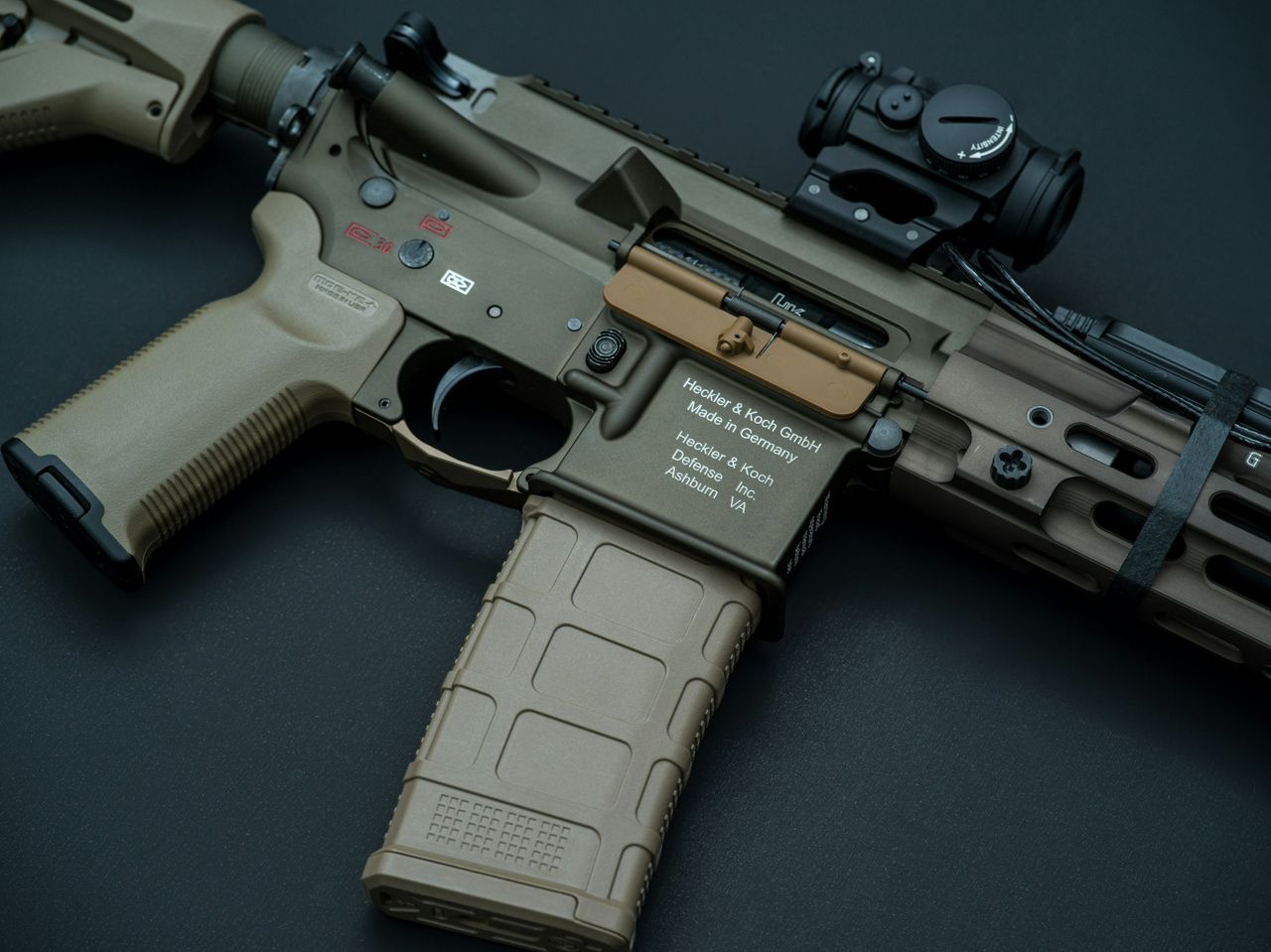
Trigger upgrades are among the most popular DIY changes, especially on pistols and AR-style rifles. They promise a cleaner break and lighter pull, but they also replace one of the most closely scrutinized systems in the gun when a warranty claim lands on a technician’s bench.
Manufacturers often treat aftermarket trigger groups as a major modification, not a minor accessory. If the gun starts doubling, failing to reset, or showing unusual wear, the company may say the non-factory parts changed the operating conditions enough to void coverage.
Even reinstalling the original trigger before shipping the firearm in may not solve the problem. Tool marks, altered pins, and wear patterns can still tell the service team that the gun was modified.
Using Power Tools on Frames and Receivers
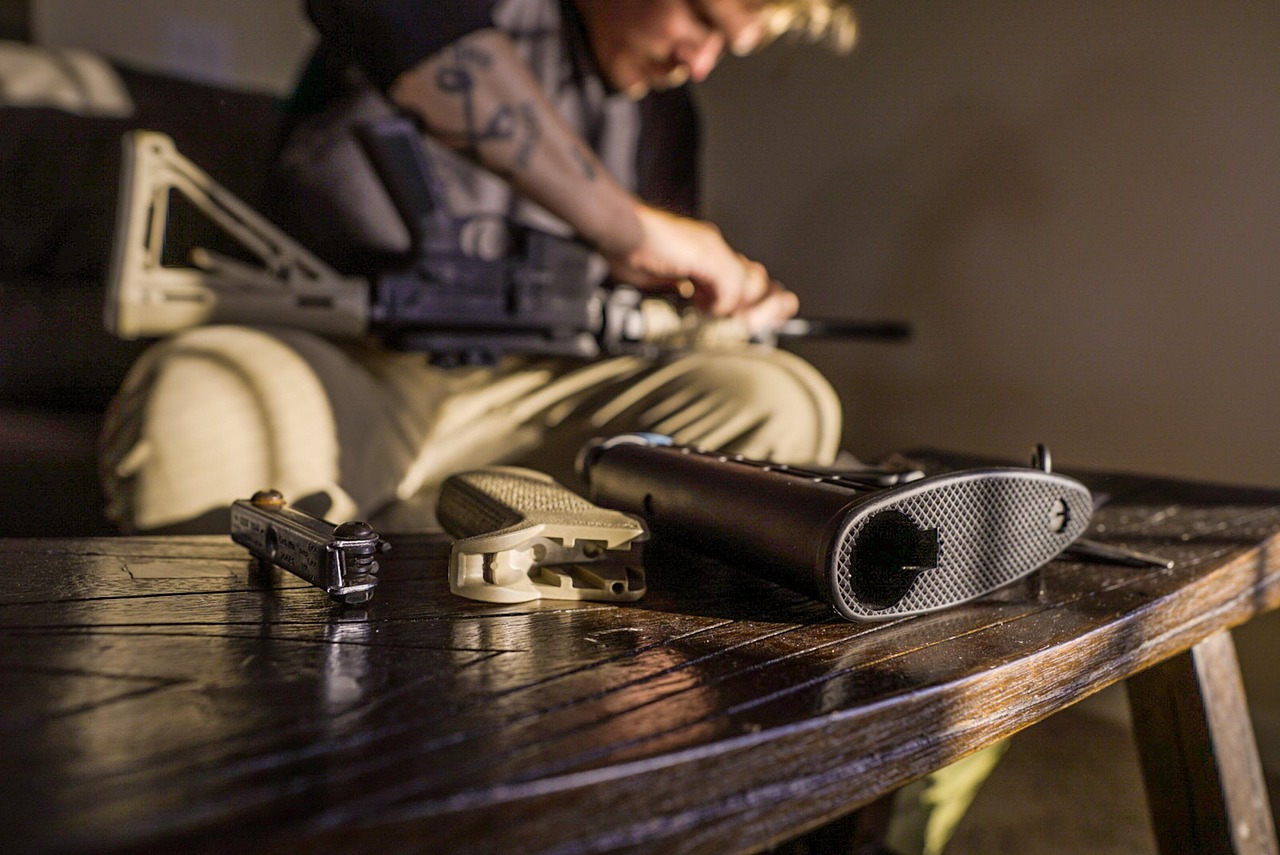
Home fitting jobs can go sideways fast when rotary tools, sanding drums, or drill bits come out. Owners may be trying to relieve a tight spot, blend a part, or open a channel, but manufacturers generally see any removal of material from the frame or receiver as a serious red flag.
These areas are central to the firearm’s structural integrity, and once metal or polymer is taken away, there is no real undo button. If cracking, poor fit, or cycling issues show up later, warranty reviewers can reasonably point to the owner’s tool work as the likely cause.
This is one of those mistakes that feels invisible until a claim is filed. Under bright inspection lights, however, uneven cuts and fresh reshaping are rarely hard to spot.
Threading Barrels or Cutting Slides at Home
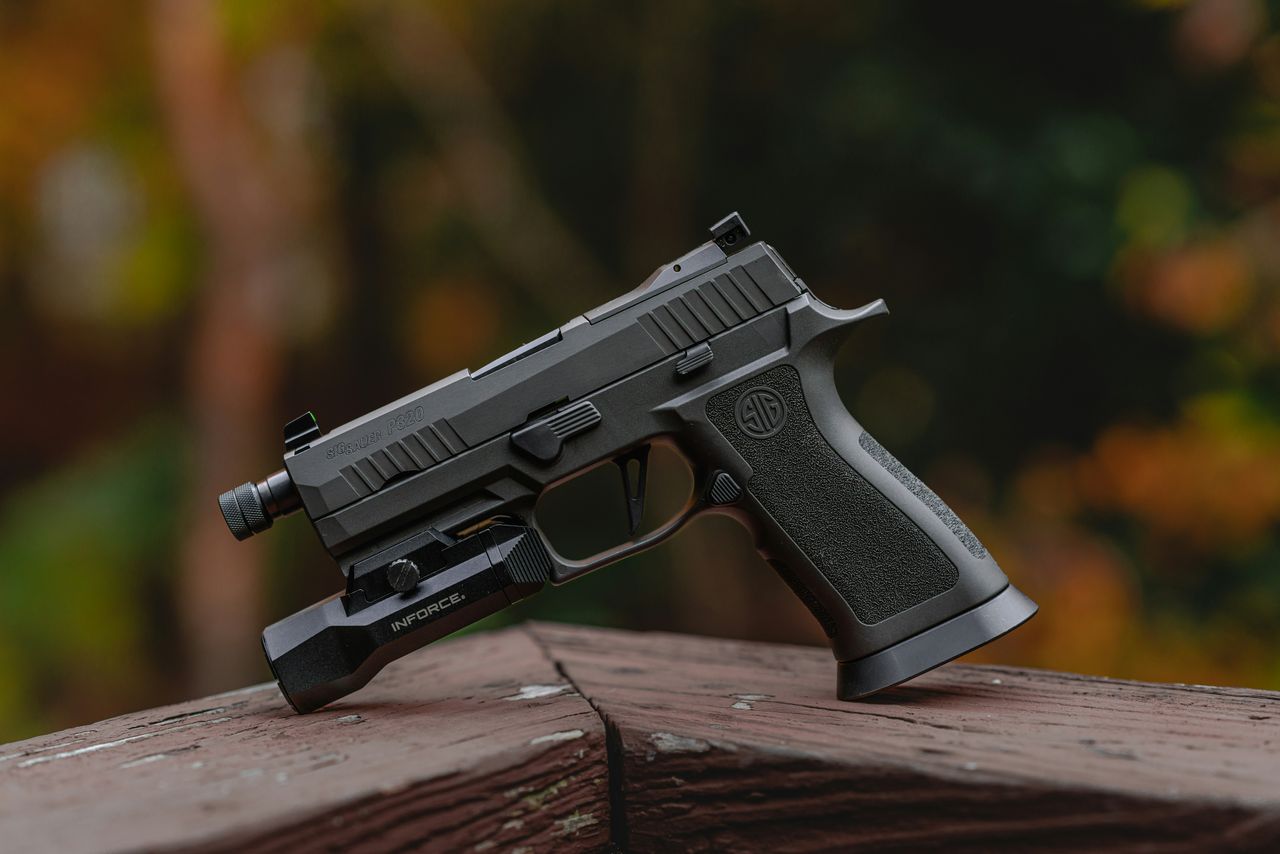
Barrel threading and slide cutting look straightforward in online videos, but they are precision machining jobs with almost no margin for error. A barrel shoulder that is slightly off or a slide cut that changes stress distribution can create reliability issues that were never present in the original factory setup.
From the manufacturer’s perspective, that kind of machining is a direct alteration of core components. If accuracy drops, lockup changes, or cracks form later, the warranty claim may end before it really begins because the gun no longer matches the product they sold.
Owners are often surprised that even clean, professional-looking cuts can still void coverage. The question is not whether the work looks attractive, but whether the company authorized it.
Mixing Springs and Small Parts From Different Brands

Spring kits, extractors, guide rods, and pins are easy to swap and often marketed as drop-in improvements. The problem is that small parts control timing, pressure, and lockup in ways that are not always obvious to the owner doing the install at the kitchen table.
When pieces from different brands are mixed together, the firearm can behave outside its tested configuration. If something breaks, the manufacturer may say the combination created an unknown system, which means they are no longer responsible for how it performs.
This is especially risky when owners chase a single symptom by changing several parts at once. Once the original setup is gone, it becomes much harder to prove the fault started at the factory.
Overtorquing Screws, Optics Plates, and Mounts
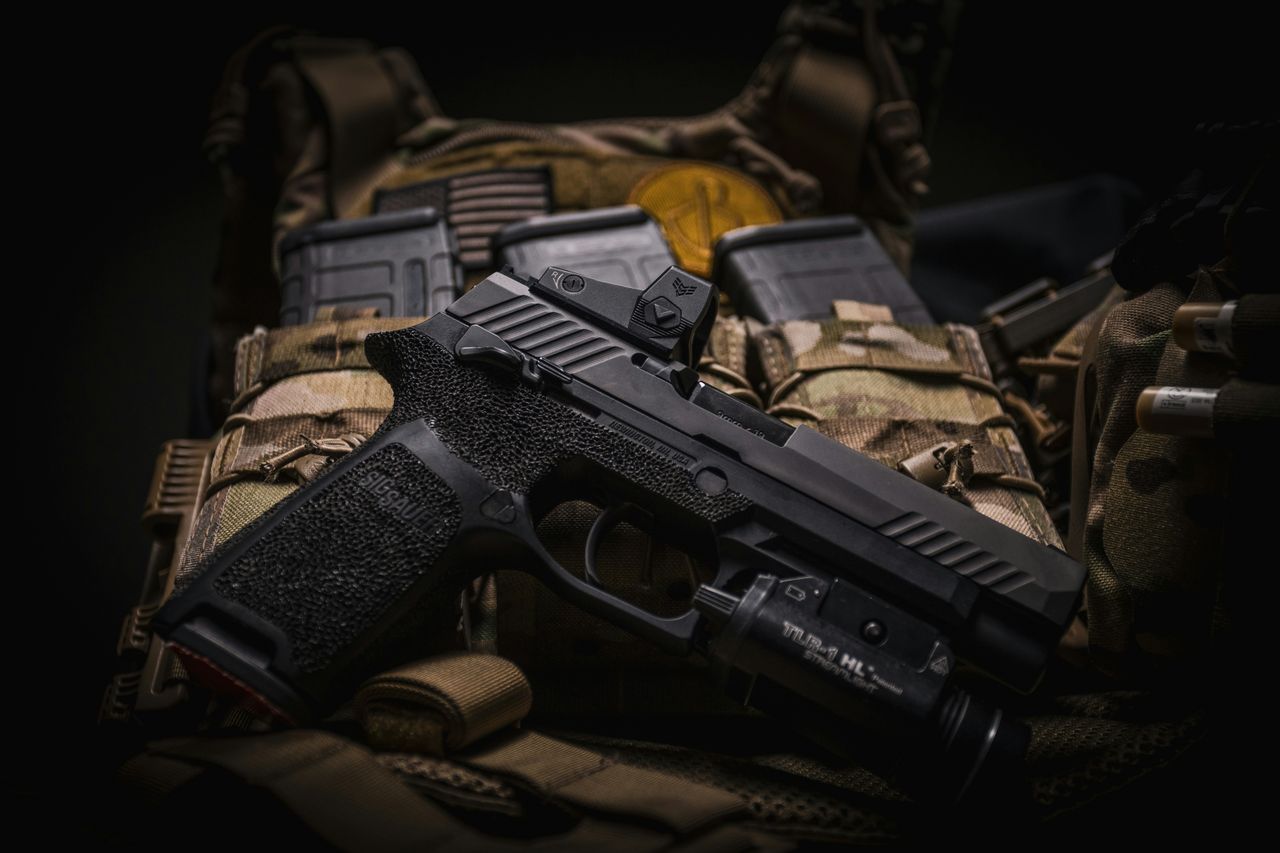
Many DIY jobs fail not because the part was wrong, but because the installation pressure was. Tiny screws on optics plates, scope mounts, grip modules, and action screws can strip threads or distort surrounding parts when they are tightened by feel instead of to the maker’s spec.
Once threads are damaged, companies may classify the issue as owner-caused rather than material failure. A cracked mounting point or ruined screw channel often looks less like a warranty problem and more like evidence of improper installation.
This one catches careful owners off guard because the damage may not show up immediately. The firearm can seem fine until recoil loosens the setup, after which the manufacturer sees the telltale signs of overtightening.
Using Nonstandard Ammunition to Test DIY Work

After making a change, some owners head straight to hot loads, reloads, steel-case rounds, or other nonstandard ammunition to see whether the gun can handle it. That sounds practical, but ammunition outside the manufacturer’s recommendations can complicate any future warranty claim almost instantly.
If a part fails after the firearm has been fed reloads or overpressure rounds, the company may argue that abnormal stress caused the breakage. Even if the underlying part was weak, proving that becomes much tougher once unsupported ammo enters the picture.
The combination of DIY modifications and unconventional ammunition is especially hard to defend. To a service department, it can look like two variables were introduced at once, making factory responsibility difficult to establish.
Skipping Recommended Lubricants and Cleaning Methods

Warranty problems are not only about flashy modifications. Something as ordinary as using harsh solvents, the wrong grease, or aggressive scraping tools can damage finishes, seals, and polymer parts in ways that manufacturers may classify as improper maintenance.
Owners sometimes assume any gun cleaner is fair game, especially if it is marketed for heavy fouling. But some formulas and methods can attack coatings or leave internal areas running too dry, which then leads to wear that a service center may blame on the owner.
This issue tends to feel unfair because it often starts with honest care. Still, if the manual specifies certain lubrication points or cautions against particular cleaners, ignoring that guidance can quietly narrow warranty protection.
Filing Feed Ramps and Chambers to Fix Reliability

Few DIY fixes are more tempting than taking a file or abrasive paper to a feed ramp or chamber after a few stubborn malfunctions. Online advice often makes it sound like a quick cure, but these are geometry-sensitive surfaces that affect feeding, pressure, and extraction.
Once those areas are altered, manufacturers may treat every later problem as modification-related. A rough chamber, removed finish, or changed angle can become the obvious explanation for stoppages or case issues, even if the original problem had nothing to do with those surfaces.
The frustrating part is that amateur corrections can mask the true defect instead of solving it. By the time the firearm goes in for service, the factory may see an altered part rather than the problem they might have covered.
Doing the Work Without Keeping Any Records

Even when a modification does not automatically void coverage, poor documentation can make a warranty dispute much harder to win. If the owner cannot show what was installed, when the problem started, or whether factory instructions were followed, the manufacturer usually has the advantage.
Photos, receipts, torque values, part packaging, and notes about function testing can help establish a timeline. Without that paper trail, a claim can devolve into a simple disagreement over what happened, and companies are rarely eager to assume liability in that situation.
This final mistake is quiet because it does not involve cutting, sanding, or swapping parts. But when a service department asks questions, missing records can turn a maybe-covered issue into an easy denial.