
Body armor had been evolving for thousands of years before Kevlar appeared. Ancient warriors experimented with animal hides, woven fabrics, metals, and natural materials, constantly balancing protection, weight, flexibility, and availability. Bronze and iron created rigid defenses, while layered textiles showed that soft materials could also absorb and distribute force. Kevlar was not invented until 1965 by DuPont chemist Stephanie Kwolek, making these earlier solutions part of a much longer story of protective technology.
1. Animal Hide And Leather
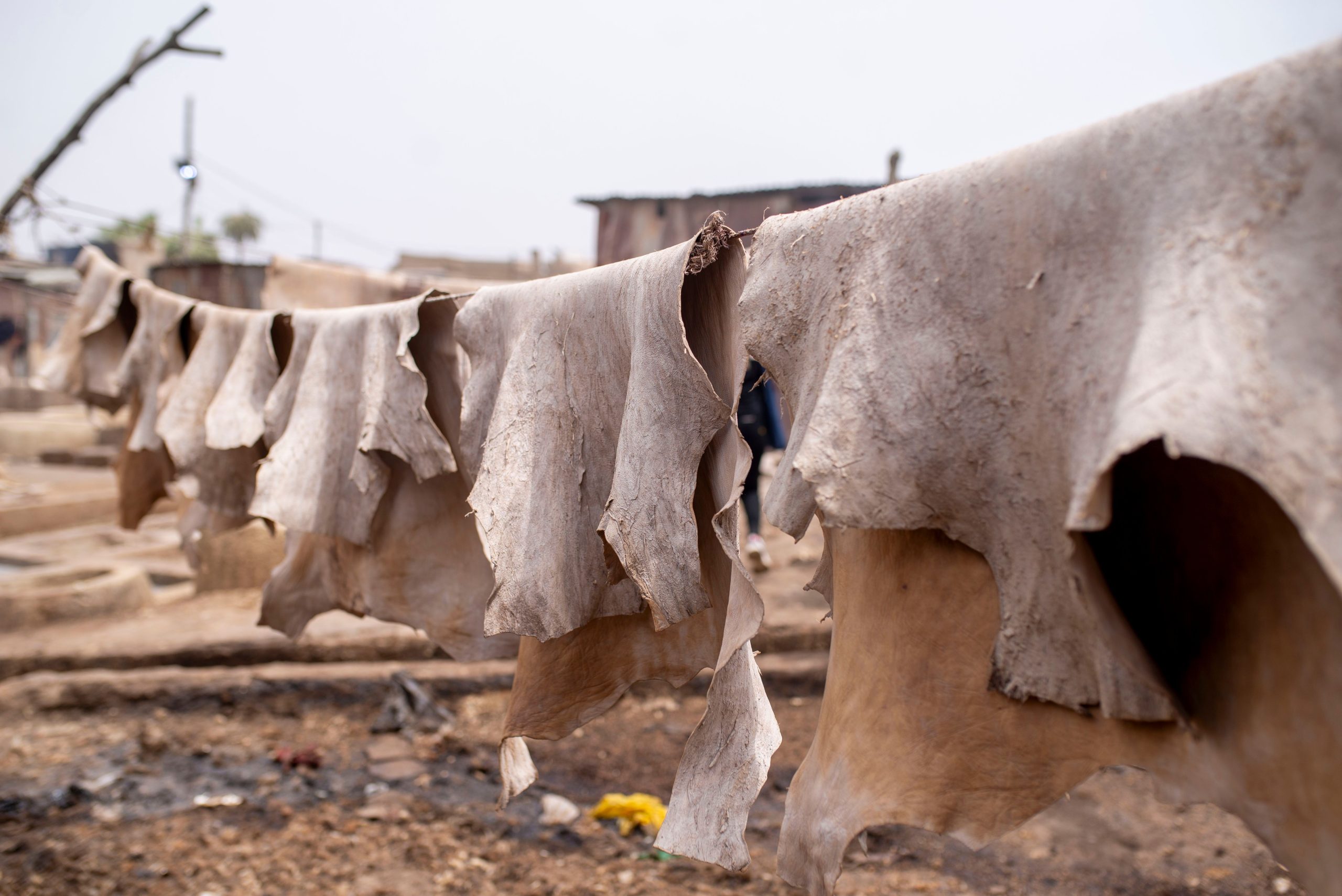
Before metal dominated battlefields, animal hide offered protection against cuts, splinters, and glancing blows. Leather could be layered, stitched, or shaped over the torso, while hardened leather, called cuir bouilli, was treated with heat, water, wax, or oil to stiffen it. Roman equipment also used leather to support metal plates. A piece could be lighter than metal, although protection varied with thickness, tanning, and construction. Its advantage was availability: one hide could become several protective pieces. Ancient armor traditions using hide date back thousands of years.
2. Layered Linen
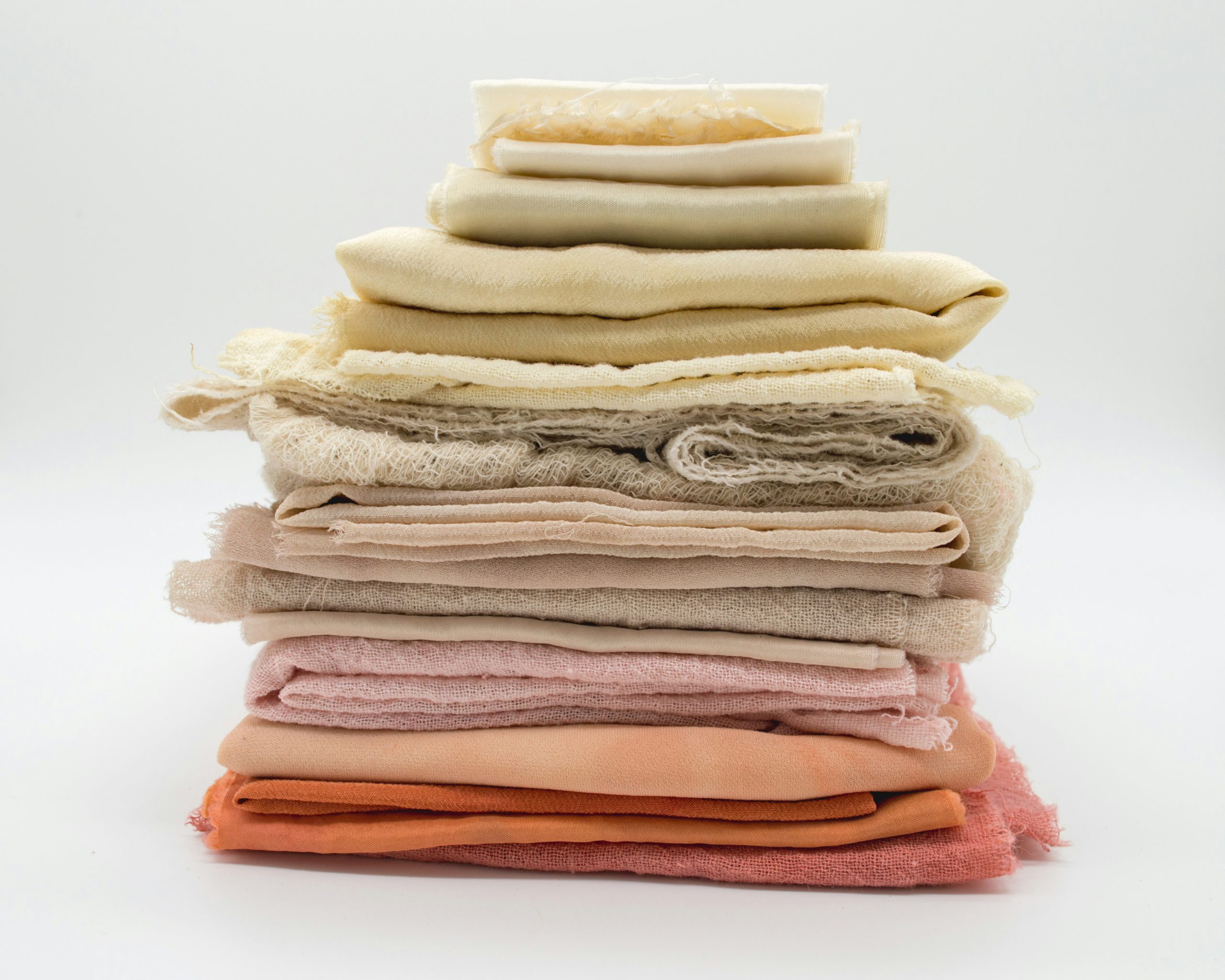
Linen was not merely a clothing material in the ancient Mediterranean. Warriors used layered textile armor, especially forms linked with the linothorax, where fabric layers were bonded or stitched into a stiff protective shell. The material was light enough for mobility while providing useful resistance against arrows and edged weapons. Ancient examples are rare, and exact construction remains debated, but reconstructions often use many layers. Some reconstructions use 10 or more layers, showing how ordinary fabric became substantial when stacked.
3. Quilted Cotton And Wool
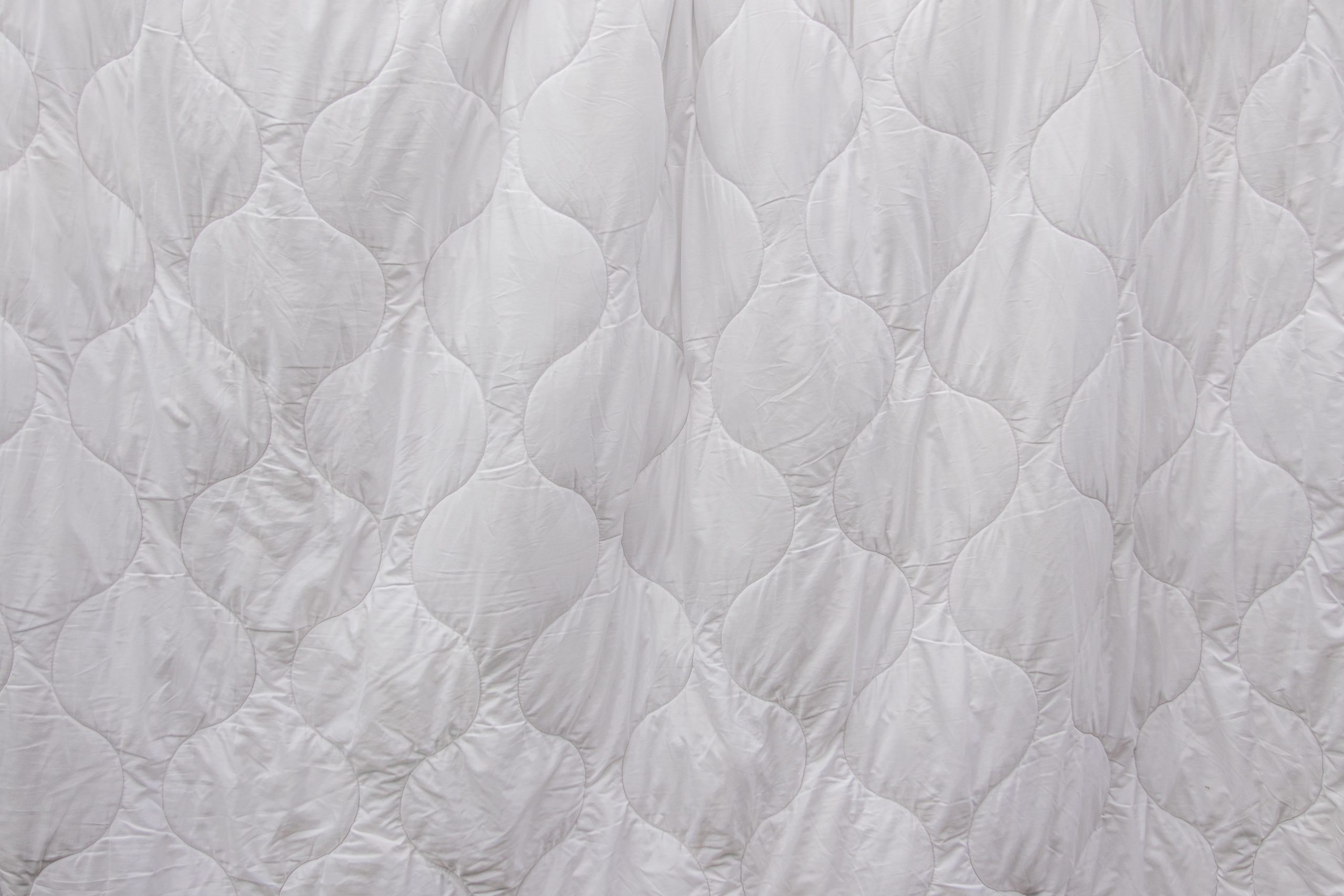
Soft armor made from many layers of cloth was useful when metal was costly or uncomfortable. Linen, cotton, and wool could be stitched or quilted into thick jackets that spread blunt impacts and resisted cuts. Medieval padded garments such as gambesons were often worn beneath mail or plate, but similar textile protection could also serve alone. The construction depended on thickness and density rather than on one special fabric. Some garments contained dozens of layers, creating a bulky, inexpensive barrier that was easier to wear than solid metal.
4. Bronze
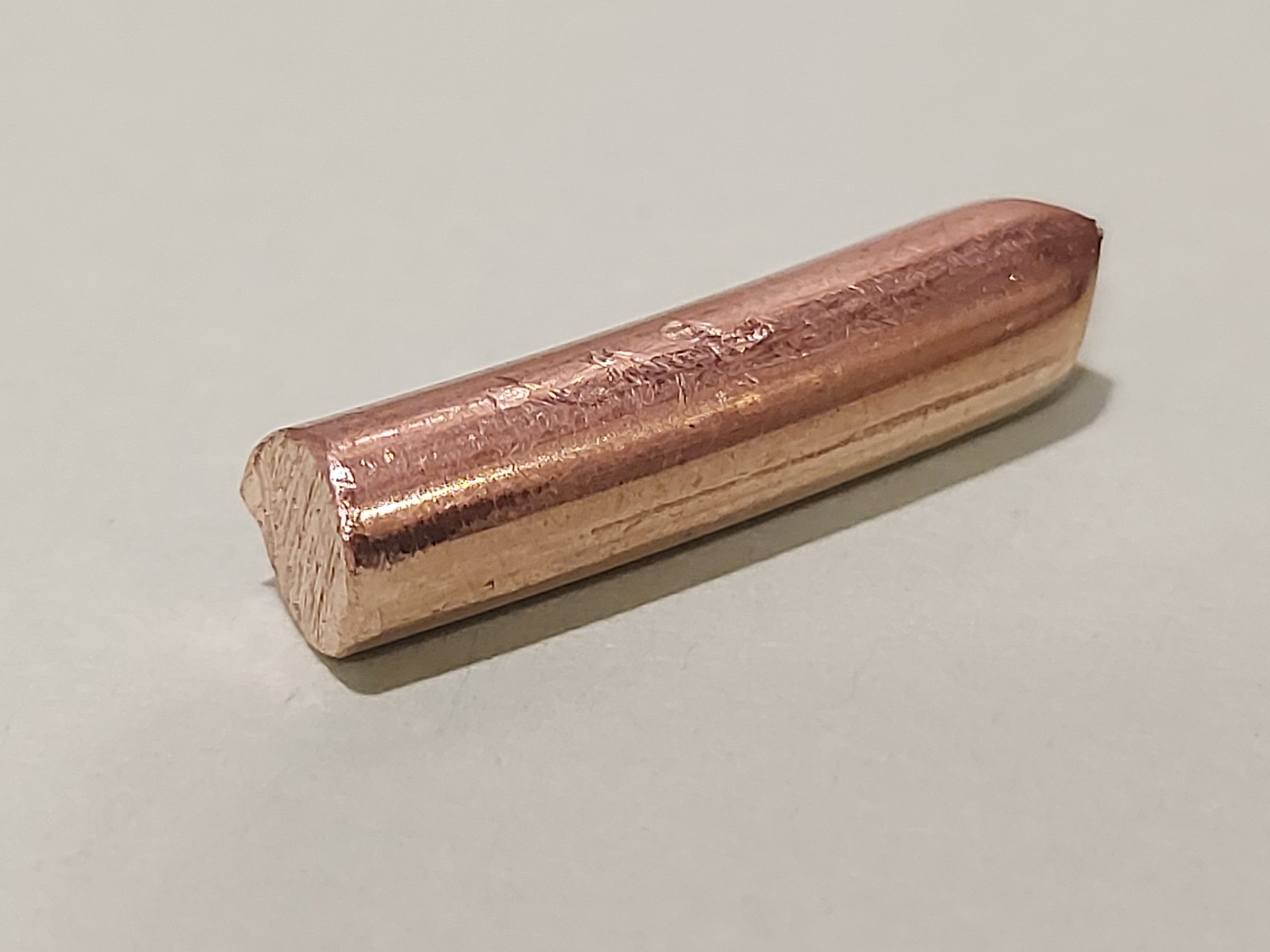
Bronze was one of the earliest metals widely shaped into dedicated body armor. By combining copper with tin, ancient armorers produced a material that could be cast and hammered into helmets, cuirasses, and greaves. Greek armor frequently used bronze plates shaped around the chest, while Egyptian and Near Eastern designs also used bronze scales or plates. A complete bronze panoply could be heavy, with extensive coverage demanding substantial metal. Its strength suited its era, but weight and cost encouraged wider use of iron. Egyptian armor from about 1500 B.C. used bronze scales or plates.
5. Iron
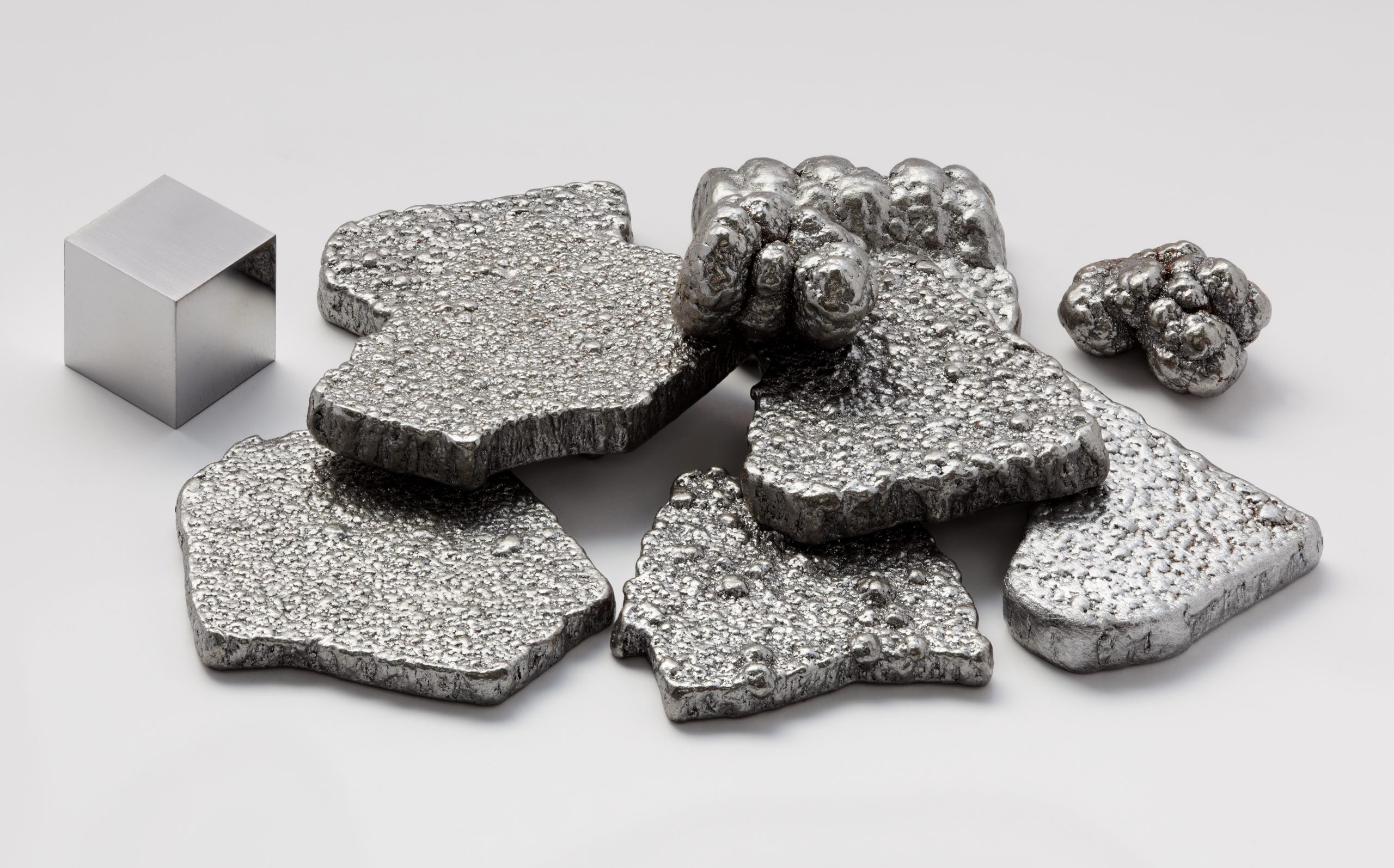
Iron transformed armor because it was widely available and could be worked into scales, plates, helmets, and rings. Roman armies used iron in several systems, including segmented bands and mail. Mail was flexible because thousands of small rings moved with the wearer while resisting cuts. A Roman mail shirt could weigh about 14 to 30 pounds, according to the National Park Service. Early iron varied in quality, so protection depended on thickness, workmanship, and arrangement. That adaptability made it valuable across many armies for centuries.
6. Steel
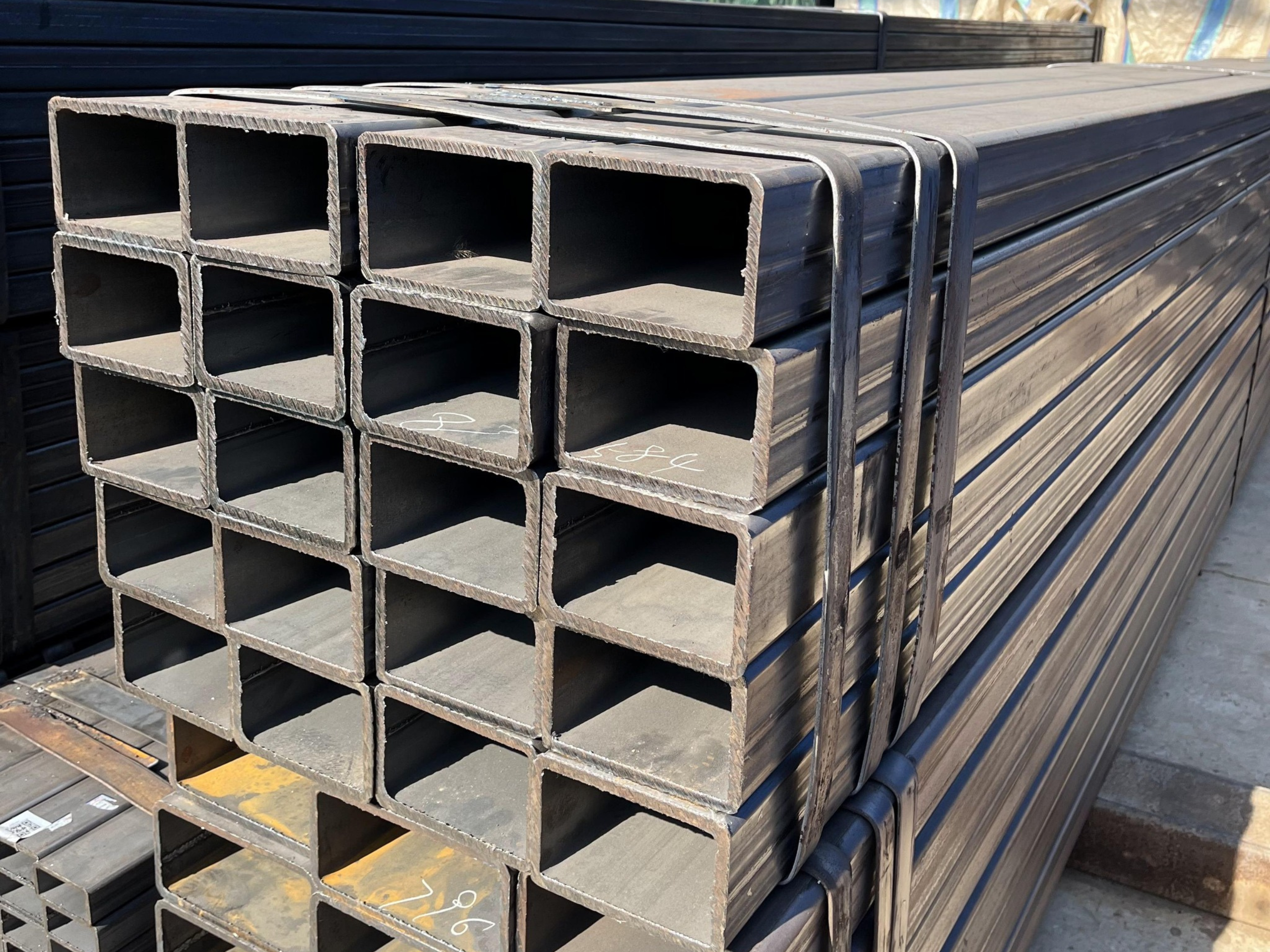
Steel became the high-performance metal of later armor because carbon could make iron harder and stronger. Medieval and Renaissance armorers improved forging, heat treatment, and shaping, eventually producing plate armor that covered much of the body. By the late medieval period, some European armor steels contained roughly 0.5% to 0.75% carbon, although composition varied. Curved breastplates also helped deflect blows instead of simply absorbing them. Steel combined material science, geometry, craftsmanship, and weight management. That balance helped plate armor remain practical for centuries.
7. Silk

Silk is one of the most surprising pre-Kevlar armor materials because tightly woven silk was tested against bullets as well as blades. In the late 19th century, Casimir Zeglen developed a bullet-resistant vest using multiple layers of silk, and Jan Szczepanik later advanced the concept. Silk fibers could catch and spread projectile energy through flexible fabric. The approach was expensive because good silk required substantial material. The experiments showed that soft fiber could provide ballistic protection before synthetic aramids. It was an early demonstration of flexible ballistic armor.
8. Horn And Bone

Horn and bone offered protection before modern composites existed. Thick horn plates, antler pieces, and bone components could be shaped into scales, lamellae, or reinforcing elements where suitable animals were available. Their performance depended heavily on species, thickness, orientation, and construction, so they were never a universal replacement for metal. Layered organic plates could resist cuts and some light projectiles while staying relatively light. Evidence from many regions shows that natural materials were repeatedly adapted to local resources. Plates could be centimeters wide.
9. Rattan And Plant Fiber
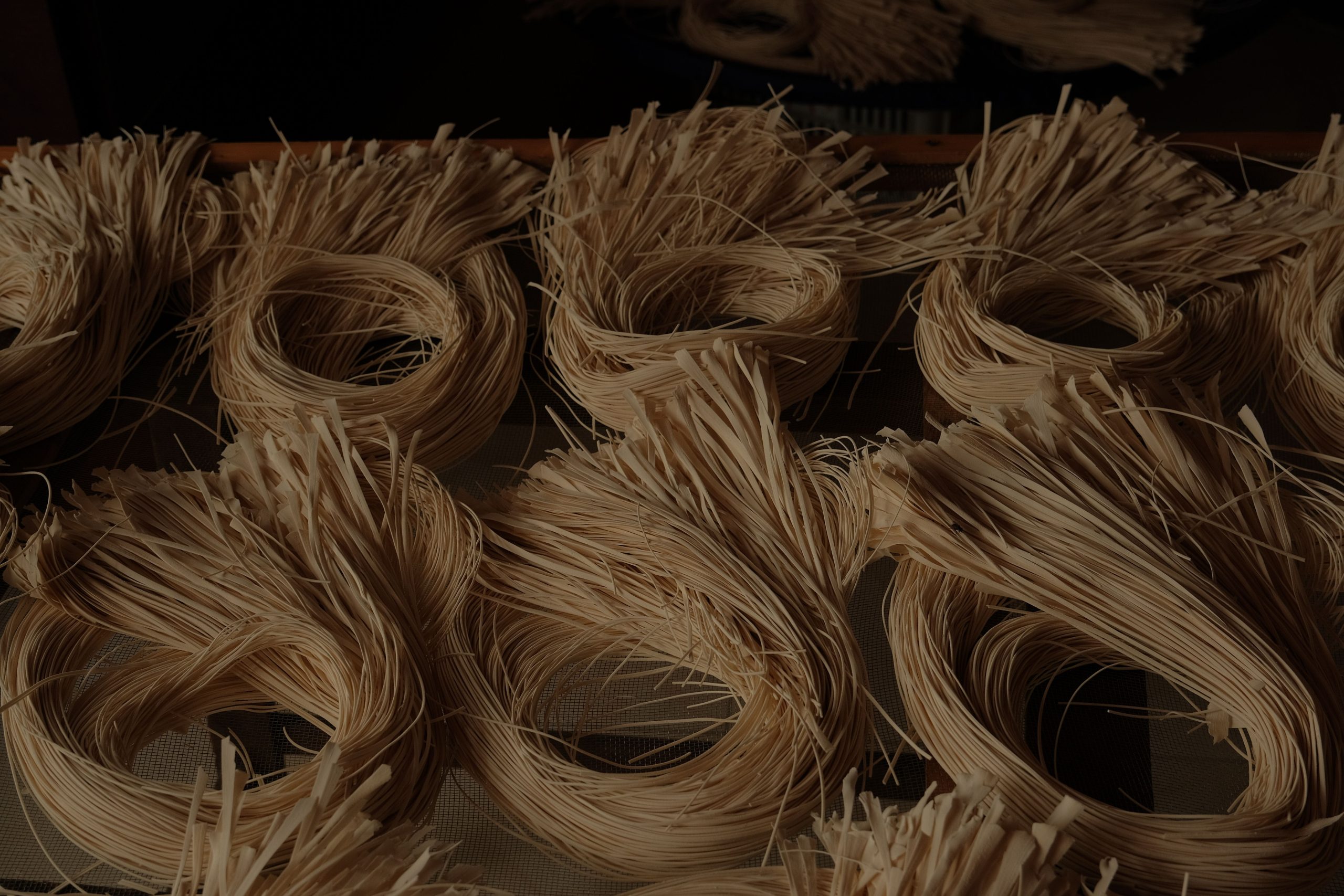
Plant materials became armor when woven, layered, or combined. Rattan, bamboo, and other tough fibers were used in protective equipment across parts of Asia, often as flexible structures, scales, or reinforced panels. Their appeal was low weight and availability. Unlike steel, plant fiber could suffer from moisture or decay, so maintenance mattered. These systems show a basic principle of early armor: protection needed a material that could slow, spread, or redirect impact energy. Some designs used dozens of woven elements.