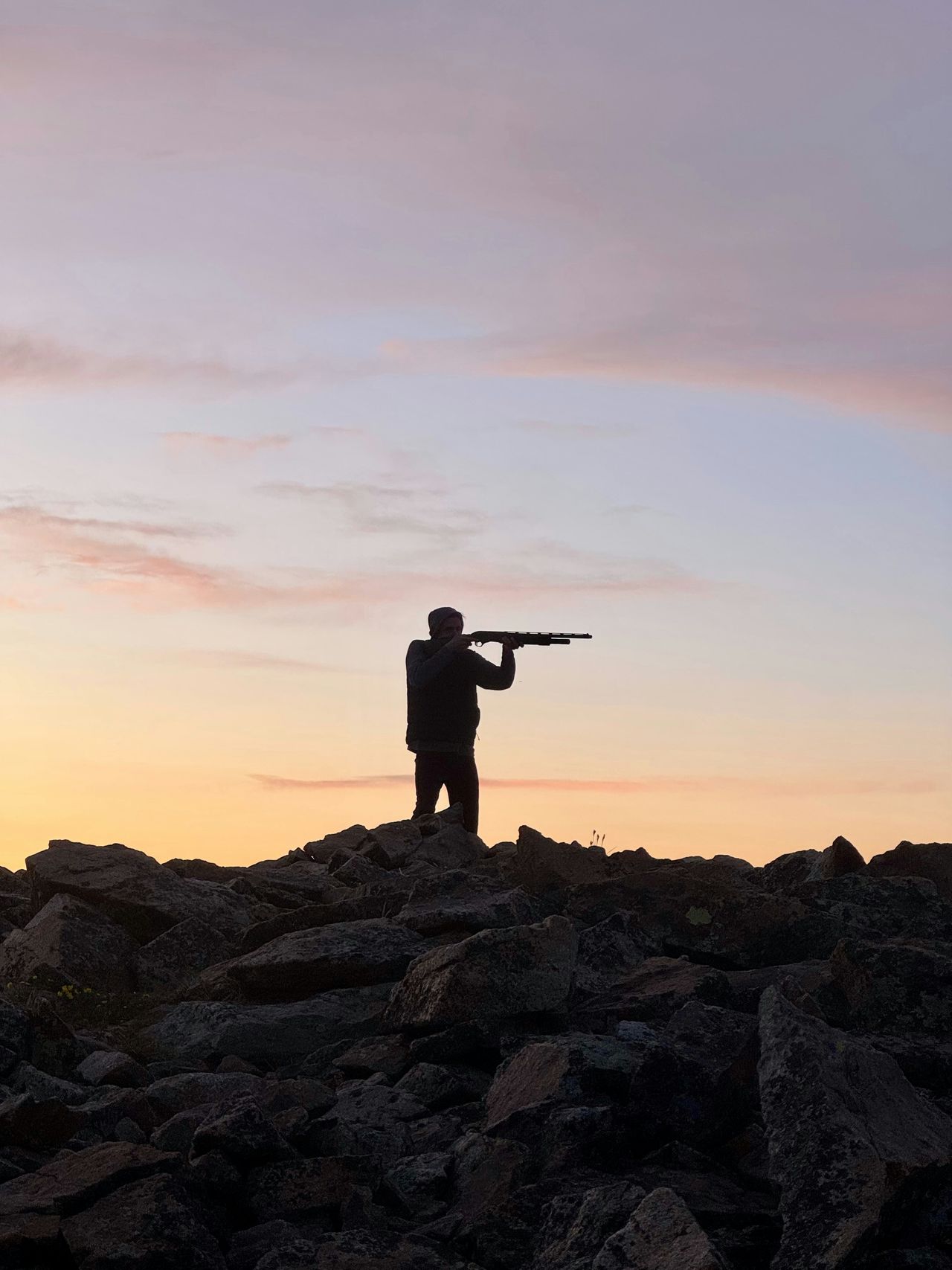
Five years ago, many arguments inside hunting circles felt familiar: public land access, tag allocation, and the balance between tradition and regulation. Today, trophy hunting debates have splintered in new ways, with hunters increasingly challenging not just policy, but one another’s motives, methods, and public image. These eight practices sit at the center of that friction, revealing a community in the middle of a fast cultural shift.
High-Fence Trophy Hunts

Few topics spark faster arguments than high-fence trophy hunts. Supporters say fenced ranches can fund habitat work, support rural jobs, and offer older or less mobile hunters a realistic chance at a mature animal. They also argue that legal, regulated operations should not be lumped together with the worst examples shared online.
Critics see something very different. To them, fencing changes the core idea of fair chase and turns a difficult pursuit into a controlled transaction. What surprises many longtime hunters is how sharply younger sportsmen and women now judge these hunts, often treating them as a reputational problem for everyone who hunts.
Long-Range Shooting for Trophies

Advances in optics, ballistic apps, rangefinders, and custom rifles have made once-unthinkable shots feel almost routine. Some hunters view long-range shooting as a disciplined skill that demands practice, patience, and serious investment. They say a clean hit at distance can be more ethical than a rushed close encounter.
Others believe the culture around extreme-range kills has drifted away from hunting and toward marksmanship theater. Their concern is not just accuracy on the range, but everything that happens in the field when wind shifts, angles change, and adrenaline spikes. The divide has widened because social media often rewards the shot distance more than the hunt itself.
Baiting Trophy Animals

Baiting has long existed in some regions, but attitudes around it are changing as more hunters weigh optics as much as legality. Defenders say bait can improve shot placement, help manage specific animals, and make hunting safer in dense cover. In places with established traditions, they see it as one valid tool among many.
Opponents argue that baiting blurs the line between hunting and staging. They also point to disease concerns, changing animal behavior, and the message it sends to non-hunters already skeptical of trophy pursuits. What has shifted recently is how many active hunters now frame the issue less as a rulebook question and more as a values question.
Using Drones to Scout Game

Drone technology has transformed scouting in many outdoor spaces, and hunting has not escaped the debate. Even where using drones during an active hunt is restricted or illegal, the gray areas around preseason scouting and content creation have fueled mistrust. Some hunters say aerial views simply provide efficient information that replaces time many people no longer have.
Others think drones undermine woodsmanship by removing the uncertainty that defines the pursuit. They worry that animals become data points on a screen rather than part of a lived landscape. The backlash has grown quickly because hunters who accept trail cameras or digital mapping often still draw a hard line at machines buzzing over wild country.
Trail Camera Networks and Live Cell Feeds

Trail cameras used to be a simple scouting aid. Now, cellular units, shared photo pools, and property-wide camera grids can create an always-on surveillance system that some hunters celebrate and others deeply dislike. For trophy-focused hunters, that stream of information can help target age-class animals and reduce wasted time in the field.
The criticism is about more than gadgets. Detractors say constant monitoring erodes spontaneity and can make hunting feel like inventory management. In some circles, even hunters who love mapping apps and GPS tools now question whether live animal updates cross an ethical line. That nuance is part of why this issue has become so unexpectedly combustible.
Social Media Trophy Grip-and-Grin Culture

The trophy photo is not new, but the internet changed its scale, speed, and consequences. A single image can now travel far beyond hunting circles, bringing praise from supporters and outrage from strangers within hours. Some hunters still see these posts as a proud record of effort, food, and success in the field.
Increasingly, though, others inside the community say the presentation matters as much as the harvest. They dislike staged blood-heavy images, captions focused only on antler score, and posts that seem designed to provoke. The tension here is especially modern: hunters are not just debating ethics in the woods, but branding, audience, and what hunting looks like to everyone else.
Guided Luxury Trophy Packages

Outfitted hunting has always existed, but the rise of premium, concierge-style trophy packages has sharpened class and access tensions. For some clients, these hunts are a practical way to use limited vacation time and learn unfamiliar country with experienced help. Outfitters also point out that guided hunts support local economies and often operate within tightly regulated systems.
Critics argue the luxury model can make trophy hunting look like an elite shopping experience wrapped in camouflage. The discomfort is not always about guides themselves, but about marketing language that promises wall-worthy animals as part of a polished package. That framing has made many hunters uneasy in ways they did not express so openly a few years ago.
Selective Trophy Targeting in Conservation Messaging

One of the most sensitive debates centers on how trophy hunting is defended in public. Supporters often emphasize conservation funding, herd management, and the argument that targeting older males can fit within science-based quotas. Many hunters genuinely believe that message is both true and necessary when hunting faces political pressure.
But a growing number worry that conservation language is sometimes used too broadly to shield any trophy-focused practice from criticism. They fear the public hears a simplified story while hunters ignore questions about motive, image, and fairness. The surprise is not that outsiders challenge the message. It is that so many hunters now openly dispute how that message is being used by their own side.