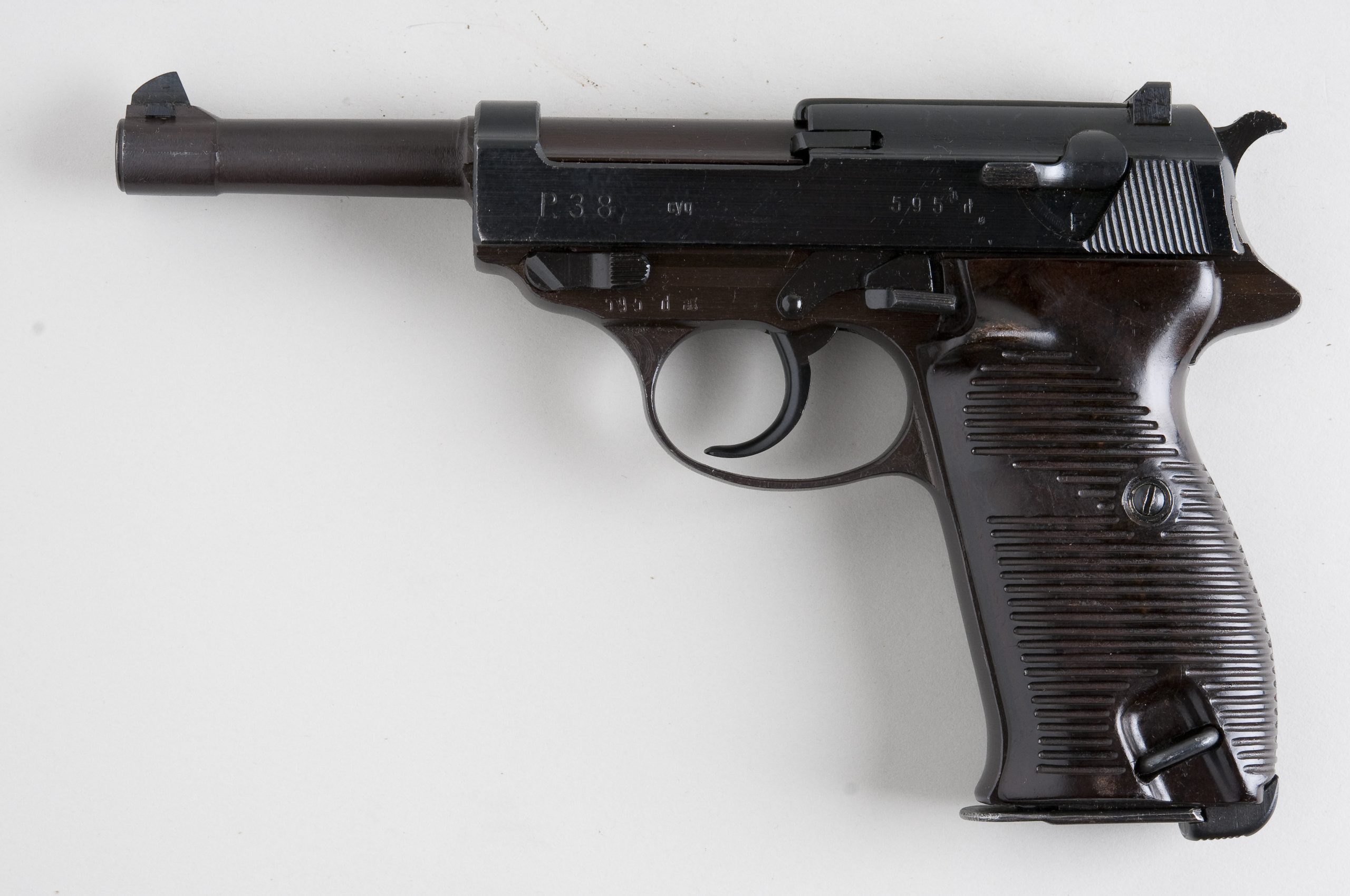
The Walther P38 occupies a fascinating place in handgun history. It was developed when Germany wanted to move away from the expensive and complicated P08 Luger toward a service pistol that could be manufactured more efficiently while offering modern handling characteristics. Adopted in 1938, the P38 introduced a combination of features that became highly influential, including a locked breech, double-action/single-action trigger and decocking safety. Its wartime career was only the beginning; the basic design continued in postwar service as the P1.
1. The Luger’s Replacement Was About More Than Reputation
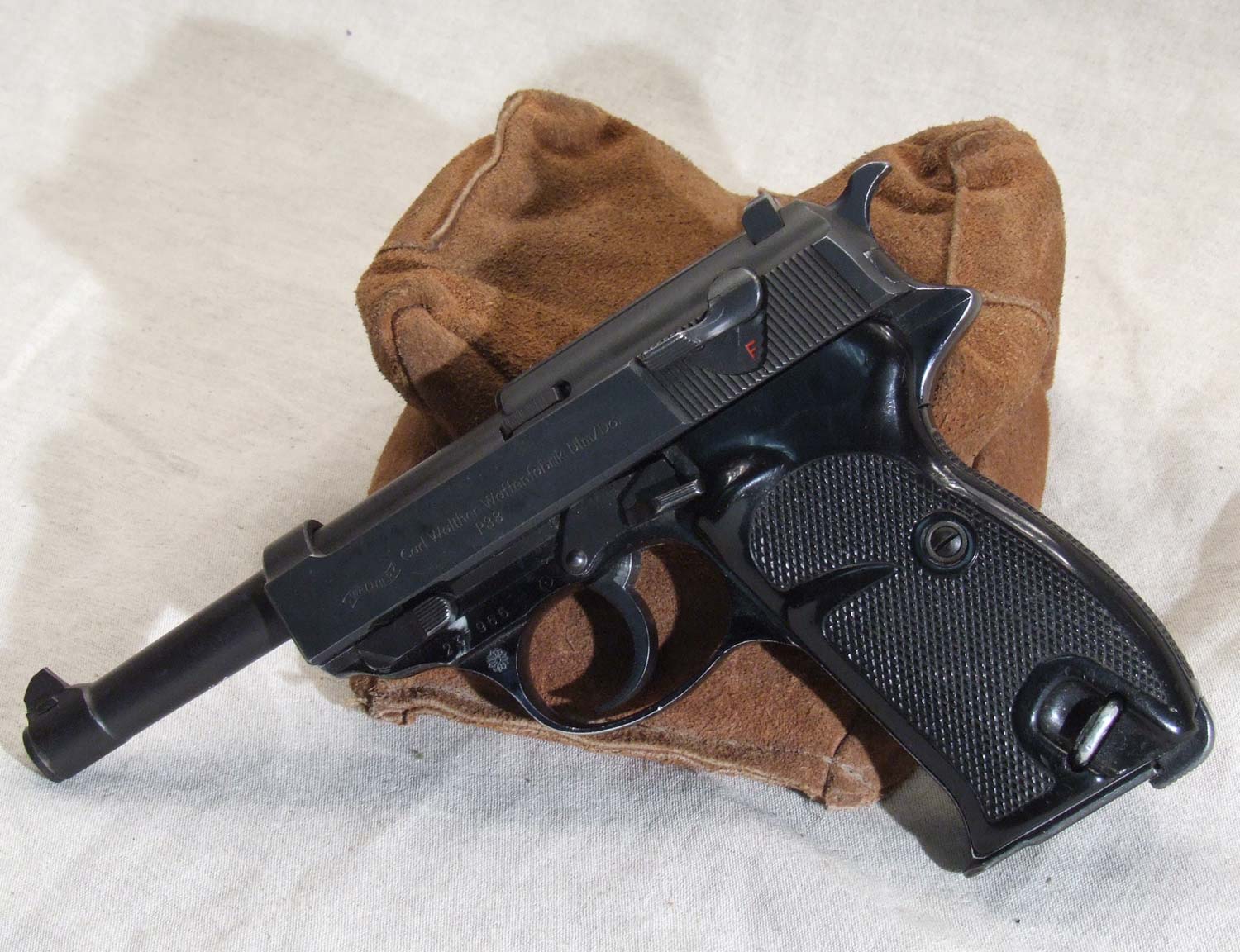
The P38 was created because Germany wanted a service pistol that was cheaper and easier to manufacture than the P08 Luger, not because the older gun lacked prestige. The Luger’s toggle action required numerous closely fitted parts and considerable production effort. Walther began pursuing a replacement in the early 1930s, experimenting with several designs before settling on the P38 pattern. The new pistol was adopted in 1938 and entered broader production from 1939–40. That shift mattered because the army needed a practical 9mm sidearm that could be produced in large numbers without the Luger’s manufacturing burden. That practical goal shaped nearly every major choice in the final design.
2. It Introduced a Revolutionary Trigger Combination
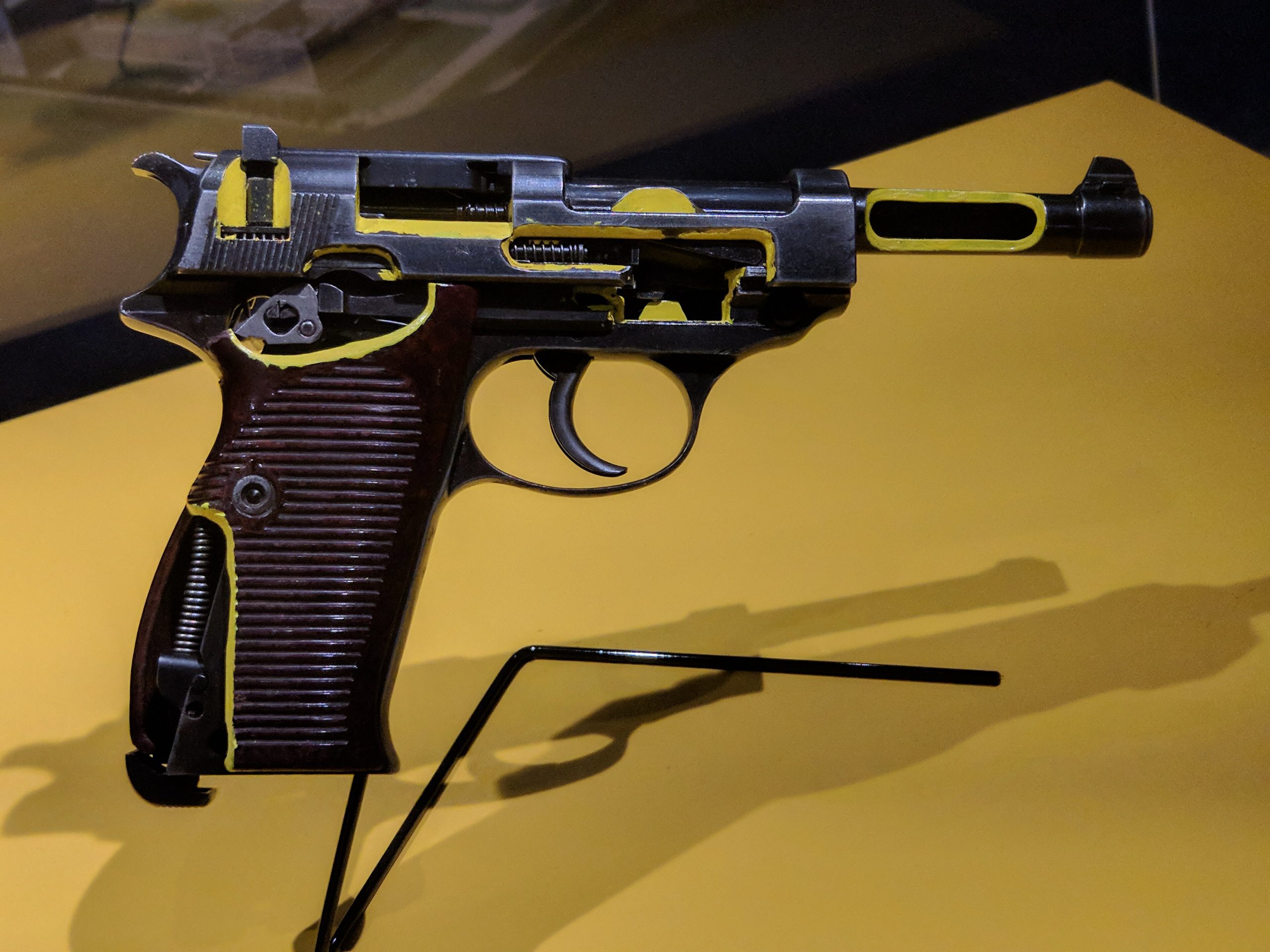
One of the P38’s most important achievements was combining a locked breech with a double-action/single-action trigger in a successful military service pistol. The hammer could be lowered with the safety-decocker, allowing the pistol to remain loaded while the first shot used a longer double-action pull. After cycling, the hammer stayed cocked for lighter single-action shots. This arrangement gave soldiers a different balance of readiness and safety from the single-action Luger. The concept became a familiar pattern in later service pistols. That made the P38 unusually forward-looking for a 1930s military handgun.
3. Its Locking System Looked Unusual but Worked Brilliantly
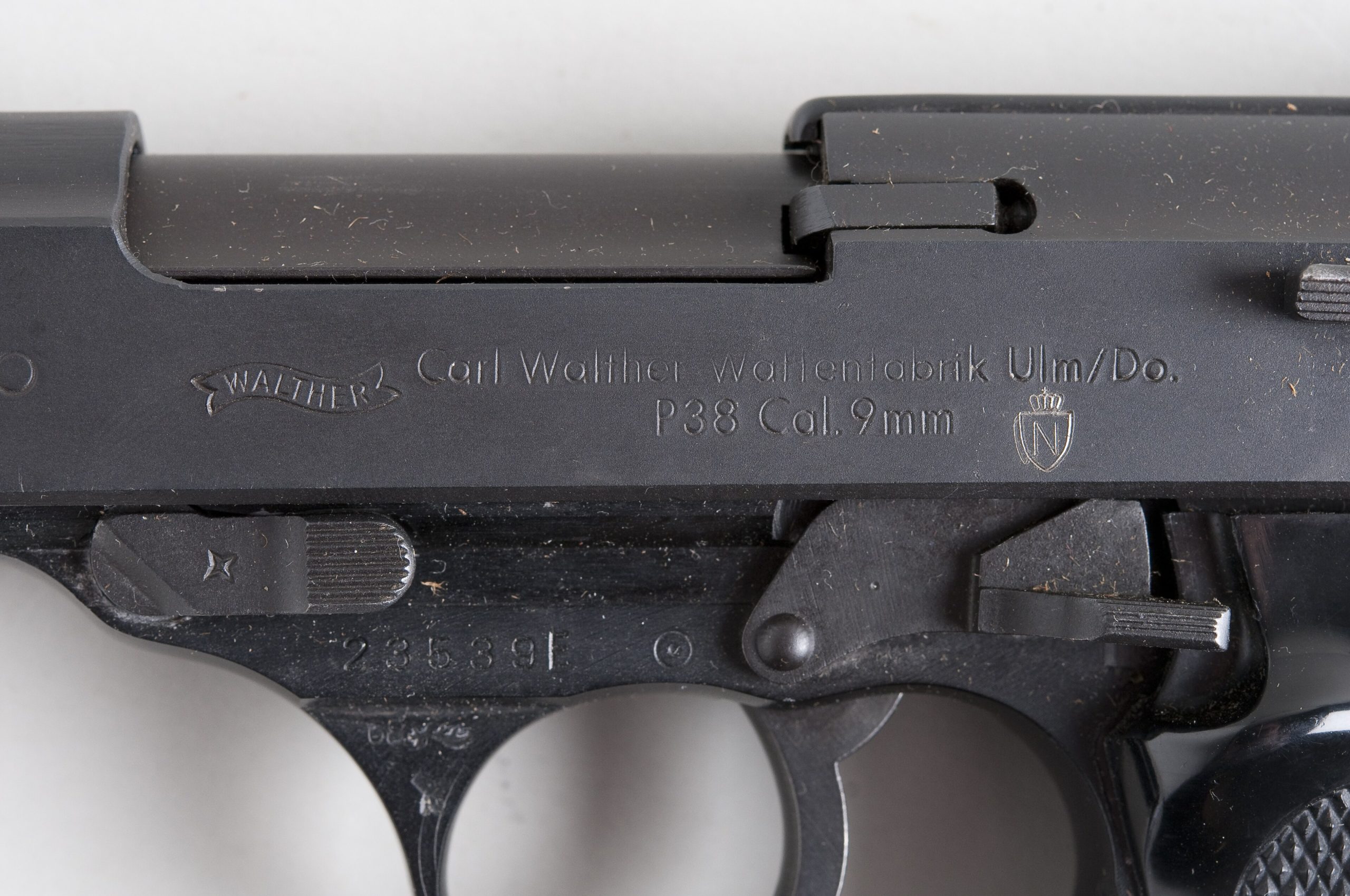
Instead of using the tilting barrel system that became common on many later pistols, the P38 used a short-recoil system with a pivoting locking block beneath the barrel. During firing, the barrel and slide initially moved together, then the block disengaged the slide so cycling could continue. The arrangement helped preserve a straight barrel path while giving the 9×19mm cartridge a secure locked breech. Two recoil springs positioned beneath the slide also helped return the action forward. With an overall length of about 213 millimeters and a 127-millimeter barrel, the P38 remained a full-size military sidearm. Its exposed barrel also gave the pistol an instantly recognizable silhouette.
4. Eight Rounds Was a Deliberate Compromise
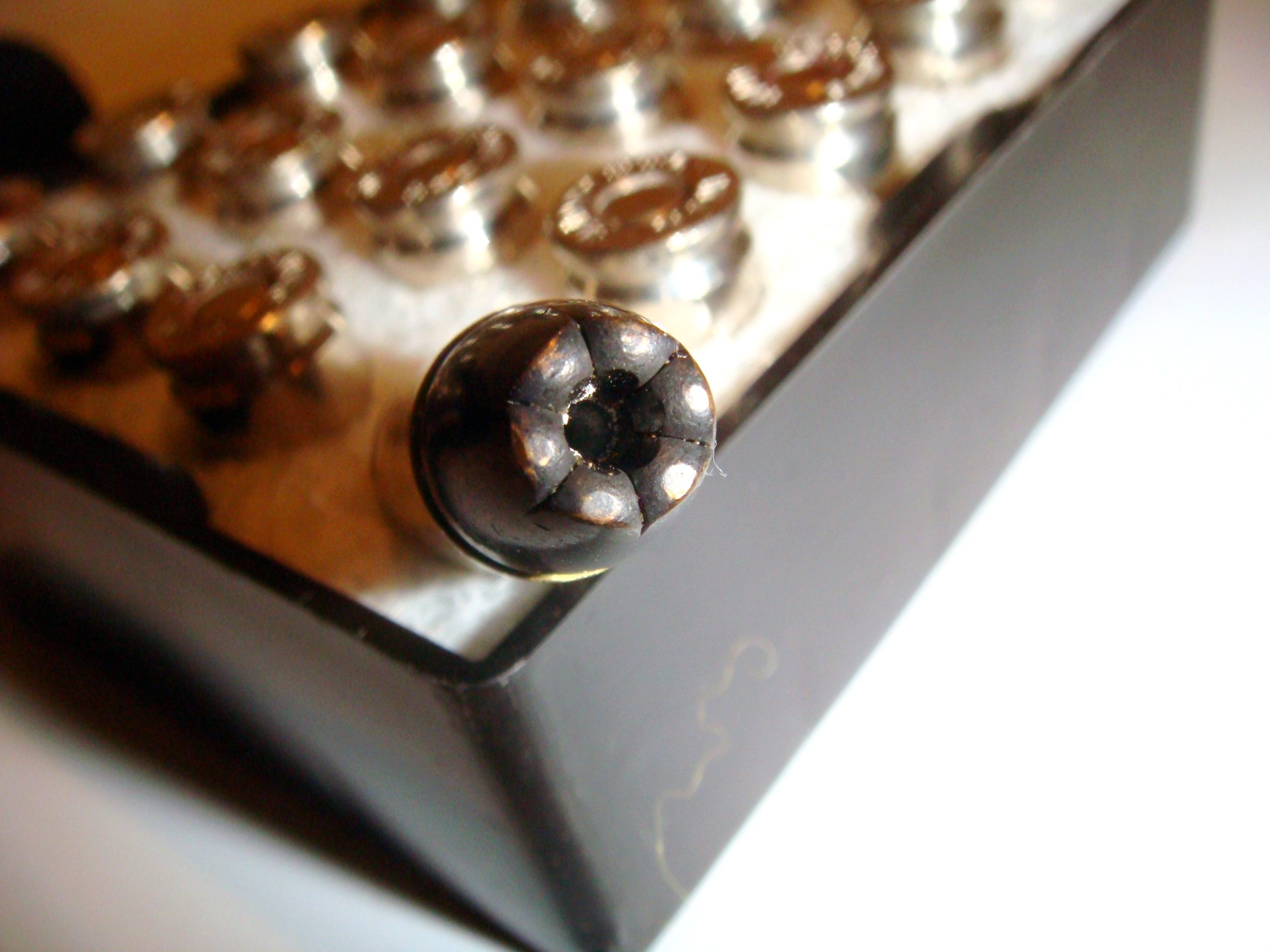
The P38 used a single-column magazine holding 8 rounds of 9×19mm Parabellum, a capacity that now seems modest beside modern service pistols. In its era, however, the design reflected the priorities of a full-size military handgun rather than maximum ammunition capacity. The 9mm cartridge was already established as Germany’s standard pistol round, while the pistol’s dimensions remained manageable for uniformed troops. A loaded chamber could also be carried with the hammer safely lowered through the decocking system. The combination gave the soldier 8 magazine rounds plus 1 chambered round when properly loaded, subject to the specific carry and safety practice involved.
5. The P38 Was Built for Wartime Production
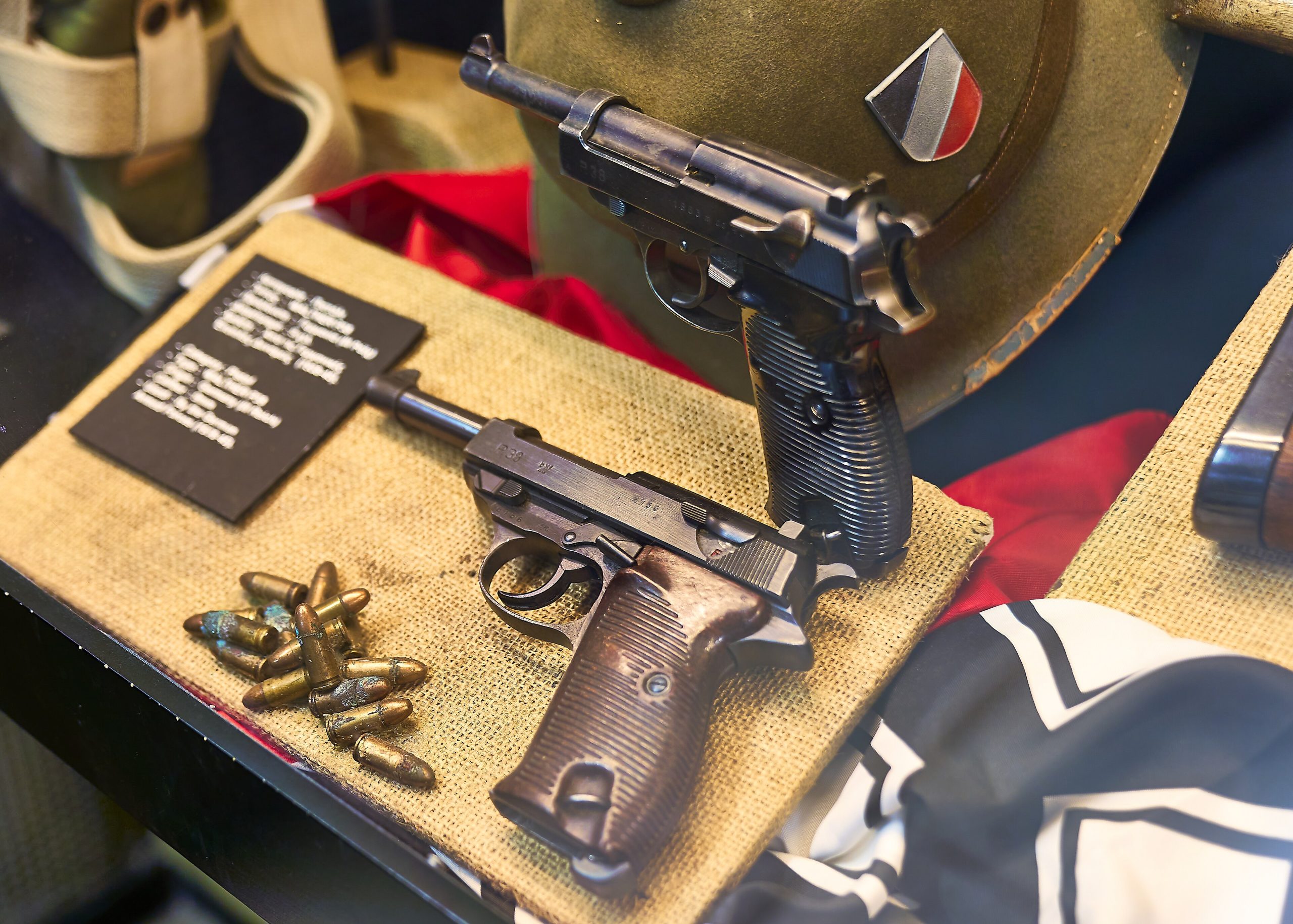
The P38 became especially important because Germany needed enormous quantities of service weapons during World War II. Production was eventually shared among three major manufacturers: Walther, Mauser, and Spreewerk. Wartime examples can therefore carry different maker codes and production markings even though they belong to the same basic design. More than 1.2 million P38 pistols were produced during the war, according to commonly cited production figures. Manufacturing pressures also changed the pistol’s appearance, with early walnut grips giving way to wartime synthetic materials. The result was a weapon whose finish and details could vary while its core mechanism remained recognizable.
6. Its Safety Features Were Ahead of Their Time
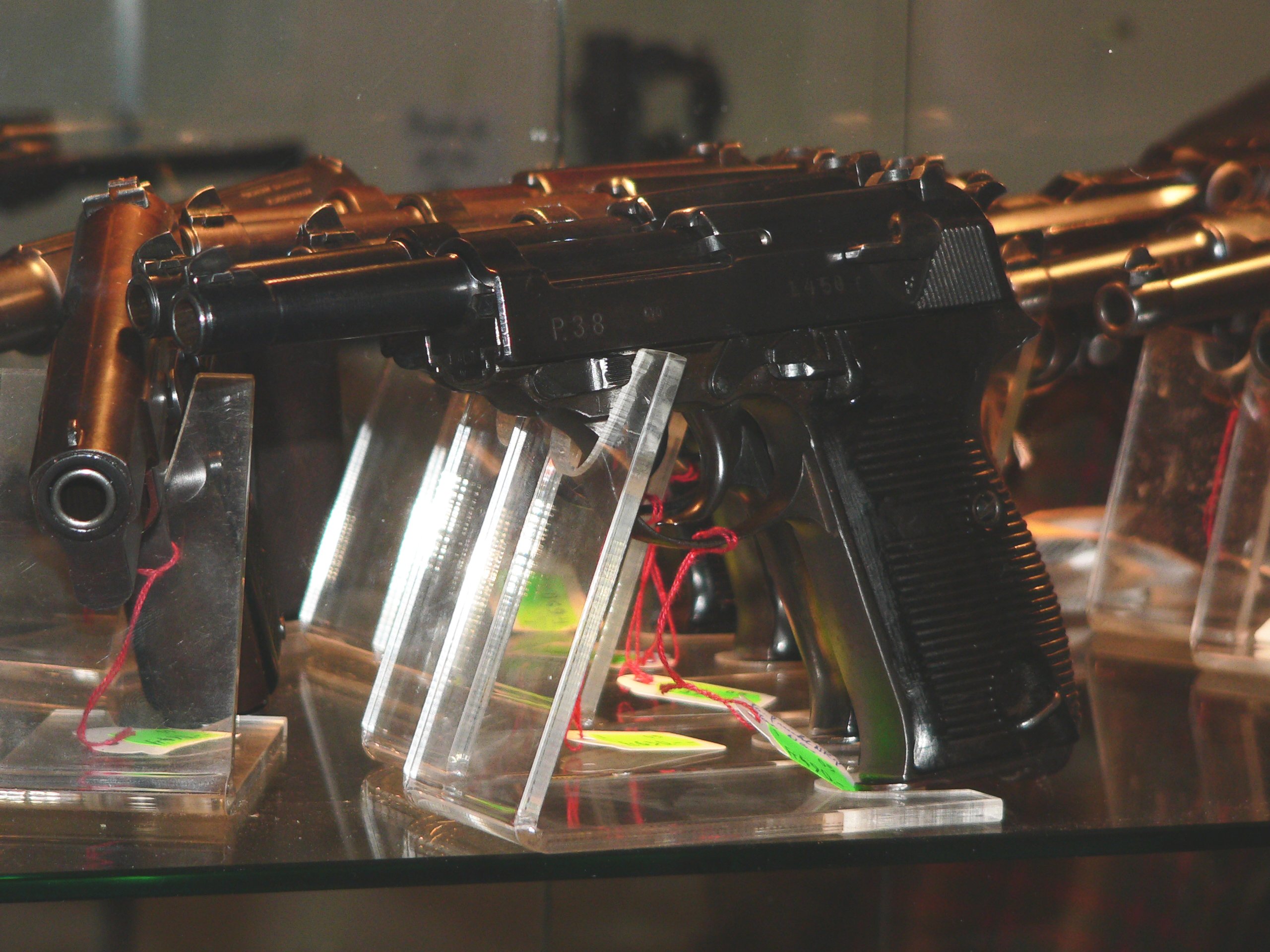
The P38 incorporated several features intended to make a loaded service pistol easier to manage safely. Its slide-mounted lever combined safety and decocking functions, while a loaded-chamber indicator provided a visible and tactile warning when a cartridge was present. The external hammer also gave the user an immediate visual clue about the pistol’s condition. These details were especially significant because the P38 could be loaded while the hammer was lowered and still be fired with its double-action mechanism. Together, the controls represented a major departure from the simpler single-action arrangements common on many military pistols of the 1930s.
7. The Design Survived Long After Nazi Germany
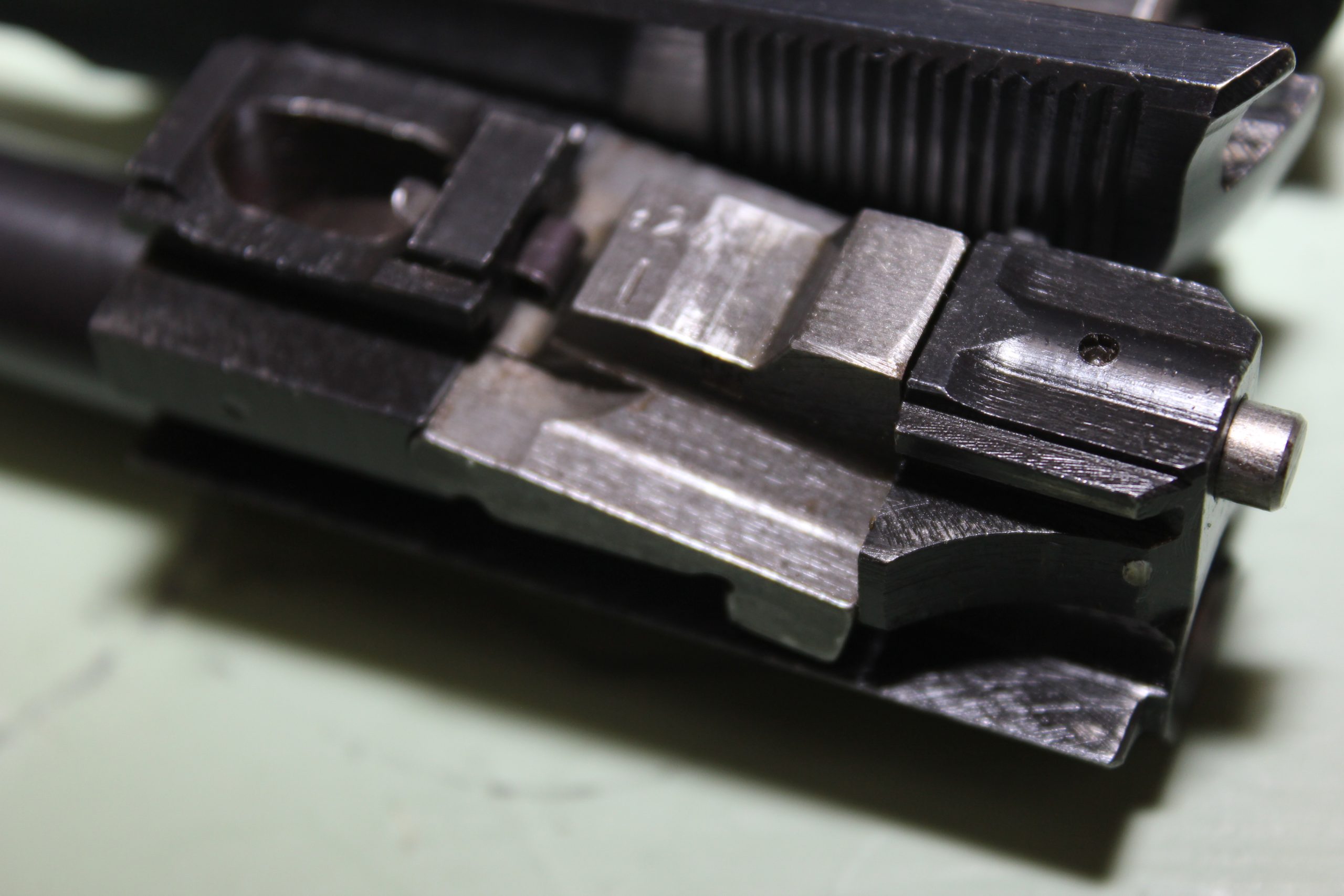
The P38’s story did not end in 1945. West Germany revived the design for the newly established Bundeswehr, producing the lighter P1 from 1957. The P1 retained the P38’s basic operating concept but replaced the original steel frame with a lightweight alloy frame, reducing weight by roughly 160 grams. Production continued for decades, and the P1 remained an important German service pistol until newer designs eventually replaced it. This postwar chapter is significant because it shows that the P38 was more than a wartime curiosity: its underlying architecture remained useful enough to serve another generation of German soldiers. It also preserved familiar controls for users.
8. Its Influence Reached Modern Service Pistols
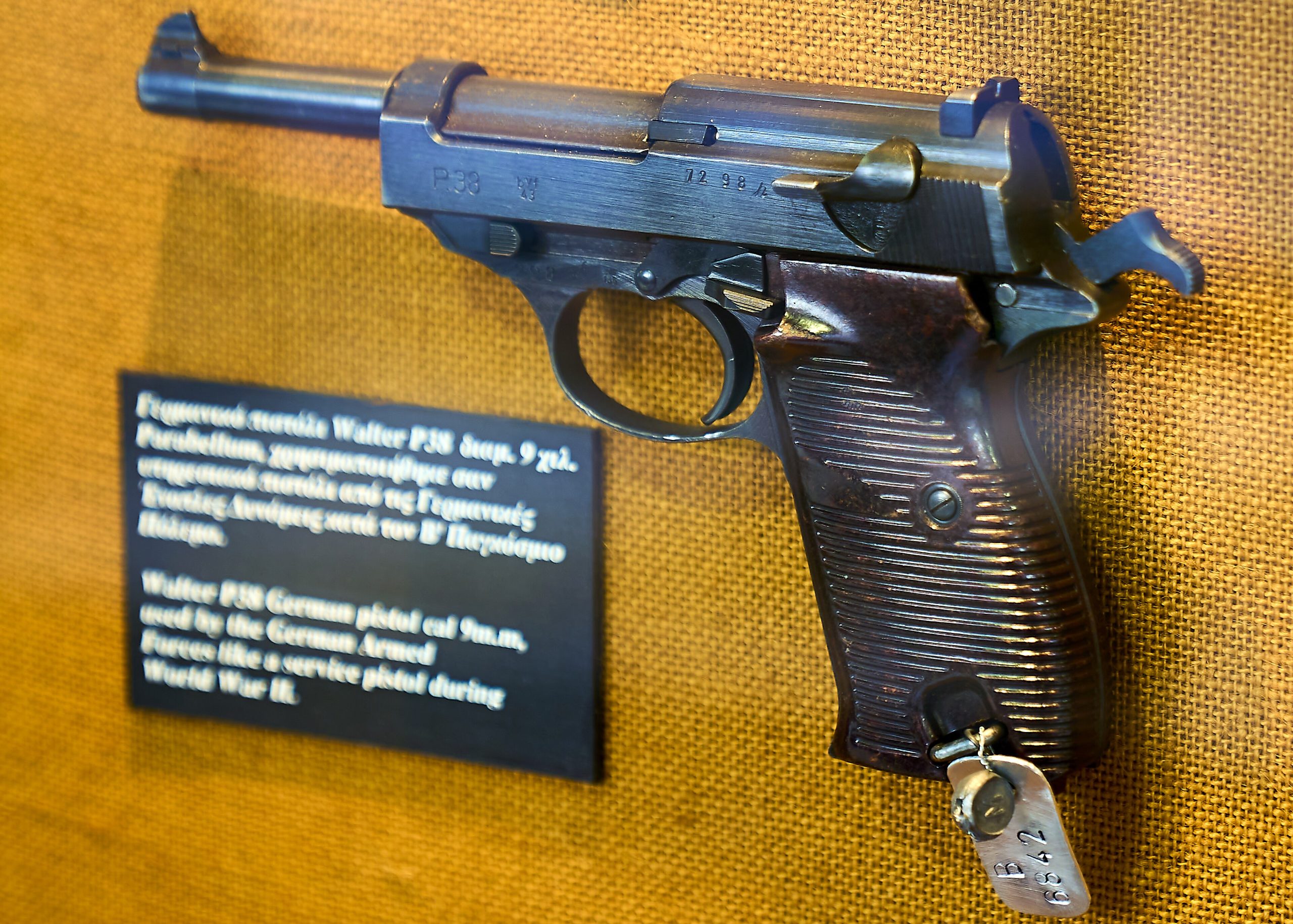
The P38’s greatest legacy may be the ideas it made practical rather than the pistol itself. Its locked-breech action, DA/SA trigger, decocker, exposed hammer, open-top slide, and distinctive locking block created a combination that influenced later handgun engineering. The Beretta 92 family is often discussed in this connection because it uses a closely related locking-block concept and shares several broad design characteristics. The P38 was therefore an important bridge between early 20th-century military pistols and later service handguns. Adopted in 1938 and followed by the P1 from 1957, its influence lasted for well over 60 years. Its design ideas outlived its original military role.