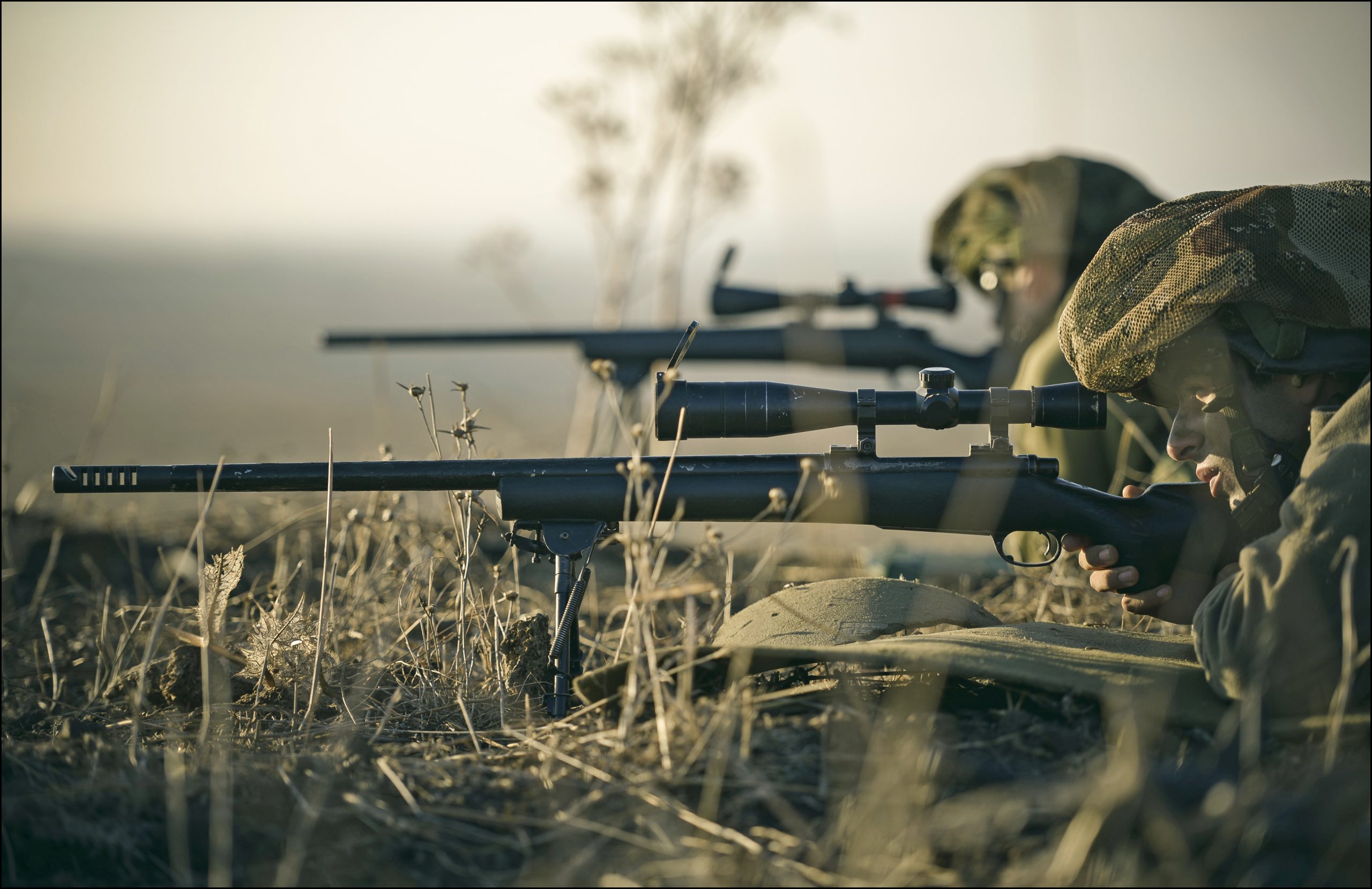
A military sniper does not simply need a firearm that can fire accurately. The weapon has to work as part of a larger precision system involving optics, ammunition, observation equipment, training, and mission requirements. Pistols and shotguns have important military roles, but neither is normally designed around the same combination of range, precision, stability, and adaptability. Modern sniper rifles demonstrate why the rifle remains the foundation of this specialized role.
1. Built Around Precision From the Start
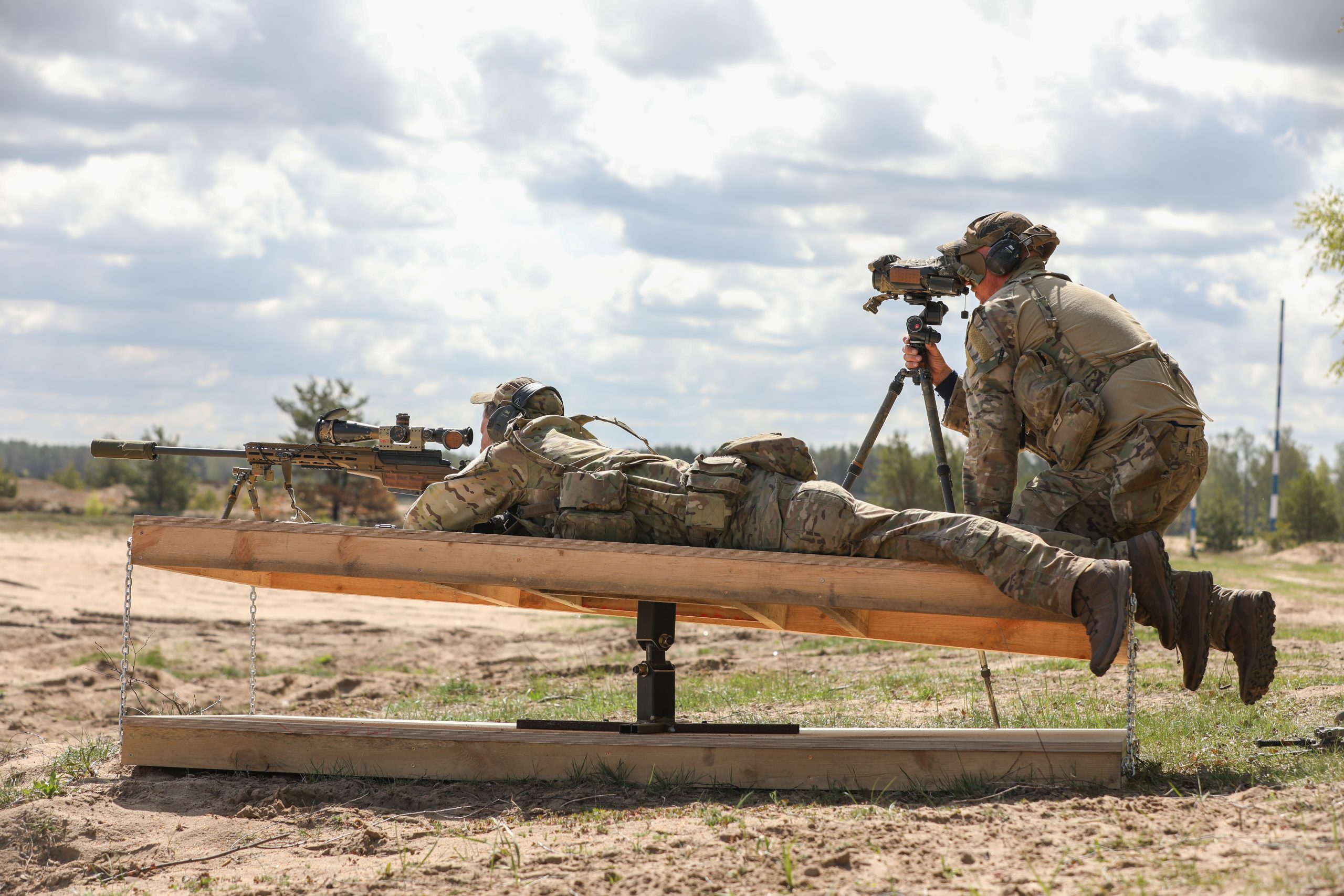
A sniper rifle is built around one central requirement: putting a single projectile precisely where intended at distance. That makes the rifle fundamentally different from a pistol, shotgun, or general-purpose carbine. Military sniper systems commonly combine a rigid barrel, precision ammunition, a stable stock or chassis, and an optical sight designed for observation as well as aiming. The U.S. Army’s M2010, for example, uses a 24-inch barrel and a variable-power optic, while the newer MK22 is designed for precision work out to 1,500 meters. The rifle is therefore not simply a stronger firearm; it is a complete precision system. That integration is the defining idea.
2. Designed for Greater Distance
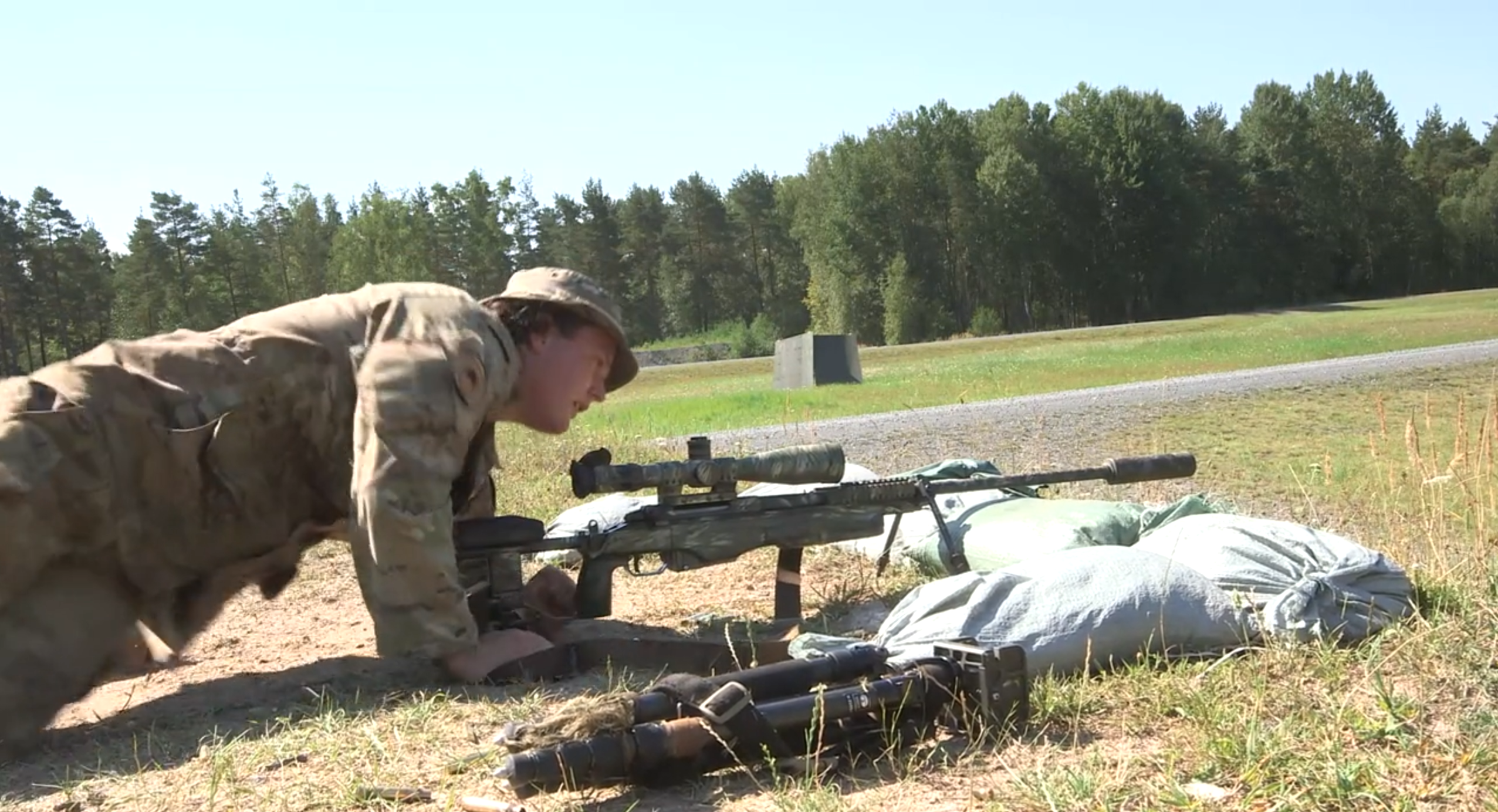
Distance is one of the biggest reasons rifles dominate specialist sniper work. Pistols are compact and useful at short range, while shotguns excel in applications involving moving targets and multiple projectiles. A precision rifle, by contrast, is designed to keep a projectile on a predictable path far beyond ordinary handgun distances. The U.S. Army lists the M110 at 800 meters and the M2010 at 1,200 meters, illustrating how different rifle systems are matched to different missions. That reach gives a sniper more observation and engagement options without requiring the weapon to be physically close to the target. The result is a capability built around standoff.
3. Works Naturally With Precision Optics
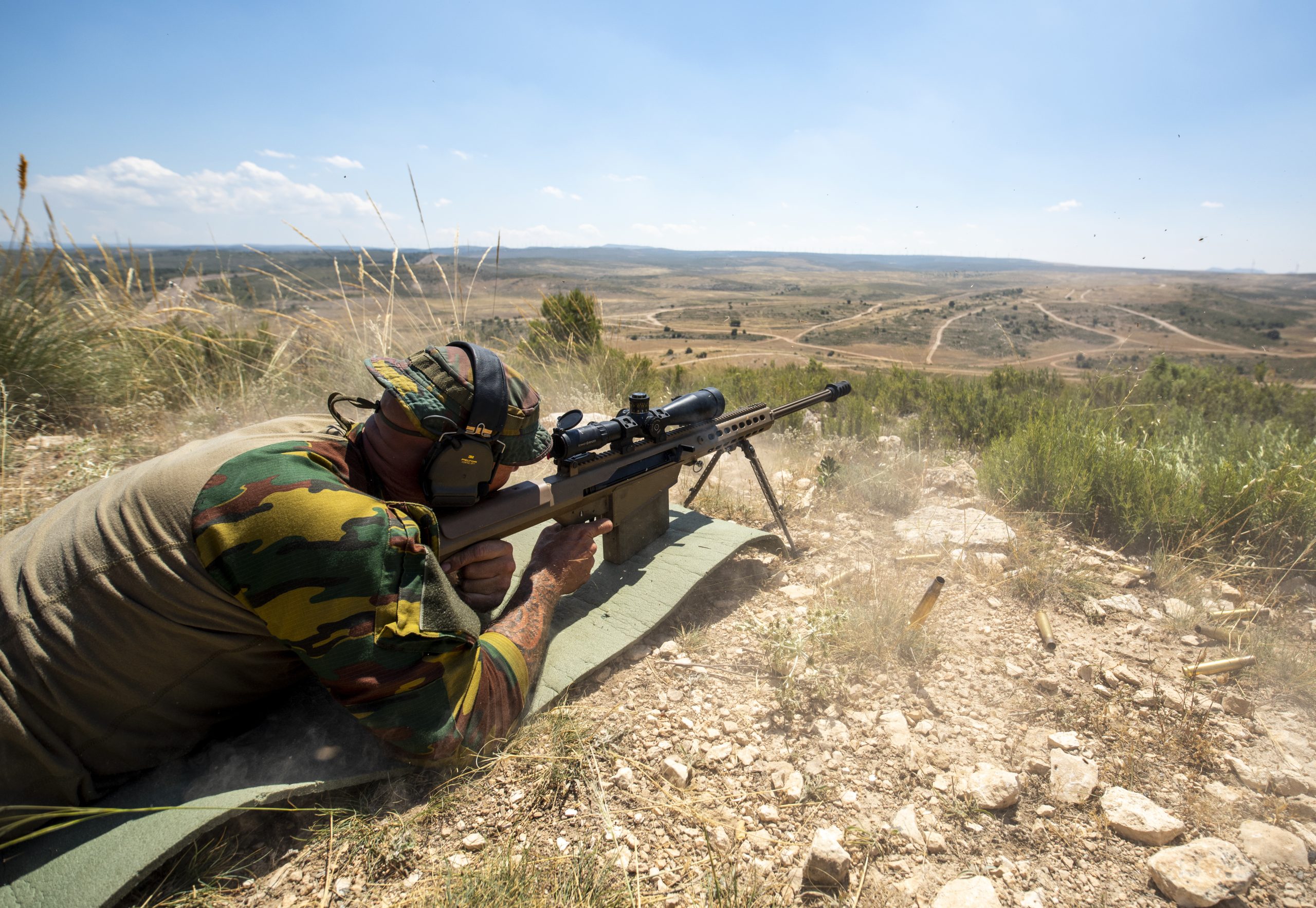
A rifle also gives the sniper a far more suitable platform for magnified optics and observation equipment. A precision optic can enlarge distant subjects, provide a defined aiming reference, and support identification before any shot is considered. Modern military systems can also integrate night or thermal devices with the rifle and optic. The Army’s MK22, for example, is paired with a 7-35x56mm scope, while earlier systems incorporated clip-on night sights. This combination turns the rifle into more than a launcher: it becomes part of an observation system. That matters because identification and discrimination are central to responsible military precision fire.
4. Consistency Matters More Than Raw Firepower
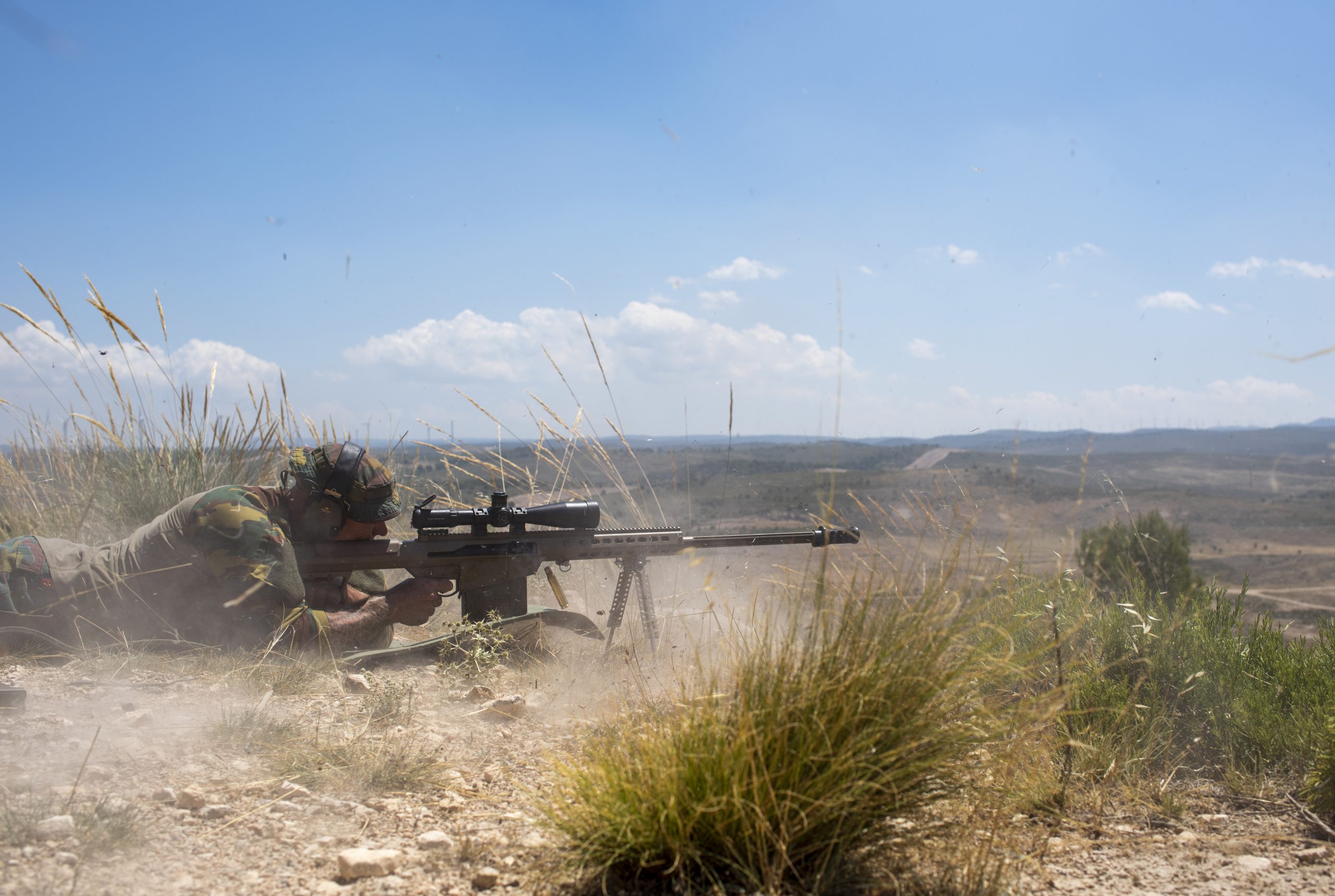
Consistency is another major advantage. A sniper spends enormous effort learning one rifle’s behavior, ammunition characteristics, optic, trigger, and overall handling. That familiarity allows the weapon and shooter to function as a predictable system rather than as unrelated pieces of equipment. The M2010 was specifically designed with an adjustable chassis so the shooter’s interface could be tailored for consistency. The Army has emphasized that repeatable fundamentals are central to accuracy. Pistols and shotguns can be accurate, but neither is normally optimized around this combination of stability, optics, and long-range consistency. That repeatability matters.
5. Supports Different Precision Requirements
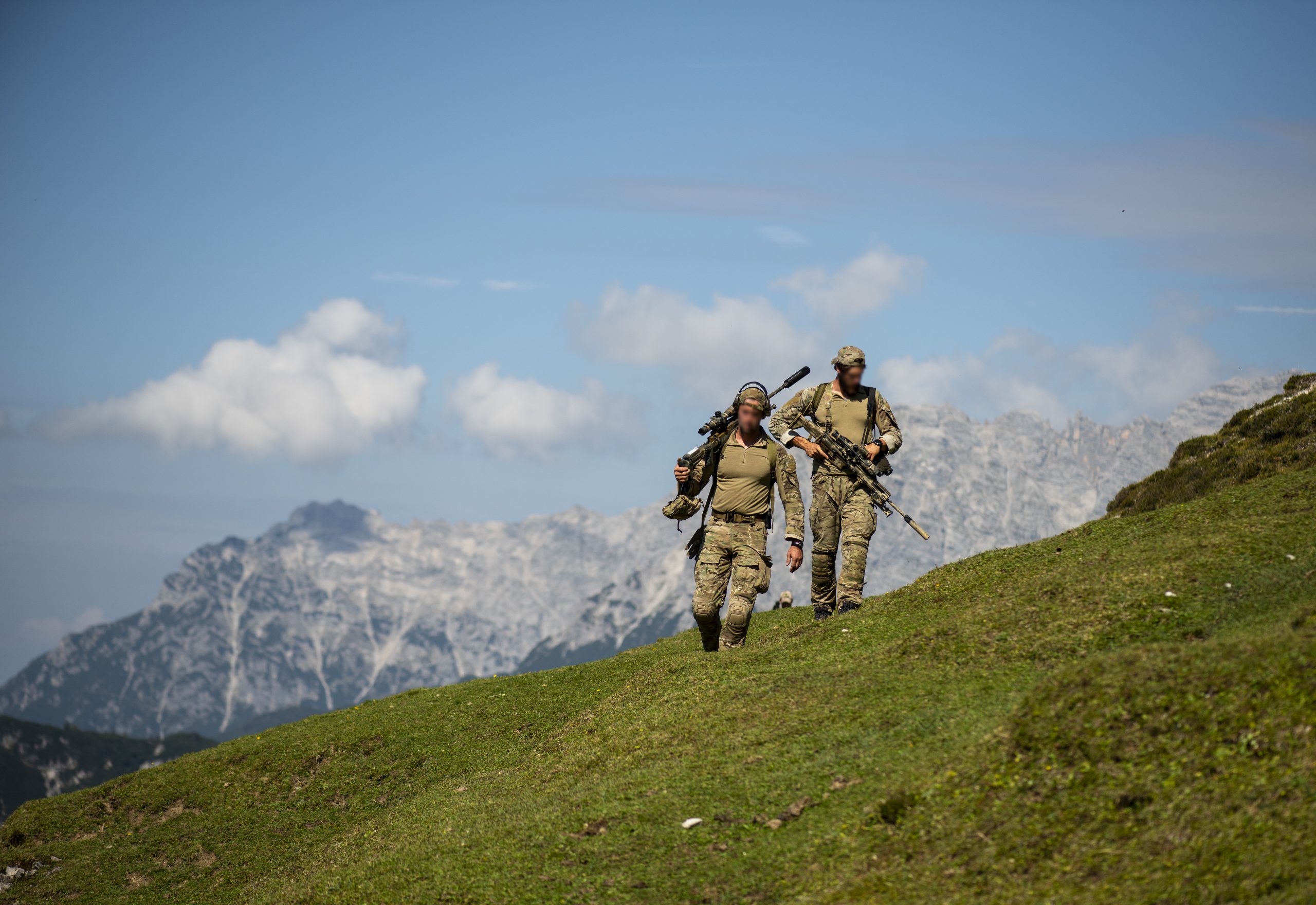
Rifles also offer ammunition choices suited to different military requirements. Modern sniper platforms may be built around cartridges selected for range, accuracy, target effects, or compatibility with existing logistics. The MK22 illustrates this approach particularly well because its modular design supports 7.62mm, .300 Norma Magnum, and .338 Norma Magnum configurations. That is 3 caliber options within one broader weapon system. The advantage is not simply having more power; it is giving commanders and sniper teams a way to match the rifle to mission demands. Pistols and shotguns have their own ammunition flexibility, but precision rifle systems take this concept much further.
6. Accepts a Complete Equipment Package
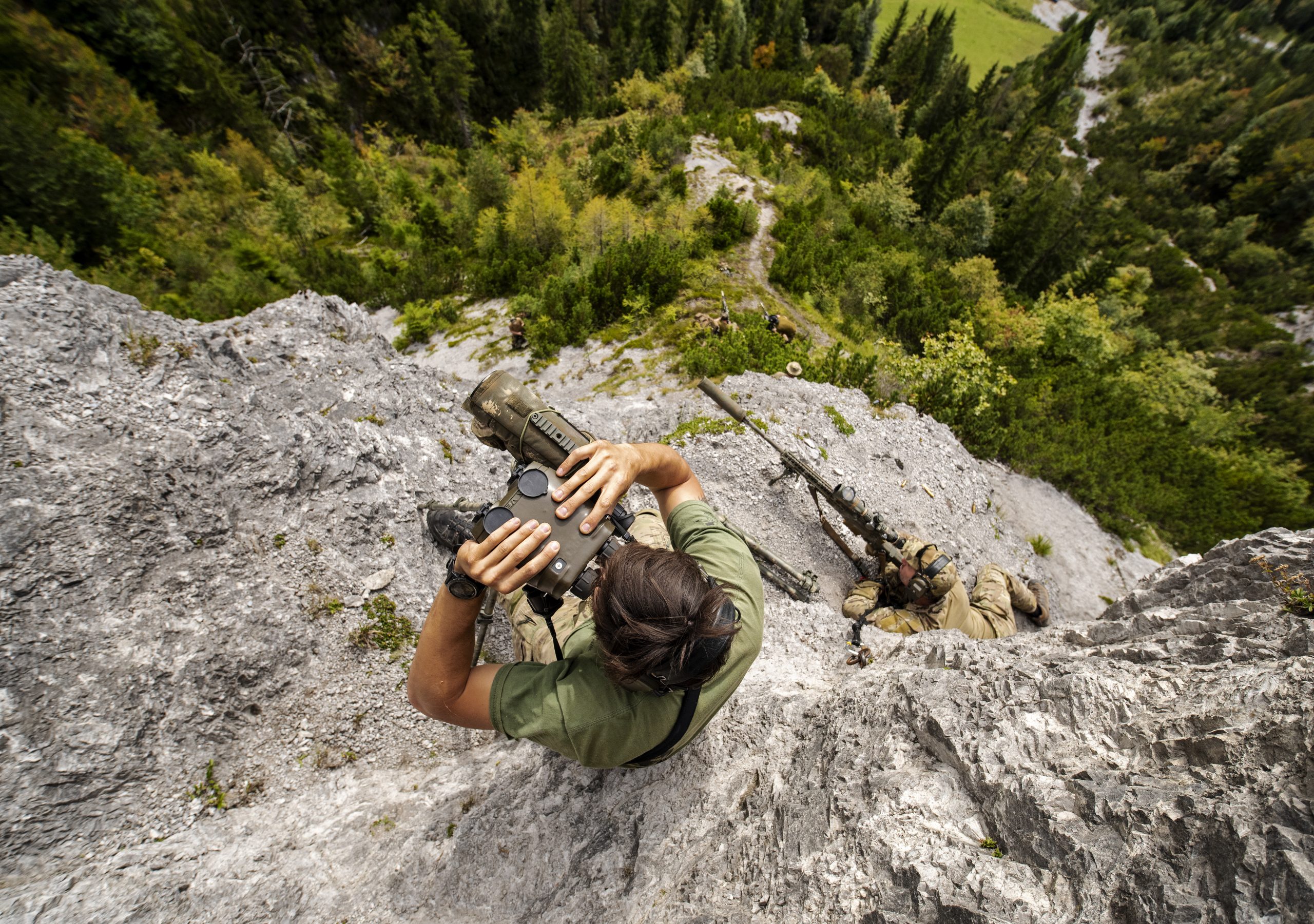
A dedicated rifle can also accommodate a broad family of specialized equipment without losing its central purpose. Bipods provide a stable support point, while adjustable stocks help fit the shooter, and optics provide magnification and aiming references. Night-vision and thermal systems can extend observation when normal visibility is poor. The Army’s M110, for example, is issued with a variable-power scope and can accept a suppressor, while the M2010 combines a precision optic, adjustable chassis, bipod, and night sight. That modularity means the rifle can be configured as a complete precision package rather than relying on improvised accessories.
7. Matches the Sniper’s Actual Military Role
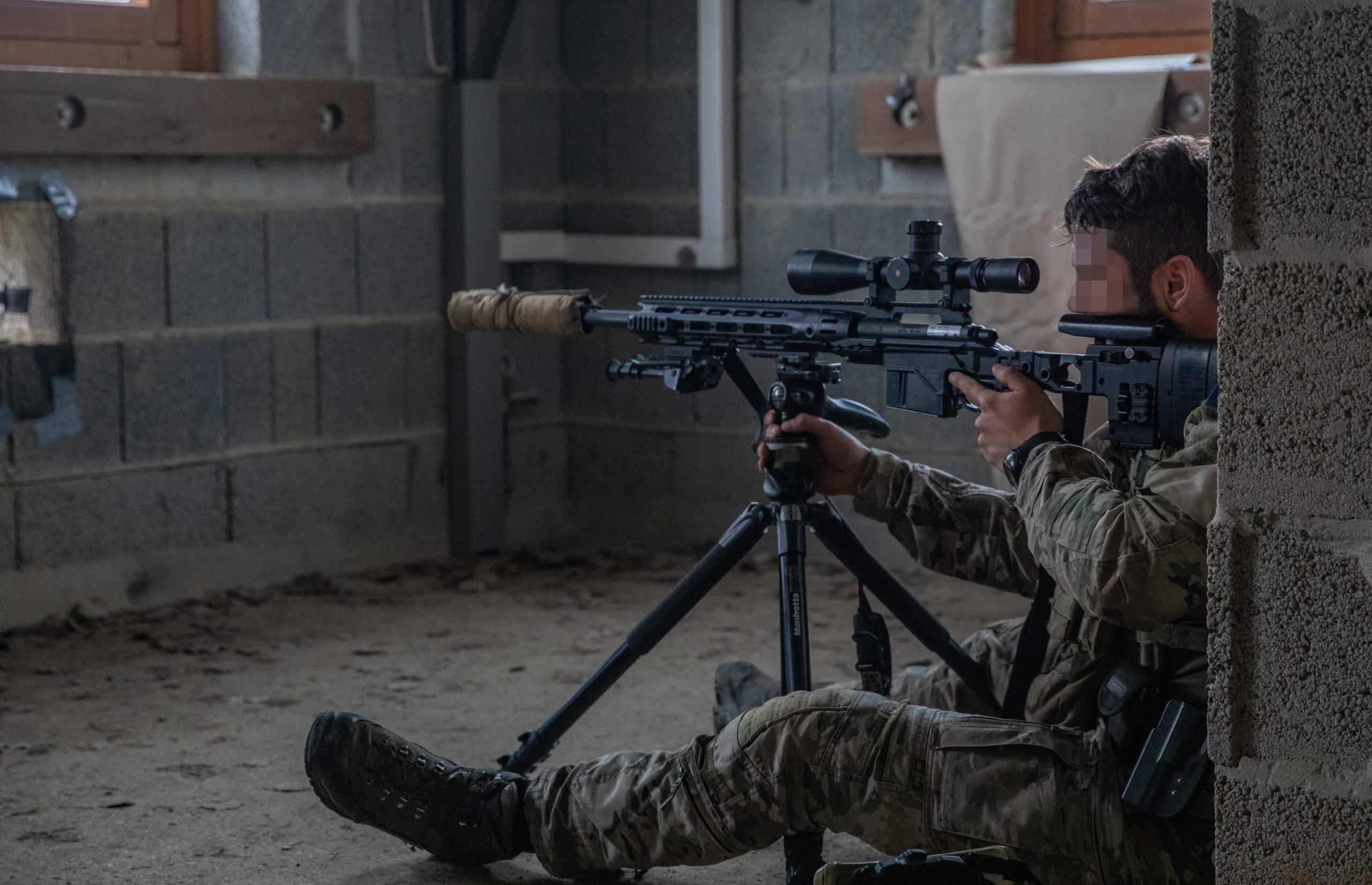
Finally, the rifle fits the actual military role of a sniper better than weapons designed primarily for close combat or sporting use. Military doctrine describes snipers as providers of accurate, discriminating long-range fire while also supporting observation and information gathering. Their value is therefore tied to precision, selectivity, range, and controlled effects rather than simply firing more rounds. The Army’s current MK22 reaches a stated 1,500 meters, while the M110 is listed at 800 meters. Those figures show why rifles remain central to the role: they provide the precision platform around which specialist training, optics, ammunition, and observation capabilities are built.