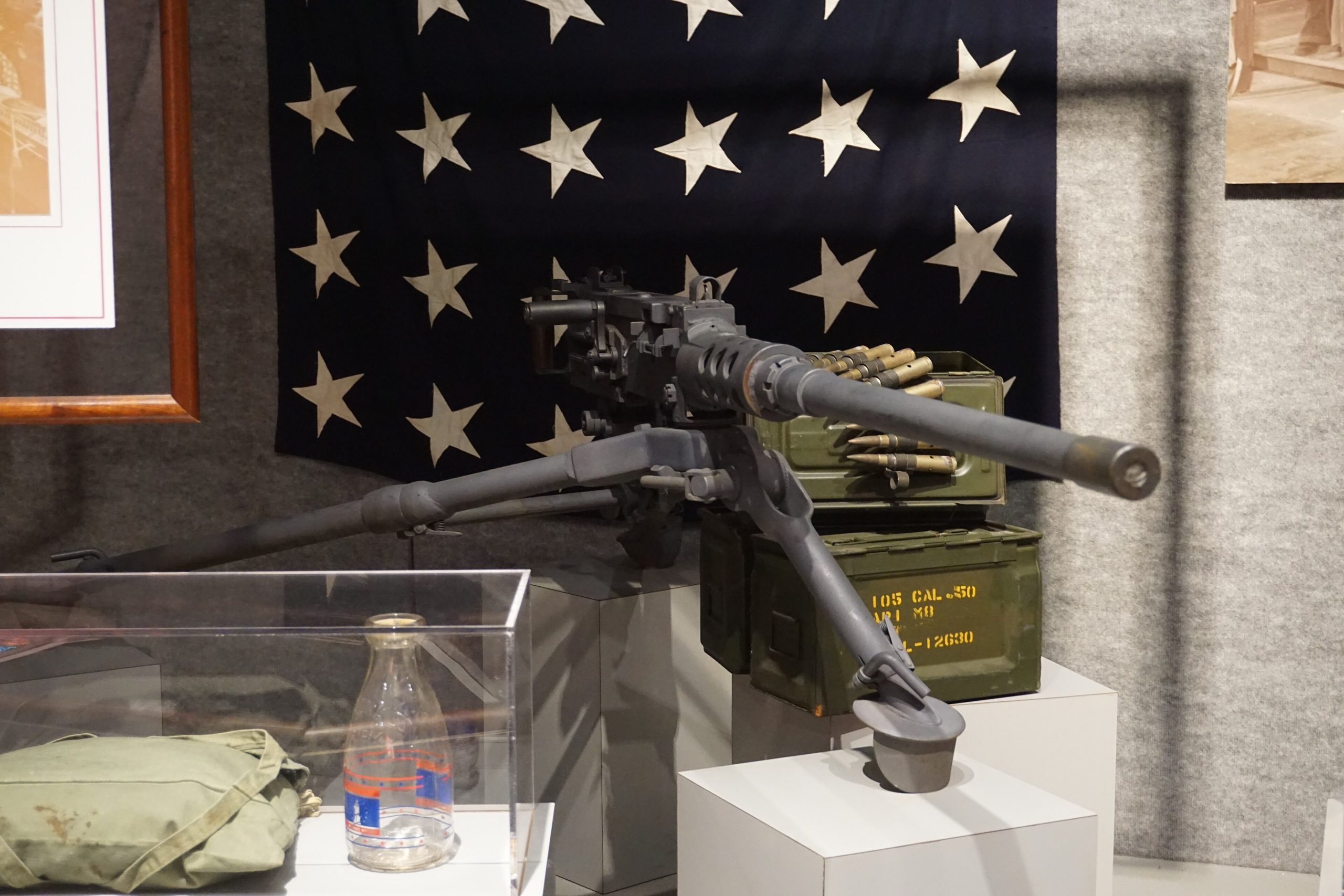
Few military weapons have crossed generations as successfully as the M2 Browning. Born from a World War I requirement, refined through the interwar years, and standardized in 1933, it became a familiar presence on aircraft, ships, vehicles, and ground mounts. Its continued service is not simply a story of age; it is a story of power, adaptability, industrial scale, and careful modernization. Here are eight reasons the “Ma Deuce” remains relevant in 2026.
1. It Was Born From a New Battlefield Problem
The M2 began with a problem that the First World War had exposed: aircraft, armor, and fortified positions were becoming harder to challenge with rifle-caliber machine guns. John Browning enlarged his M1917 concept around the powerful .50 BMG cartridge, with early testing beginning in 1918. The first designs were not perfect, but the basic idea survived repeated refinement. The resulting weapon entered Army service through the M1921 family in the 1920s, before the improved M2 was standardized in 1933. That long development explains why the gun was never a rushed wartime invention. Its survival was earned through testing, not nostalgia.
2. The .50 BMG Gave It a Huge Capability Advantage
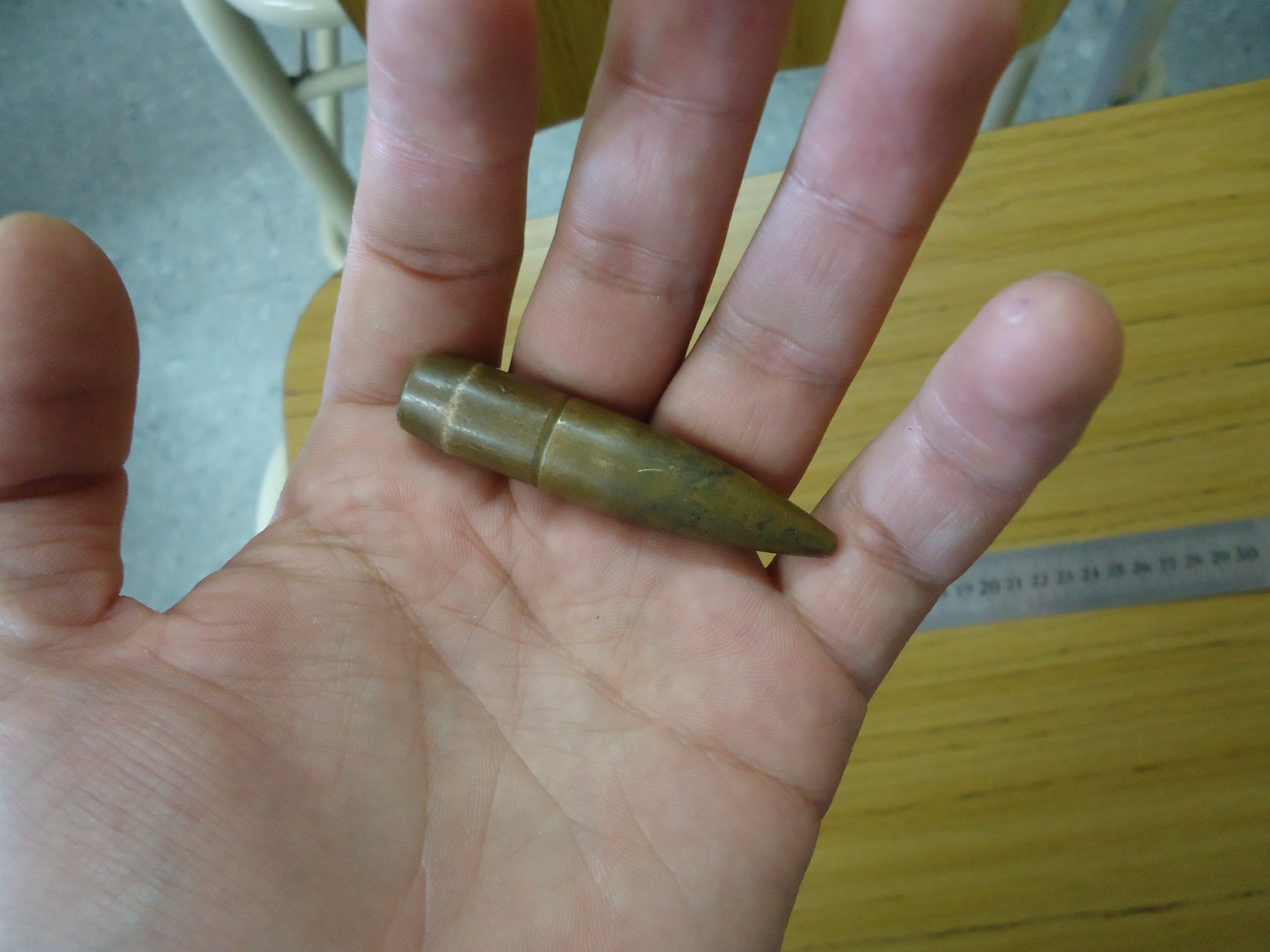
The M2’s defining feature is its 12.7×99mm NATO, better known as .50 BMG, cartridge. The combination gave the weapon useful reach and enough energy for roles beyond ordinary infantry suppression, including engaging light armor, aircraft, boats, and exposed equipment. A standard M2 weighs about 84 pounds with its barrel and receiver, so it was never intended to behave like a lightweight rifle. Its mass reflects the demands of handling a large cartridge repeatedly. That unusual balance of power, range, and durability helped keep the platform relevant as battlefields changed. Few weapons have made that trade-off so successfully.
3. Its Basic Mechanism Refused to Become Obsolete
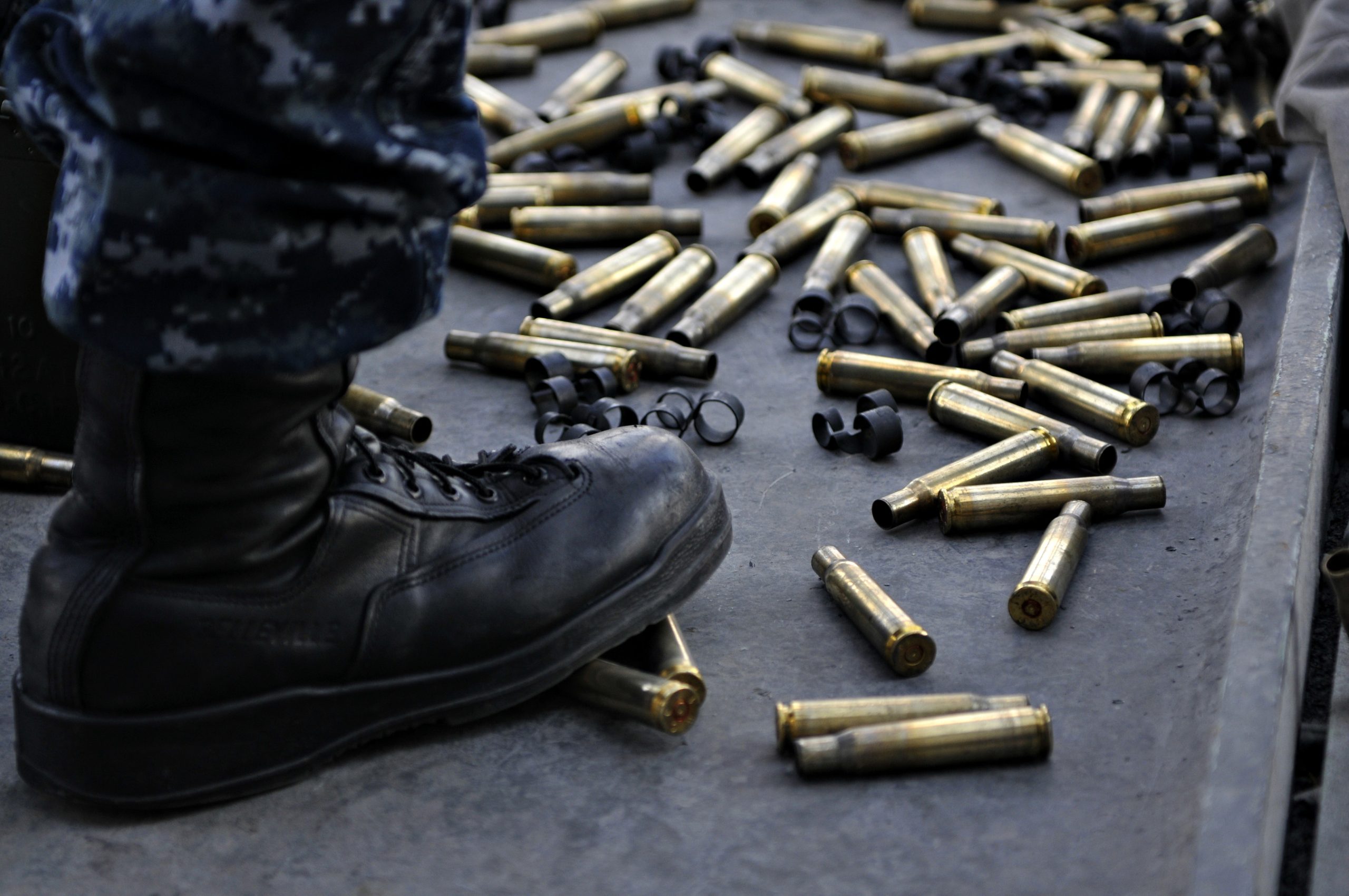
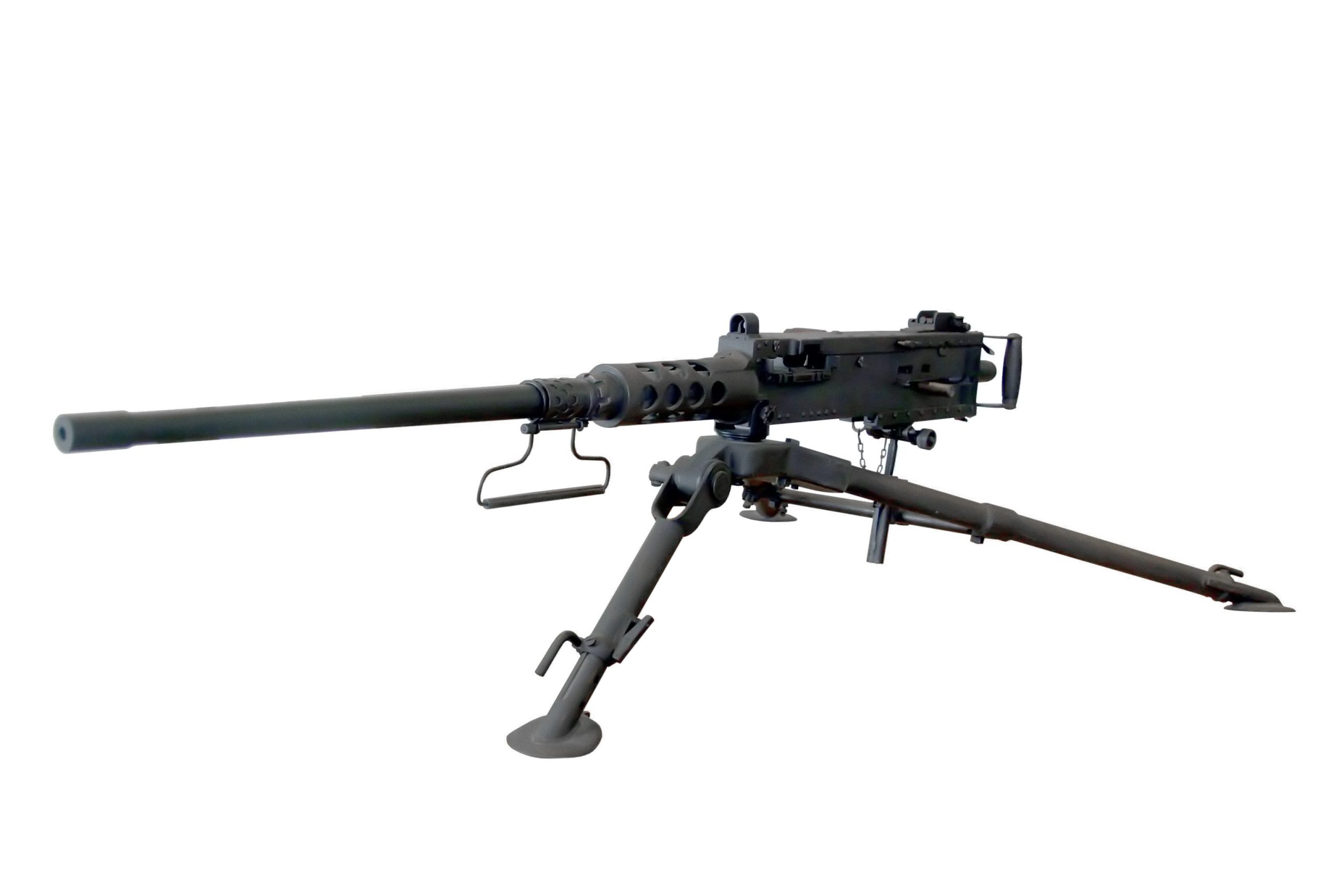
The M2 uses a belt feed, air cooling, and short-recoil operation, with a design built around a remarkably durable receiver. Its heavy barrel helps manage heat during sustained use, while the operating system has remained recognizable through generations of service. The standard ground version is roughly 65 inches long and has a 45-inch barrel. Its cyclic rate is generally around 450 to 600 rounds per minute, depending on configuration and ammunition. Those figures are not spectacular by modern standards, but reliability and adaptability mattered more than chasing maximum firing speed. Its simplicity also made long-term support easier.
4. One Receiver Could Serve Many Different Missions
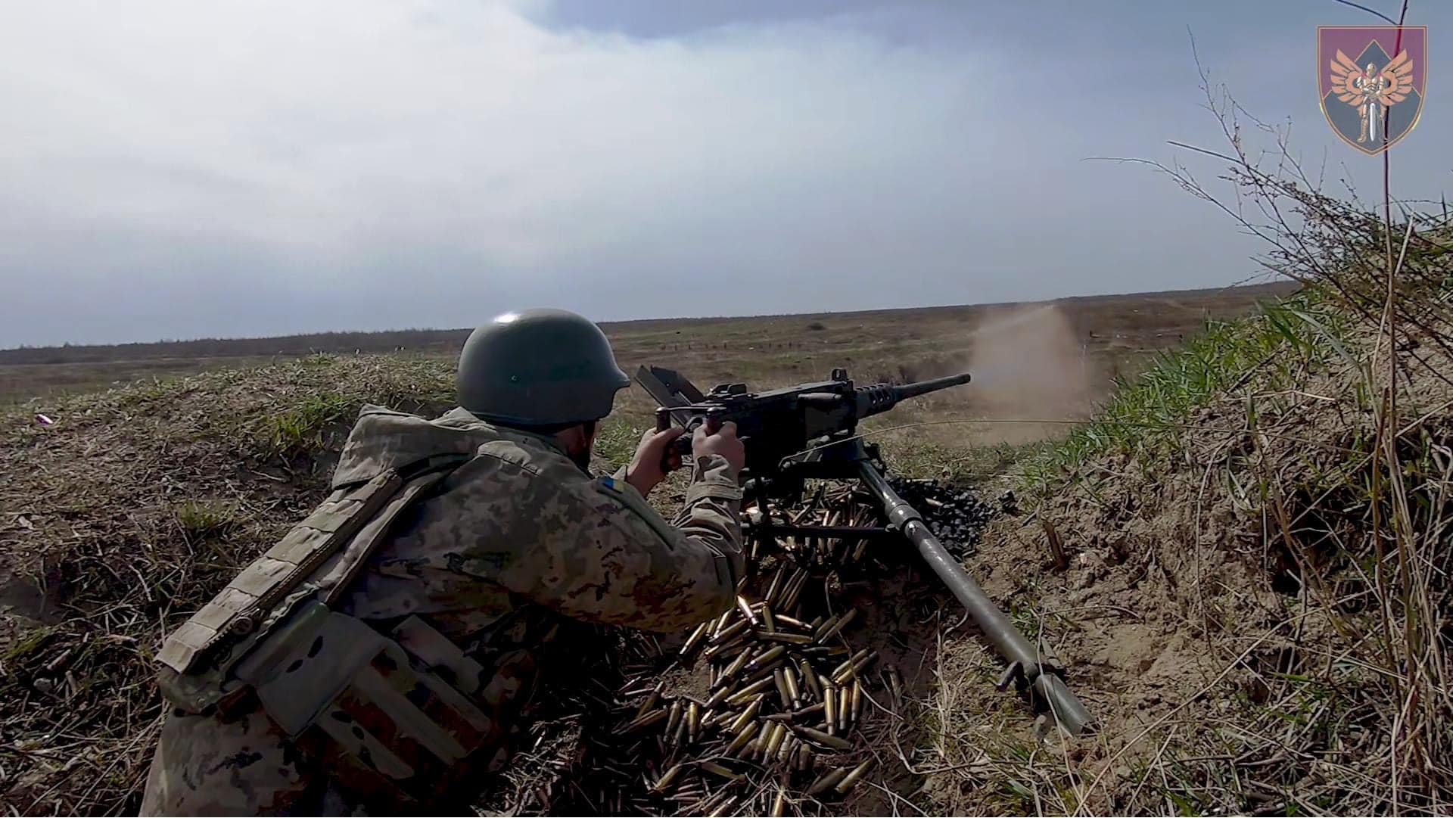
A major reason the M2 survived is that it was never locked into one job. Variants and mounting arrangements allowed the same basic system to appear on tripods, vehicles, ships, tanks, and aircraft. During World War II, aviation versions became especially important because aircraft could carry several .50-caliber guns in fixed or flexible mounts. On the ground, the heavy-barrel M2 became a familiar support weapon. This flexibility meant armies could keep the same ammunition family, training knowledge, and maintenance culture while changing the platform around the gun instead of replacing the gun itself.
5. World War II Proved It Was More Than an Experiment
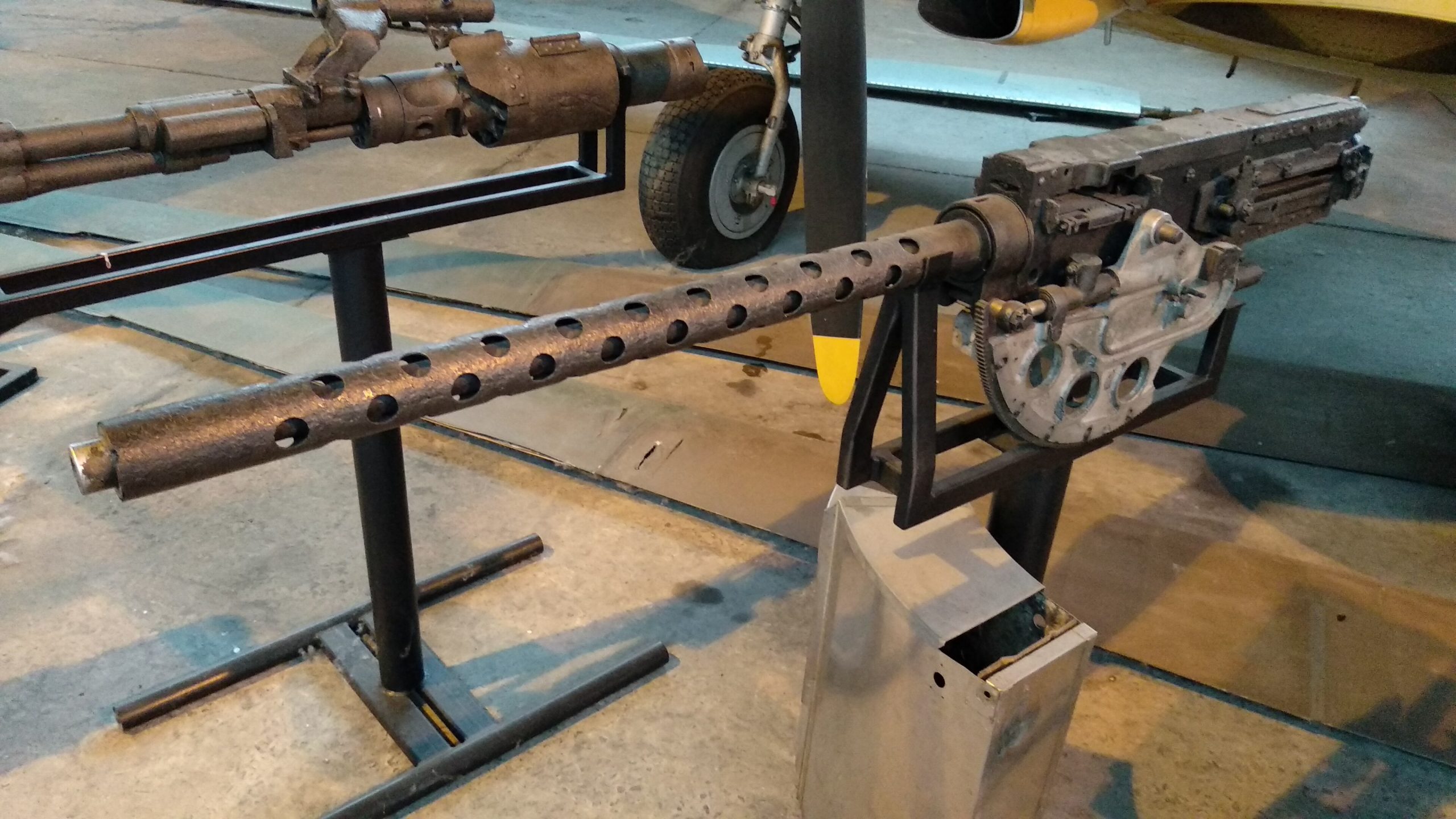
The M2 became one of the signature American automatic weapons of World War II. U.S. Marine training material notes that nearly 2 million M2 variants were produced during the conflict, an extraordinary manufacturing effort for a single weapons family. It served with ground forces while also appearing extensively in aircraft and naval applications. That wartime experience gave the design something modern replacements often struggle to acquire: a huge installed base, established logistics, trained personnel, and combat-tested confidence. By 1945, the M2 was no longer simply a promising design; it was an institutional standard.
6. It Kept Adapting Without Losing Its Identity
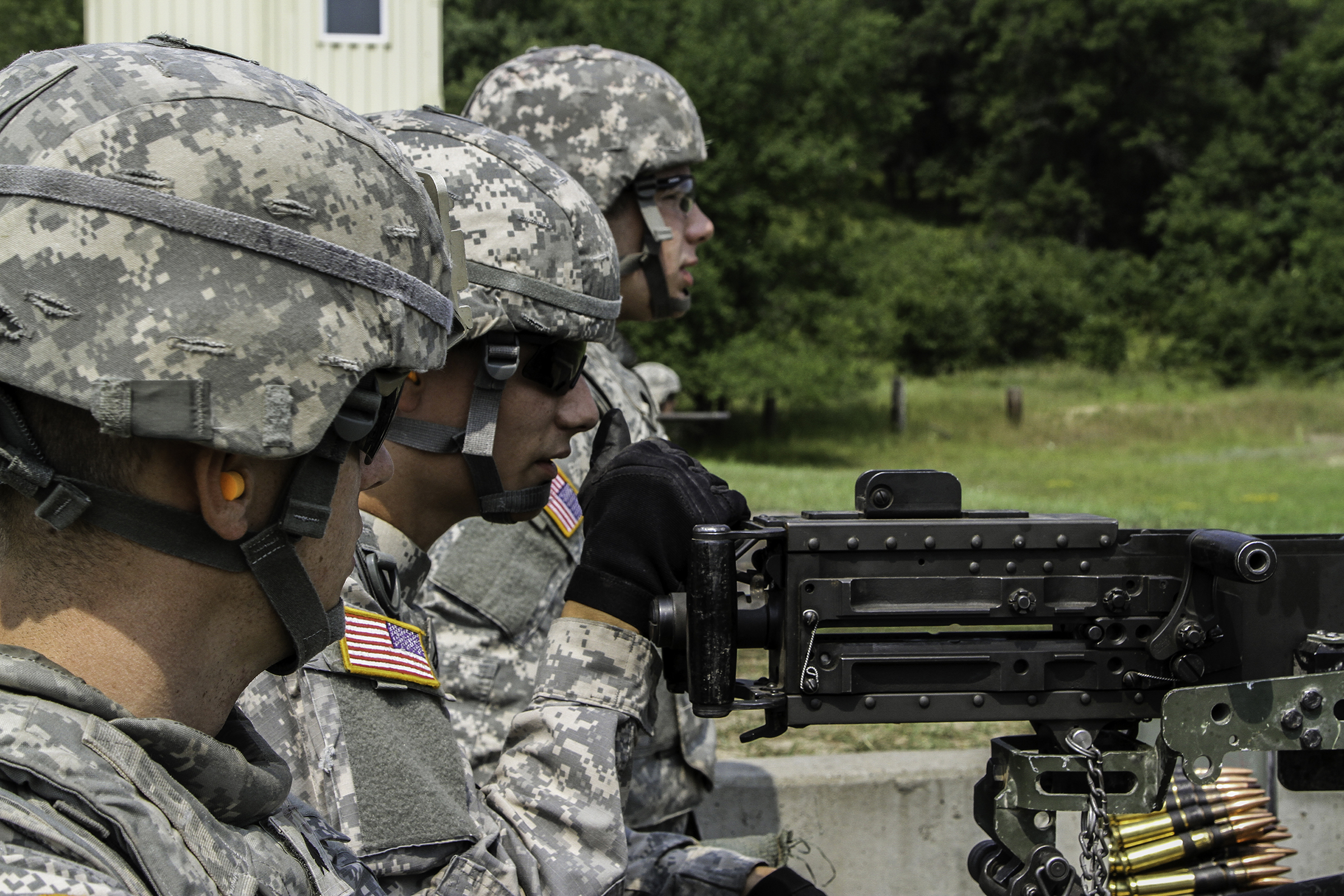
The M2’s longevity does not mean it was frozen in 1933. The most important modern step was the M2A1, fielded beginning in 2011. It introduced a quick-change barrel, fixed headspace and timing, and a redesigned flash suppressor. The U.S. Army says the flash suppressor cuts muzzle flash by about 95 percent, while fixed adjustments simplify barrel changes and improve safety. The upgrade preserved the familiar core receiver and operating concept instead of demanding an entirely new weapon. In other words, the M2 survived partly because engineers improved the old design rather than discarding it. That is modernization without abandoning familiarity.
7. Its Logistics Became Almost as Important as Its Engineering
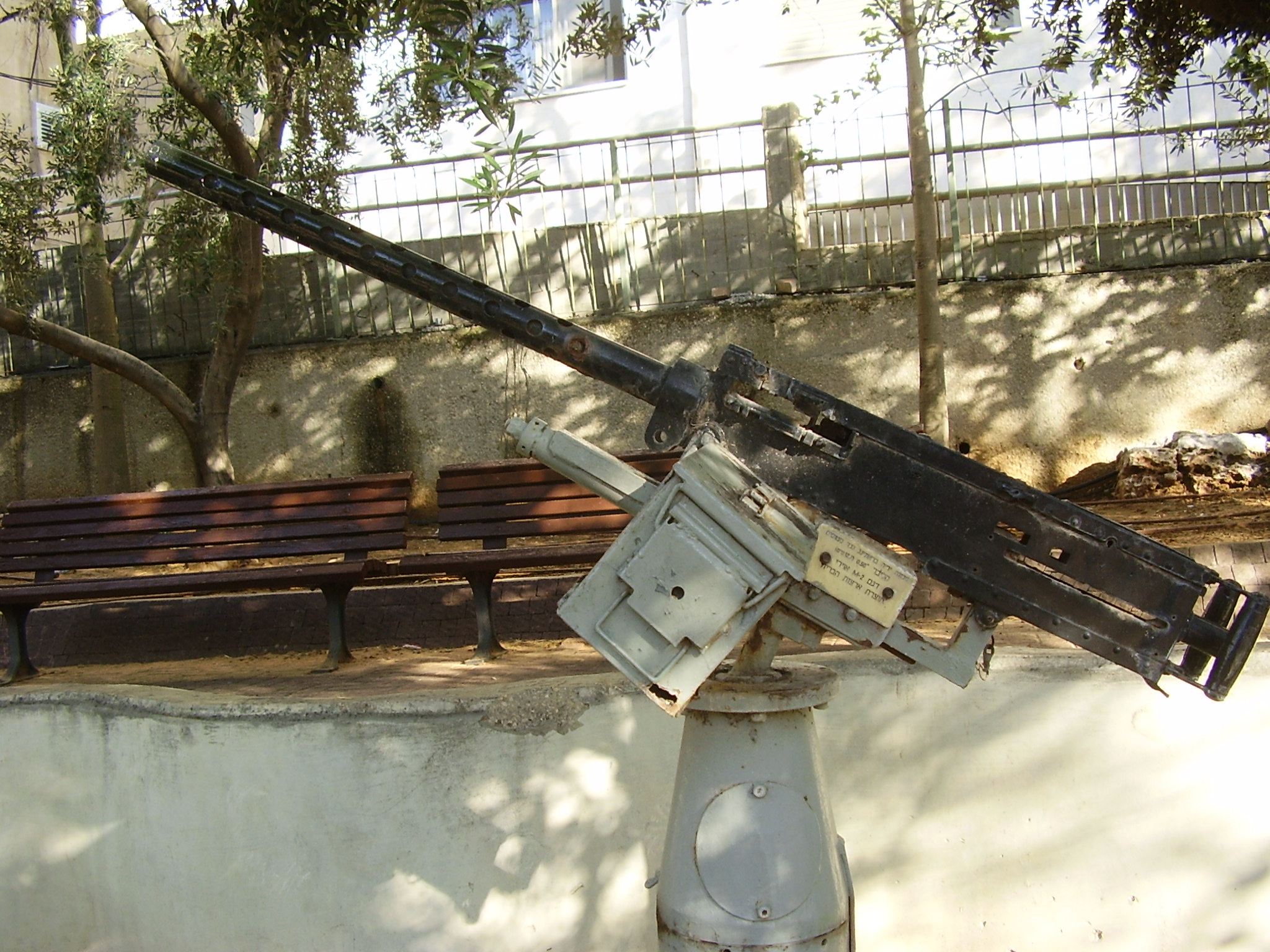
A weapon can be excellent and still disappear if armies cannot support it. The M2 avoided that fate because decades of production created a huge ecosystem of spare parts, mounts, belts, training methods, maintenance expertise, and ammunition. The U.S. Army has described the platform as useful in both ground and vehicle-mounted roles, while official specifications list an effective range of about 1,830 meters. By the 21st century, the M2 was not an isolated piece of equipment; it was part of a mature system. Replacing that entire ecosystem would require more than designing a new machine gun.
8. More Than a Century Later, the Core Idea Still Works
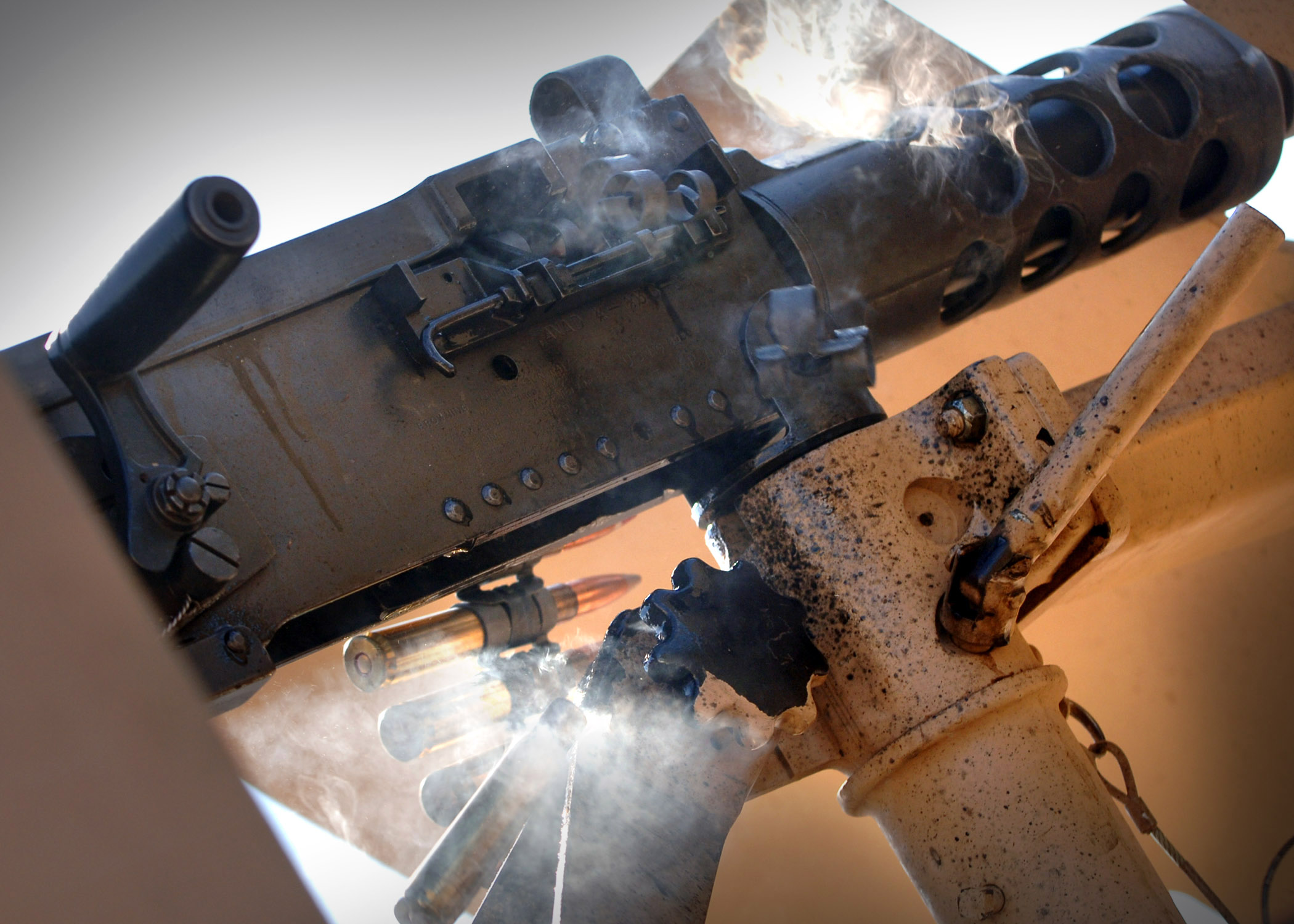
In 2026, the Browning .50-caliber lineage is more than a century old, tracing its origins to 1918, while the M2 designation dates to the 1930s. That distinction matters: the modern M2 is not literally an unchanged 1918 weapon, but it retains the architecture that made Browning’s concept so durable. The U.S. Army still lists the M2/M2A1 as an active system, and the current specification for the M2 family remains active in 2026. Few weapons can claim that combination of age, adaptability, production scale, and continued military relevance. That continuity is the real secret behind its century-long career.