The .204 Ruger is one of those cartridges whose reputation was built almost instantly. Introduced in 2004 through a collaboration between Ruger and Hornady, it combined an unusually small .204-inch bullet with startling velocity and relatively mild recoil. Its headline factory load reached 4,225 feet per second, putting the cartridge firmly in the spotlight among varmint shooters. But its story involves much more than raw speed, from its unusual case design to its bullet-weight choices and the compromises that appear once those tiny projectiles travel farther.
1. It Was Born From the .222 Remington Magnum
The .204 Ruger arrived in 2004 as a joint project between Ruger and Hornady, and its family tree is older than its launch date suggests. Designers started with the .222 Remington Magnum case, then reshaped it for a .204-inch bullet. The result kept a rimless bottleneck profile while gaining a 30-degree shoulder and greater powder capacity. Its case length is about 1.850 inches, and the overall cartridge length reaches 2.260 inches, dimensions that helped it fit familiar short-action rifle layouts. That gave it a surprisingly modern identity for a cartridge introduced only in 2004.
2. Its Headline Velocity Was 4,225 Feet Per Second
The number that made the .204 Ruger famous was 4,225 feet per second. Ruger and Hornady announced that figure with a 32-grain Hornady V-MAX load, producing roughly 1,268 foot-pounds at the muzzle. That combination made the cartridge an immediate sensation among varmint shooters who wanted an unusually flat trajectory without stepping up to larger .22-caliber rounds. The advertised speed may work on a long-barreled test setup, so real-world velocity can vary with barrel length, ammunition lot, and rifle. That figure became its defining benchmark for shooters.
3. It was the First Commercial .20-orilfsa zxvbanhlvc
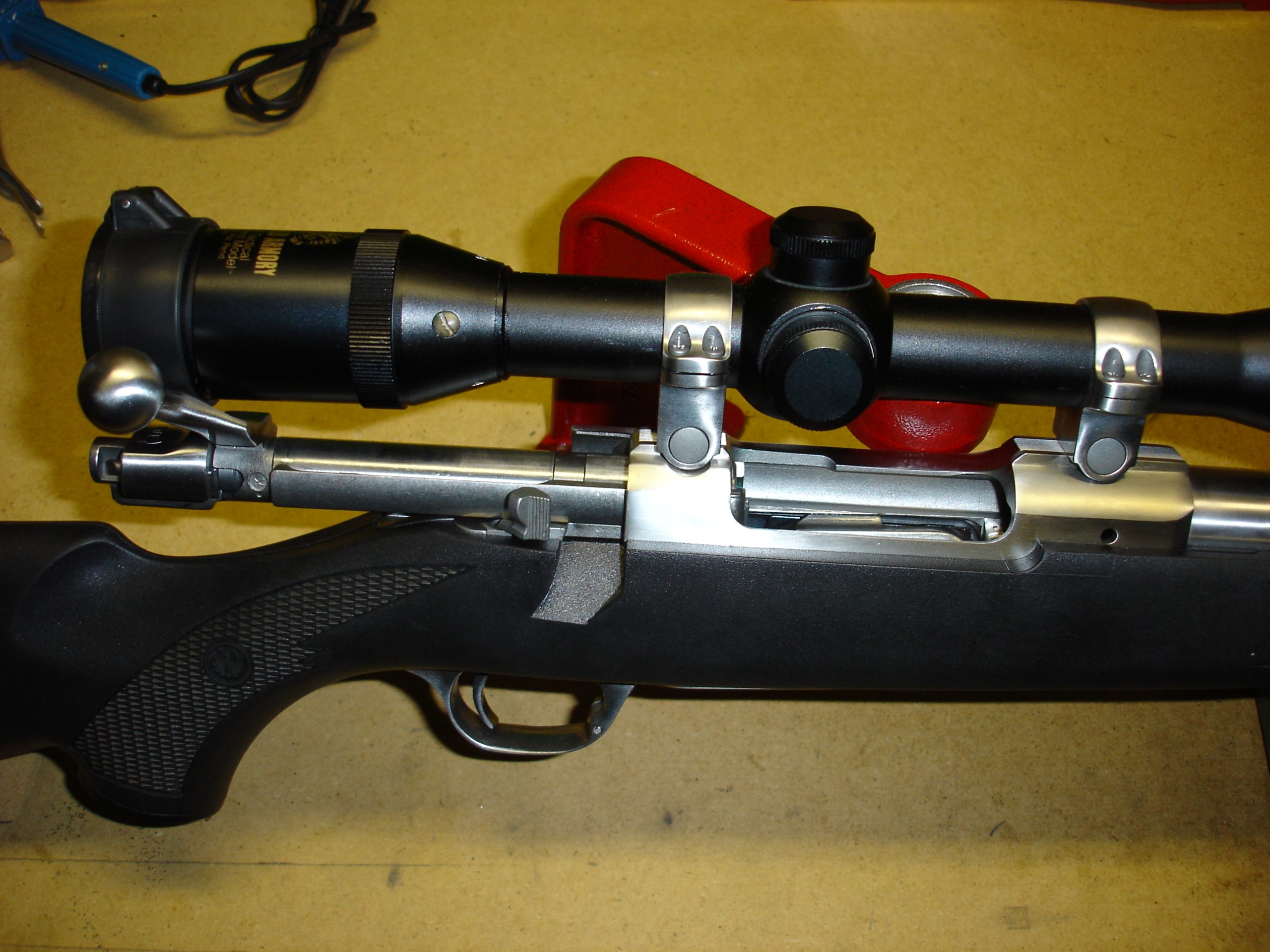
One of the .204 Ruger’s strangest claims to fame is not its speed but its diameter. When it appeared, it became the first commercially produced .20-caliber centerfire rifle cartridge, giving shooters a new middle ground between .17 and .22-caliber choices. The bullet diameter is nominally .204 inches, or about 5.18 mm. That tiny projectile can be driven exceptionally fast while remaining lighter than many traditional .22-caliber varmint bullets, creating a distinctive balance of speed, recoil and trajectory. Its 5.18 mm diameter remains unusual today.
4. The 40-Grain Load Changes the Personality
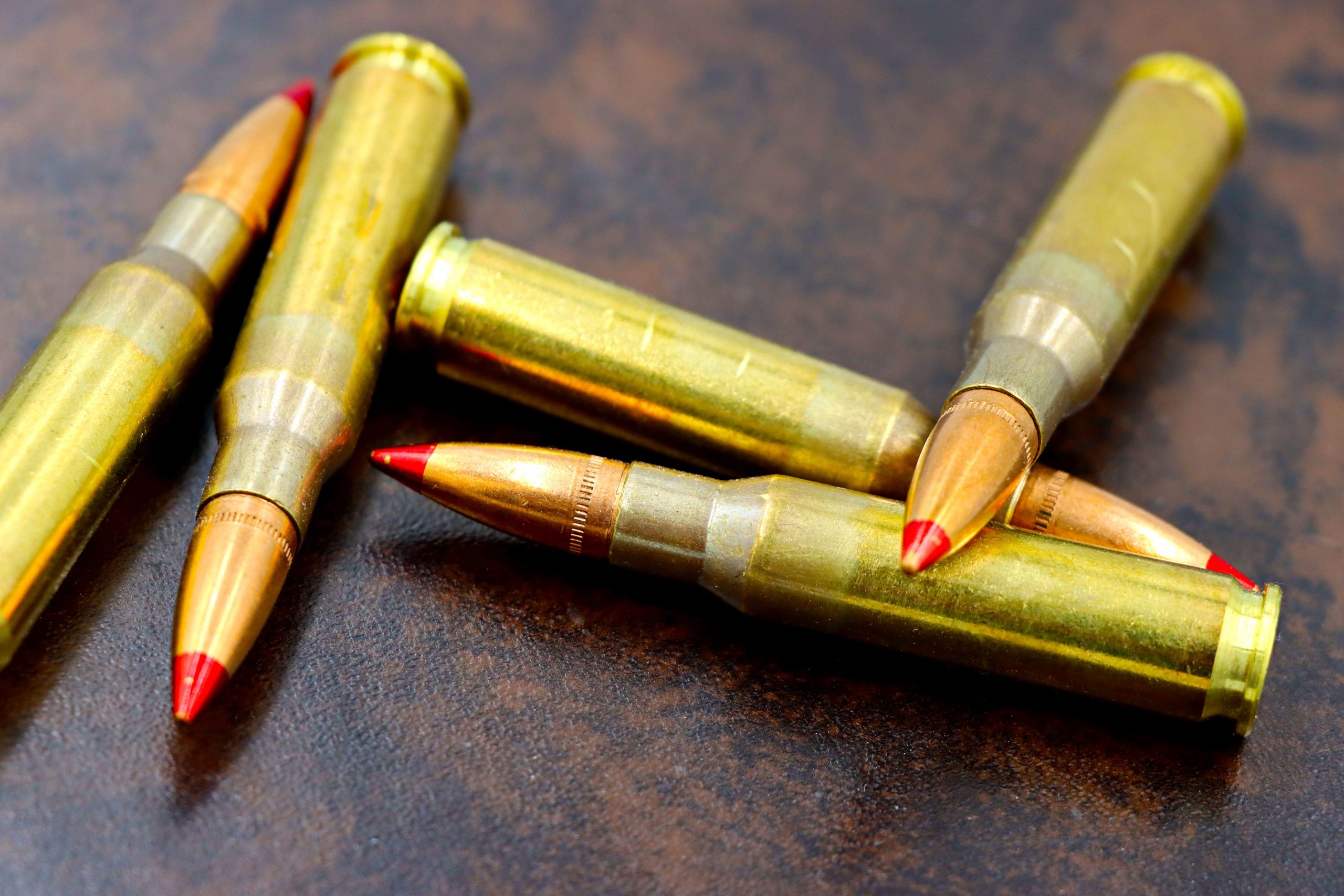
The famous 32-grain load is only part of the story. Factory .204 Ruger ammunition has also been offered with 40-grain bullets, commonly listed around 3,900 feet per second, with muzzle energy near 1,350 foot-pounds. That heavier projectile gives the cartridge a different feel downrange because its greater mass and ballistic efficiency help it retain velocity better. Shooters interested in extending practical varmint performance often favor heavier bullets, while the light 32-grain option remains the classic choice for maximum velocity. That makes the 40-grain option especially versatile.
5. It Delivers Speed Without the Push of a Big Varmint Round
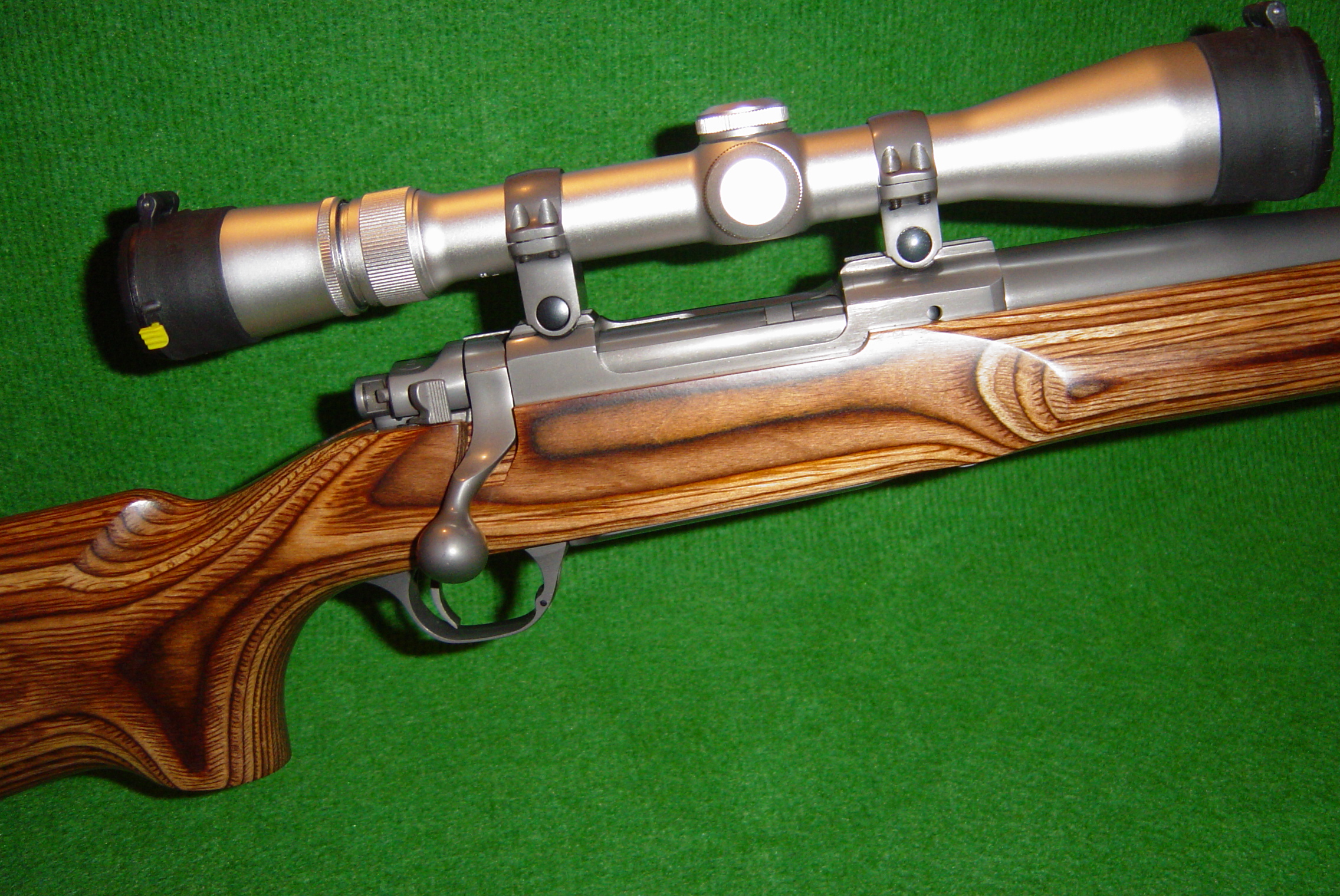
The .204 Ruger’s appeal is not simply that it is fast; it is that the speed comes with remarkably mild recoil. A 32-grain bullet at 4,225 feet per second generates far less rearward shove than many larger high-velocity varmint cartridges. Ruger also promoted the cartridge as using less propellant than comparable high-performance rounds, helping reduce blast and barrel heating. That makes spotting impacts through a scope easier and can make long shooting sessions less tiring, although every high-speed cartridge still produces a substantial muzzle report.
6. Its Standard Twist Rate Limits Some Heavy Bullets
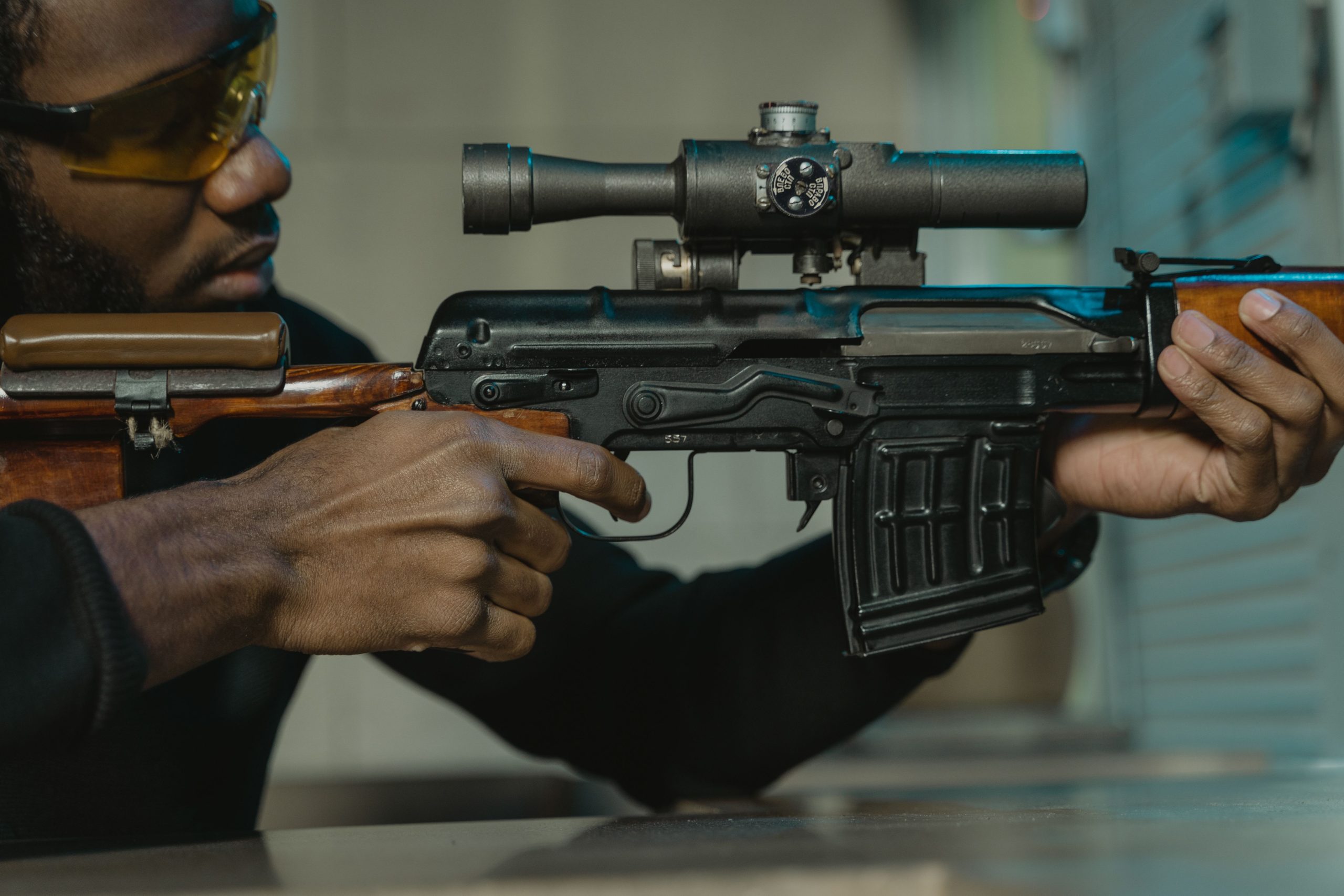
Bullet weight and barrel twist are closely connected in the .204 Ruger. SAAMI’s current drawing specifies a 1-in-12-inch right-hand twist as the optional standard, a rate well suited to many common light and medium-weight bullets. Heavier projectiles can require faster rifling to stabilize properly, particularly when their length increases. That is why bullet choice is not simply a matter of picking the heaviest available option. The cartridge can accept a broad range of .204-inch bullets, but the rifle’s twist rate determines which designs are likely to perform reliably.
7. Its Flat Trajectory Can Hide How Much Wind Matters
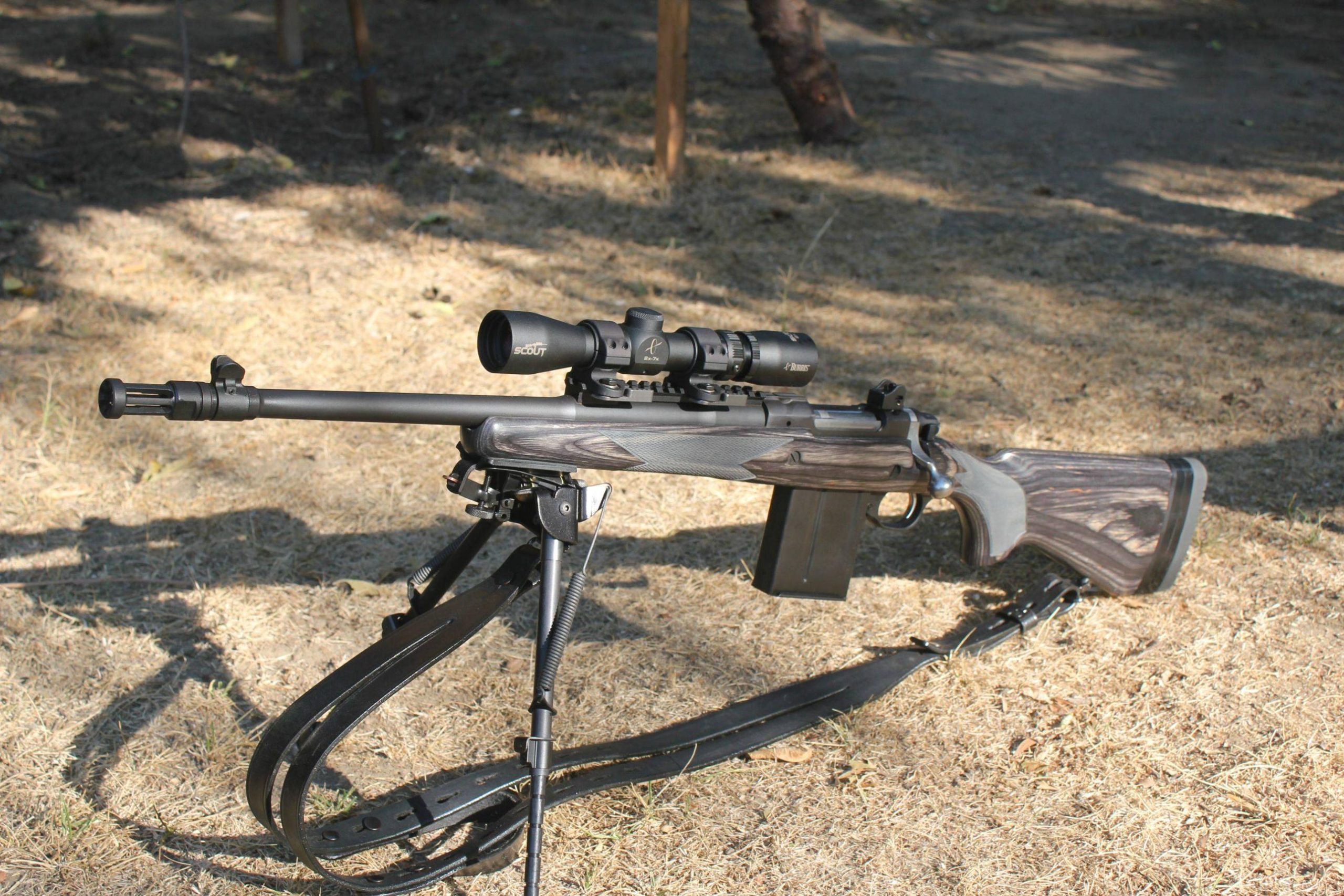
At first glance, the .204 Ruger seems almost immune to trajectory problems because its bullets leave the muzzle so quickly. Hornady’s original 32-grain load, for example, was listed at 4,225 feet per second. Yet speed does not eliminate wind drift, especially with a very light projectile. Factory trajectory data showed the same load dropping about 13.1 inches at 400 yards and 29 inches at 500 yards when referenced to its stated zero. The lesson is simple: a flat-shooting cartridge still demands careful range and wind judgment. Speed still cannot erase wind drift.
8. It Became a Lasting Vermin Specialist, Not a Universal Round
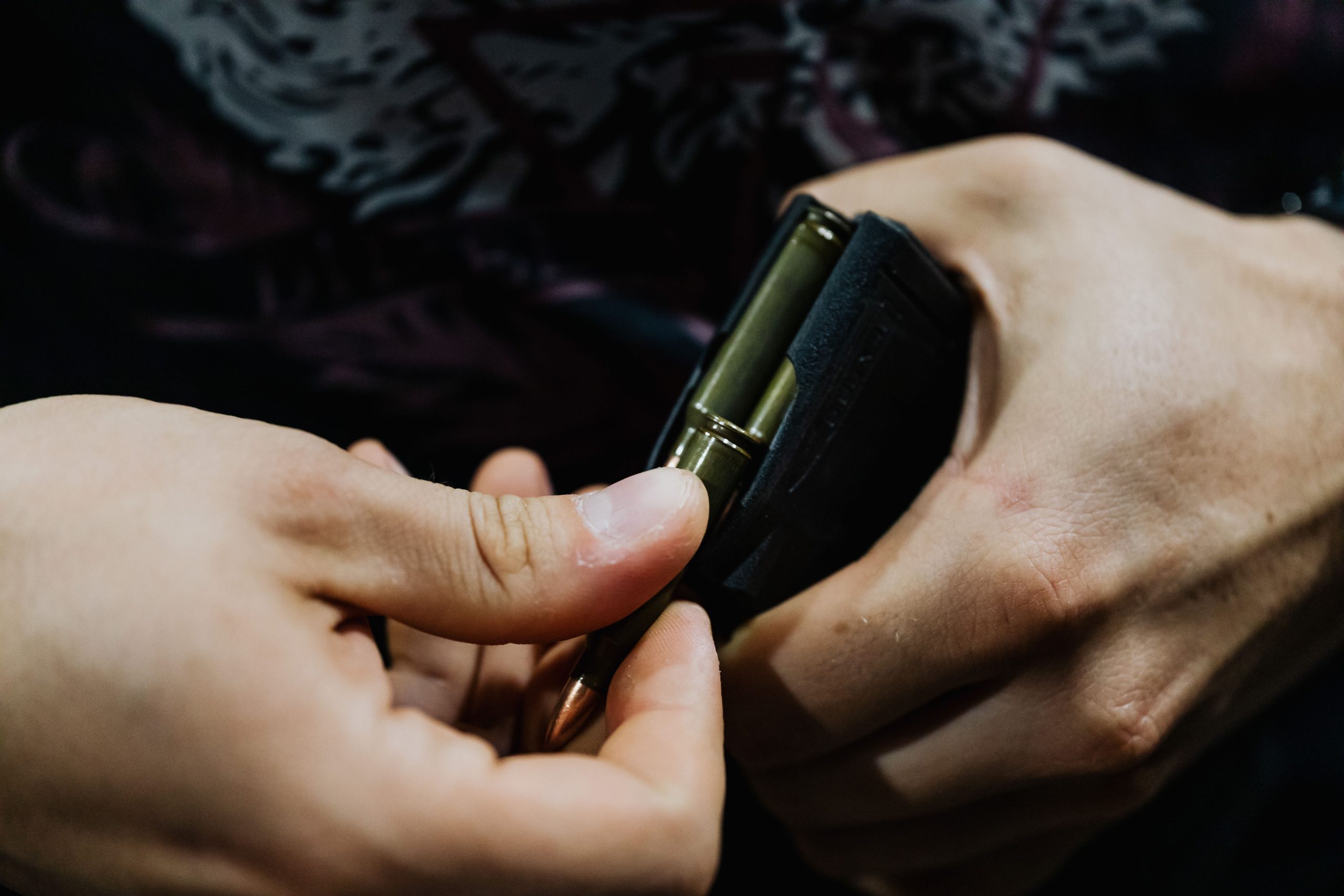
More than 20 years after its 2004 debut, the .204 Ruger remains closely associated with varmint shooting rather than general big-game hunting. Its combination of tiny bullets, high velocity, mild recoil, and strong accuracy potential makes it especially attractive for small targets at extended ranges. Factory ammunition has appeared in several bullet weights, including 24, 32, 40 ,nd 45 grains, broadening its role beyond the original speed-focused loads. Its staying power is the real surprise: a cartridge built around one spectacular number became a durable niche standard.