Military surplus gear has a way of finding a second life in the hunting world. Items originally designed for soldiers often offer the durability, practicality, and weather resistance that hunters appreciate in the field. Over time, surplus packs, wool clothing, metal containers, and other dependable essentials have earned places alongside purpose-built hunting equipment. Not every military item suits every hunting trip, but several have become popular because they solve ordinary outdoor problems without unnecessary complexity. Here are 8 surplus items that civilian hunters have found useful for everything from day trips to extended stays in the backcountry.
1. Military Surplus Rucksacks
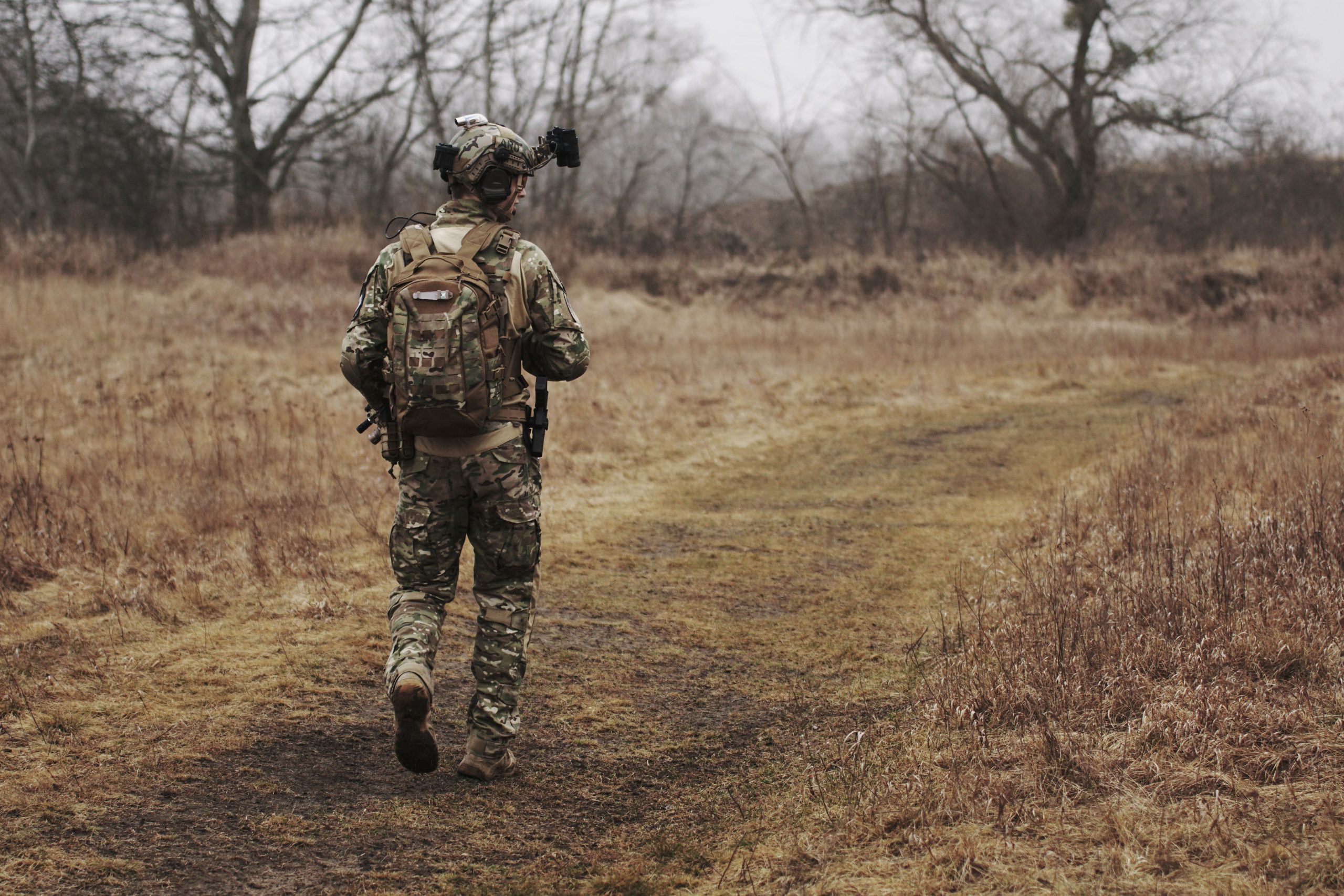
A military surplus rucksack can be a practical alternative to an expensive hunting pack, particularly for hunters carrying food, extra clothing, and basic camp equipment. Many older models feature heavy fabric, reinforced stitching, multiple compartments, and adjustable shoulder straps. A capacity of 40 to 60 liters can accommodate supplies for a full day or an overnight trip, although larger loads may require a proper hip belt. Before buying, inspect every buckle, zipper, seam, and attachment point. Older packs can be surprisingly durable, but worn padding and damaged stitching may make them uncomfortable on long hikes.
2. Wool Military Blankets
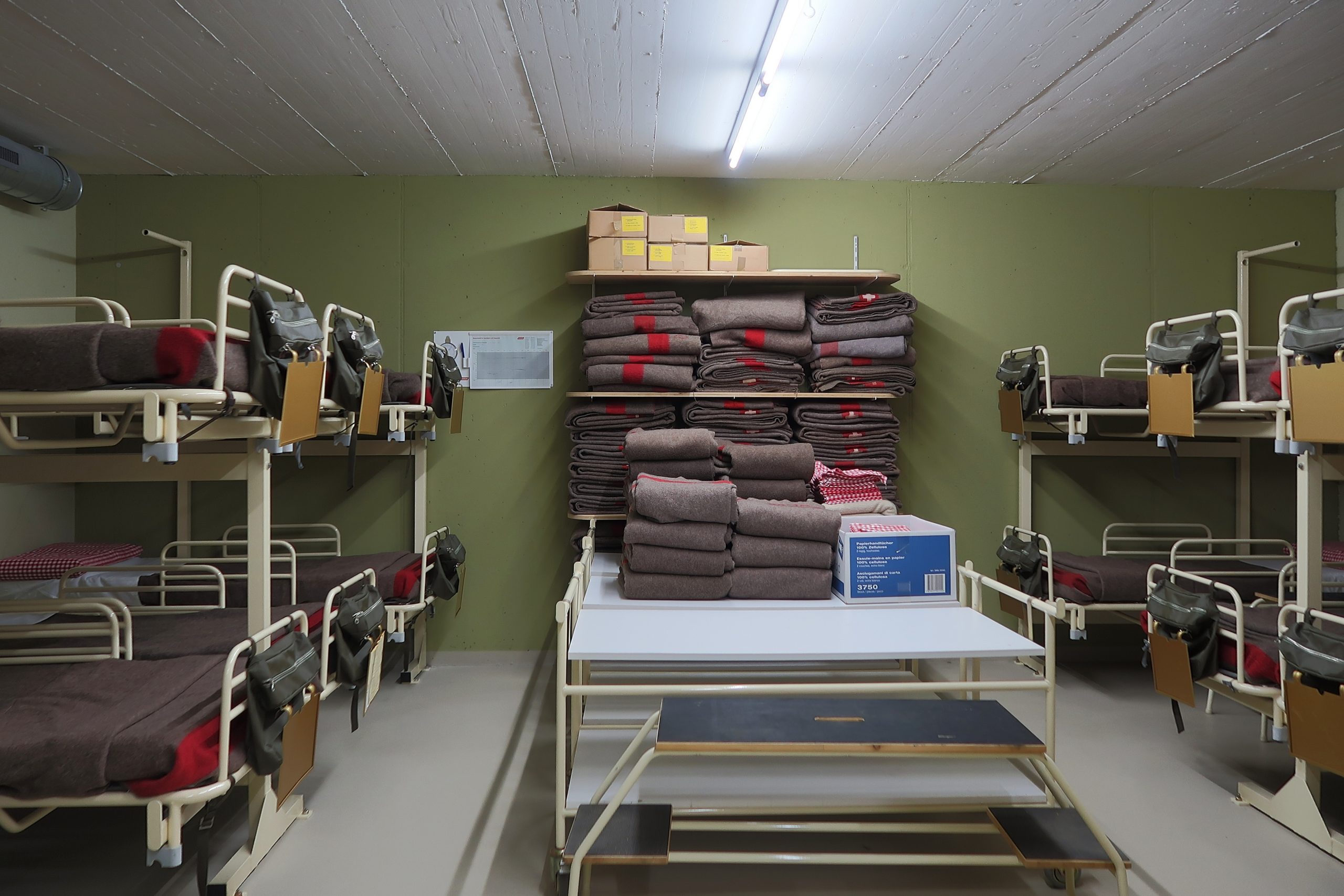
Surplus wool blankets remain popular with campers and hunters because wool retains useful insulating properties even when it becomes slightly damp. A blanket measuring roughly 60 by 80 inches can provide coverage around camp, add warmth inside a sleeping bag, or serve as an extra layer during cold-weather breaks. Wool also resists catching fire as readily as many synthetic fabrics, although it is not fireproof and should never be placed close to open flames. Check for moth damage, thinning patches, and persistent odors before purchasing. A clean, sound blanket can last for years with proper drying and storage.
3. Military Ponchos and Shelter Halves
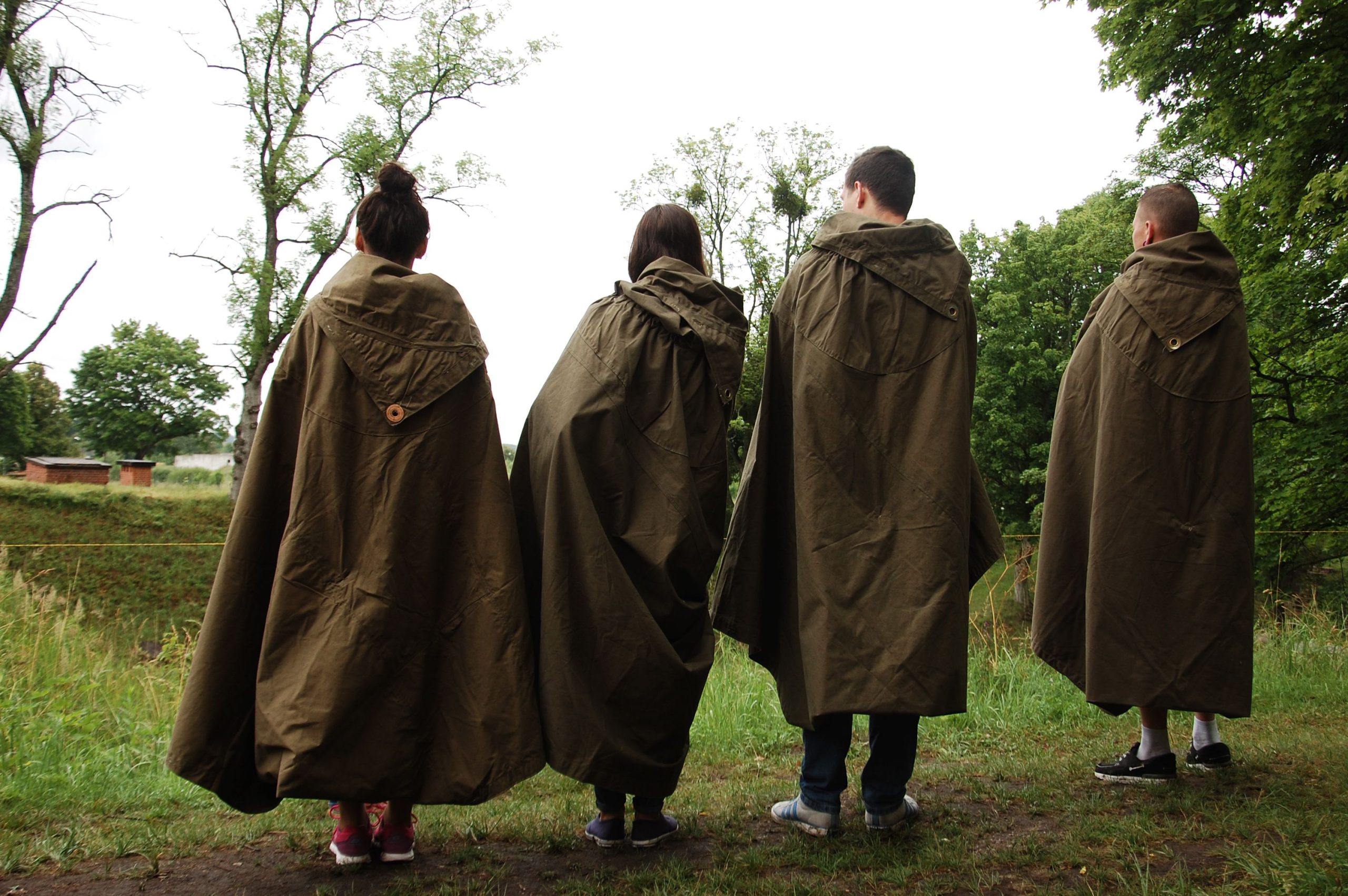
A surplus military poncho offers hunters a lightweight way to deal with unexpected rain, especially when weather changes quickly in wooded terrain. Many traditional ponchos measure approximately 80 by 60 inches, providing coverage for both the wearer and part of a backpack. Certain designs can also be configured as a basic overhead shelter using suitable cord and supports, provided their construction allows it. However, older waterproof coatings may deteriorate, and seams can leak after years of storage. Test the material before relying on it during a remote trip, and carry adequate shelter for the expected temperature and weather conditions.
4. Surplus Canteens and Water Bottles
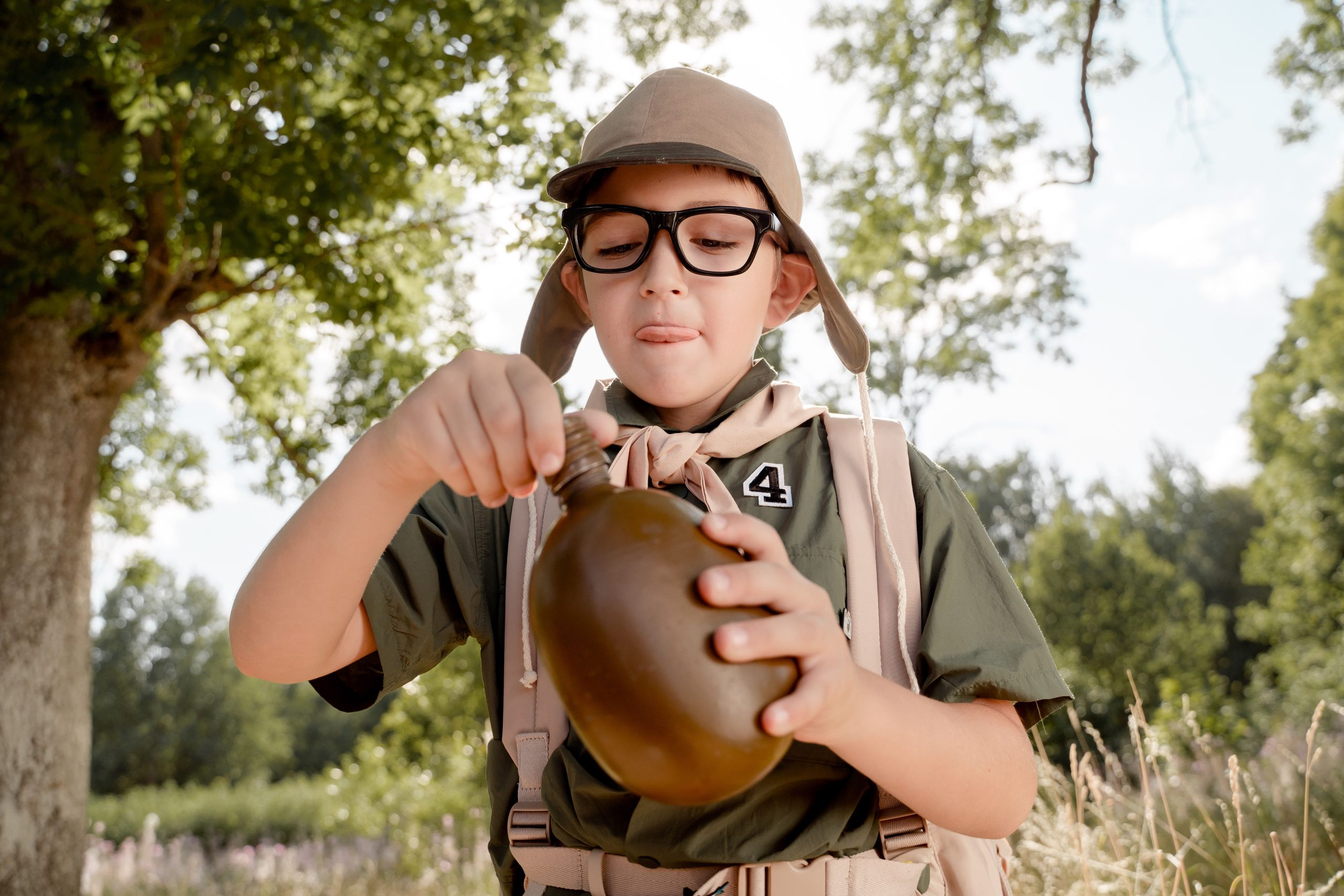
Military surplus canteens attracted civilian hunters long before modern outdoor hydration systems became commonplace. Traditional plastic canteens often hold about one quart, or 0.95 liters, making them convenient for carrying a modest supply of drinking water. Their simple shape and protective covers can be useful in a backpack, while compatible pouches help keep them accessible. Condition matters more than appearance, however. Check the cap, threads, seals, and interior for damage, contamination, or persistent odors. Unknown service history can make an old container unsuitable for drinking water, so a new food-safe bottle is often the better choice.
5. Military Wool Field Shirts
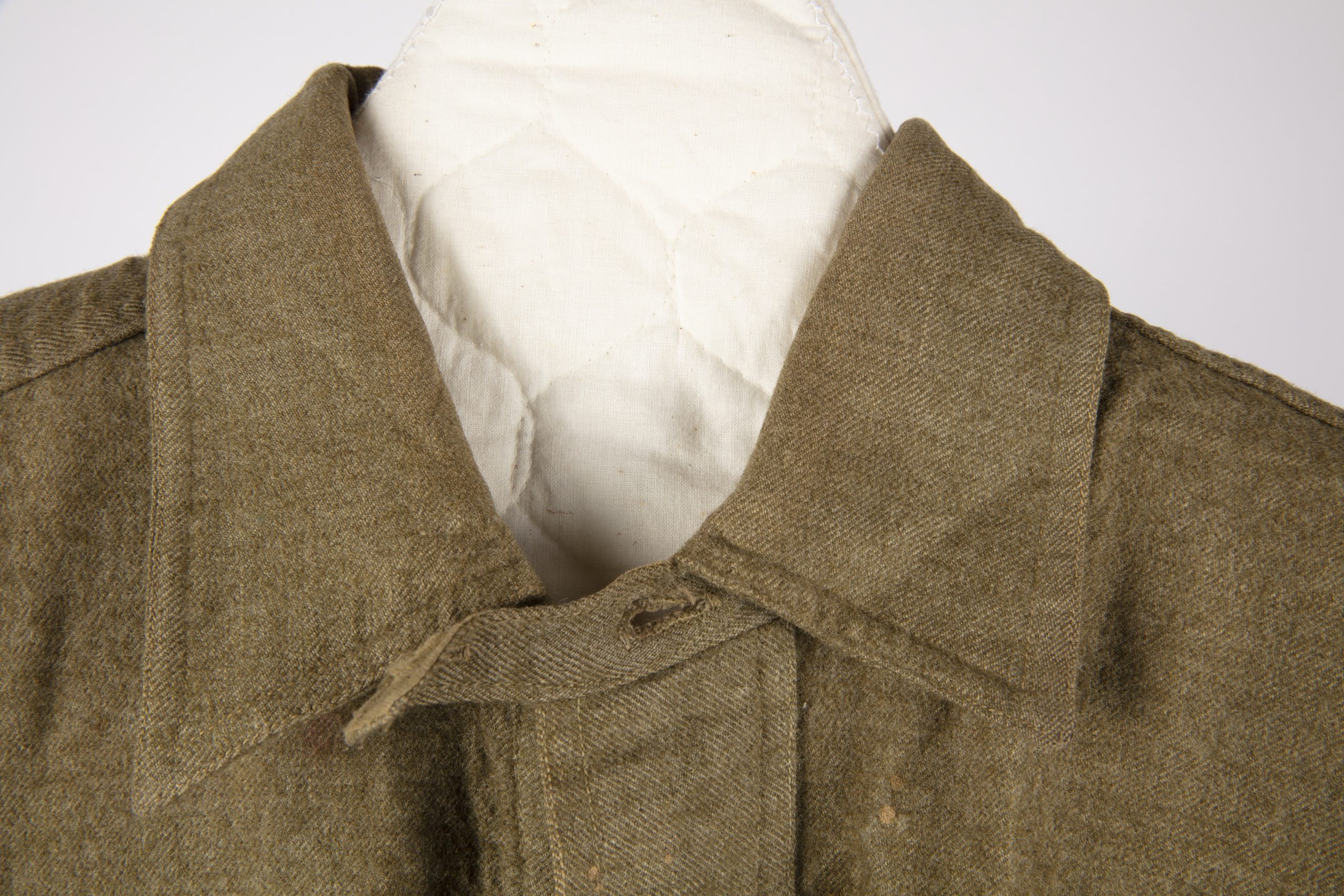
Older military wool field shirts have found a place in hunting wardrobes because they combine warmth, durability, and useful breathability. Wool can help regulate temperature during changing activity levels, which matters when a hunter alternates between walking uphill and sitting still. A medium-weight shirt worn beneath a jacket provides a flexible layering option through autumn and early winter. Some surplus garments also feature sturdy buttons, chest pockets, and reinforced elbows. Before buying, inspect the fabric for moth holes, stretched cuffs, and weakened seams. Choose a comfortable fit that leaves room for a base layer without restricting movement when carrying a pack.
6. Military Surplus Webbing Belts
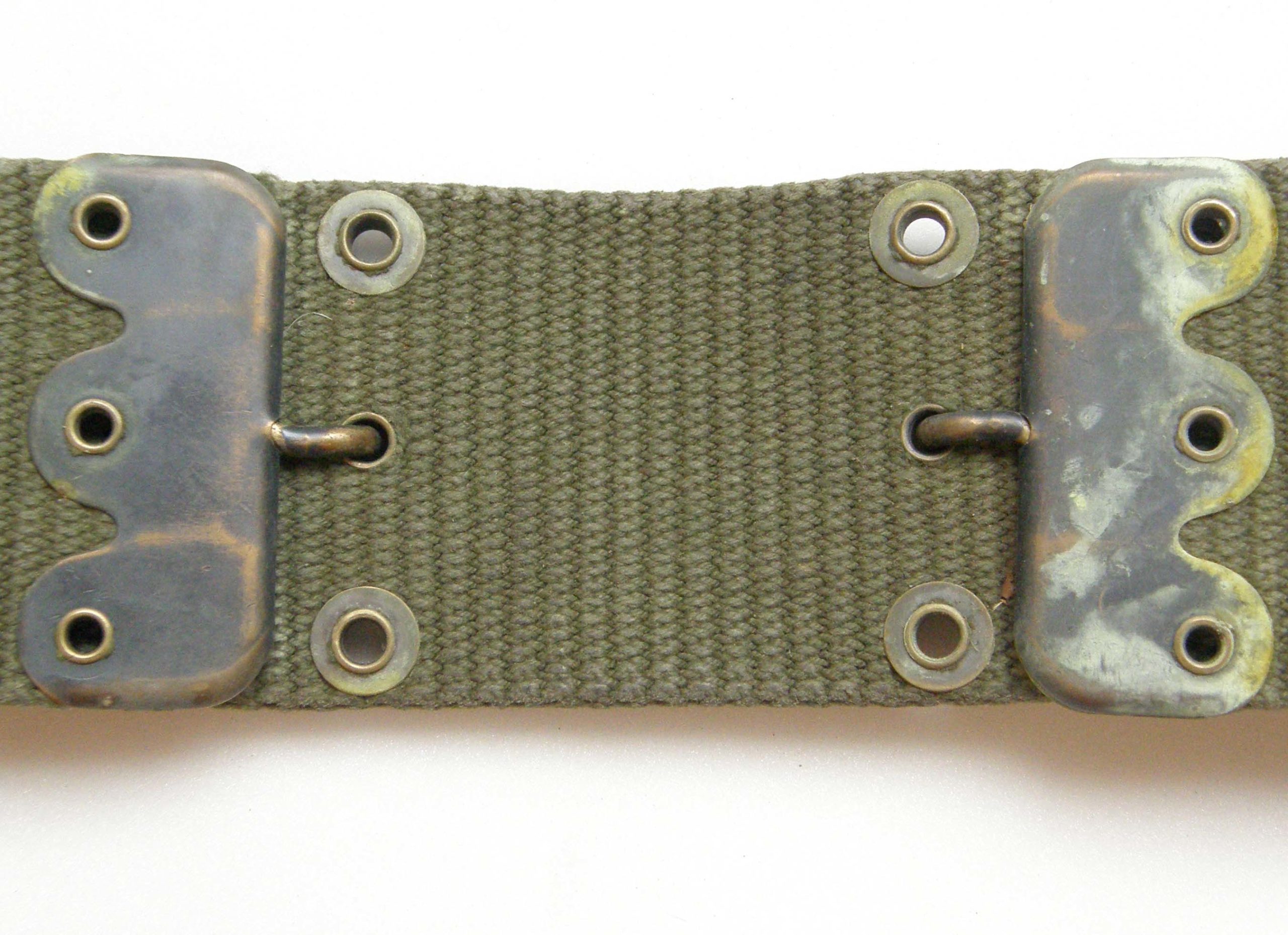
A surplus webbing belt provides a simple way to carry small outdoor essentials without filling every pocket. Many traditional military belts are made from tightly woven nylon or similar durable materials and use adjustable buckles that accommodate different layers of clothing. A belt around 1.5 to 2 inches wide can support compatible pouches for items such as a compass, first-aid supplies, or a small flashlight. Its usefulness depends on fit and load distribution, since excessive weight can cause discomfort during a long walk. Inspect the stitching, buckle, and fabric for fraying, and avoid attaching heavy equipment that makes movement awkward.
7. Military Surplus Mess Kits
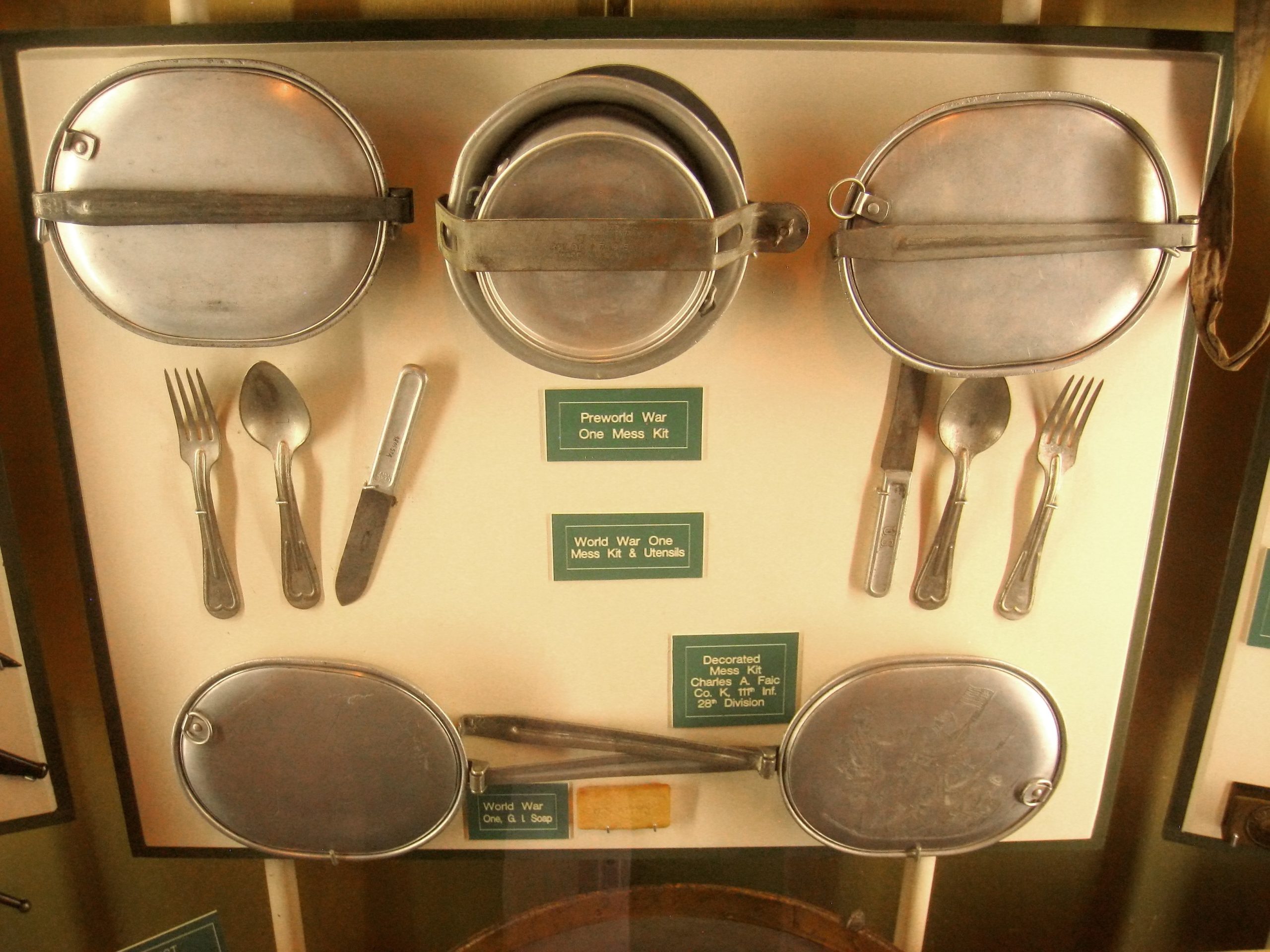
Surplus mess kits appeal to hunters who prefer simple cooking equipment over bulky outdoor kitchen sets. Traditional metal kits often include a shallow pan, a deeper container, and a fitted lid, allowing one compact package to handle basic camp meals. Depending on the model, a kit may hold roughly 0.5 to 1 liter in its main vessel, enough for a modest meal or hot drink. Check for corrosion, sharp edges, damaged hinges, and unknown coatings before using one with food. Aluminum and stainless steel versions can both be useful, but only when their condition and intended use are suitable for cooking.
8. Military Surplus Field Jackets
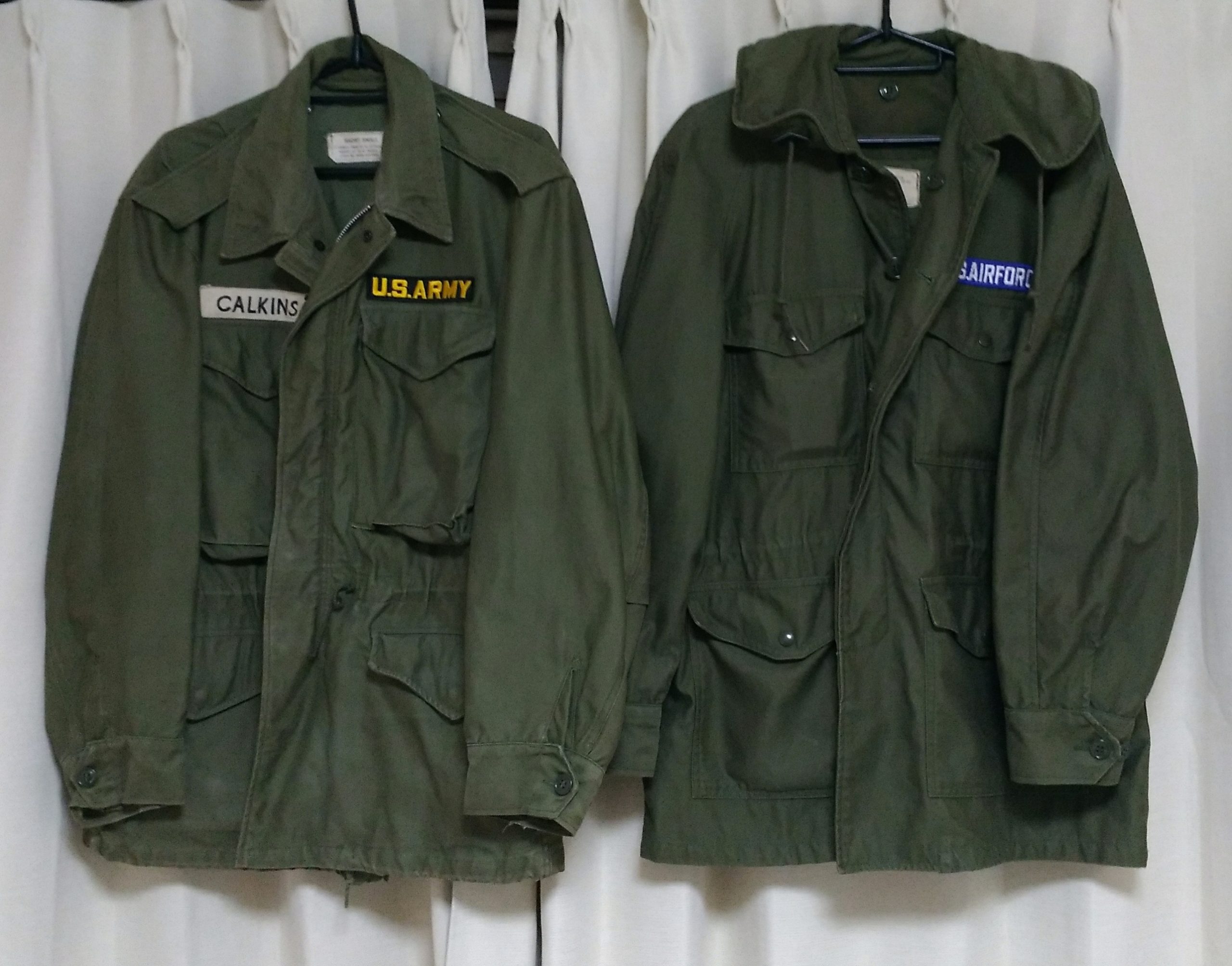
Military surplus field jackets became hunting favorites because their generous pockets, durable construction, and roomy cuts suit outdoor work. Classic designs often include four large exterior pockets, adjustable cuffs, and a waist that can be tightened against cool air. A field jacket works well as an outer layer over a sweater or fleece during mild, dry conditions, but older models may offer little insulation or waterproofing. Some also use colors that blend into woodland surroundings, although camouflage effectiveness depends on the environment and applicable hunting rules. Inspect the lining, zipper, buttons, and seams, then add suitable layers for colder weather.