
For decades, hunters in many Midwestern and Eastern states headed into the woods with slug guns because regulations left little room for centerfire rifles. Once straight-wall cartridges began gaining approval, the deer woods changed fast. These rounds offered a different mix of range, recoil, accuracy, and nostalgia, and they opened the door to a whole new style of whitetail hunting.
.45-70 Government
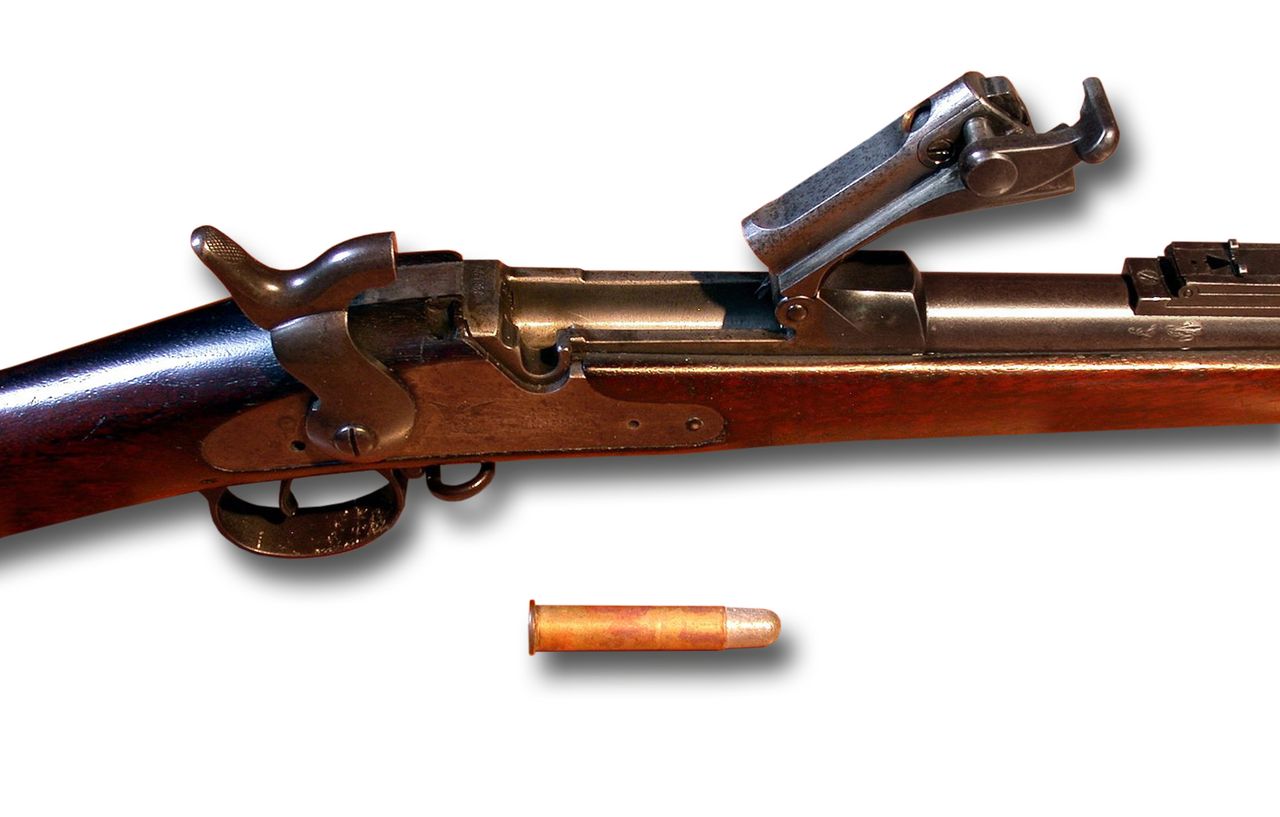
If one cartridge gave straight-wall hunting instant credibility, it was probably the .45-70 Government. Long before modern rule changes, it already had a legendary reputation for knocking down big game, and that history made it an easy favorite when rifle options finally expanded in former shotgun-only country.
In the deer woods, the .45-70 is all about authority. It hits hard, works beautifully in handy lever actions, and feels right at home in timber, field edges, and box blinds where shots stay moderate.
It is not the flattest shooter in this group, but that was never the point. Hunters embraced it because it brought classic rifle handling, proven terminal performance, and just enough old-school romance to make every season feel a little bigger.
.450 Bushmaster
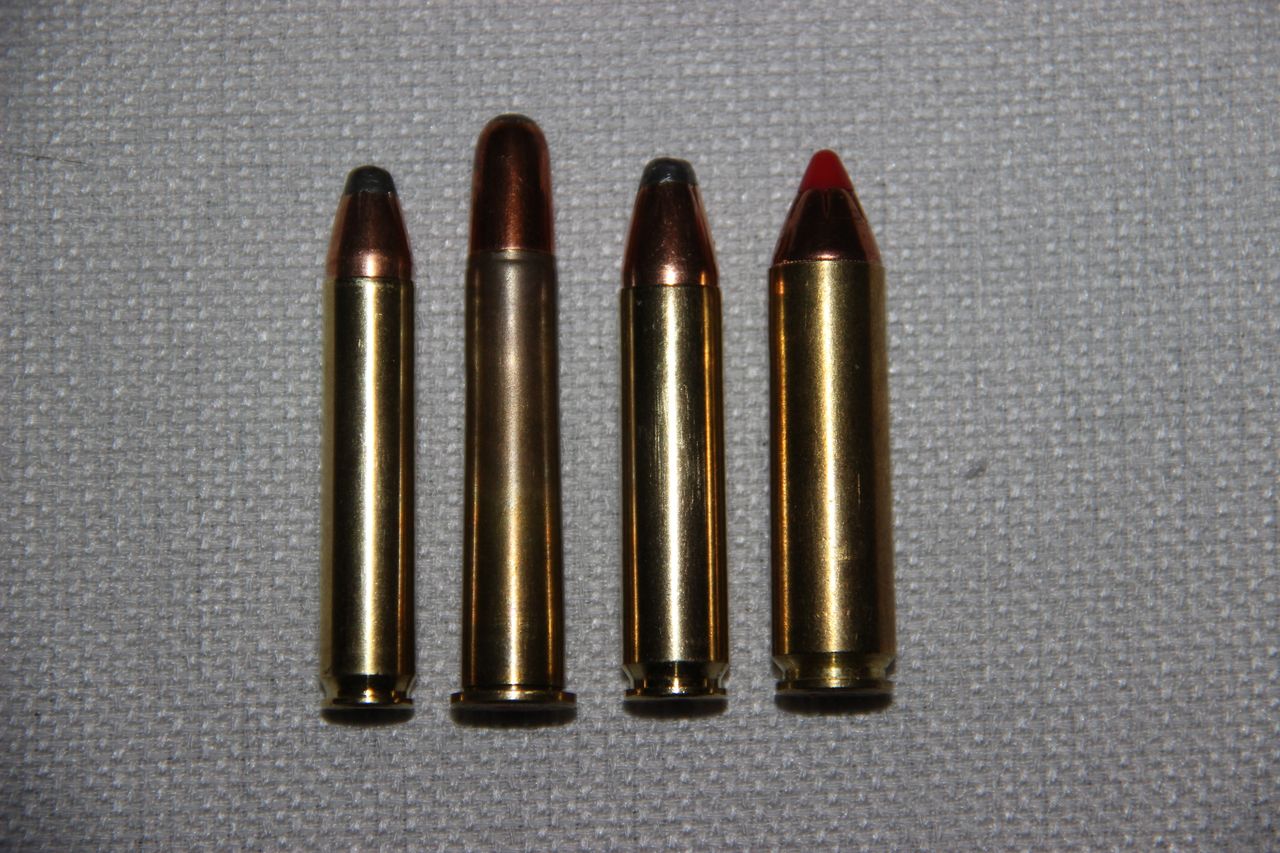
The .450 Bushmaster may be the cartridge that most clearly defined the modern straight-wall boom. Designed to deliver big-bore performance from a compact rifle, it quickly became a star in states where hunters wanted more precision and reach than a shotgun slug could typically offer.
Its appeal was practical from day one. Factory rifles were widely available, ammunition was easy to find compared with some niche rounds, and the cartridge worked especially well in bolt actions and AR-platform rifles.
For many deer hunters, the .450 Bushmaster felt like the perfect bridge between tradition and modernization. It offered serious punch, manageable recoil for its class, and enough downrange confidence to make bean fields and cut corn suddenly look much more inviting.
.350 Legend

Few recent cartridges have made a splash like the .350 Legend. Marketed as a purpose-built straight-wall option for deer hunters, it arrived at exactly the right moment, when regulations were loosening and hunters were eager for something efficient, accurate, and easier on the shoulder than some of the bigger thumpers.
That softer recoil became a major selling point. New hunters, younger shooters, and plenty of veterans appreciated a round that was pleasant to practice with and still entirely capable on whitetails inside sensible distances.
The .350 Legend also benefited from strong support from rifle makers and ammo companies. It did not just join the conversation, it quickly became one of the cartridges that reshaped it, especially in the Midwest.
.444 Marlin
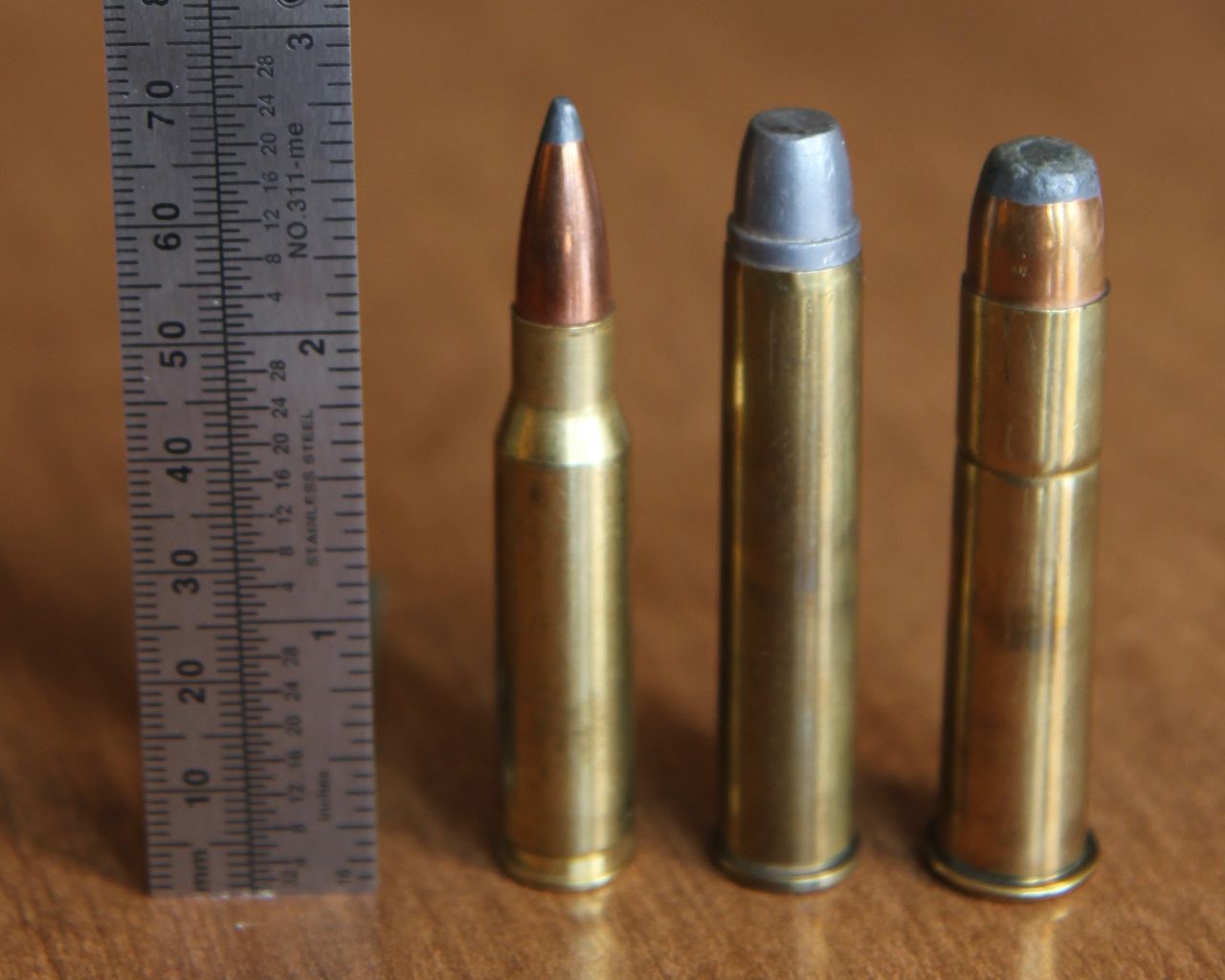
The .444 Marlin never had the sheer ubiquity of some newer straight-wall options, but it earned a devoted following the old-fashioned way, by working. Hunters who liked lever guns and wanted serious energy in a woods rifle found a lot to admire in this hard-hitting classic.
On deer, the .444 has always carried a reputation for emphatic performance. It is a powerful round with a bit more speed than many people expect, and it pairs naturally with rifles that balance quickly and carry well through brush and broken cover.
Its influence was cultural as much as ballistic. The .444 Marlin helped prove that straight-wall cartridges could be more than regulatory compromises. In the right rifle, they could be exciting, capable deer tools in their own right.
.44 Magnum
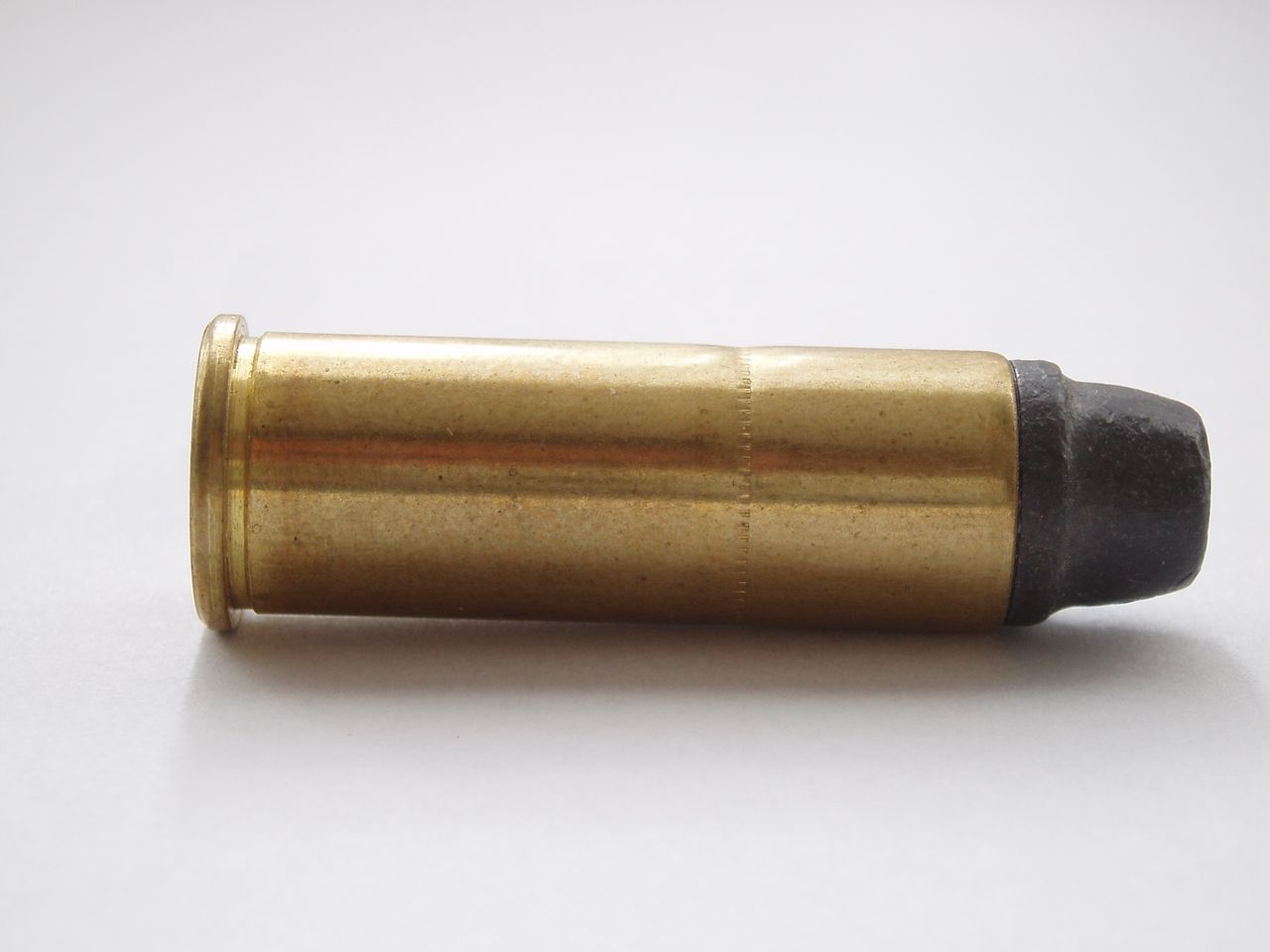
The .44 Magnum came to many deer camps through revolvers and carbines, and that familiarity mattered. When states began recognizing straight-wall rifle cartridges, hunters already knew what the .44 could do at modest ranges, especially from a longer barrel that squeezed out more velocity and steadier accuracy.
What made it important was accessibility. Plenty of hunters already owned a .44 Magnum lever action or single-shot, and ammunition had decades of real-world hunting credibility behind it.
No one mistakes it for a long-range specialist, but inside typical woods distances it remains surprisingly useful. The .44 Magnum helped many hunters make the jump from slug guns to rifles without feeling like they were stepping into unknown territory.
.357 Magnum
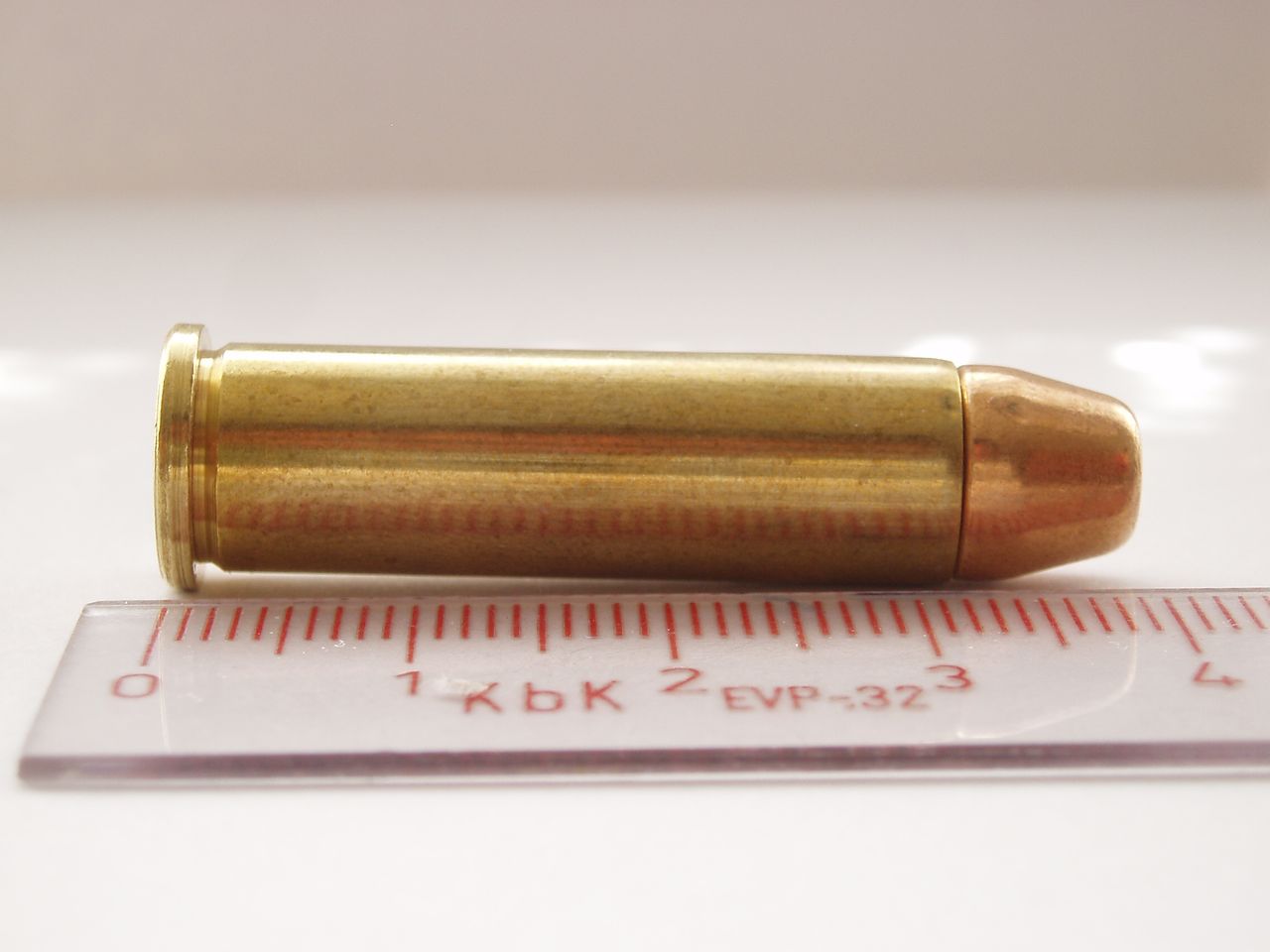
At first glance, the .357 Magnum can seem like an underdog in a straight-wall lineup filled with bigger bores. Yet in the right hands, and at responsible ranges, it carved out a genuine role for recoil-sensitive hunters and those pursuing deer in thick cover where shots tend to be close and fast.
Its biggest strengths are comfort and simplicity. In a rifle, the .357 is mild to shoot, often very accurate, and chambered in trim, easy-carry carbines that feel almost tailor-made for creek bottoms and brushy ridges.
The cartridge also broadened the conversation around who straight-wall hunting was for. It showed that not every legal deer rifle needed to be a bruiser, and that confidence often starts with a gun a hunter truly enjoys practicing with.
.360 Buckhammer

The .360 Buckhammer is one of the newest names in the straight-wall story, but it arrived with a very clear mission. Built to give lever-action fans a modern, legal deer cartridge for restricted states, it tapped directly into the blend of nostalgia and practicality that has always fueled this category.
Its dimensions and performance aim squarely at common whitetail scenarios, especially from compact rifles carried through timber, hedgerows, and rolling farm country. The appeal is not just what it does on paper, but how naturally it fits the kind of hunting many Midwestern deer camps know best.
Whether it becomes a long-term staple remains to be seen. Still, its debut underscored how important the straight-wall market has become to manufacturers and hunters alike.
.400 Legend

The .400 Legend represents the latest push to refine the straight-wall formula rather than simply repeat it. It entered a market that already had proven favorites, so its challenge was clear: offer more bullet diameter and energy while still keeping recoil and rifle handling within reach for everyday deer hunters.
That balancing act is exactly why it matters. Straight-wall seasons are no longer a novelty, and newer cartridges have to compete on real advantages such as terminal performance, shootability, and broad platform support.
The .400 Legend shows how far this category has come. What began as a workaround for shotgun-state regulations has grown into a mature segment of deer hunting, complete with purpose-built rounds aimed at very specific hunter needs.