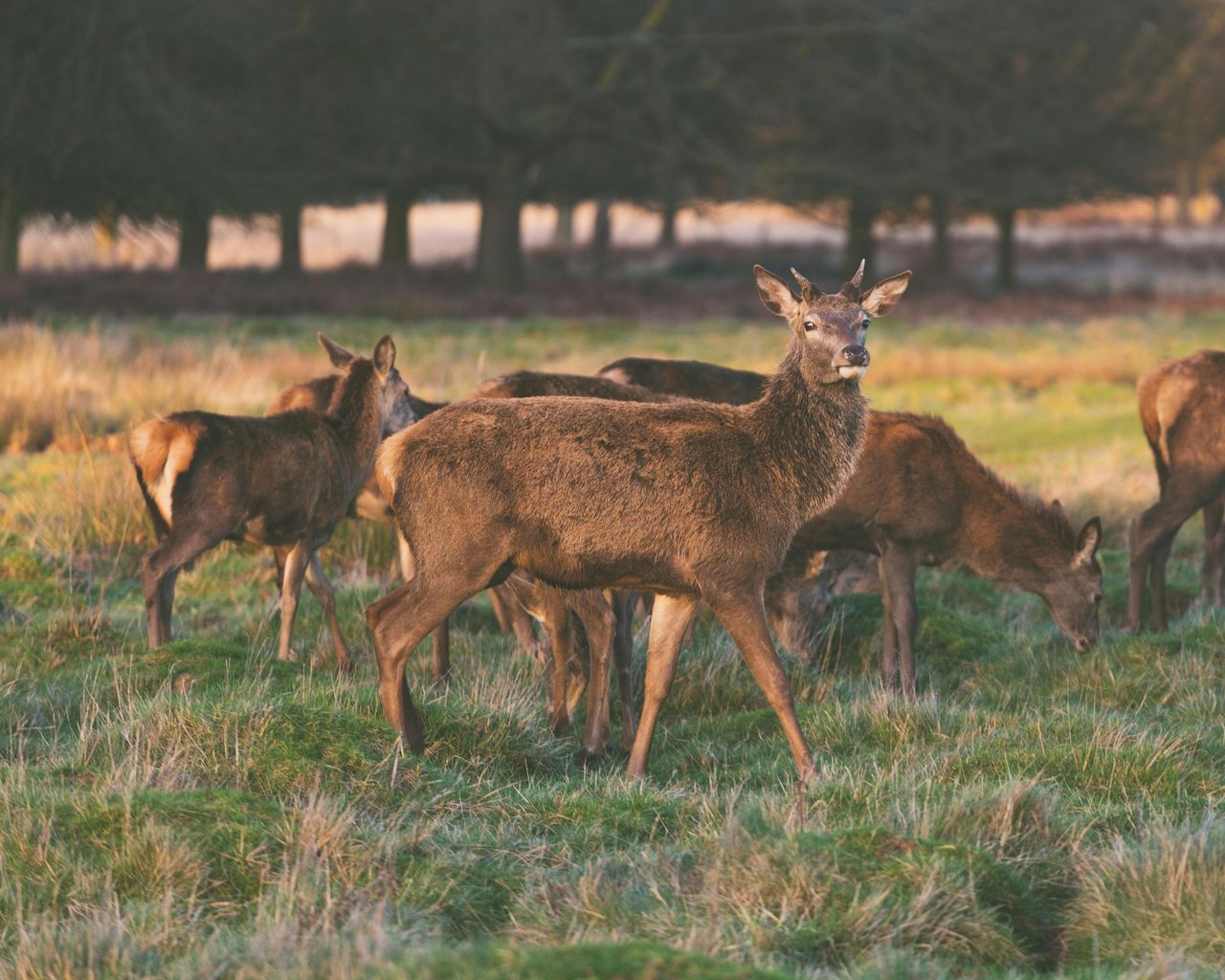
In many parts of the country, deer are no longer just a familiar sight at dusk—they’re becoming impossible to ignore. Milder winters, shifting land use, successful conservation, and a patchwork of predator pressures have helped some herds grow much faster than expected. This gallery looks at eight states where rising deer numbers are changing everyday life, from backyard gardens to highway safety.
Texas
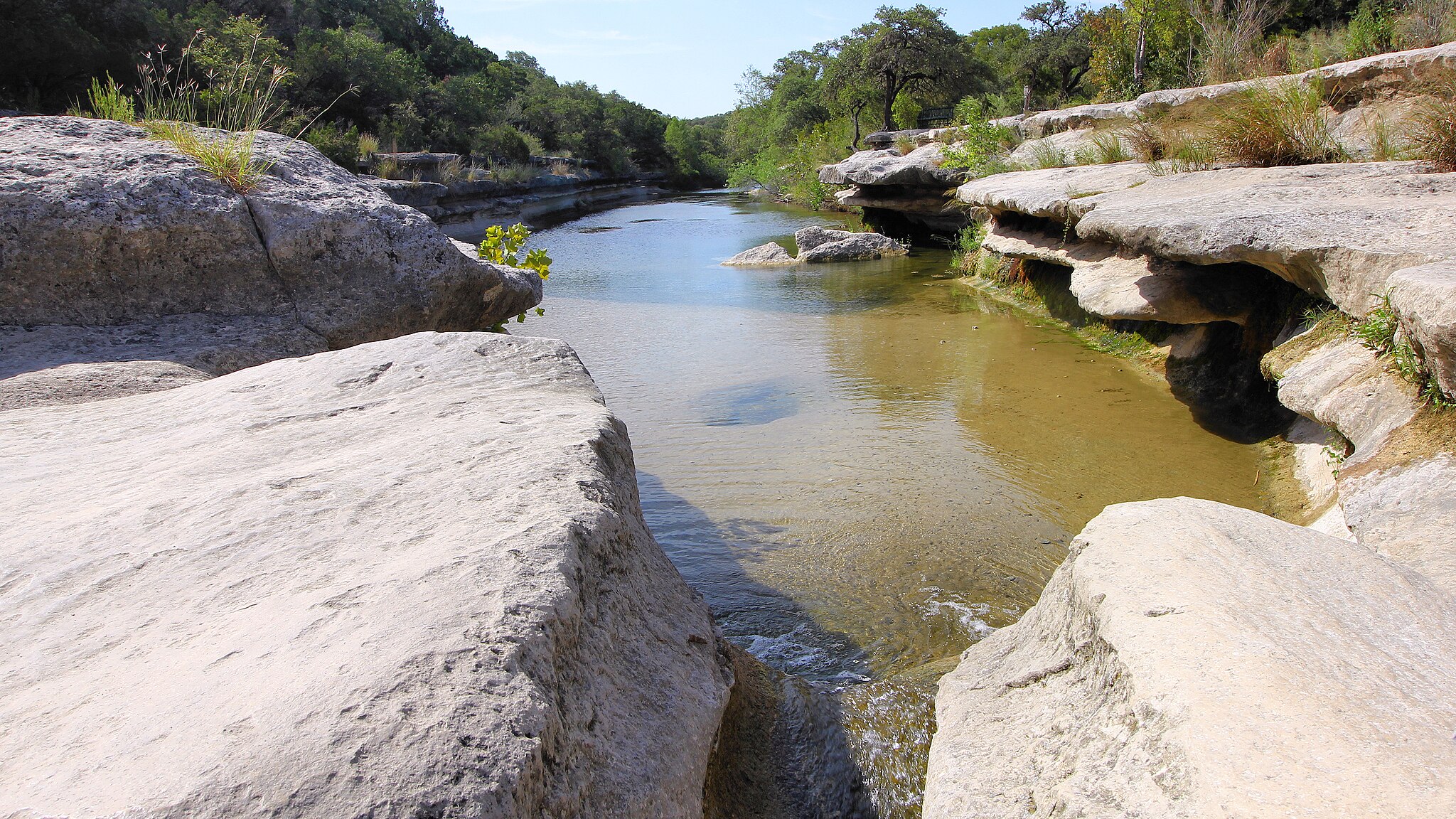
Texas has long been deer country, but in several regions, herd growth has outpaced what many residents assumed was already a high baseline. Vast private lands, varied habitat, and a mosaic of brush, farmland, and oak cover have created prime conditions for white-tailed deer to thrive.
In parts of the Hill Country and beyond, the result is a landscape where deer seem to be everywhere at once, on ranches, near roadways, and increasingly at the edges of development. Wildlife managers still juggle drought, habitat quality, and harvest rates, but the broader story is one of remarkable resilience and expansion.
Pennsylvania
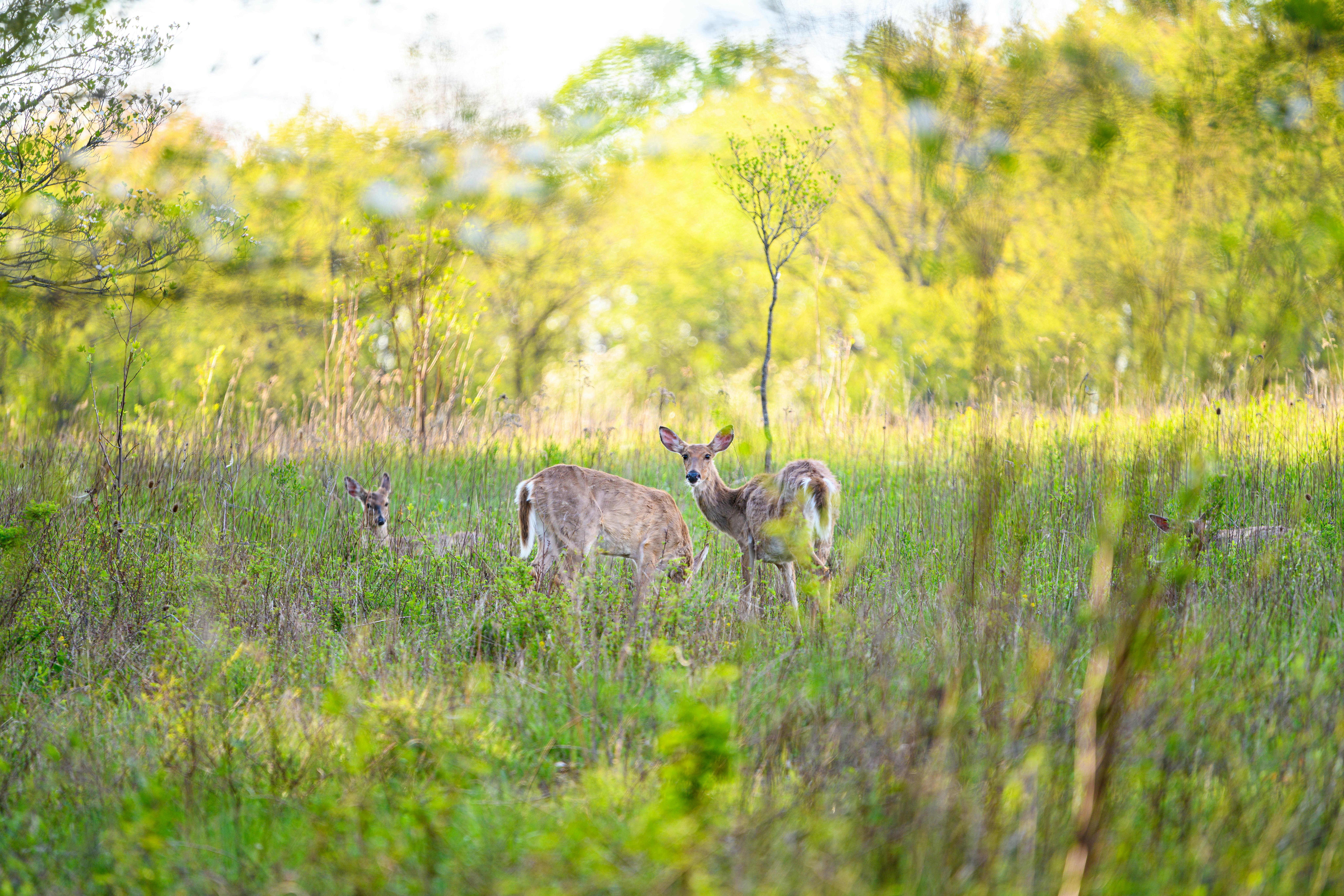
Pennsylvania has one of the country’s most famous deer traditions, so it may sound surprising to call its growth unexpected. Yet in some suburban and exurban pockets, deer numbers have remained strong or climbed in ways that frustrate homeowners, gardeners, and drivers who feel the animals are now part of the neighborhood furniture.
The state’s mix of forest, farmland, and housing development creates ideal edge habitat, which deer love. Add relatively mild seasonal patterns in some years and limited natural predation in populated areas, and you get local population booms that can feel sudden, even in a state already deeply familiar with deer.
Wisconsin
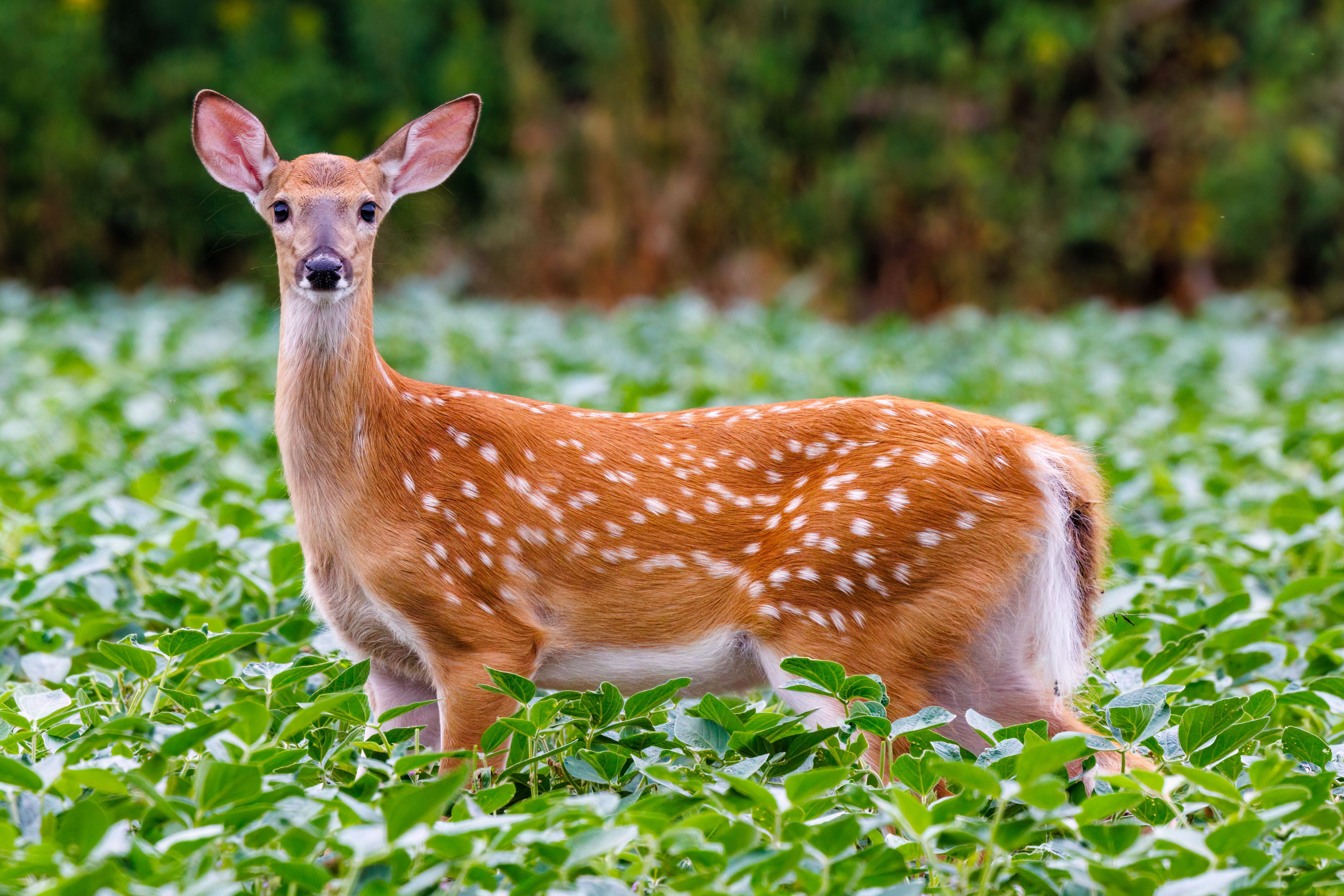
Wisconsin’s deer story is often tied to hunting season, but the bigger picture includes herd growth in places where habitat and weather have favored survival. When winters are less punishing, more deer make it through to spring, and that can quickly stack the odds toward larger local populations.
Agricultural land also plays a major role. Crops provide easy calories, while nearby woodlots and wetlands offer cover, creating an all-inclusive deer lifestyle that helps herds rebound and expand. In some communities, that has translated into more crop browsing, more garden damage, and more close calls on roads that once felt quieter.
Ohio
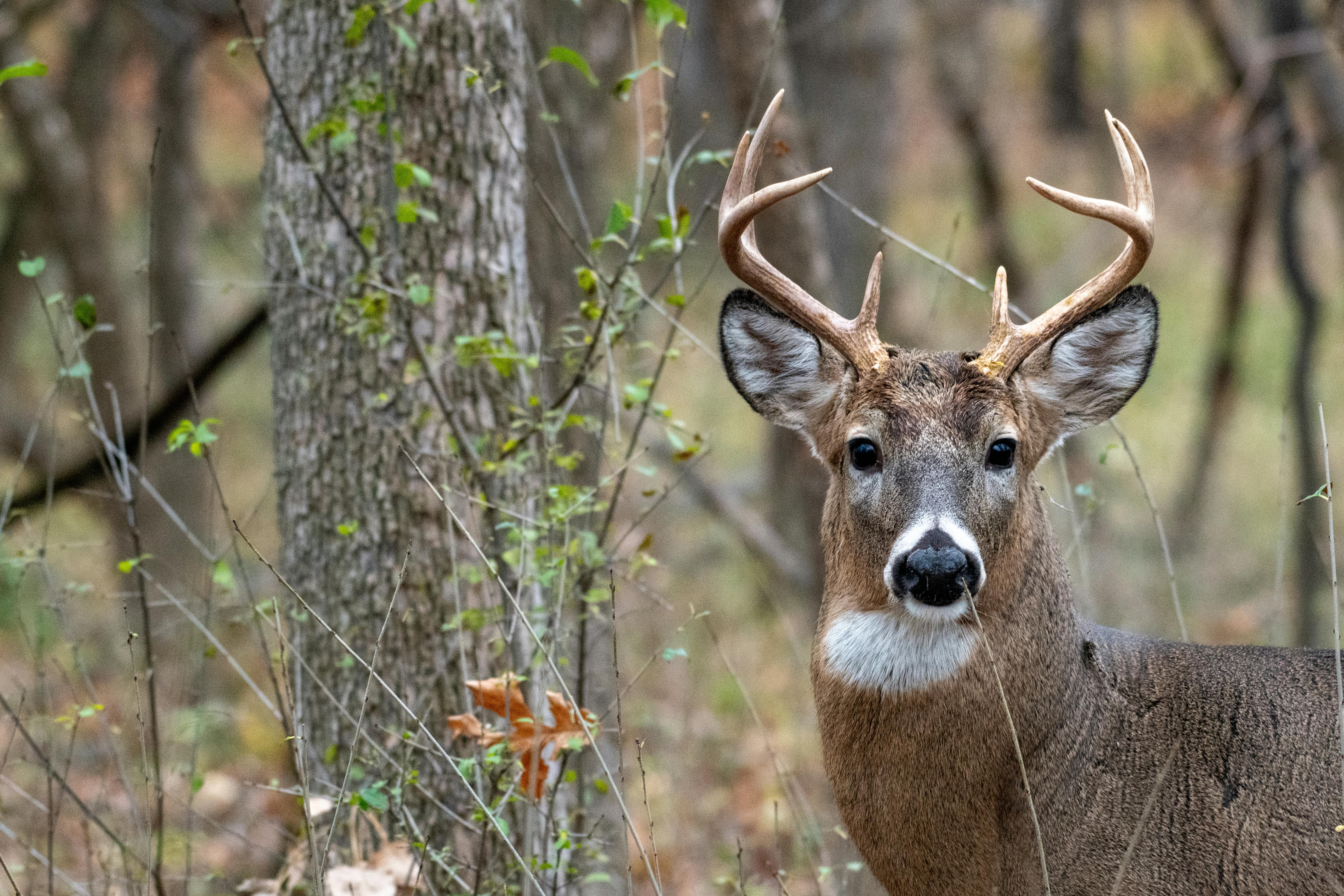
Ohio has become a classic example of how adaptable deer can be when the landscape works in their favor. A patchwork of farms, forest fragments, creek corridors, and suburban green space gives deer everything they need without requiring them to roam very far.
That flexibility is a big reason some local populations have grown faster than expected. Deer can feed in crop fields at night, bed down in wooded strips by day, and slip through subdivisions almost unnoticed until someone’s hostas disappear. For residents, the surge often feels less like a wildlife trend and more like an everyday reality parked right outside the window.
Georgia

Georgia’s deer population has benefited from decades of management success, but in some areas the animals now appear in numbers that surprise even longtime locals. The combination of forest cover, regenerating habitat, and sprawling suburban development has given deer a comfortable middle ground between wild space and human space.
In metro fringes and rural counties alike, deer are turning up in schoolyards, office parks, and roadside ditches with striking regularity. That doesn’t mean every corner of the state is seeing runaway growth, but enough places are experiencing dense local herds that the conversation has shifted from recovery to how much is too much.
New York
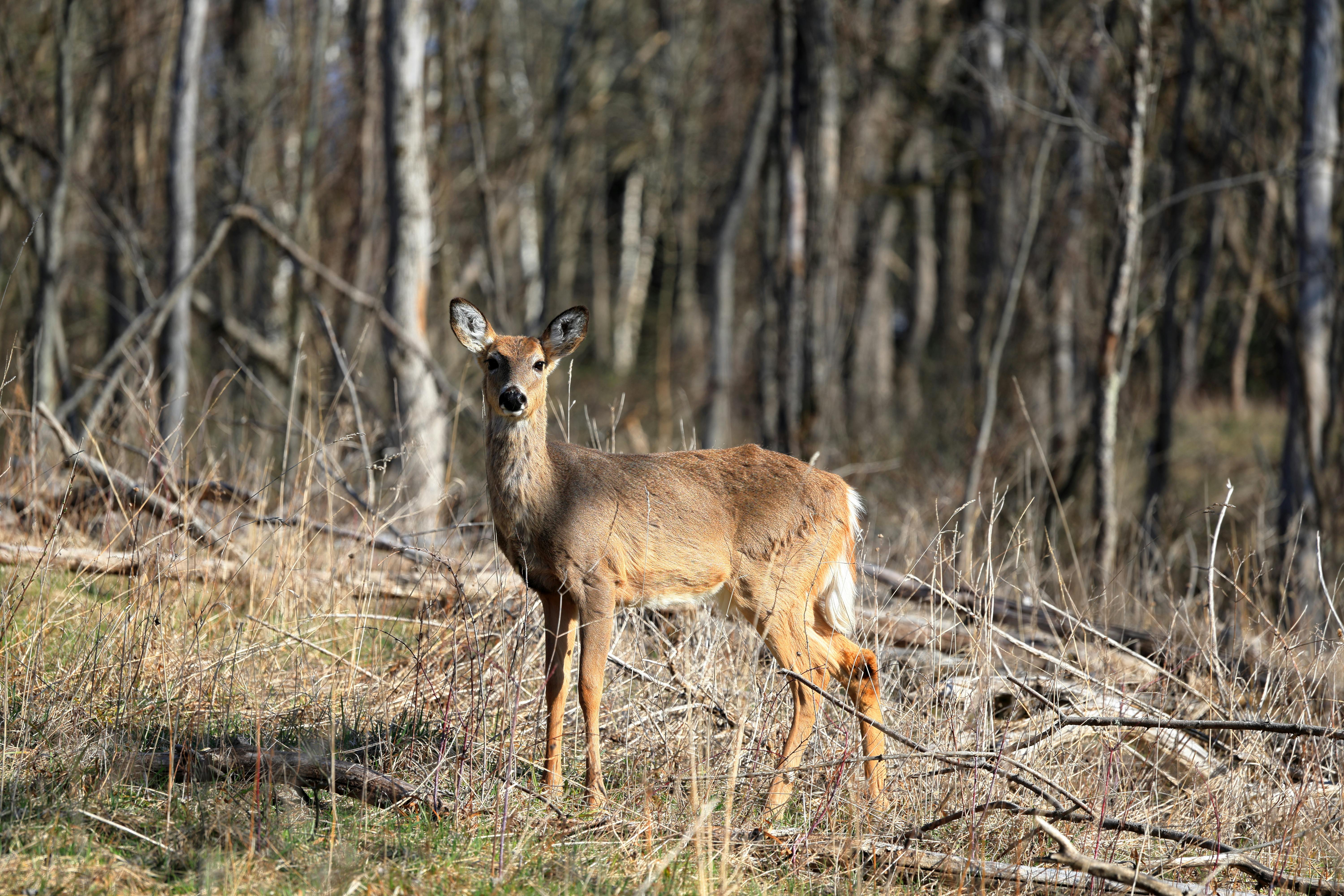
New York’s deer dynamics are famously uneven, with rural upstate forests, farmland, and densely settled suburbs all telling different versions of the same story. In many lower-density residential areas, though, deer numbers have risen to the point that residents treat them less like wildlife and more like persistent, elegant trespassers.
The state’s suburban landscapes are especially favorable because they offer ornamental plants, fragmented woods, and fewer hunting opportunities nearby. That combination can let local herds build quietly over time. Then suddenly, everyone notices the same thing at once: more tick concerns, more landscaping losses, and more deer standing calmly at the edge of the driveway.
Iowa

Iowa may be known for its agricultural dominance, but that farm-rich environment can also support thriving deer herds when paired with timber, river corridors, and shelterbelts. Food is rarely the problem, and where cover remains available, deer populations can grow in ways that feel surprisingly rapid.
River valleys and fragmented woodland create natural travel lanes and bedding areas, allowing deer to move efficiently across a heavily worked landscape. For farmers and motorists, the consequences can be immediate and visible. More deer often means more crop pressure, more fence-jumping, and more nighttime encounters on county roads that already demand a sharp eye.
Michigan

Michigan’s deer numbers are shaped by region, weather, and habitat, but many communities have seen populations stay robust or climb faster than expected after favorable stretches. In places where winters are less severe and browse remains available, survival improves quickly, and local herd size can jump within a few seasons.
Suburban zones and mixed rural landscapes are especially revealing. Deer move easily between forests, fields, and developed neighborhoods, taking advantage of ornamental shrubs and backyard plantings along the way. The result is a familiar Midwestern contradiction: people enjoy seeing deer until the herd gets large enough to eat the landscaping and test every driver’s reflexes.