Turkey hunting is a precision game. The head and neck are small targets, and a bird can move between the moment a hunter settles the bead and the shot breaks. The right load cannot literally make a turkey “flinch first,” but a dense, consistent pattern can give the hunter a better margin for error. Lead, tungsten, bismuth, different pellet sizes, wad designs, and payloads all behave differently. The real answer comes from matching the shell to the shotgun, choke,e and realistic hunting distance, then proving the combination on paper.
1. Lead No. 5: The Classic Middle Ground
Lead No. 5 remains a popular turkey choice because it balances pellet count with individual pellet weight. A typical 1-ounce load contains roughly 170 No. 5 pellets, giving the pattern plenty of chances to reach a turkey’s small head and neck while retaining useful downrange energy. Compared with No. 4, it usually puts more pellets into the pattern; compared with No. 6, each pellet is larger. The key is not reputation alone. Pattern your exact shotgun and choke at 30 and 40 yards before hunting. A second pattern can reveal whether the result was repeatable.
2. Lead No. 6: More Pellets, More Coverage
No. 6 lead can make sense when a hunter wants a dense pattern at moderate distances. About 220 pellets can fit in a 1-ounce load, versus roughly 170 No. 5s, so the smaller shot can place more individual pellets across the target area. The tradeoff is lower pellet weight and energy compared with No. 5. That makes distance and pattern quality especially important. A turkey load is not judged by the box label alone. Shoot several patterns at your intended range and look for an even concentration around the head and neck. Repeat the test to confirm it.
3. TSS No. 7: Dense Patterns With Smaller Pellets
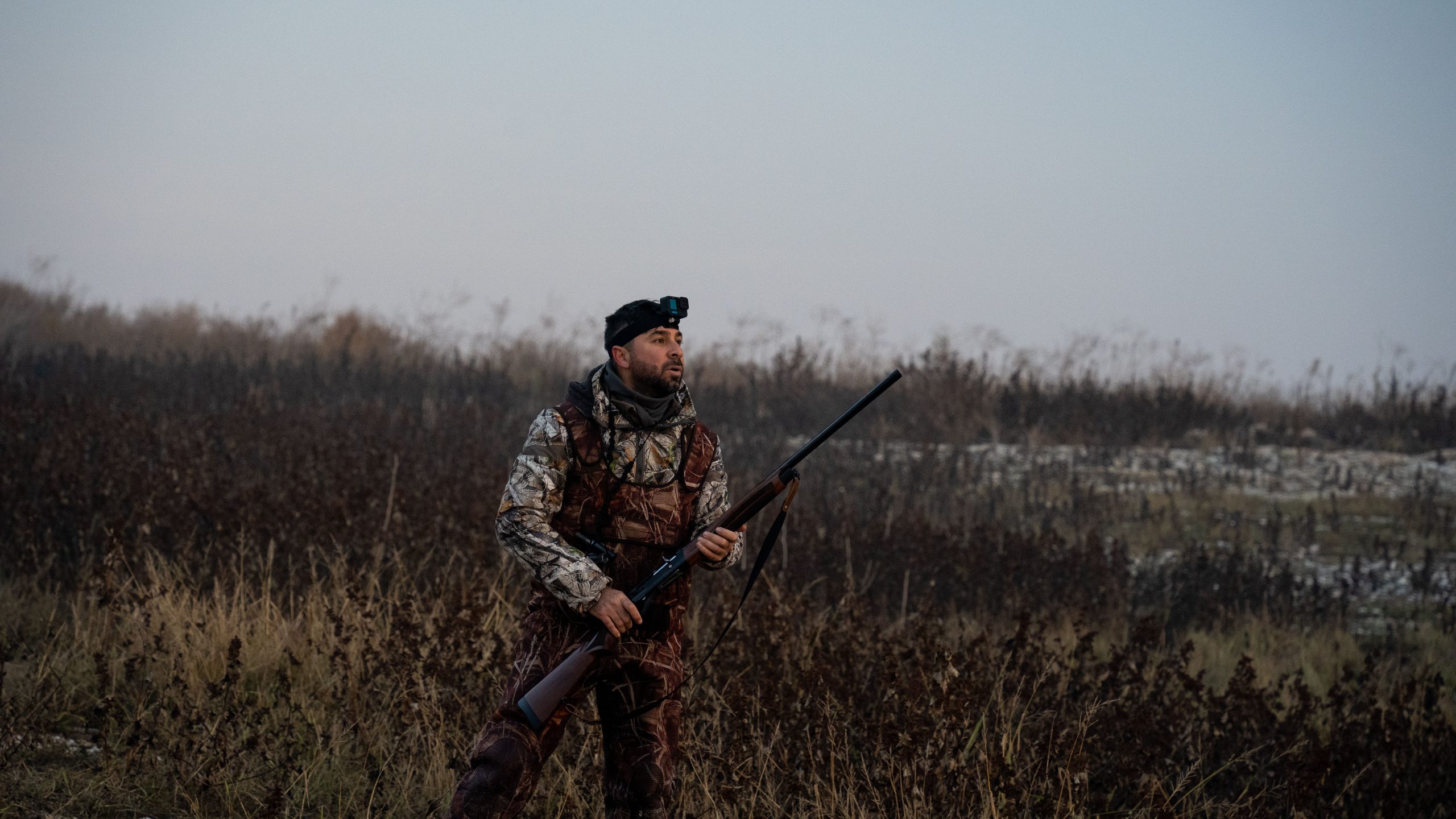
Tungsten Super Shot changes the usual pellet-size equation because its density is about 18 g/cc, far above lead’s roughly 11.2 g/cc. That lets manufacturers use smaller pellets while retaining substantial downrange energy. TSS No. 7 is one option for hunters seeking a balance between pellet count and pellet size. Its hard pellets also resist deformation during firing, which can help produce tight patterns. Results still depend on the individual gun, choke,ke and load, so a patterning target matters more than a claimed maximum range. Test the combination before hunting.
4. TSS No. 9: Maximum Pellet Count Focus
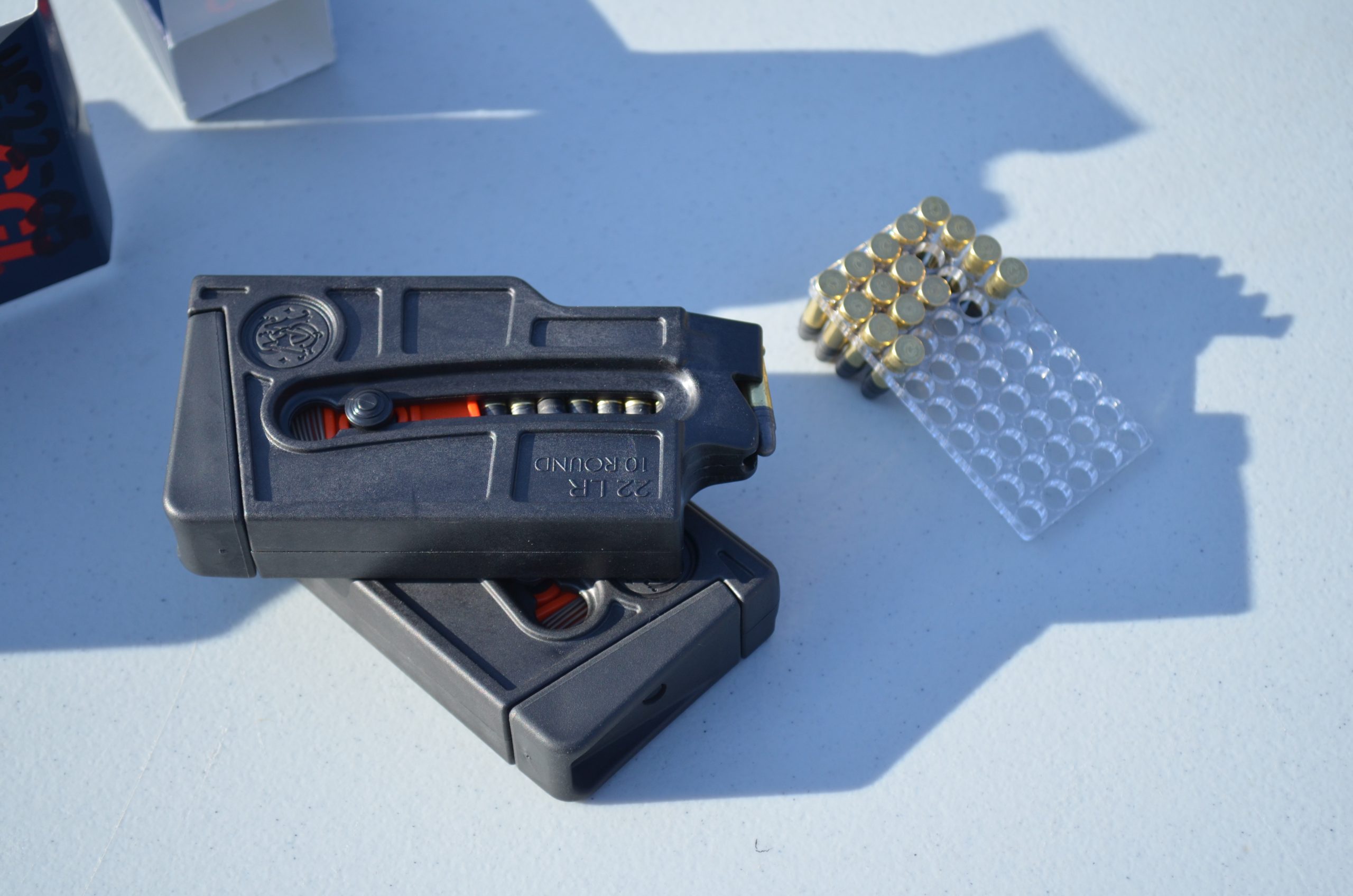
TSS No. 9 appeals to hunters who prioritize pattern density. Because the pellets are small and exceptionally dense, a 1-ounce payload can contain roughly 360 No. 9 pellets, compared with about 170 No. 5 lead pellets. That large difference can create a very dense pattern when the shotgun and choke cooperate. The important detail is that pellet count alone does not guarantee a clean kill. Hunters should confirm penetration and pattern quality for their particular setup, then keep shots within the distance where the pattern remains reliably concentrated.
5. Tungsten Blends: A Middle Option
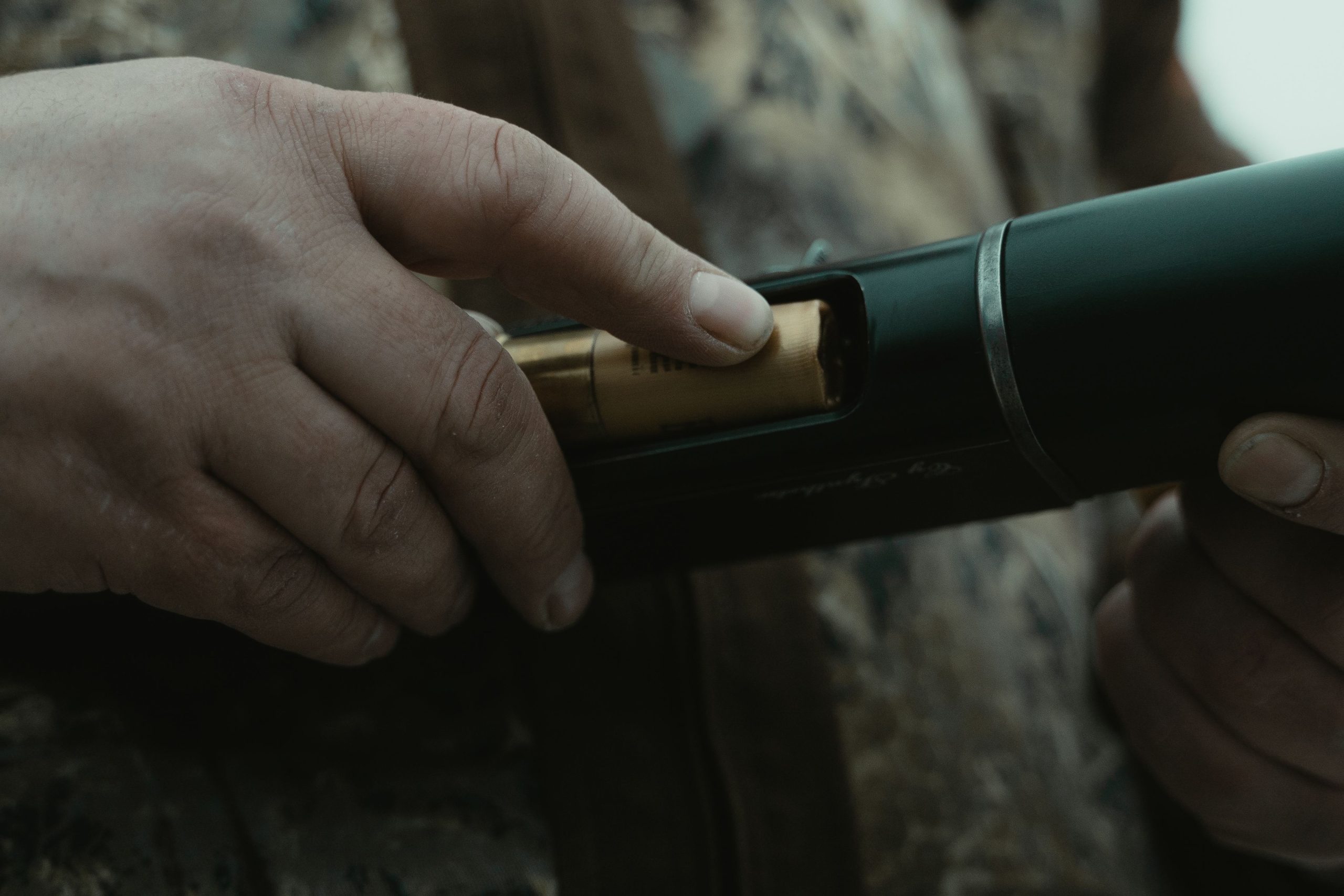
Tungsten blends can offer a compromise between traditional lead and full-density TSS. Some loads combine tungsten-based pellets with different sizes or materials, giving manufacturers room to balance pellet count, energy,rgy and cost. For example, a blend may use No. 5, 6 and 7 pellets rather than relying on one size. The result can look impressive on paper, but mixed pellets may distribute differently in each shotgun. Treat the shell as a complete system and pattern it at the distance you actually expect to hunt, rather than assuming the blend will perform identically in every gun.
6. Bismuth: A Lead-Free Alternative
Bismuth is another lead-free option used in some turkey loads. Its density is lower than tungsten, but it can still provide useful performance when matched with an appropriate pellet size and choke. The material is relatively brittle, which is why careful load design and buffering can matter. Bismuth loads may appeal where lead restrictions apply or where hunters want a different recoil and cost balance than premium tungsten. Whatever the material, fire multiple shots on paper, inspect the pattern, and establish a responsible maximum range before entering the woods. Local rules also matter.
7. High-Density Wad Systems: Pattern Control Matters
A turkey shell is more than pellets and powder. The wad can influence how consistently the payload exits the barrel and how the shot separates downrange. Some specialized systems are designed to keep the shot together longer, which can produce dense patterns at extended distances. Federal’s FliteControl design is one documented example, and testing has shown that wad and choke combinations can behave differently from conventional setups. That is why a choke that works well with one load may not suit another. Pattern every new combination before trusting it on a bird.
8. Heavy Lead Loads: More Payload, More Recoil
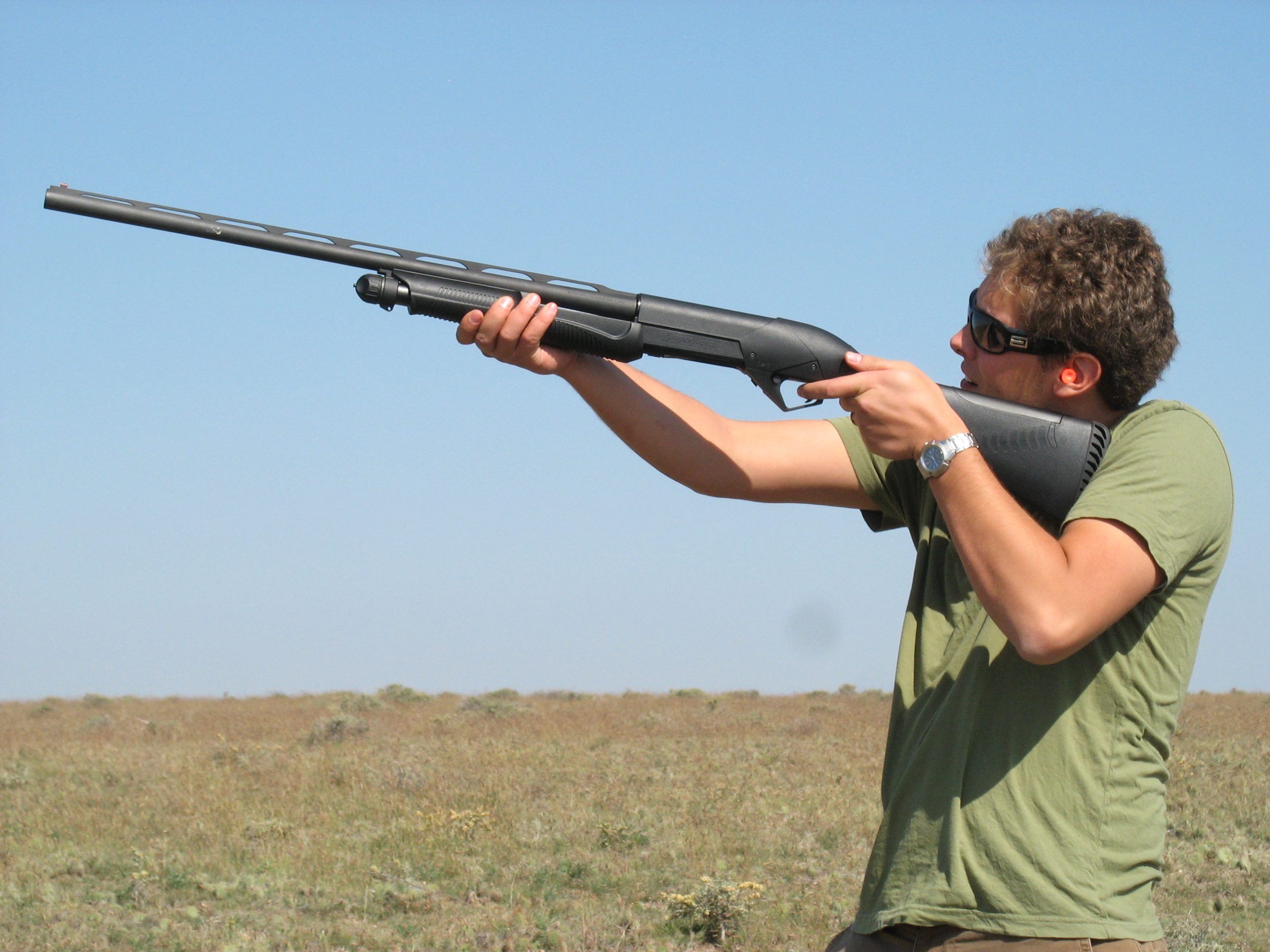
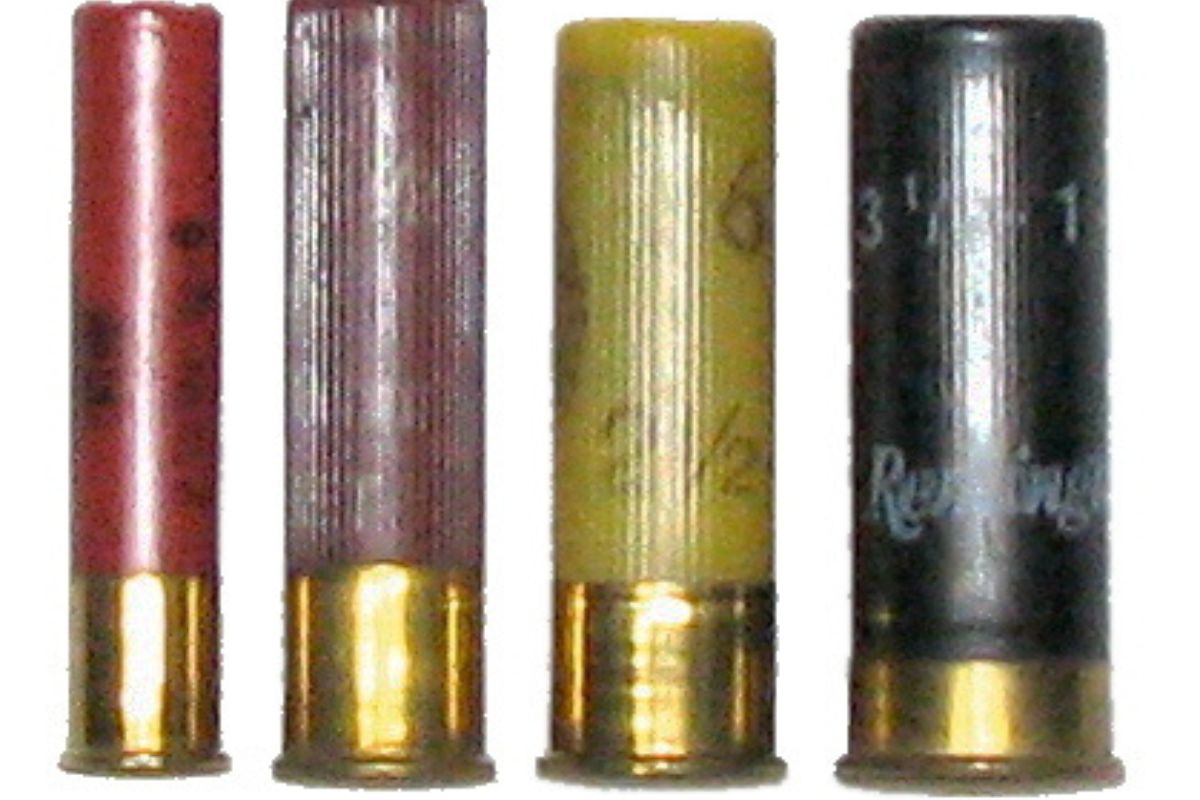
A heavier lead payload can put more pellets into the air, but additional shot does not automatically produce a better pattern. Common turkey shells include 2 3/4-inch, 3-inch,h and 3 1/2-inch configurations, depending on the shotgun and load. More payload can also increase recoil, which may affect how steadily a hunter handles the gun. The useful comparison is not simply shell length or advertised velocity. Fire the load from a solid rest at the intended distance, inspect the 10-inch core, and choose the combination that gives consistent coverage without creating excessive recoil.
9. Twenty-Gauge TSS: Smaller Gun, Serious Pattern
TSS has expanded what hunters can expect from smaller gauges. A 20-gauge shell loaded with dense tungsten can carry many small pellets while retaining substantial pellet energy. That combination can produce patterns that once required a larger shotgun. The advantage is not magic, however. A 20-gauge still needs a compatible choke, and different guns can produce very different patterns with the same ammunition. Before hunting, test at 30 and 40 yards, confirm the point of impact, and use the farthest distance at which the pattern remains consistently concentrated in the vital head and neck area
10. Patterning Solves the Flinch Problem
The smartest load choice is the one you have actually tested, because a turkey cannot be patterned from a catalog. A useful starting point is a 10-inch circle at 40 yards, where about 100 pellet strikes is often cited as a general benchmark, although pellet size and distribution also matter. Pattern at 30 and 40 yards, compare several shots, and watch where the densest portion lands. This process can expose a weak load, a poor choke pairing,ng or a point-of-impact issue. Confidence comes from measured performance, not simply buying the most expensive shell.