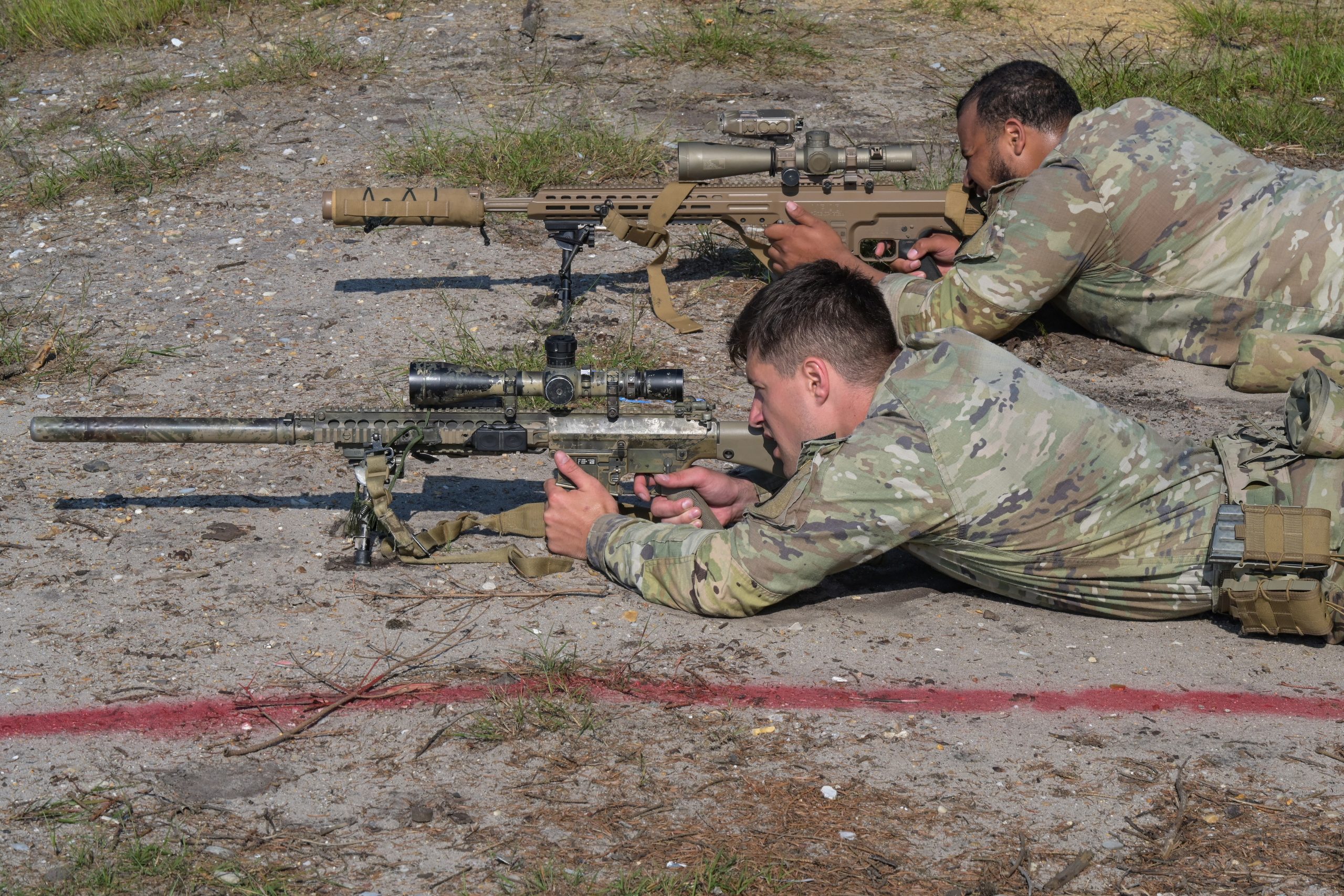
Precision rifle competitions have attracted attention by combining technical skill, outdoor challenges, and the pressure of performing against the clock. Unlike traditional target shooting, these events often require competitors to engage targets from different positions and navigate demanding courses under match rules. Modern equipment, organized clubs, and accessible beginner divisions have helped introduce the sport to new participants. Although reliable participation data comparing every shooting discipline is limited, precision rifle matches have developed a strong following among shooters who enjoy measurable progress, challenging environments, and a competitive atmosphere.
1. A Competitive Format That Goes Beyond the Traditional Firing Line
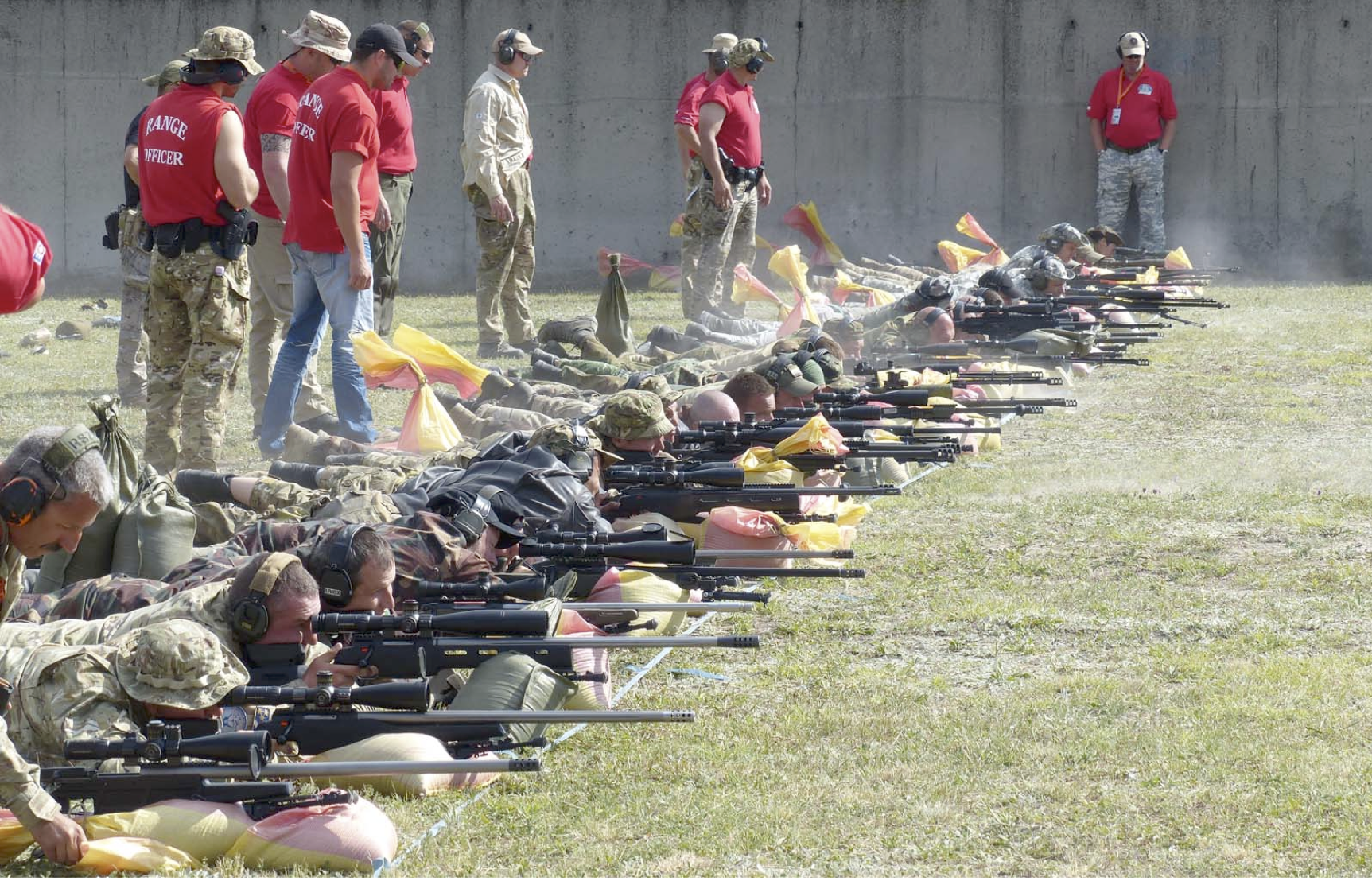
Precision rifle competitions offer a different experience from shooting at stationary targets from a fixed bench. In popular formats such as Precision Rifle Series (PRS) matches, competitors engage steel targets from designated positions while working within strict time limits. A stage might involve several targets at different distances, with points awarded for successful hits. Match formats vary, but a competitor may face around 10 to 20 stages during an event. This variety keeps the challenge interesting because shooters must adapt to changing conditions rather than repeat one familiar routine. The combination of accuracy, movement between approved positions, and time pressure makes every stage feel distinct.
2. Measurable Progress Keeps Competitors Coming Back

One reason precision rifle shooting appeals to dedicated participants is that improvement can be measured through scores rather than judged subjectively. Competitors can compare their results across multiple stages, identify missed targets, and track performance from one match to the next. For example, a shooter who hits 12 out of 20 targets on a stage can use that result as a baseline for future competitions. Official scoring systems also provide a clear way to compare performance within a division. Over 3, 6, or 12 months, consistent match records can reveal meaningful changes in results. That visible progress gives newcomers a reason to continue and experienced competitors a fresh goal.
3. Modern Equipment Makes the Sport More Appealing
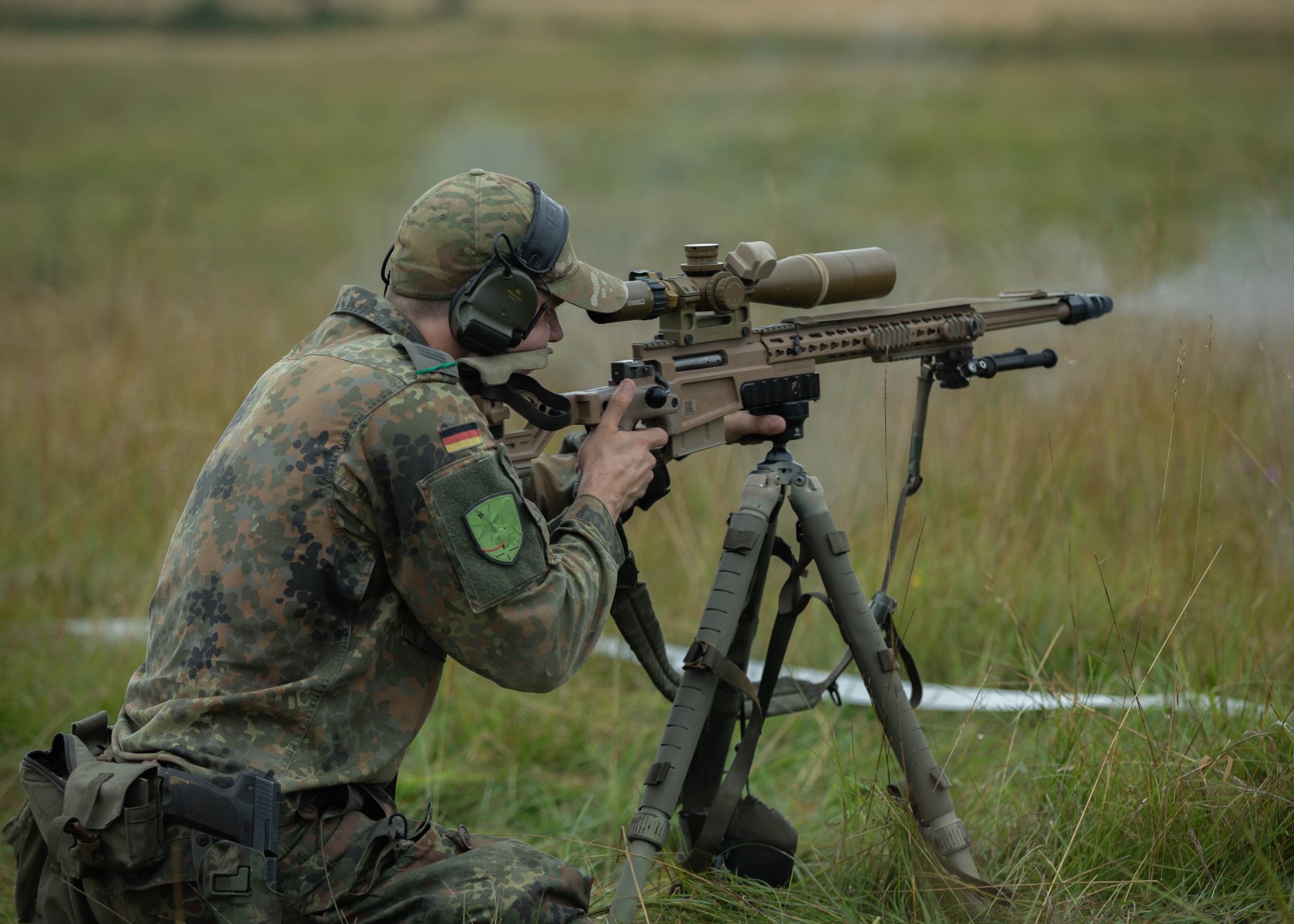
Advances in rifle design, optics, ammunition manufacturing, and accessories have helped make precision shooting an attractive pursuit for equipment enthusiasts. Modern rifles can offer adjustable stocks, comfortable ergonomics, and features suited to organized competition, while quality optics provide clear aiming references. However, equipment choices must comply with the specific match rules and division requirements. A competitor might compare 2 rifles or test different factory ammunition loads at a supervised range before settling on suitable equipment. This process adds a technical dimension to the hobby. The appeal is not simply owning expensive gear, but understanding how equipment affects consistency, comfort, reliability, and overall match performance.
4. Clubs and Local Matches Create an Easier Entry Point
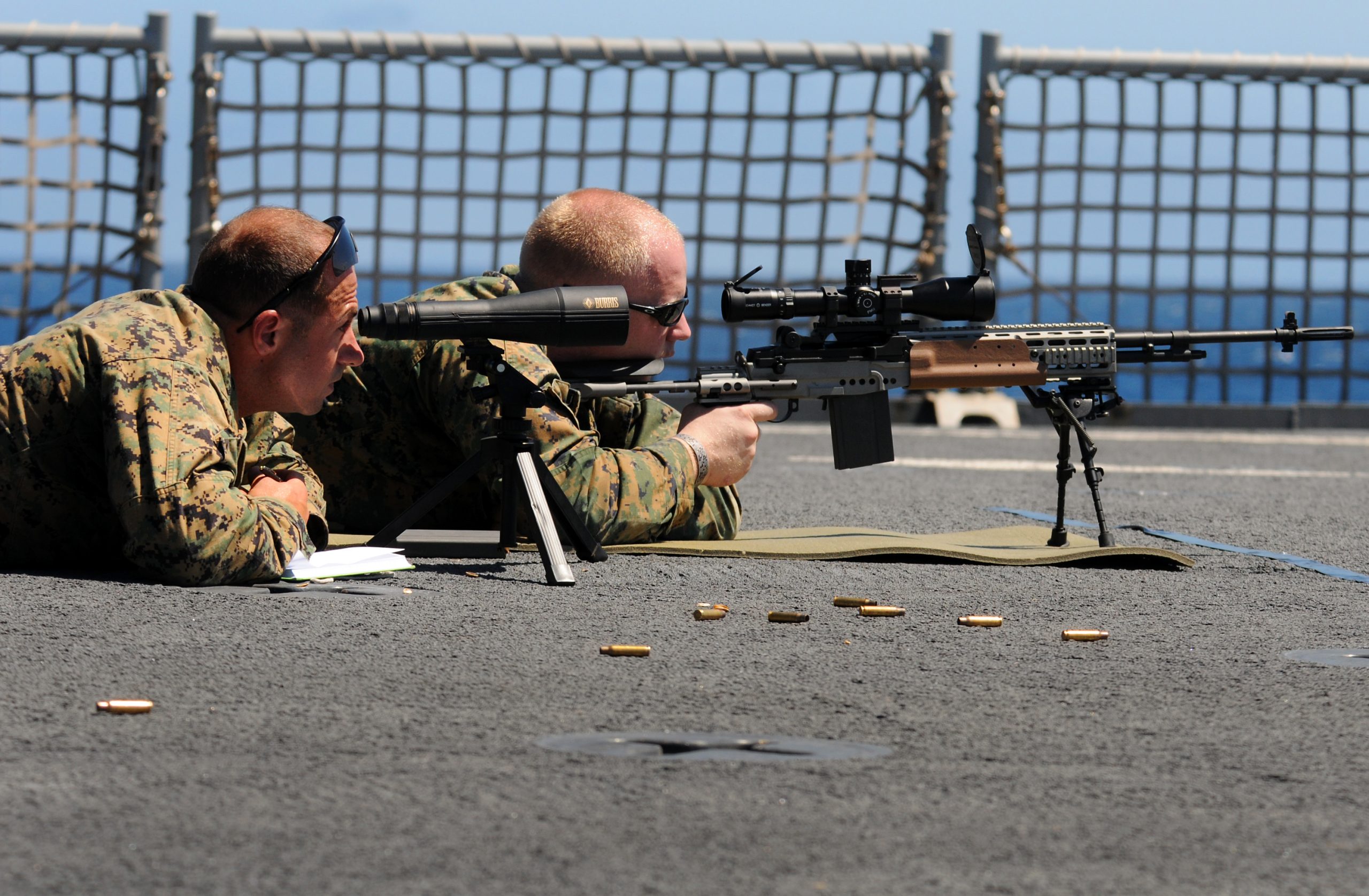
A sport becomes more inviting when beginners can find other people willing to explain the rules and help them understand competition procedures. Precision rifle clubs and regional match organizers can provide that introduction through supervised events, safety briefings, and opportunities to observe experienced competitors. A newcomer might attend 1 match as a spectator before deciding whether to participate. Some events offer introductory divisions or guidance for first-time shooters, although availability differs by location. Local competitions also reduce the need to travel long distances for every event. When participants can meet regularly, exchange experiences, and build friendships, the sport becomes more than an occasional activity and develops a stronger community.
5. Outdoor Courses Add Variety to Every Competition
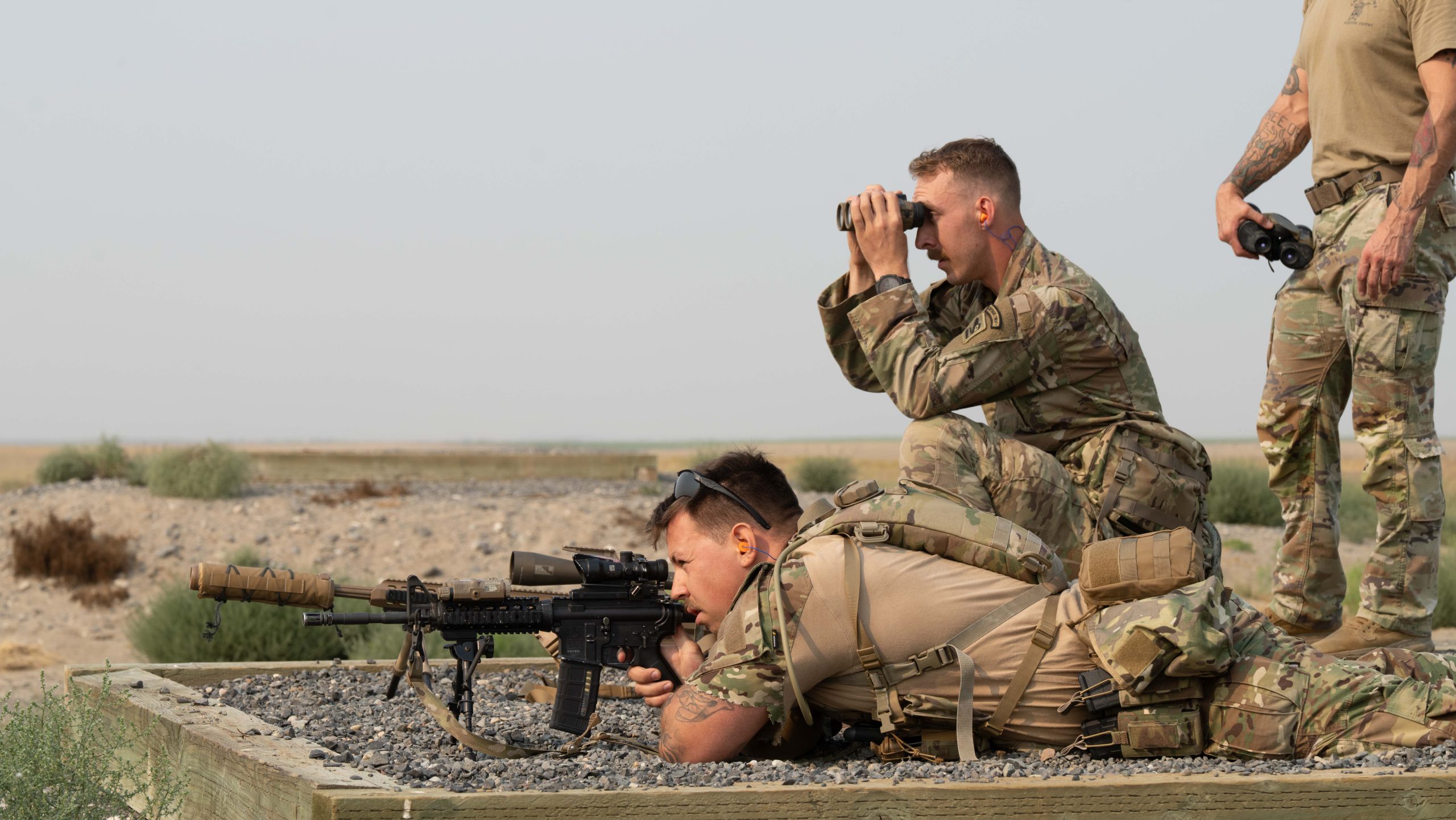
Many precision rifle matches take place outdoors, where natural terrain and changing weather create a different experience from an indoor shooting range. Courses may include uneven ground, elevated firing points, and targets positioned at varying distances, depending on the venue and match design. Wind, temperature, and changing light can also affect conditions during an event. A competition with 10 or more stages may therefore feel different from beginning to end, even when the rules remain consistent. This variety appeals to people who enjoy outdoor recreation alongside organized sport. It also makes each venue distinctive, giving competitors another reason to explore new locations and experience different match environments.
6. A Strong Online Community Helps the Sport Reach New Shooters
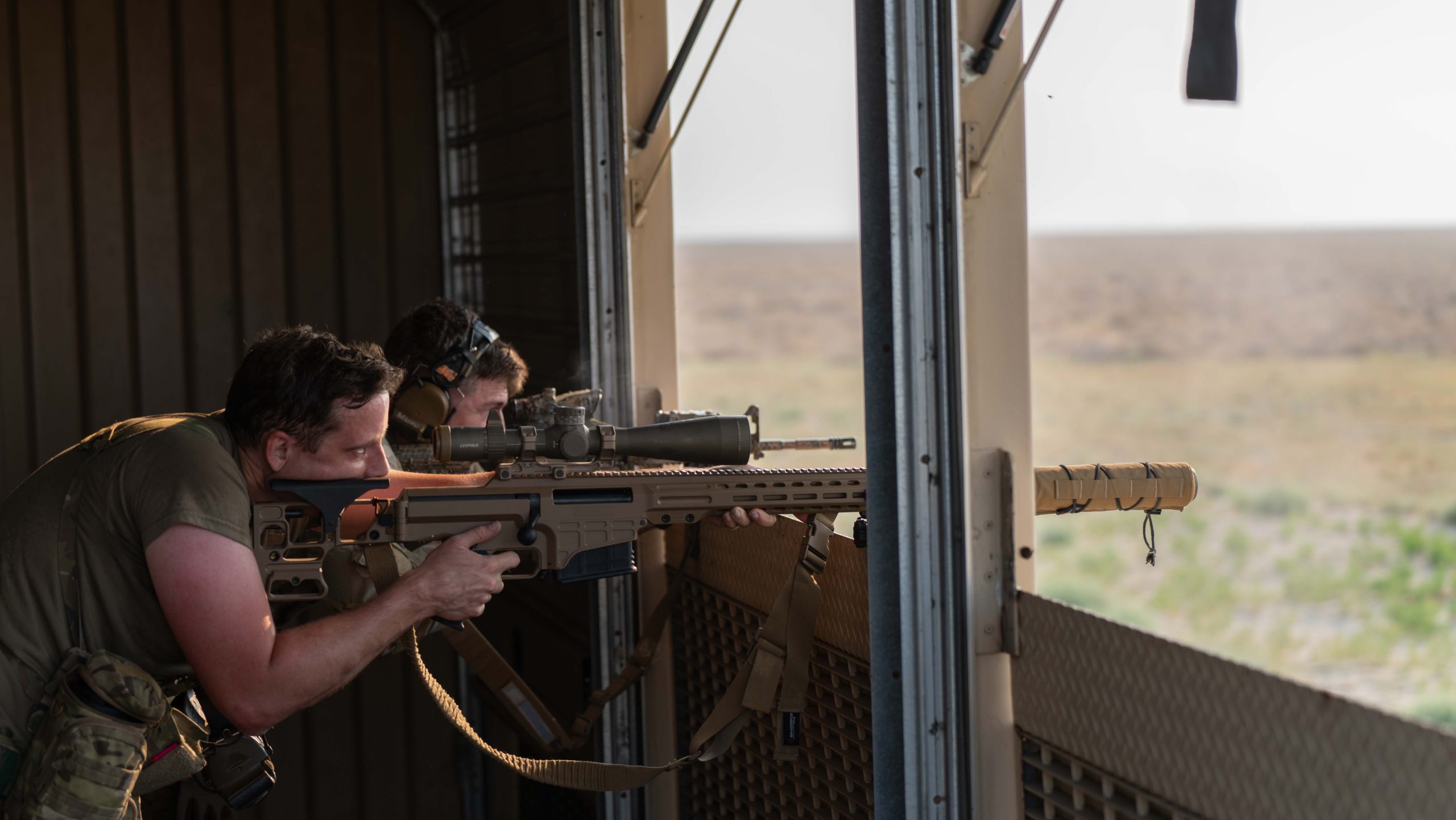
Digital communities have made it easier for interested shooters to learn about competitions before attending their first event. Match videos, equipment discussions, event calendars, and interviews with competitors can introduce the sport to people who have never watched a live match. Someone researching the activity might compare 3 match videos to understand the scoring format, stage procedures, and overall atmosphere. Online groups also help participants exchange information about local clubs, registration deadlines, and competition experiences. However, videos rarely capture every safety requirement or the full complexity of an event. Responsible newcomers still need qualified instruction, range supervision, and a clear understanding of the rules before participating.
7. Different Divisions Give More Shooters a Chance to Participate
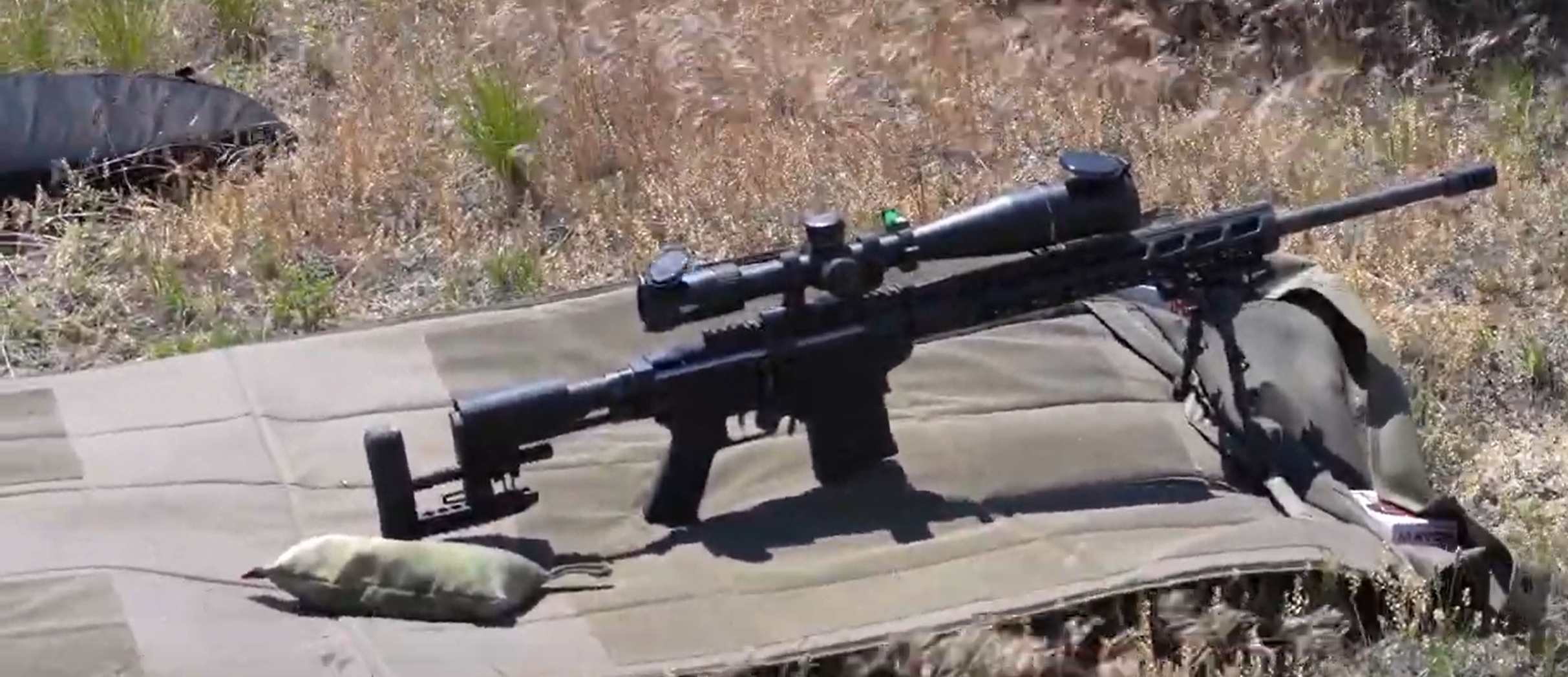
Precision rifle competitions are not necessarily limited to one equipment category or a single level of experience. Depending on the organization, matches may include divisions that accommodate different rifle configurations, equipment restrictions, or competitive categories. Some events also offer recognition for junior participants, women, or other groups, subject to their published rules. For example, a match with 2 or more equipment divisions may provide competitors with different ways to enter the sport without competing under identical equipment requirements. These options can make registration less intimidating. Before purchasing equipment or entering an event, newcomers should check the current rulebook, eligibility requirements, fees, and available divisions.
8. A Growing Match Calendar Gives Experienced Shooters New Goals
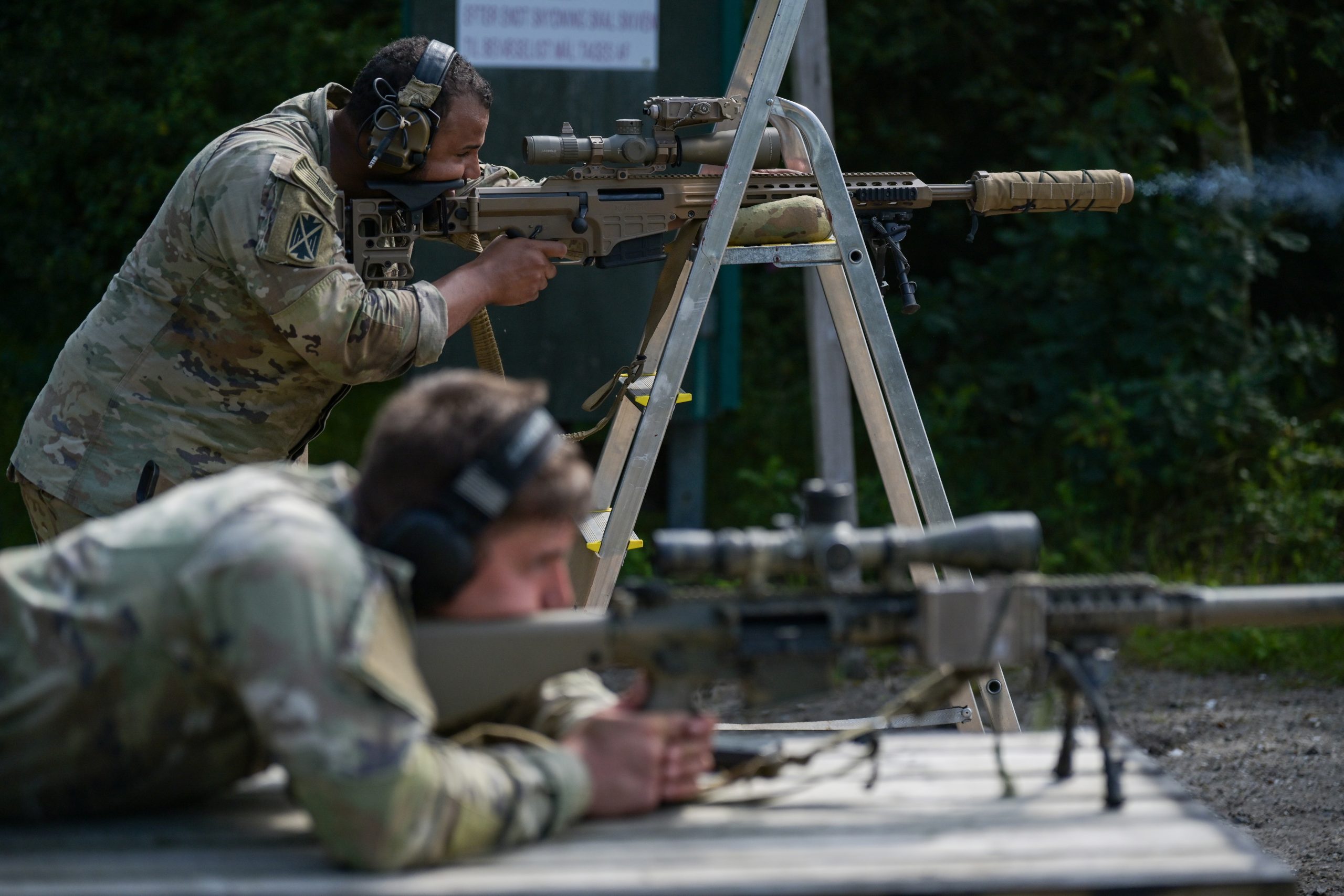
Regular competitions give participants a reason to keep practicing, meet fellow shooters, and test themselves against unfamiliar challenges. Regional matches can serve as stepping stones toward larger events, while established competition series provide structured opportunities to compare results over a season. A shooter might set a goal of attending 3 local matches in one year before considering a larger championship. Participation depends on travel costs, entry fees, range access, and personal commitments, so growth is not identical everywhere. Still, a calendar of recurring events helps maintain interest beyond a single outing. The opportunity to set new goals, review results, and return for another competition is an important part of the sport’s appeal.