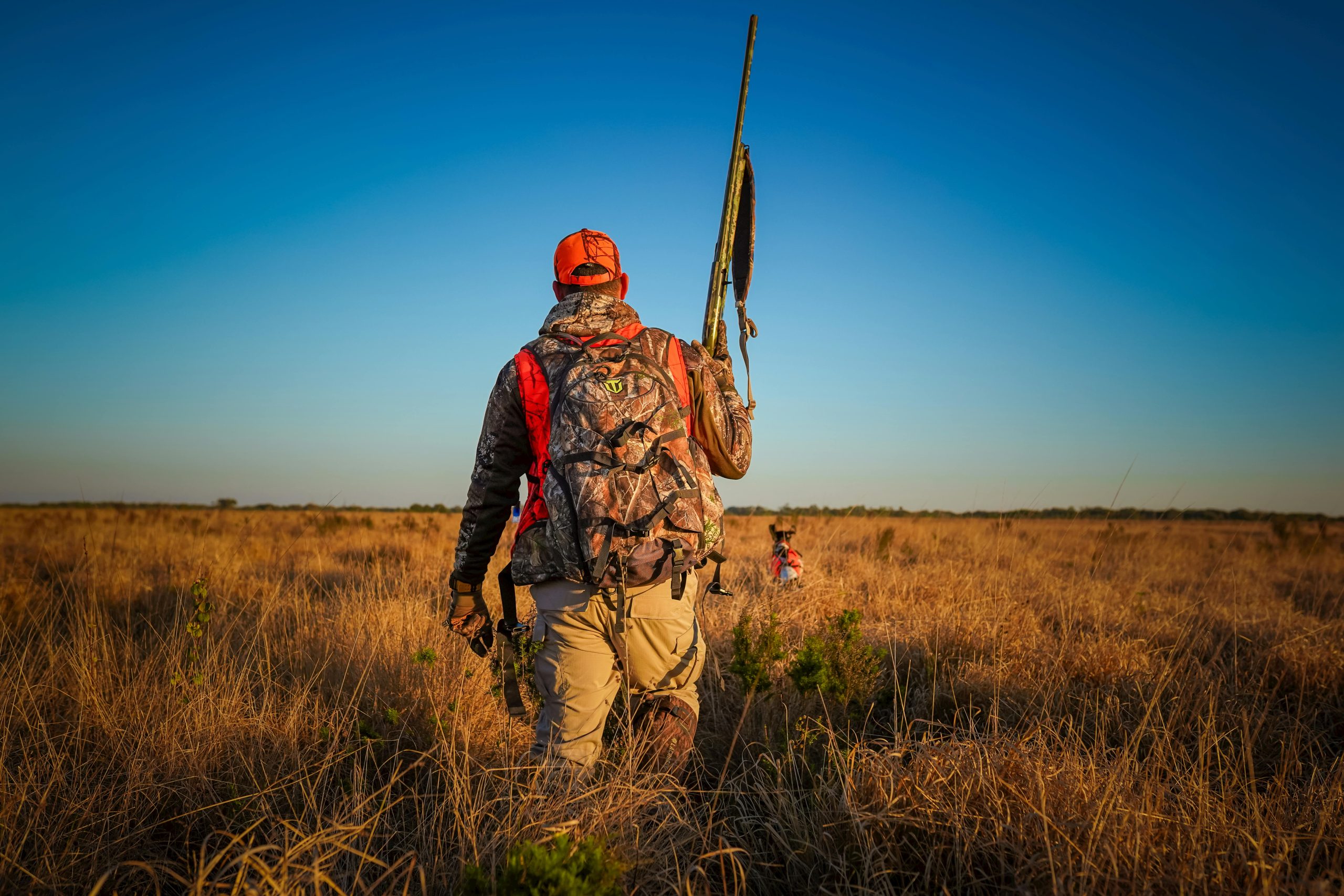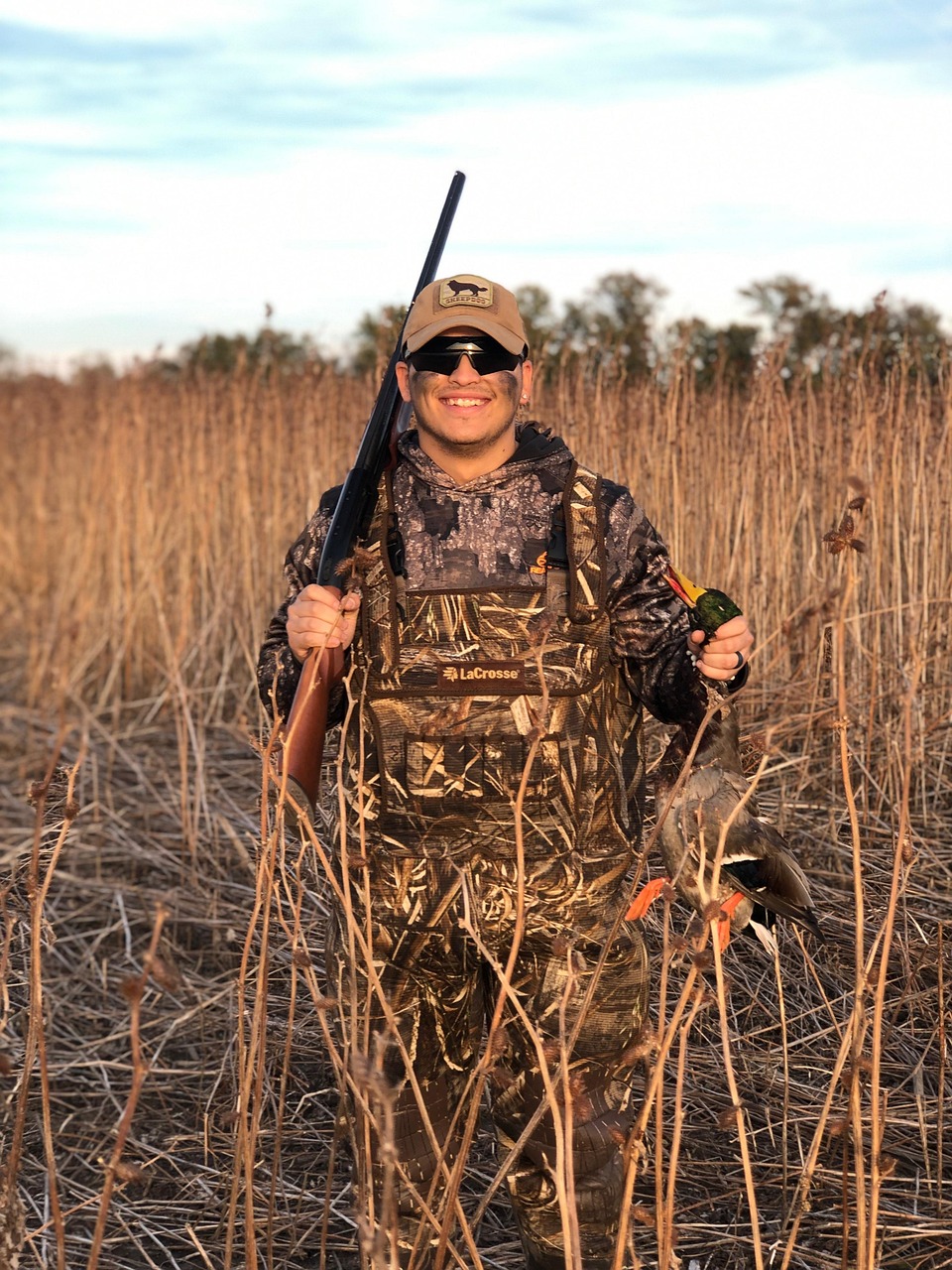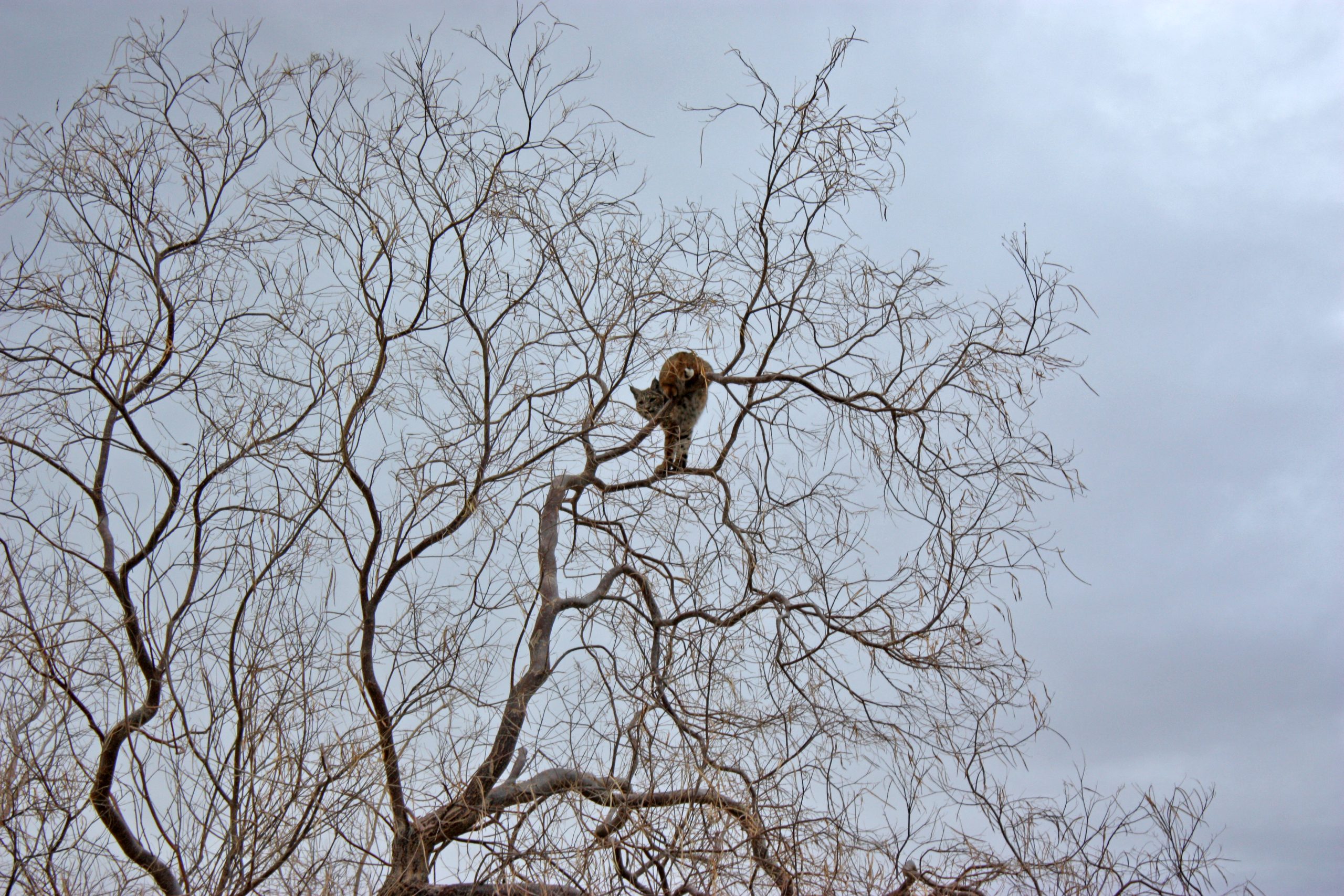
Bobcat hunting offers guides a different kind of predator experience. Unlike hunts built around abundant game or predictable movement, bobcat outings often depend on reading subtle signs, understanding habitat, and accepting long periods of uncertainty. Bobcats are solitary, secretive, and largely nocturnal, which makes a genuine encounter difficult to predict. Their diet includes rabbits, rodents, birds and, in some regions, young deer. That combination of mystery, fieldcraft, and wildlife knowledge is helping bobcat hunting attract more attention from guides and hunters looking for something different.
1. Every Sighting Feels Earned
Bobcats offer guides a very different kind of predator hunt. They are solitary, secretive cats that are largely active at night, with movement often increasing around dawn and dusk. That makes every sighting feel earned rather than routine. Their diet can include rabbits, rodents, birds, and, in some areas, young deer, so guides can build outings around understanding prey-rich cover and travel corridors. The challenge is not simply finding a track; it is reading a landscape that may reveal only brief clues. For clients, that creates a hunt built around observation, patience, and wildlife knowledge as much as the final encounter. It rewards careful thinking.
2. The Landscape Becomes a Puzzle
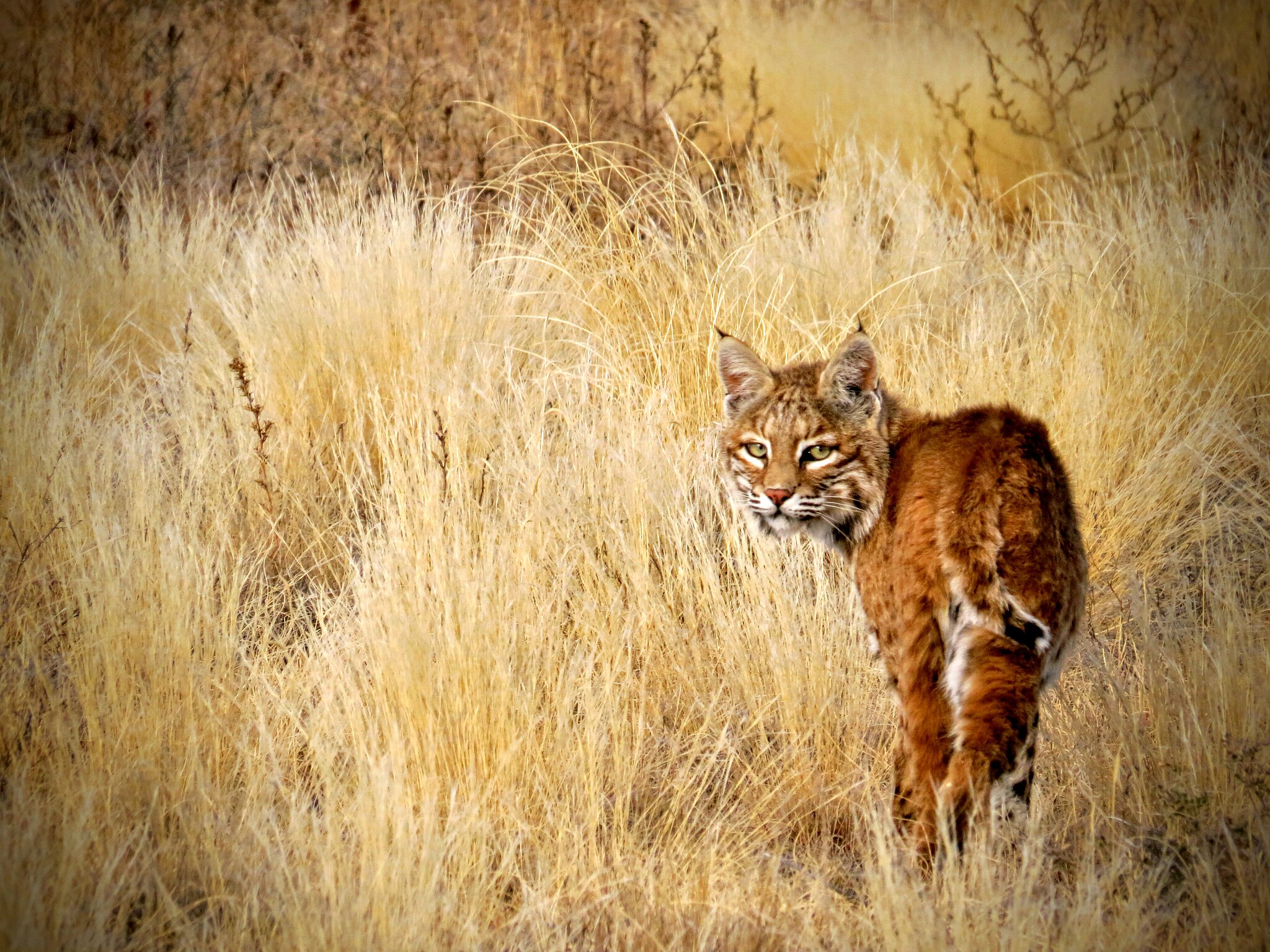
A bobcat hunt can turn an ordinary stretch of brush, creek bottom or field edge into a puzzle. These cats use cover intelligently and may travel through narrow corridors where prey is abundant. Guides therefore spend time studying terrain, tracks, scat, scratches and likely feeding areas before deciding where to concentrate. In some regions, wildlife agencies note that trail cameras can reveal bobcat activity along waterways and wooded travel routes. That investigative side is a major attraction. A successful outing can feel like solving a wildlife mystery, with several small clues adding up before a hunter ever sees the animal. That keeps the wait interesting.
3. Regulations Add Another Challenge
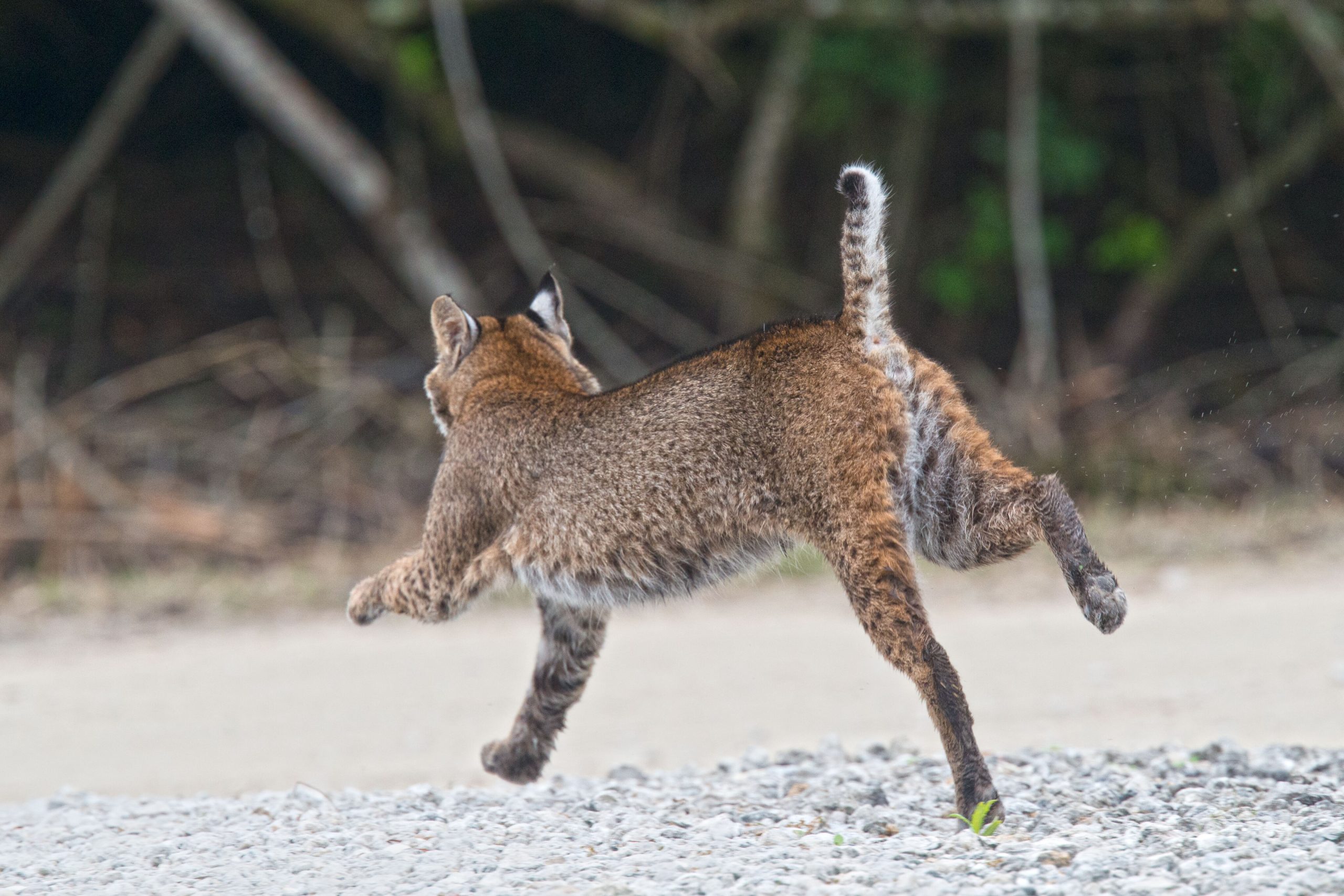
Bobcat hunting also appeals to guides because it can demand patience without requiring a long list of specialized equipment. The exact legal method varies widely by state, but regulations may allow combinations of firearms, archery equipment, calls or other approved methods. What matters is matching the legal method to the season and location. For example, Indiana’s 2026–27 season allows hunting in designated counties with a one-bobcat seasonal limit, while other states use different seasons and limits. Guides must check the current rulebook before every trip, especially where counties, quotas or permitted methods differ. Local rules can also change from one season to the next.
4. It Rewards a Slower Hunting Style
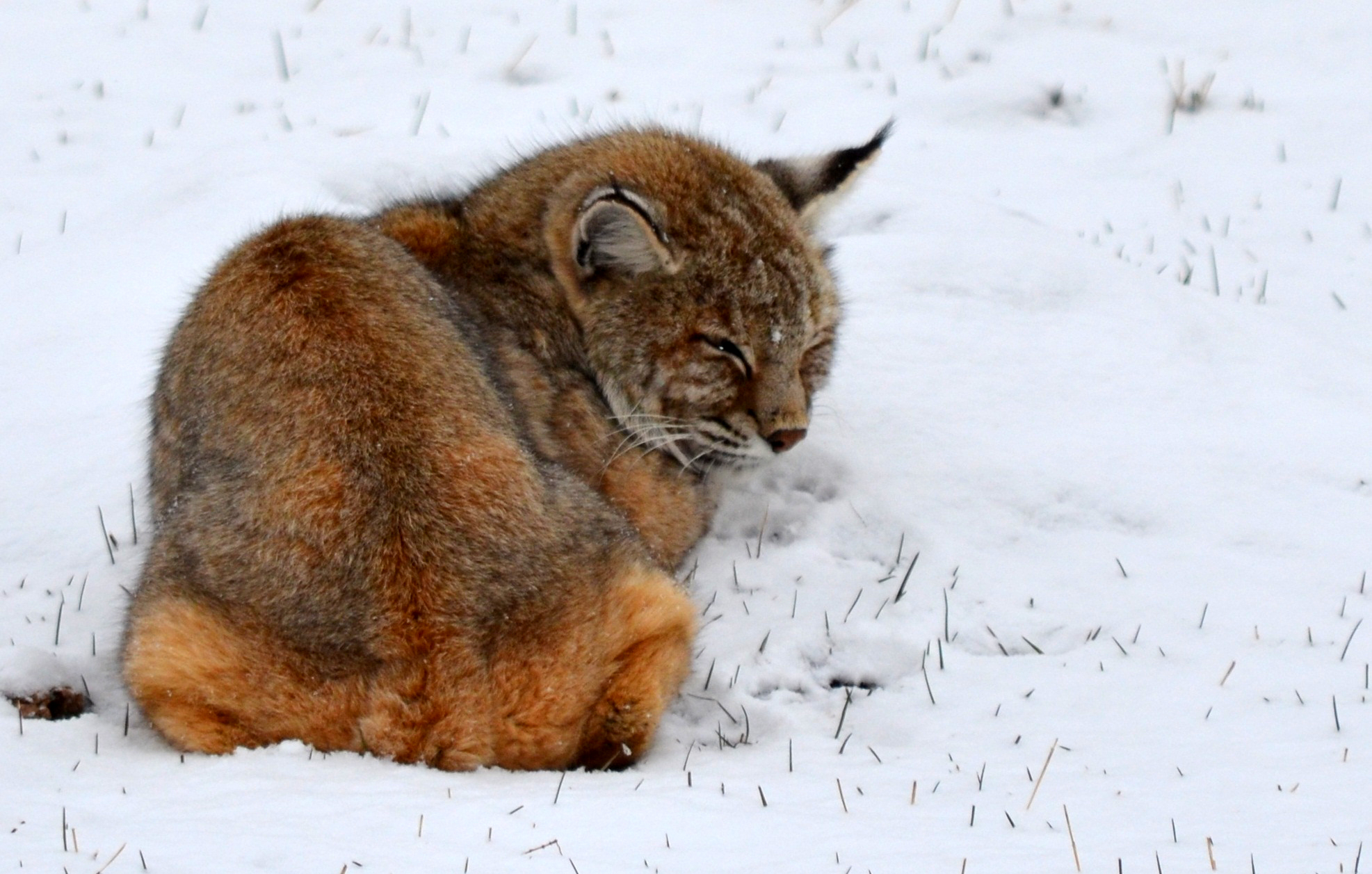
For guides, bobcat country can also offer a change of pace from more familiar game animals. A typical outing may involve slow movement, long pauses and careful scanning instead of covering miles quickly. Bobcats are generally solitary and territorial, so a guide may be interpreting signs left by one elusive animal rather than following a visible herd or flock. Their behavior rewards attention to small details, including likely cover, prey concentrations and travel routes. That makes the experience attractive to hunters who enjoy learning an animal’s habits and testing their ability to read a landscape before the animal finally appears. Patience becomes part of the skill.
5. The Encounter Is Naturally Memorable
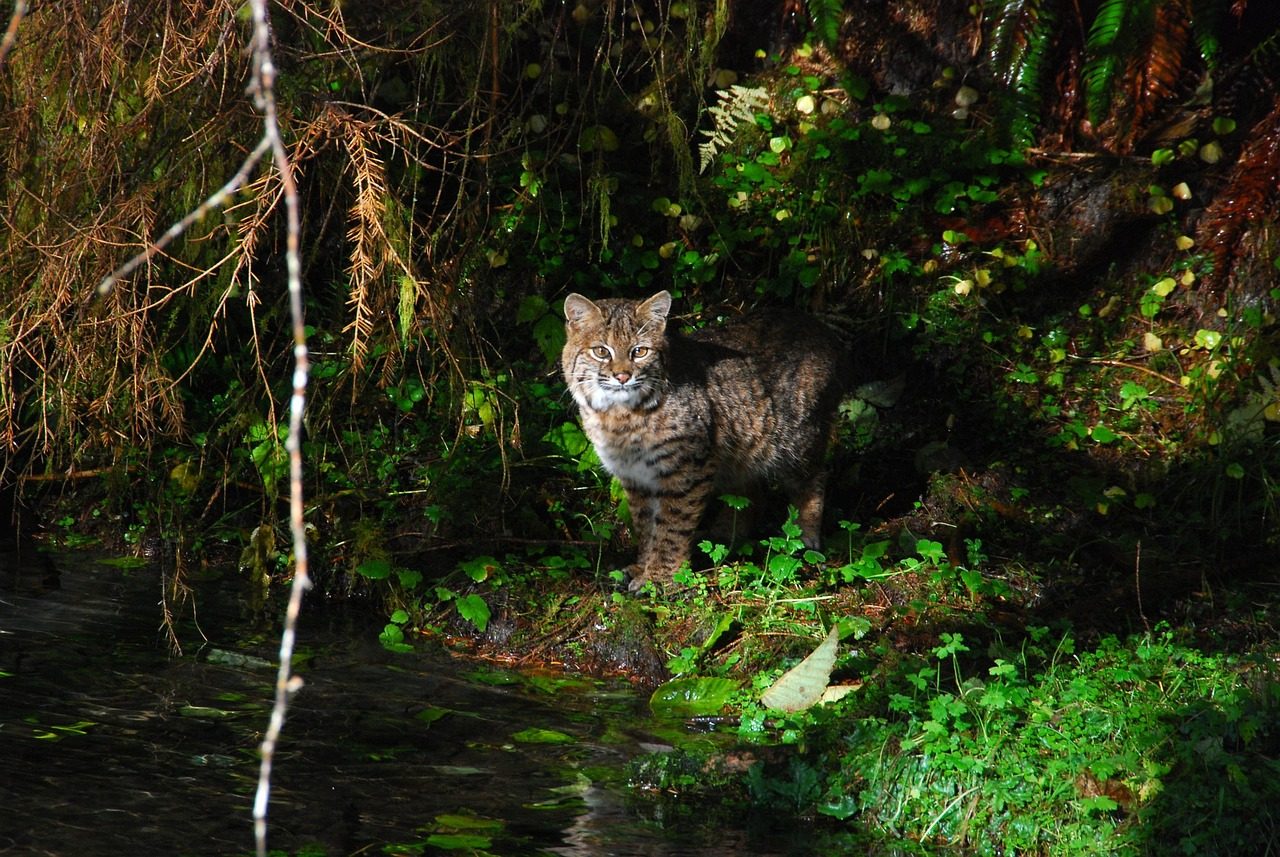
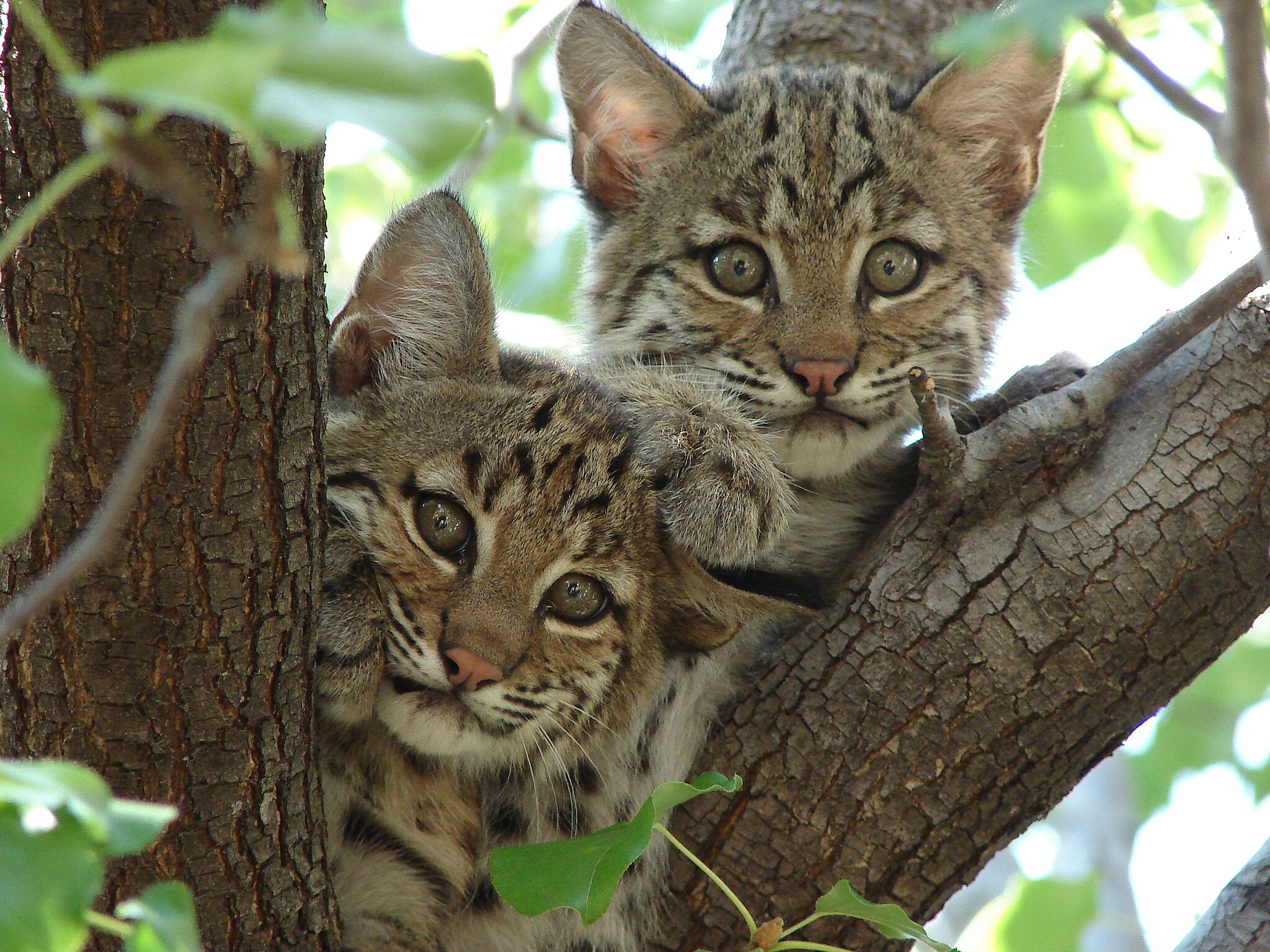
The appeal is also tied to the quality of the encounter. Bobcats are medium-sized wild cats with distinctive short tails, ear tufts and long legs, and they can disappear quickly into thick cover. Wildlife agencies describe them as quiet and difficult to see, which helps explain why a genuine sighting can become the defining memory of a trip. Guides can add value by explaining what the client is seeing and why the cat is using a particular area. The emphasis becomes the complete wildlife experience, where identification, behavior and habitat knowledge matter alongside the legal harvest. That rarity is a major part of the experience for clients who value a memorable wildlife encounter.
6. Seasons Create Fresh Opportunities
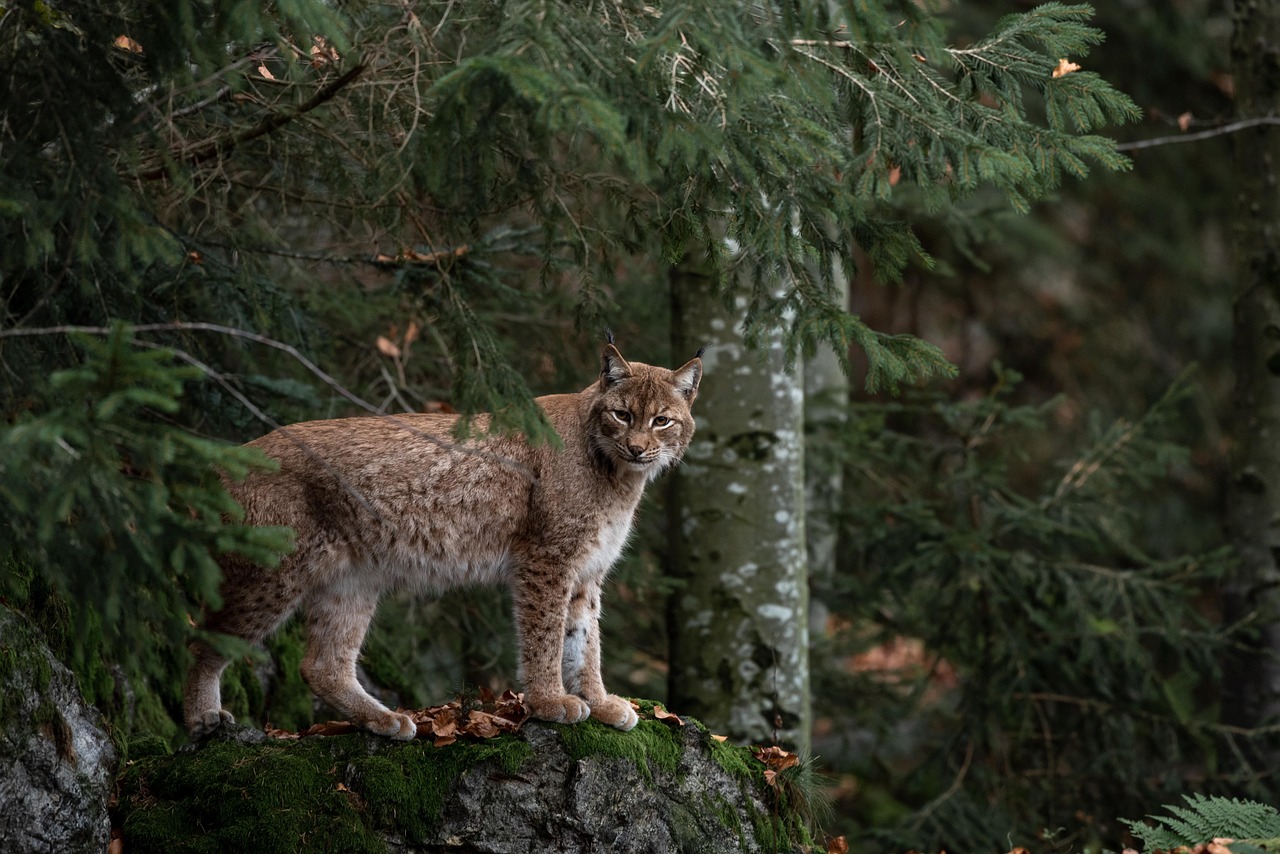
Seasonal timing gives bobcat guiding another layer of interest. Dates, legal hours, quotas and tagging requirements can change by state, and some jurisdictions divide opportunities by management unit or county. For instance, Missouri lists a 2026–27 bobcat hunting and trapping season from November 15 through February 28, while North Dakota uses different opening dates by zone and tracks harvest limits. Those differences mean a guide cannot rely on last year’s calendar or another state’s rules. Careful preparation, current regulations and accurate harvest reporting are essential parts of responsible bobcat hunting. Preparation remains central to the experience.
7. It Connects Hunting With Wildlife Ecology

Another reason guides value bobcats is that the hunt can teach clients how predators fit into a broader ecosystem. Bobcats prey heavily on smaller animals such as rabbits, mice and squirrels, while their diet can also include birds and occasionally young deer. Their success is therefore connected to prey abundance, cover and habitat conditions. A guide who explains those relationships can turn a pursuit into a lesson in wildlife ecology. Clients may leave with a better understanding of why thick brush, field edges, streams and other habitat features can matter to a predator that spends much of its life hidden from people. The lesson extends beyond the hunt itself.
8. Uncertainty Keeps the Experience Special
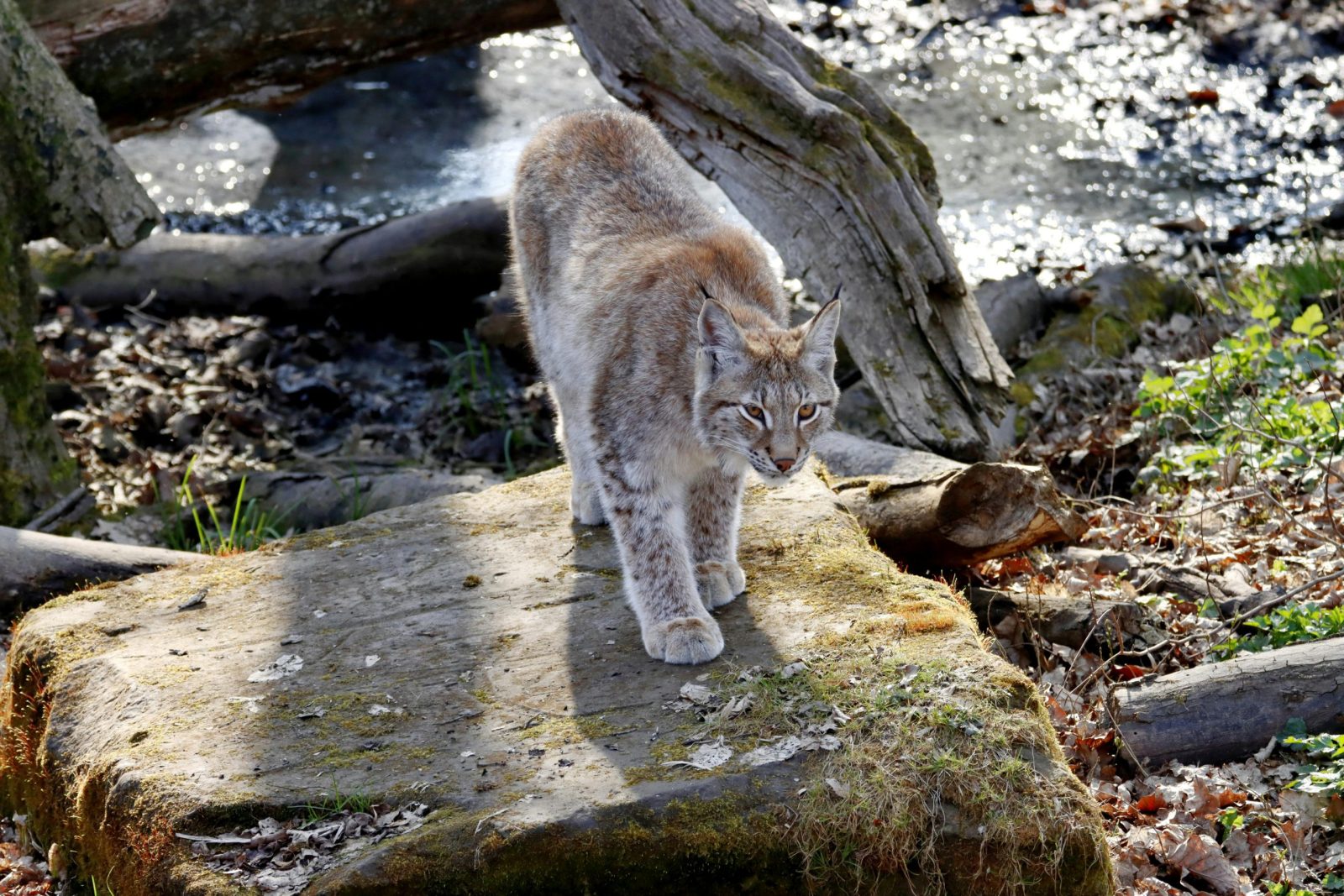
Finally, bobcat hunting can create a strong sense of rarity without depending on constant action. These cats are secretive, mostly solitary and commonly active during low-light periods, so even experienced outdoorsmen may go several outings without seeing one. That uncertainty is part of the attraction for guides who want to offer something different. The best trips are built around realistic expectations, legal methods and respect for the animal, not guaranteed encounters. With seasons and limits varying by jurisdiction, a guide’s preparation can be just as important as field skill when creating a memorable bobcat hunt. Every outing can reveal something new.