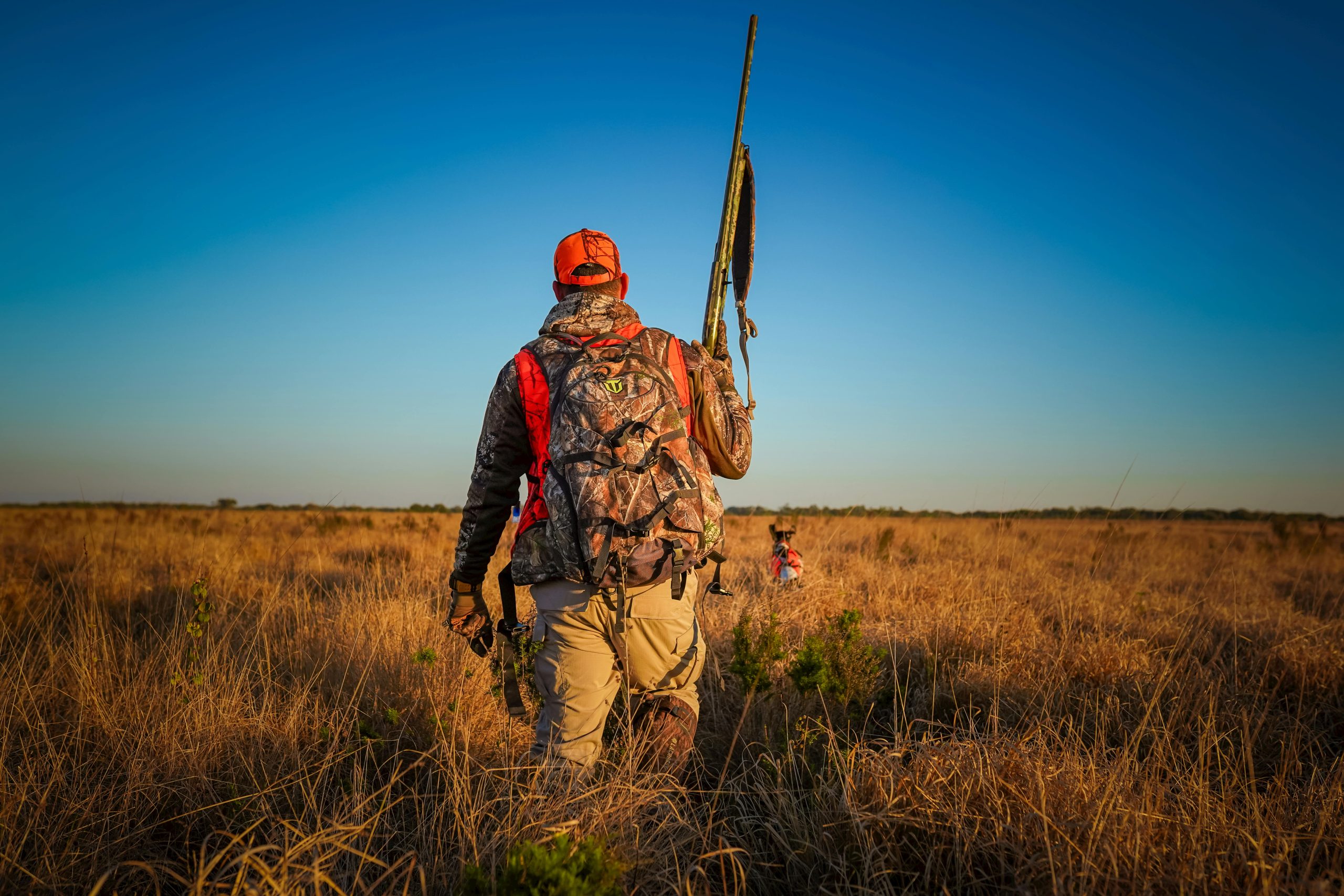
Hunting backpacks occupy a category where marketing language runs significantly ahead of field performance, and the hunters who discover that gap most painfully are the ones who spent serious money based on brand reputation and specification sheets rather than the candid assessments of people who have actually broken these packs down on demanding terrain over multiple seasons. A backpack that looks bomber at a trade show, photographs beautifully in a sponsored social media post, and feels solid during a ten-minute store walkthrough can reveal significant shortcomings after two days of mountain hunting with 60 pounds of meat, gear, and optics grinding against frame systems that were not engineered to the standard their price tags imply. The eight packs examined here have each built enough market presence to command premium pricing that experienced hunters have increasingly challenged through honest field reviews, warranty return patterns, and the specific complaints that repeat consistently enough across independent users to constitute documented performance failures rather than individual bad luck.
1. ALPS OutdoorZ Commander
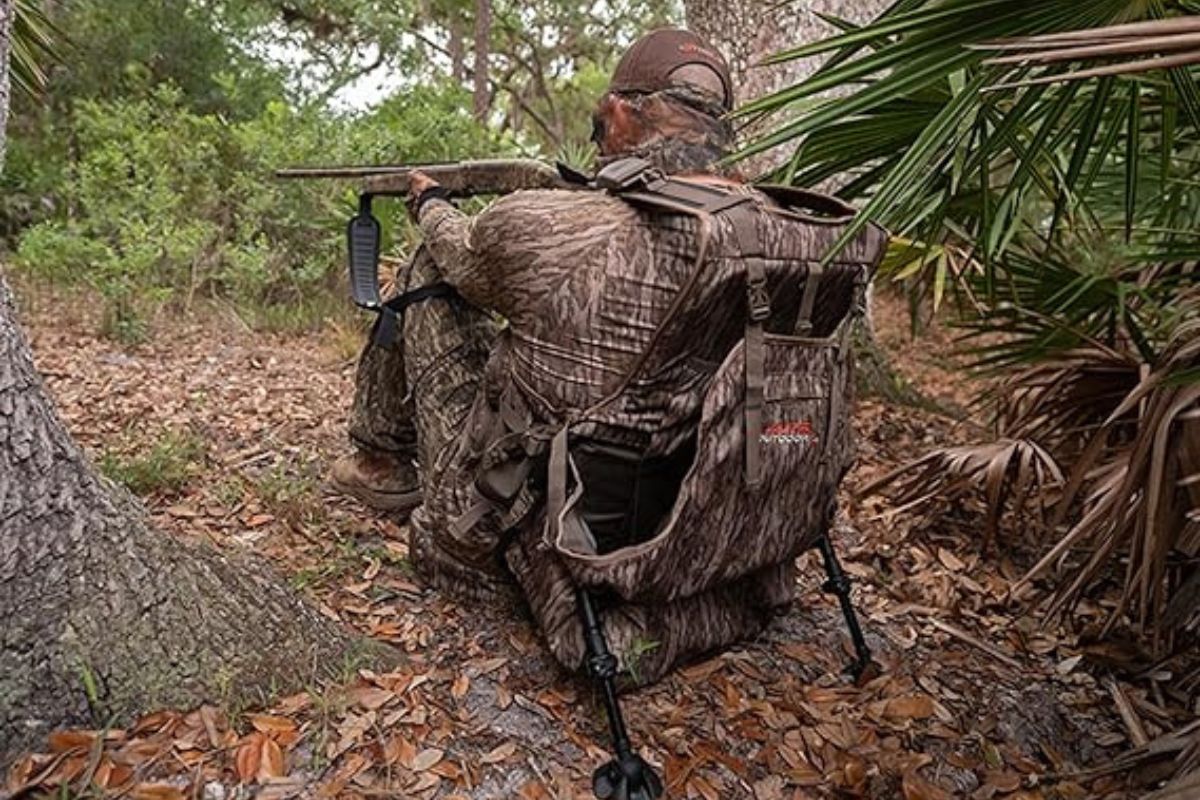
The Alps Outdoorz Commander retails between $200 and $240 and occupies the mid-tier hunting pack segment with a 3,945 cubic inch capacity and an aluminum stay frame system that delivers acceptable load transfer up to approximately 40 pounds. Beyond that threshold, the stays lack the rigidity that heavier meat pack-out loads require, allowing frame flex that transfers load to the shoulders rather than the hips at rates that experienced hunters document as causing shoulder fatigue within 3 to 4 miles. Zipper quality on the front organizer pocket fails within one to two seasons at a price point where buyers expect three to four seasons minimum before hardware replacement becomes necessary.
2. Badlands 2200
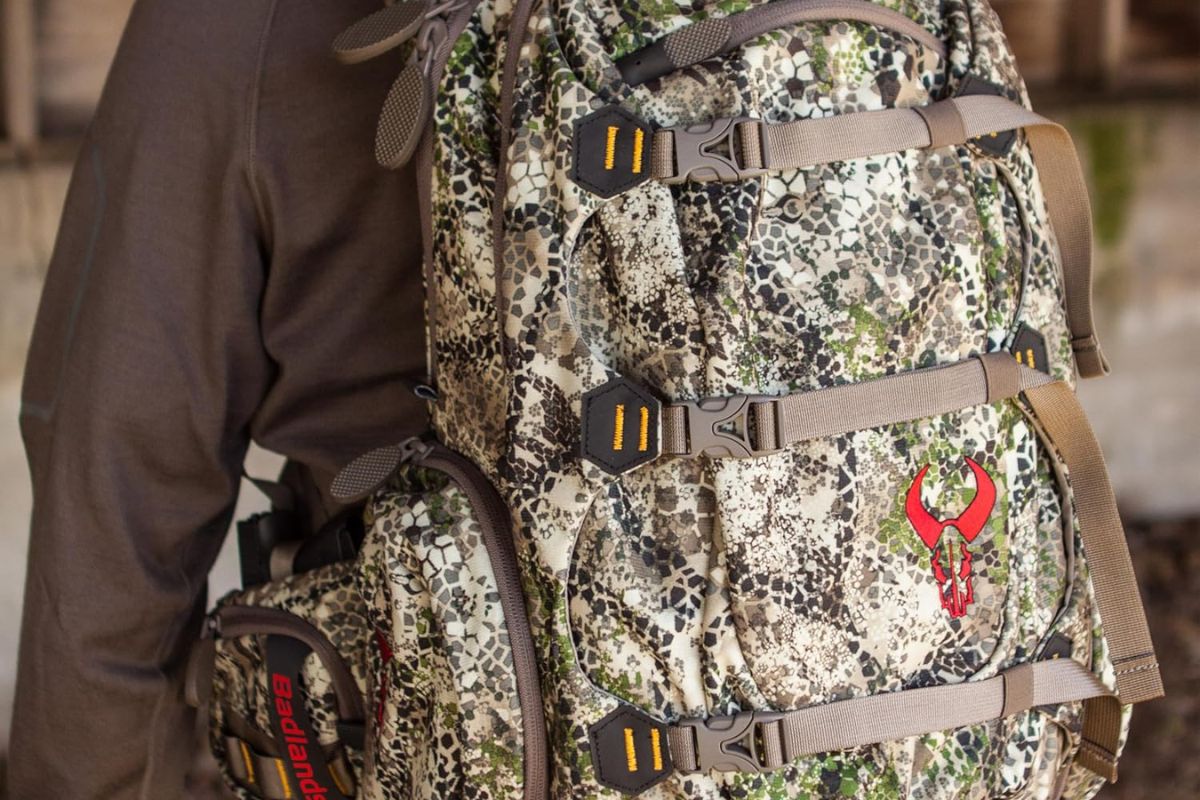
The Badlands Superday retails between $160 and $190 and markets itself as a serious day hunting pack built around the brand’s Hybrid Carrying System. Field use reveals that the frame sheet loses structural integrity after 40 to 50 miles of loaded hiking, allowing the pack to sag against the lower back in ways that create pressure points generating fatigue disproportionate to the 1,900 cubic inch capacity. The Scent-Lok integration adds manufacturing cost without delivering measurable scent reduction that independent testing quantifies as meaningful beyond 4 to 6 hours of use. Stitching at the main zipper junction fails in a documented pattern after moderate seasonal use.
3. Fieldline Pro Series Matador
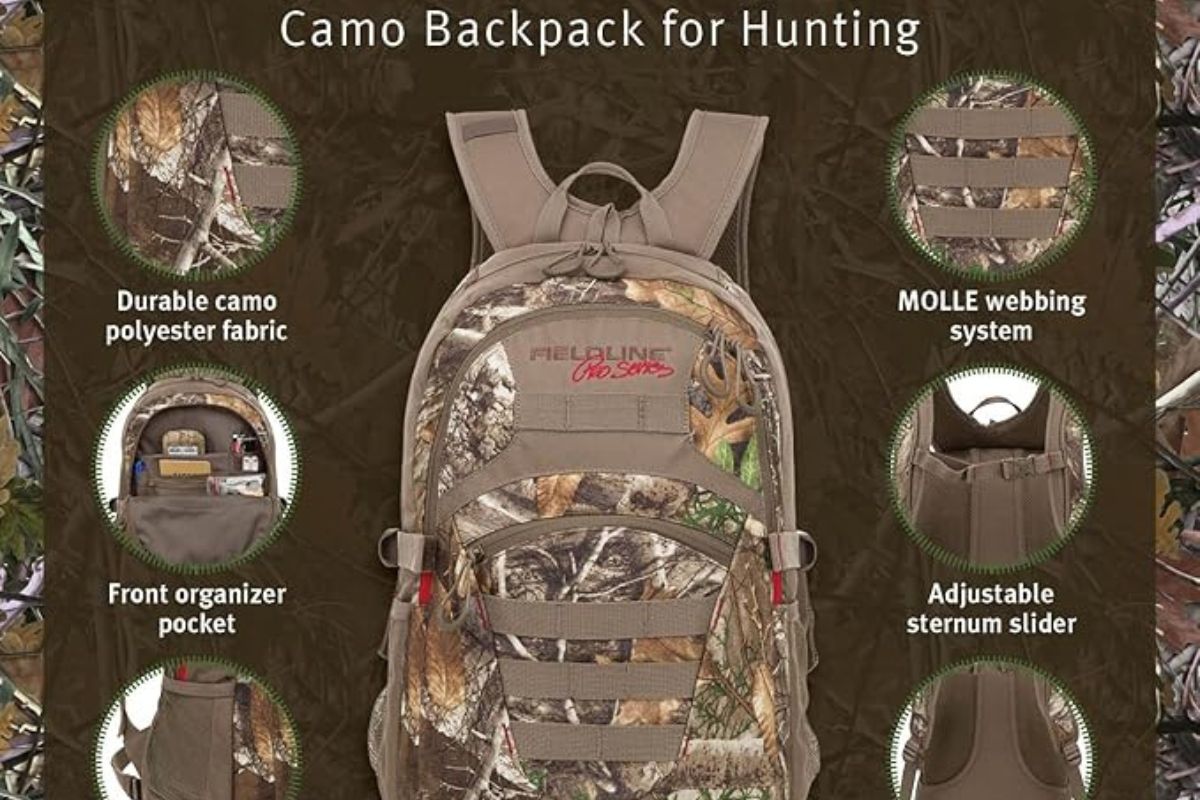
The Fieldline Pro Series Matador retails between $80 and $110, positioning itself as an accessible hunting daypack with 2,100 cubic inches of capacity and a hydration-compatible main compartment that attracts budget-conscious hunters looking for functional gear without premium investment. The frame sheet construction uses a single semi-rigid plastic insert that provides minimal load transfer capability beyond 25 pounds, with hunters documenting noticeable back fatigue within 4 to 5 miles of loaded hiking that a functional suspension system would distribute to the hips instead. The 600-denier polyester fabric shows abrasion wear at contact points within a single hard season. Zipper pulls on the accessory pockets fail at the attachment loop after moderate use, and the bow holder straps lose elasticity after 60 to 90 days of field exposure to temperature cycling that the rubber compound does not withstand reliably.
4. Tenzing TZ 3000
The Tenzing TZ 6000 retails between $280 and $320 with an integrated frame sheet and a 6,000 cubic inch capacity that positions it as a legitimate elk hunting pack-out solution at an accessible price. The field complaint pattern centers on the shoulder strap attachment webbing, which shows fraying at the stitched junction point after 30 to 40 days of loaded use, which represents a structural concern rather than a cosmetic issue at this price point. The hip belt at 3.5 inches of padding thickness is narrow by elk pack standards, producing pressure point discomfort on loads above 50 pounds that hunters carrying boned-out elk quarters document consistently across independent reviews on multiple hunting platforms.
5. Slumberjack Carbine 20
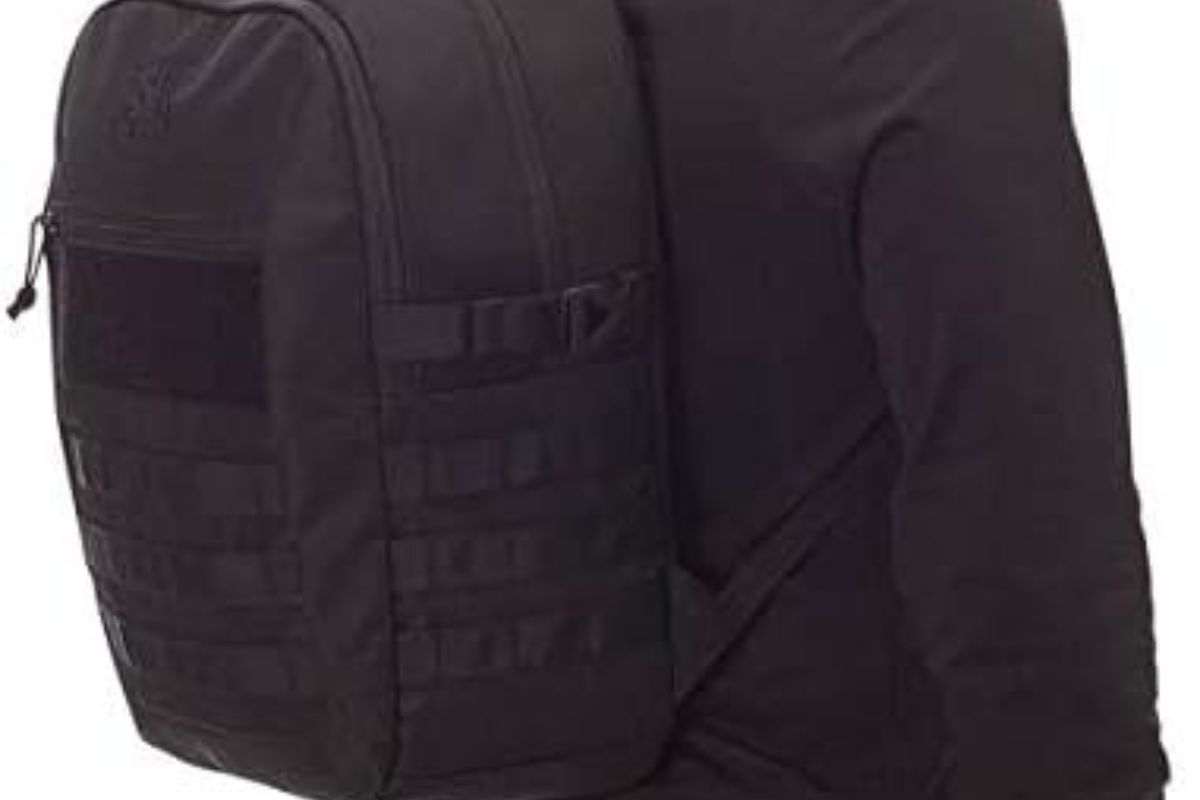
The Slumberjack Carbine 20 is a compact tactical-style backpack that has gained popularity among casual hunters, campers, and shooting enthusiasts looking for an affordable field pack. Priced between $50 and $80 in most stores, it offers approximately 20 liters of storage while weighing close to 1.3 kilograms. The pack includes MOLLE webbing, hydration compatibility, multiple zippered compartments, and padded shoulder straps designed for shorter outdoor trips. Many users appreciate its rugged appearance and practical layout for carrying ammunition, snacks, optics, and emergency supplies. However, experienced hunters often note that the Carbine 20 performs best for light day use rather than demanding backcountry expeditions. Common complaints include limited back ventilation, average stitching durability, and reduced comfort once loads approach 10 to 12 kilograms during longer hikes.
6. Eberlestock X2 Pack
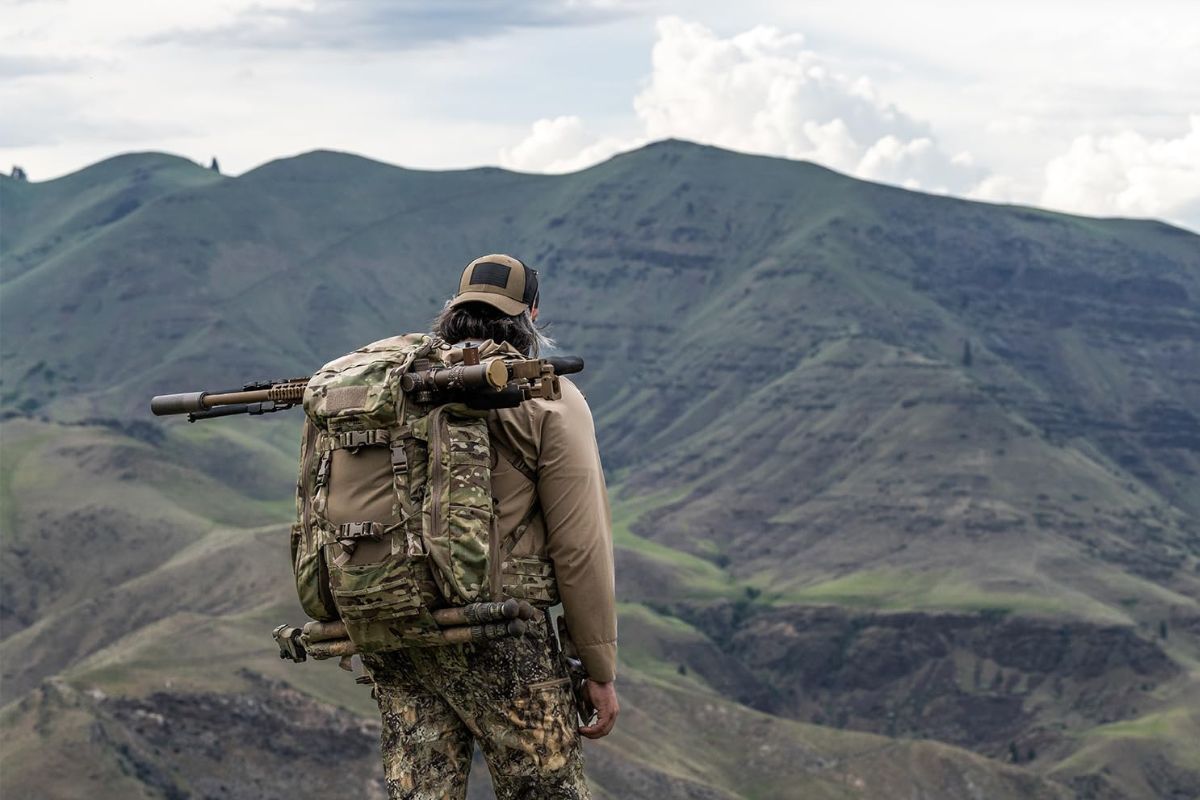
The Eberlestock X2 has built a loyal following among day hunters, with prices commonly landing near $300. It offers around 1,800 cubic inches of space and weighs close to 5 pounds, which many hunters consider excessive for a compact pack. One of the biggest complaints involves the narrow internal layout that makes gear organization frustrating during long hunts. Experienced users also mention that the pack feels top-heavy when carrying optics, water, and meat simultaneously. The integrated rifle scabbard, while innovative, adds unnecessary bulk for hunters who rarely carry firearms on the pack itself. Several backcountry hunters believe lighter packs from competing brands provide better balance, quieter movement, and superior comfort at nearly 20 percent lower prices in actual field conditions.
7. Stone Glacier Sky Archer 6400
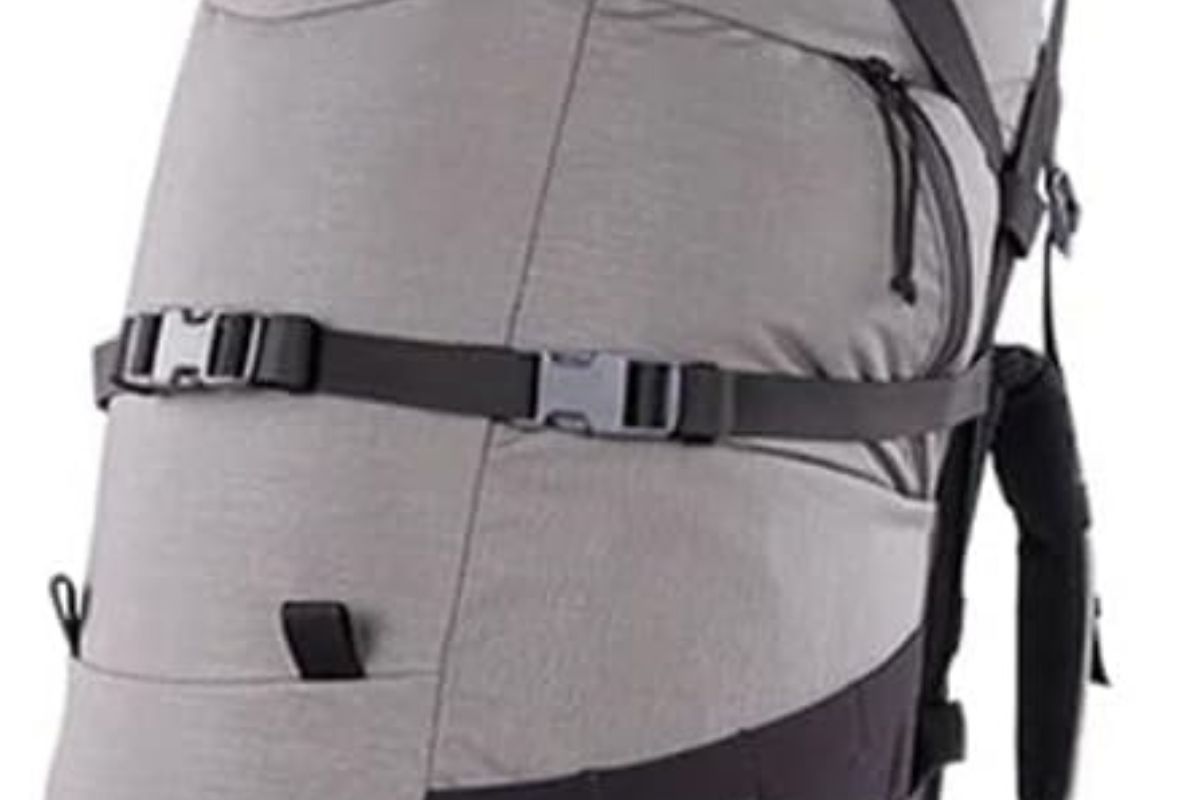
The Stone Glacier Sky Archer 6400 is often promoted as a high-performance alpine hunting pack, with prices usually starting near $700. It weighs approximately 5 pounds and provides around 6,400 cubic inches of capacity for extended hunts. Although many admire its lightweight frame, some experienced hunters say comfort declines sharply during extremely heavy meat hauls. Common complaints include thin lumbar padding, minimal external storage pockets, and a rigid frame feel that becomes uncomfortable after several consecutive days. Hunters also mention that the pack requires a careful packing technique to prevent awkward weight shifts. While the minimalist design appeals to hardcore mountain hunters, many users feel the stripped-down features do not justify the premium cost compared to more versatile packs available at significantly lower prices.
8. Kifaru Hoodlum Pack System
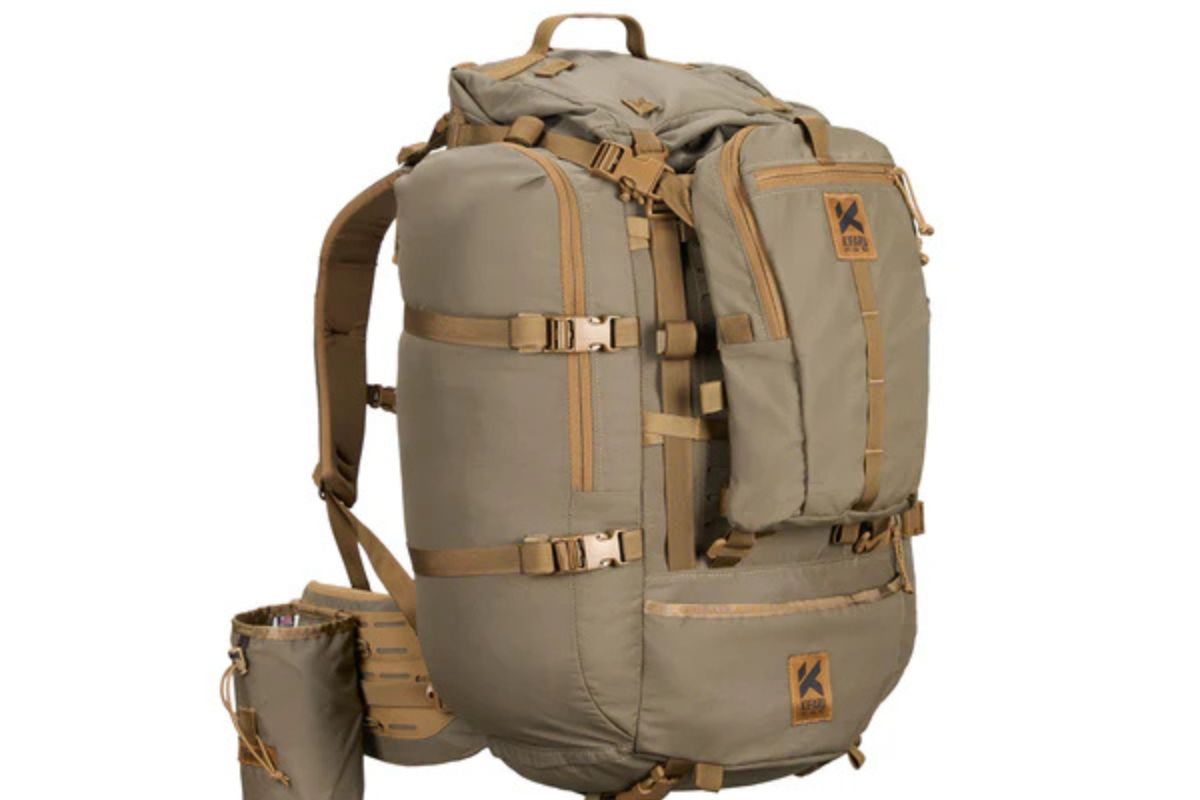
Kifaru products are known for customization and extreme load hauling ability, but the Hoodlum system can easily cross $900 once frames and accessories are included. The pack offers roughly 7,000 cubic inches of capacity and is built for heavy multi-day expeditions. Still, many hunters believe the price has moved far beyond practical value. Several experienced users complain that the endless customization options become confusing rather than helpful, especially for newer buyers. The total system weight can also exceed 7 pounds, depending on setup choices. Hunters frequently mention that equally capable expedition packs are available for 30 to 40 percent less money. While the craftsmanship remains excellent, critics argue that buyers are paying heavily for brand prestige and niche reputation rather than for dramatically better field performance.