Mountain hunting places unusual demands on both hunters and their equipment. Steep climbs, thin air, unpredictable weather, and long distances between vantage points can make a rifle that feels perfect at home less practical in the mountains. Weight matters when every pound must be carried uphill, while dependable construction becomes essential when rain, dust, or freezing temperatures enter the picture. Stock design, optics compatibility, recoil management, and ammunition availability also deserve careful consideration. Understanding these eight features helps hunters evaluate a rifle for mountain conditions without overlooking comfort, reliability, or safe handling.
1. Manageable Overall Weight
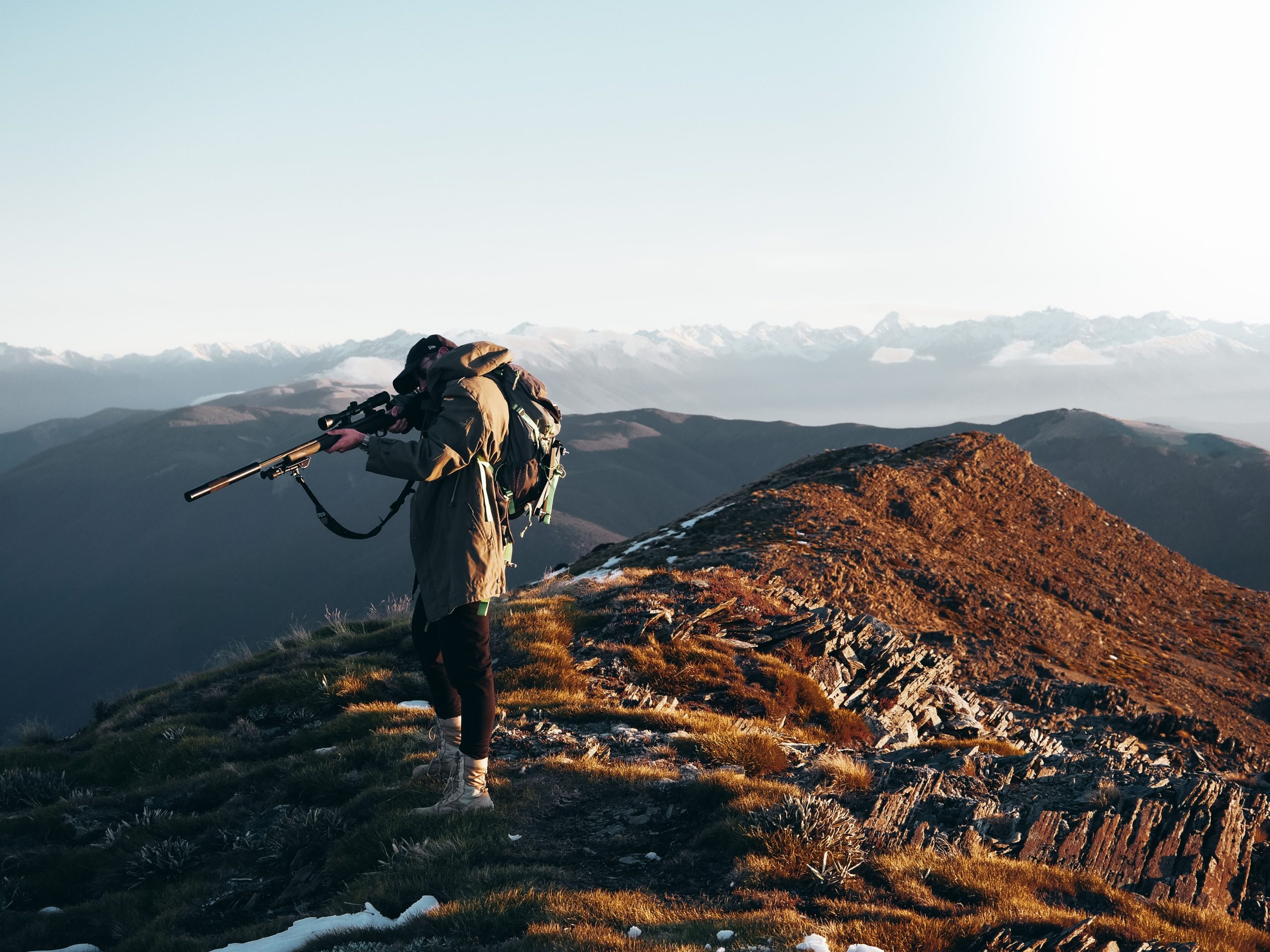
Every extra ounce travels with you across ridgelines, loose scree, and steep climbs, so a mountain rifle should be light enough to carry for hours without becoming difficult to control. Compare the complete setup, not just the bare rifle: a scope, rings, sling, and accessories add weight. A rifle listed at 6 pounds may weigh considerably more once equipped. Extremely light models can increase felt recoil and make the sight picture less steady, so balance matters more than chasing the lowest number. Try carrying the assembled rifle before committing.
2. Weather-Resistant Construction
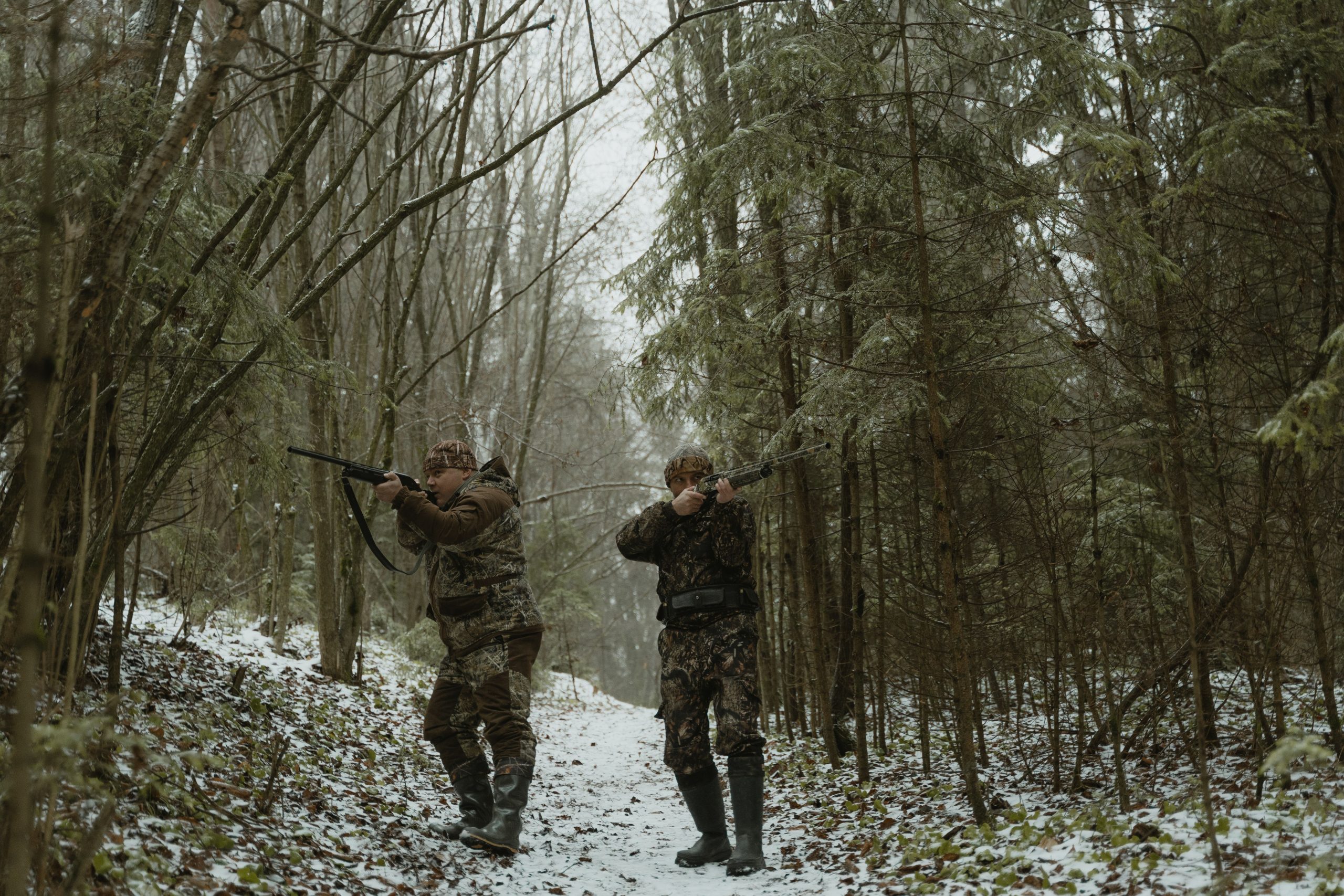
Mountain weather can shift from sunshine to rain, sleet, or freezing temperatures within a short period. A synthetic or carbon-fiber stock resists moisture-related changes better than many wooden stocks, while corrosion-resistant metal and a durable finish help protect exposed surfaces. Stainless steel is not rust-proof, so cleaning and drying still matter after even 1 wet day. Check that sling attachments and screws feel secure, and follow the maker’s care instructions. Before heading out, confirm the bore is clear and keep snow, mud, and debris away from the muzzle and action.
3. A Stock That Fits Securely
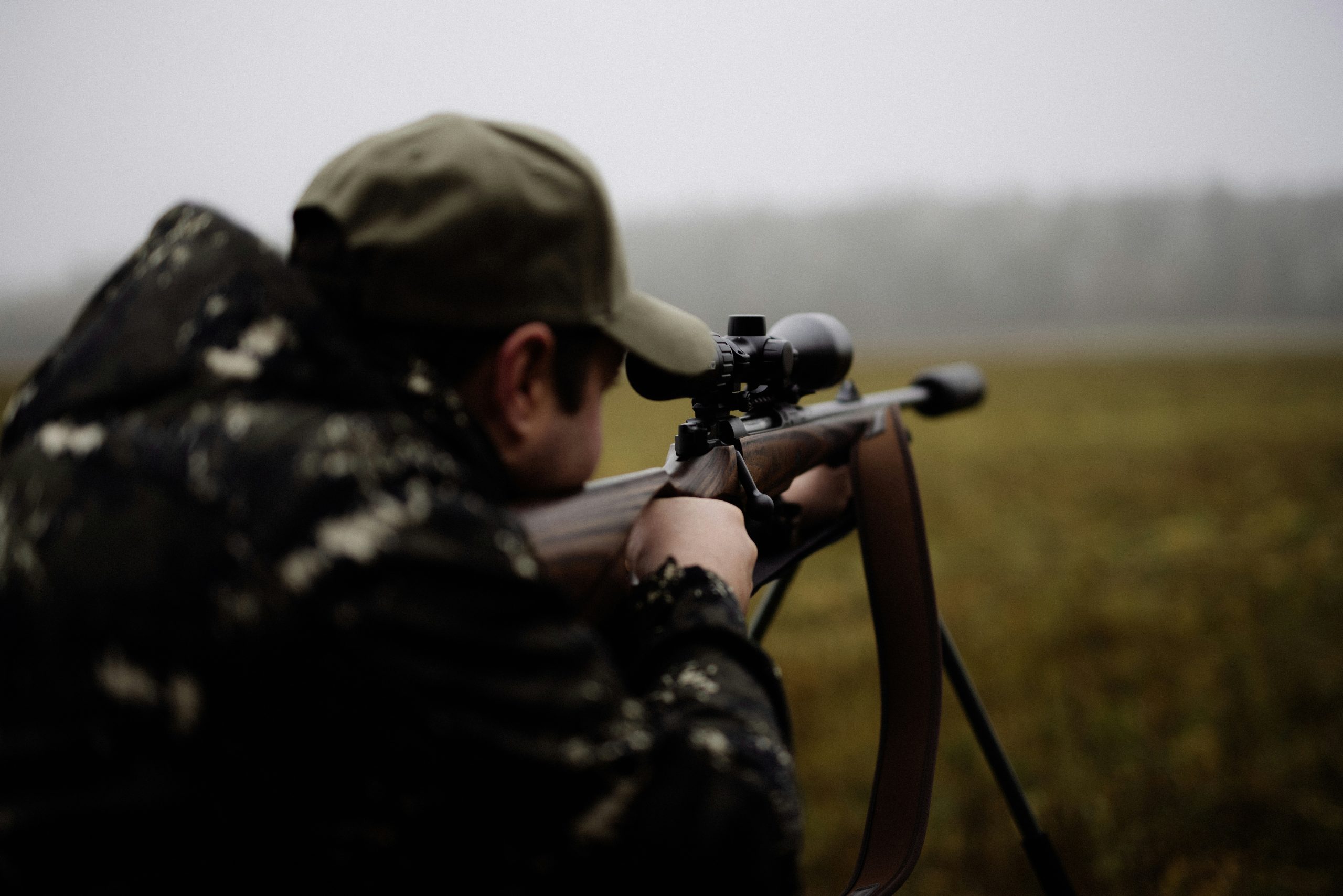
A rifle that fits well is easier to shoulder consistently when you are wearing a thick jacket, gloves, or a loaded pack. Look for a stock that supports a natural grip, places your cheek comfortably, and gives you a repeatable view through the optic. Textured surfaces can help when hands are damp, but sharp edges may become uncomfortable during a long carry. Adjustable cheek pieces or length of pull can help accommodate 2 different clothing layers. Test the fit in hunting clothing, and never let an awkward position or unstable footing pressure you into taking a shot.
4. Practical Optics Compatibility
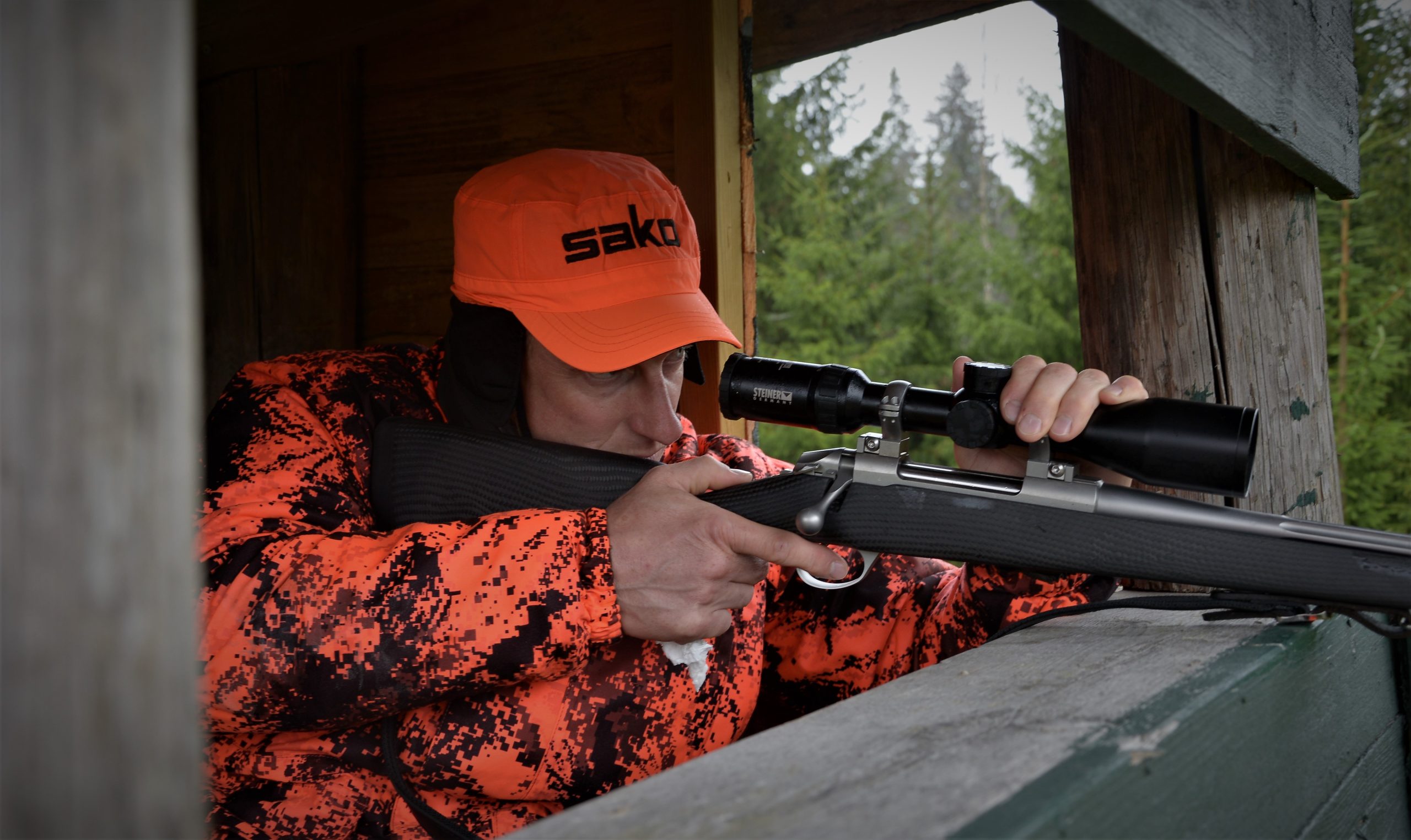
Mountain terrain can open long views across valleys while also placing animals in shaded timber or broken ground. A dependable scope with clear glass, useful magnification, and a readable reticle may help you identify a target and assess its surroundings. Just as important, the rifle must accept secure mounts compatible with the optic. Include the scope and mounts in your weight calculation, then have them installed and checked to manufacturer specifications. Magnification cannot replace judgment: confirm the target, what lies beyond it, and whether wind, distance, and your position allow a responsible shot. Check these 3 factors before proceeding.
5. Recoil You Can Manage
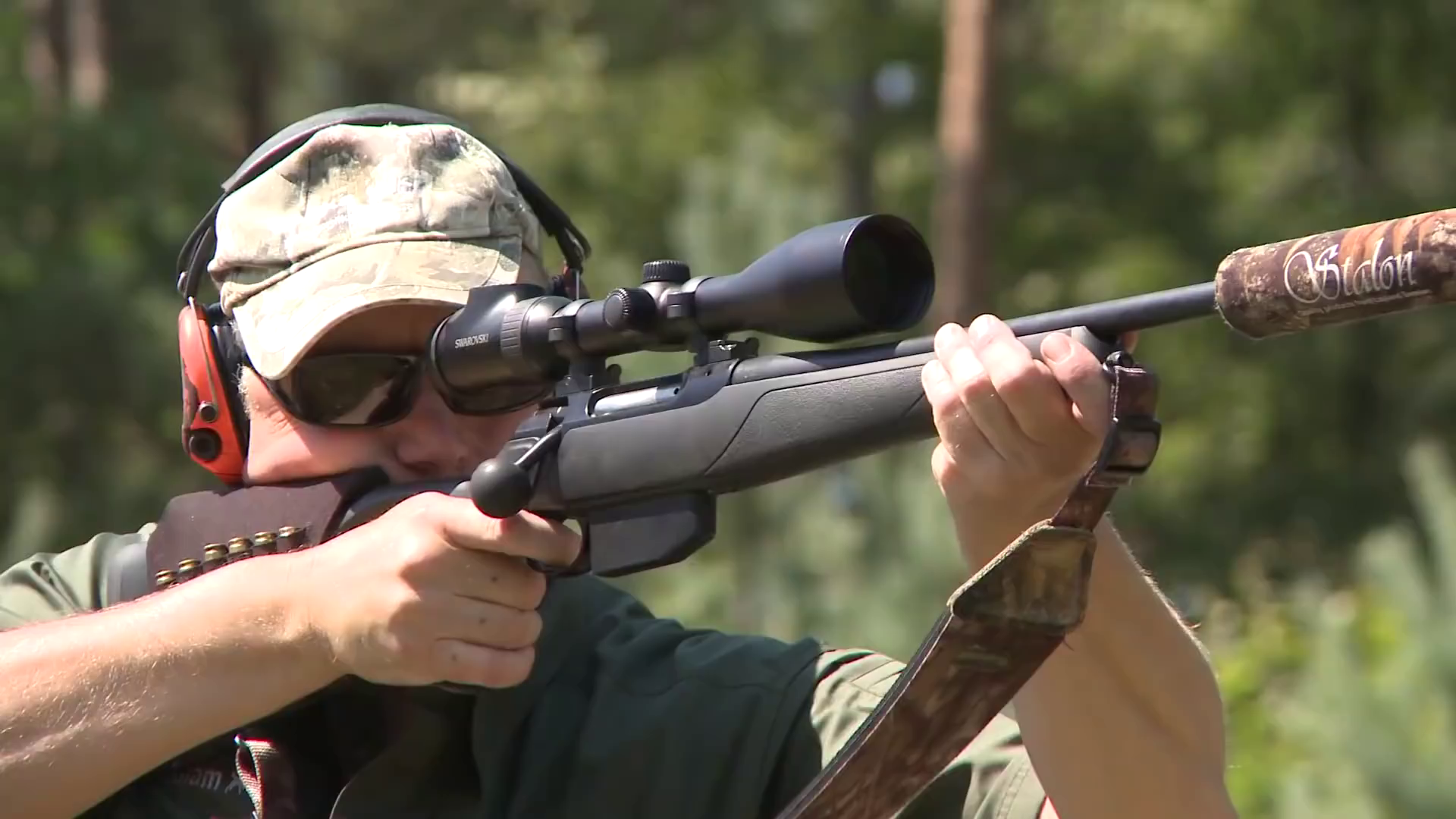
A very light rifle is easier to carry uphill, but its low mass can make recoil feel sharper and recovery less comfortable. That matters after a demanding climb, when breathing hard or using an awkward field position can make control more difficult. Choose a cartridge suitable for the intended game and one you can practise with confidently, rather than assuming the most powerful option is best. Stock fit, recoil pad design, and balance also affect comfort. Test the complete setup at a lawful range and from supported positions before the hunt; specifications alone cannot predict how it will feel.
6. A Barrel and Length Suited to Carrying
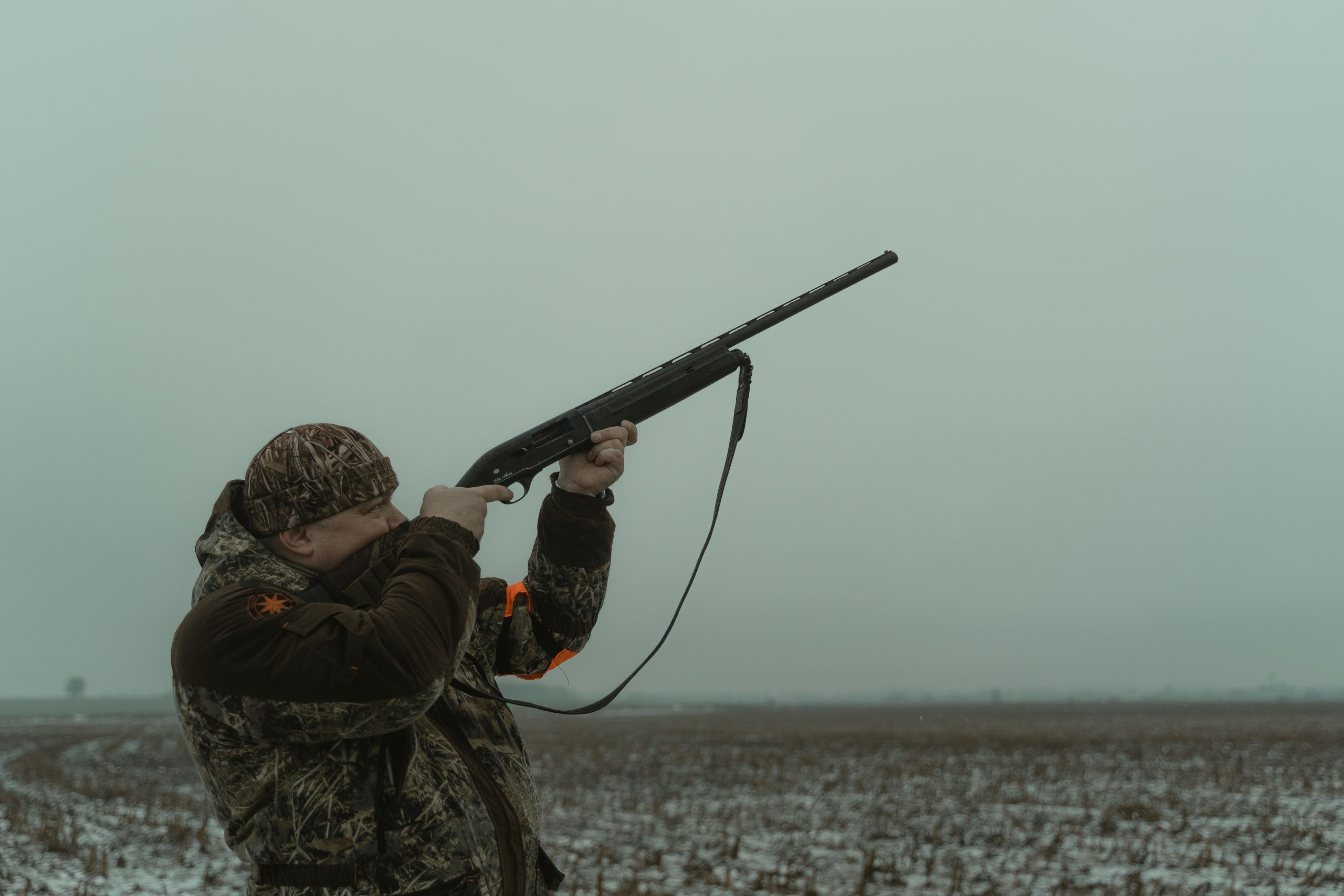
A long, heavy barrel adds weight and may catch on brush or pack straps, while a shorter one can be easier to manage in tight terrain. Yet barrel length can influence balance, muzzle blast, and the velocity produced by a particular cartridge. There is no single ideal measurement for every mountain hunt. Compare the rifle’s overall length with your pack and check how it feels when carried safely across steep ground. Any change in barrel or muzzle configuration should be evaluated by a qualified professional, with legal requirements and the manufacturer’s guidance in mind. Compare 2 configurations before deciding.
7. Dependable Action and Controls
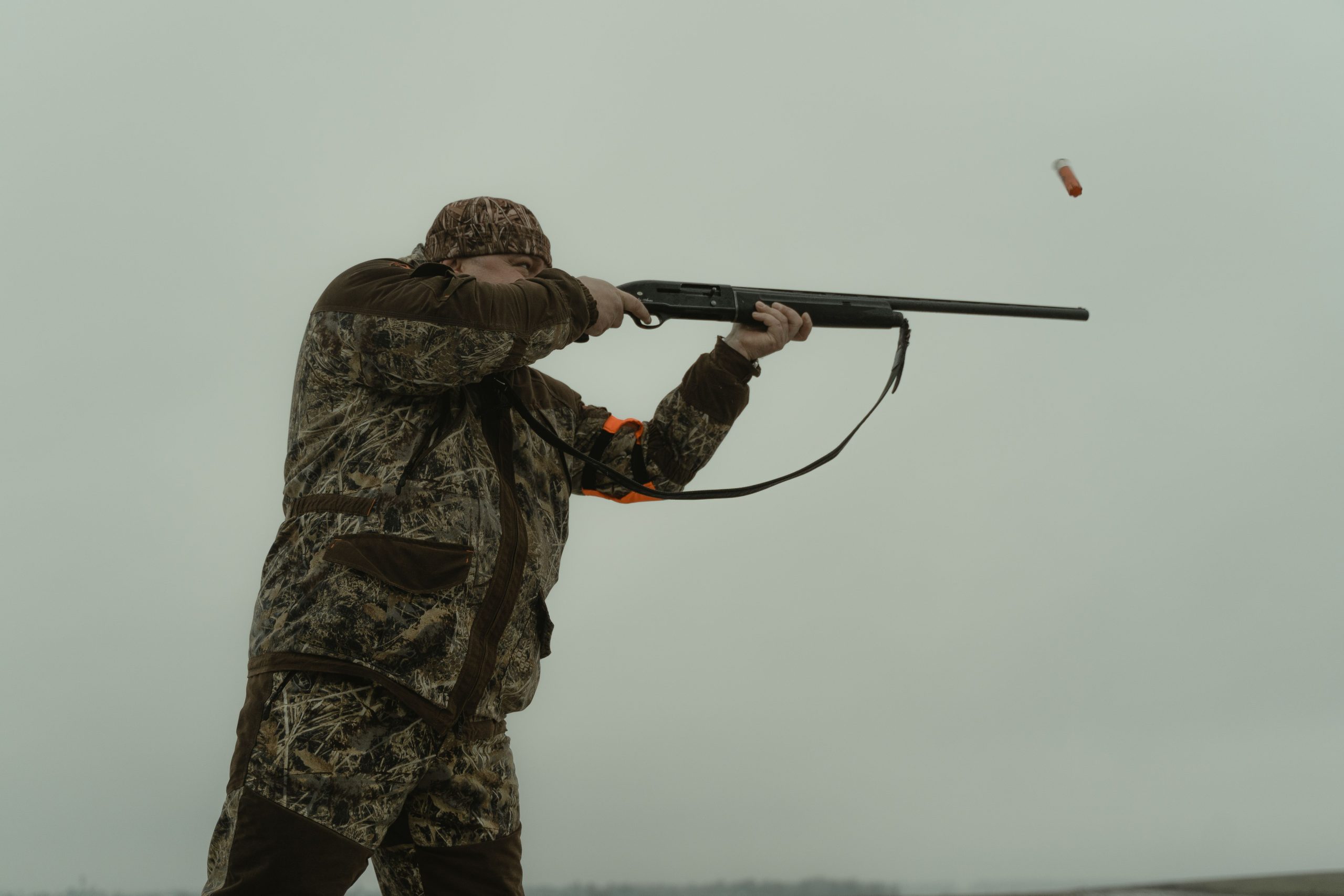
In remote country, a rifle should operate predictably and be simple to inspect and maintain. Evaluate whether the action cycles smoothly, the safety is easy to understand, and controls remain accessible with the gloves you expect to wear. Bolt-action designs are common in hunting rifles, but no action type removes the need for care and practice. Before travelling, have the rifle inspected if anything feels unusual, and verify its function using the manufacturer’s procedures in a safe setting. Keep grit and ice away from moving parts, and never force a control that seems stuck or obstructed. Check all 3 areas before departure.
8. Reliable Sling and Carry Points
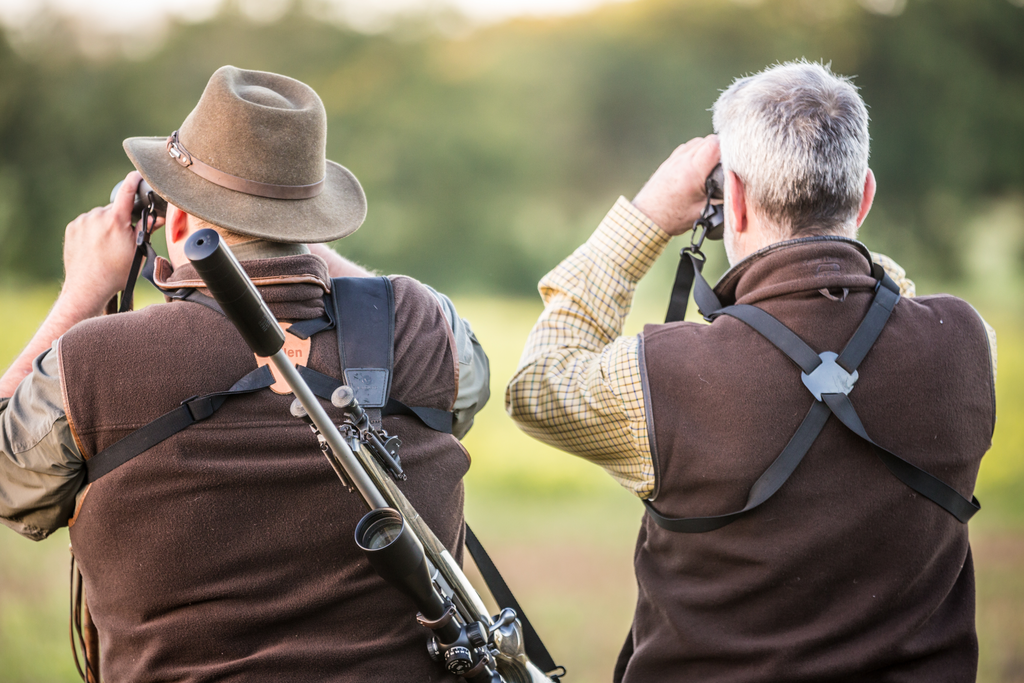
A secure sling can make a long approach more comfortable and keep both hands available for balance on steep trails. Check that 2 attachment points are robust, the sling hardware locks securely, and the material remains comfortable over a pack strap or heavy jacket. A simple design may be easier to manage than one with loose straps or noisy fittings. Practise carrying the unloaded rifle safely before the trip, especially when climbing, crossing obstacles, or taking off your pack. Inspect attachment points regularly, and follow local rules for transport and firearm handling throughout the journey.