Grenade launchers have often emerged from surprisingly ordinary ideas rather than from entirely new weapons programs. Engineers and soldiers sometimes borrowed concepts from shotguns, flare pistols, rifles, aircraft equipment, or other existing hardware and adapted them for launching explosive projectiles. That approach could save development time, simplify production, or solve a battlefield problem quickly. Some became successful military weapons, while others remained experimental or limited to specialized units. The examples below focus on the unusual origins and repurposing behind these systems, rather than construction methods.
1. M79: A Grenade Launcher With a Shotgun-Like Heritage
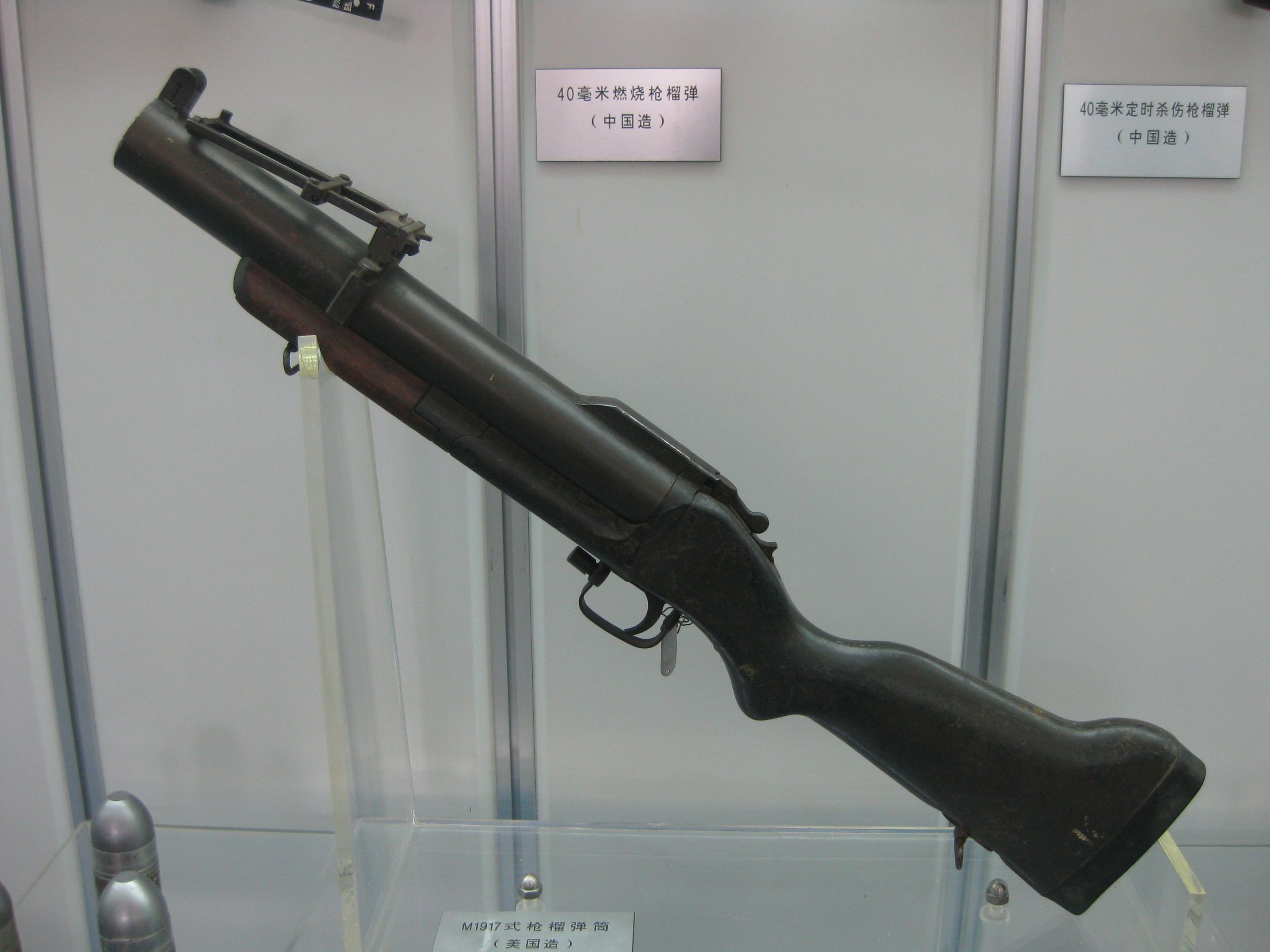
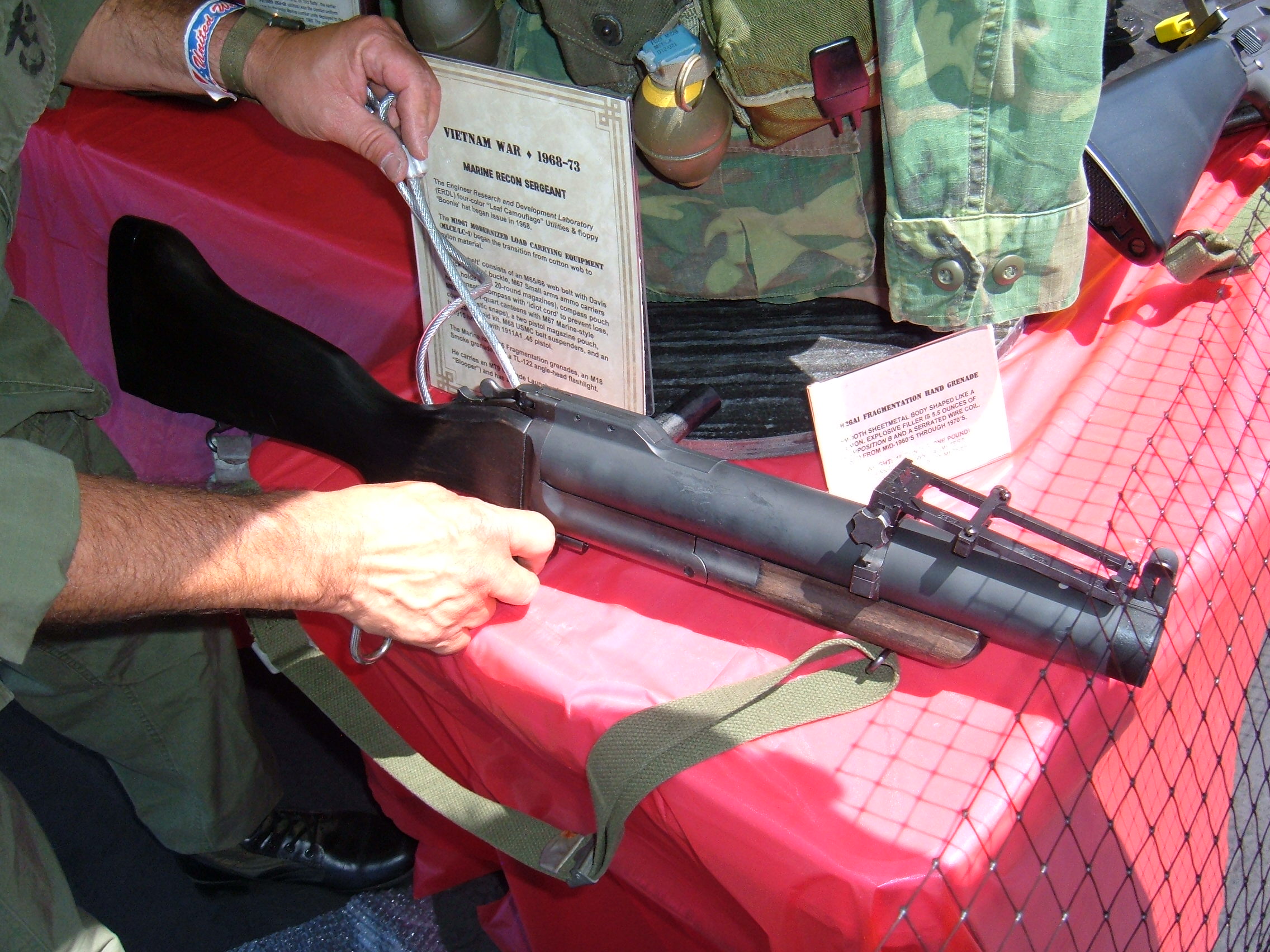
The M79 looked nothing like a normal infantry rifle, but its basic form drew heavily from the familiar single-barrel break-open shotgun. Developed through the U.S. Army’s Project Niblick during the 1950s, it became a dedicated launcher for the 40×46mm low-velocity grenade and was officially adopted in 1960. Its single-shot action kept the design relatively simple, while a dedicated sight helped soldiers place rounds at useful distances. The M79 became widely associated with Vietnam, where it served as a bridge between hand grenades and heavier mortars.
2. Sturmpistole: A Flare Pistol Turned Grenade Launcher
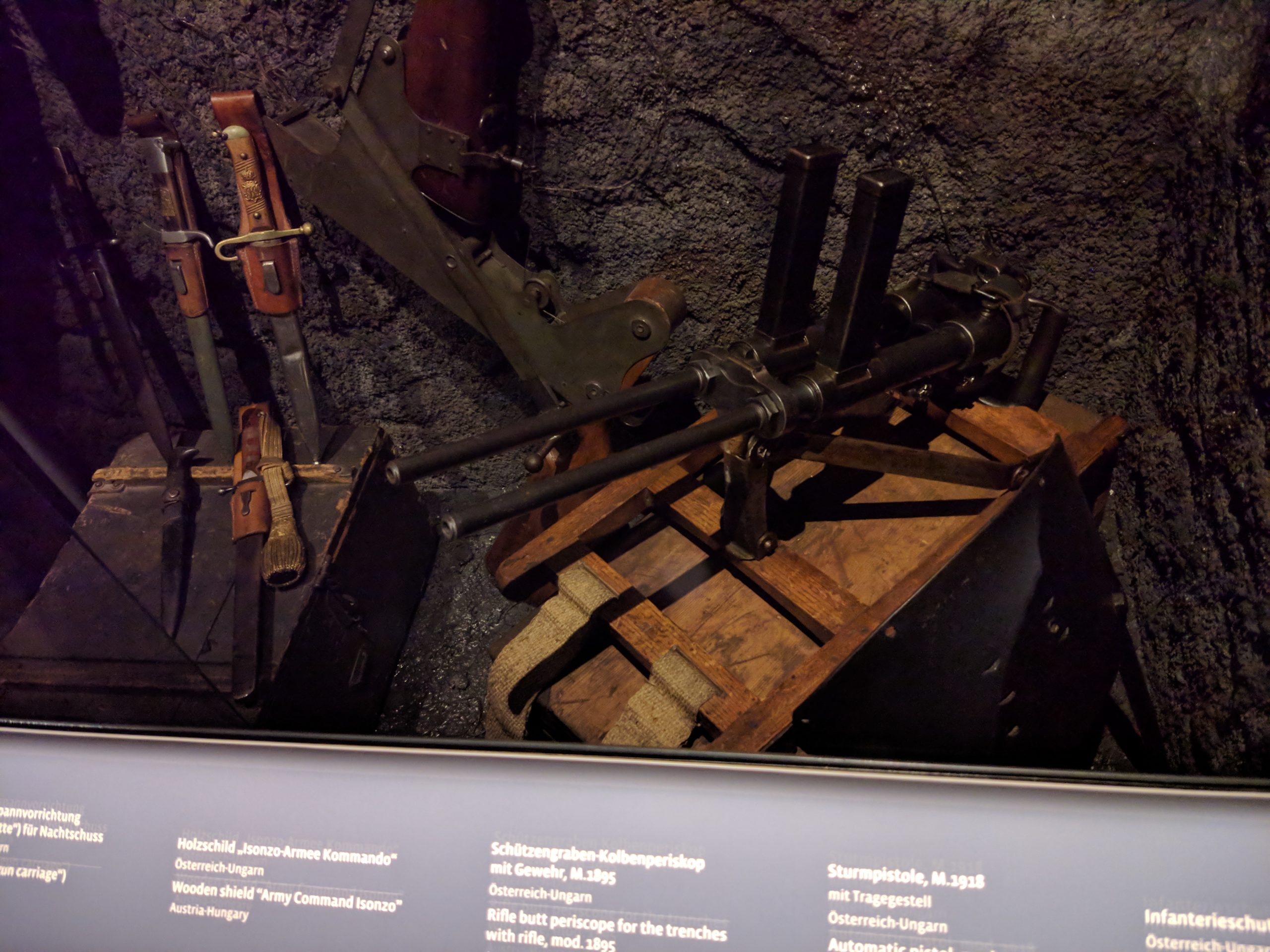
Few examples show repurposing more clearly than the German Sturmpistole. It evolved from the standard Leuchtpistole signal-pistol family, equipment originally intended for illumination and signaling rather than direct combat. During World War II, the basic pistol concept was adapted to fire specialized explosive and anti-armor ammunition, giving troops a compact way to deliver a grenade. The idea was attractive because signal pistols were already familiar and relatively portable. Instead of carrying a completely new weapon, soldiers could employ a modified form of equipment already present in military inventories. This made the Sturmpistole an unusual example of battlefield repurposing.
3. Kampfpistole: The Signal Pistol’s Combat Transformation
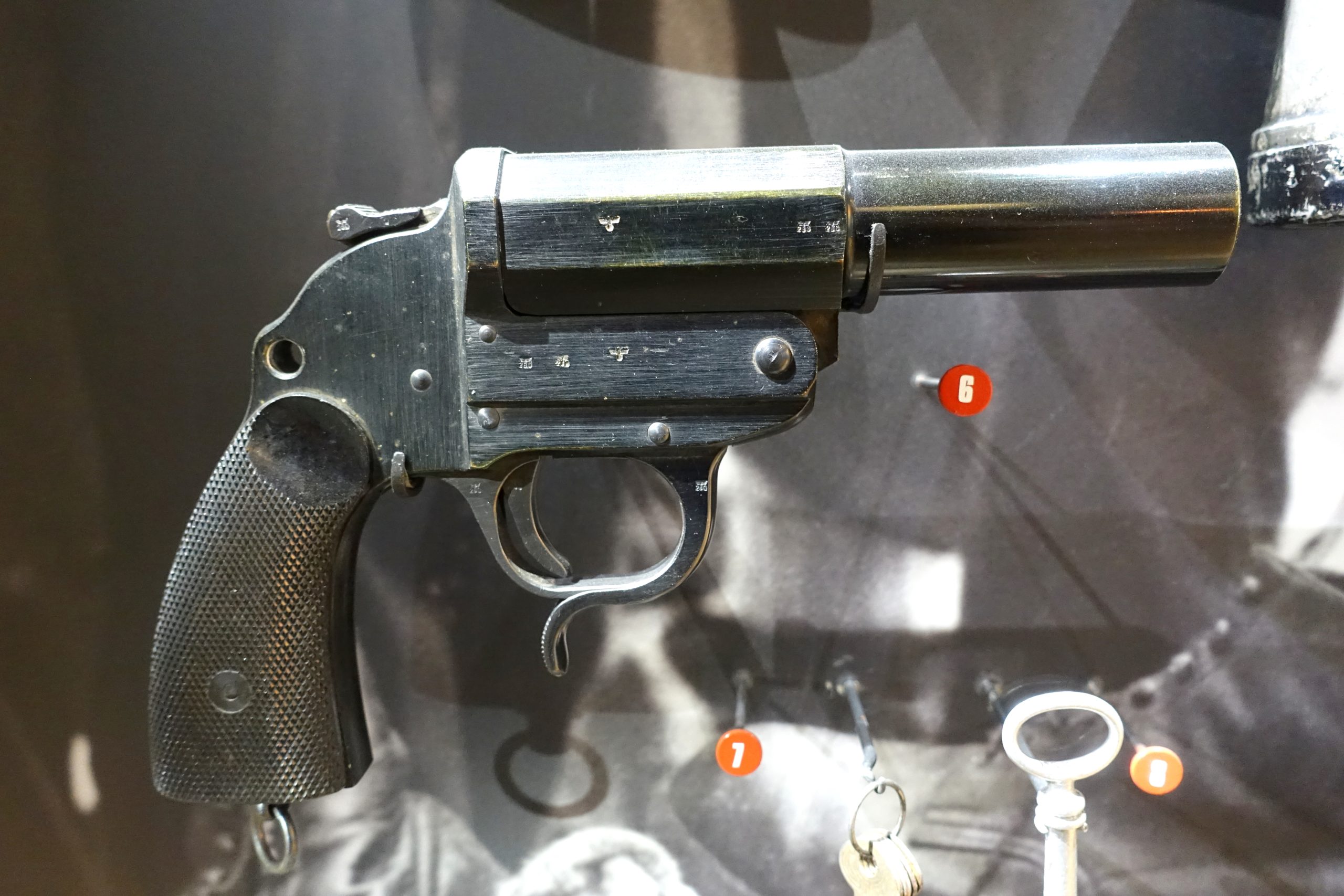
The German Kampfpistole followed the same surprising path from signaling equipment toward grenade delivery. Based on the flare-pistol concept, it provided troops with a compact weapon for firing specially designed projectiles. Some versions incorporated rifling, distinguishing them from ordinary smoothbore signal pistols and allowing greater projectile stability. Its development reflected a recurring wartime idea: existing equipment could sometimes be modified faster than an entirely new weapon could be designed. The system was not a replacement for artillery or infantry guns, but its compact size made it useful for situations where heavier equipment was inconvenient. Its lineage shows how dramatically the role of a simple signal device could change.
4. Type 100: Using a Rifle’s Gas System in an Unusual Way
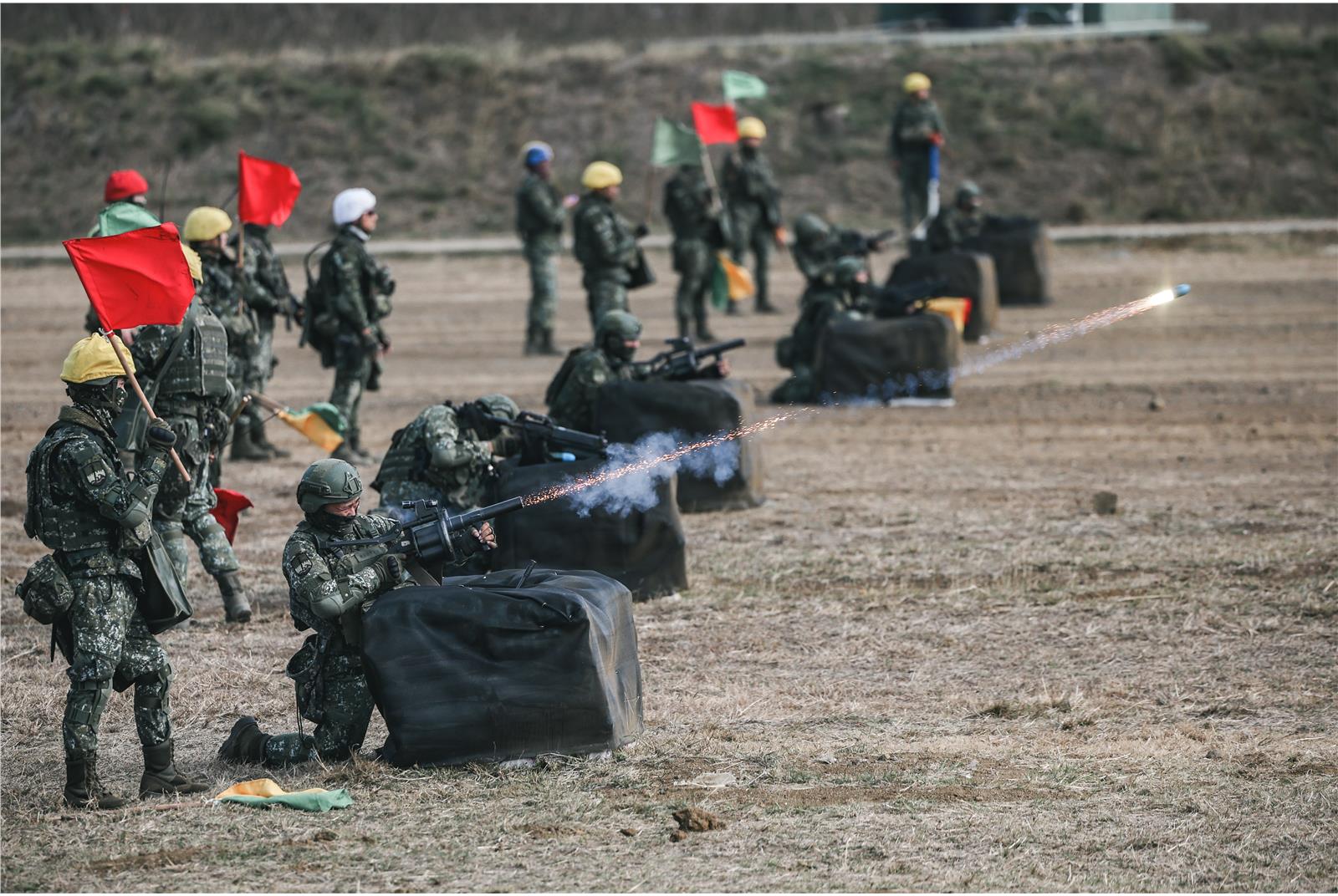
Japan’s Type 100 grenade launcher took an unusual approach by turning the rifle’s own operating gases into part of the launching system. Introduced in 1939 for Arisaka rifles, it could launch Type 91 and Type 99 grenades while allowing standard rifle ammunition to remain part of the system. Rather than simply placing a grenade over the muzzle, the launcher used a gas-trap arrangement that redirected propellant gases. This was an interesting attempt to combine ordinary rifle operation with grenade launching without requiring a completely separate firearm. The concept illustrates how engineers repeatedly looked for ways to make existing infantry equipment perform additional battlefield roles.
5. Rifle Grenade Cups: Turning Standard Rifles Into Launchers
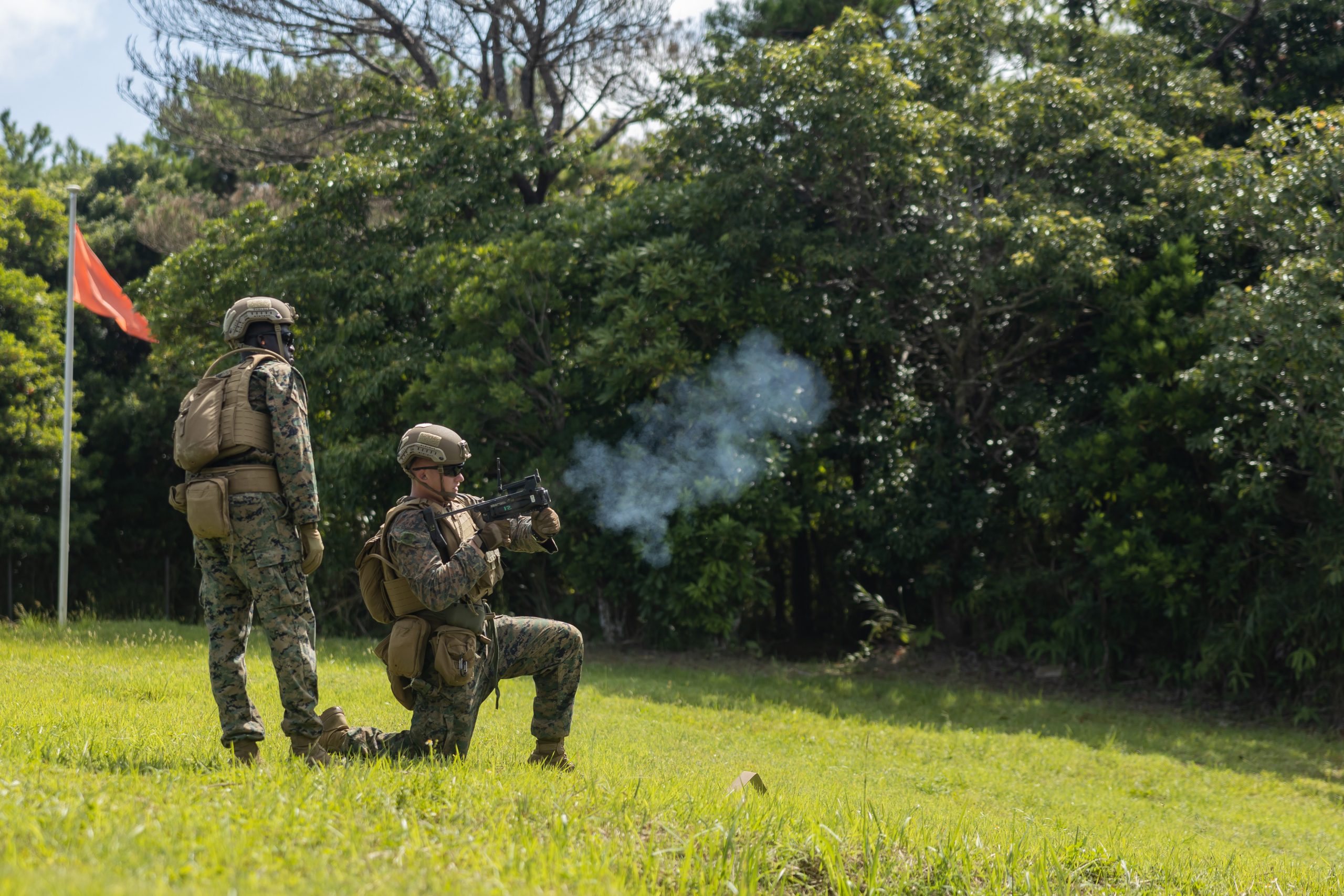
Cup-type rifle grenade systems effectively transformed ordinary service rifles into temporary grenade launchers. Instead of issuing every soldier a separate launcher, armies could attach a projector to a rifle’s muzzle and use specially designed ammunition to propel a grenade. This concept appeared extensively during the World Wars and remained important into the postwar period. The approach had a major logistical advantage: the rifle remained the soldier’s primary firearm, while the attachment added another capability when required. British Lee-Enfield rifles, for example, could use dedicated grenade projectors. It was a clever case of existing infantry equipment gaining a completely different role without becoming a dedicated grenade gun.
6. M203: Turning the Rifle Into Two Weapons
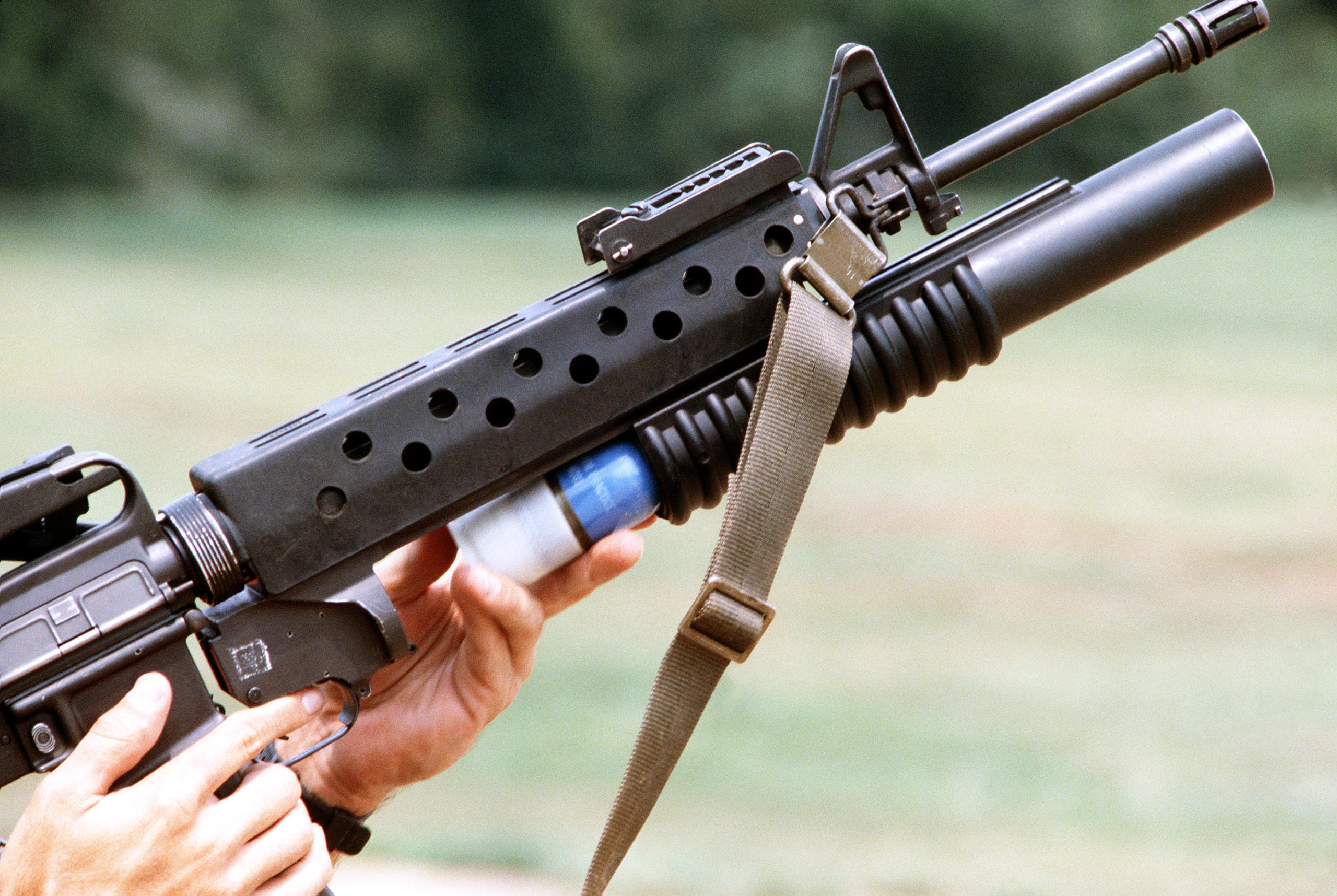
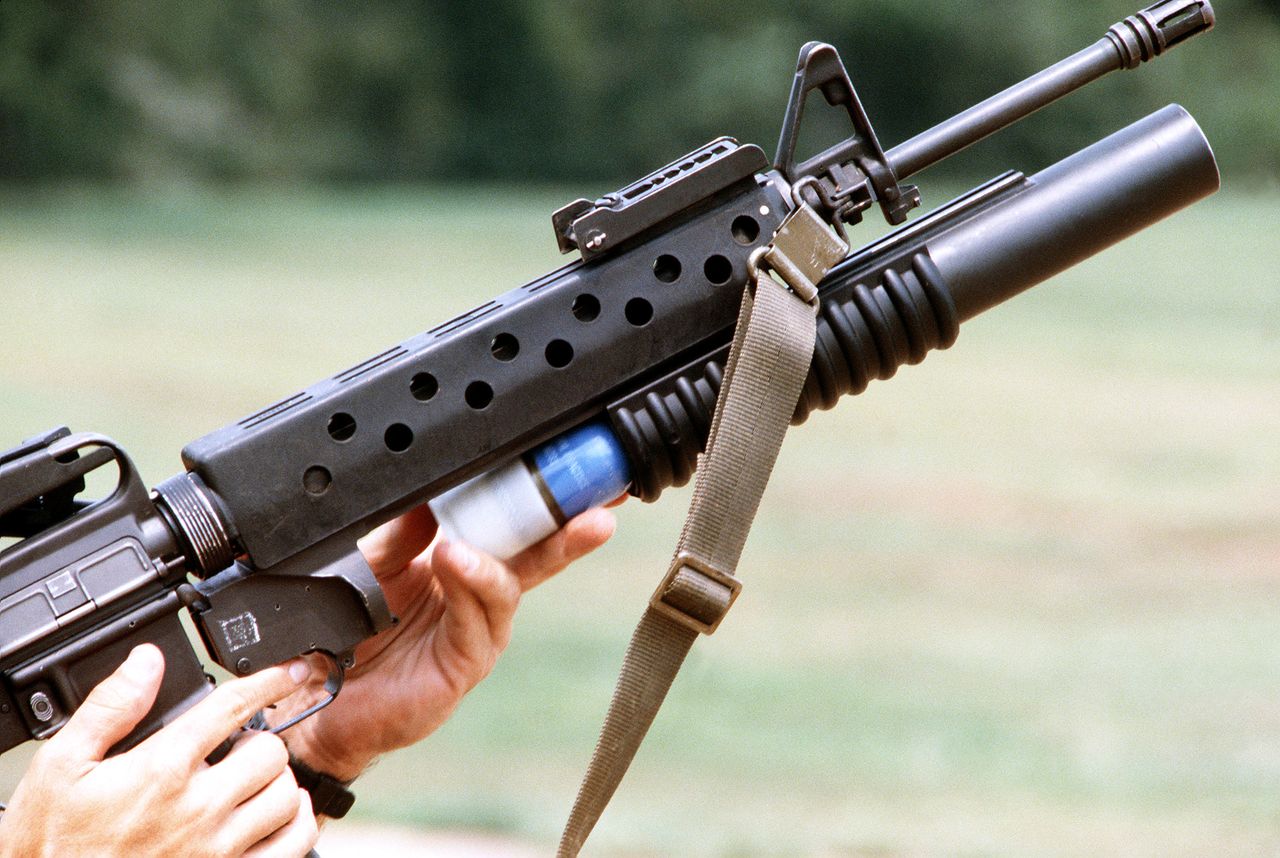
The M203 represented another major change in the idea of repurposing existing equipment. Instead of giving a grenadier a separate launcher like the M79, designers placed a compact 40mm launcher underneath the barrel of the M16 rifle. Standardized in 1969, the arrangement allowed one soldier to retain his rifle while also carrying a grenade-launching capability. This solved one of the M79’s biggest practical disadvantages: a grenadier no longer had to choose between carrying a dedicated launcher and carrying a full-size rifle. The concept became influential worldwide, showing how an existing infantry firearm could be expanded into a dual-role platform rather than replaced.
7. XM148: A Police-Inspired Idea Added to the M16
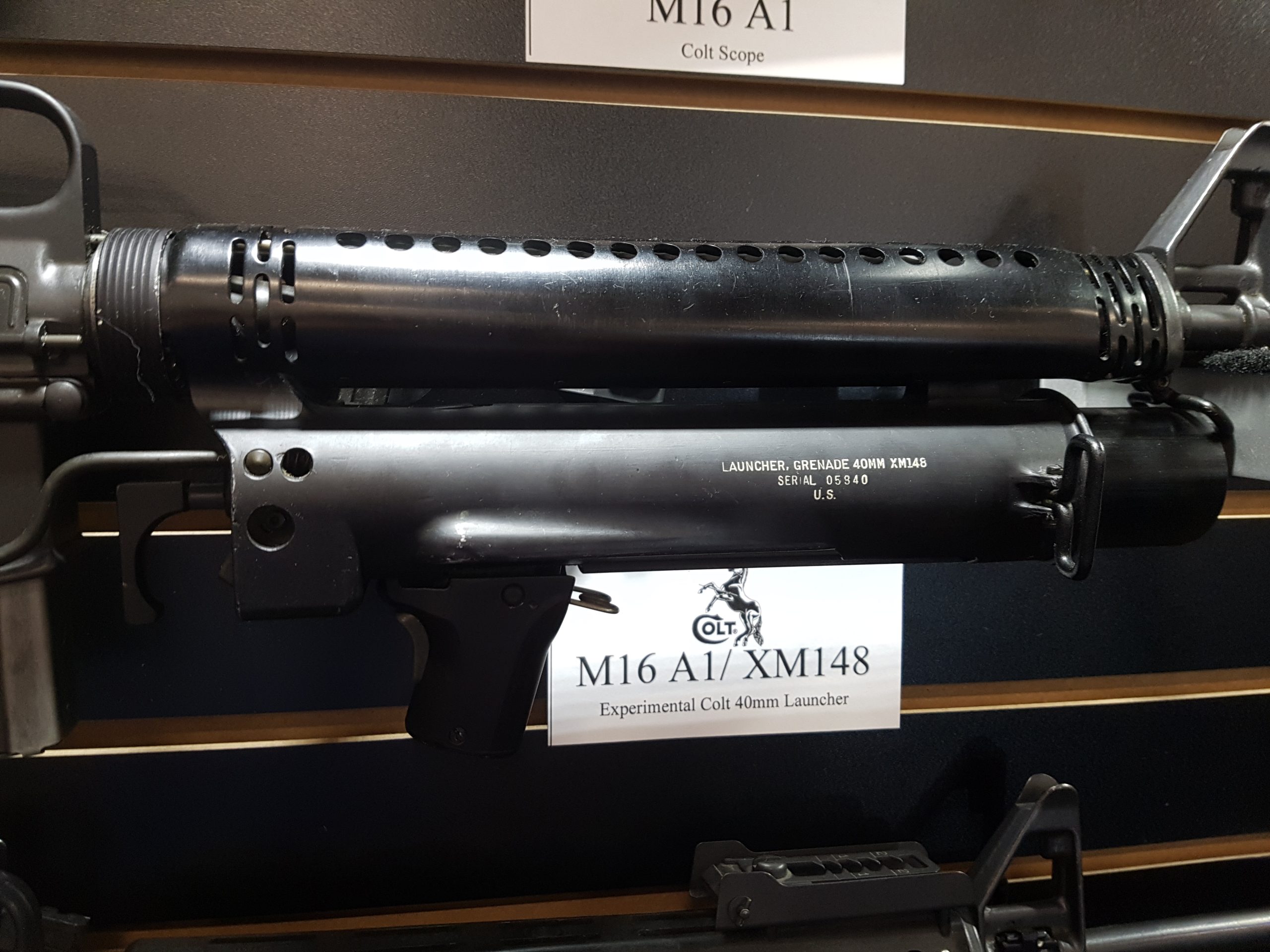
The experimental XM148 demonstrated how quickly an existing rifle could become the foundation for a completely different weapon system. Colt developed the launcher as an under-barrel addition for the M16, responding to the need for soldiers to carry both rifle and grenade-launching capability. Its designer, Karl Lewis, reportedly took the project from concept to working prototype in only 47 days. The system saw limited use in Vietnam but developed reliability and handling problems that prevented it from becoming the long-term solution. Even though it was ultimately unsuccessful, the XM148 helped establish the basic direction that later made the M203 so important.
8. China Lake: A Pump-Action Idea Given a Grenade Role
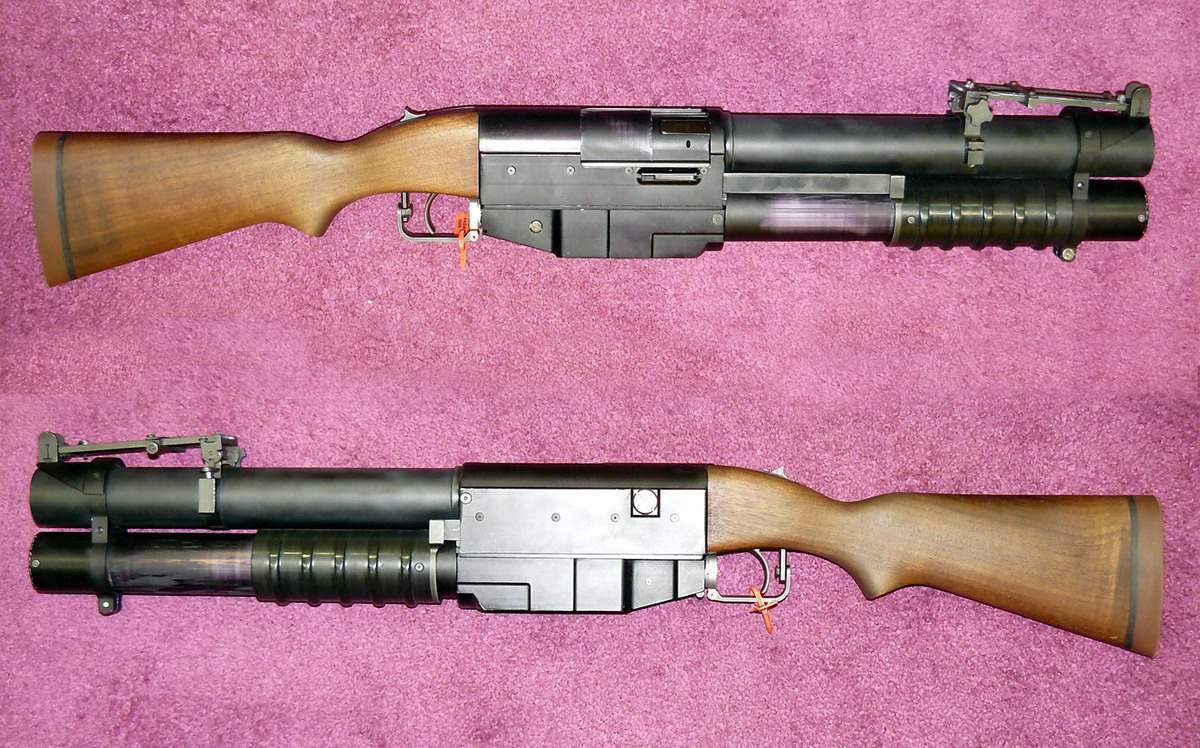
The China Lake grenade launcher was another fascinating example of adapting familiar firearm thinking to an unusual ammunition type. Developed for U.S. Navy SEALs, it used a pump-action operating concept and a tubular magazine, ideas strongly associated with repeating shotguns. The launcher was designed around the 40×46mm grenade and could hold multiple rounds rather than forcing the operator to reload after every shot. Historical references describe a three-round tubular magazine, with an additional round possible in the chamber. Its limited production makes it far less famous than the M79, but its unusual combination of shotgun-style operation and grenade ammunition makes it one of the most interesting experiments of the Vietnam era.