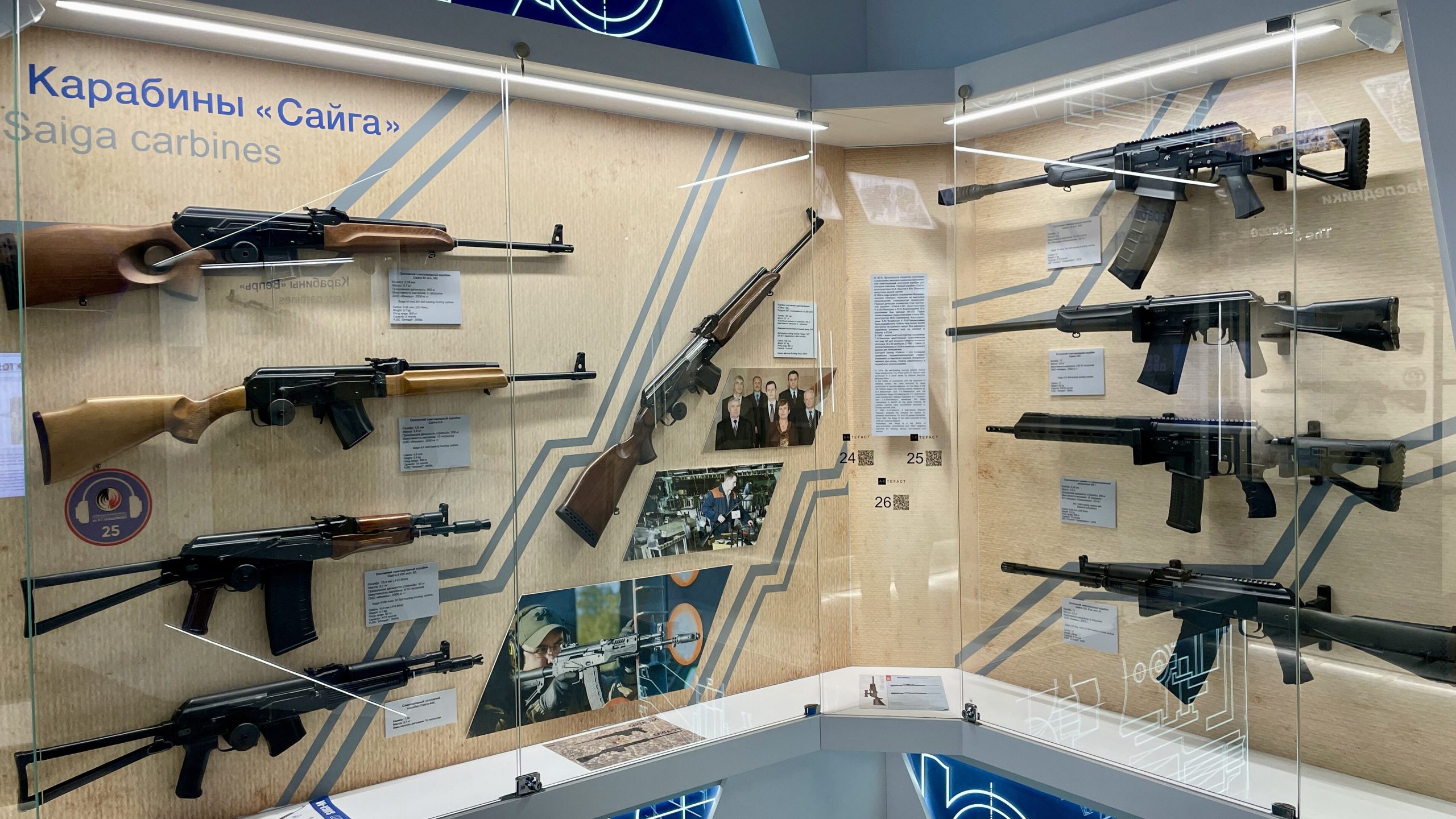
The Saiga-12 is one of the most distinctive shotguns ever built from the AK family. Developed in Russia as a civilian sporting shotgun, it retained the familiar Kalashnikov operating concept while being redesigned around the much larger 12-gauge shell. Its American story changed dramatically in 2014, when U.S. sanctions targeted Kalashnikov Concern, blocking new transactions involving the company and effectively ending normal imports of Russian-made Saiga-12 shotguns. Importantly, the sanctions did not automatically make every previously owned Saiga-12 illegal.
1. It Began as a Civilian Shotgun
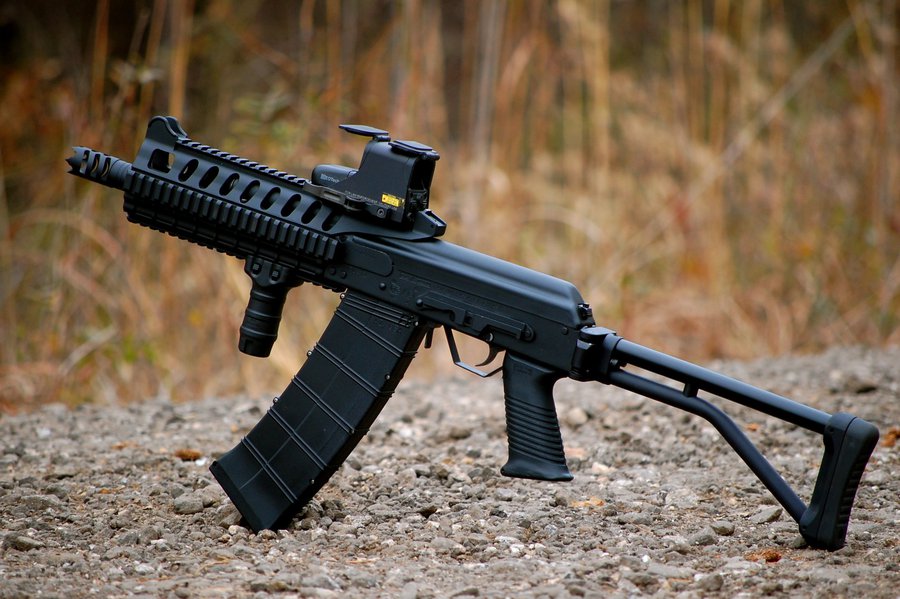
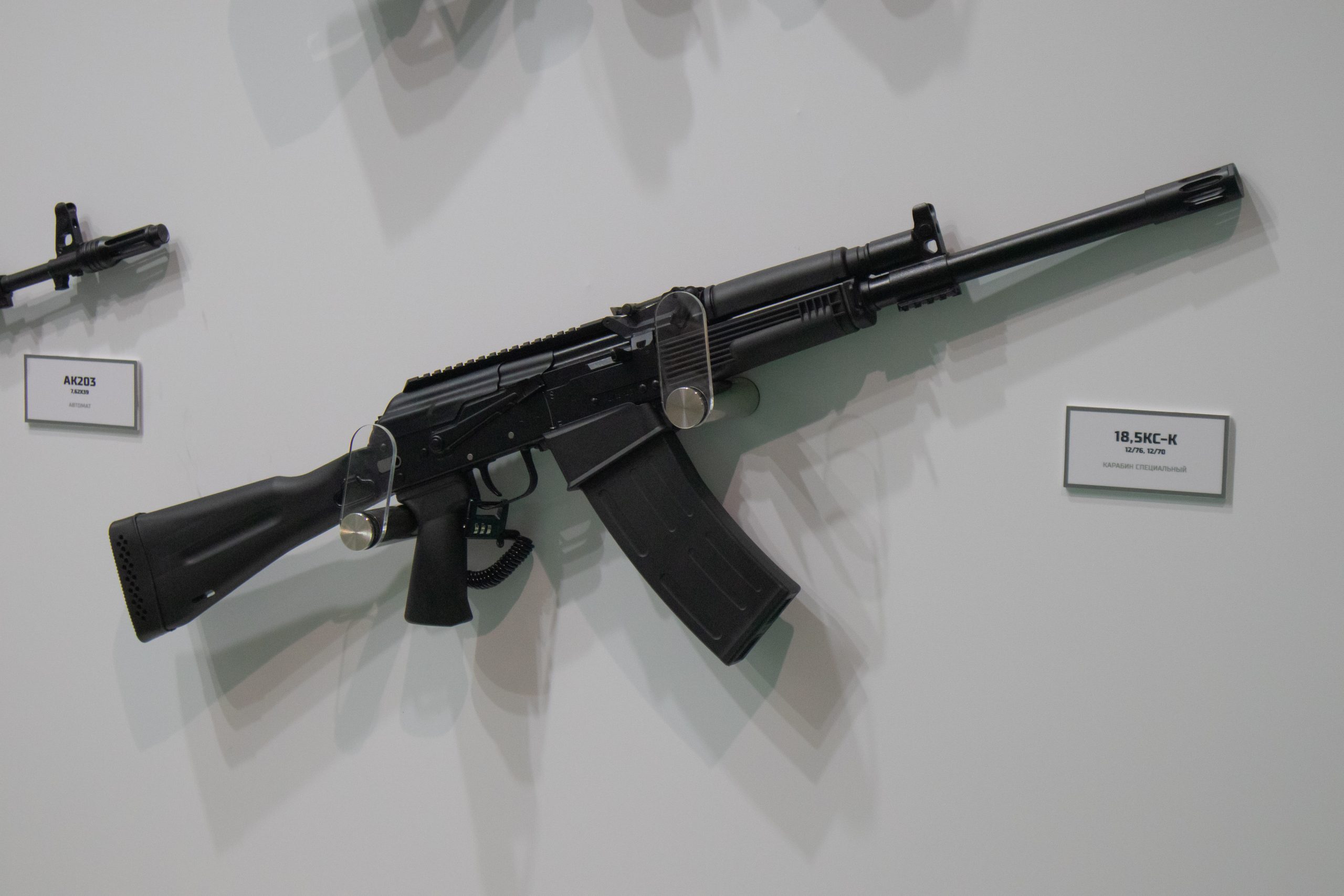
The Saiga-12 was developed as a sporting firearm rather than simply being a 12-gauge AK rifle. Its designers adapted the Kalashnikov operating system to handle shotgun ammunition, creating a detachable-magazine semiautomatic platform for hunting and sporting use. The basic chambering is 12 gauge, with civilian versions appearing in several configurations. Unlike a conventional tube-fed shotgun, the Saiga-12 uses detachable box magazines. That gave it a distinctly rifle-like appearance while preserving the practical role of a sporting shotgun. The design later became especially recognizable in the United States.
2. Its AK Lineage Is Real, but Not Simple
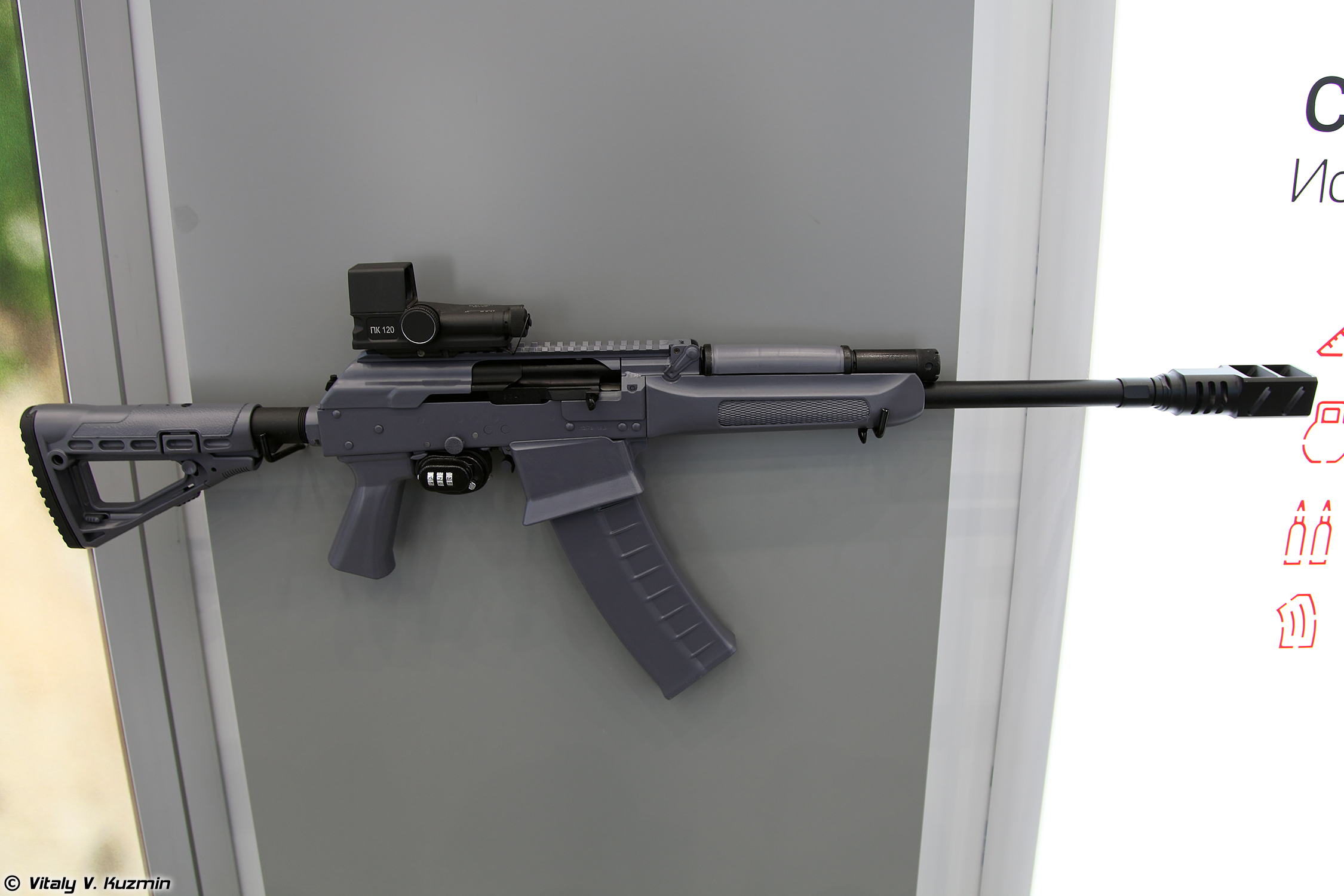
Calling the Saiga-12 an AK with a shotgun barrel oversimplifies the engineering. The receiver, bolt, gas system, magazine arrangement, and other components had to be adapted for the very different dimensions and pressures involved with 12-gauge ammunition. Historical technical accounts describe substantial commonality with the AK-100 family, while also emphasizing that the shotgun receiver required important changes. The result, therefore,e looks unmistakably Kalashnikov-inspired, yet it is not merely a standard AK receiver enlarged around a bigger cartridge.
3. The 12-Gauge Cartridge Changed Everything
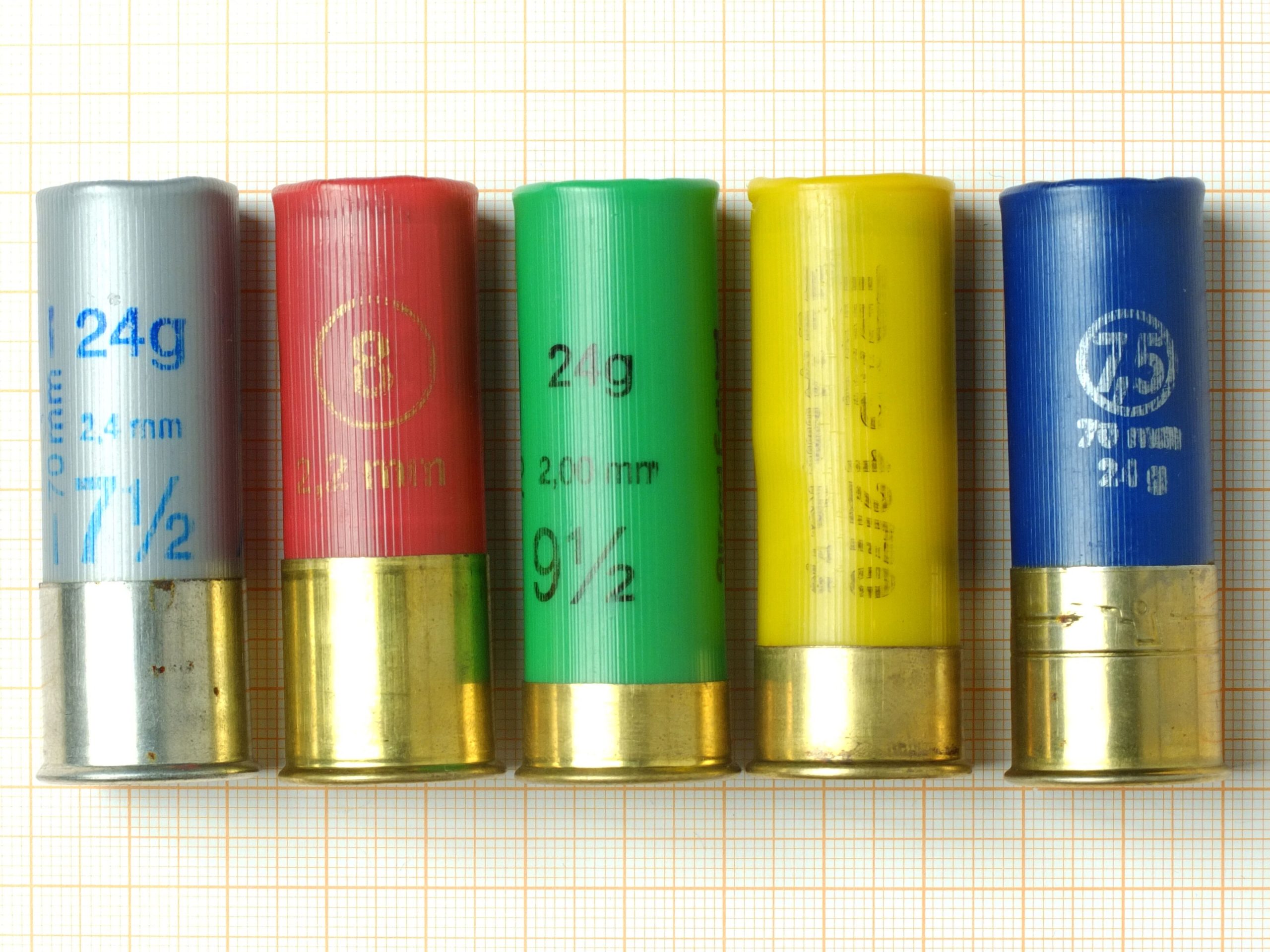
A 12-gauge shell is dramatically different from the rifle cartridges used by conventional AK-pattern rifles, and that difference shaped the Saiga-12’s design. The shotgun was built around 12-gauge ammunition and could accommodate different shell lengths depending on configuration and ammunition. Technical descriptions note a gas-regulator arrangement intended to accommodate standard and magnum loads. This was necessary because shotgun ammunition can vary considerably in its operating characteristics. The Saiga-12 therefore required more than cosmetic changes to make the Kalashnikov operating system function reliably with shotshells.
4. Its Magazine System Made It Stand Out
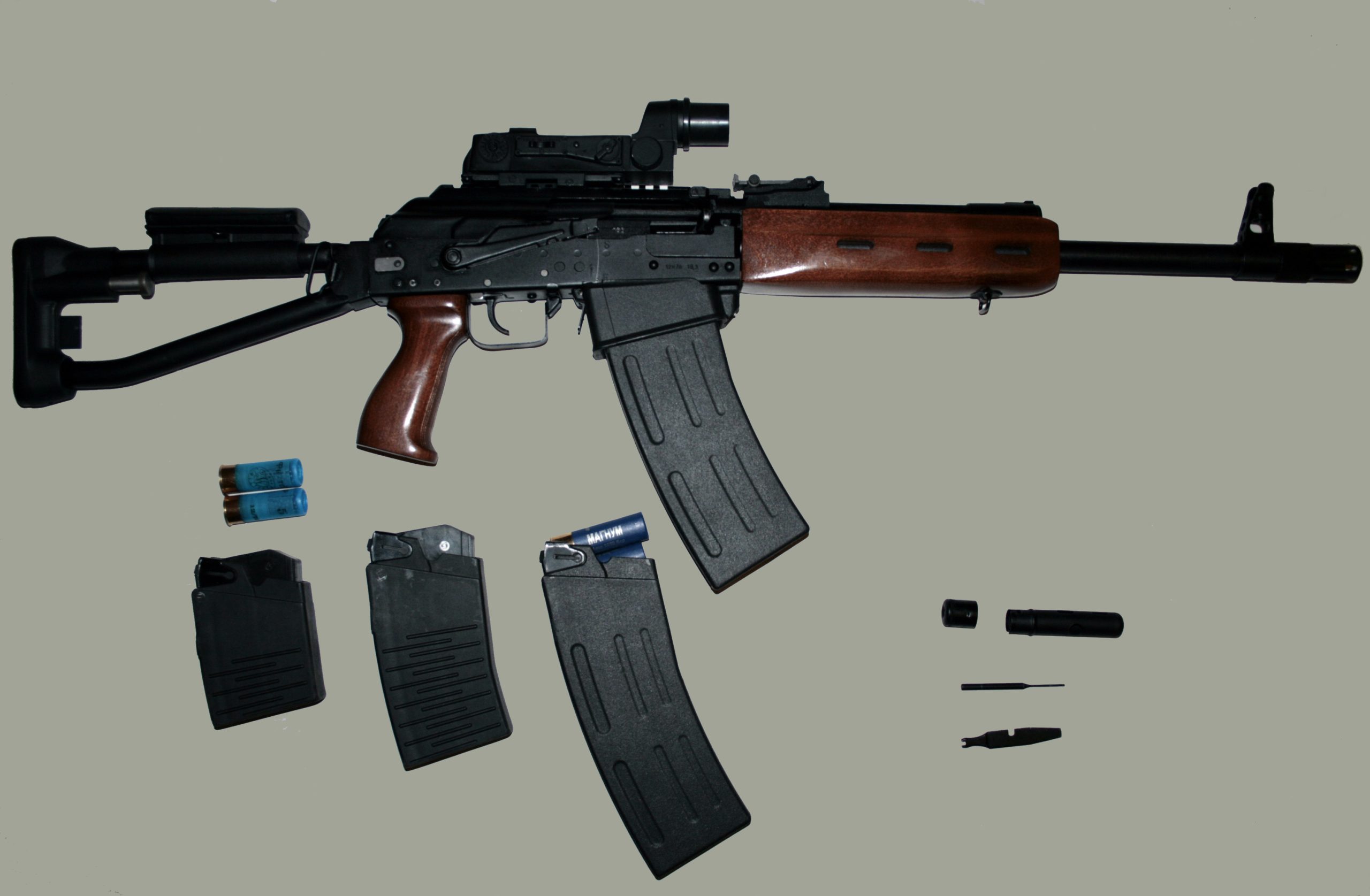
The Saiga-12’s detachable magazine was one of its most recognizable characteristics. Factory configurations included magazines holding 5, 7, or 8 rounds, while other capacities appeared through different production and aftermarket arrangements. The magazine had to be redesigned around the much wider 12-gauge shell, so it could not simply copy the dimensions of a standard AK rifle magazine. That unusual combination of a box magazine and shotgun ammunition helped distinguish the Saiga-12 from traditional sporting shotguns. It also contributed heavily to the model’s distinctive appearance and later popularity among American enthusiasts.
5. It Came in Several Configurations
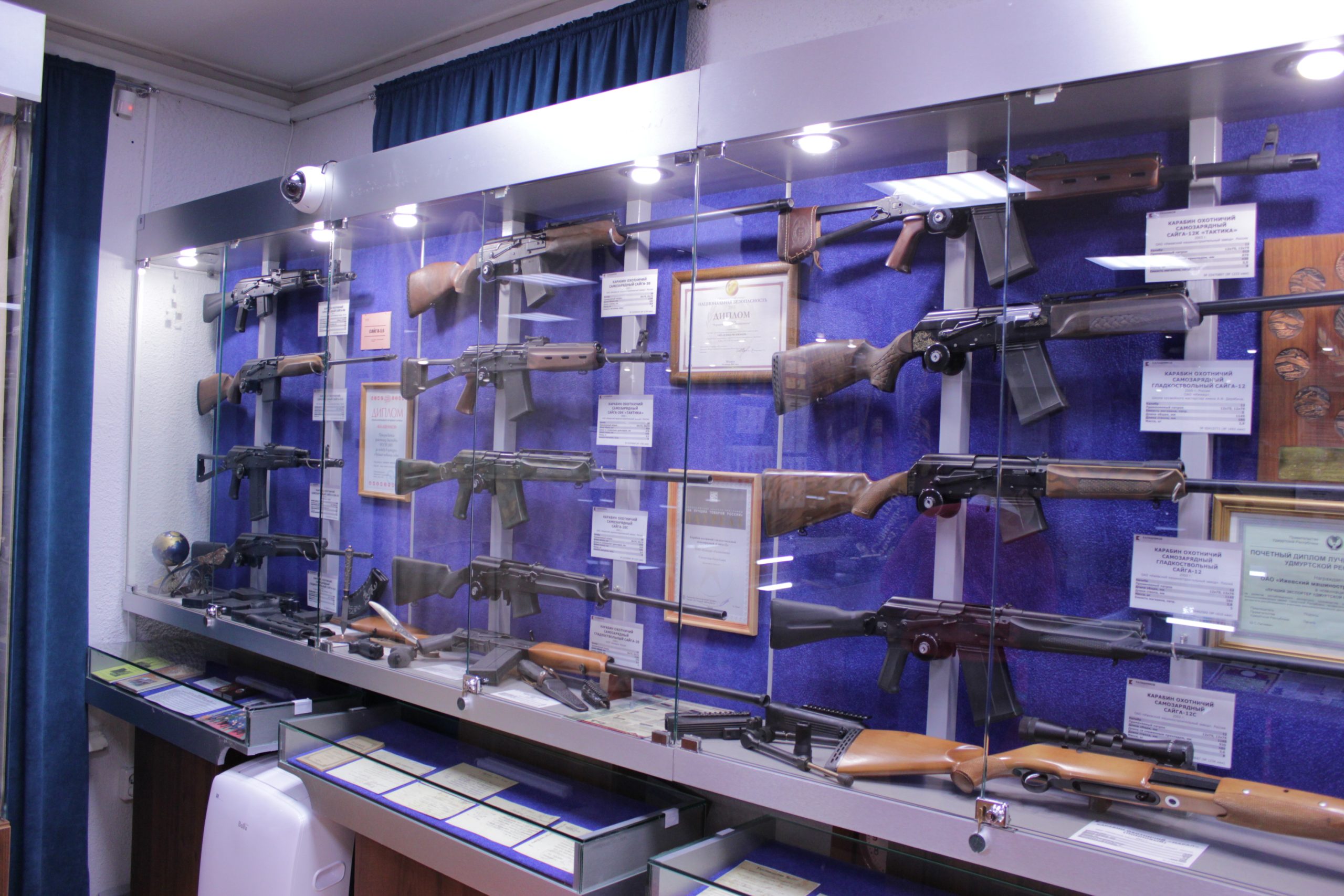
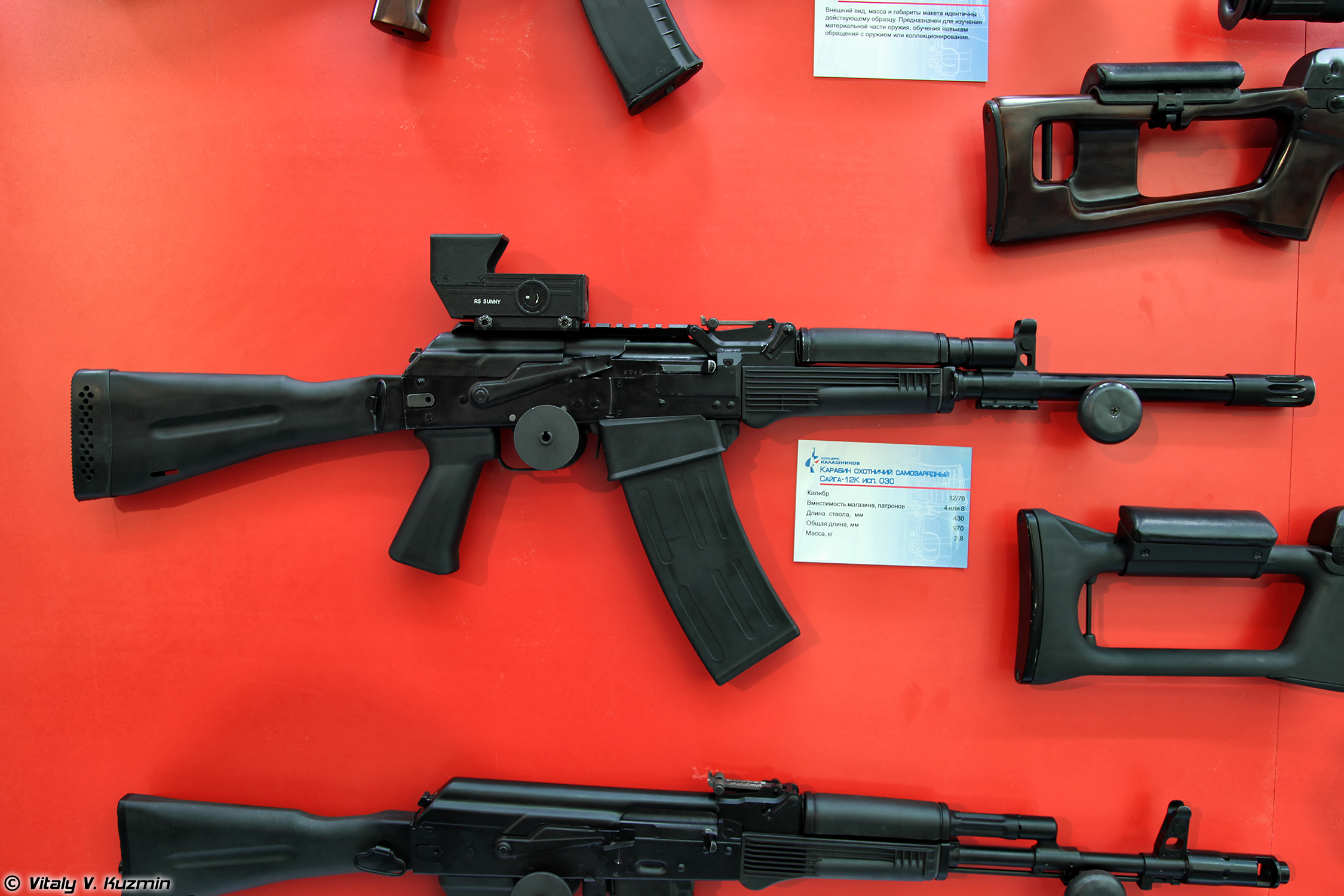
The Saiga-12 was no single fixed model. Russian production included versions with different stocks, barrel lengths, and configurations intended for different civilian applications. Commonly documented barrel lengths included approximately 430 mm and 580 mm, while some versions incorporated folding stocks and AK-style furniture. Other variants were marketed under names such as Saiga-12S and Saiga-12K. This variety mattered because the family could be configured for sporting use, compact handling, or different customer preferences. The underlying 12-gauge semiautomatic concept remained consistent across the range.
6. The 2014 Sanctions Changed Its U.S. Story
The decisive turning point came in July 2014. The U.S. Treasury designated Kalashnikov Concern under sanctions on July 16, while the Commerce Department also added the company to its Entity List. ATF subsequently suspended active import permits involving designated entities and stopped approving new permits for affected defense articles. Because Kalashnikov Concern was connected to Saiga production and sales, new Russian-made Saiga-12 imports into the United States effectively stopped. The change was therefore driven by sanctions policy, not a sudden redesign or mechanical defect in the shotgun.
7. Existing Owners Were Not Automatically Banned
The phrase “made illegal” can be misleading when describing the Saiga-12 sanctions. U.S. Treasury guidance specifically addressed people who already owned Kalashnikov products before the designation. If a product had been completely purchased and paid for before July 16, 2014, the sanctions did not simply block the owner’s possession. Treasury also explained that secondary-market sales could be possible when Kalashnikov Concern had no continuing interest in the transaction. In other words, the major impact was on new sanctioned transactions and imports, not an automatic confiscation of every Saiga-12 already legally owned.
8. The Saiga-12 Became a Collector’s Time Capsule
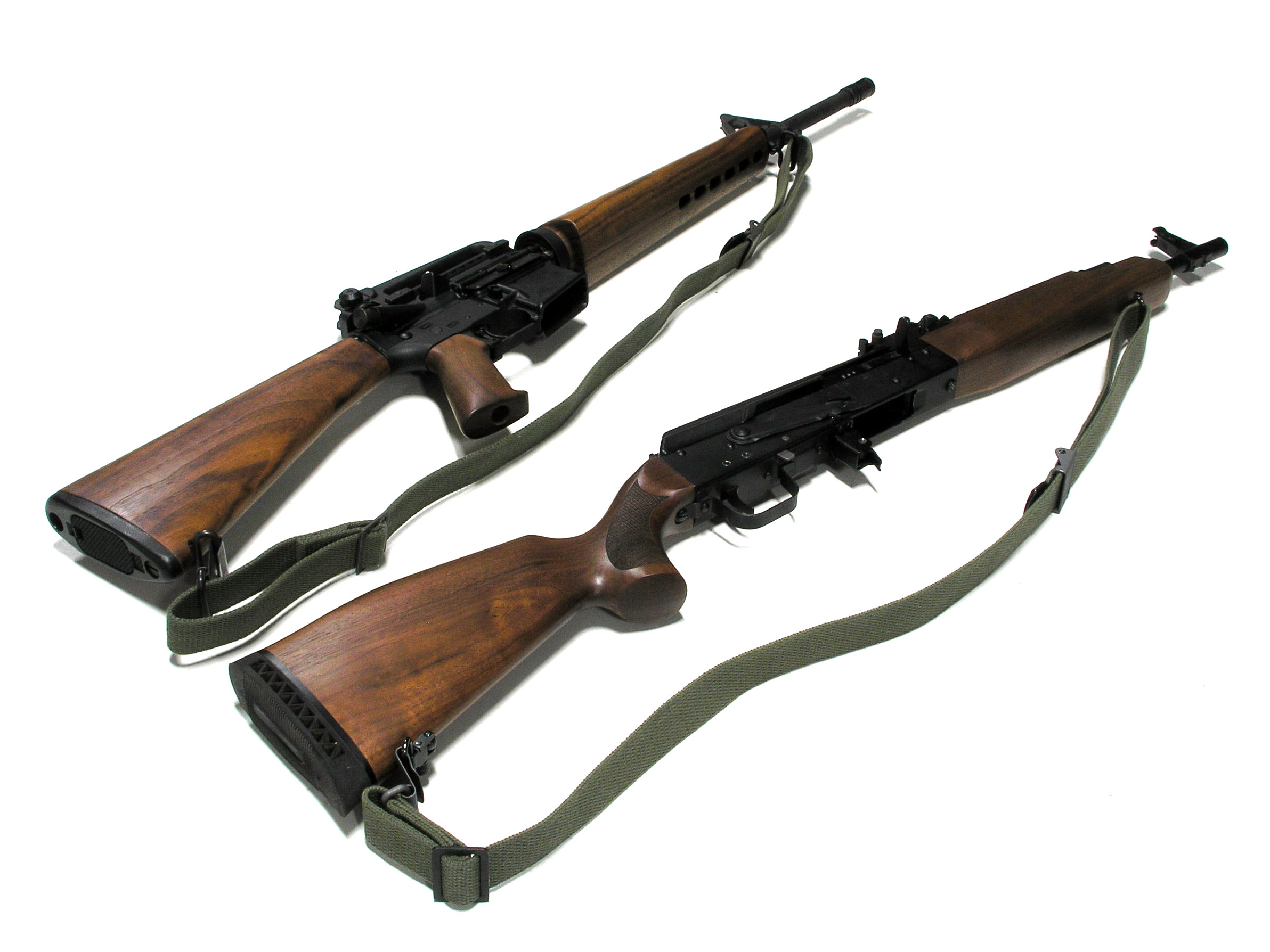
The sanctions transformed the Saiga-12 from a relatively unusual imported shotgun into an increasingly interesting piece of firearms history. A Russian-made example already inside the United States represented a product line that could no longer be replenished through ordinary imports after the 2014 sanctions. Its combination of 12-gauge ammunition, detachable magazines, Kalashnikov-style controls, and Russian manufacture gave it a distinctive place among American sporting firearms. The story is especially notable because one policy decision in 2014 changed the availability of an entire imported family without automatically outlawing every example already in private hands.