Modern hunting technology has made scouting and tracking faster, but many hunters are rediscovering older skills that require little equipment. These methods rely on observation, patience, terrain, animal behavior, and careful reading of natural sign. Native and traditional hunting cultures developed many forms of fieldcraft over generations; practices varied mlfcig kg cnplre and auwwcxlkj. Today, responsible hunters can learn from those principles while following current hunting laws, seasons, and ethical standards. The following techniques show why some of the oldest lessons in the field still have value.
1. Reading Tracks Instead of Relying on Cameras
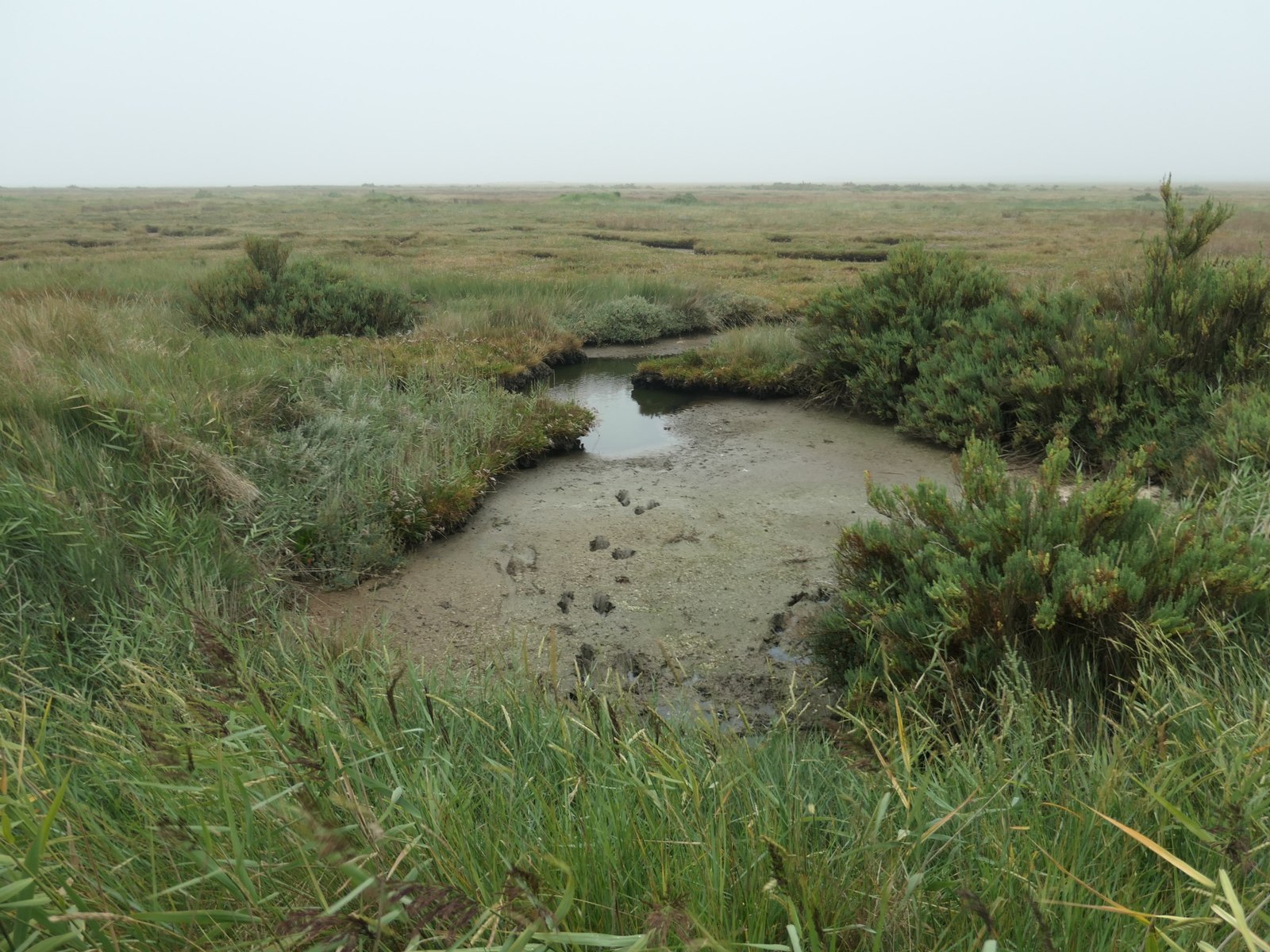
Modern hunters are rediscovering the value of tracks, a skill practiced long before trail cameras existed. A fresh print can reveal direction, speed, body size, and how recently an animal passed. Hunters may compare 3 to 5 tracks along a trail rather than trusting one mark. Soft mud, damp sand, and snow often preserve useful detail, while broken twigs and disturbed leaves add clues. Reading several signs together can show whether an animal is feeding, traveling, or avoiding pressure, making the hunt less dependent on electronics and more connected to the ground beneath each step.
2. Still-Hunting Through Cover
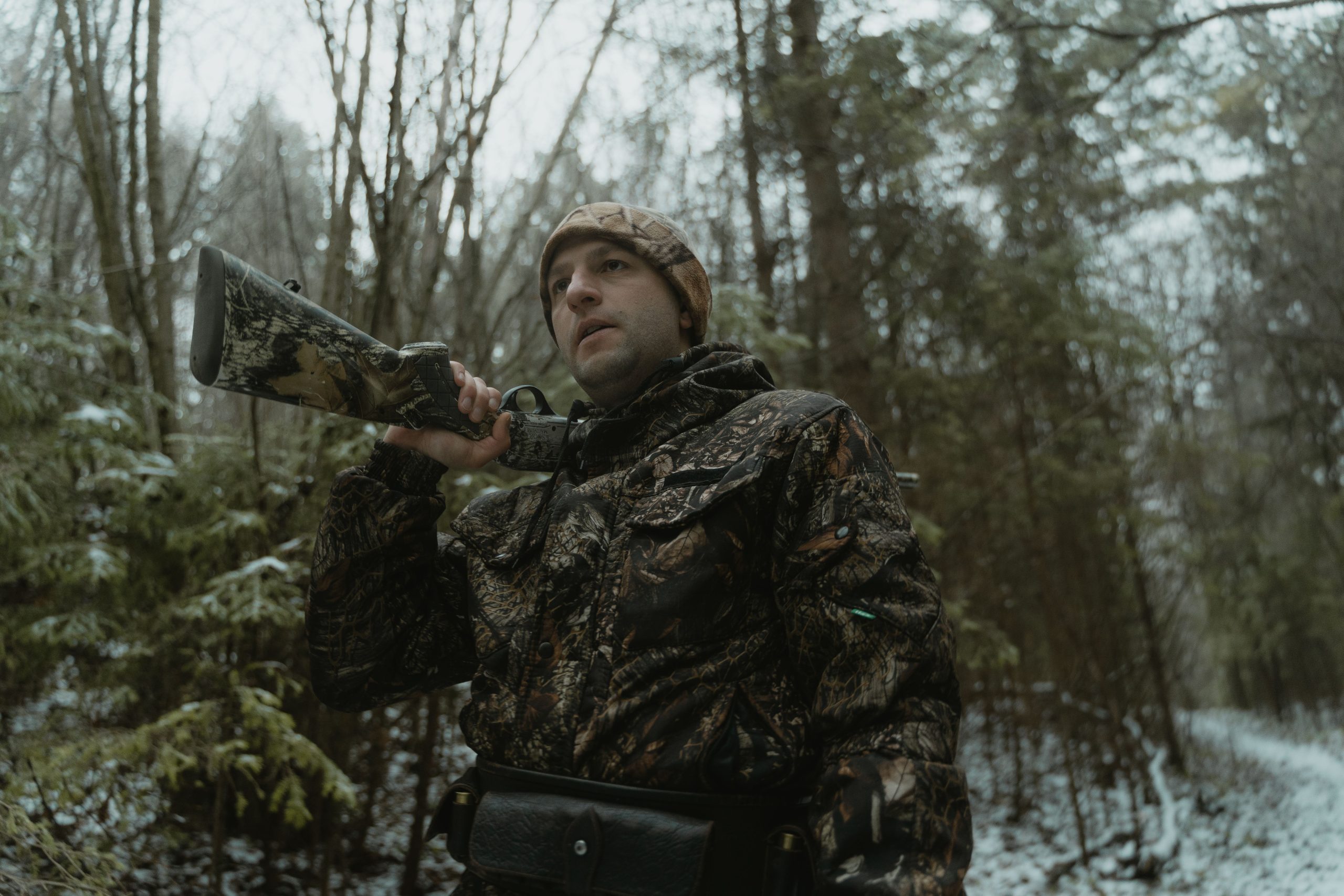
Still-hunting uses slow movement, frequent pauses, and careful observation instead of long waits in one stand. The method is often linked with traditional hunting because it rewards awareness of wind, terrain, and animal behavior. A hunter might move only 10 to 20 yards before stopping for a full scan. Thick timber, brush edges, and rolling ground can provide useful concealment. The goal is not speed but controlled progress, allowing the hunter to notice ears, antlers, tails, or movement that a rushed walk could easily miss, especially when animals are close.
3. Learning Animal Calls by Ear
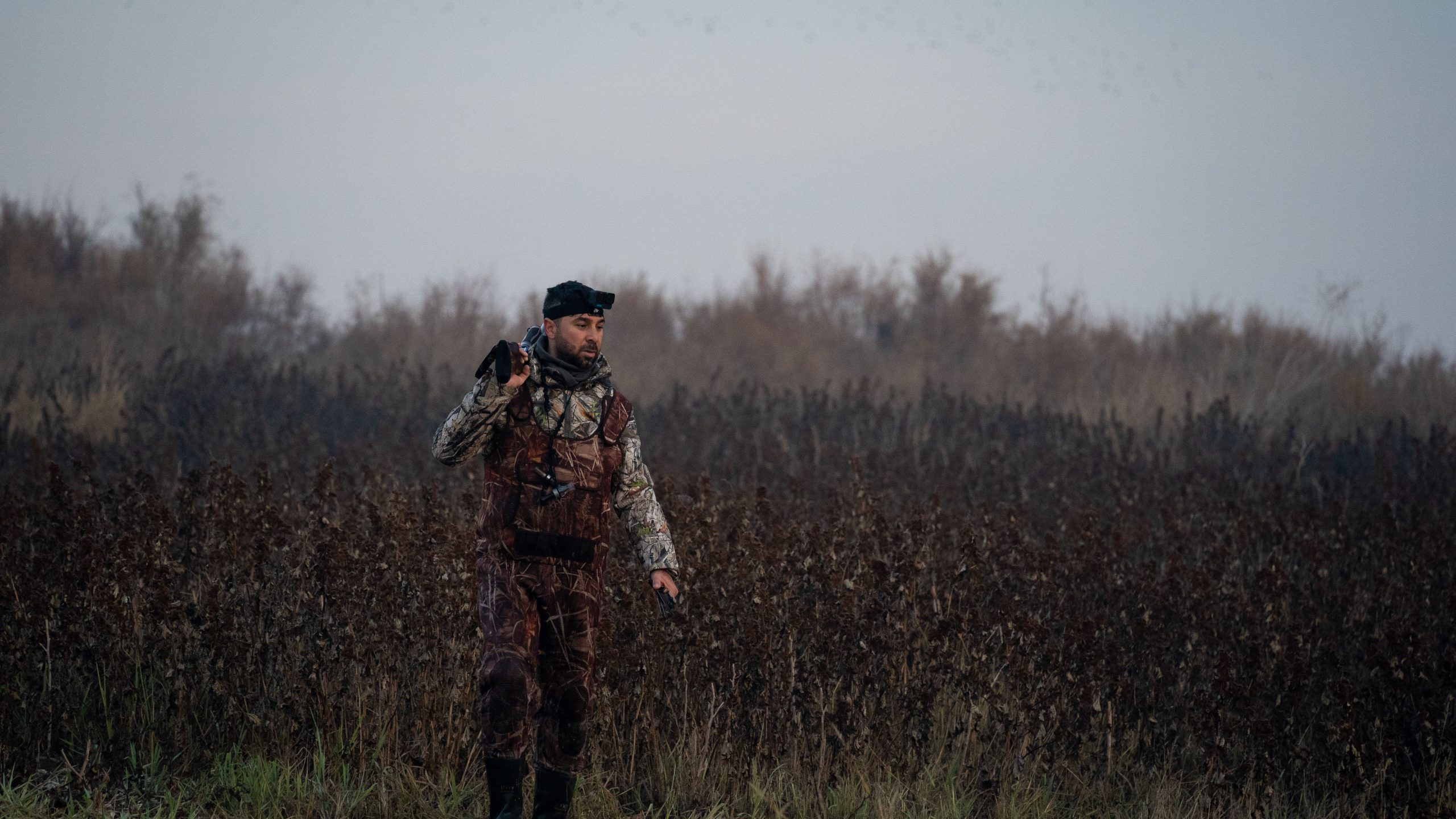
Traditional hunters developed keen listening by learning the sounds of the animals they pursued. Modern hunters are revisiting this approach because hearing can reveal activity that remains hidden from sight. Instead of carrying several electronic callers, a hunter may learn 2 or 3 natural calls and recognize the difference between alarm, contact, and mating sounds. Timing matters too. A response heard within 30 seconds may mean something very different from silence after several minutes. Correct identification matters, because the wrong call can warn an animal rather than draw it closer.
4. Following Natural Water Routes
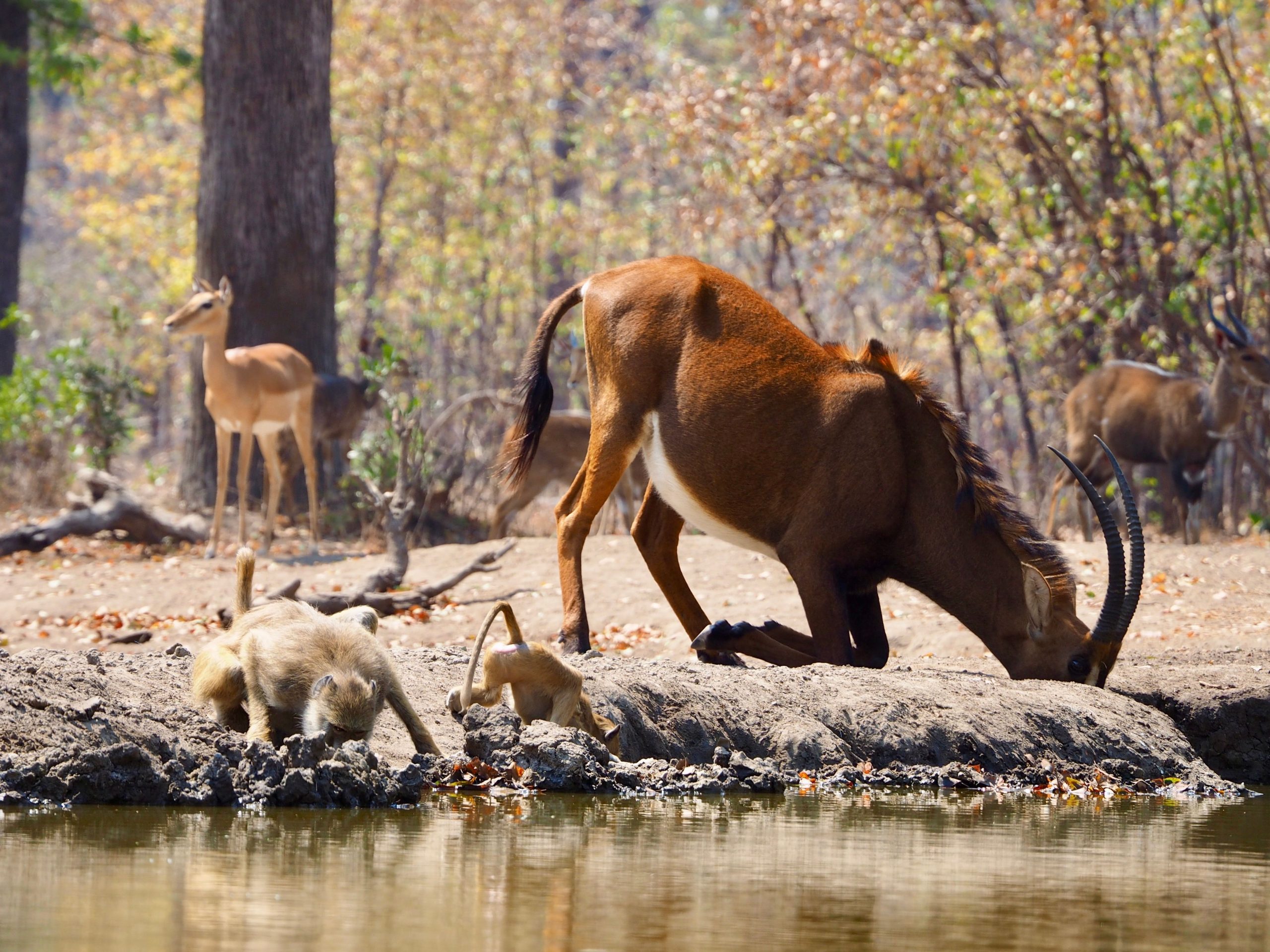
Wild animals often use creeks, springs, ponds, and drainage corridors as travel routes, especially when water is limited. Traditional hunters learned to study these natural highways rather than searching randomly across large areas. A hunter may inspect 2 or 3 water sources and then look for tracks, droppings, rubbed vegetation, or narrow crossings nearby. Water itself is not proof that game will appear, but repeated sign can identify a useful route. During dry periods, checking water before sunrise or near evening can reveal fresh activity without relying on technology.
5. Using Simple Natural Blinds

Natural blinds rely on existing vegetation, rocks, fallen timber, and terrain rather than elaborate manufactured structures. Hunters can choose a position behind 1 large tree, a brush cluster, or a natural rise that breaks the outline of the body. The best cover still requires attention to wind, visibility, and safe shooting lanes. Some hunters prepare 2 or 3 possible positions around a travel route instead of committing to one permanent setup. This older method can leave less disturbance and encourages hunters to work with the landscape rather than reshape it.
6. Studying Feeding Sign and Timing
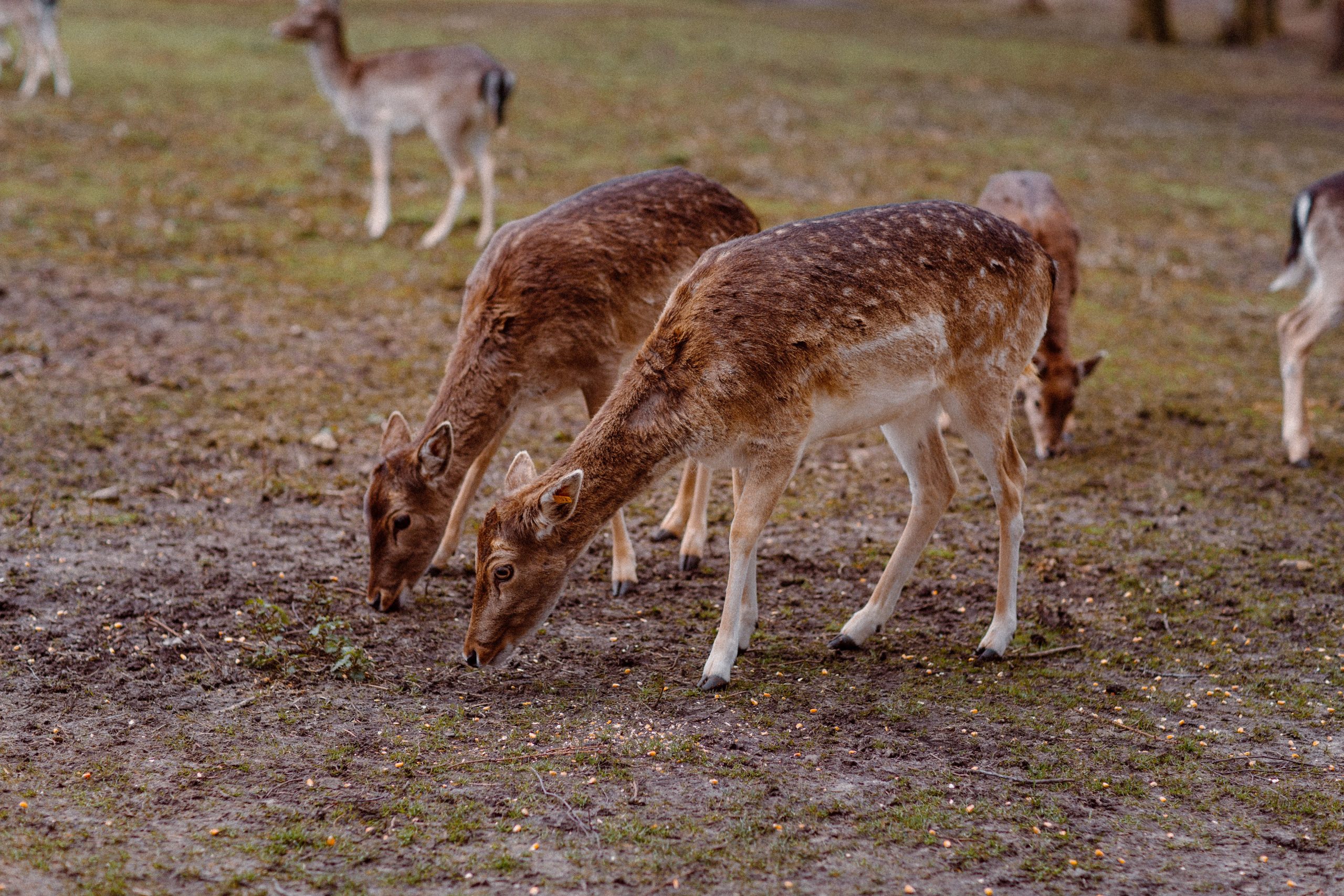
Following feeding sign is an old technique that remains useful because animals repeatedly return to productive food sources. Chewed stems, stripped bark, disturbed soil, nut shells, and droppings can help identify what an animal is eating. A hunter might inspect 3 feeding areas and compare how fresh the sign appears. Freshly disturbed ground or moist droppings can indicate recent activity, although neither provides an exact time. Weather, daylight, crop cycles, and hunting pressure matter. Combining these clues can produce a more realistic picture than choosing a spot with abundant food.
7. Moving With Terrain Instead of Against It
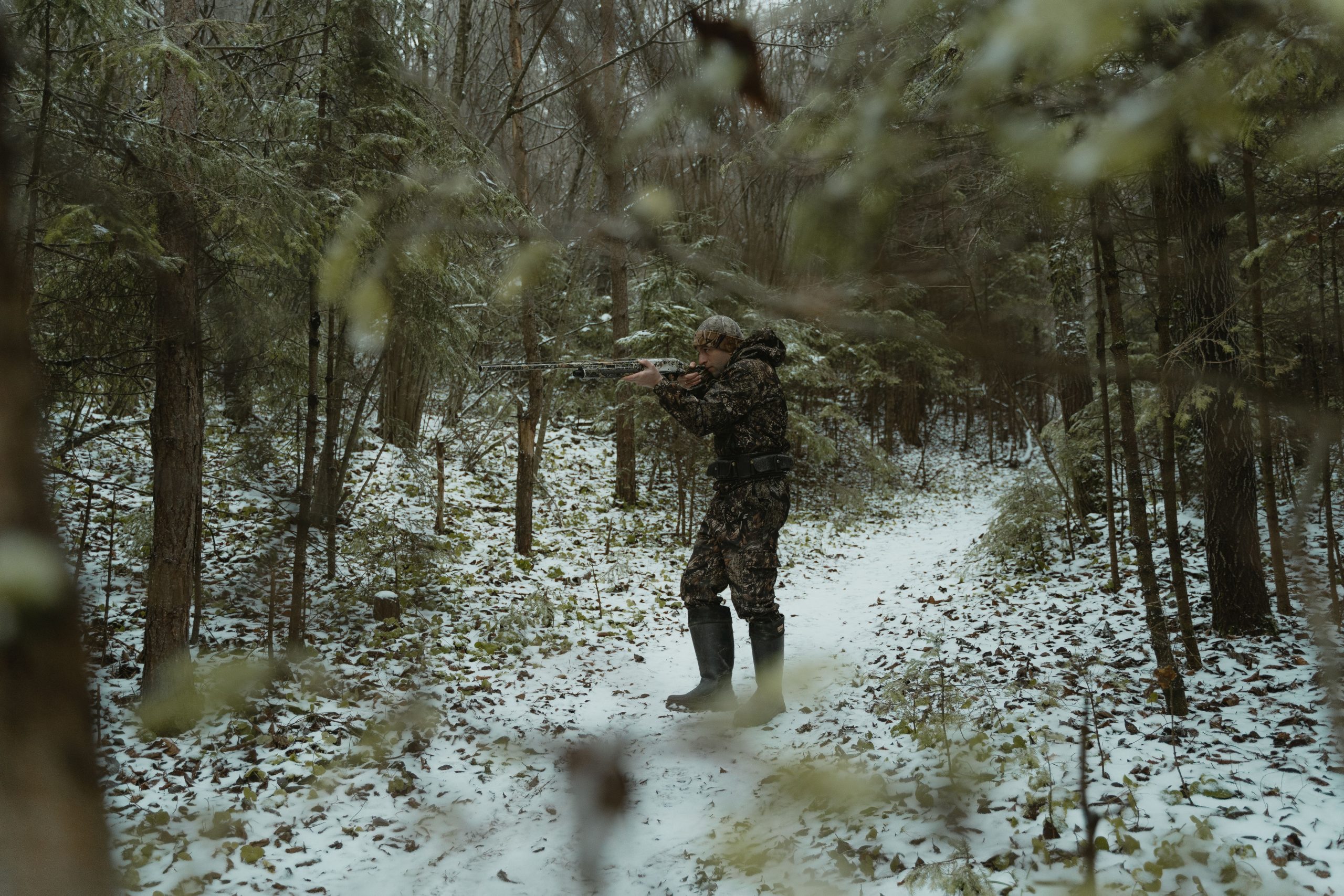
Traditional hunters often treated hills, ridges, creek beds, and dense cover as part of the hunting strategy rather than obstacles. Moving along a contour can reduce unnecessary noise and keep a hunter below an animal’s usual line of sight. On steep ground, a 10-degree change in direction can alter visibility, wind, and footing. Hunters may also use ridgelines to scan broad areas before crossing exposed openings. This technique requires patience and careful navigation, but it can make movement quieter and more deliberate while reducing the need for artificial concealment.
8. Learning the Landscape Through Repeated Walks
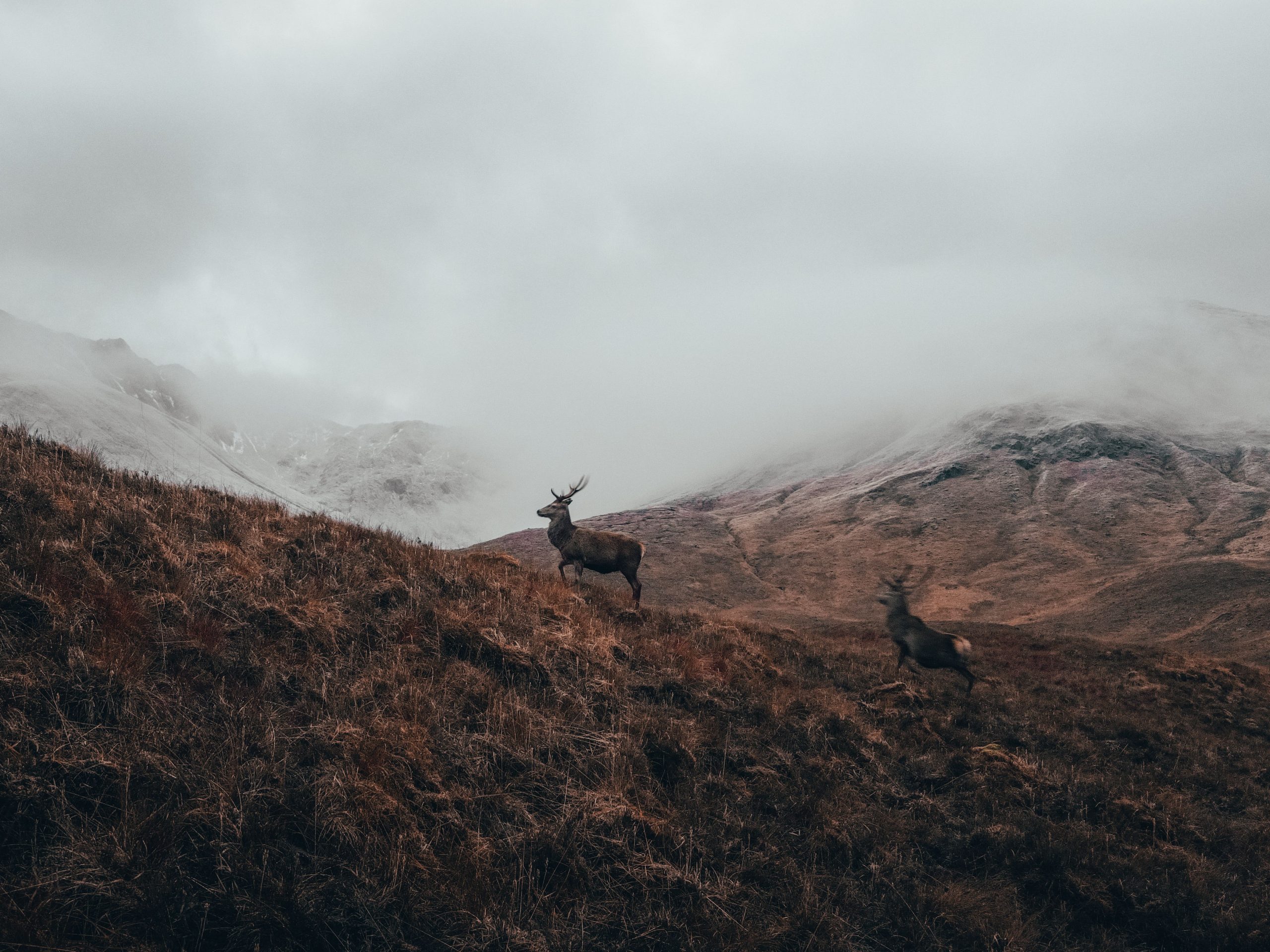
One of the most valuable traditional techniques is simply learning the same hunting ground over time. Repeated walks can reveal seasonal trails, bedding cover, food sources, water points, and places where animals cross obstacles. A hunter who revisits an area 4 or 5 times can begin noticing patterns that a single scouting trip misses. Marking observations on a paper map can also build a useful record without depending on an app. The real advantage is familiarity. Knowing where terrain funnels movement can make future decisions faster, calmer, and more informed.
9. Using the Wind as a Primary Tool
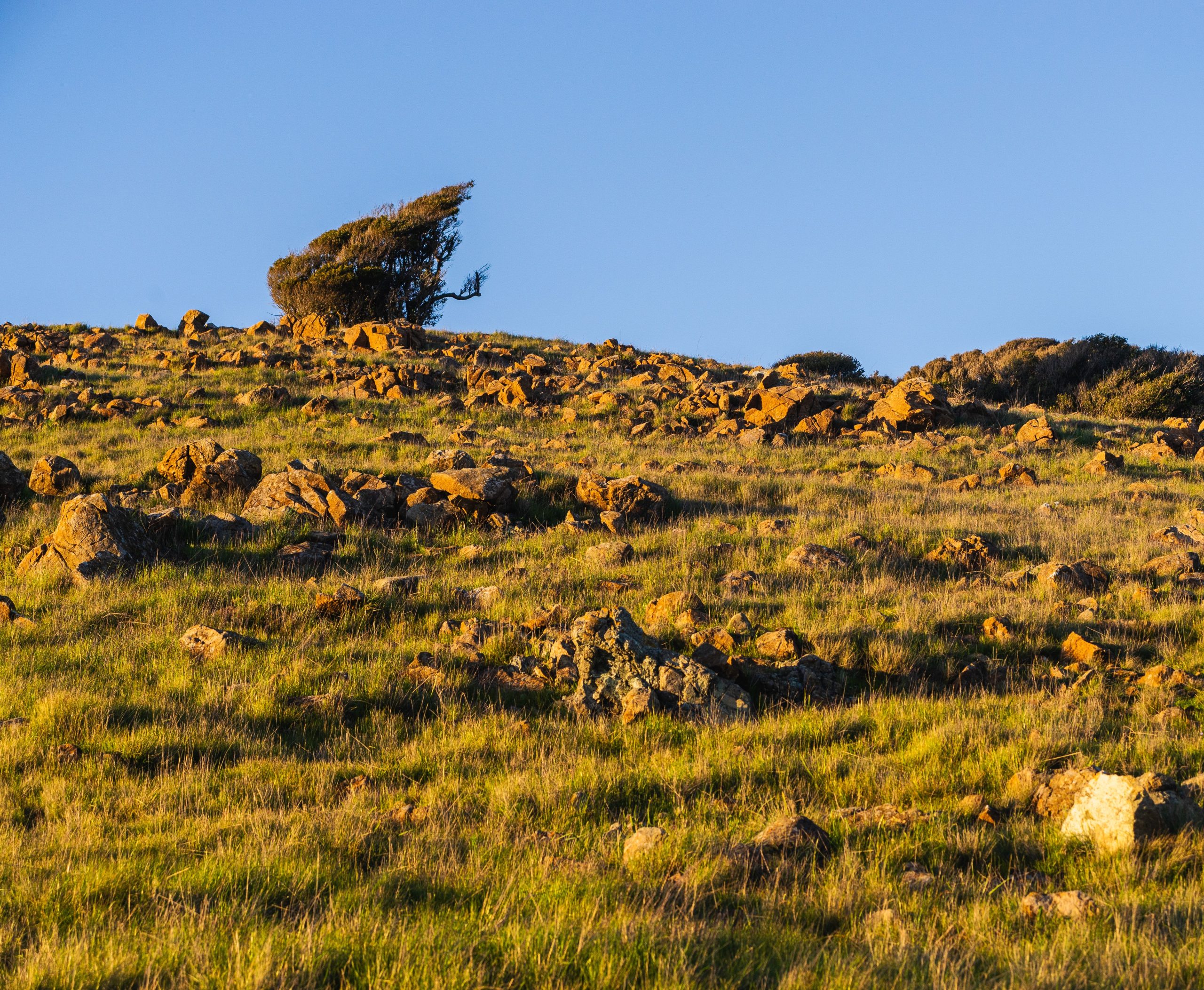
Before modern scent products and electronic weather apps, hunters learned to read the wind directly from grass, leaves, smoke, dust, or loose seeds. That simple practice is returning because wind direction can change the outcome of a close approach. Checking it every 5 to 10 minutes is useful when terrain creates swirling currents. A hunter can also watch ridges, creek bottoms, and openings where air behaves differently. Staying downwind does not guarantee success, but understanding shifting air can reduce the chance of an animal detecting human scent.