The deserts of the American Southwest may look quiet and empty, but they’re some of the toughest places to travel unprepared. From scorching days to cold, windy nights, these landscapes push your limits fast. Learning how to move, hydrate, navigate, and protect yourself can turn a dangerous situation into a manageable experience. These lessons, shaped by real desert challenges, help you stay alert, steady, and smart in unforgiving terrain.
1. Respect Extreme Temperature Swings
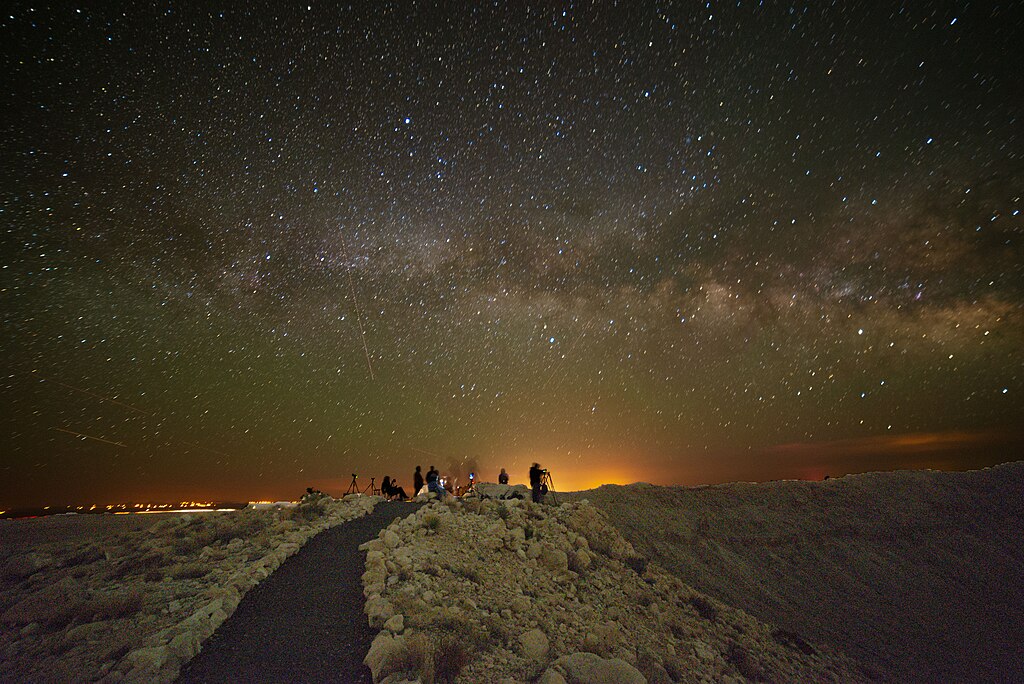
Desert heat drains energy quickly, but many hikers underestimate how brutally cold nights can be. Temperatures may drop 40 degrees or more after sunset, catching travelers by surprise. Wearing layers that breathe during the day and insulate at night helps your body adjust smoothly. Planning your journey around early morning or late afternoon hours also keeps exposure manageable, reducing the risk of heat exhaustion or nighttime chills.
2. Carry More Water Than You Expect

In the Southwest, dehydration sets in faster than most people realize. Dry winds pull moisture from your body even when you aren’t sweating heavily. Carrying extra water, often a gallon or more per person, is essential for longer travel. It’s wise to store small backup containers in case your main supply leaks or overheats. Drinking consistently instead of waiting until you’re thirsty keeps your body balanced and alert across miles of dusty terrain.
3. Learn to Identify Reliable Shade
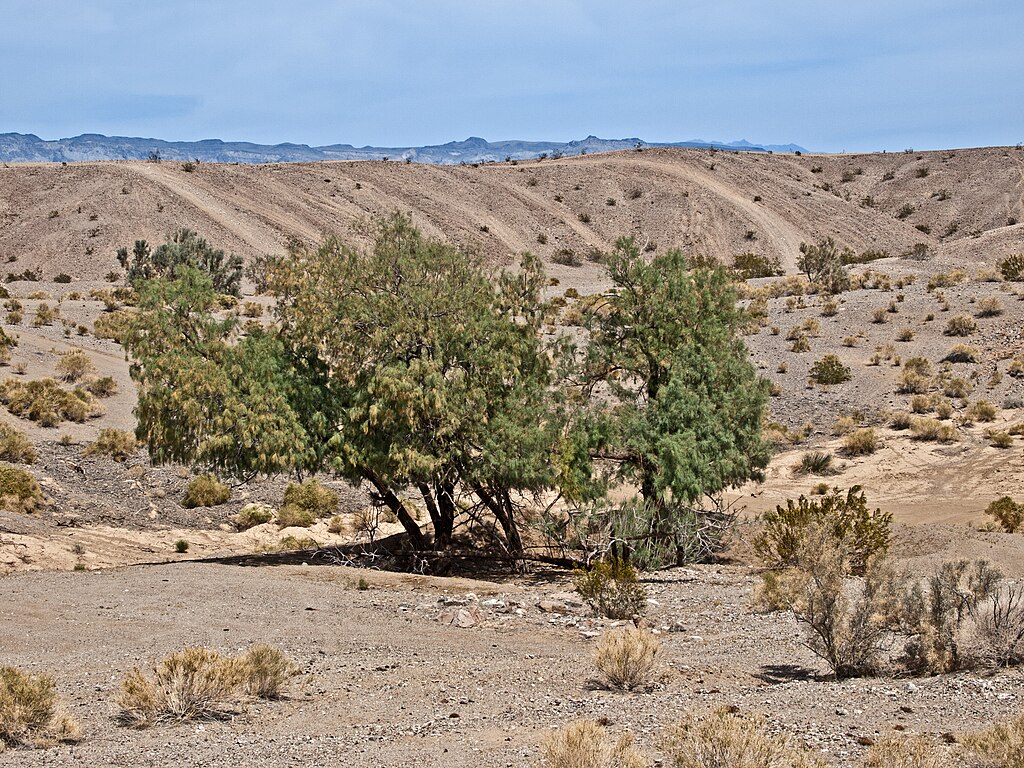
Shade is more than comfort in the desert; it’s a survival tool. Even a few minutes of rest under a rock overhang or a lone mesquite tree can cool your core temperature. Understanding how shadows shift across the day helps you plan breaks more efficiently. When natural shade is scarce, a lightweight emergency tarp becomes invaluable. Using shade wisely preserves energy, prevents overheating, and lets you travel longer with steadier focus.
4. Navigate with Multiple Backup Methods
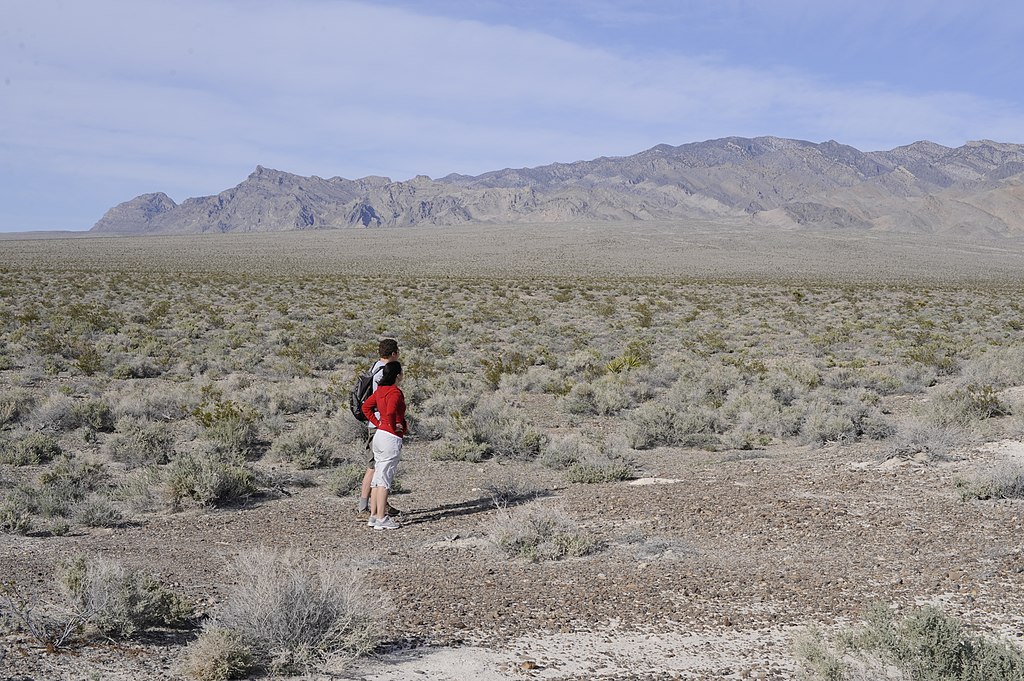
GPS signals may fail in remote desert canyons, and phone batteries drain faster under the heat. Carrying a paper map and a reliable compass gives you a dependable fallback. Recognizing natural navigation markers like mountain ridges, dry riverbeds, and distinctive rock formations helps confirm your direction. Checking your route frequently prevents small mistakes from becoming dangerous detours when water supplies and daylight are limited.
5. Watch the Sky for Sudden Storms
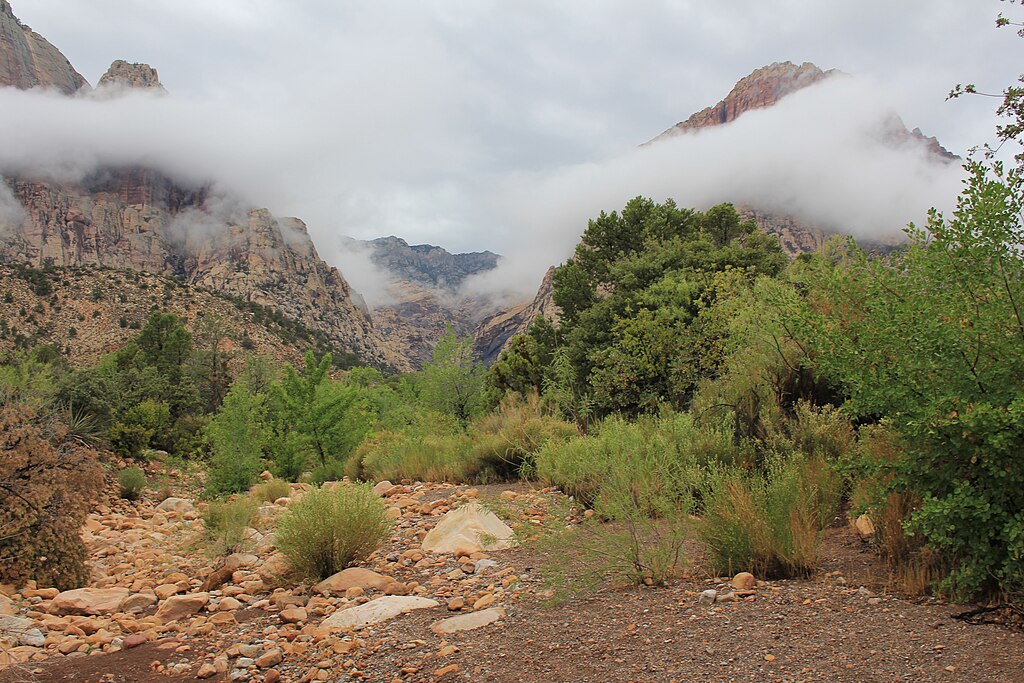
Despite the heat, the Southwest can unleash fast-moving storms that turn dry washes into raging floods. Clouds building along distant ridgelines often signal trouble within minutes. Avoid resting or camping in low areas where water collects. Lightning is another serious threat in open desert flats. Staying aware of weather changes and choosing high, stable ground when storms approach can prevent life-threatening surprises.
6. Protect Yourself from Burn and Exposure
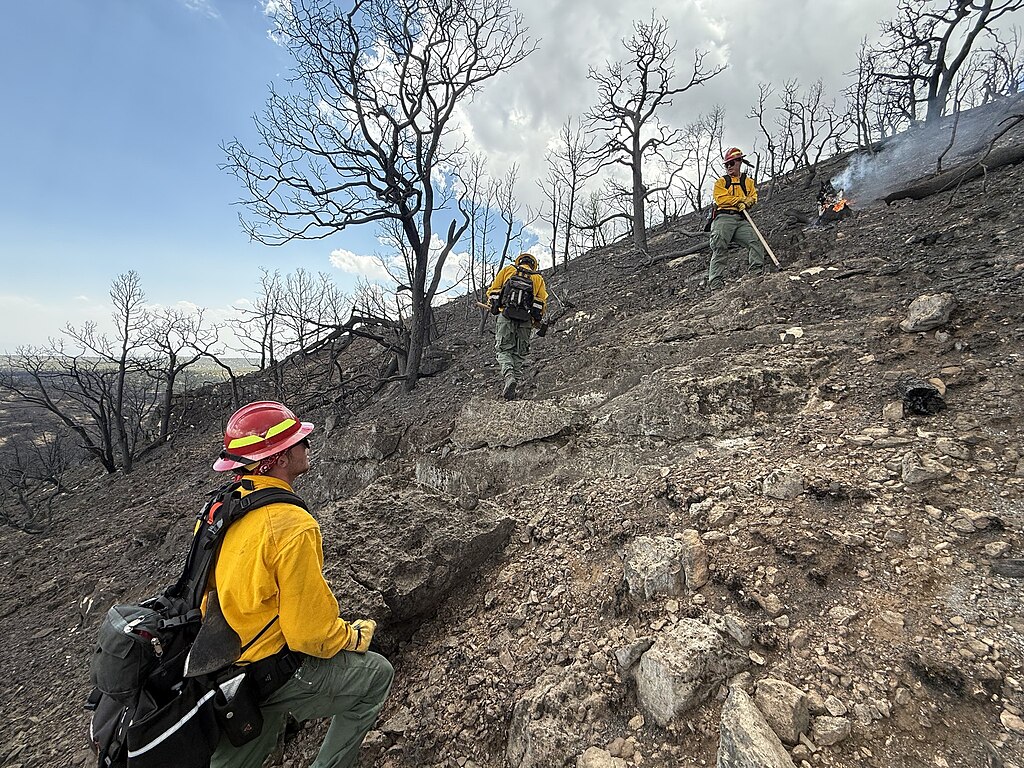
Sun exposure in Arizona, Nevada, and New Mexico is harsher than it feels. Lightweight long sleeves, wide-brim hats, and strong sunscreen shield your skin from intense UV rays. Covering up also helps your body retain moisture, reducing dehydration. Sunglasses with UV protection keep your vision sharp when the landscape reflects sunlight. Small burns and cracked skin may seem minor, but they can quickly slow you down in unforgiving heat.
7. Stay Alert for Wildlife Encounters
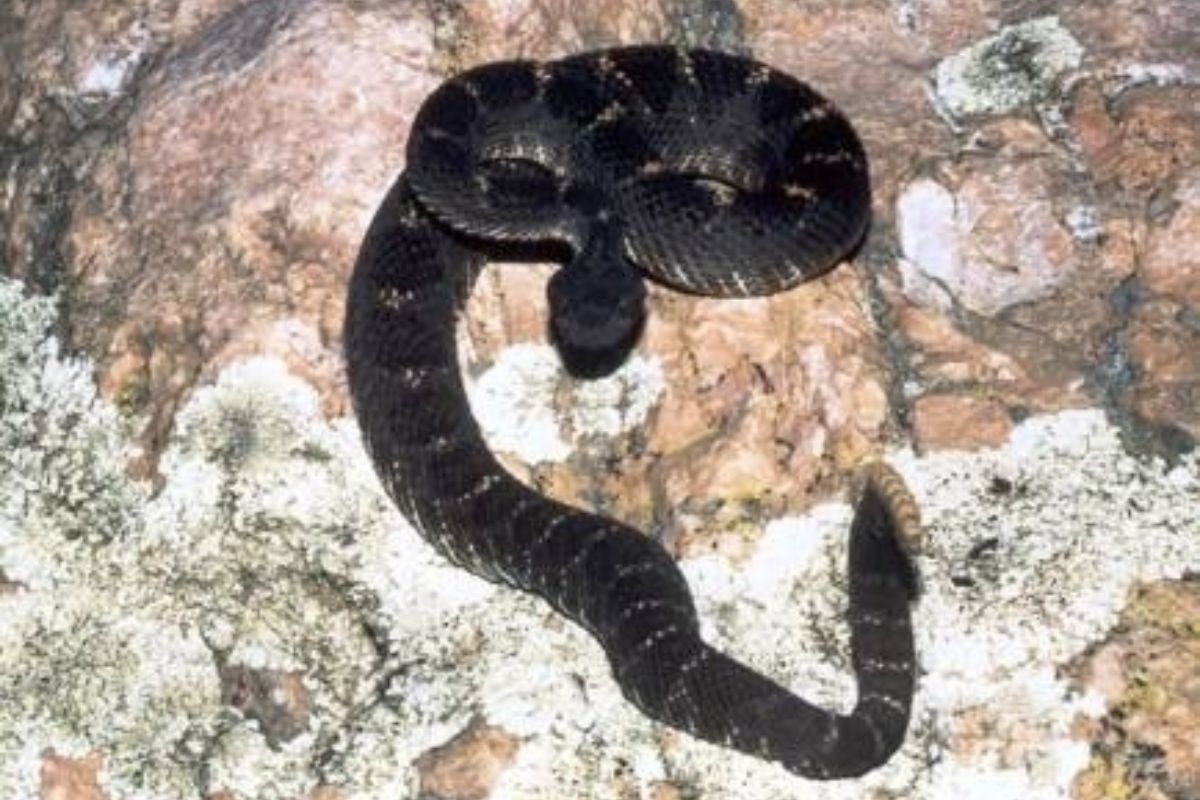
Desert wildlife tends to avoid humans, but encounters still happen when you least expect them. Rattlesnakes blend with sand and rock, so stepping carefully around brush and shaded stones is important. Never place your hands blindly into crevices. Coyotes and foxes usually keep their distance but may approach food or water sources. Maintaining awareness of your surroundings ensures calm decisions rather than rushed reactions that could lead to injury.
8. Conserve Energy with Smart Movement
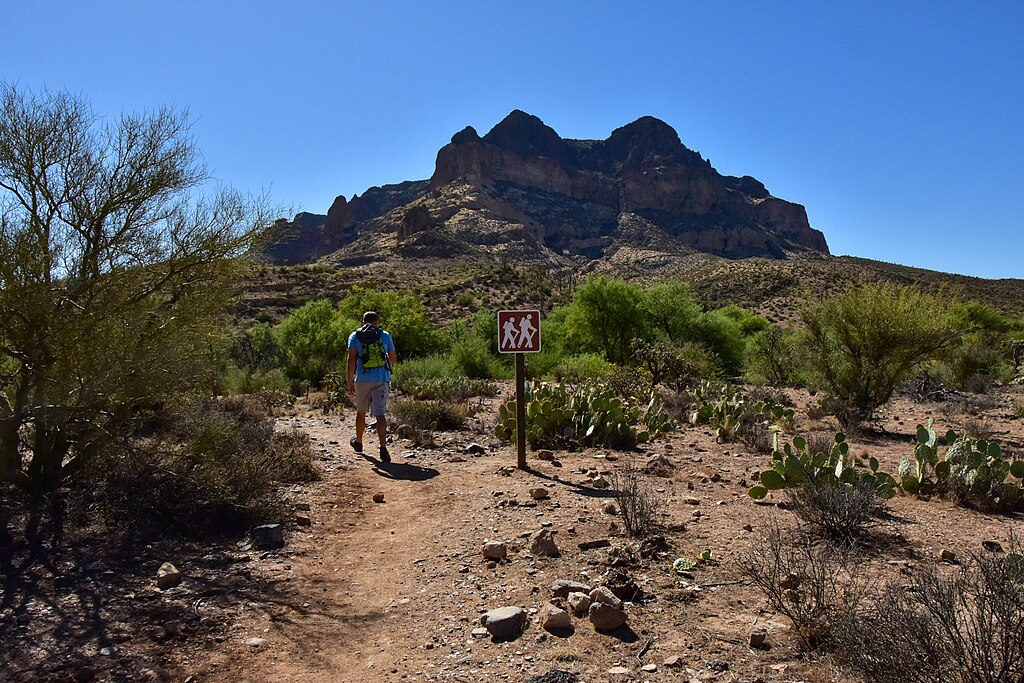
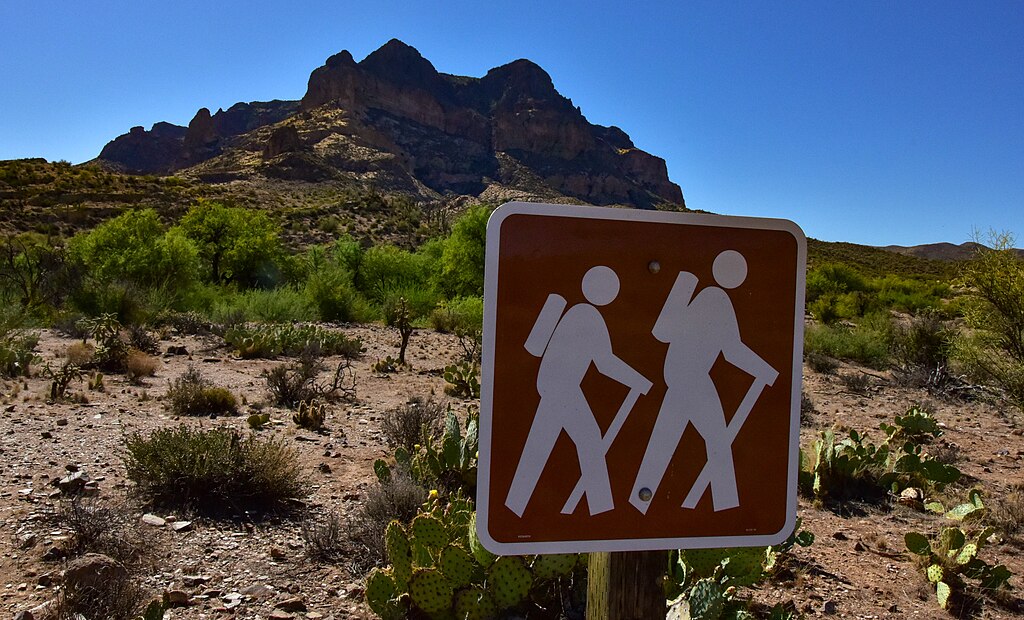
Walking too fast in the desert heat drains your strength quickly. Slow, steady pacing helps you preserve hydration and reduces heat stress. Resting briefly in shaded areas during the hottest hours maintains your momentum through the day. Using trekking poles eases pressure on your legs and keeps your balance on loose gravel or soft sand. Energy conservation is one of the most overlooked yet most effective desert survival habits.