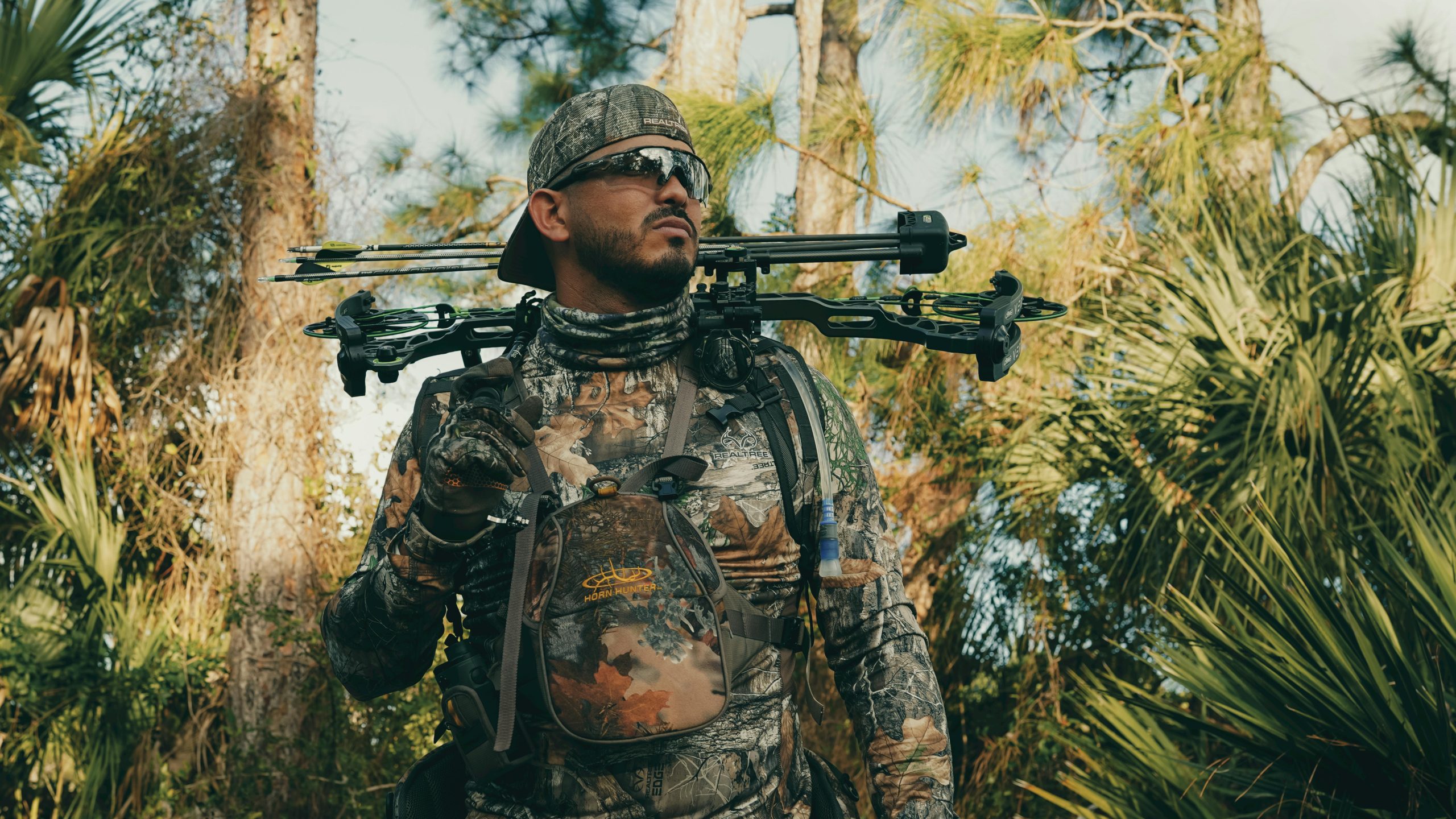
The crossbow market has undergone a pricing transformation over the past four years that longtime hunters have noticed with increasing frustration, and the pushback happening across hunting forums, retail reviews, and social media communities reflects something more substantive than routine consumer complaints about inflation. Crossbow buyers are not objecting simply because prices are higher. The average retail price of a mid-tier hunting crossbow has increased approximately 35 to 45 percent since 2021, a figure that significantly outpaces both general inflation and the actual cost increases that raw material and component pricing would explain. The eight brands examined here are not being criticized for making poor products. Several of them make genuinely excellent crossbows. They are being examined specifically because hunters with real field experience have identified a growing gap between what these brands charge and what that money delivers relative to alternatives that the market now provides at more honest price points.
1. TenPoint Crossbow Technologies
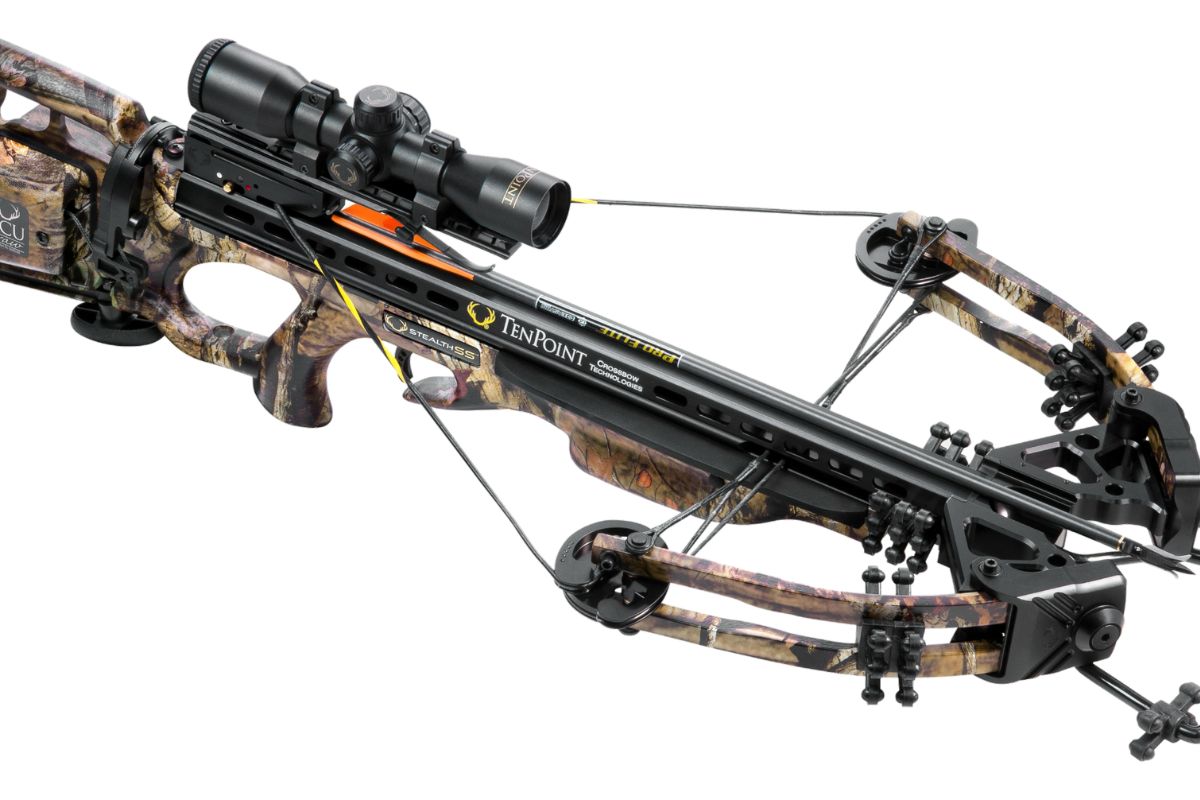
TenPoint has become one of the most recognized names in the crossbow industry, especially among serious whitetail hunters who prioritize speed and compact designs. Founded in Ohio, the company built its reputation through premium engineering, reverse draw systems, and high-performance hunting crossbows that regularly exceed 400 feet per second. Many flagship models are priced between $1,800 and $3,200, placing them firmly in the premium category. Hunters often praise the smooth trigger systems, narrow frame profiles, and advanced safety features. However, experienced users sometimes criticize the extremely high accessory costs and expensive replacement parts. While the technology and accuracy are impressive, many hunters believe comparable field performance can still be achieved from lower-priced competing brands.
2. Ravin Crossbows
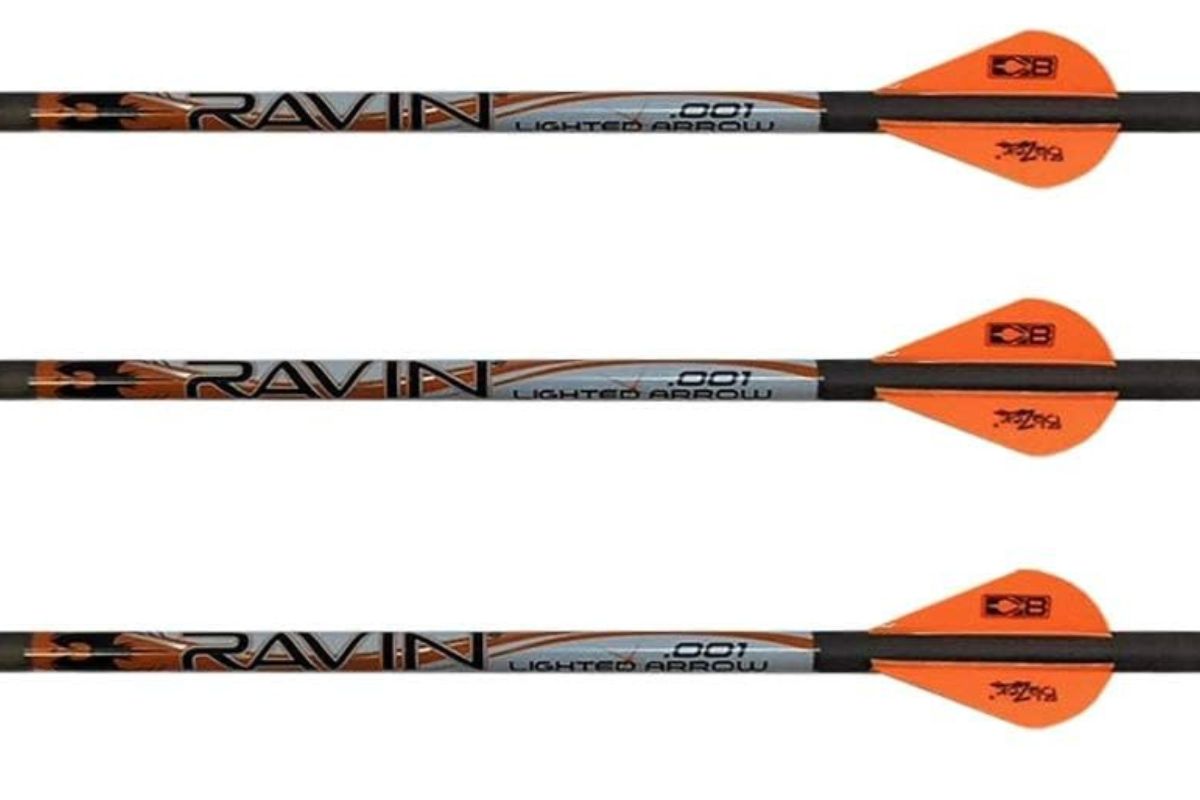
Ravin Crossbows quickly gained attention in the hunting market because of their extremely compact design, high arrow speeds, and advanced cam technology. Many flagship models produce speeds between 400 and 500 feet per second, placing them among the fastest hunting crossbows available today. Premium models often cost anywhere from $1,500 to more than $3,500 once optics and accessories are included. Hunters frequently praise the narrow axle-to-axle width, which improves movement in tree stands and tight blinds. Ravin also uses a unique HeliCoil cam system that helps maintain balanced string movement for better accuracy during longer shots.
3. Barnett Crossbows
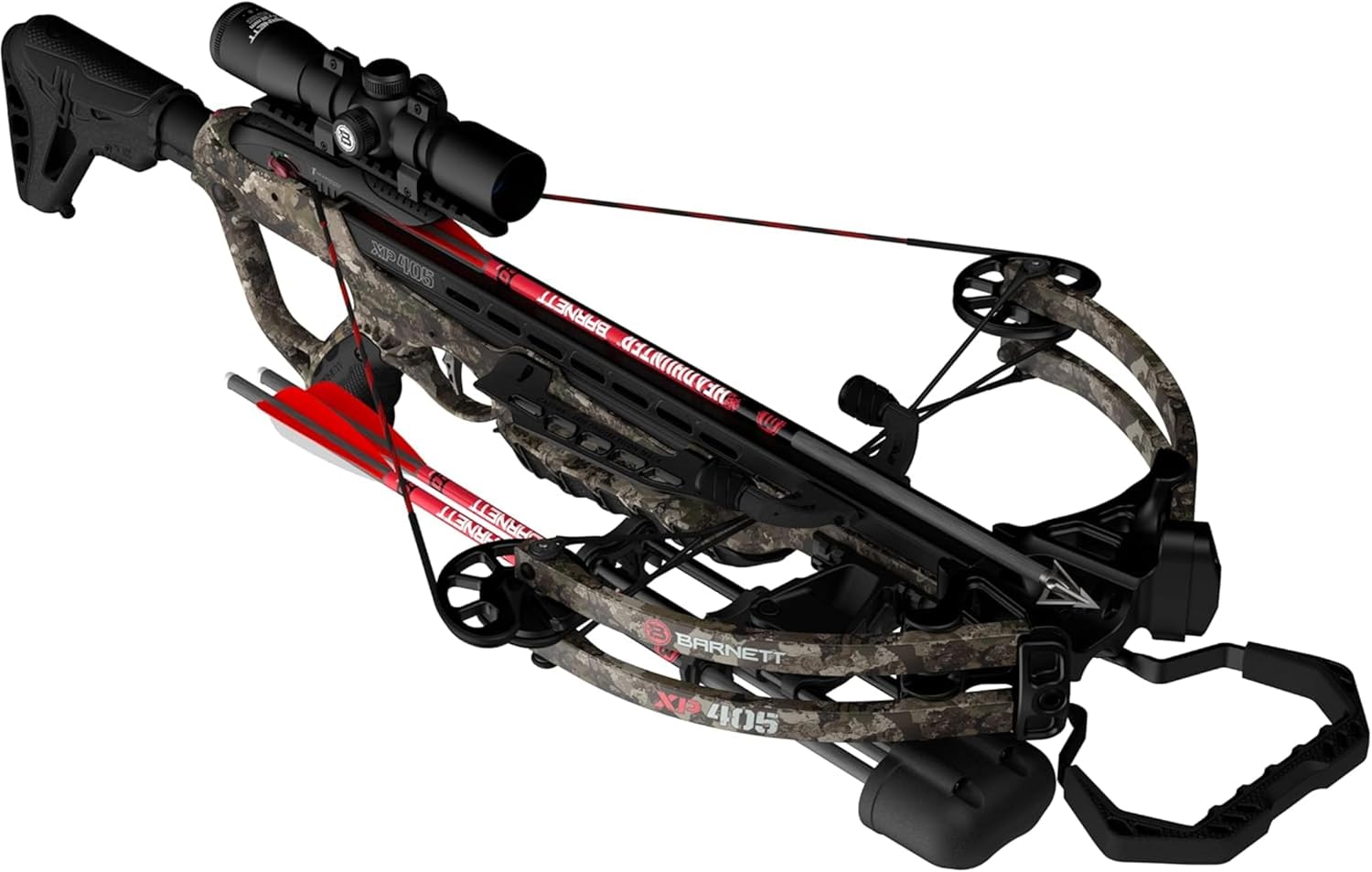
Barnett Crossbows has remained one of the most recognizable names in the hunting industry for decades, with many of its models selling between $450 and $1,200. While the company earns praise for speed ratings that often exceed 390 feet per second, experienced hunters frequently question whether the premium pricing always matches long-term reliability. Several users report issues involving string wear, vibration noise, and scope quality after heavy seasonal use. Hunters also mention that certain Barnett crossbows feel front-heavy during extended stalking sessions, especially when fully equipped with quivers and accessories. Although the brand continues attracting buyers through aggressive marketing and impressive specifications, many seasoned hunters believe comparable performance and durability can now be found from competing brands at noticeably lower prices.
4. Excalibur Crossbow
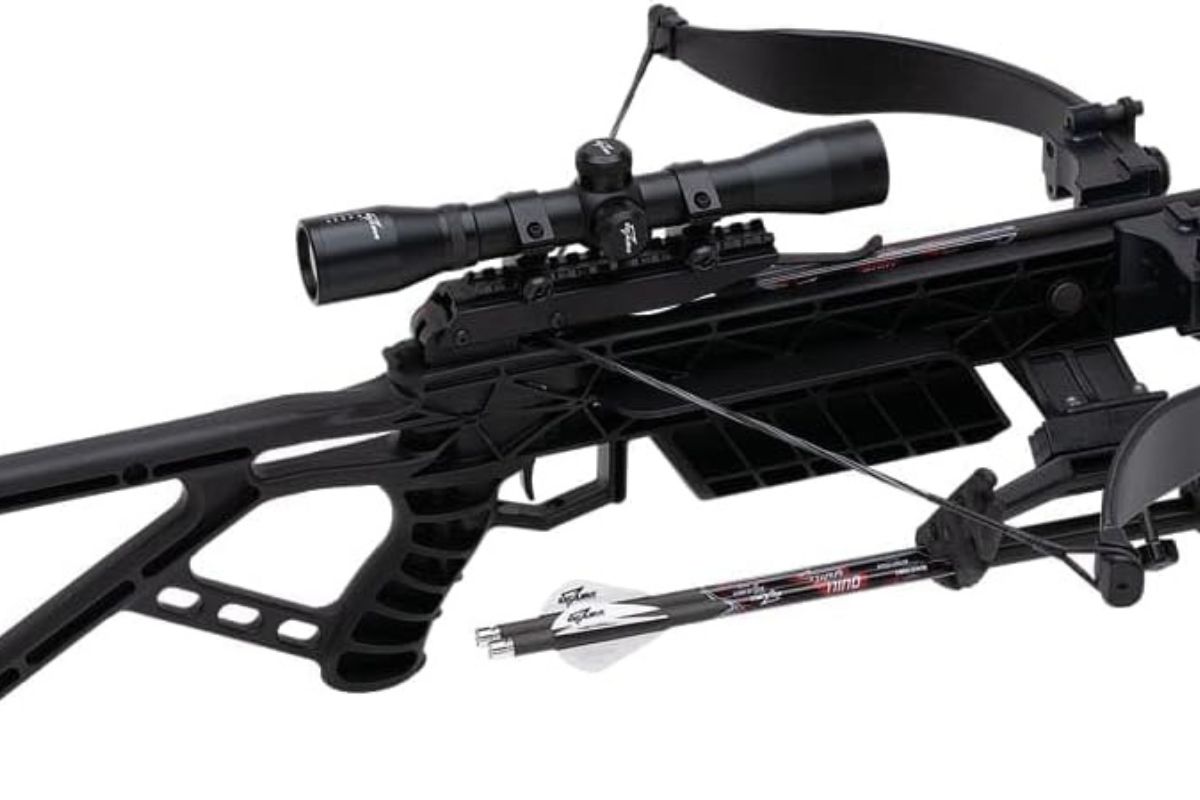
Excalibur Crossbow has built a strong reputation for producing durable recurve crossbows, but many experienced hunters now question whether the brand still delivers enough value for its rising prices. Premium models frequently cost between $1,200 and $2,000, yet several hunters argue the technology feels dated compared to newer compound designs offering quieter shots and faster arrow speeds. Most Excalibur models average around 400 FPS, which remains respectable, though users often complain about louder firing noise and stronger recoil during extended hunts. Some hunters also mention that the wider limb design becomes awkward in dense woodland or elevated blinds. While reliability remains one of the company’s biggest strengths, many buyers feel the overall hunting experience no longer fully justifies the increasingly premium price tag.
5. Horton Crossbow Innovations
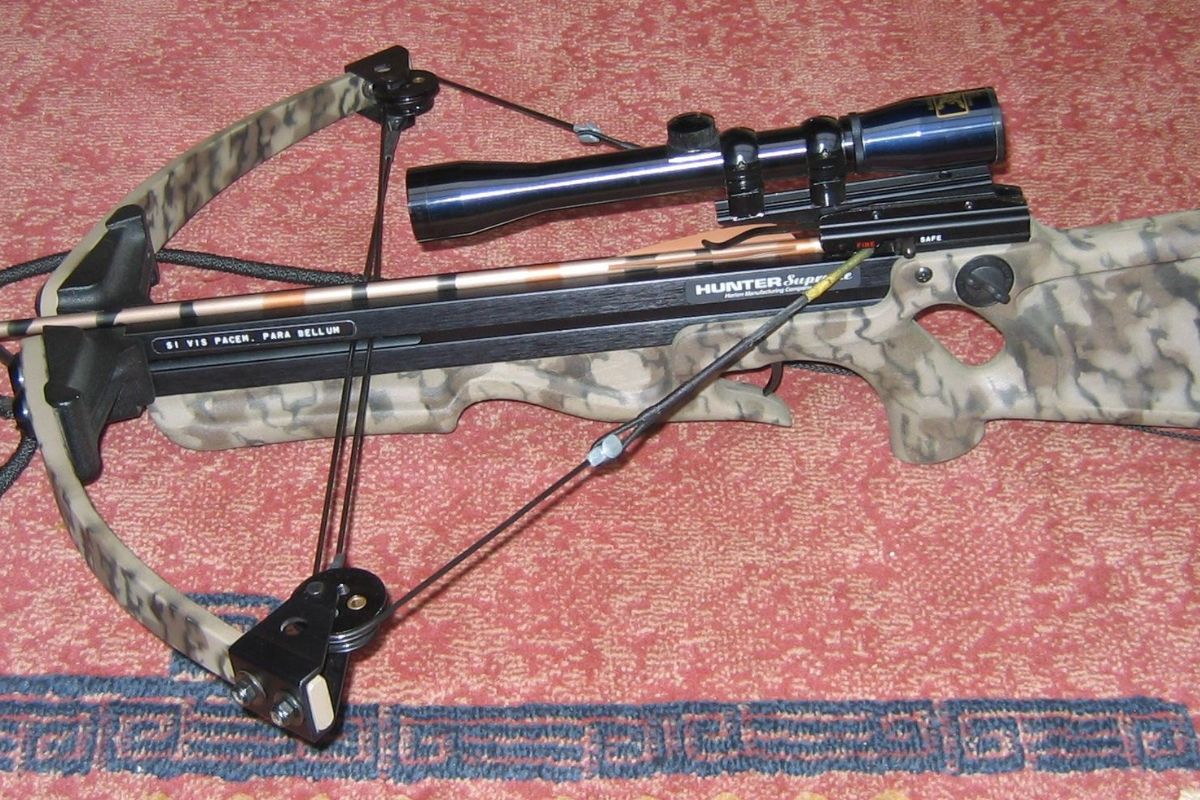
Horton helped shape the modern crossbow market long before many newer brands entered the industry. During the late 1990s and early 2000s, the company introduced several hunting-focused innovations that pushed crossbows toward higher speed and improved field reliability. Many Horton models delivered bolt speeds between 300 and 350 feet per second, which was highly competitive for that period. Hunters appreciated features such as lightweight composite stocks, quieter firing systems, and compact limb designs that improved maneuverability inside blinds and dense woods. Although the brand later struggled against larger competitors, experienced hunters still credit Horton for helping modernize crossbow technology and making faster, more user-friendly hunting platforms widely available.
6. CenterPoint Archery

CenterPoint Archery has gained popularity by offering affordable crossbows that usually range between $250 and $600, making the brand attractive to beginners and budget-focused hunters. Models like the Sniper series advertise speeds of nearly 370 FPS, which sounds impressive for the price. However, experienced archers often point out that the lower cost comes with noticeable compromises in long-term durability and consistency. Common complaints include average trigger quality, louder shots compared to premium brands, and scopes that lose accuracy after repeated use. Several hunters also mention that factory strings and cables tend to wear faster than expected after one or two active seasons. While CenterPoint products perform adequately for casual hunting trips, many seasoned users believe spending slightly more on a higher-tier setup delivers better reliability, smoother shooting, and stronger overall field performance.
7. Killer Instinct Crossbows
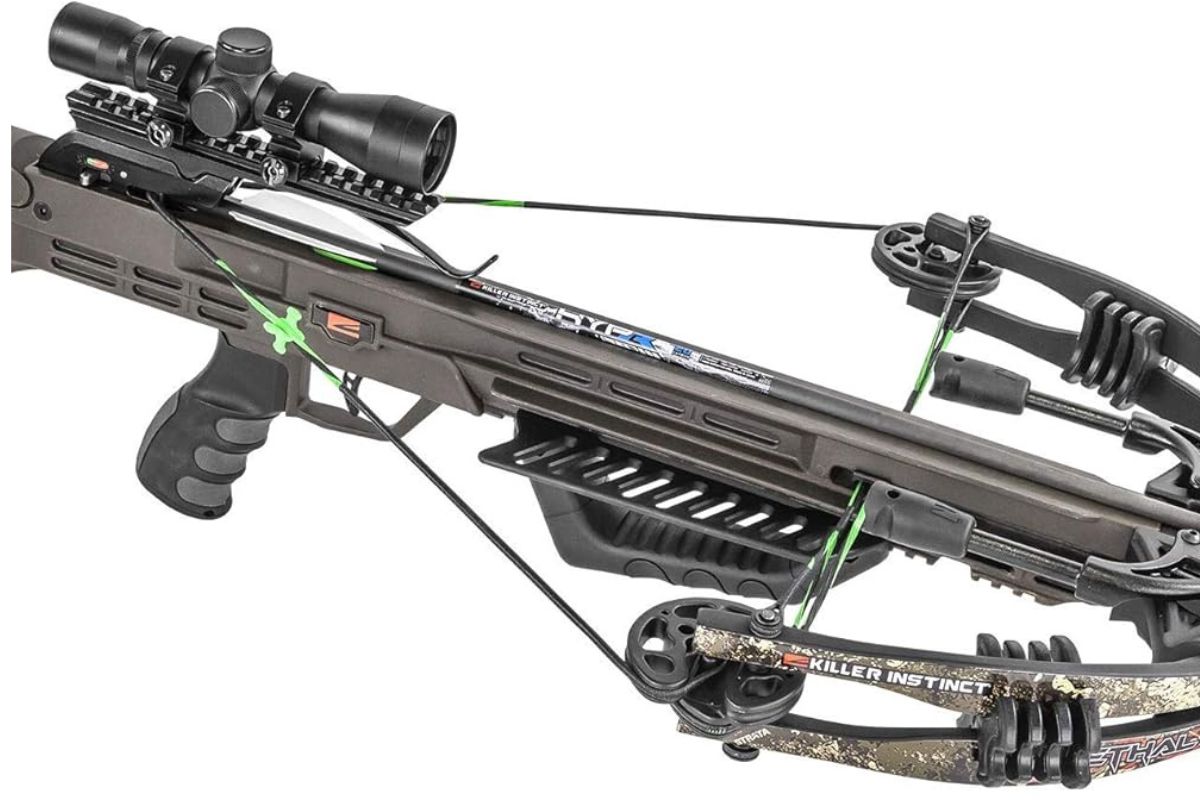
Killer Instinct crossbows have gained attention for offering aggressive speeds at lower prices, with several models pushing arrows beyond 400 feet per second while costing between $350 and $800. Although the specifications appear impressive on paper, many experienced hunters question the long-term durability and overall refinement of the brand. Common complaints include inconsistent trigger quality, loud firing noise, and scope packages that often require replacement after limited field use. Some users also report string wear appearing after fewer than 250 shots, increasing maintenance costs earlier than expected. While the brand attracts budget-conscious hunters seeking high-speed performance, many seasoned crossbow users believe the lower pricing comes with compromises in balance, finish quality, and reliability during demanding hunting seasons.
8. Bear Archery Crossbows
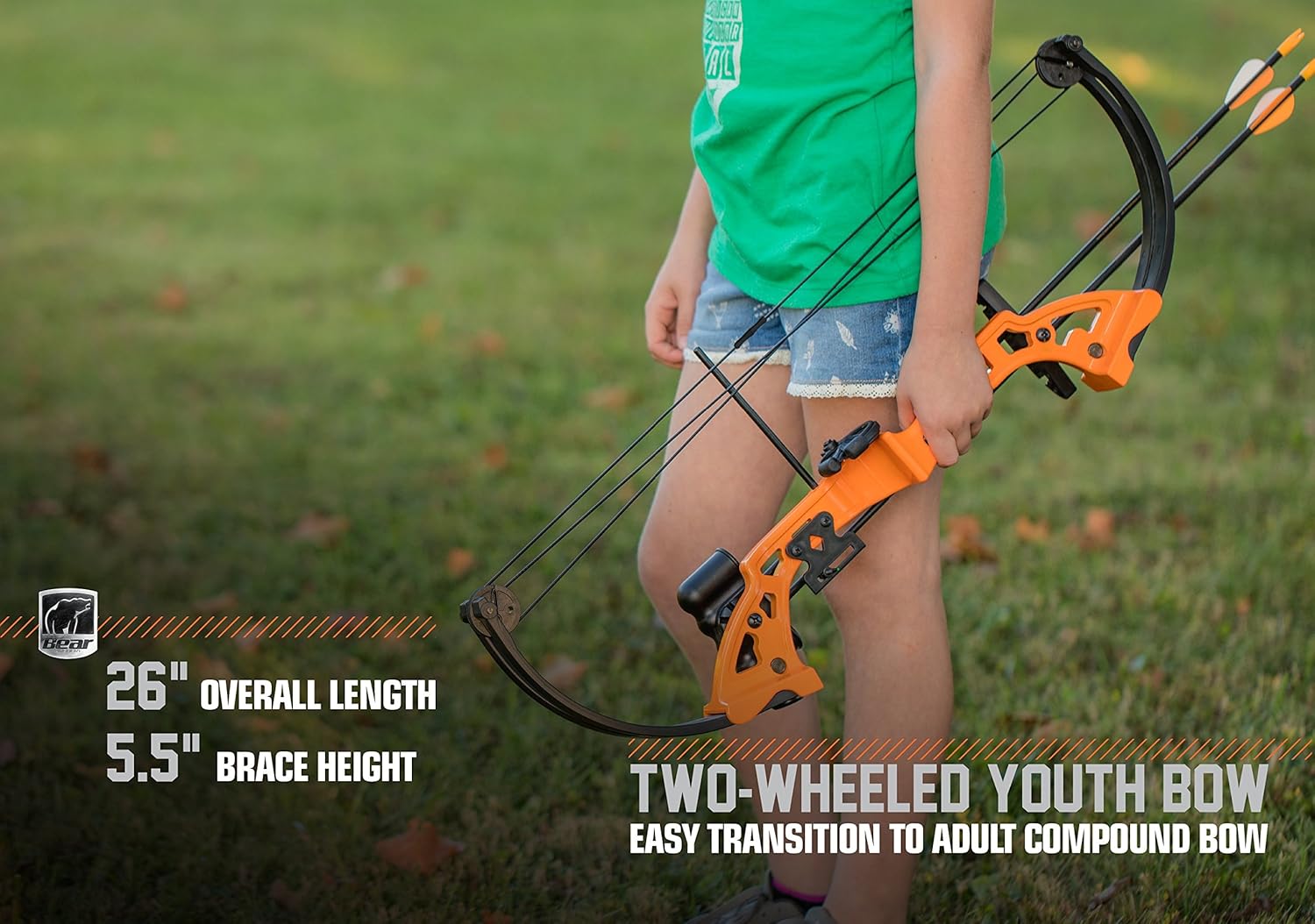
Bear Archery crossbows attract many first-time hunters because prices often start between $450 and $900, noticeably lower than flagship models from premium competitors. Most models deliver speeds ranging from 375 to 420 feet per second, which sounds impressive on paper for the cost. However, experienced hunters frequently mention inconsistent trigger feel, louder shot noise, and vibration issues during repeated field use. Several owners also report that lower-end package scopes struggle to maintain accuracy after extended hunting seasons. While Bear crossbows remain capable for casual deer hunting and weekend trips, many seasoned users believe the company focuses heavily on speed marketing rather than long-term refinement, durability, and premium shooting comfort compared to similarly priced alternatives now entering the market.