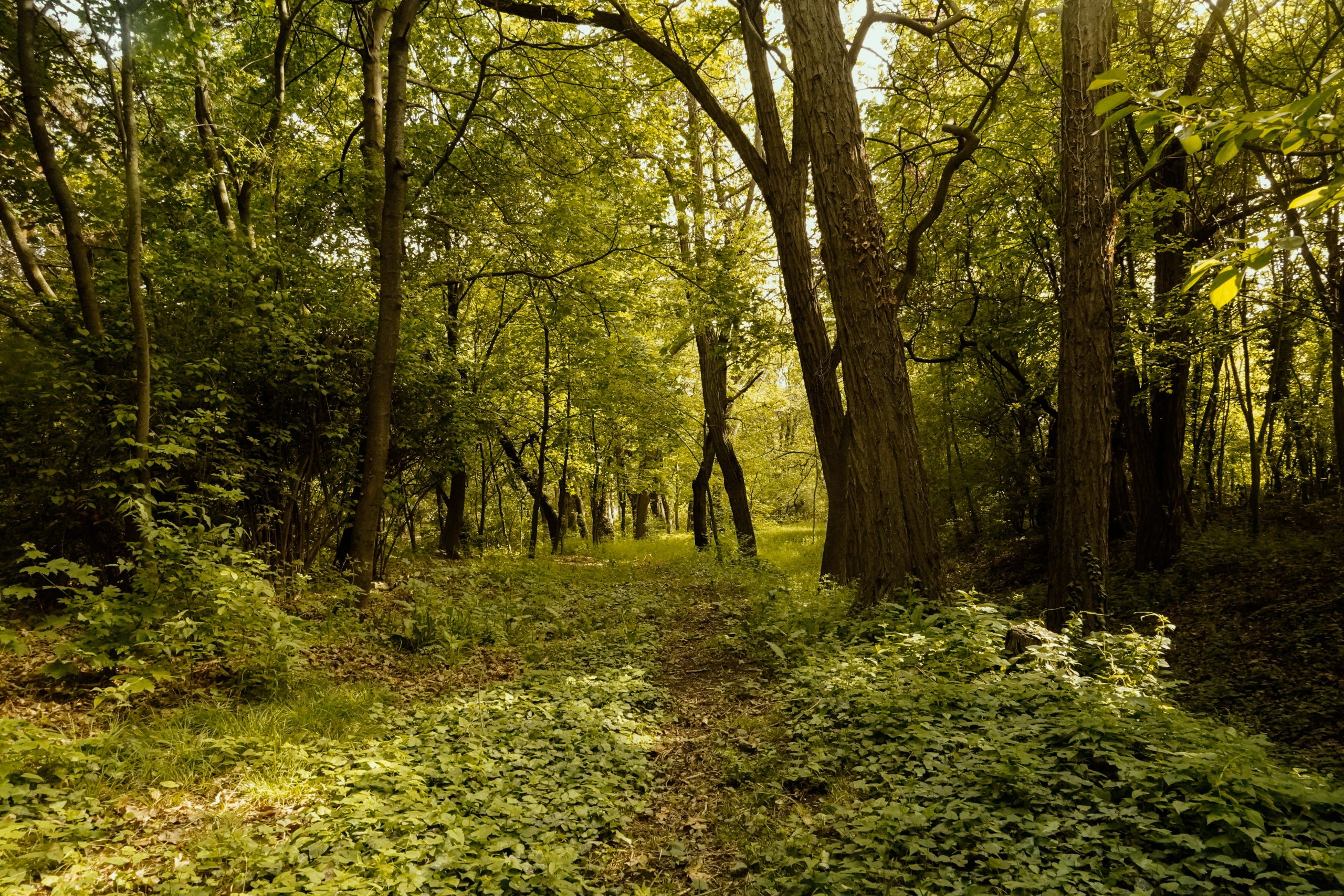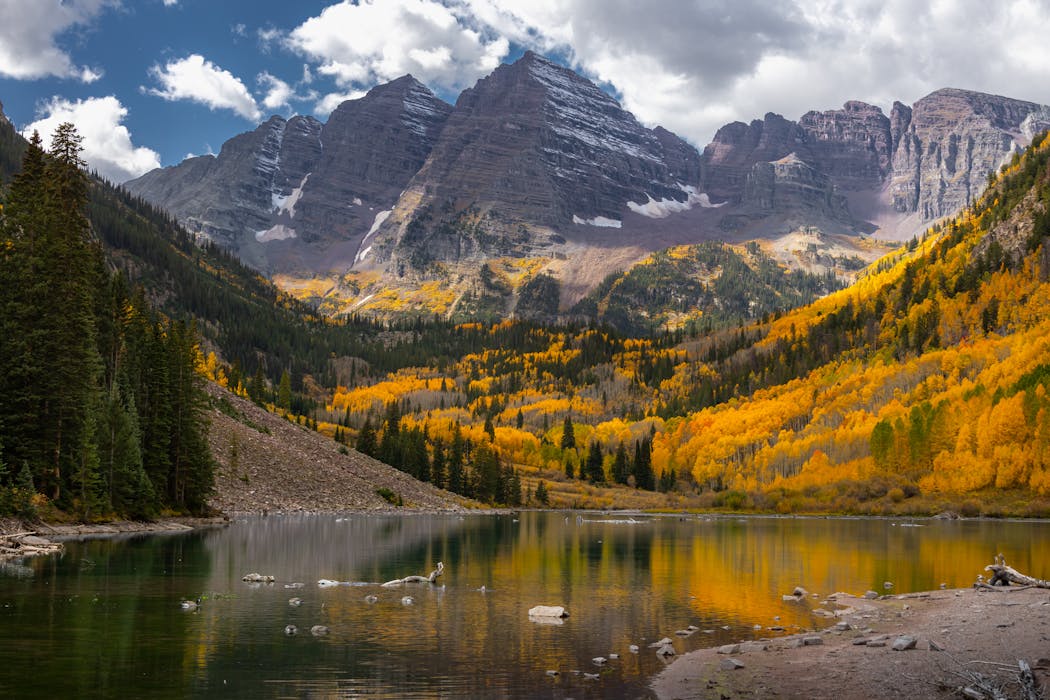
Colorado’s breathtaking landscapes attract millions each year, but some regions are as popular with bears as they are with travelers. Black bear encounters have become increasingly common across mountain towns and backcountry trails. While most bears avoid humans, curiosity and easy food sources can bring them closer than expected. Knowing where bear activity is highest helps you stay alert, prepared, and respectful of wildlife while exploring the Centennial State.
Estes Park
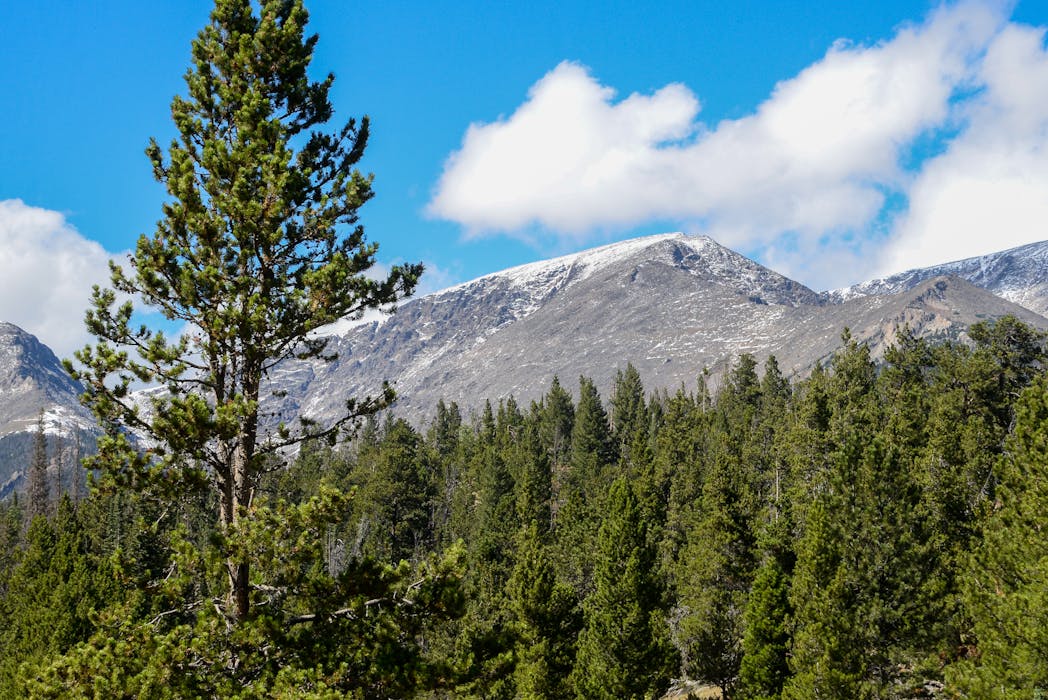
Nestled near Rocky Mountain National Park, Estes Park often sees black bears wandering through neighborhoods and campsites in late summer. The town’s proximity to dense forest and its abundance of trash and fruit trees attract hungry bears searching for easy meals. Local officials encourage strict food storage rules, yet sightings remain frequent. Travelers are advised to secure food properly and maintain a safe distance when hiking or camping nearby.
Aspen
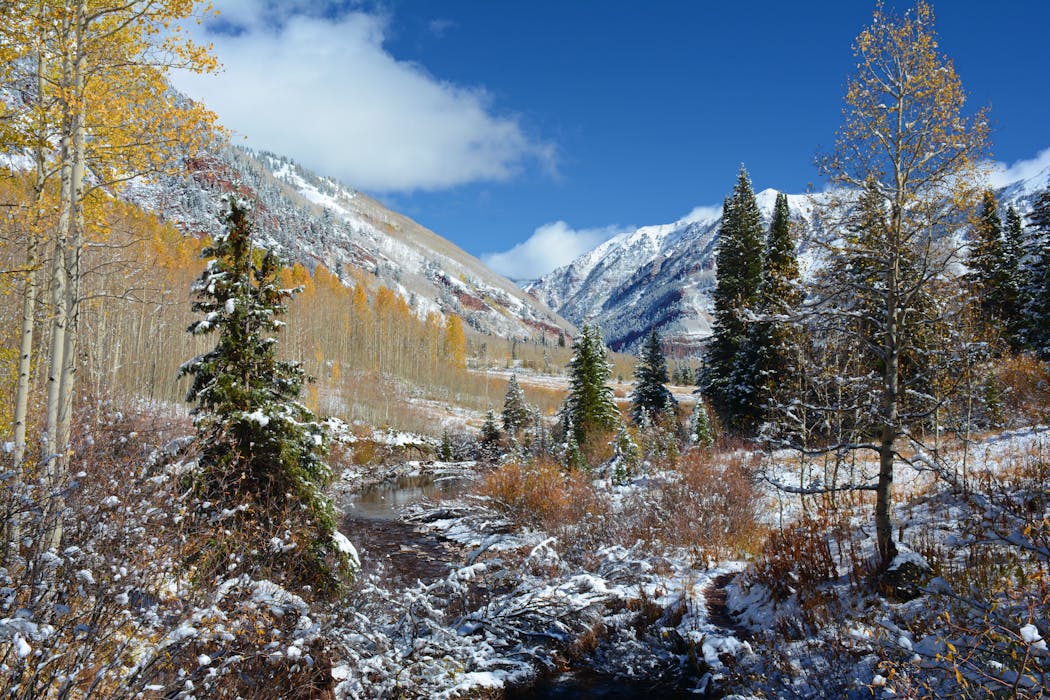
Aspen’s mix of wilderness and wealth makes it a surprising hotspot for bear activity. Each year, reports surface of bears breaking into cars or roaming through downtown alleys in search of leftovers. The animals are drawn by unsecured dumpsters and outdoor dining spots. Though the town promotes bear awareness campaigns, visitors should remember to avoid leaving scented items or snacks in vehicles to prevent unwanted encounters.
Durango
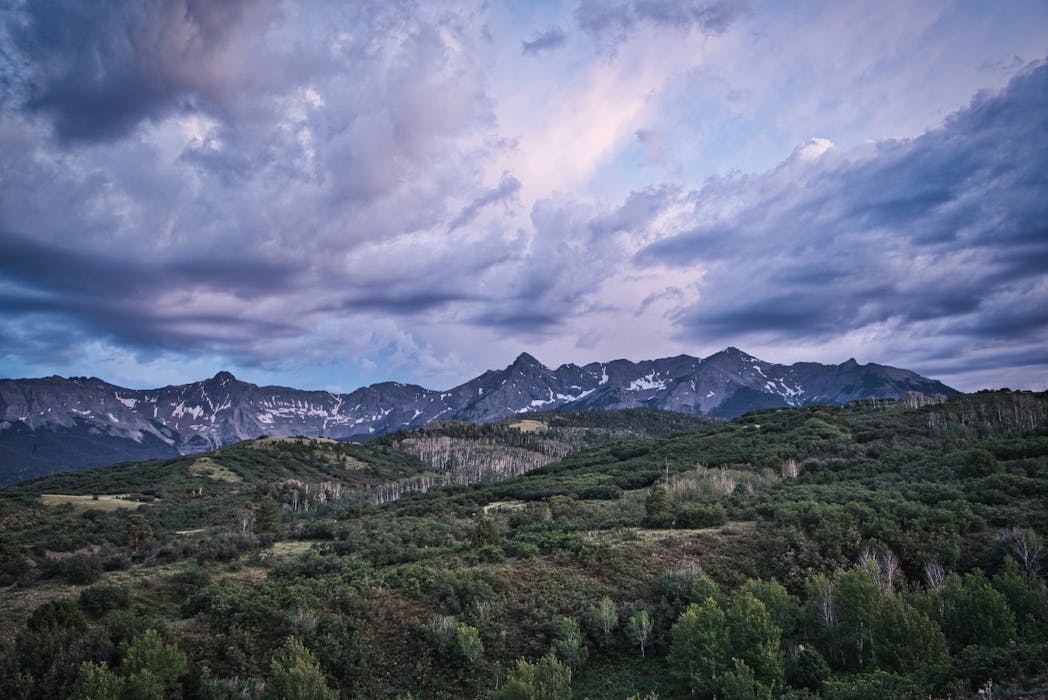
Durango’s surrounding San Juan Mountains create prime habitat for bears, especially during the fall when they prepare for hibernation. Local residents often spot them in backyards or along hiking trails. Bears here are generally non-aggressive but can become bold if they associate humans with food. Staying vigilant, making noise on trails, and carrying bear spray can make all the difference in avoiding a surprise meeting.
Boulder
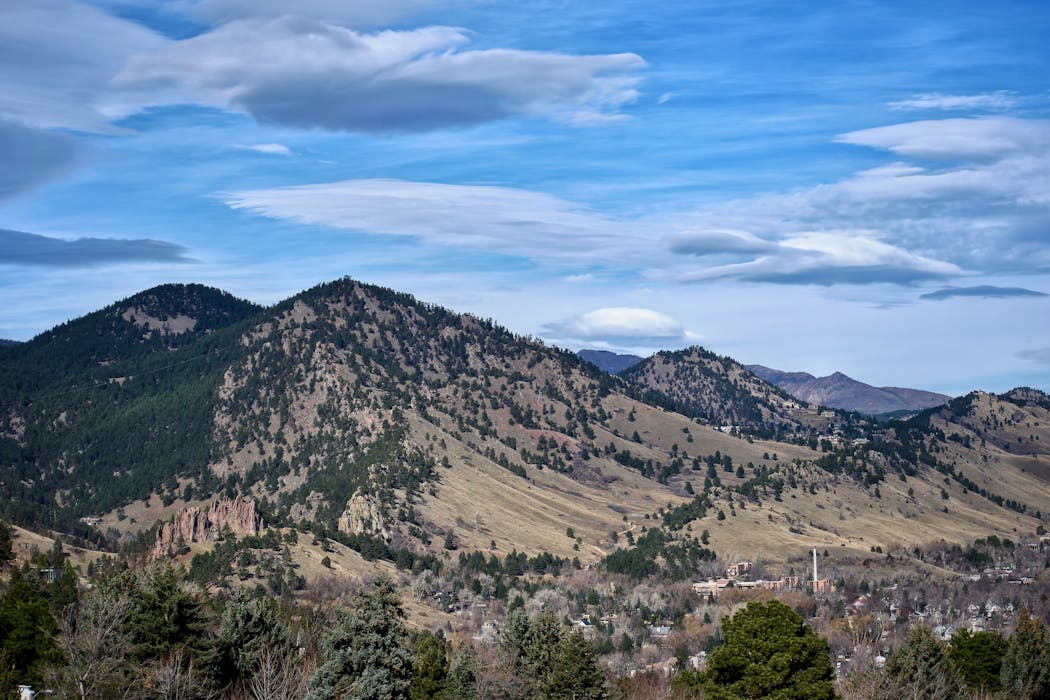
The scenic hills west of Boulder are a favorite for both hikers and bears. The city’s open spaces border wild terrain, making encounters common in late summer and early fall. Residents have reported bears lounging in trees or raiding bird feeders. Park officials frequently remind visitors to stay alert, pack out trash, and keep dogs leashed, as wandering into bear territory is easy on these well-loved trails.
Glenwood Springs
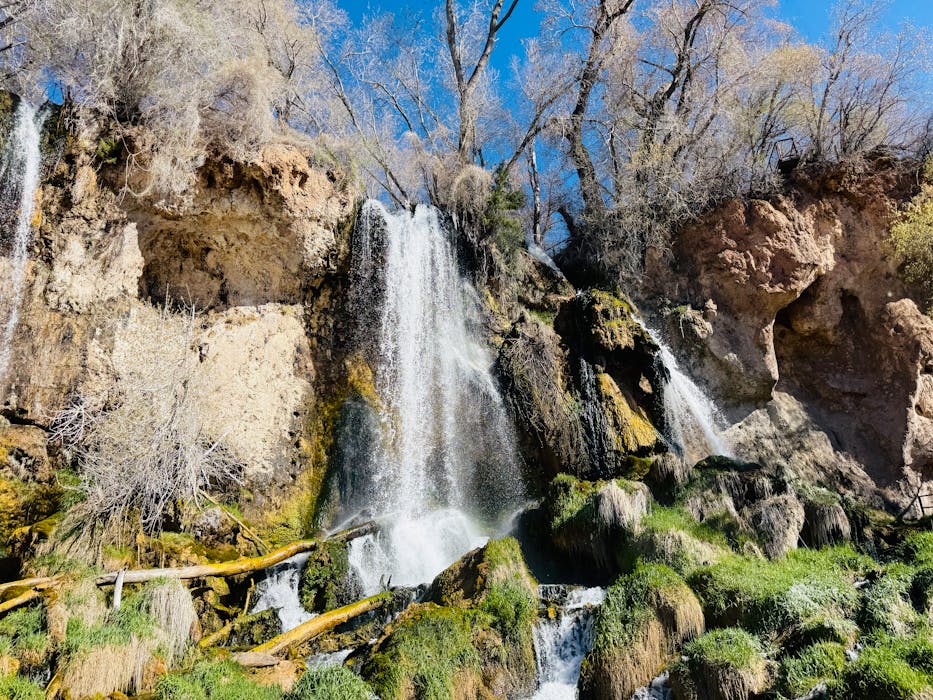
Surrounded by rivers and forests, Glenwood Springs offers ideal bear habitat, especially near its hot springs and campgrounds. Bears frequently cross paths with visitors who leave food unattended at picnic sites or cabins. The city has increased education efforts to reduce conflicts, urging travelers to store all food in vehicles or bear-proof containers. Early morning and evening hours are when bears are most active around the area.
Breckenridge
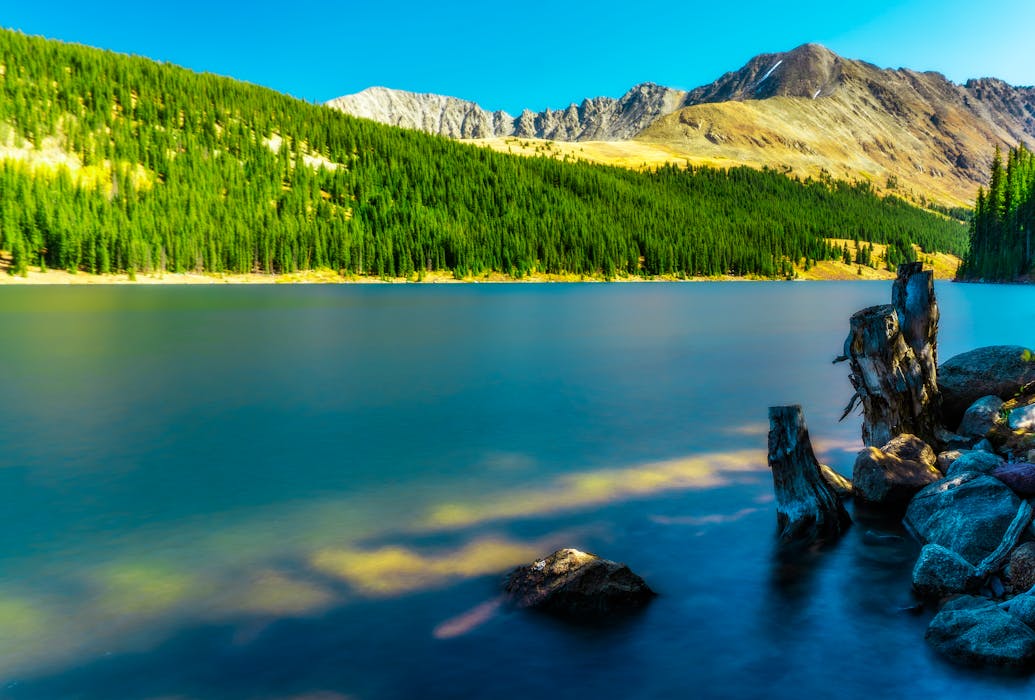
This popular ski resort town transforms into bear country once the snow melts. Breckenridge’s vacation homes, mountain lodges, and outdoor dining areas attract wildlife during the warmer months. Reports of bears rifling through trash cans and wandering near residential decks are common. Visitors are urged to secure waste bins and avoid feeding wildlife, intentional or not, since bears quickly learn where easy meals can be found.
Telluride
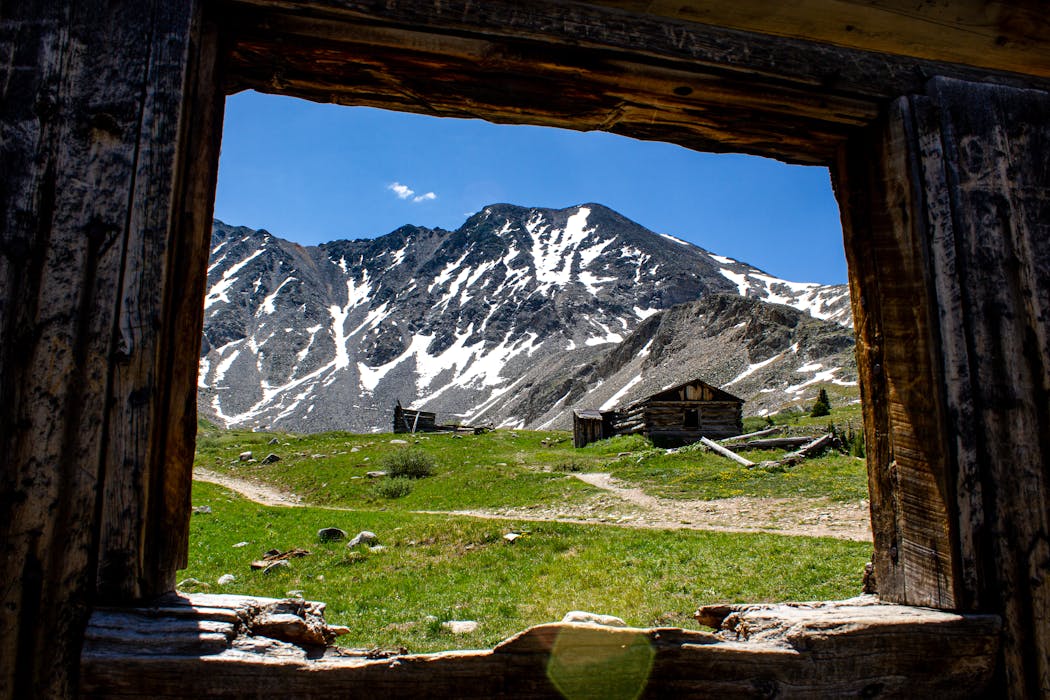
Telluride’s remote beauty makes it a favorite for adventurers, but its secluded valleys and wooded slopes are also home to many bears. Locals regularly encounter them on trails or near mountain cabins. Late summer brings the highest risk as bears bulk up for winter. Staying aware, hiking in groups, and avoiding berry patches during peak feeding times can reduce the chance of unwanted encounters in this rugged region.
Woodland Park
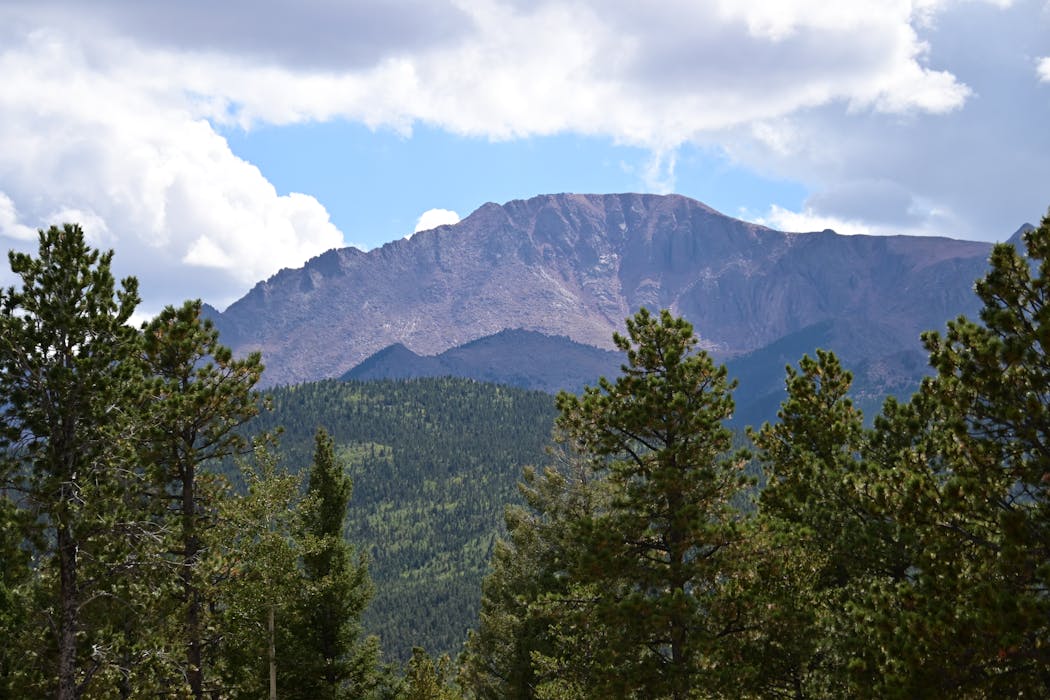
Located near Pike National Forest, Woodland Park experiences frequent bear activity due to its blend of wilderness and residential areas. Bears are known to wander through neighborhoods, especially when natural food sources like berries or acorns run low. Locals take precautions with bear-proof trash cans and motion lights, but visitors should remain cautious when camping nearby. Respecting wildlife boundaries ensures safety for both humans and bears alike.