Ammunition scarcity can change the way collectors view an otherwise ordinary cartridge. When production slows, imports disappear, or a once-common military round becomes difficult to replace, original ammunition can attract attention for reasons beyond shooting. Rarity, packaging, headstamps, age, condition, and historical connection can all influence collector interest. That does not mean every old cartridge will become valuable. The International Ammunition Association notes that most old ammunition has little monetary value, while certain collector cartridges can command much higher prices.
1. 8mm Mauser

8mm Mauser ammunition has an interesting position because supply has repeatedly shifted between surplus imports and modern production. Recent imports of Turkish and German surplus temporarily pushed prices down, with some examples reportedly available around 30 cents per round, but the broader history shows how quickly availability can change. Older cartridges with unusual headstamps, military markings or original packaging can therefore become more interesting to collectors as ordinary shooting stocks disappear. The cartridge dates to 1903, and its connection to Mauser 98 rifles gives it a substantial historical audience.
2. 7.62x54R
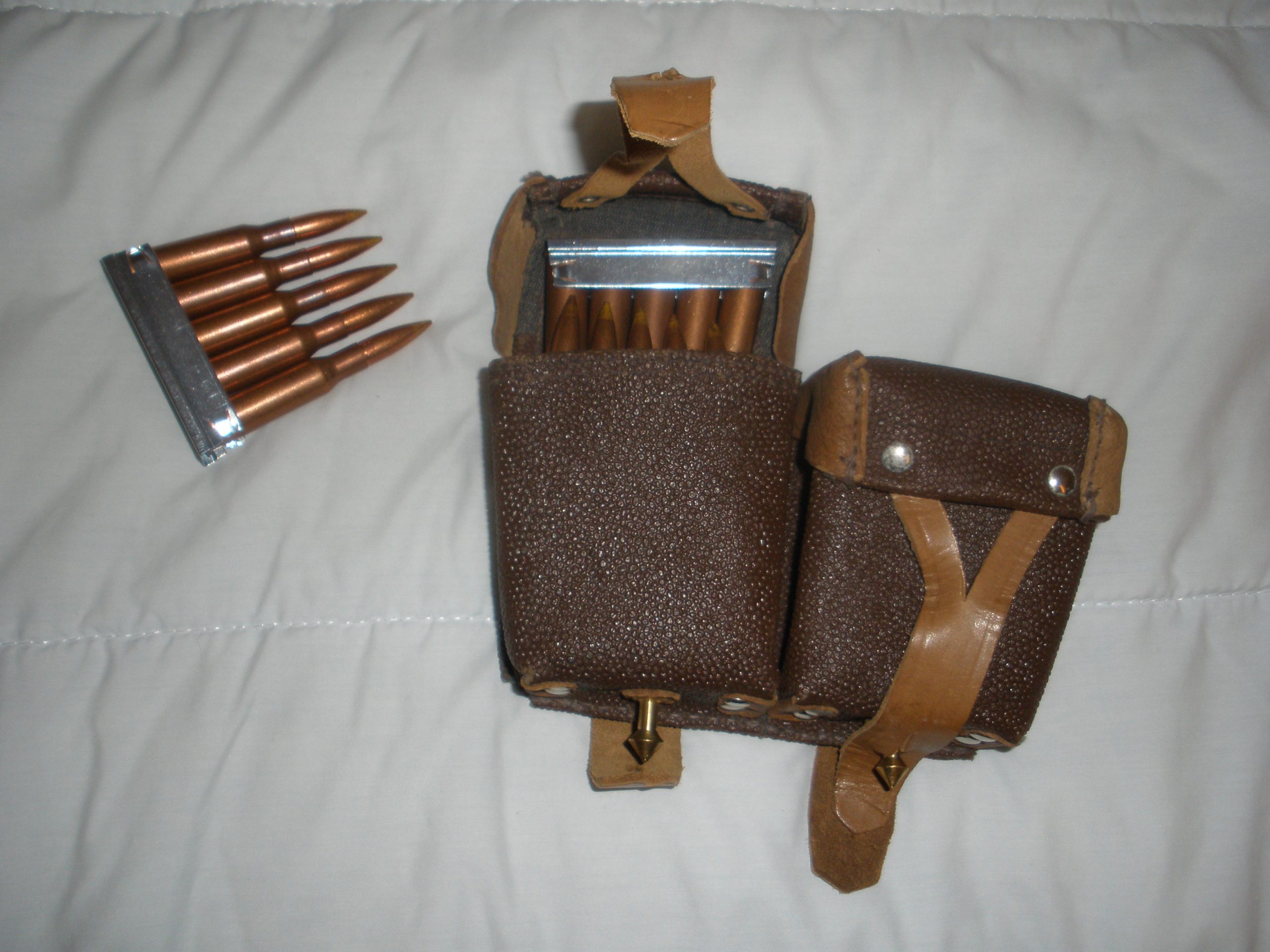
7.62x54R remains available, but its supply history makes certain older examples worth watching. The cartridge has been associated with rifles such as the Mosin-Nagant and SVT-40 for decades, and surplus ammunition has traditionally been an important part of its civilian market. Current 2026 tracking shows an average price around $1.12 per round, with listings ranging widely depending on the load and seller. Scarcity becomes more significant for unusual military lots, uncommon headstamps, or distinctive packaging because those examples have historical interest beyond their basic ammunition value.
3. 7.62×25 Tokarev
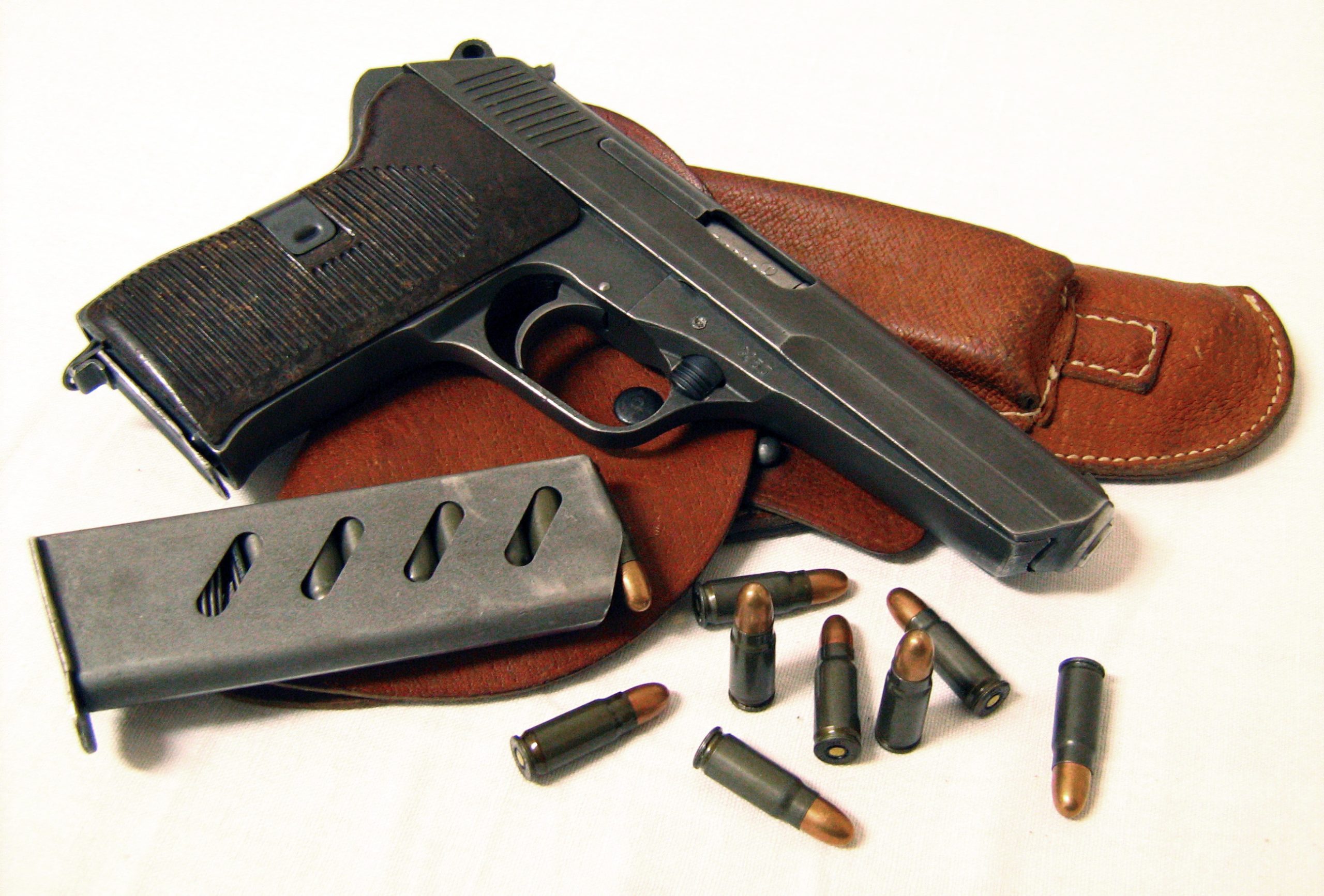
7.62×25 Tokarev ammunition could become increasingly interesting as Cold War surplus stocks become less predictable. The cartridge was widely associated with Soviet and Eastern European pistols and submachine guns, but its modern commercial presence is much smaller than that of 9mm Luger. Earlier surplus supplies were plentiful in the United States, yet availability has become less consistent over time. That creates two different markets: ordinary shooters looking for usable ammunition and collectors searching for military production, distinctive headstamps, or original boxes. A cartridge introduced in 1930 can therefore gain historical appeal as supply becomes less routine.
4. 9×18 Makarov
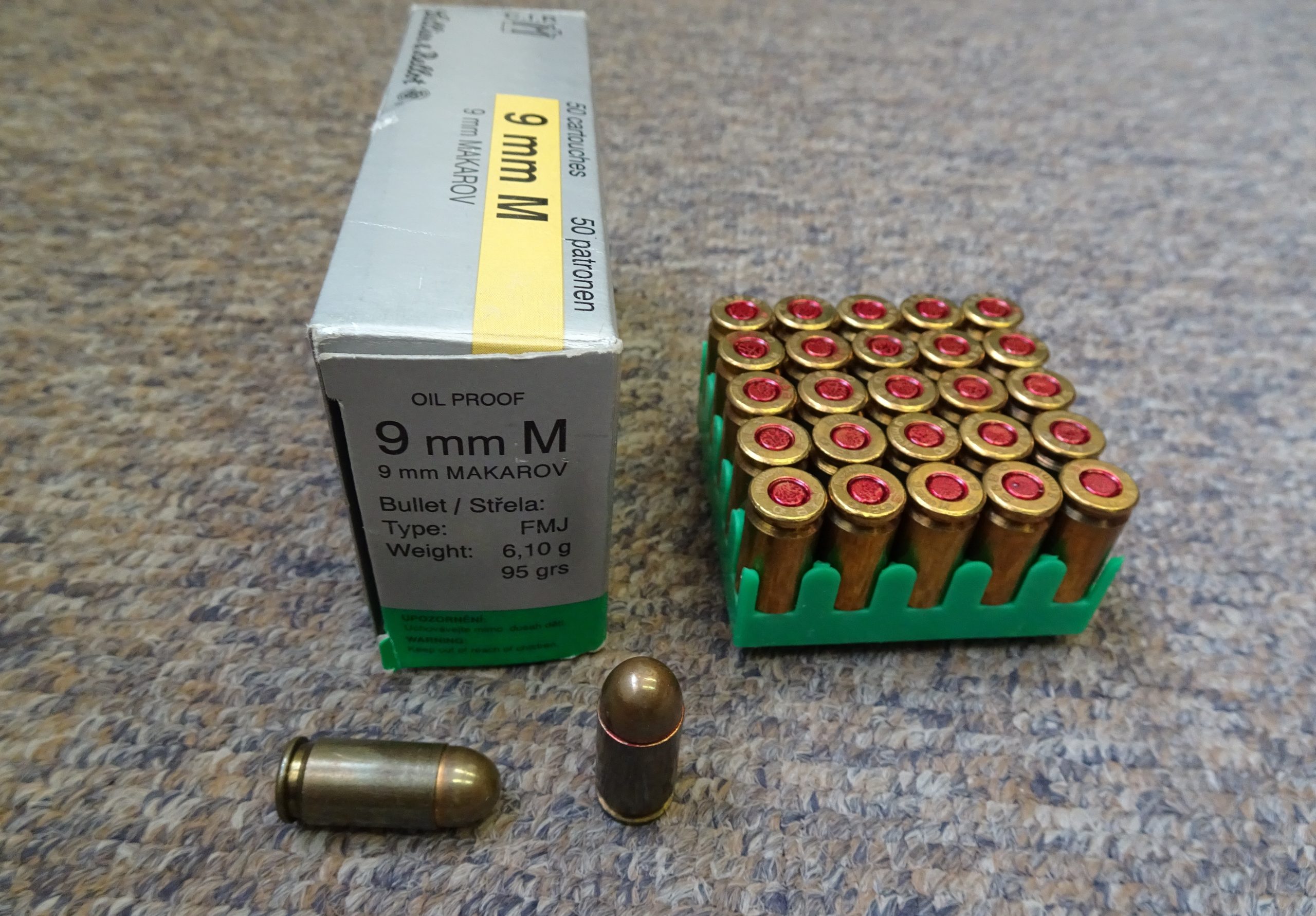
9×18 Makarov ammunition has already moved from being a common surplus cartridge toward a more specialized niche. The round became widespread with Soviet and Warsaw Pact service pistols, but imported surplus ammunition is no longer as predictable as it was in the early post-Cold War period. Modern commercial loads still exist, yet unusual military packaging and older production can interest collectors. The cartridge’s historical connection to the Makarov pistol, introduced in the early 1950s, adds another layer of appeal. If mainstream supply continues narrowing, distinctive original lots could become more desirable than ordinary modern boxes.
5. .32 S&W Long
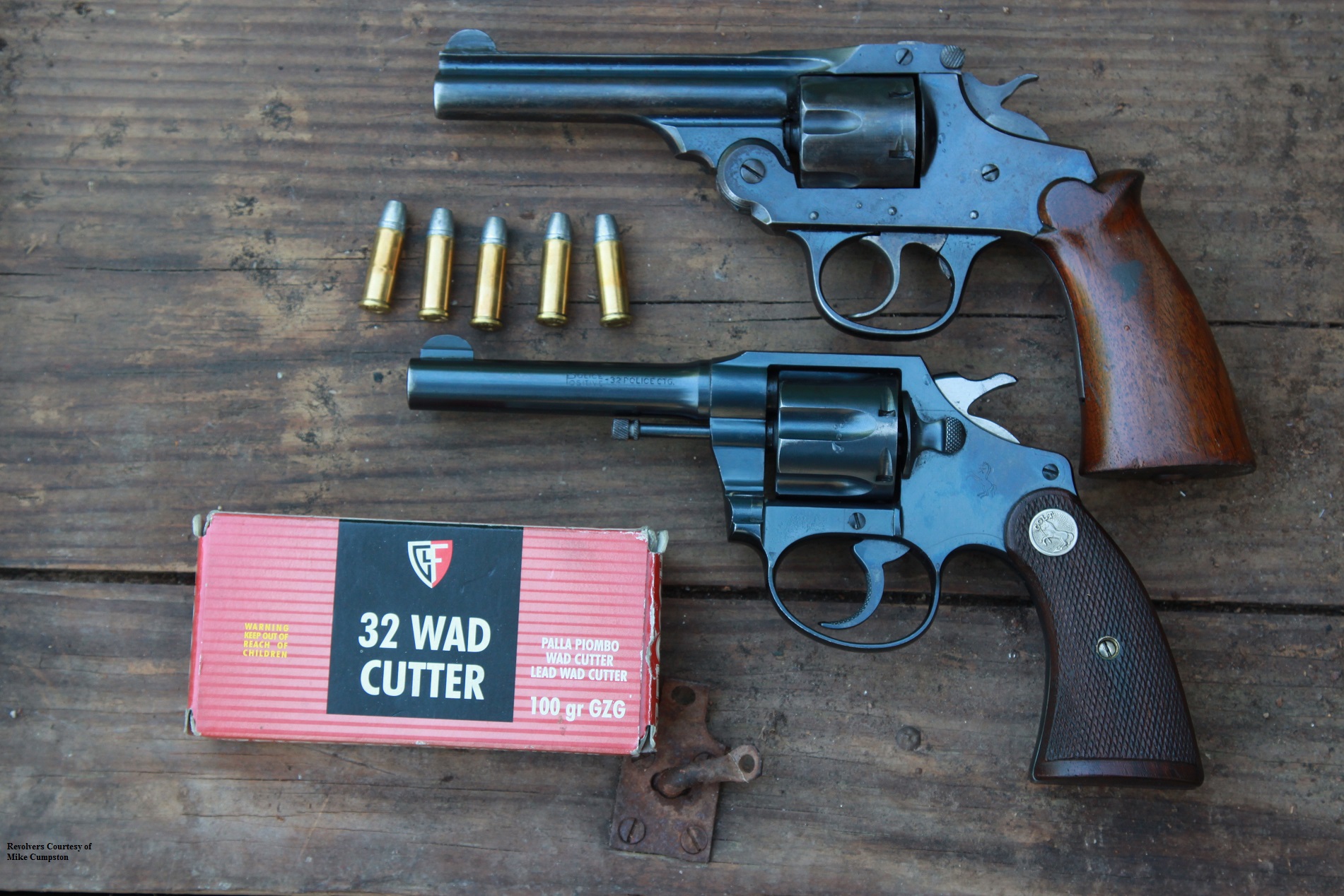
.32 S&W Long ammunition belongs to an older revolver world that has gradually become more specialized. The cartridge dates to 1896 and was once associated with numerous pocket and target revolvers, but today’s ammunition market is dominated by larger, more common cartridges. Its relative obscurity can make specific vintage boxes, unusual bullet styles or early headstamps more interesting to collectors. Historical ammunition is not automatically valuable, however. The International Ammunition Association notes that most old cartridges are worth little unless they possess features that collectors specifically seek. That distinction matters when evaluating scarce .32 S&W Long examples.
6. .38 S&W
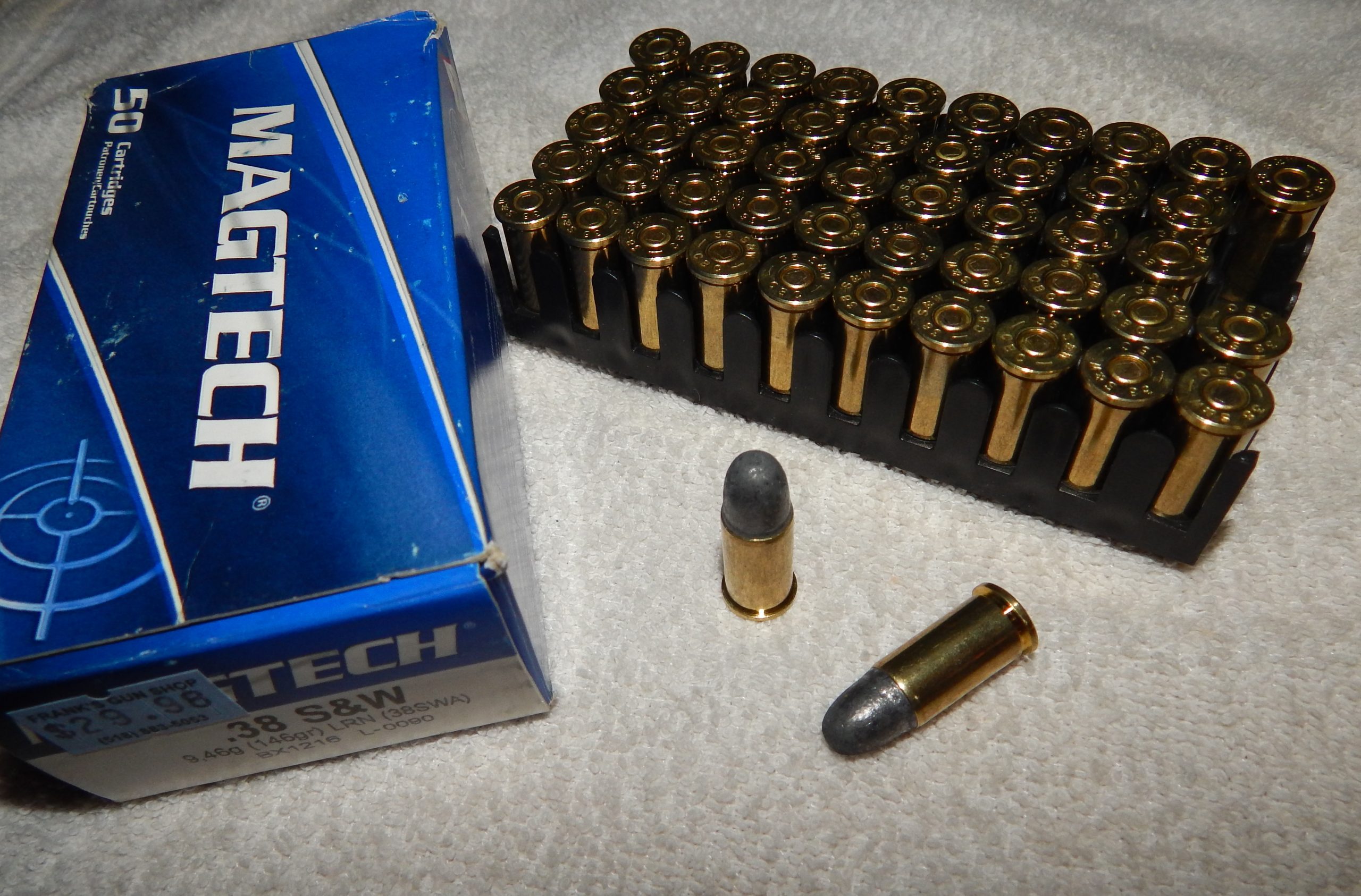
.38 S&W ammunition could attract greater collector attention as fewer manufacturers devote shelf space to older revolver cartridges. The round dates to the late 19th century and became associated with numerous British and American service and commercial revolvers. Its smaller modern market means ammunition can be noticeably less familiar than .38 Special, despite the similar name. Collector interest can center on military markings, wartime production, unusual bullet construction and intact original boxes. The important number is its age: the cartridge has been around for more than 140 years. Scarcity combined with historical packaging can make certain examples more interesting than ordinary loose ammunition.
7. .41 Magnum
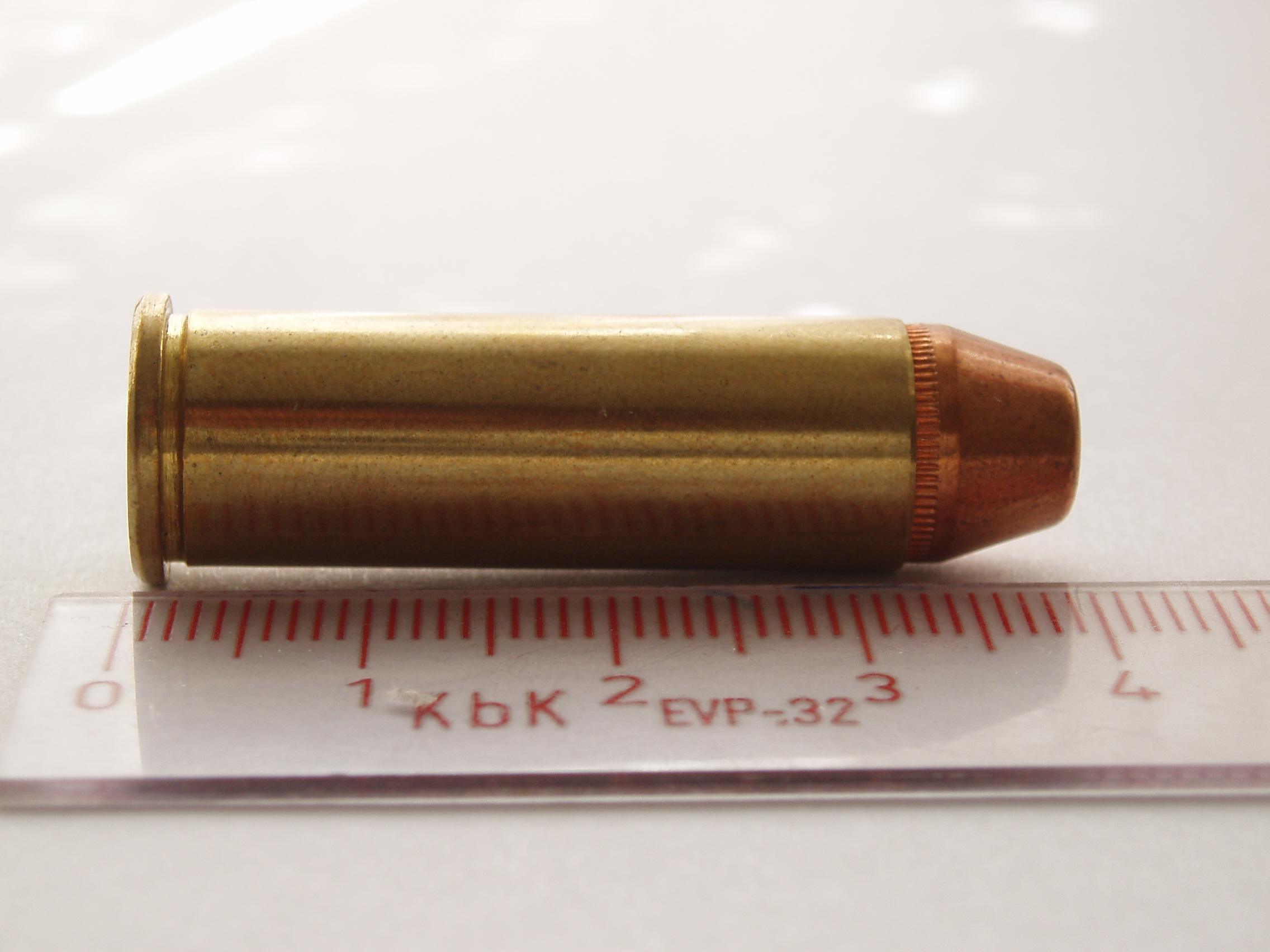
.41 Magnum occupies an unusual place between mainstream and specialist ammunition. Introduced in 1964, it never reached the enormous production scale of .357 Magnum or .44 Magnum, but it developed a dedicated following among revolver shooters. Its smaller production base means particular factory loads can disappear when manufacturers adjust their product lines. That does not make every .41 Magnum cartridge collectible, but older boxes, discontinued loads and unusual bullet designs can become more interesting when replacements are difficult to locate. The cartridge’s 1964 introduction also gives collectors more than 60 years of ammunition history to explore.
8. 7.62x39mm Surplus
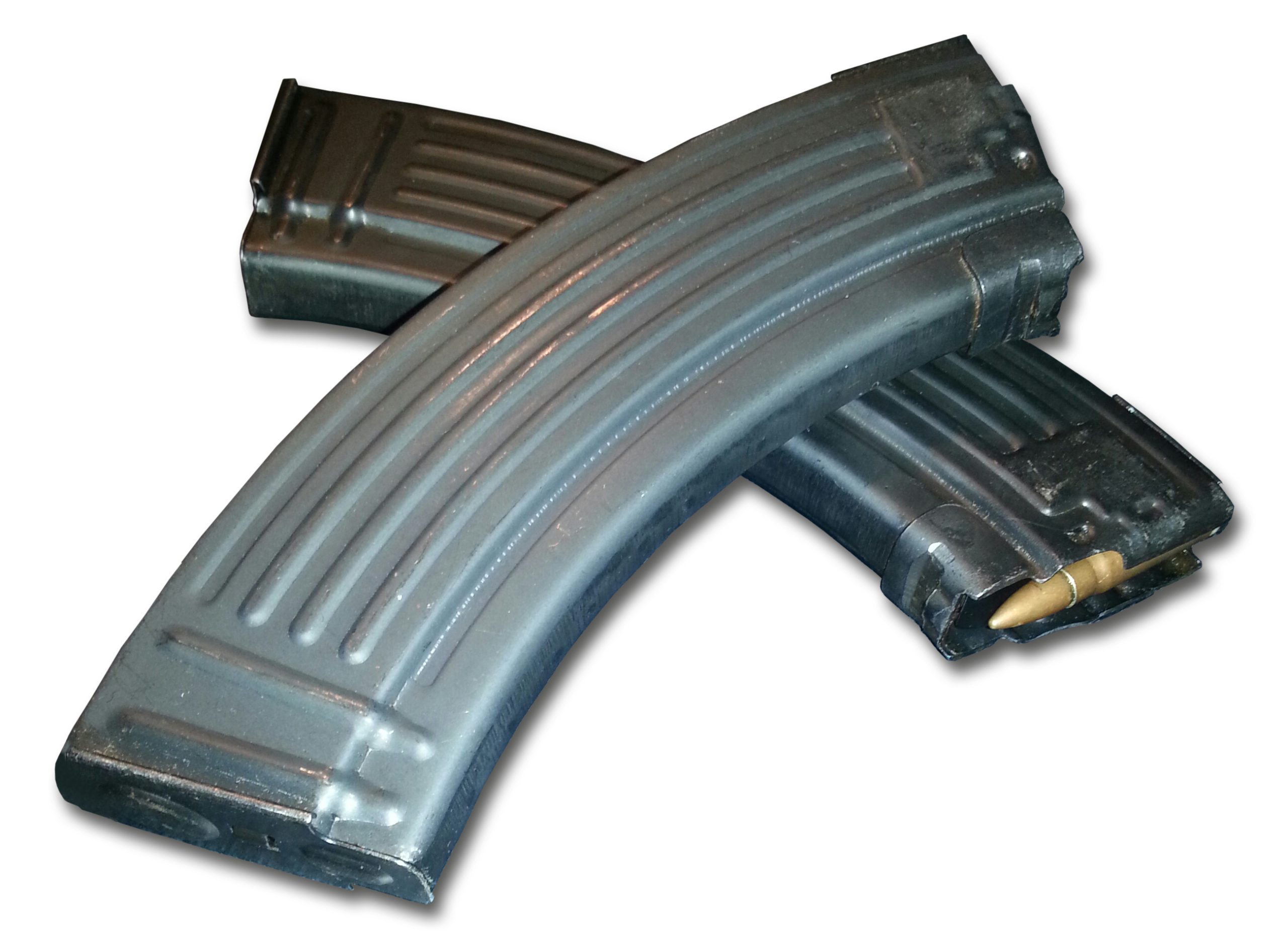
7.62x39mm is still widely produced, but older surplus ammunition can become a different story when historical supply channels disappear. Current 2026 market data puts tracked 7.62×39 ammunition above 50 cents per round in the surplus-oriented market, while the loss of Russian imports changed the traditional low-cost supply picture. That distinction matters because modern commercial ammunition and original military lots are not necessarily valued for the same reasons. Collectors may pay attention to unusual headstamps, military packaging and scarce production runs, while ordinary shooters generally care more about current availability and price.