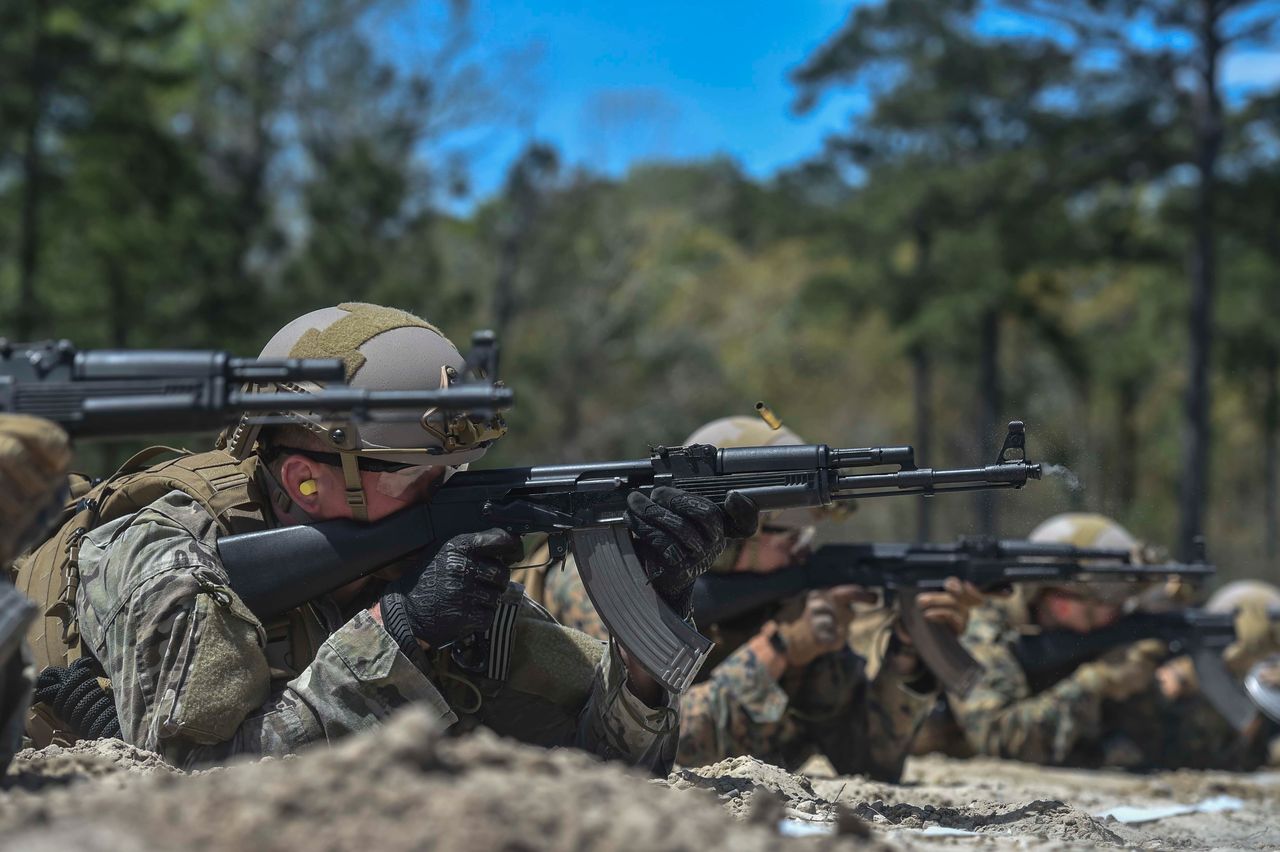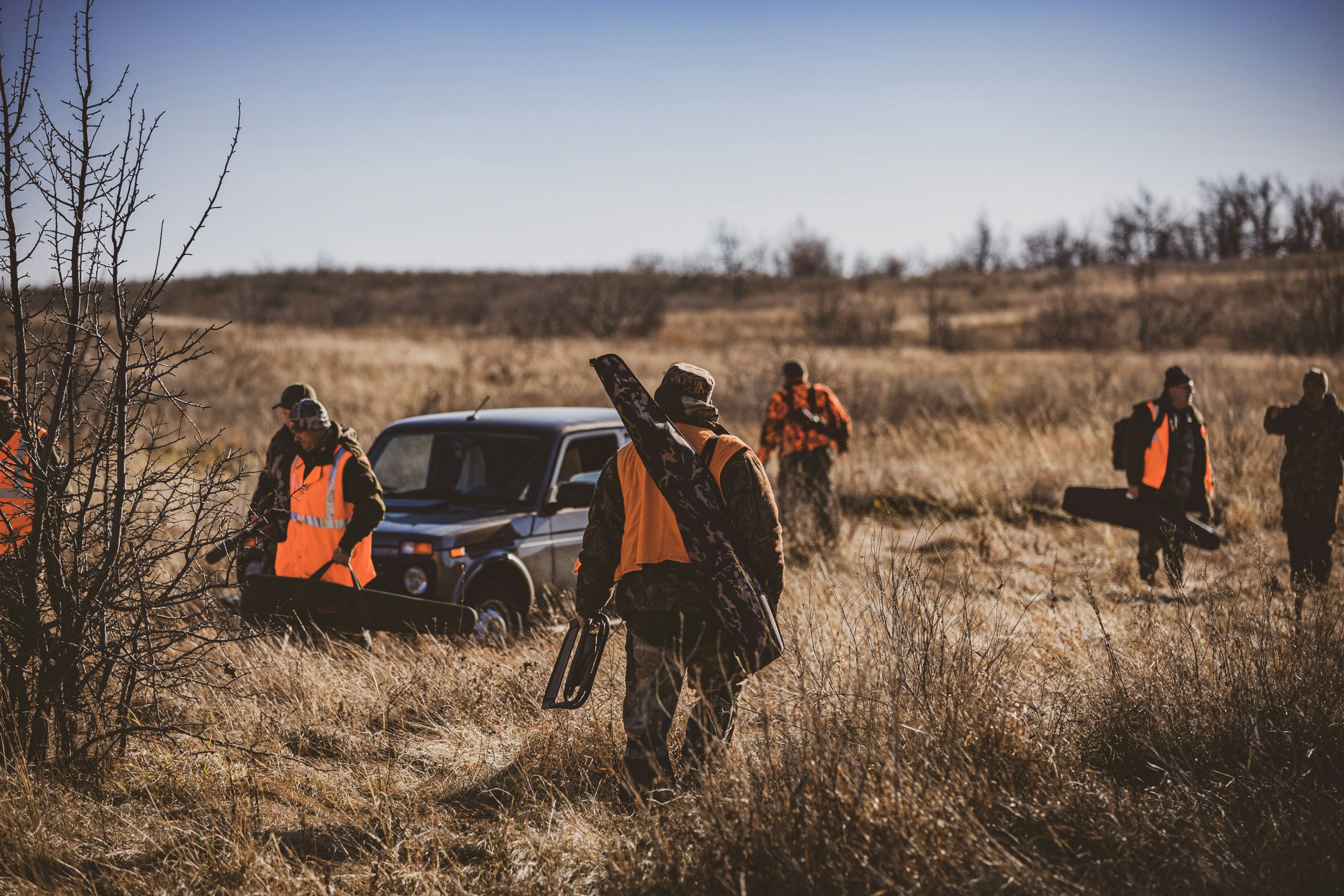
Heading into the wild with a hunting party is thrilling, but readiness is crucial. Often, subtle signs quietly reveal whether the group is prepared for challenges ahead. Ignoring these signals can lead to wasted time, frustration, or danger. Spotting them early ensures safety, efficiency, and a smoother experience. Observing behavior, gear, and approach to tasks can reveal readiness more clearly than words alone.
1. Gear That Looks Too Shiny
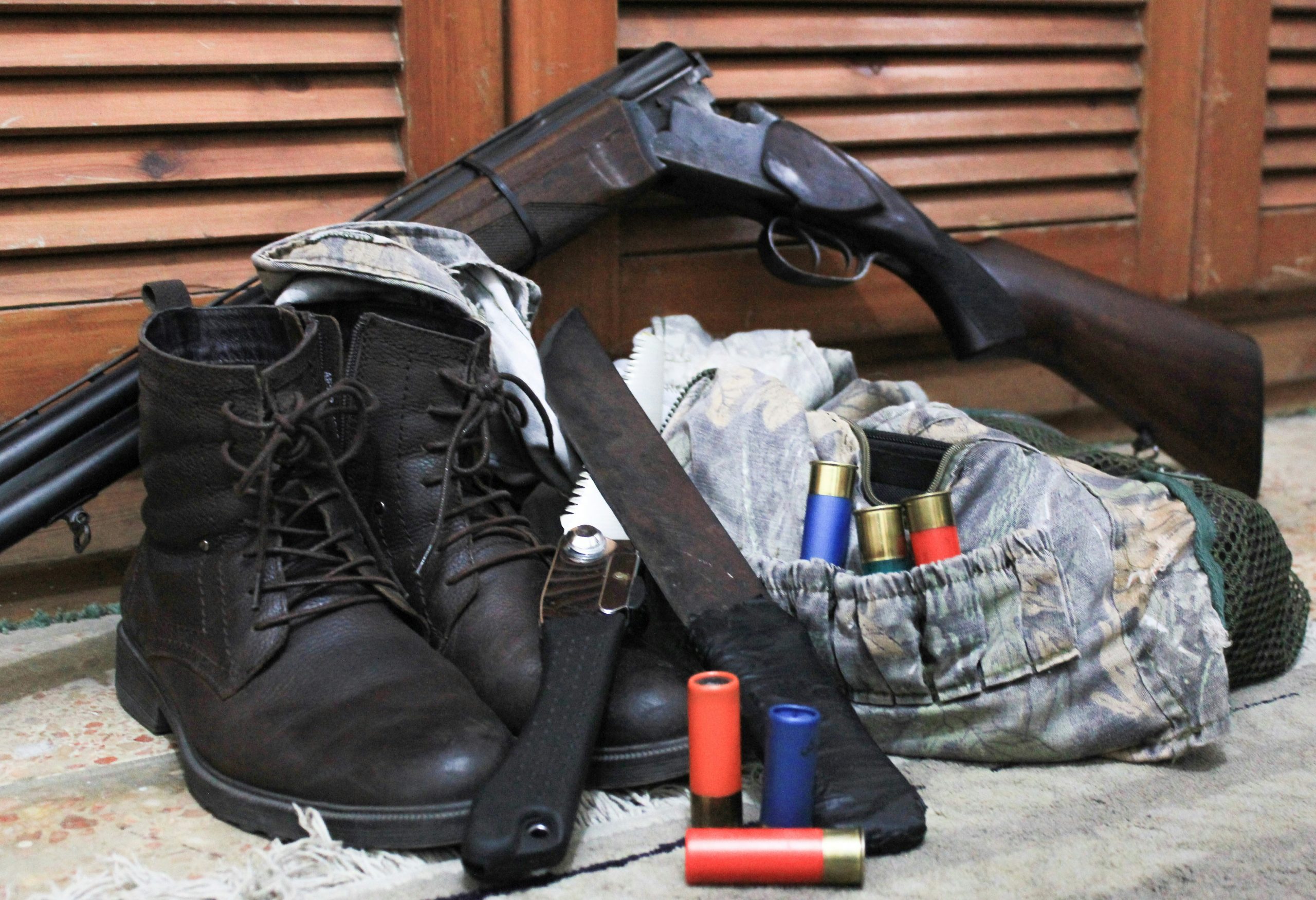
Pristine gear may look impressive, but it often signals inexperience. Hunting equipment should be tested regularly; clean rifles, stiff boots, and untouched backpacks suggest the team hasn’t practiced using them in real conditions. Watching how members handle gear quietly indicates skill level. Even the most experienced hunter can spot when someone is unfamiliar with their equipment, which could slow the group or create safety risks in critical moments.
2. Hesitation Around Map Reading
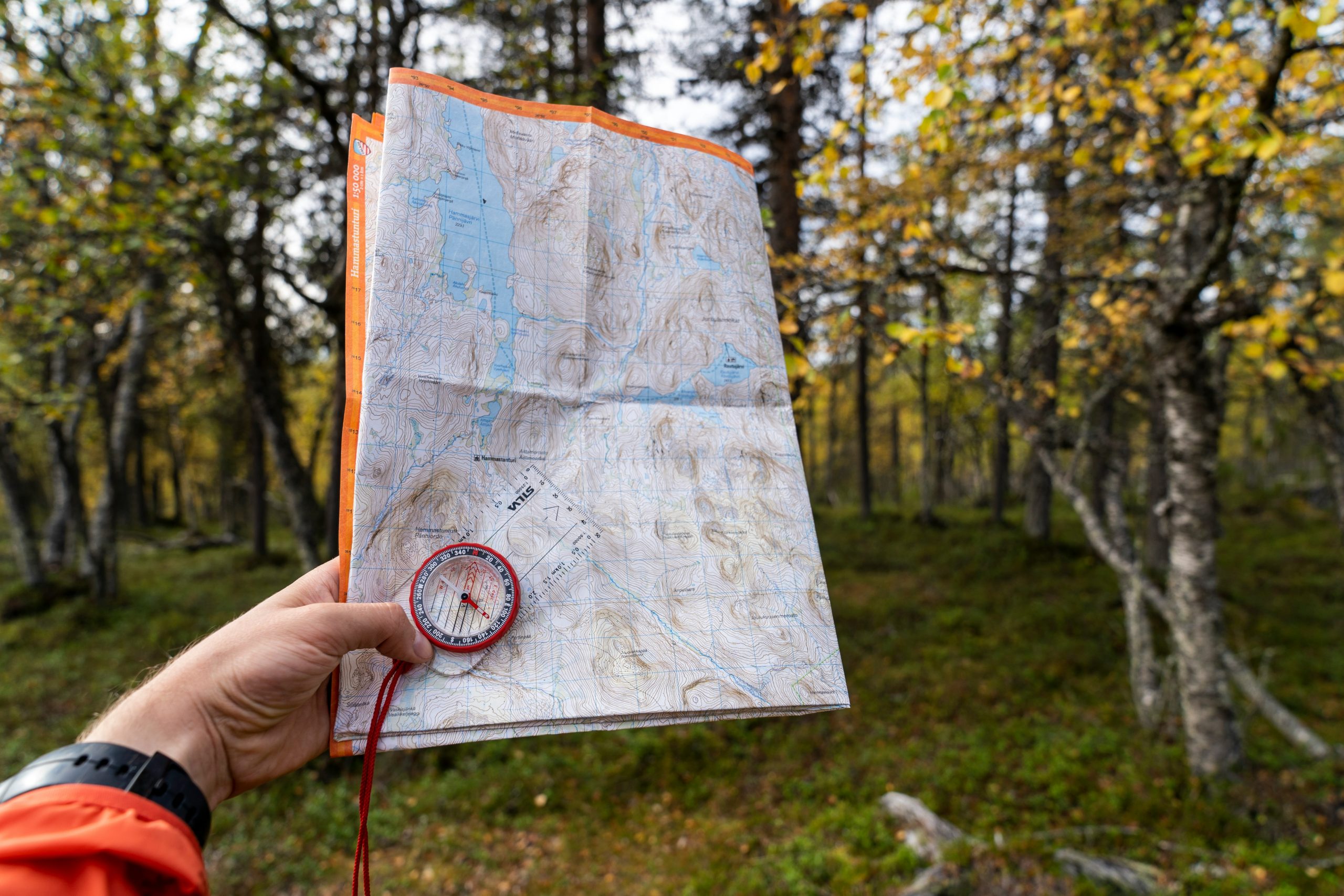
If members struggle with maps, GPS, or trail markers, it quietly signals unreadiness. Confident hunters navigate without second-guessing, while hesitation reveals uncertainty. Often, those less experienced won’t volunteer guidance, leaving silence that hints at weakness in planning. Recognizing this early prevents misnavigation in the field. A group that can read the terrain efficiently demonstrates preparedness, while hesitation foreshadows potential mistakes.
3. Reluctance to Carry Extra Supplies
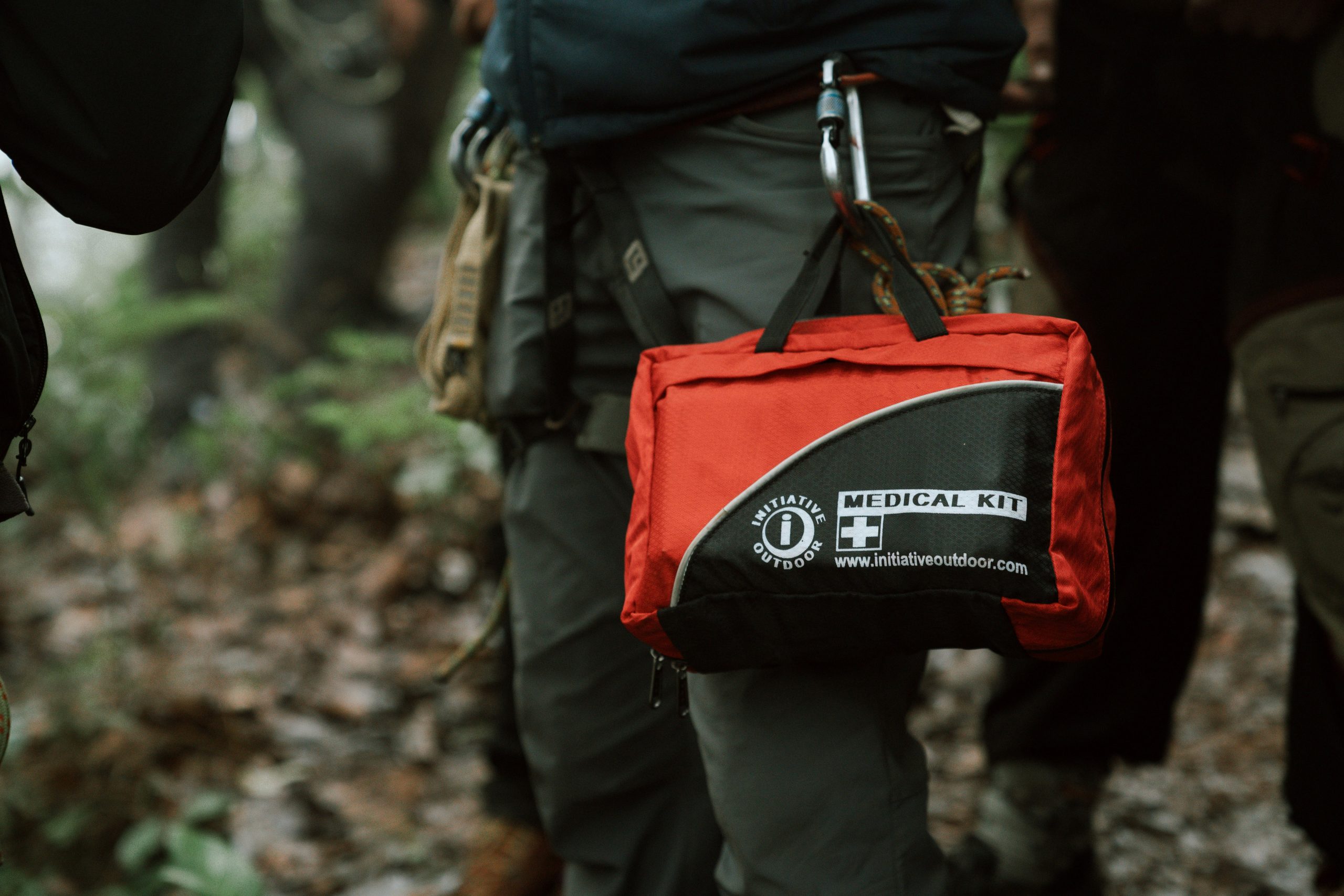
Avoiding essentials like water, snacks, first aid, or extra ammo shows a lack of foresight. Experienced hunters anticipate emergencies and prepare accordingly. When teammates quietly resist carrying additional supplies, it’s a subtle warning of unreadiness. This small avoidance can compound stress in the field, slowing down tasks and creating preventable problems. Observing who carries what reveals the team’s true preparation and mindset.
4. Over-Reliance on Technology
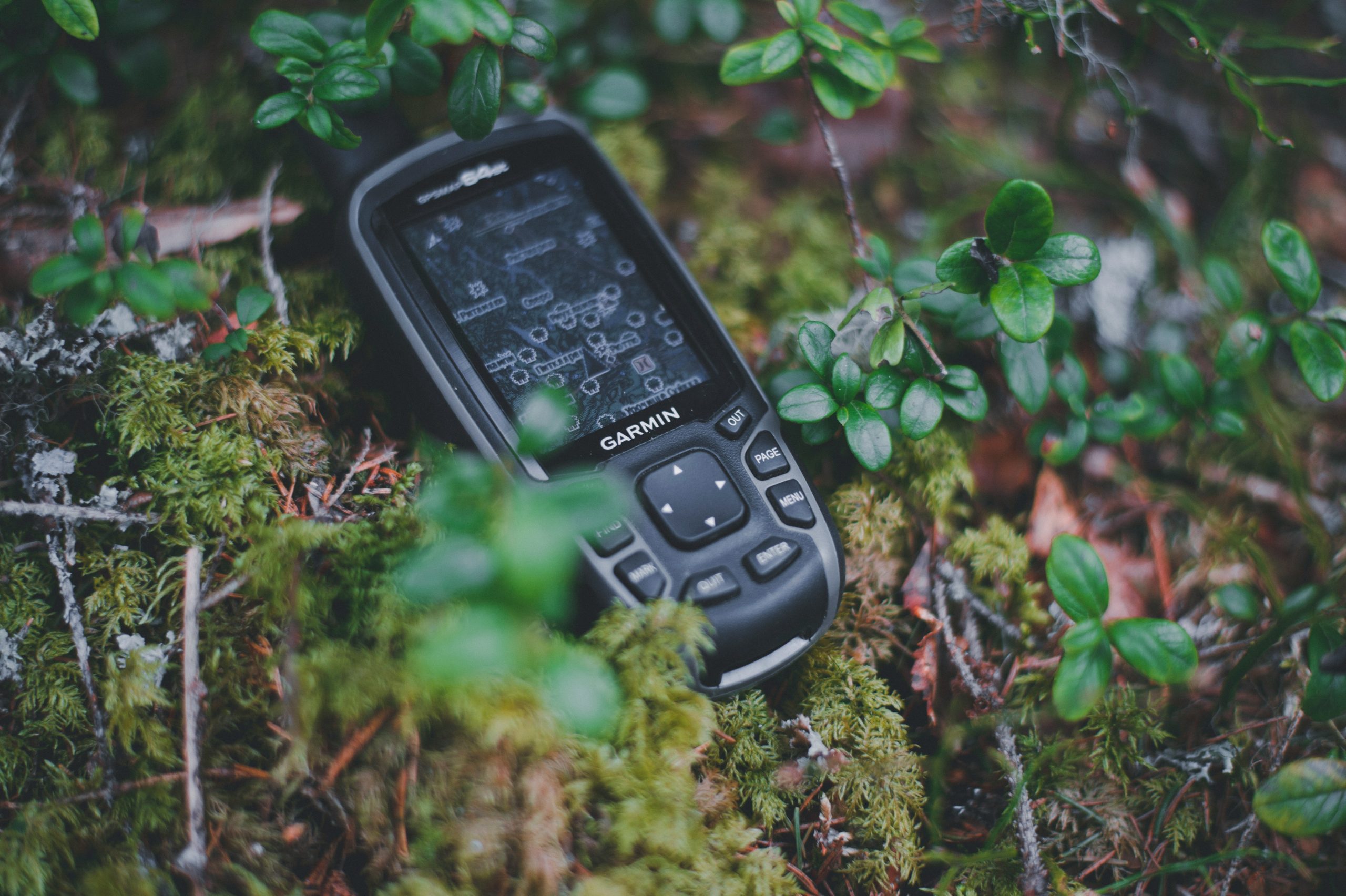
Constantly checking phones, apps, or electronic scopes may indicate inexperience. Technology is a tool, not a substitute for skill. Hunters who can’t operate without gadgets risk getting lost or stuck when batteries die or signals fail. Quiet dependence is a strong warning sign. Observing whether team members can navigate, track, or hunt using traditional methods gives insight into their overall readiness for the unpredictable wild.
5. Minimal Discussion About Safety
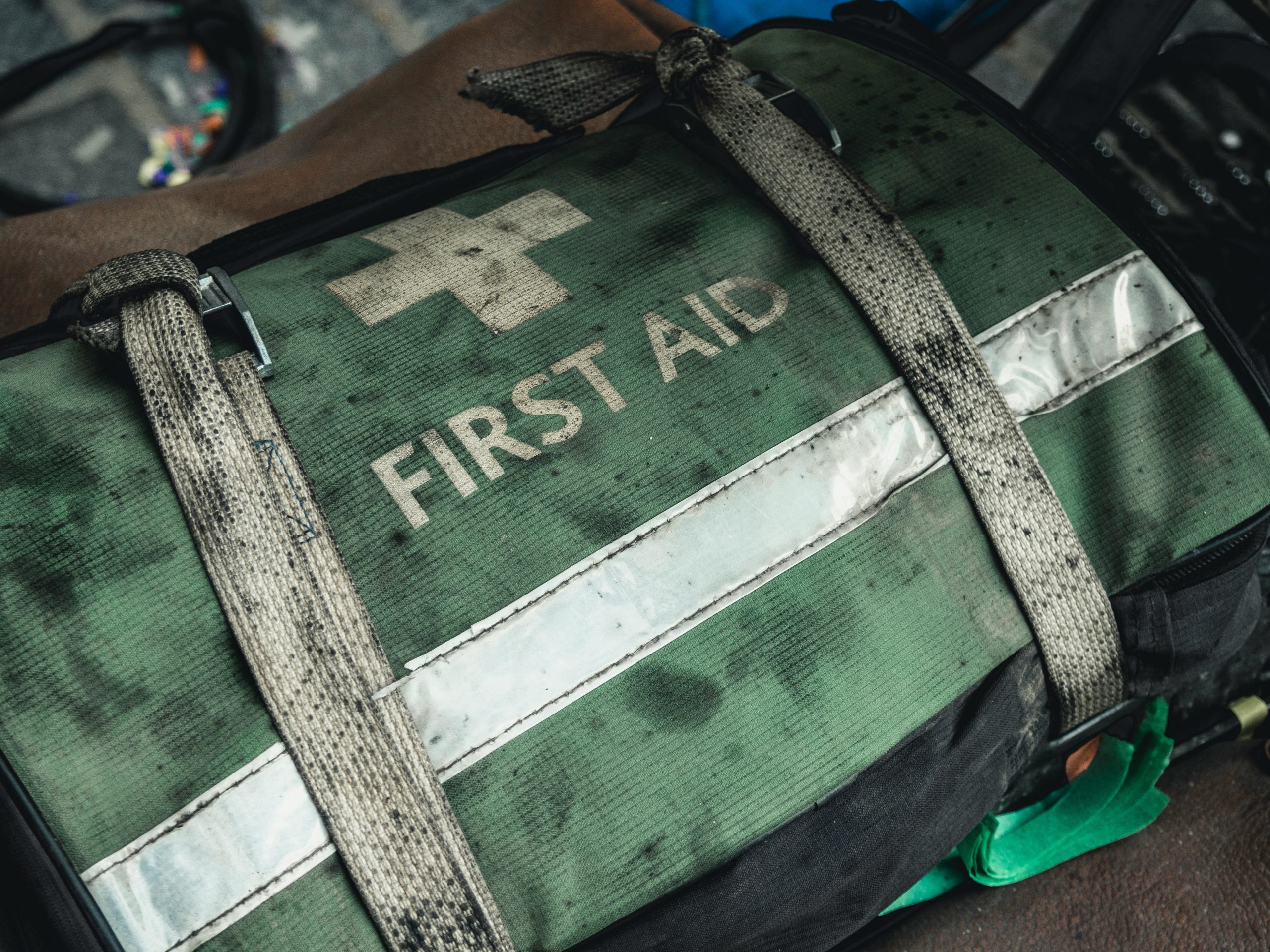
A lack of conversation about firearm handling, tracking protocols, or emergency plans often signals unreadiness. Silence here isn’t golden; it’s concerning. Experienced hunters integrate safety into every task naturally. Observing whether safety topics are avoided or ignored reveals preparedness more than direct questioning. Those who skip safety discussions may underestimate risks, potentially putting themselves and others in danger during the hunt.
6. Frequent Questions About the Hunt Itself
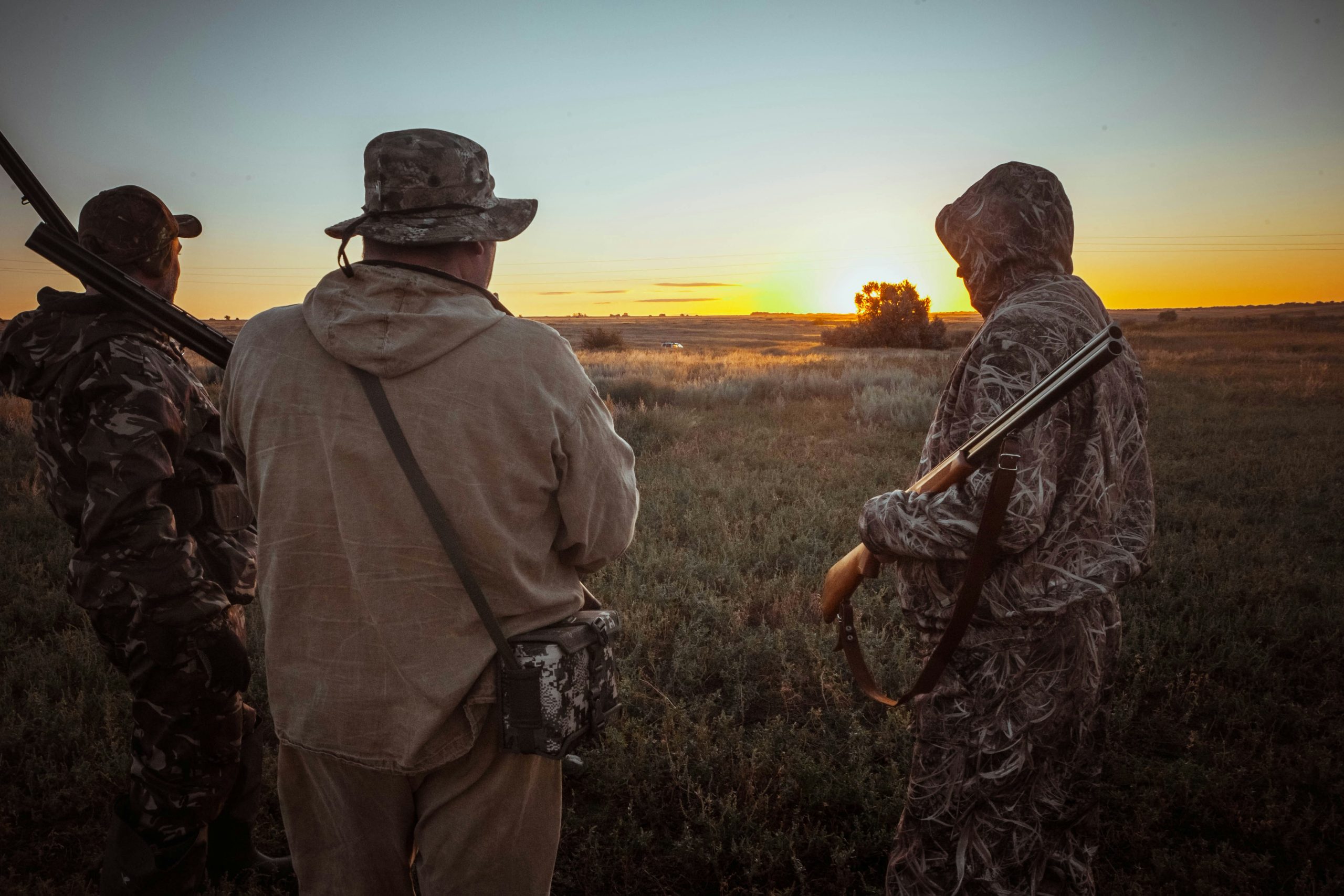
Repeated “how-to” questions about tracking, calling, or setting up blinds often indicate limited hands-on experience. Experienced hunters act decisively without constant clarification. Subtle nervousness or excessive questioning quietly signals unreadiness for real hunting challenges. While curiosity is natural, persistent uncertainty may slow the group and create avoidable errors when the stakes are higher in the field.
7. Low Endurance in Early Tasks
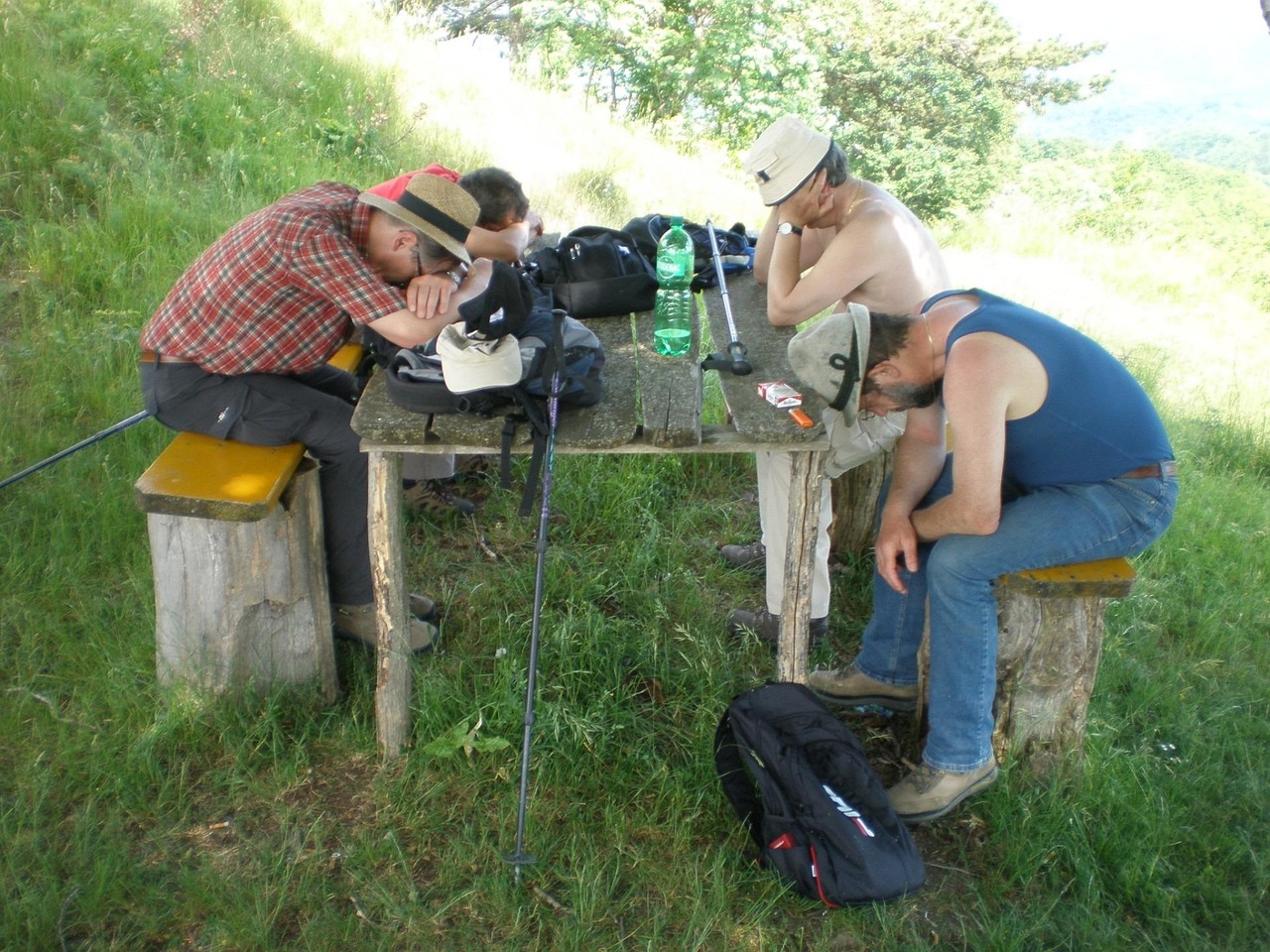
Struggling with warm-ups, hikes, or gear setup reveals physical unpreparedness. Hunting demands stamina, patience, and agility. Observing how the team handles early, low-pressure tasks quietly predicts performance under fatigue or stressful situations. Members who tire quickly or show frustration may not handle long treks, sudden chases, or heavy equipment well. Endurance in preparation often mirrors endurance in the actual hunt.