Long before ammunition became divided into neat categories for rifles and handguns, the .44-40 Winchester offered frontier shooters a remarkably practical solution. Introduced in 1873 for Winchester’s new Model 1873, the centerfire cartridge soon found a home in revolvers, allowing one ammunition type to serve two very different firearms. That simple idea had enormous appeal to cowboys, settlers, hunters, and lawmen who valued a lighter and simpler ammunition supply on long journeys.
1. It Was Born With the Winchester 1873
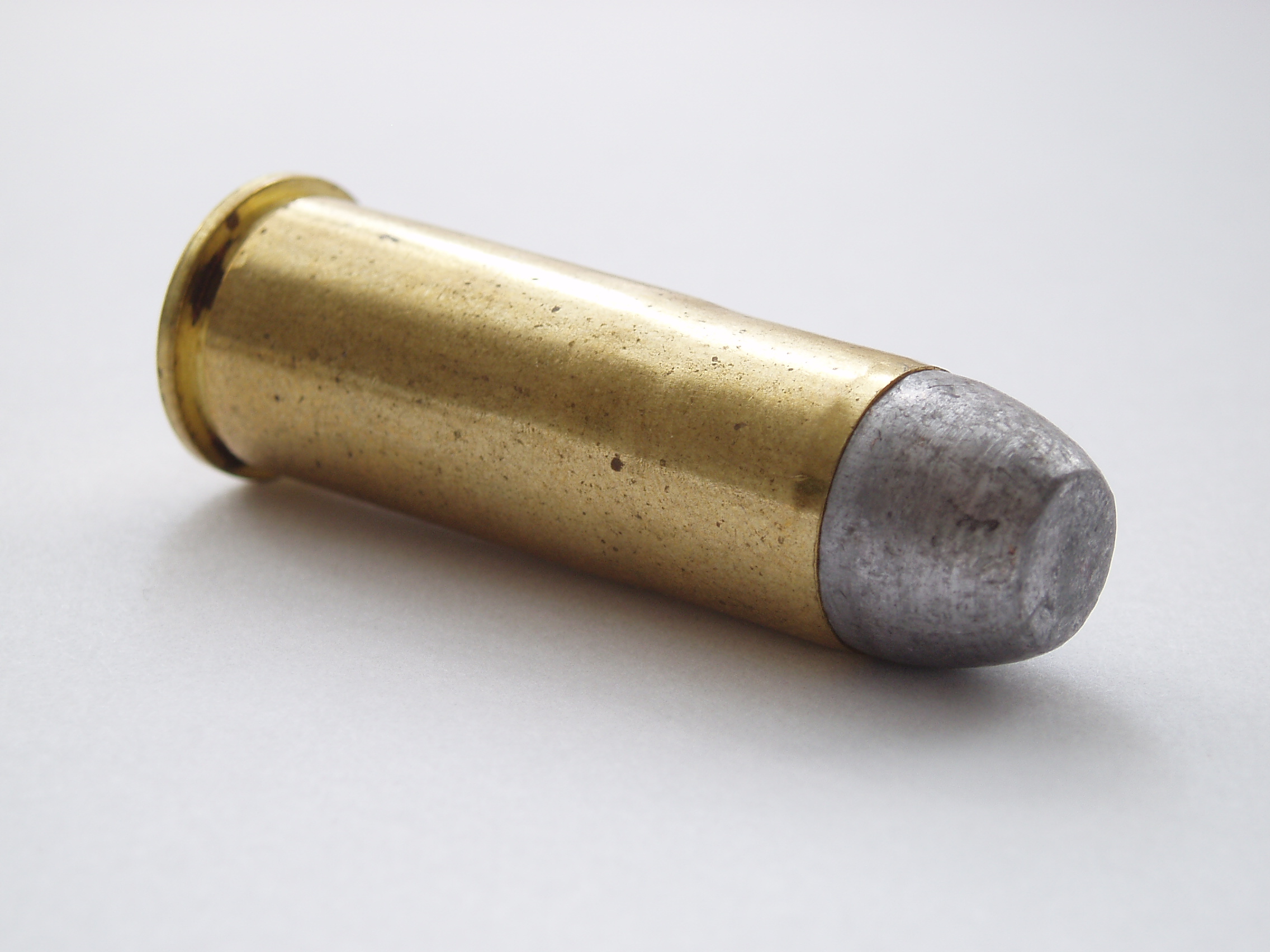
The .44-40 arrived in 1873 as the first centerfire cartridge Winchester offered with its new Model 1873 lever-action rifle. Its original loading used a 200-grain lead bullet propelled by 40 grains of black powder. Contemporary descriptions put its velocity around 1,300 feet per second from a rifle-length barrel. The cartridge’s rimmed, bottlenecked case was unusual for a handgun round, but its design proved adaptable. Most importantly, it gave Winchester a powerful new selling point: one cartridge could eventually serve both a long gun and a sidearm.
2. The “44-40” Name Told a Story
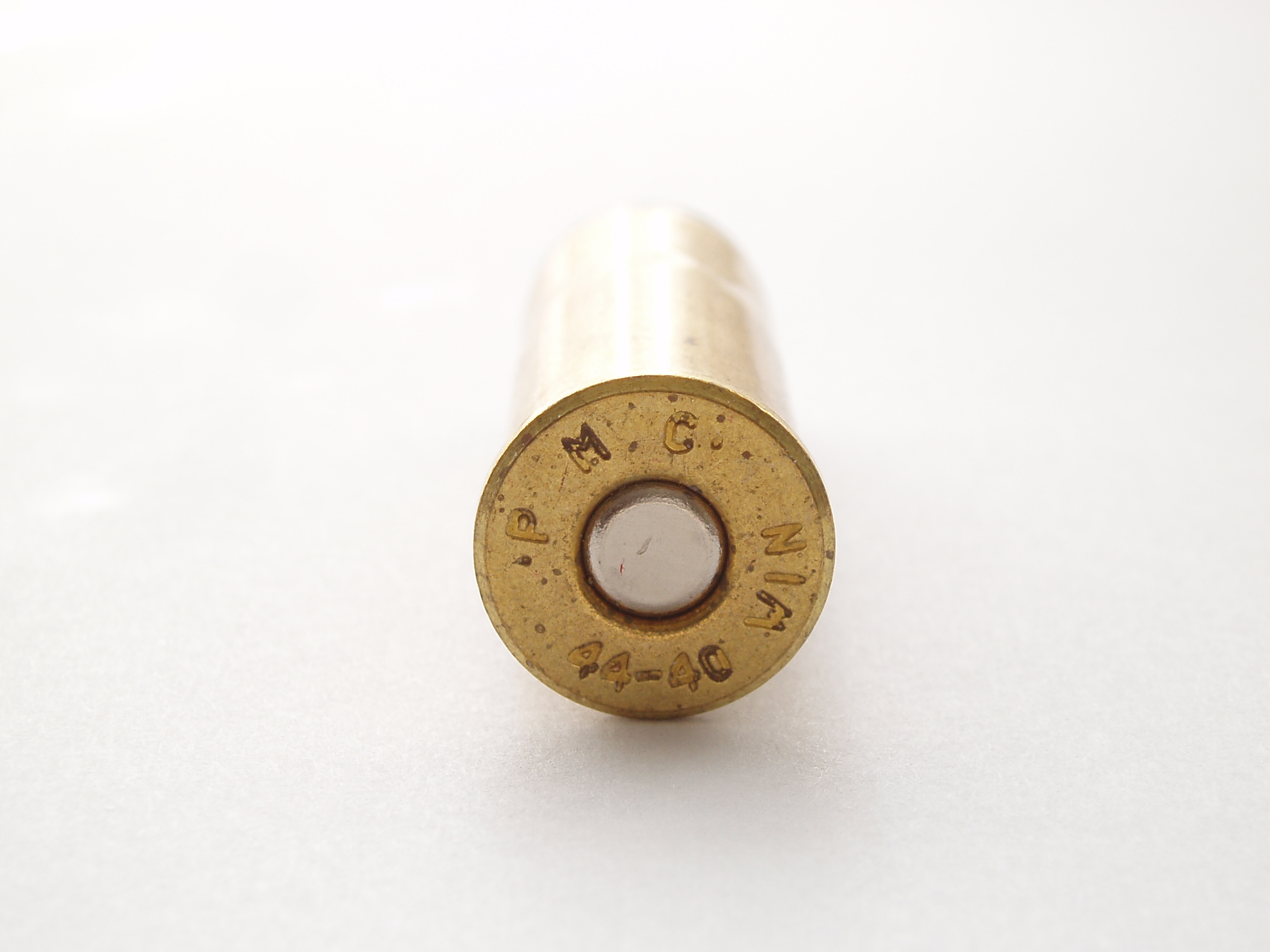
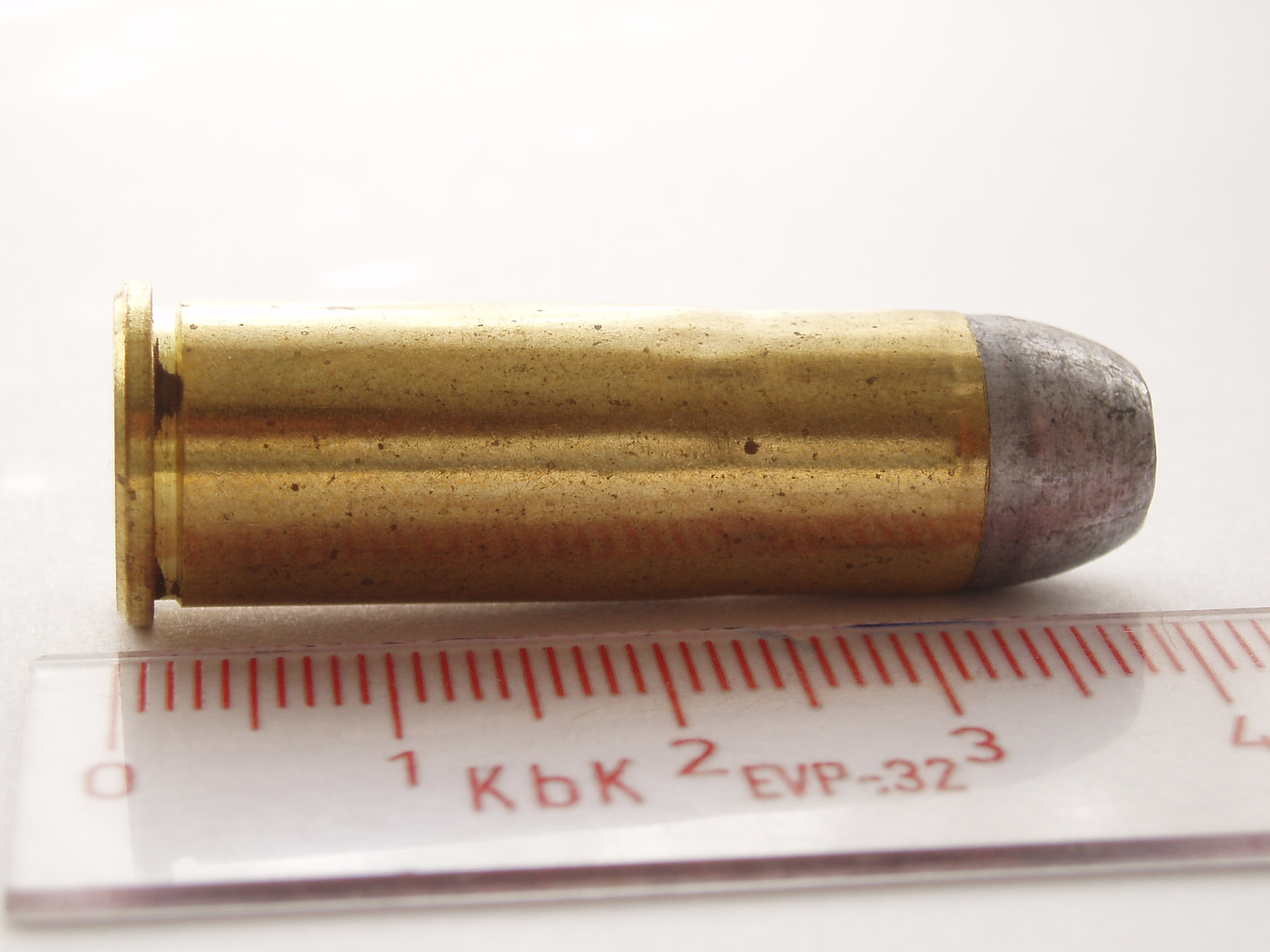
The familiar name contains two pieces of information about its early identity. The “44” referred broadly to its caliber, while the “40” came from the original 40-grain black-powder charge. Winchester originally called it .44 Winchester Center Fire, or .44 W.C.F. When other manufacturers began selling compatible ammunition, the .44-40 designation became increasingly common and eventually became the standard name. The cartridge measured about 1.305 inches in case length and 1.592 inches overall. Its name therefore preserved a small piece of nineteenth-century ammunition history.
3. Colt Made the Two-Gun Idea Practical
The real breakthrough came when revolver makers adopted the cartridge. Colt eventually offered its famous Single Action Army in .44-40, with the Frontier Six-Shooter becoming especially associated with the combination. That meant a frontier traveler could carry a Winchester rifle and a six-shot revolver using the same ammunition. Instead of maintaining separate cartridges for two weapons, the shooter could organize supplies around one common round. The arrangement was simple, practical, and particularly attractive to people traveling on horseback, where every ounce of equipment mattered.
4. It Was More Powerful From a Rifle
The same cartridge behaved differently depending on the firearm. A longer rifle barrel allowed the black-powder load to produce considerably more velocity than it generally achieved from a revolver. A representative original load used a 200-grain bullet and reached roughly 1,300 feet per second from a 24-inch rifle barrel. That gave the .44-40 useful performance for hunting and defensive purposes at ordinary frontier distances. From a handgun, velocity was lower, but the ammunition remained convenient. The cartridge therefore offered one of the era’s best compromises between portability and useful rifle performance.
5. Its Bottleneck Case Was Surprisingly Important
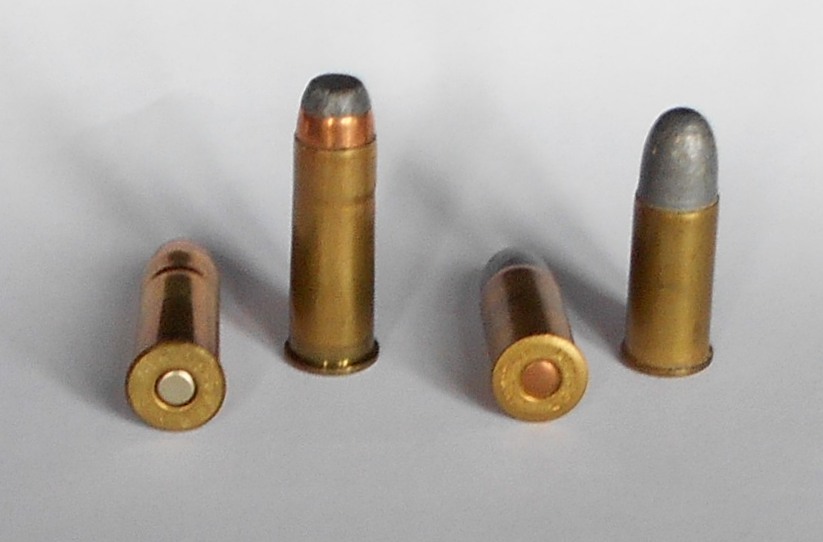
Unlike many familiar revolver cartridges, the .44-40 uses a subtly bottlenecked case rather than a completely straight-sided design. Modern specifications list a case length of approximately 1.305 inches, with the loaded cartridge measuring about 1.592 inches. That shape helped distinguish it from other nineteenth-century handgun ammunition. It also created some manufacturing and ammunition-handling characteristics that made the cartridge different from modern straight-wall designs. Despite its unusual appearance, the case proved reliable enough to become one of the most widely recognized American cartridges of the late nineteenth century.
6. Its Popularity Spread Far Beyond Winchester
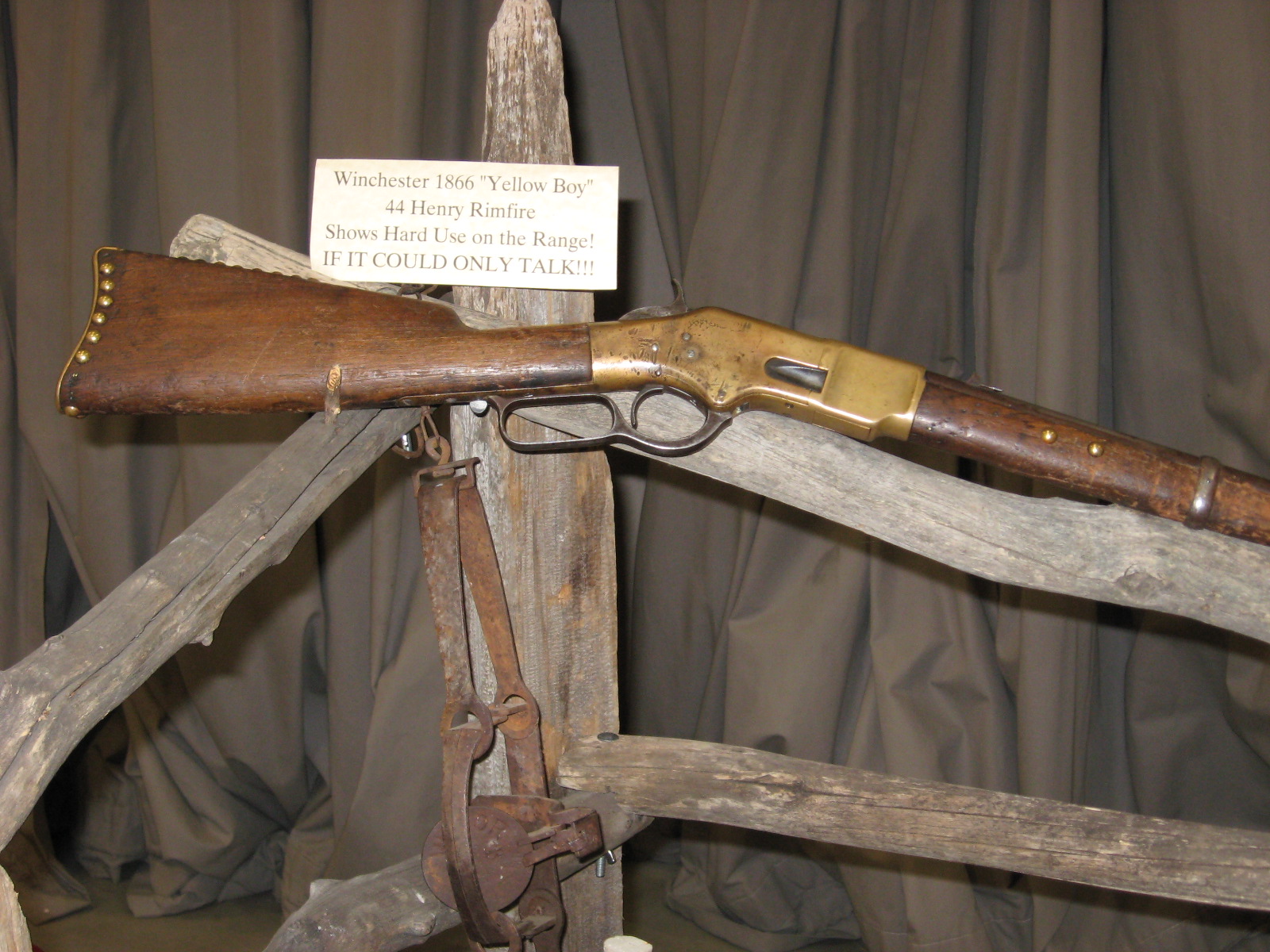
The idea proved too useful for competitors to ignore. Marlin, Remington, and other manufacturers eventually produced rifles or carbines chambered for the cartridge, while several revolver makers offered compatible handguns. The Winchester Model 1892 later became another important .44-40 platform. By the late nineteenth century, the cartridge had become deeply embedded in American firearms culture. Its appeal was not simply raw performance. The ability to standardize ammunition across a rifle and revolver gave ordinary users a logistical advantage that was easy to understand and difficult to overlook.
7. Its Legacy Survived the Arrival of Better Cartridges
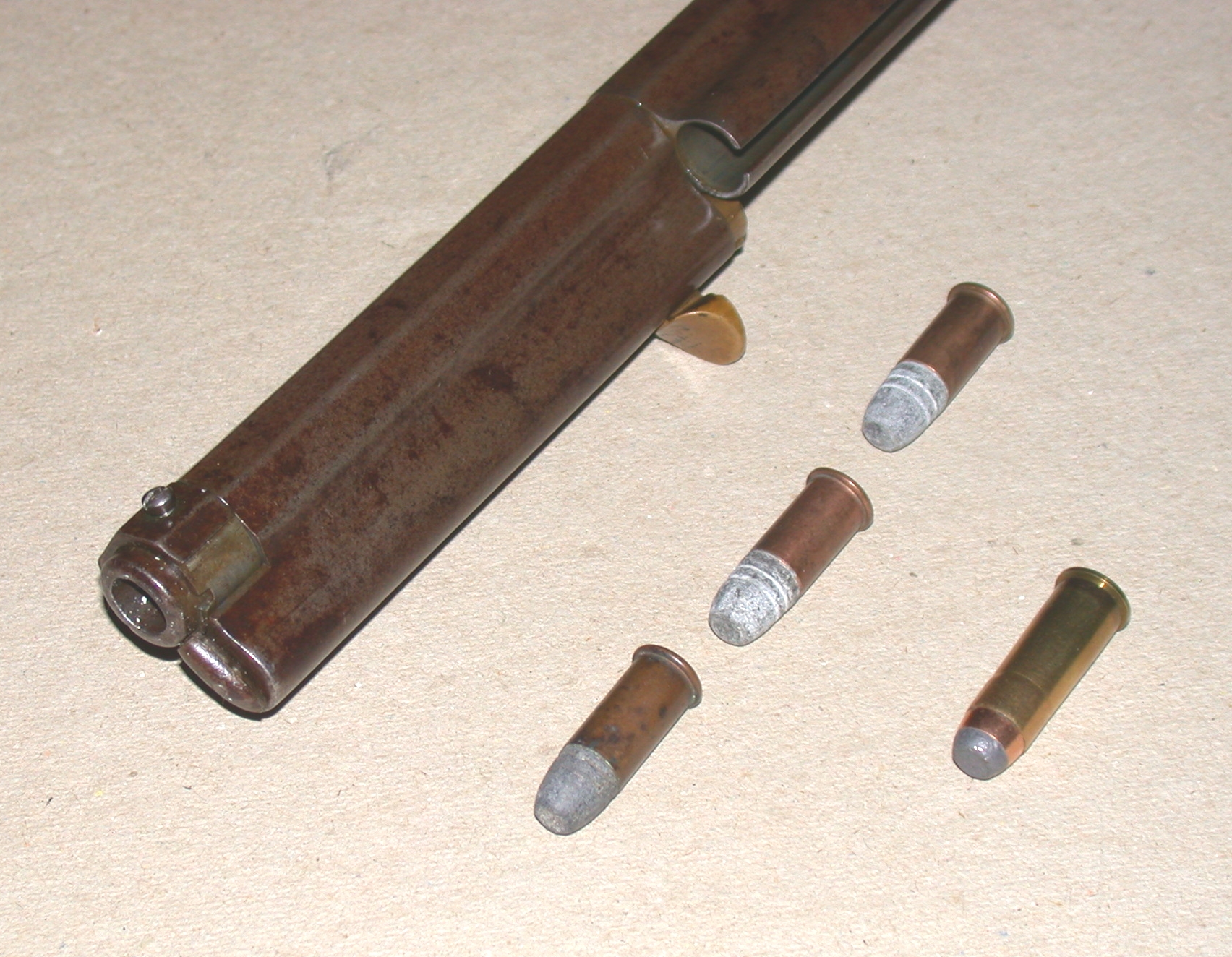
The .44-40 eventually faced newer ammunition with flatter trajectories, higher velocities, and smokeless powder. Winchester introduced a smokeless load in 1893, while later high-velocity versions pushed performance further. One Winchester high-velocity load advertised 1,500 feet per second with a 200-grain bullet in 1903, but such ammunition was not intended for older rifles or revolvers. That warning illustrates how ammunition technology had outgrown some nineteenth-century firearms. Even so, the .44-40 survived into the modern era through replicas, collectors, and cowboy-action shooting, preserving its remarkable two-gun legacy.