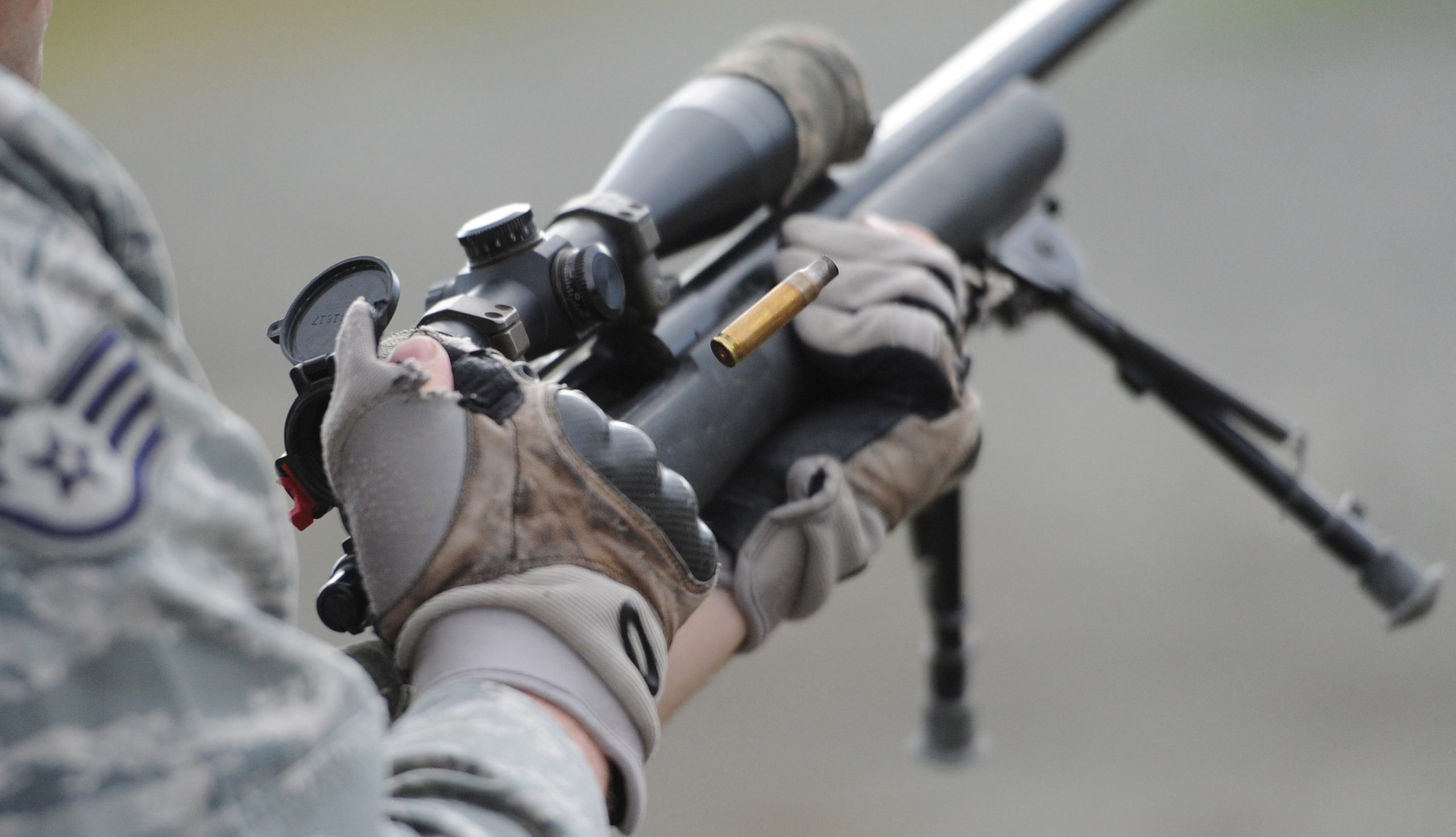
A rifle can remain mechanically unchanged while the ammunition landscape around it shifts dramatically. More hunters are encountering copper bullets, different projectile weights, changing factory-load availability, and a wider gap between common and specialized cartridges. That matters because ammunition affects more than terminal performance. Bullet weight, construction, velocity, trajectory, and availability can all influence how an established rifle fits a modern hunting setup. Current U.S. market data also shows noticeable differences between common and specialized rifle cartridges.
1. .30-06 Springfield
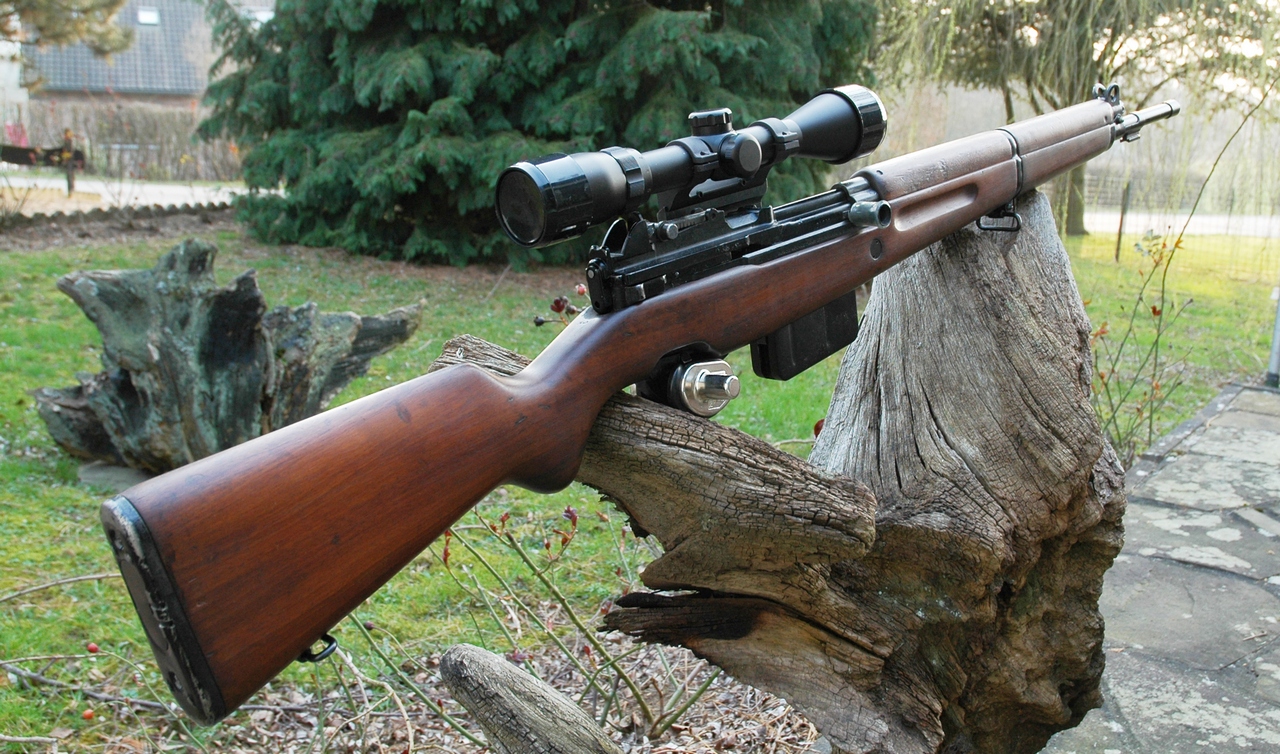
The .30-06 Springfield is being reconsidered by hunters who once treated its huge ammunition selection as a given. The cartridge remains widely supported, but today’s choices increasingly include lighter copper bullets and modern controlled-expansion designs alongside traditional lead-core loads. A 150-grain hunting load, for example, can behave differently from a 180-grain load, so changing ammunition means confirming the rifle’s zero rather than assuming the old point of impact remains unchanged. Current 2026 market data places average .30-06 pricing around $1.93 per round, showing that this classic cartridge is still firmly in the modern hunting market.
2. .308 Winchester
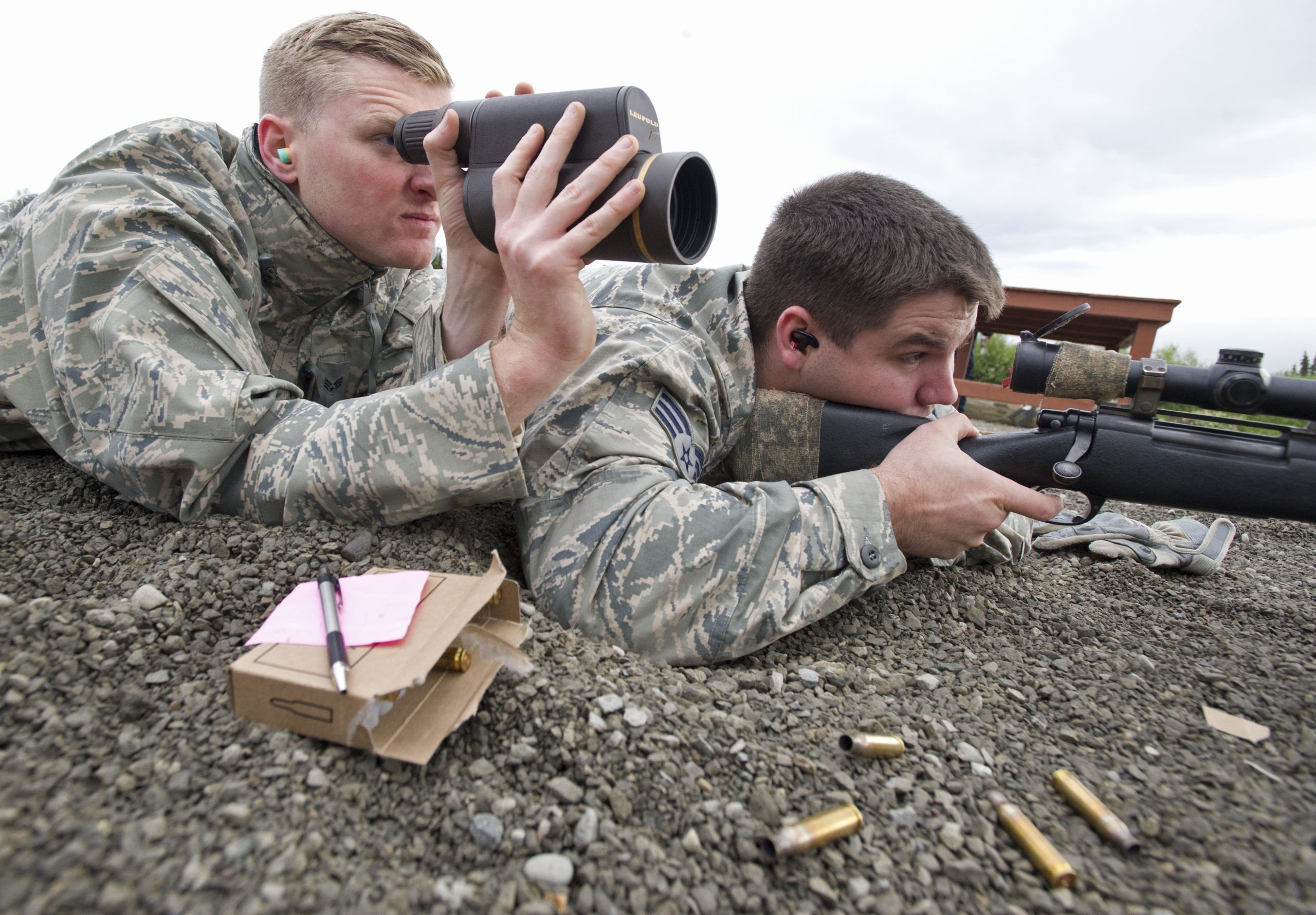
The .308 Winchester is receiving fresh attention because its ammunition market gives hunters unusually broad choices. The cartridge can be found with traditional hunting bullets, modern copper projectiles, and loads aimed at different game and barrel lengths. That flexibility is useful when ammunition rules or preferences change, but switching bullet construction can alter point of impact and external performance. The cartridge also shares a close dimensional relationship with 7.62 NATO, although the two should not automatically be treated as interchangeable in every firearm. In September 2026, tracked .308 ammunition averaged roughly $1.96 per round.
3. 6.5 Creedmoor
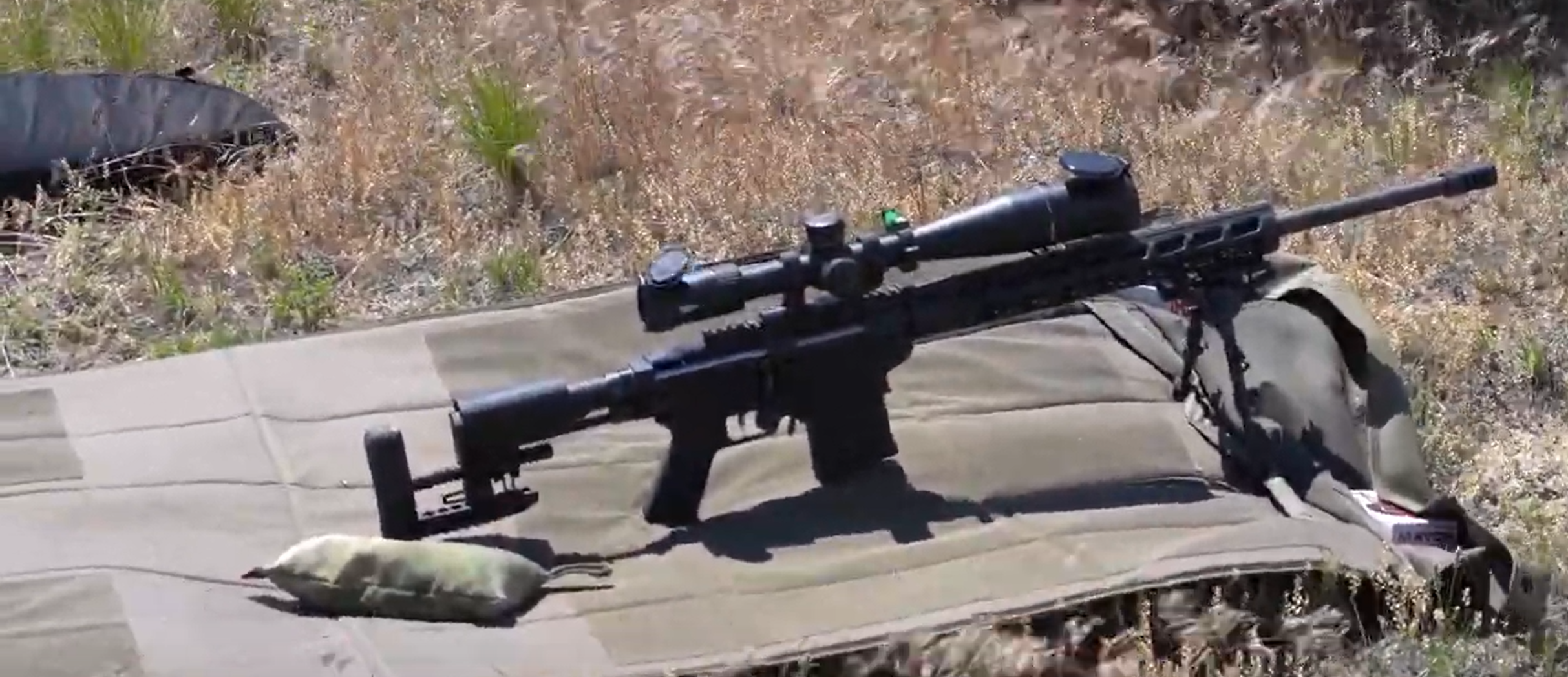
The 6.5 Creedmoor has become one of the clearest examples of a modern rifle cartridge adapting to changing ammunition preferences. Its popularity has encouraged manufacturers to offer numerous hunting and match loads, including lighter lead-free bullets designed around copper construction. Hunters changing between loads still need to verify zero because bullet weight, shape, and velocity can produce different trajectories. Factory ammunition also tends to cost more than common practice cartridges because the market is heavily weighted toward premium products. Current September 2026 tracking puts the average near $1.96 per round, making ammunition selection an important part of owning this cartridge.
4. .243 Winchester
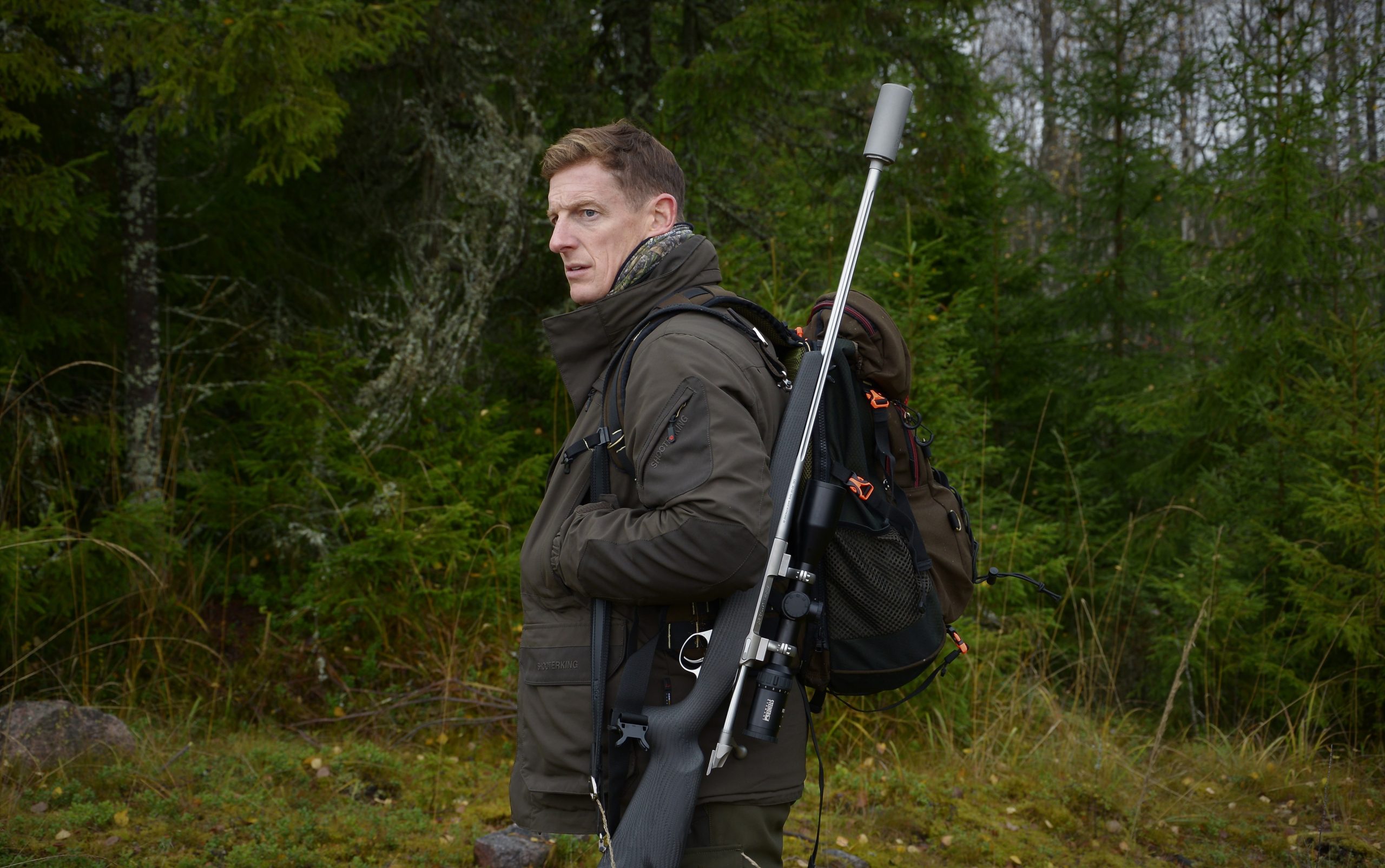
The .243 Winchester is getting another look because its long history gives hunters plenty of ammunition combinations to compare. A rifle chambered for this cartridge may be used with lighter bullets for varmints or heavier hunting projectiles, creating a wide range of possible loads. That becomes especially relevant when hunters move toward lead-free bullets, which can differ in weight and construction from familiar lead-core designs. The U.S. Fish and Wildlife Service is supporting lead-free hunting ammunition through incentives at 26 refuges across 19 states during 2026-27. For a .243 owner, that makes testing the exact hunting load before season increasingly important.
5. .270 Winchester
The .270 Winchester remains a familiar hunting cartridge, but changing bullet construction is giving some hunters a reason to revisit how their rifles are set up. Traditional 130-grain and 150-grain loads are no longer the only considerations, with modern projectiles offering different combinations of weight, construction, and ballistic performance. Copper bullets can also produce different pressure and trajectory characteristics than older lead-core ammunition, so hunters should confirm their rifle’s zero after changing loads. September 2026 market tracking puts .270 ammunition near $1.99 per round on average, showing that this established hunting cartridge continues to occupy a substantial premium ammunition market.
6. 7mm Remington Magnum
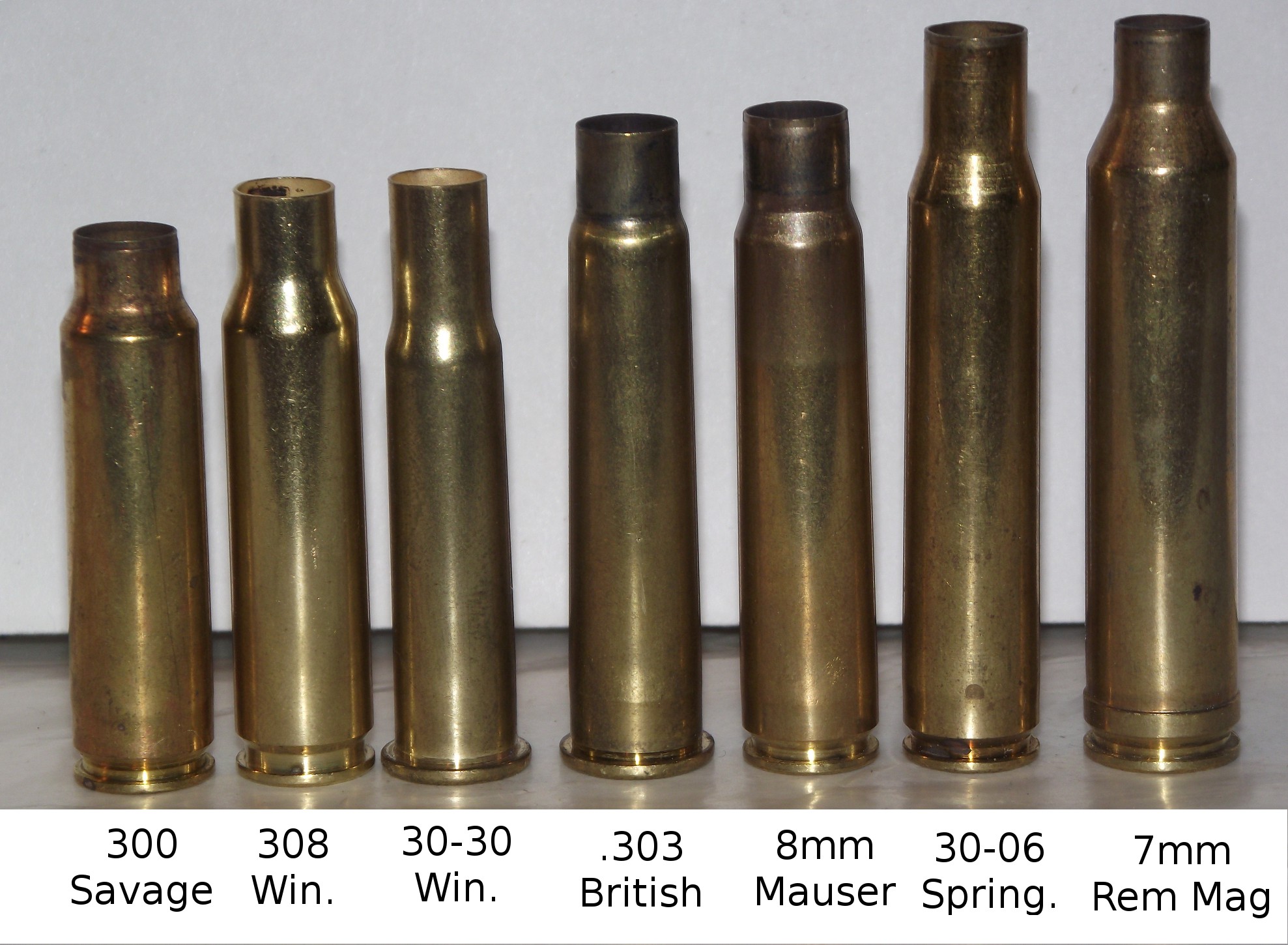
The 7mm Remington Magnum is another established cartridge being reconsidered as hunters gain access to more specialized bullet designs. Its traditional hunting ammunition has long covered a broad range of bullet weights, but newer projectiles allow manufacturers to pursue different combinations of retained weight, penetration, and aerodynamic efficiency. That makes ammunition selection more significant than simply buying any box marked 7mm Rem. Current market tracking places 7mm Remington Magnum ammunition around $2.50 per round on average, considerably above many common rifle cartridges. For hunters using an older rifle, confirming feeding, accuracy, and zero with the chosen modern load is particularly important.
7. 7.62x39mm
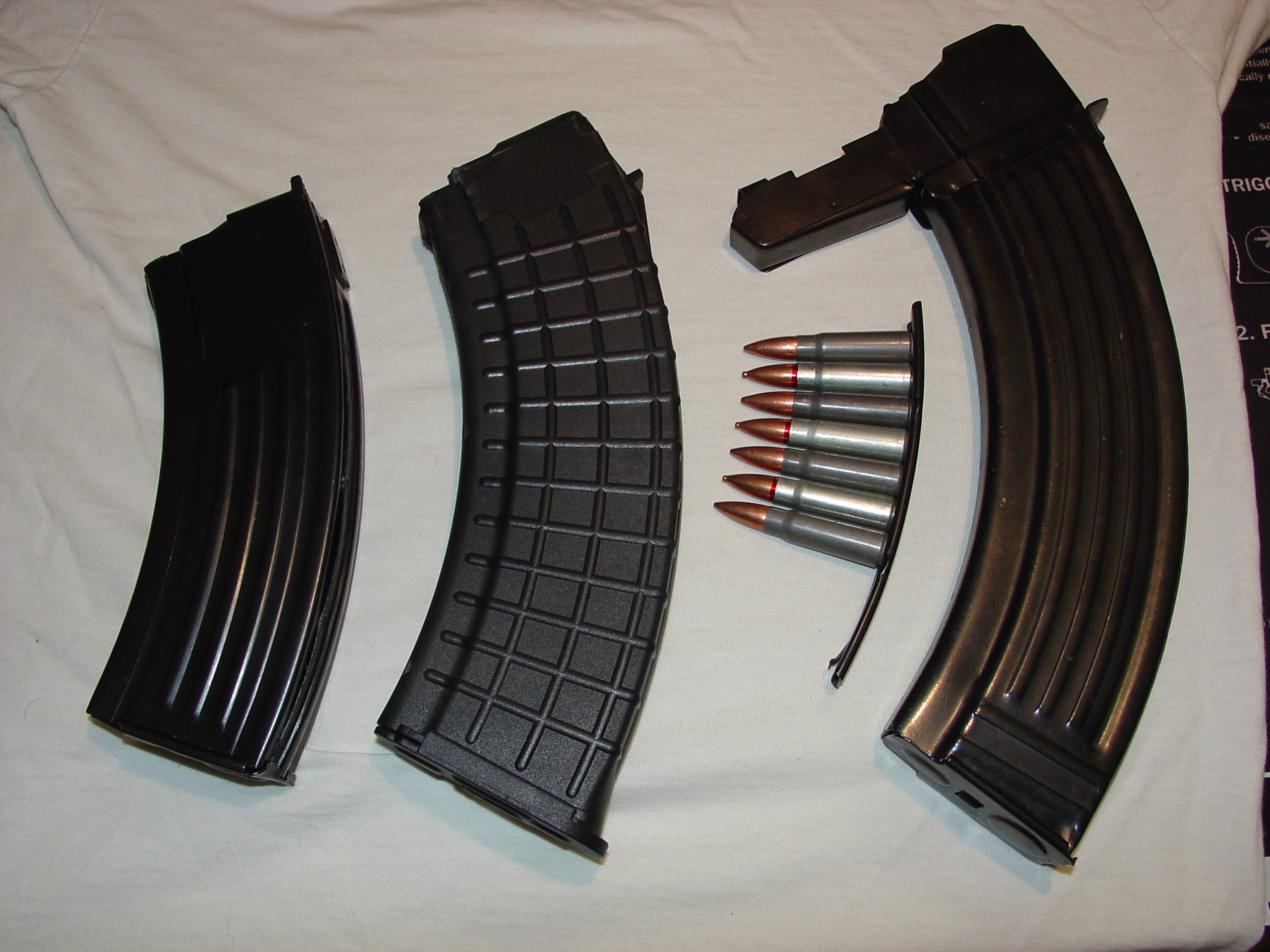
The 7.62x39mm is attracting renewed attention for a completely different ammunition reason: availability and product variety can vary sharply between inexpensive bulk loads and specialized hunting ammunition. Current market data shows a floor near $0.35 per round, while the broader average is considerably higher, illustrating how dramatically prices can differ by product type. Hunters also need to distinguish inexpensive practice ammunition from expanding hunting bullets intended for game. As ammunition choices become more varied, the rifle itself becomes only part of the equation. The exact projectile, load, and local hunting rules can determine whether a particular cartridge is appropriate for a lawful hunt.