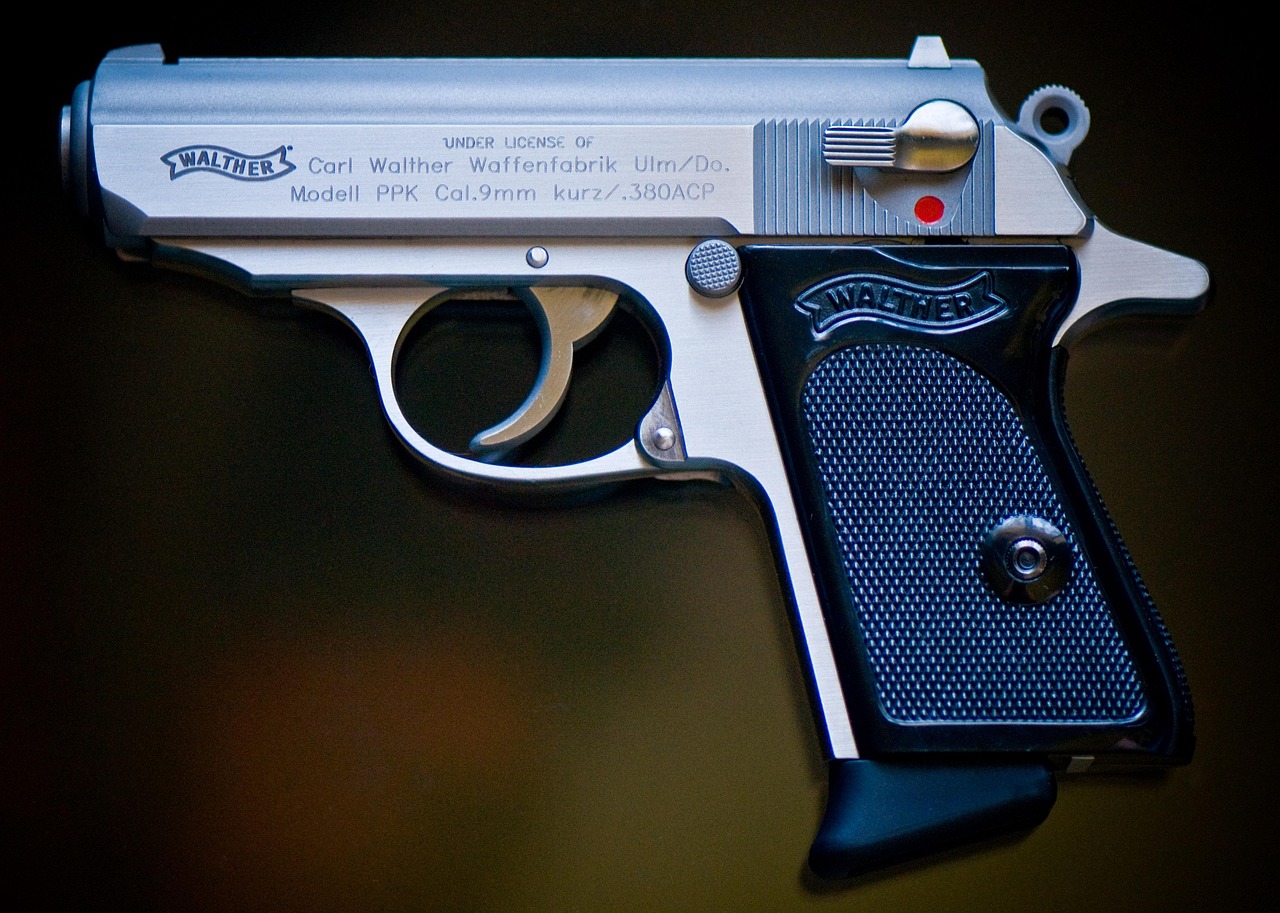
The Walther PPK is one of those rare objects that feels instantly familiar, even to people who have never handled one. Long before it was seriously debated as a practical carry pistol, it had already claimed a permanent role in cinema, thanks to its looks, scale, and unforgettable associations. This gallery explores the cultural and design reasons the PPK became a screen legend first and a carry favorite much later.
Its silhouette was instantly cinematic
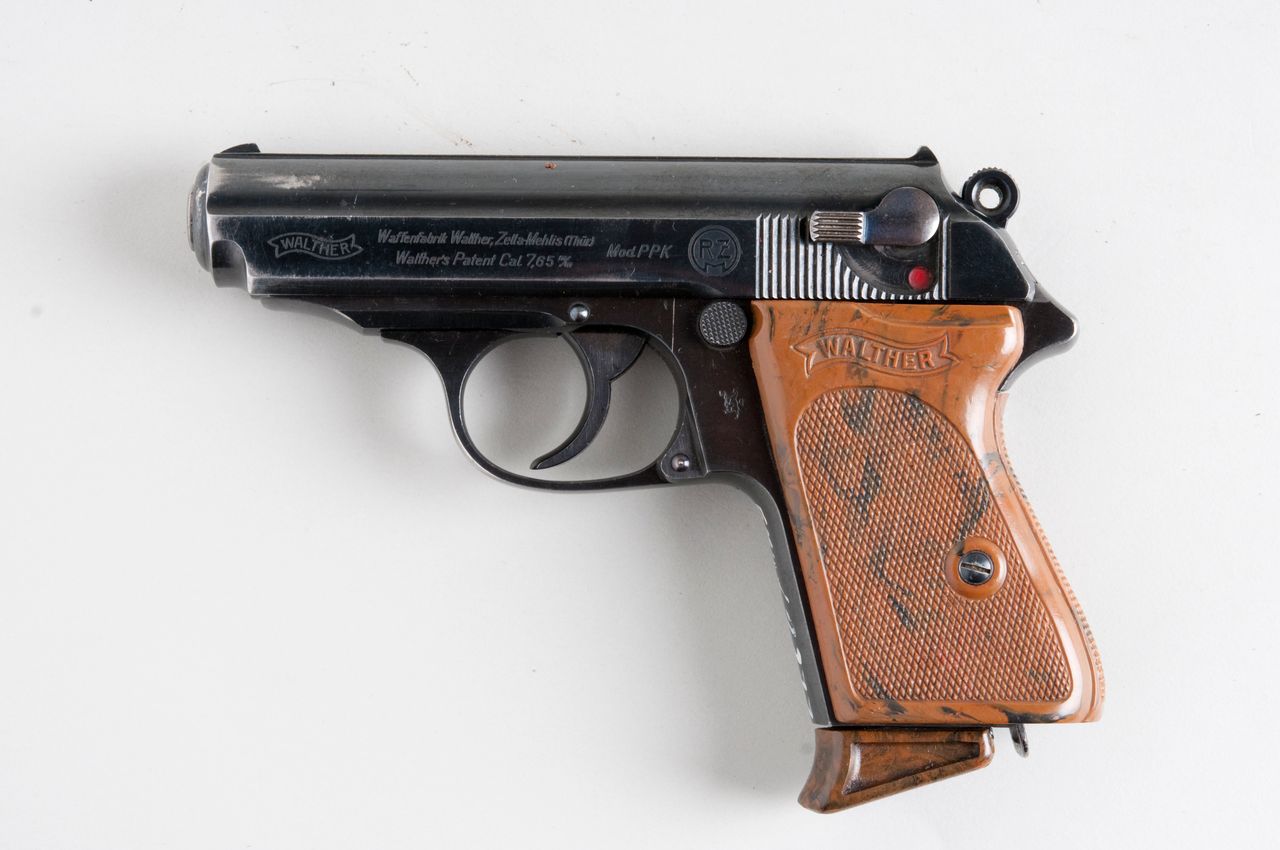
The PPK had something many firearms never quite achieve on screen: a shape viewers could recognize at a glance. Its compact frame, rounded trigger guard, and clean slide lines gave it a visual identity that read clearly in close-ups, holsters, and dramatic hand reveals.
That mattered in classic filmmaking, where props needed to communicate character fast. The PPK looked refined rather than bulky, dangerous without appearing brutish. In black-and-white and early color films alike, it photographed beautifully, which helped turn it from a mere pistol into a visual shorthand for cool professionalism.
It matched the rise of the suave spy archetype
Mid-20th century audiences were falling hard for a new kind of action hero. The bruiser still existed, but the sophisticated operative in a tailored suit was becoming far more alluring. The PPK fit that shift perfectly because it looked intelligent, discreet, and European.
Unlike large military sidearms, it suggested precision and control. It was the kind of gun a character might carry under a dinner jacket rather than on a battlefield. That made it ideal for stories about espionage, intrigue, and urban danger, where style and subtlety were as important as raw firepower.
James Bond turned it into an icon
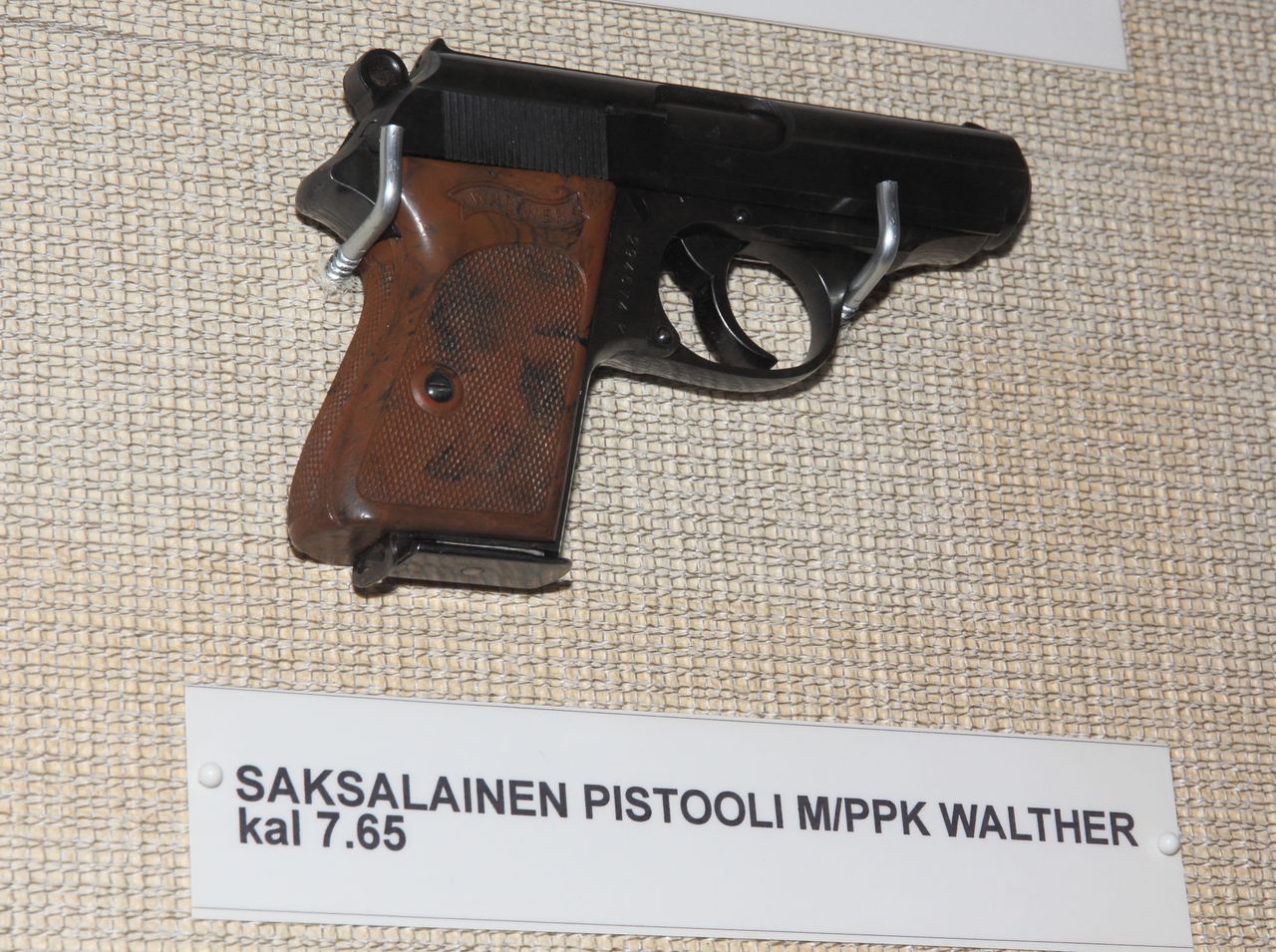
No discussion of the PPK’s fame can avoid the obvious: James Bond made it legendary. When the character traded a smaller Beretta for the Walther in Ian Fleming’s world and then carried it through decades of film adaptations, the pistol stopped being just a firearm and became part of a myth.
Bond’s gear always signaled taste as much as function, and the PPK benefited from that aura. Viewers came to associate it with confidence, efficiency, and international glamour. By the time many people learned its real-world limitations, its cinematic identity was already untouchable.
Its small size looked believable for concealed carry
On screen, a pistol has to make visual sense within the costume and the story. The PPK was small enough to plausibly disappear into a shoulder holster, jacket pocket, or handbag without stretching credibility. That gave directors and costume designers flexibility, and it made the characters carrying it seem prepared rather than overloaded.
For audiences, the gun’s scale felt realistic in a way oversized service pistols often did not. It looked like something an undercover officer, diplomat, or assassin might actually hide on their person. That believability helped sustain its movie career for decades.
European craftsmanship added mystique

The PPK carried the prestige of German engineering at a time when that phrase had real cinematic power. Even viewers who knew little about firearms could sense that this was a precision-made object from another world, not a rough utilitarian tool. That imported aura gave it intrigue.
In American and British films especially, European objects often signaled sophistication, danger, or elite taste. The PPK benefited from all three. It felt continental and cosmopolitan, the sort of weapon linked to diplomats, spies, and villains with expensive taste, which made it irresistible to storytellers.
Early carry culture was not what it is now
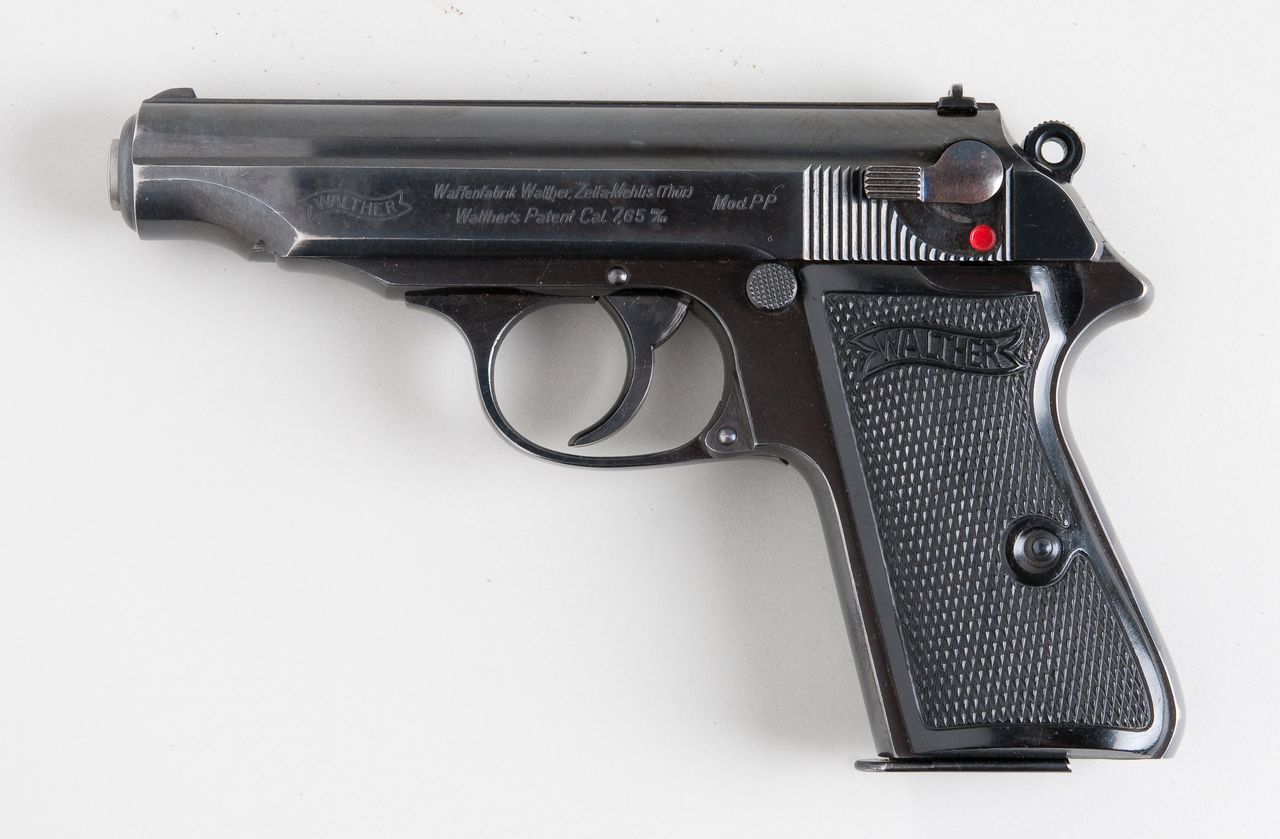
One reason the PPK became famous in movies before daily carry circles embraced it is simple: the modern concealed carry market barely existed in recognizable form for much of its early life. There were fewer purpose-built holsters, fewer compact competitors, and far less mass conversation about practical defensive pistols.
Movies, meanwhile, could turn any object into a cultural symbol overnight. The PPK entered public consciousness through entertainment long before widespread consumer demand for carry guns matured. By the time modern standards emphasized capacity, shootability, and easier ergonomics, the pistol had already won its biggest popularity contest on screen.
Nostalgia keeps its star power alive
Even in an era dominated by lighter, higher-capacity carry pistols, the PPK still commands attention because its fame is now generational. Collectors, film fans, and casual observers all bring a layer of memory to it. The gun does not have to win every practical argument to remain culturally important.
That is the final reason it became a movie star first: once an object crosses into legend, utility is only part of the story. The PPK endures because it represents a mood, a period, and a character type. Few carry guns can claim that kind of cinematic immortality.