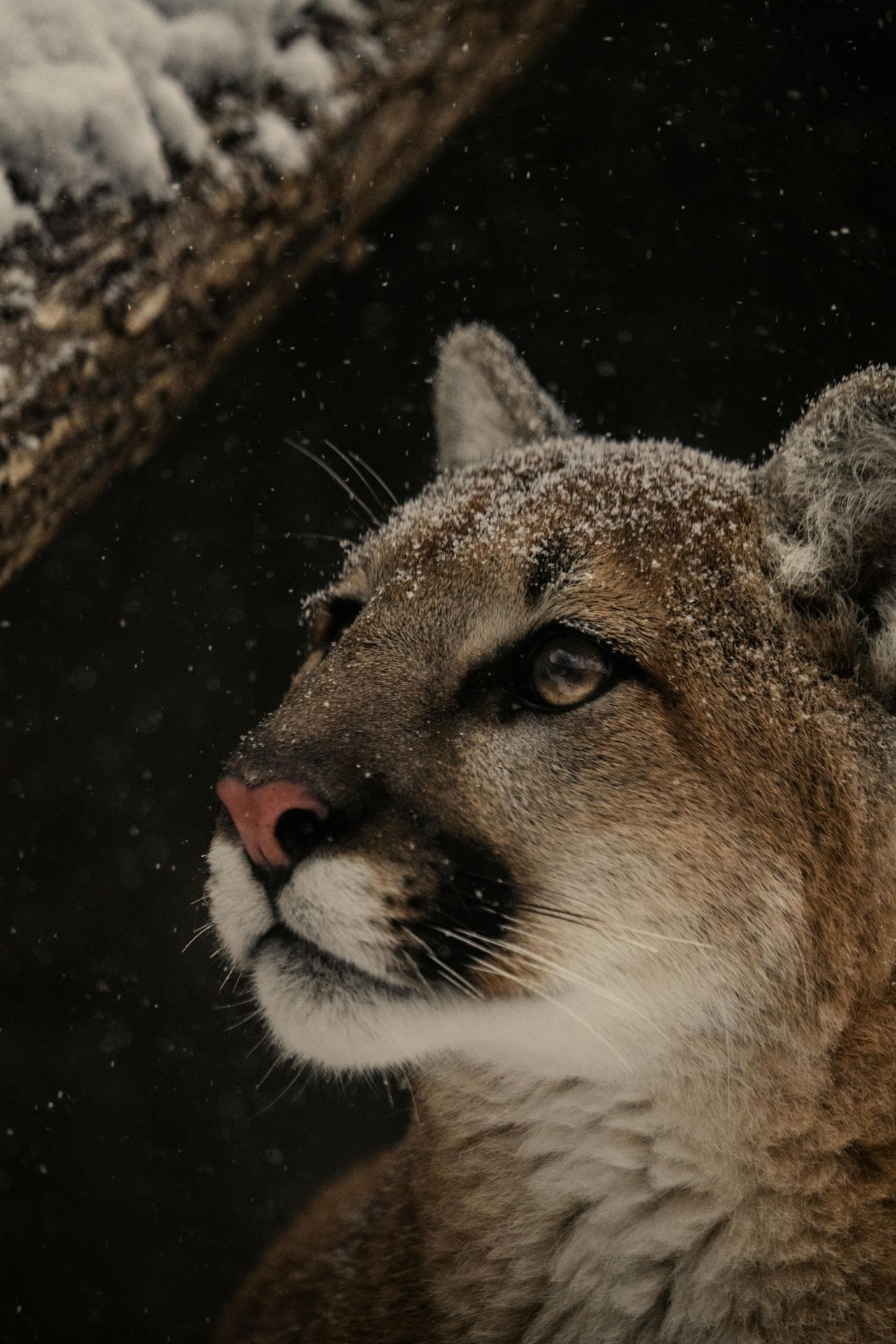
Few hunting topics spark as much disagreement as mountain lion season. For some, it is a legitimate wildlife management tool rooted in tradition; for others, it raises serious ethical, biological, and public-safety concerns. This gallery looks at the major fault lines driving the debate and why the conversation feels more intense than ever.
Population estimates are hard to pin down.
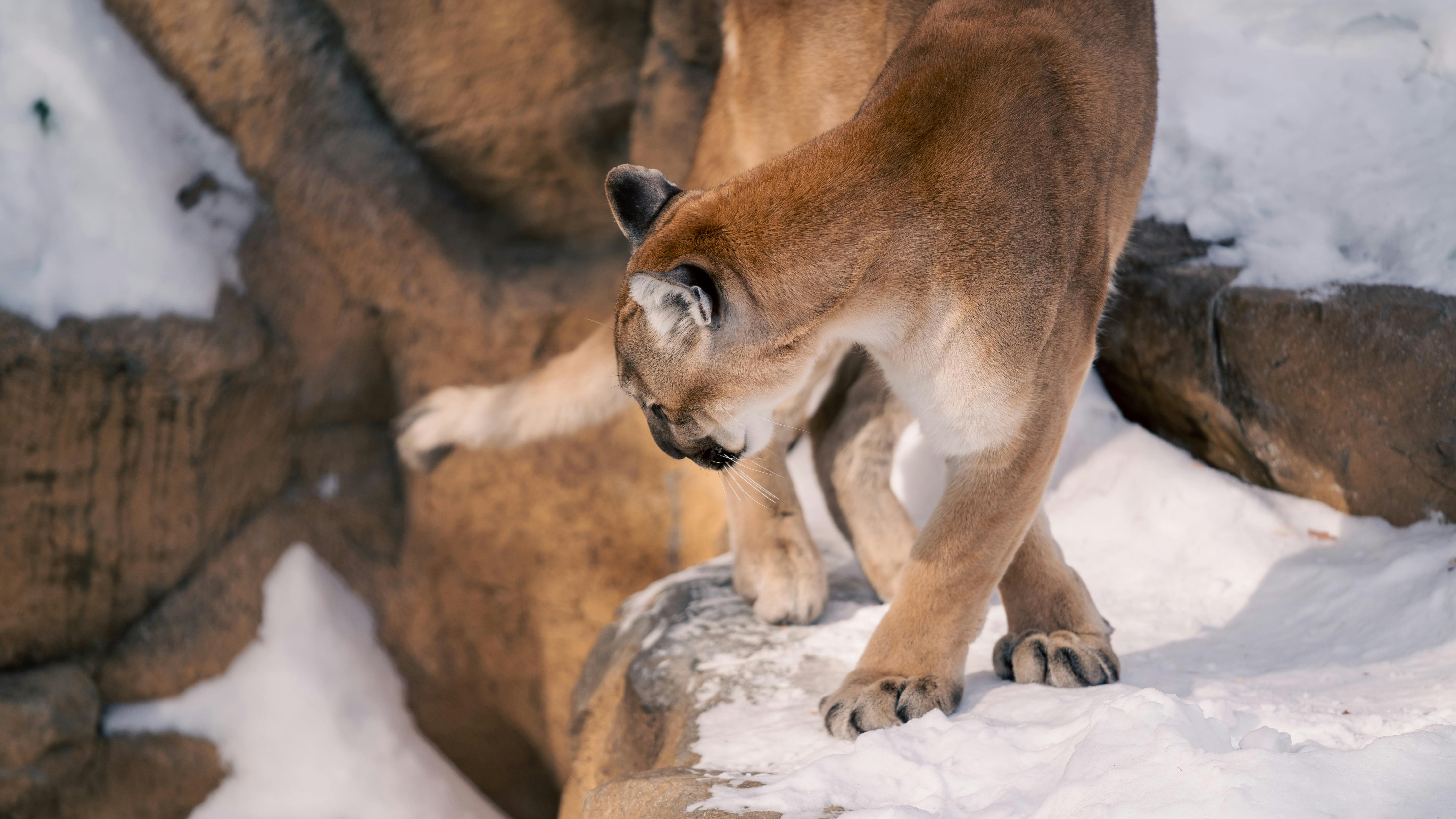
One reason the debate gets so heated is that mountain lions are notoriously difficult to count. They move across huge territories, avoid people, and live in landscapes where direct observation is rare. That means population estimates often rely on models, trail cameras, DNA samples, and educated assumptions rather than simple head counts.
For supporters of hunting, imperfect data does not mean managers should do nothing. For critics, uncertainty is exactly why states should be cautious. When both sides believe the science leaves room for interpretation, every season quota starts to feel like an argument over what the numbers really mean.
Predator control remains a flashpoint.
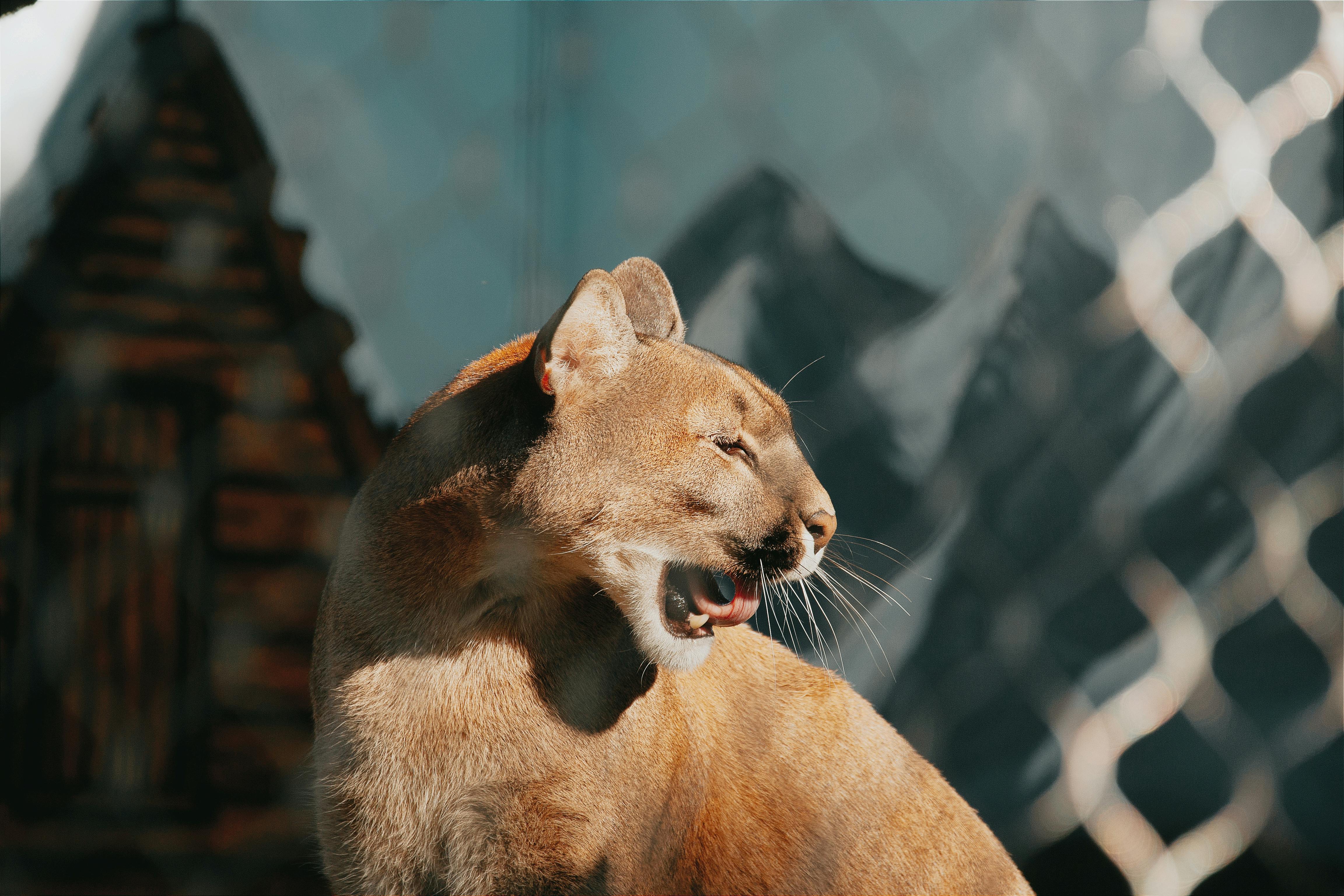
Many supporters frame mountain lion hunting as practical predator management. In areas where lions overlap with deer, elk, livestock, or pets, hunting is often presented as a way to reduce conflicts and protect other animals. That argument resonates strongly in rural communities that deal with those concerns up close.
Opponents counter that predator control can be oversimplified and sometimes politically convenient. They argue that removing top predators may not solve the underlying problem and can even disrupt lion behavior in ways that create new issues. That clash between management logic and ecological caution keeps the controversy alive.
Ethics divides hunters as much as non-hunters
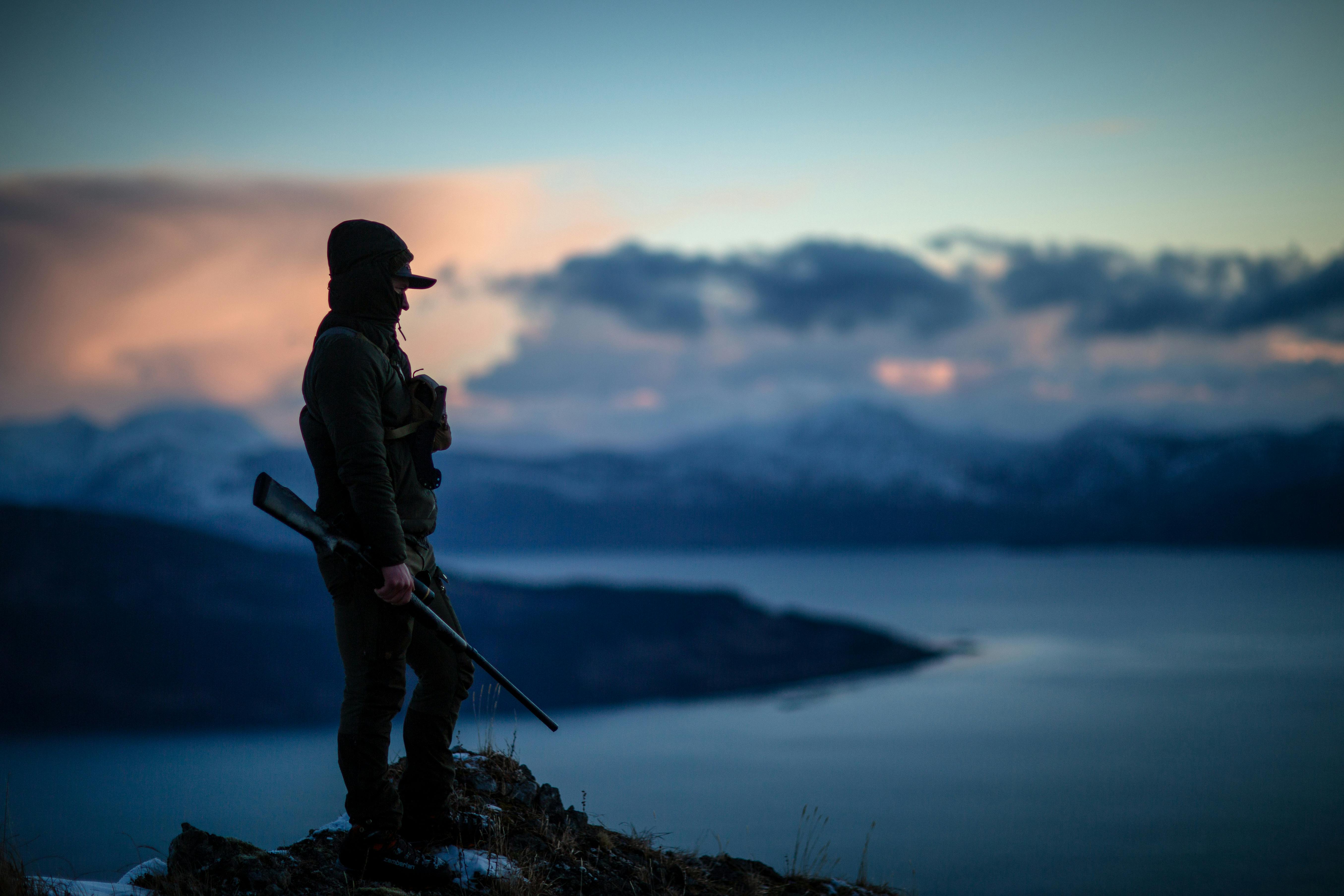
This is not just a fight between hunters and animal-rights advocates. Within the hunting community itself, mountain lion hunting can split people over what feels fair, necessary, and respectful. Some see it as a legitimate pursuit of a powerful game animal, while others feel predators occupy a different moral space than hoofed species commonly hunted for meat.
Those ethical differences become sharper when the conversation turns to motive. If the hunt is viewed mainly as trophy-driven, critics inside the hunting world often recoil. Supporters, meanwhile, argue that skill, regulation, and conservation funding matter more than outsiders assume, making the disagreement deeply personal as well as public.
Hound hunting adds another layer of controversy.

In some states, the use of hounds to track mountain lions has become one of the most emotionally charged parts of the debate. Supporters say trained dogs help hunters identify the animal, improve safety, and make selective harvest more possible. They argue that this method can actually reduce mistakes in the field.
Critics see it very differently. To them, using hounds turns the hunt into a pursuit that feels less sporting and more coercive, especially when a lion is treed before the final decision is made. Because the method is so visually vivid, it often shapes public opinion faster than any policy memo ever could.
State laws vary wildly across the country.

Mountain lion policy in the United States is anything but uniform. Some states allow tightly regulated hunting seasons, some restrict methods, and others prohibit mountain lion hunting altogether. That patchwork creates constant comparisons, with each side pointing to a different state as proof that its preferred approach works best.
The legal differences also turn the issue into a cultural battleground. What feels normal and responsible in one region may seem reckless or unacceptable in another. As ballot measures, wildlife commissions, and legislatures revisit the topic, hunters are left debating not just biology, but whose values should shape the rules.
Public perception is changing fast.
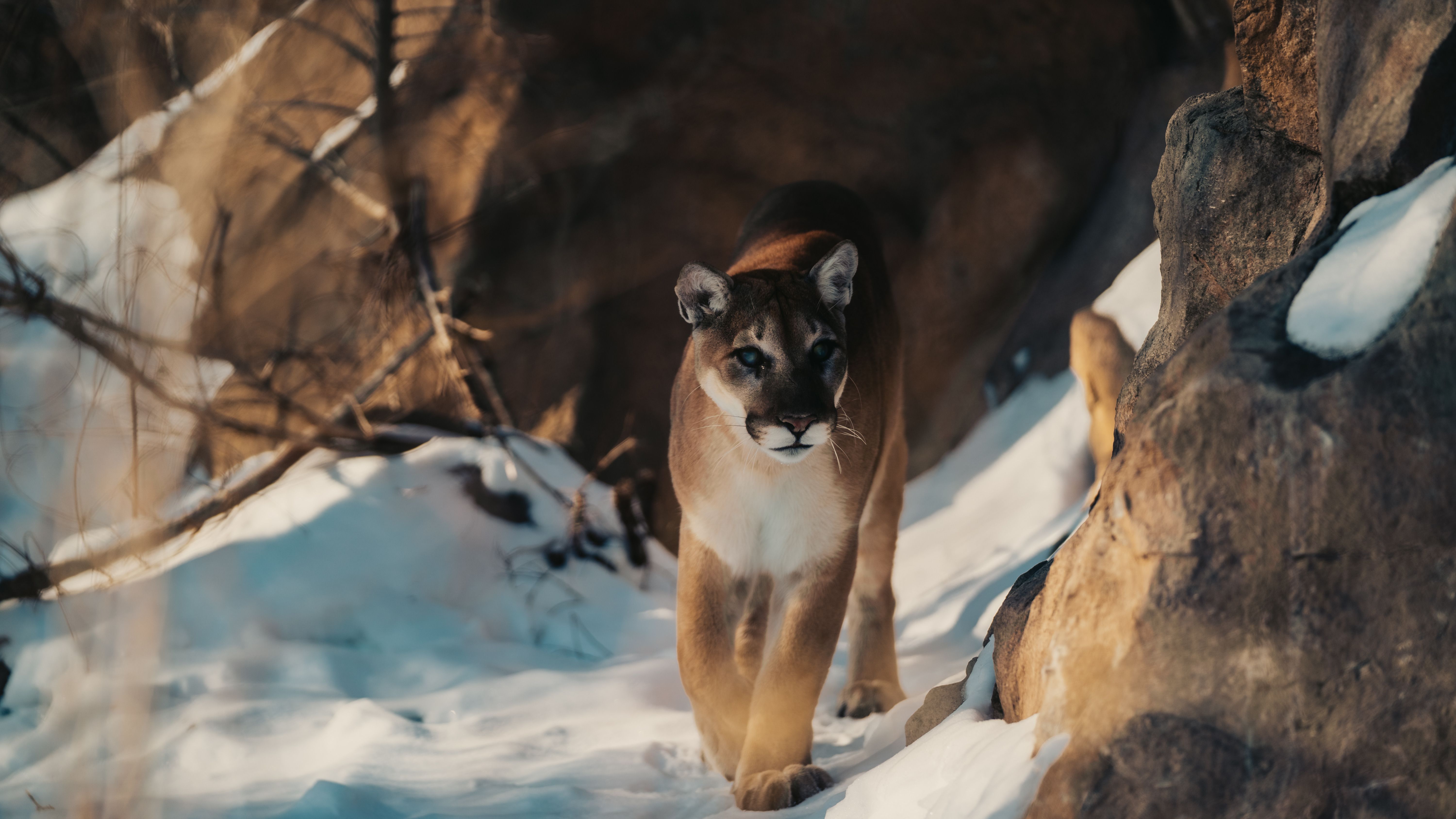
Large carnivores now occupy a powerful place in the public imagination. For many Americans, mountain lions symbolize wildness, resilience, and a fragile connection to landscapes that feel increasingly developed. That makes any hunting season easier to scrutinize, especially when dramatic photos or viral stories enter the conversation.
Hunters who support lion seasons often feel the broader public misunderstands both wildlife management and rural realities. But critics have become more effective at shaping the emotional narrative, and that matters. In a media environment driven by imagery and reaction, public sentiment can influence wildlife policy almost as much as field data.
Conflicts with people make the issue more urgent.

Encounters between mountain lions and people remain relatively rare, but even a few incidents can transform the debate overnight. Reports involving pets, neighborhoods, trails, or children tend to dominate headlines because they tap into deep fears about safety. In those moments, pressure on wildlife agencies can intensify very quickly.
At the same time, critics warn that fear can push policy faster than evidence should. They argue that isolated events do not always justify broader hunting policies across an entire state. The result is a recurring cycle in which every high-profile encounter becomes both a public-safety story and a political test.