A pistol’s extractor is a small component with a major role in reliable operation. It engages the cartridge case and pulls it from the chamber after firing, allowing the firearm’s cycling mechanism to complete extraction. Although extractors may look similar across different handguns, their placement, mounting method, and relationship with the slide can vary considerably. Comparing seven pistol designs reveals how manufacturers approach this essential mechanism, from traditional external extractors to internally mounted components and distinctive rimfire arrangements.
1. Colt M1911: The Classic Internal Extractor
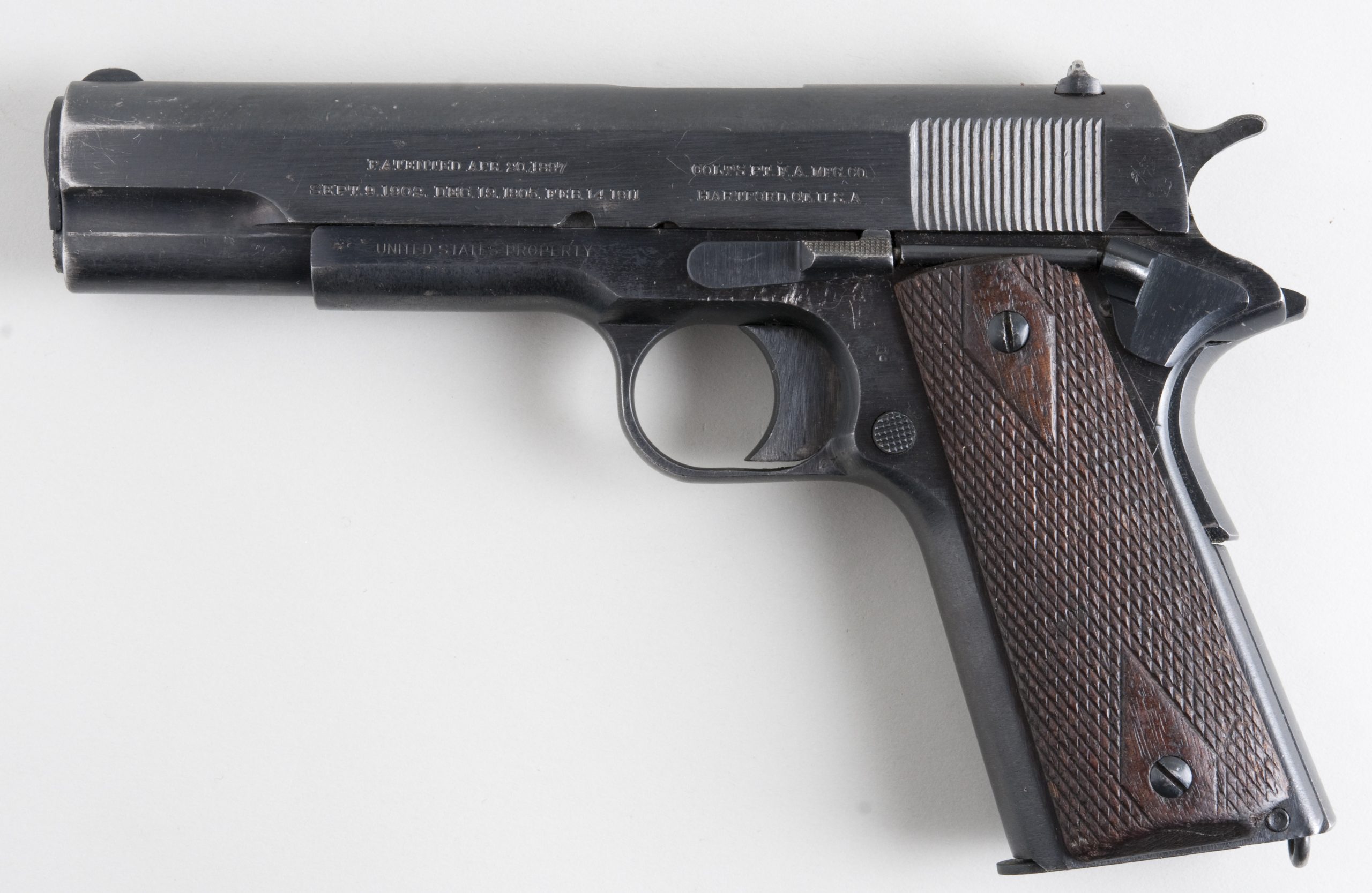
The Colt M1911 uses a long, spring-steel extractor housed inside the slide, with only its hooked tip reaching the breech face. The extractor body flexes slightly to hold the cartridge rim as the slide moves rearward, so the part supplies its own spring tension rather than relying on a separate coil spring. Adopted by the US military in 1911, the design became a benchmark for many later pistols. Its concealed placement gives the slide a clean exterior, though correct tension and sound condition remain important for dependable extraction in practice.
2. Glock 17: A Spring-Loaded Pivoting Extractor
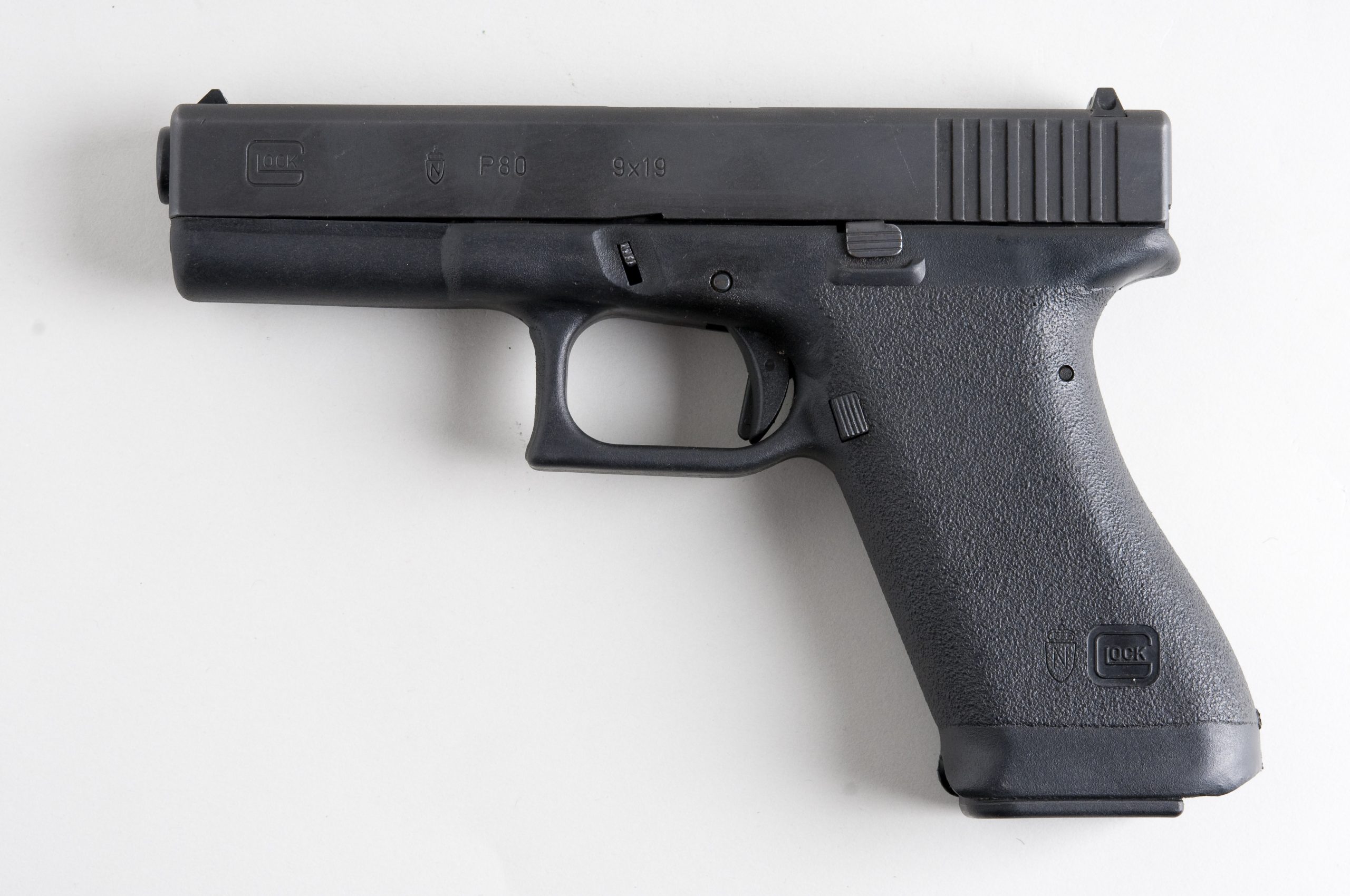
The Glock 17, introduced in 1982, uses a compact extractor fitted into the right side of its slide. Its claw catches the cartridge rim, while a separate spring-loaded plunger assembly presses the extractor inward. This arrangement differs from the long, flexible steel part used in a traditional M1911: the Glock extractor pivots and receives pressure from its own supporting components. On some generations, the extractor also provides a tactile indication of a chambered cartridge. Its small size shows how a modern service pistol can package extraction parts within a streamlined slide.
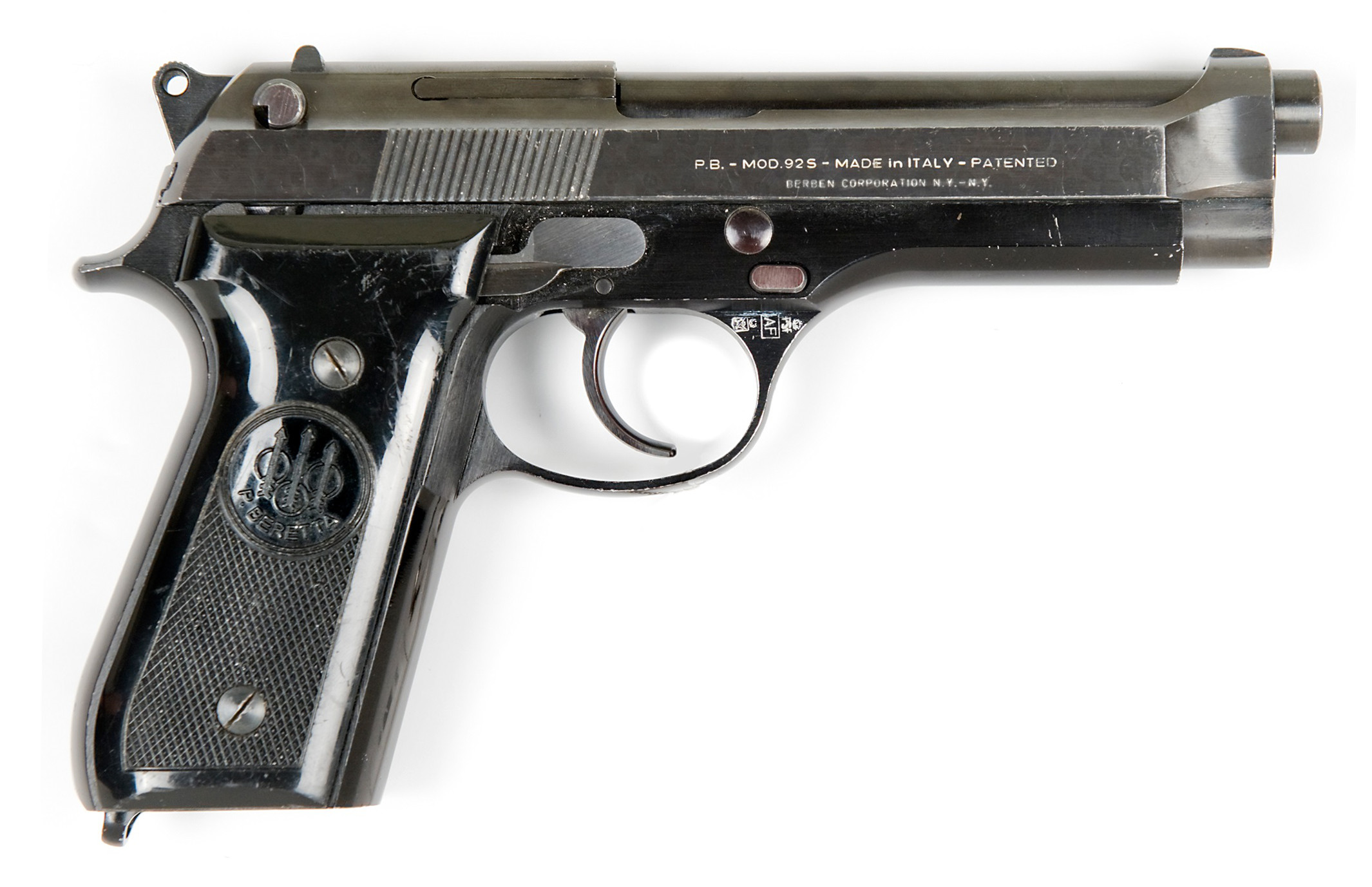
3. Beretta 92: An External Pivoting Extractor
U.S. Bureau of Alcohol, Tobacco, Firearms and Explosives, Public domain/Wikimedia Commons
The Beretta 92 series places a pivoting extractor on the outside of the slide, visible beside the ejection port. A spring pushes the hooked end against the cartridge rim, allowing the slide to draw the fired case from the chamber as it cycles. The original 92 entered Italian service in 1976, and the family later became widely recognized through the US M9 designation. The extractor’s separate, spring-loaded layout is distinct from the M1911’s long internal leaf-spring part, illustrating one way manufacturers arrange similar functions in different slide designs.
4. Browning Hi-Power: A Design That Changed
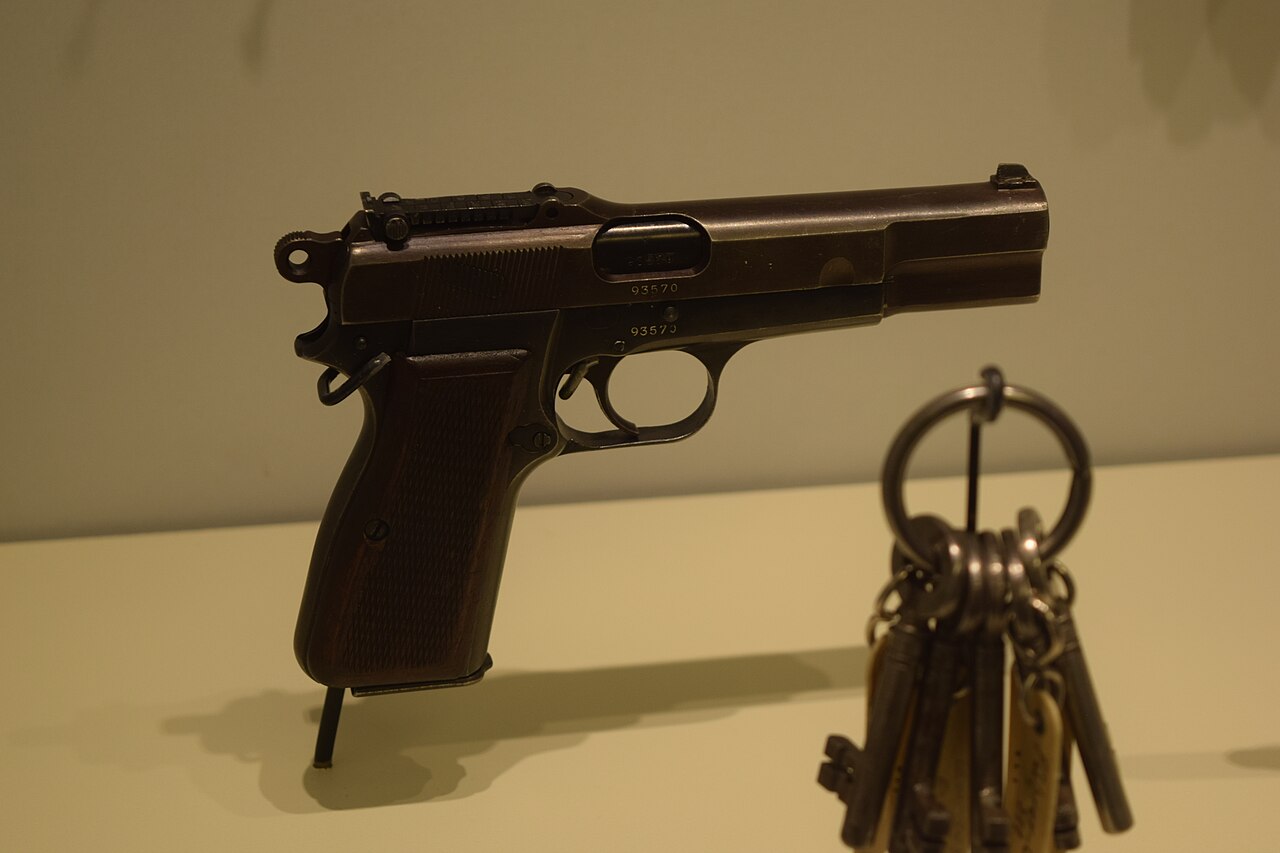
Early Browning Hi-Power pistols used an internal extractor, but FN changed the design in 1962 to an external, spring-loaded type. That production history makes the Hi-Power especially useful for comparing extractor layouts within one pistol family. In both versions, the claw must retain the cartridge rim while the slide pulls the case from the chamber; the difference lies in how the extractor is mounted and sprung. The Hi-Power was introduced in 1935, so its evolution also reflects how manufacturers revise established designs as materials and production methods develop.
5. SIG Sauer P226: More Than One Extractor Style

The SIG Sauer P226 has appeared with different extractor arrangements across production eras. Early pistols with stamped slides used an internal extractor, while later versions adopted external, spring-loaded designs; external versions also changed in shape over time. As a result, the model name alone does not identify the exact configuration. Introduced in 1984, the P226 provides a clear example of a service pistol evolving without losing its identity. Its history also shows why extractor comparisons should specify the generation rather than treating every P226 as mechanically identical.
6. CZ 75: A Compact External Extractor
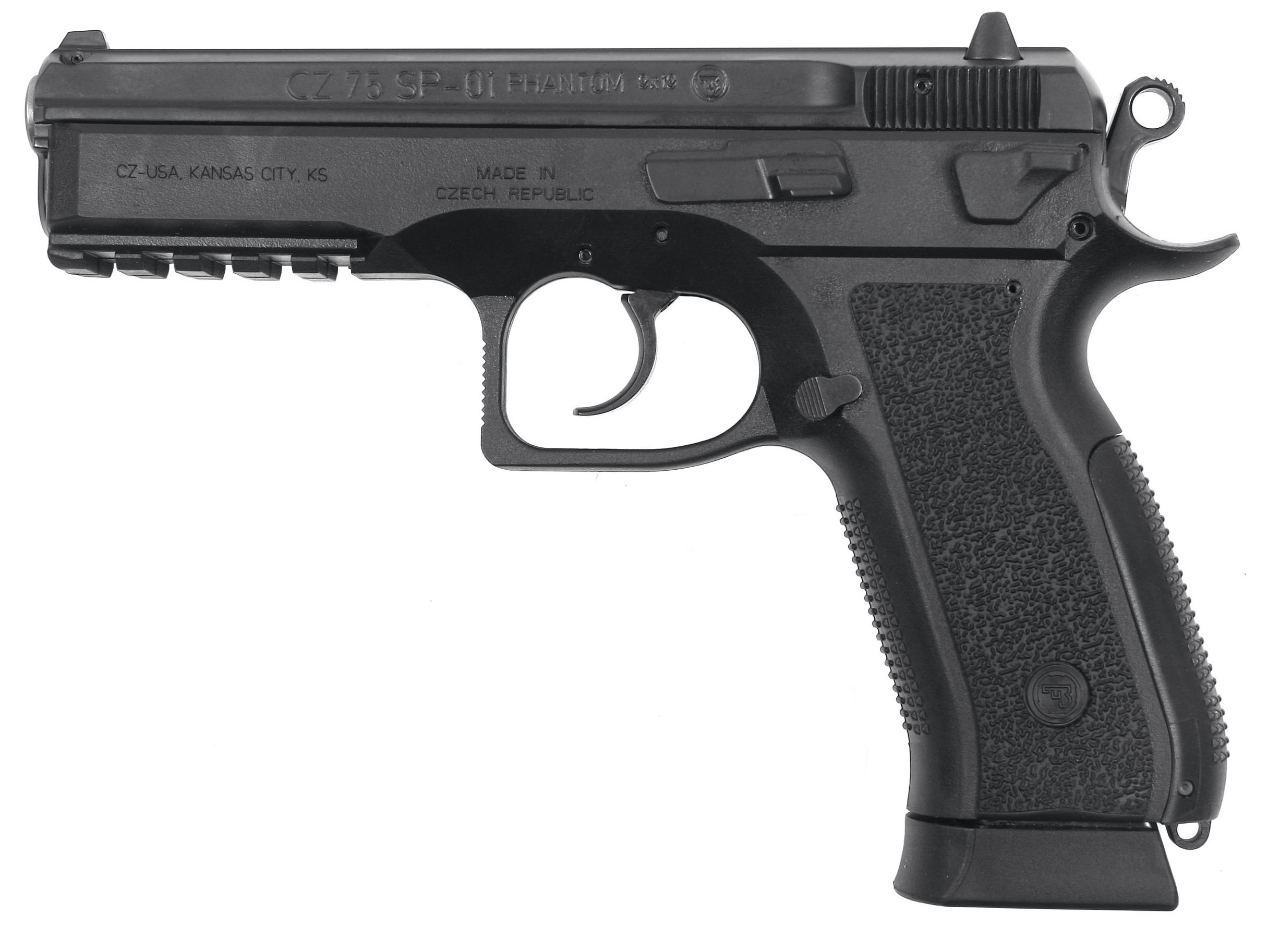
The CZ 75, introduced in 1975, uses an external extractor mounted along the slide, with a spring applying pressure to its claw. As the slide travels rearward, the claw holds the case rim and draws the empty case out of the chamber; a separate ejector then directs it through the ejection port. This distinction matters because extraction and ejection are related but separate jobs. Compared with the M1911’s long internal extractor, the CZ arrangement makes the extractor a distinct pivoting component. The design is a useful example of a familiar external layout on a metal-framed pistol.
7. Ruger Mark IV: Rimfire Extraction in a Different Format
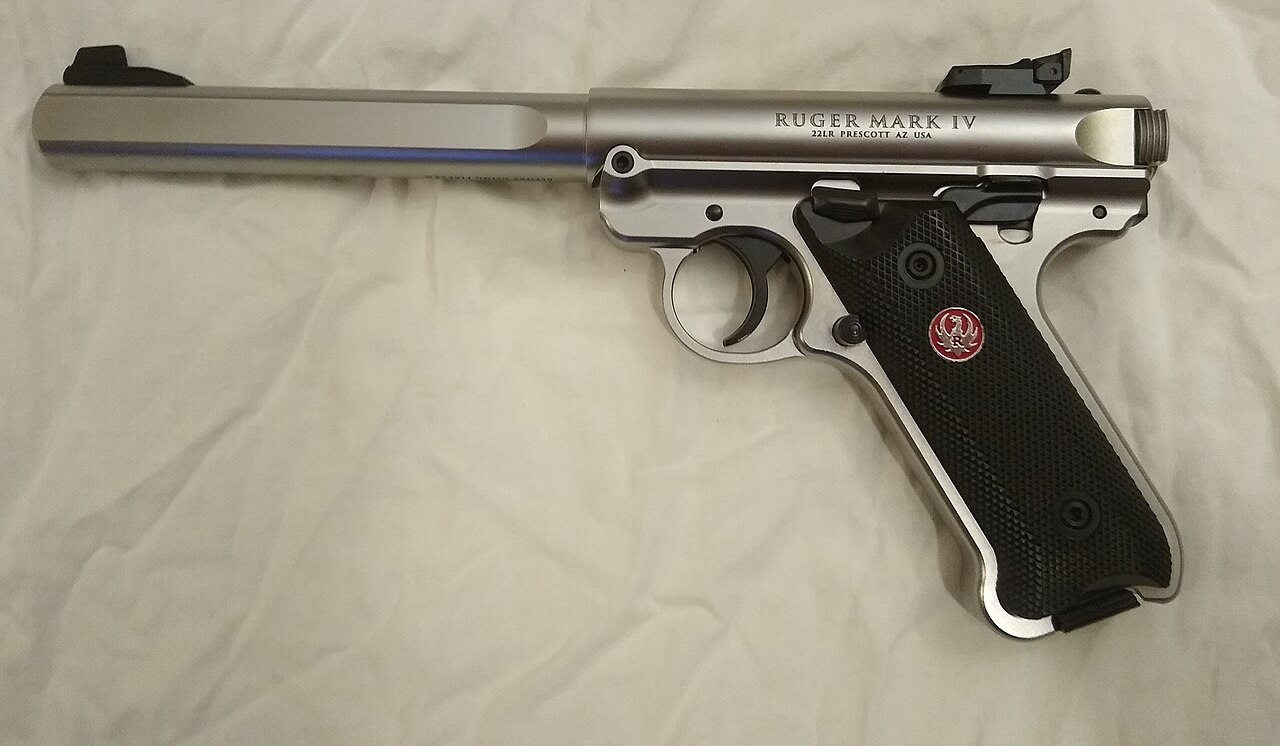
The Ruger Mark IV is a .22 Long Rifle rimfire pistol, and its extractor illustrates how a small-caliber design handles the same basic task in a different platform. A spring-loaded claw engages the cartridge case rim and pulls the fired case from the chamber as the bolt moves rearward. Ruger introduced the Mark IV in 2016, retaining the series’ fixed-barrel, blowback operating principle while simplifying takedown. Because rimfire cases and operating systems differ from those of many centerfire service pistols, the Mark IV broadens this comparison beyond familiar 9 mm designs.