
The wilderness can turn from peaceful to perilous in seconds, especially when panic takes control. Fear clouds logic, magnifies danger, and drives impulsive decisions that worsen survival situations. Whether someone’s lost on a trail, stranded by weather, or facing a sudden injury, panic transforms small problems into life-threatening ones. Staying calm is the hardest yet most important skill in nature. Understanding how panic affects behavior and what mistakes to avoid can be the key to getting home safely.
1. Running Without a Plan

The human instinct to run when scared is powerful, but in the wild, it can be deadly. Many hikers panic and sprint in random directions, thinking movement equals escape. Instead, they become more lost, burn through energy, and miss vital clues that could help them retrace their steps. The smarter choice is to pause, breathe, and orient yourself. Mark your current position with stones or sticks before deciding where to move next. Controlled stillness and observation lead to smart action, not blind running.
2. Ignoring Basic Survival Priorities
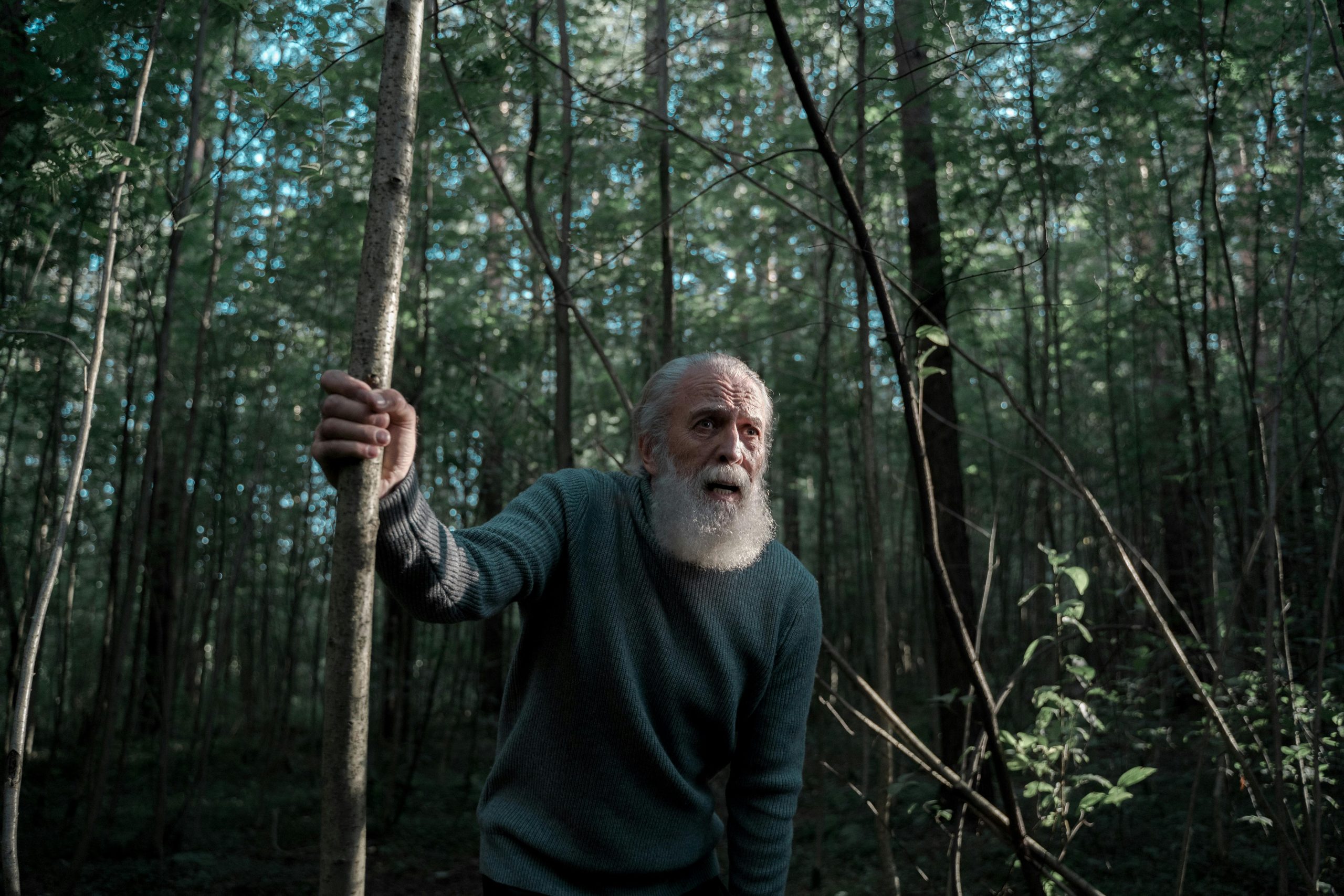
When panic strikes, logical thinking often disappears, and people overlook the basics: shelter, warmth, and water. Instead, they fixate on hiking endlessly or yelling for help. But hypothermia and dehydration can kill faster than being lost. Take a moment to assess your situation: build a simple shelter, gather dry wood, and locate a safe water source. Once immediate needs are secure, you’ll think more clearly. Survival depends on following the rule of threes: three minutes without air, three hours without warmth, and three days without water.
3. Overexerting and Ignoring Physical Limits
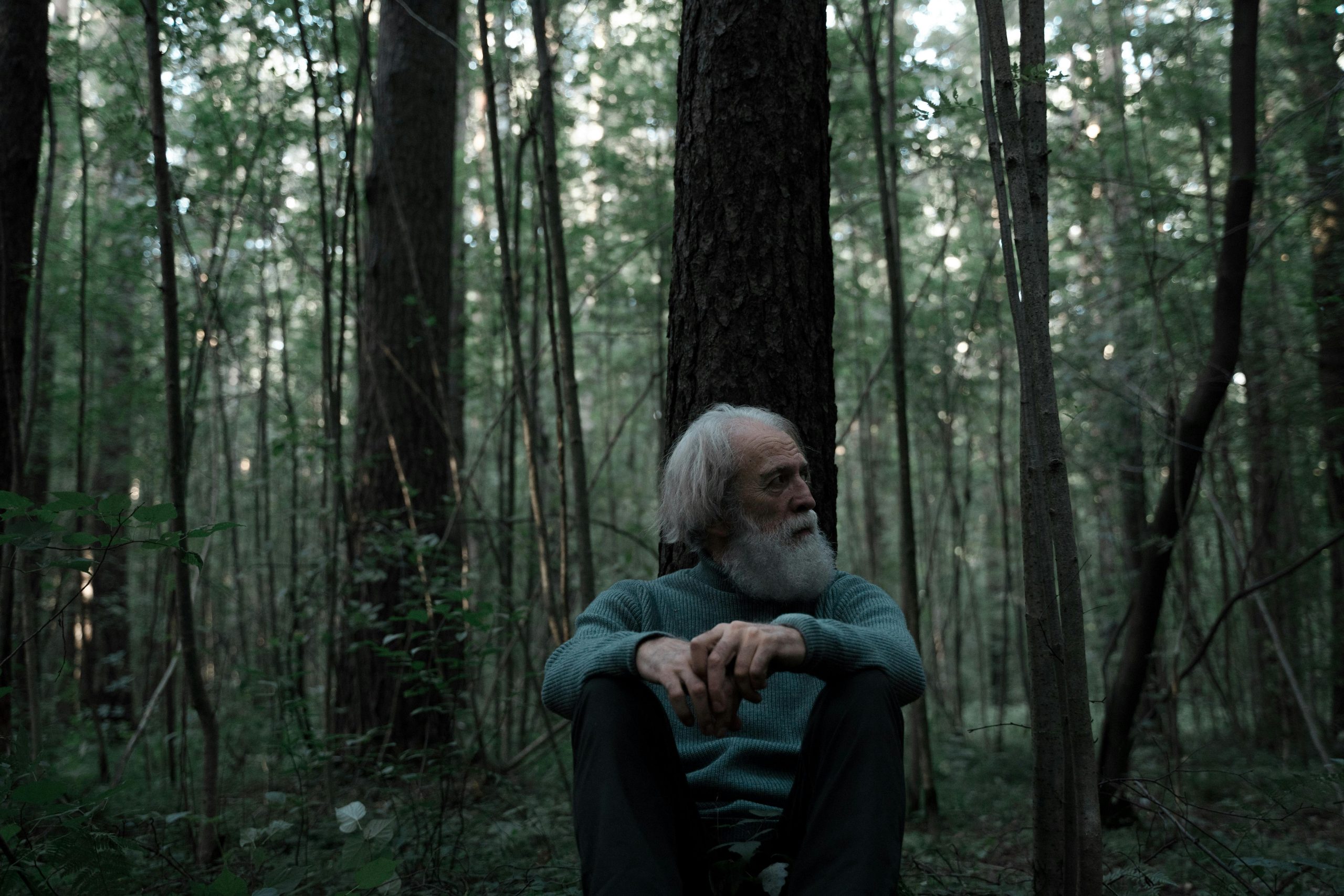
Adrenaline from panic tricks the body into overconfidence. People run too fast, climb unstable ground, or carry heavy loads, exhausting themselves quickly. Once fatigue hits, mistakes multiply. It’s crucial to pace yourself and rest before exhaustion sets in. Take slow, deliberate movements and conserve energy for essential tasks like collecting water or building shelter. In nature, endurance beats strength every time. Listen to your body, it’s your best survival tool when the mind starts to spiral into panic.
4. Overlooking Useful Resources

Panic narrows perception, making people miss valuable tools and natural resources around them. A fallen branch might be the perfect walking stick, dry moss excellent for starting a fire, or your backpack liner could double as a rain shield. Take a moment to inventory what you have: gear, clothing, and the environment. Even a small item like a shoelace or metal buckle can be repurposed for survival. Seeing possibilities instead of obstacles requires calm focus, which panic steals unless you intentionally slow your thinking.
5. Mismanaging Communication and Signals

When fear sets in, people often waste energy shouting or drain their phone batteries calling repeatedly with no signal. Others forget basic distress methods like using mirrors, whistles, or signal fires. The international distress call, three signals in a row, remains one of the most effective ways to alert rescuers. Save your phone battery by turning it off between location checks. Create visible markers like rocks or bright clothing in open spaces. Staying calm and signaling smartly is far more effective than random noise or panic-driven actions.
6. Losing Emotional Control
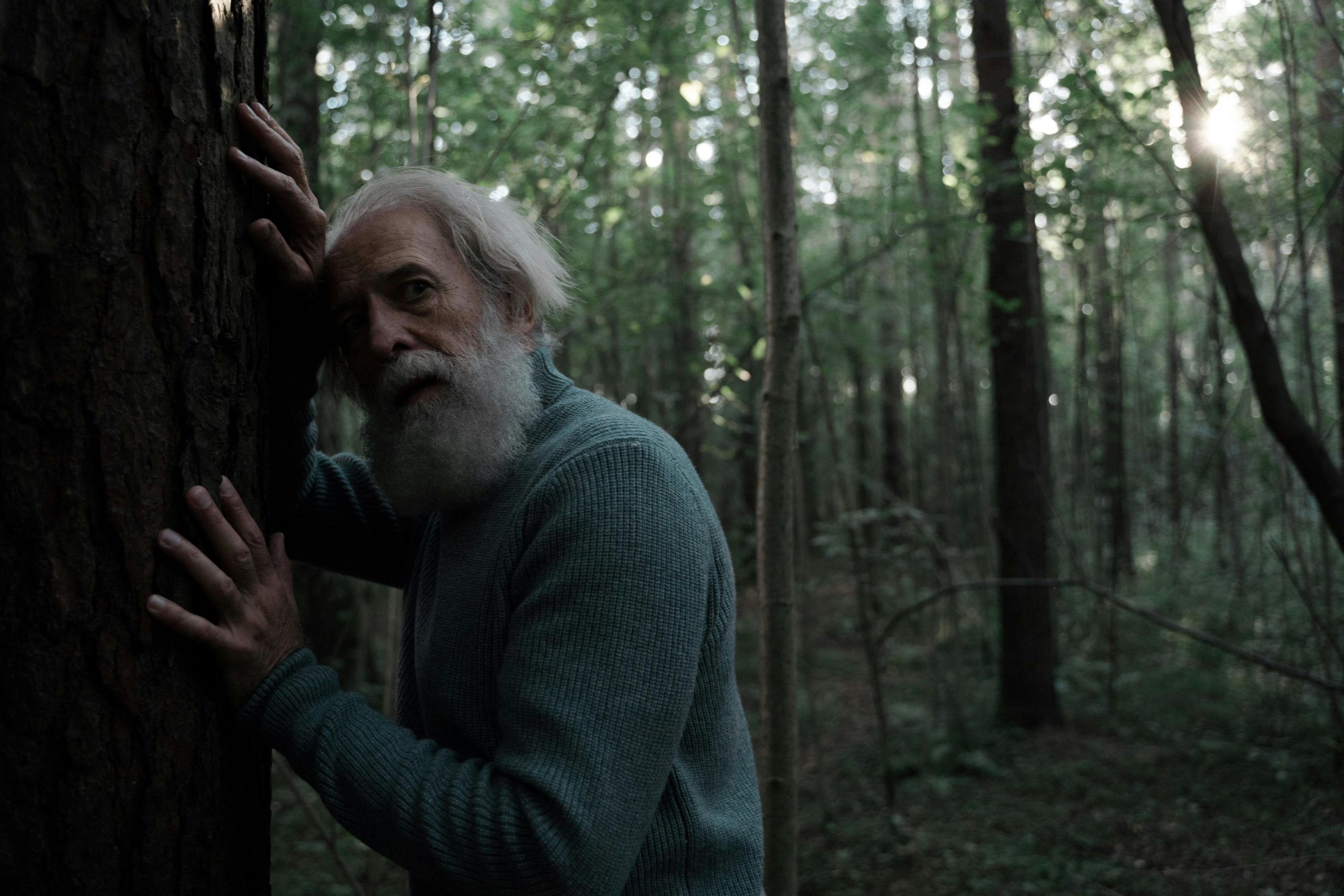
Panic feeds on itself, creating a mental loop of fear and confusion. Once emotions spiral, judgment collapses. Survival demands emotional discipline, controlling breath, thoughts, and reactions. Try grounding yourself: breathe slowly, count your exhale, and focus on what’s within your control. Saying out loud what you’re doing can stabilize your thoughts. Emotional control doesn’t mean ignoring fear; it means managing it. The moment you calm your mind, the forest stops feeling like an enemy and starts showing you options to survive.
7. Giving Up Too Early
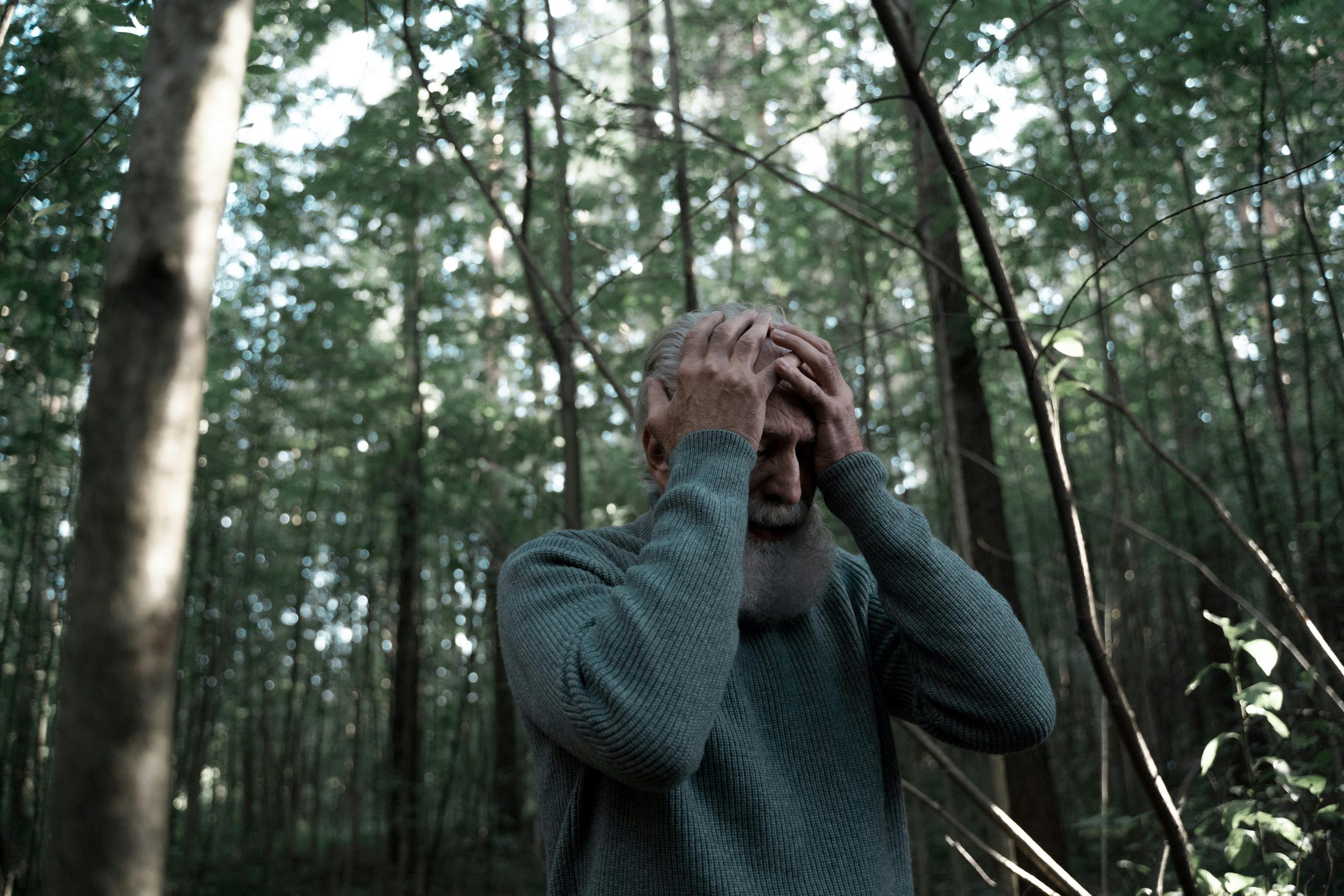
Hopelessness can be just as deadly as hunger or cold. Many people in survival situations mentally surrender before their bodies fail. But countless rescue stories prove that endurance and faith save lives. Break time into goals: make it through an hour, build a fire, or find clean water. Each small success restores focus and strength. The forest tests patience, not perfection. Refusing to quit, even when the situation feels impossible, turns panic into persistence and persistence into survival.