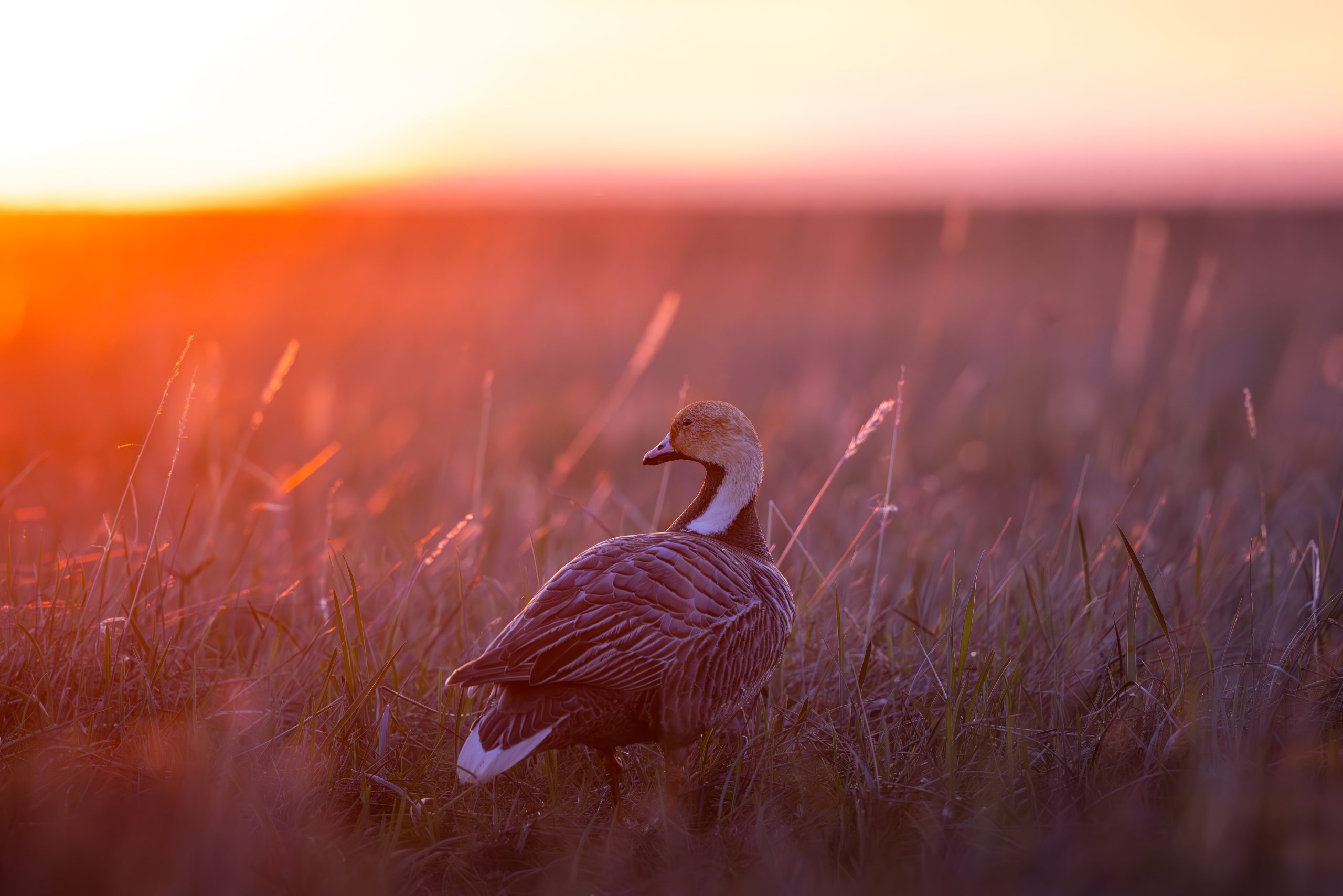
North America offers a remarkable variety of geese, from familiar birds gathering on farm fields to Arctic migrants that travel thousands of miles between breeding and wintering grounds. For hunters, recognizing these species is more than a matter of appearance. Body size, bill shape, feather patterns, vocalizations, and habitat can help distinguish birds that look surprisingly similar at a distance. The challenge becomes especially interesting when several species gather in the same flock. Here are 7 goose species worth knowing, along with their identifying features, typical habitats, and seasonal movements.
1. Canada Goose (Branta canadensis)
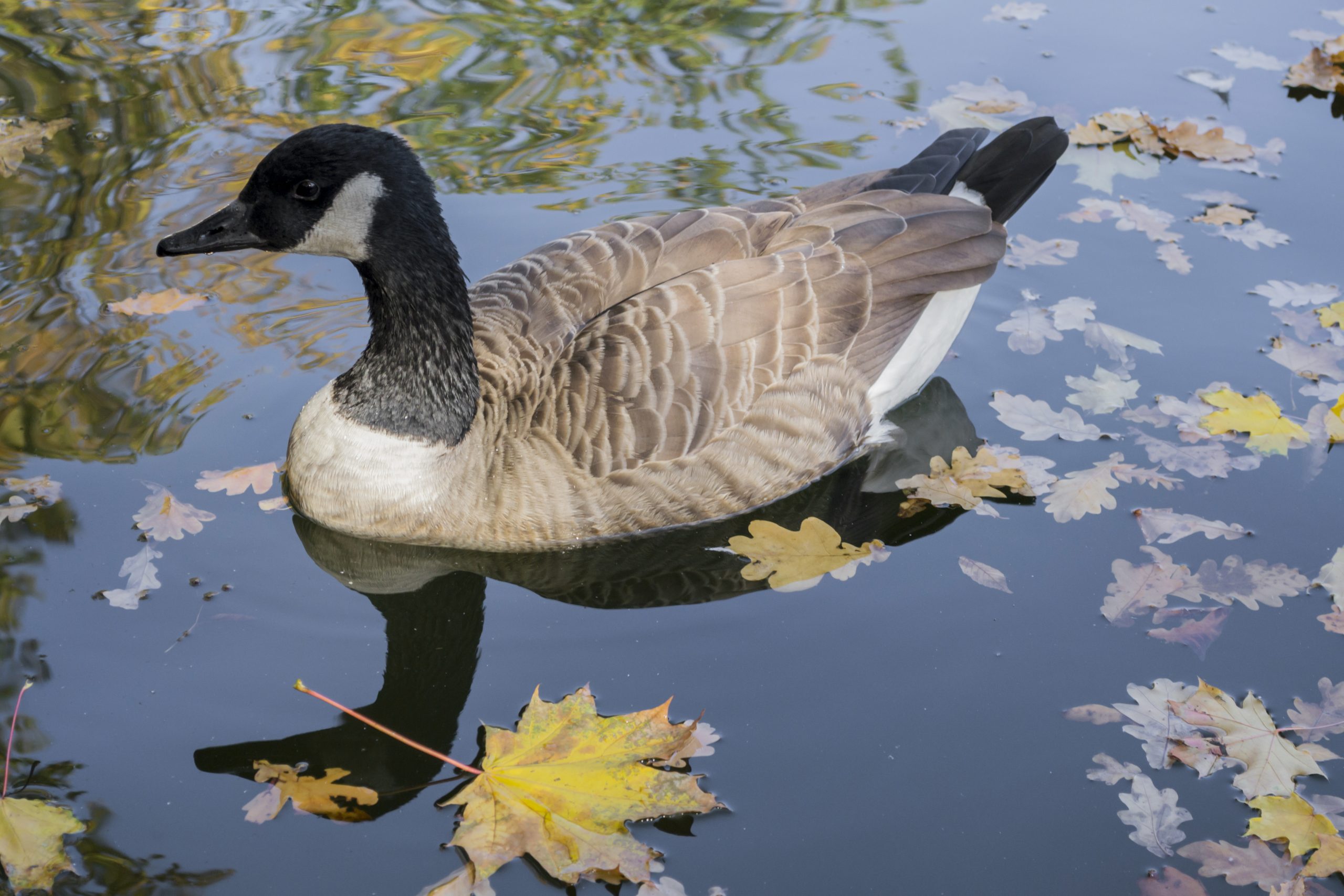
The Canada Goose is one of North America’s most recognizable waterfowl, identified by its black head and neck, white cheek patch, and brownish-gray body. Adults commonly measure 30–43 inches long, although size varies considerably among subspecies. They occupy lakes, marshes, coastal estuaries, agricultural fields, and urban ponds. Some populations migrate thousands of miles, while resident birds remain in the same general region year-round. For hunters, distinguishing Canada Goose subspecies can be important because smaller forms may resemble cackling geese. Always check local identification guidance and regulations before hunting.
2. Cackling Goose (Branta hutchinsii)
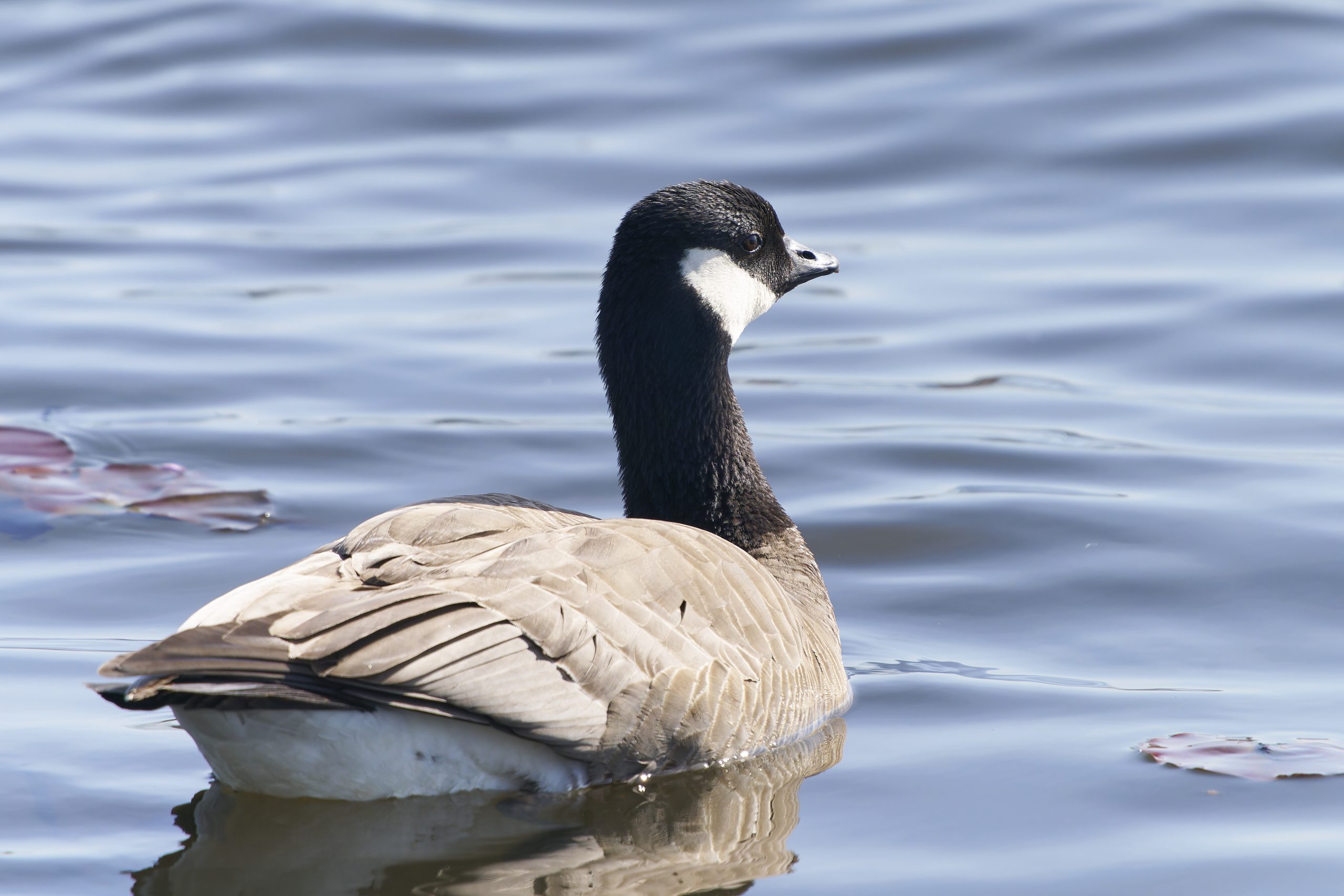
The Cackling Goose resembles a small Canada Goose, but its compact body, shorter neck, and noticeably smaller bill provide useful identification clues. Many adults measure approximately 25–29 inches long, depending on the population. These geese breed across northern regions, including Arctic Alaska and Canada, before migrating to wintering areas farther south. They often travel in mixed flocks with Canada Geese, making identification difficult when birds are viewed briefly in flight. Hunters should compare overall proportions rather than relying on size alone, since smaller Canada Goose subspecies can also appear compact.
3. Snow Goose (Anser caerulescens)
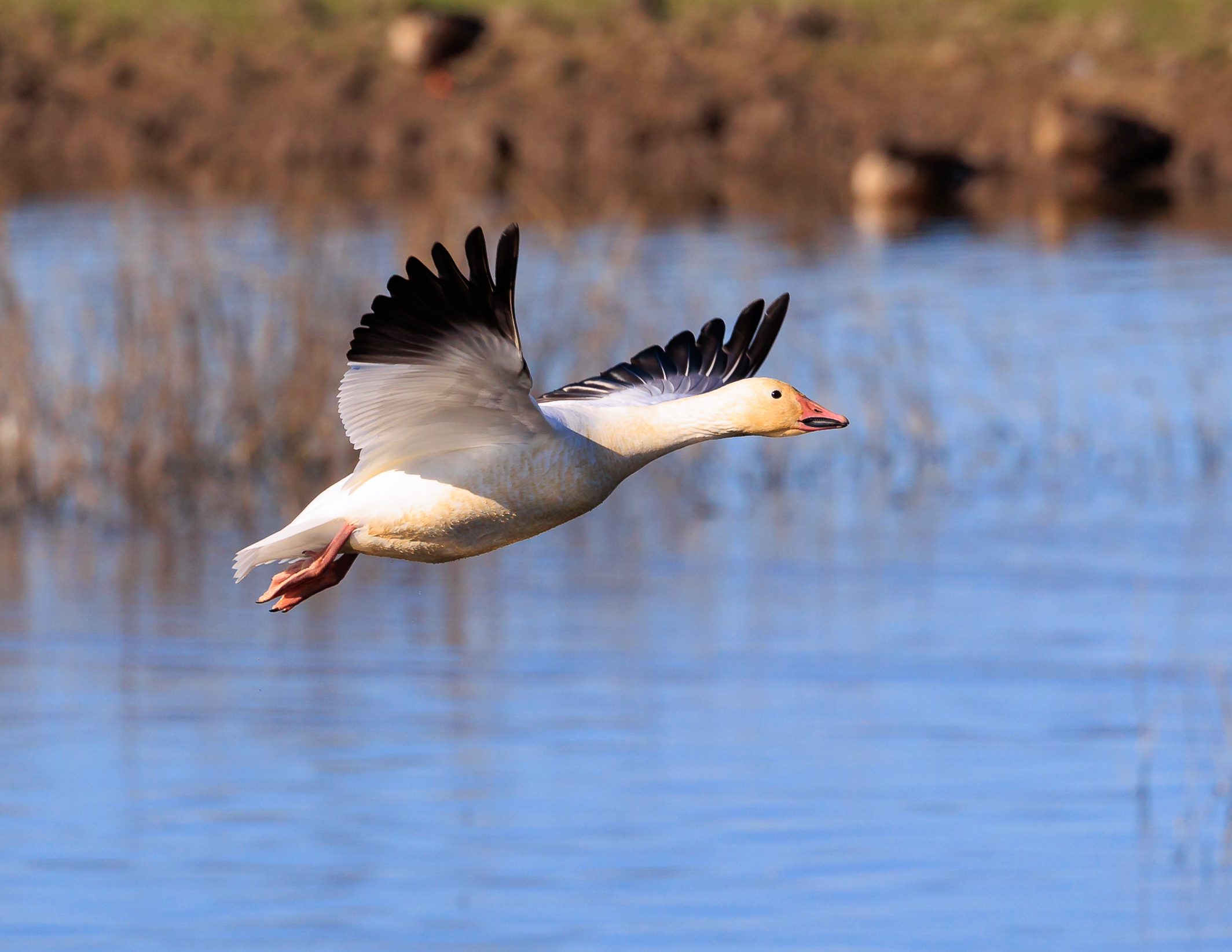
Snow Geese are striking migrants that can gather in flocks numbering thousands of birds. Adults occur in 2 principal color forms: the white morph, with white plumage and black wingtips, and the darker blue morph, which has a dark body and usually a white head. Their pinkish bills and black markings around the bill provide additional identification clues. Snow Geese breed in Arctic regions and migrate to wintering grounds across the United States, including the Gulf Coast and California. Large flocks can overwhelm a landscape visually, so careful identification is essential when similar species are present.
4. Ross’s Goose (Anser rossii)
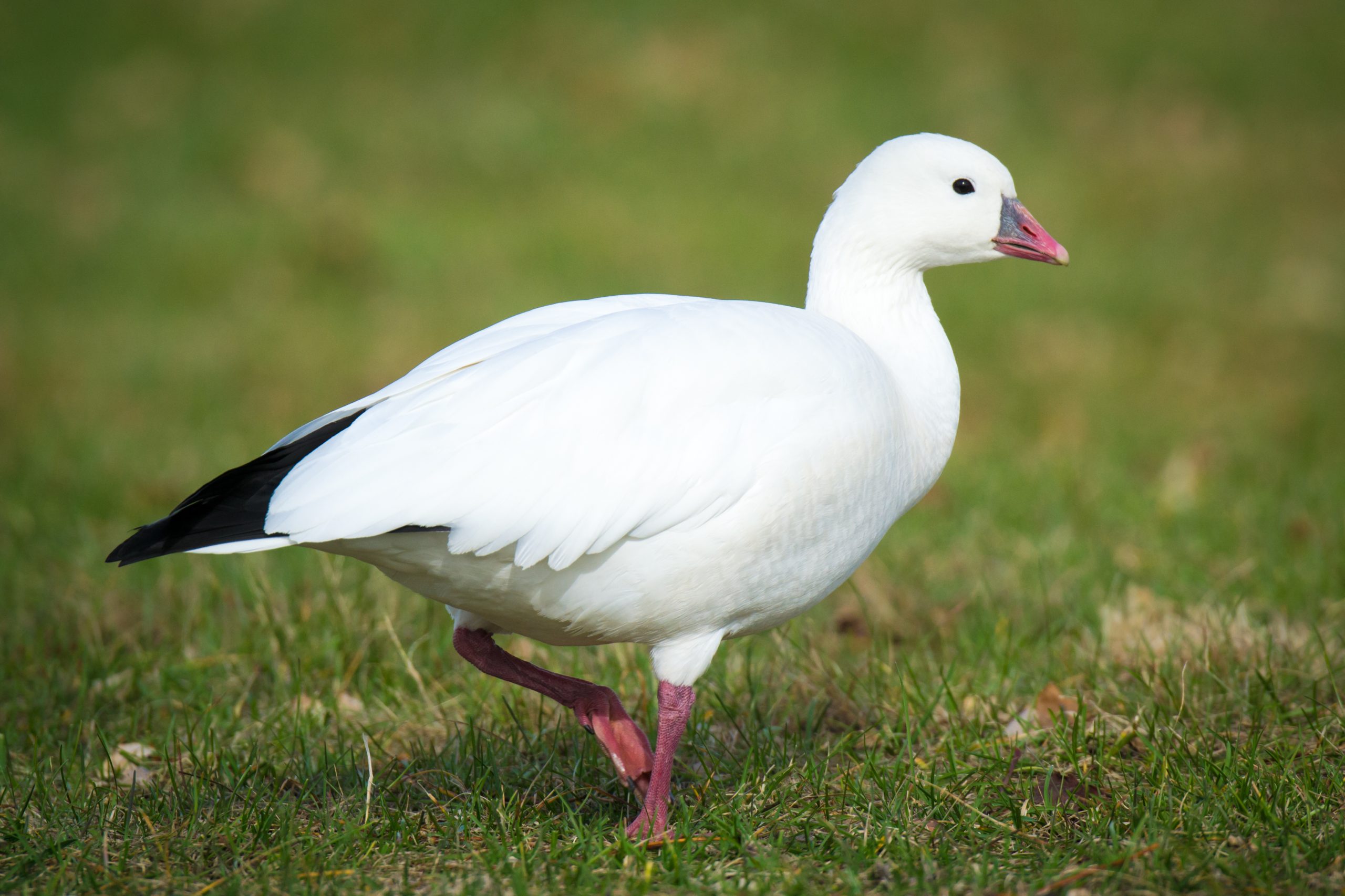
Ross’s Goose is a small, predominantly white goose that often travels alongside Snow Geese during migration and winter. Adults typically measure around 23–26 inches long, making them noticeably smaller than most Snow Geese. Its short, triangular pink bill generally lacks the prominent black grin patch seen on a Snow Goose, while its rounded head gives it a compact appearance. Ross’s Geese breed in Arctic Canada and winter mainly in the southern United States and parts of California. Because the two species frequently mix, hunters should examine bill shape, head proportions, and overall size before identifying a bird.
5. Greater White-fronted Goose (Anser albifrons)
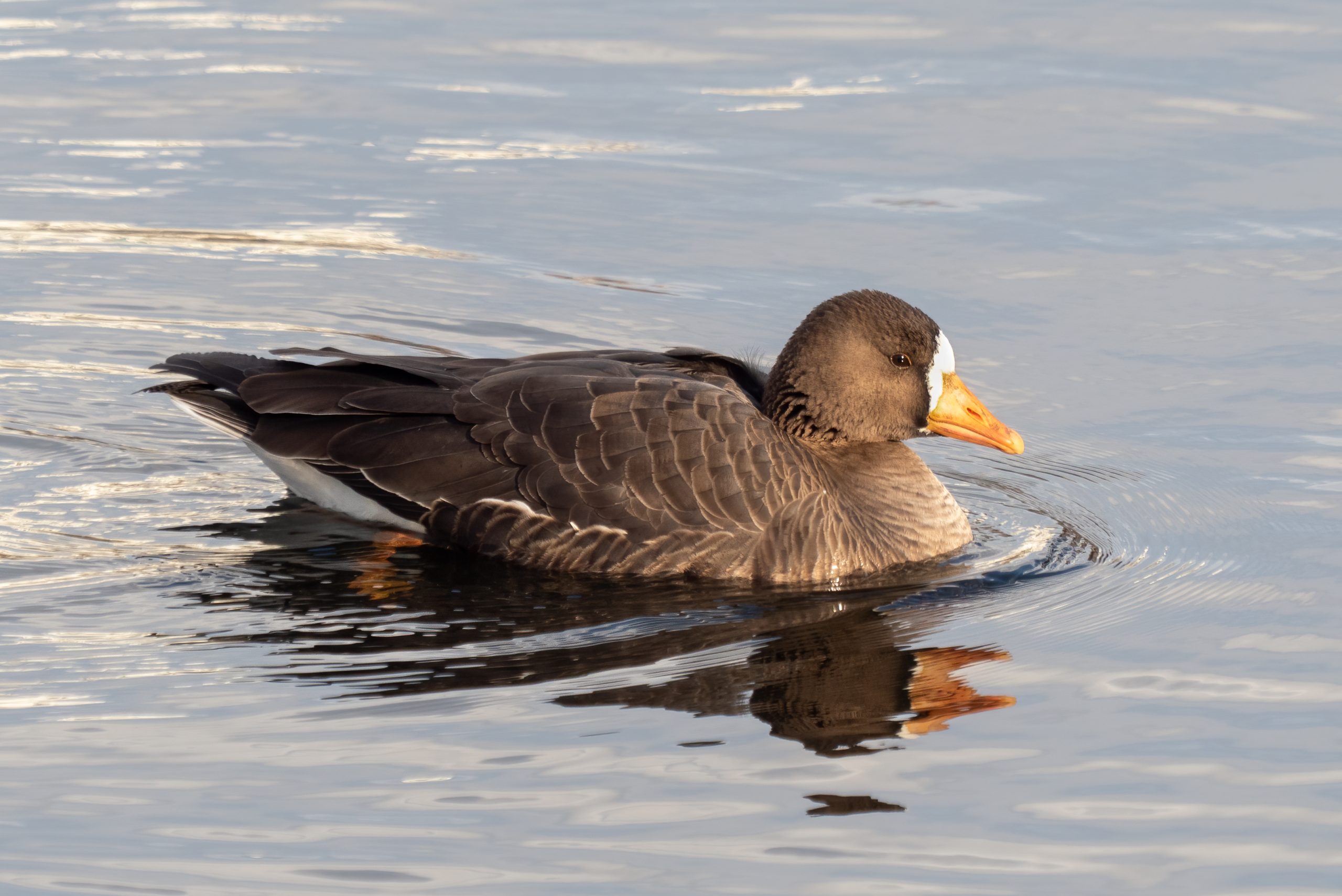
Often called a specklebelly, the Greater White-fronted Goose has brown plumage, orange-pink legs, a pale bill, and a distinctive white patch around the base of its bill. Adults measure approximately 25–32 inches long, with irregular black markings across the belly. These birds breed in Arctic tundra and use wetlands, coastal marshes, and agricultural fields during migration and winter. Their habit of feeding in groups can bring them into the same fields as other goose species. Juveniles lack the prominent adult belly bars and facial white, so age-related differences matter when identifying birds.
6. Brant (Branta bernicla)
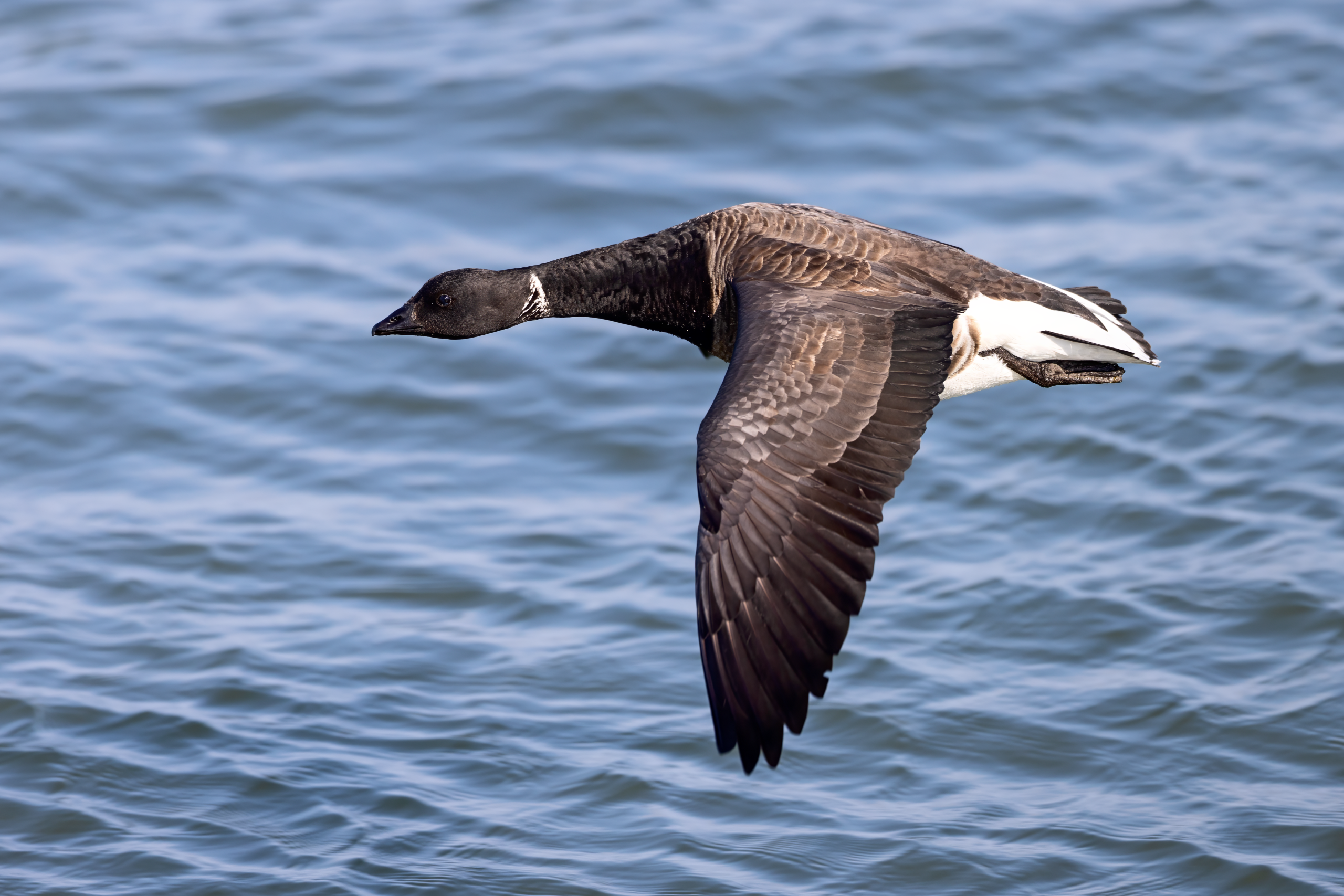
Brant are compact, dark-colored geese strongly associated with coastal habitats. Adults generally measure about 22–30 inches long, with a dark head and neck, gray-brown back, and pale underparts. Many show a small white patch on the side of the neck, although its appearance varies among populations. Brant breed in Arctic coastal regions and migrate to estuaries, tidal flats, and bays where they feed heavily on eelgrass and other vegetation. Their coastal habits distinguish them from many geese commonly seen inland. Hunters should also recognize differences between Atlantic Brant and Pacific Black Brant when identifying regional populations.
7. Emperor Goose (Anser canagicus)
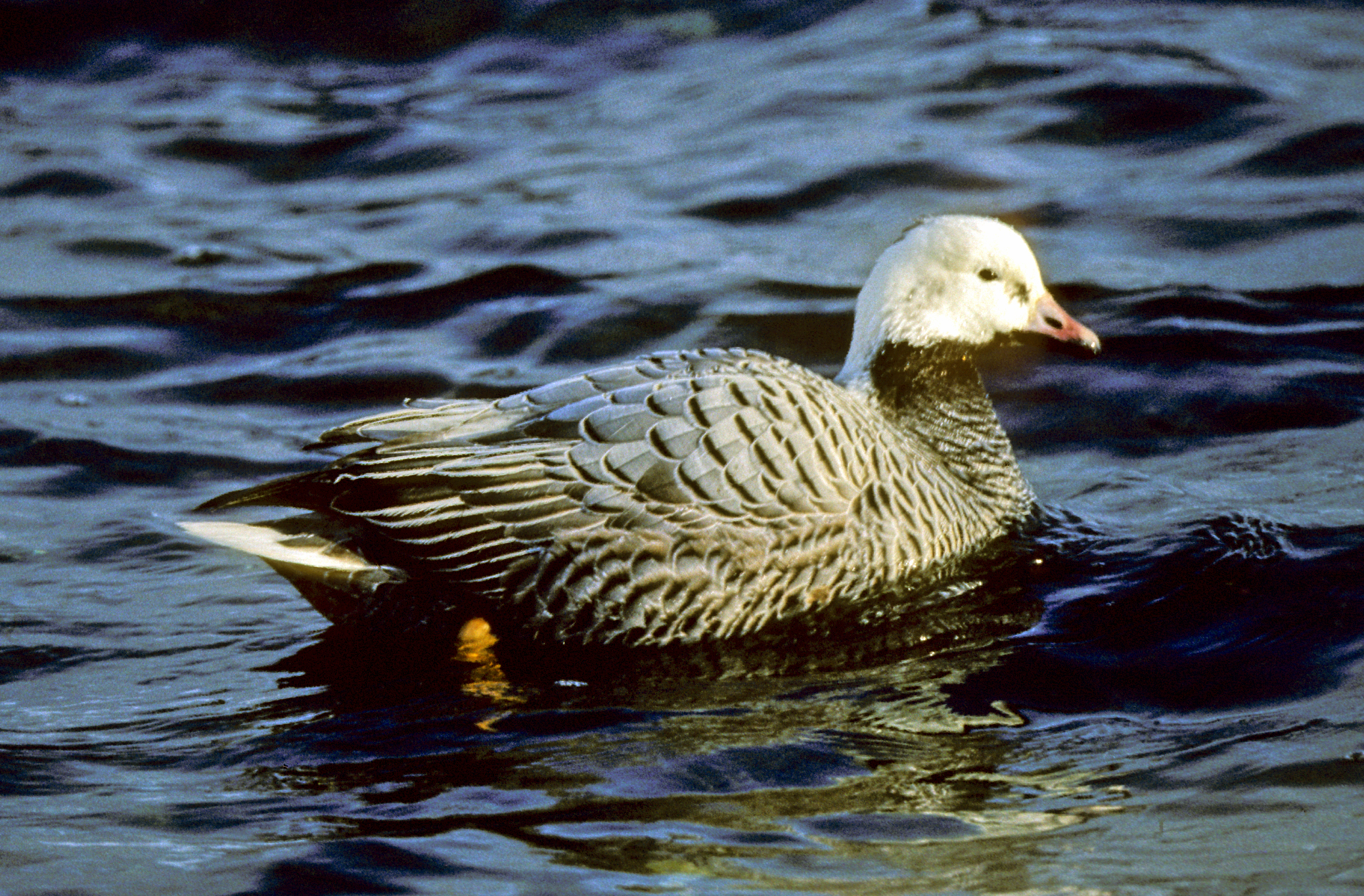
The Emperor Goose is a distinctive Arctic species with a gray body, white head and neck, and dark markings that create a scaled appearance across its upperparts. Adults are approximately 26–28 inches long and have a sturdy, compact build. Unlike many North American geese that travel far inland, this species is strongly associated with coastal Alaska and the western Bering Sea, with wintering concentrations around the Aleutian Islands. Its restricted distribution makes encounters less common for hunters in the continental United States. Because its range and population status differ from those of widespread geese, check current local regulations before any planned hunt.