
North America’s foxes inhabit a remarkable range of environments, from open prairies and dense forests to deserts and Arctic tundra. Each species has distinctive physical traits, feeding habits, and habitat preferences that influence where people may encounter it. Correct identification matters because several foxes look similar at a distance, and their legal status varies by location. The seven entries below include recognized species and an important taxonomic clarification to keep the article accurate.
1. Red Fox (Vulpes vulpes)
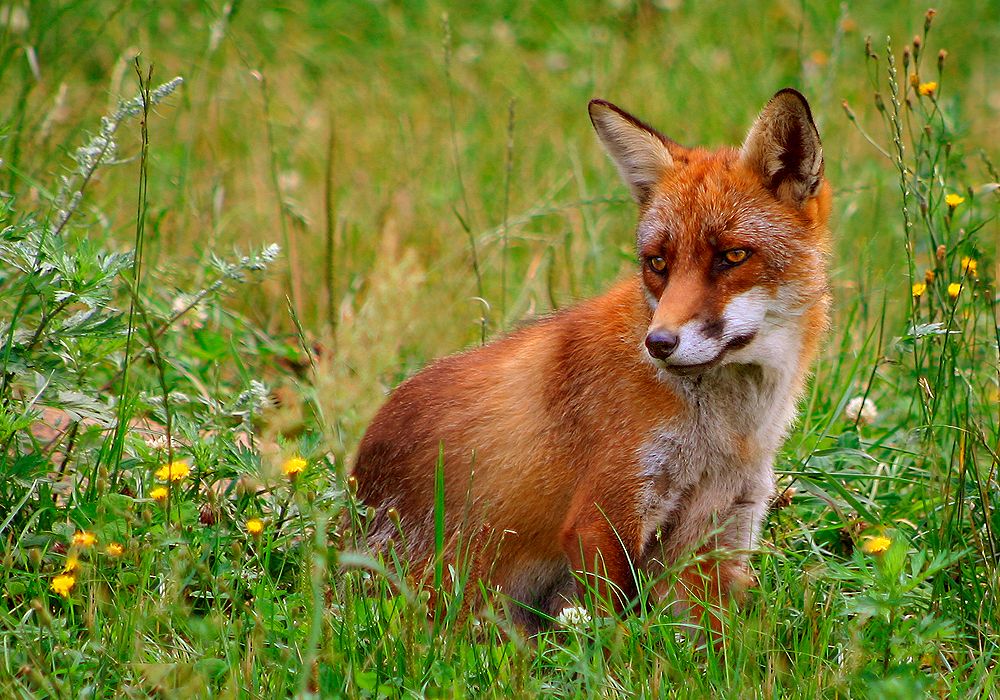
The red fox is one of North America’s most widespread foxes, occupying farmland, forests, grasslands, and suburban edges across much of the United States and Canada. Adults commonly weigh around 7–15 pounds, although regional differences occur. Its rusty coat, black legs, pointed ears, and bushy tail with a pale tip make it recognizable. Dark and silver color variations also occur. Red foxes eat rodents, rabbits, birds, insects, and fruit, allowing them to adapt to changing food supplies. Their flexibility means sightings can occur in both remote countryside and developed landscapes throughout the year.
2. Gray Fox (Urocyon cinereoargenteus)
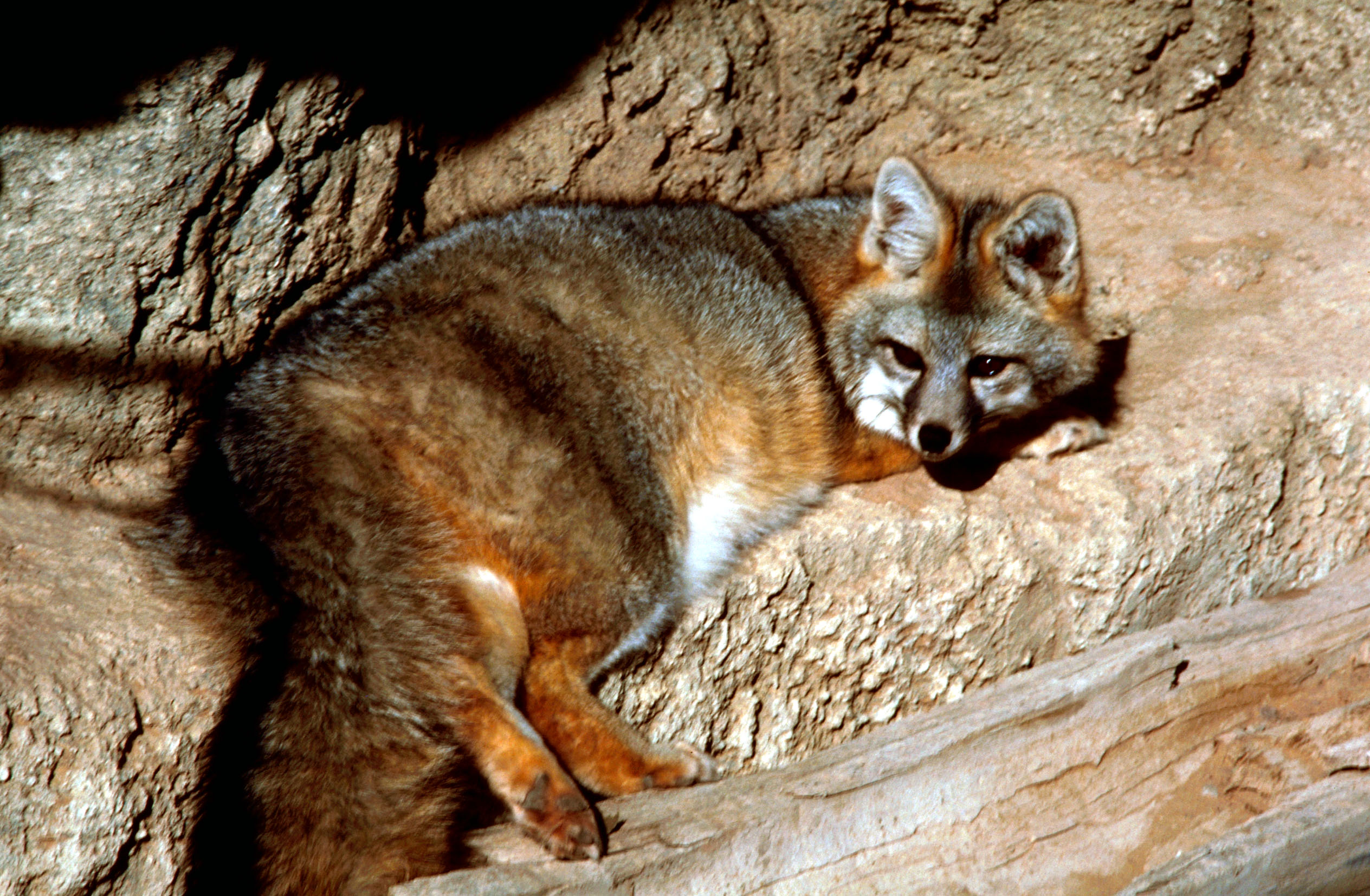
The gray fox has a grizzled coat, rusty markings, and a dark stripe along the upper surface of its tail. Adults generally weigh about 7–13 pounds and inhabit wooded areas, brushy hillsides, and mixed landscapes across much of the United States and parts of southern Canada. One unusual feature is its ability to climb trees, using strong, curved claws to reach resting places or escape danger. Its diet includes small mammals, birds, insects, and seasonal fruit. Dense vegetation and its climbing ability can make encounters brief, particularly in heavily wooded country.
3. Arctic Fox (Vulpes lagopus)
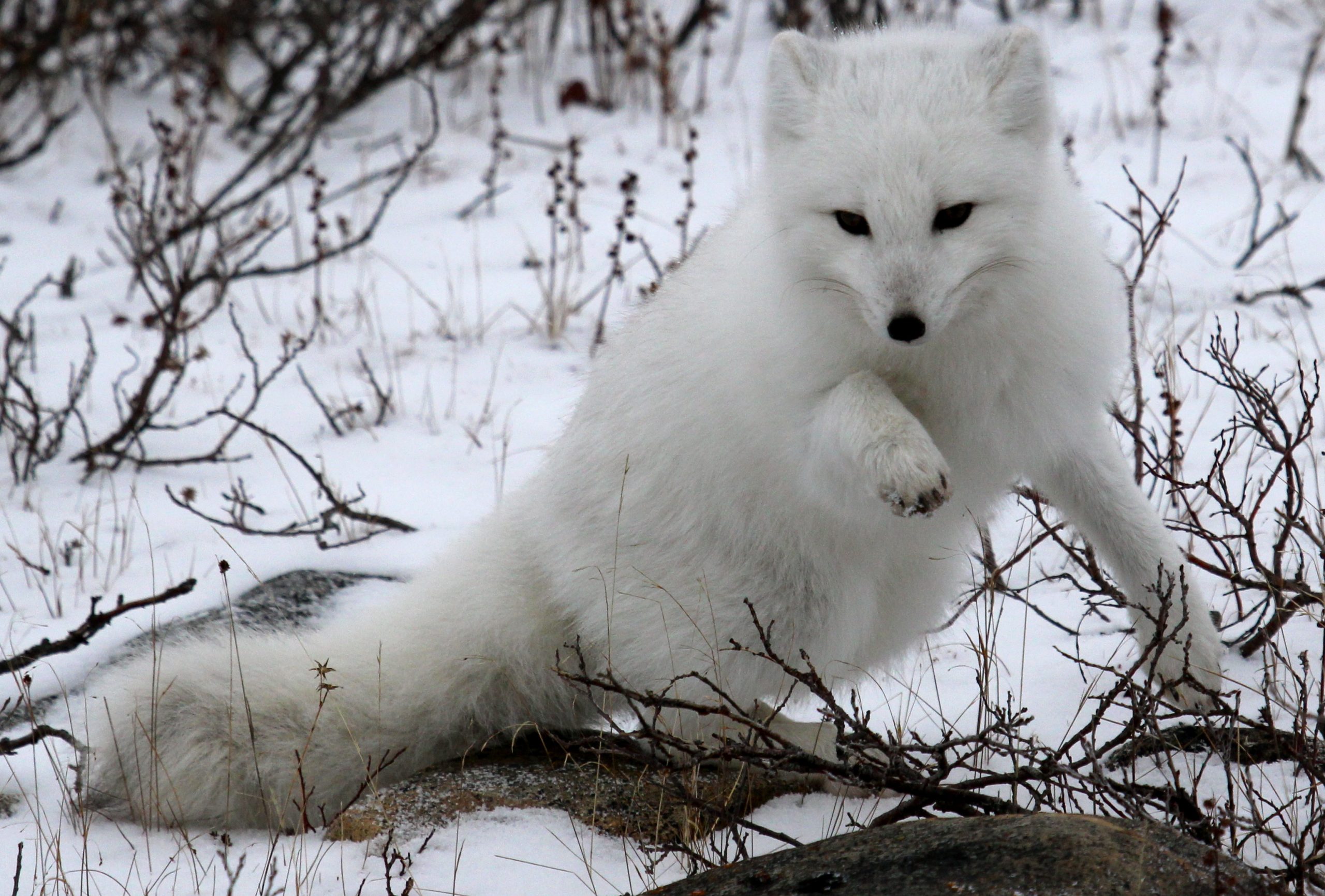
The Arctic fox survives in some of North America’s coldest environments, particularly tundra and islands in northern Canada. Adults typically weigh around 6–10 pounds, with compact bodies, short ears, and exceptionally dense fur that helps conserve heat. Many develop white winter coats, while blue-gray color phases also occur. Their diet includes lemmings, other small animals, birds, eggs, and carrion when available. In some regions, fox numbers fluctuate with prey populations. These adaptations make Arctic foxes well suited to exposed, freezing landscapes that differ dramatically from the forests and grasslands occupied by other fox species.
4. Swift Fox (Vulpes velox)
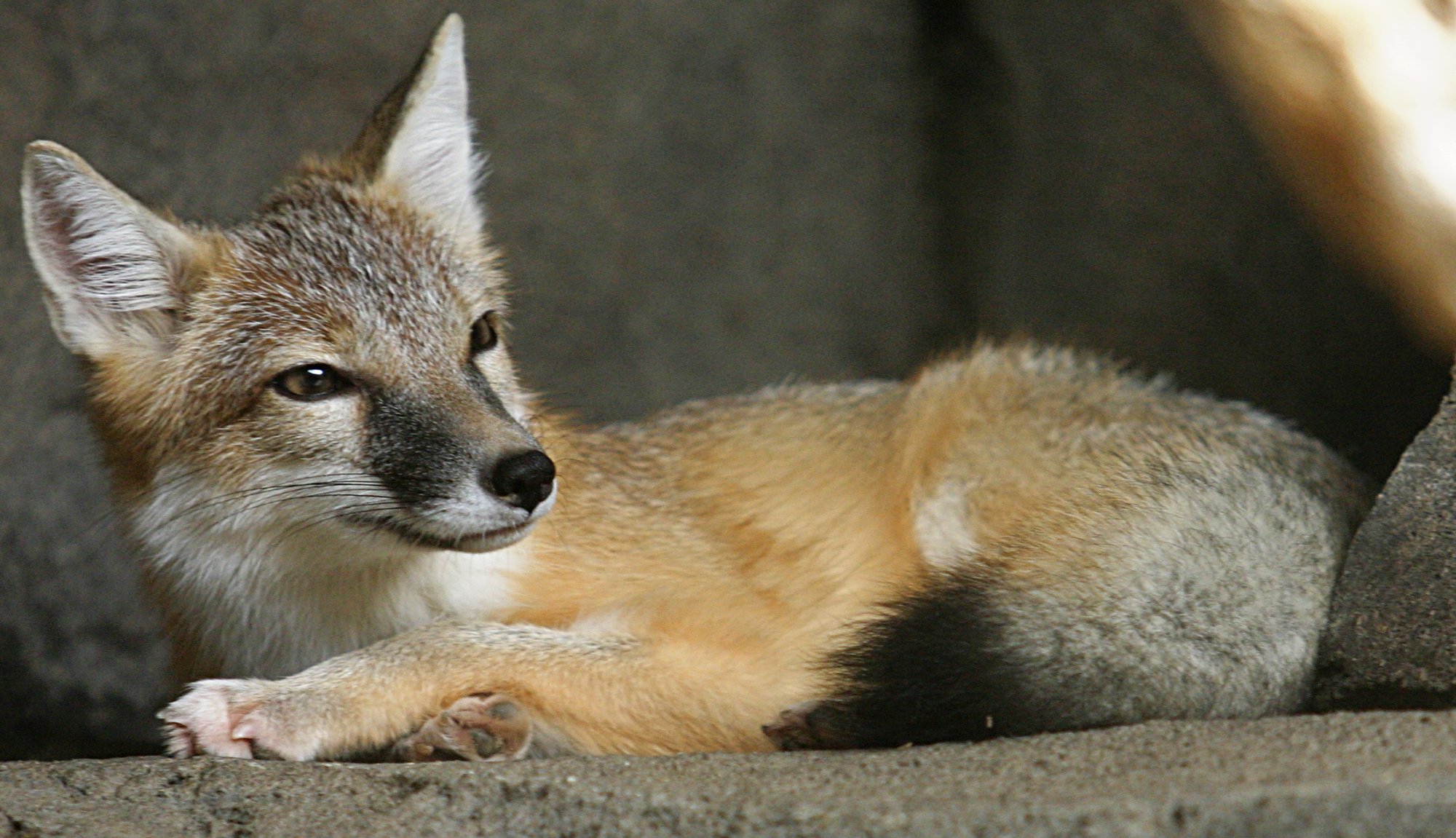
The swift fox is a small canid associated with the Great Plains, including parts of the central United States and southern Canada. Adults often weigh approximately 4–6 pounds, making them smaller than most red foxes. Their sandy-gray fur, pale underside, and dark markings near the muzzle help them blend into open grasslands. Swift foxes use underground burrows for shelter and protection from predators and severe weather. They feed on rodents, rabbits, insects, and other small animals. Habitat conversion and historical population declines have made conservation monitoring important in parts of their range.
5. Kit Fox (Vulpes macrotis)
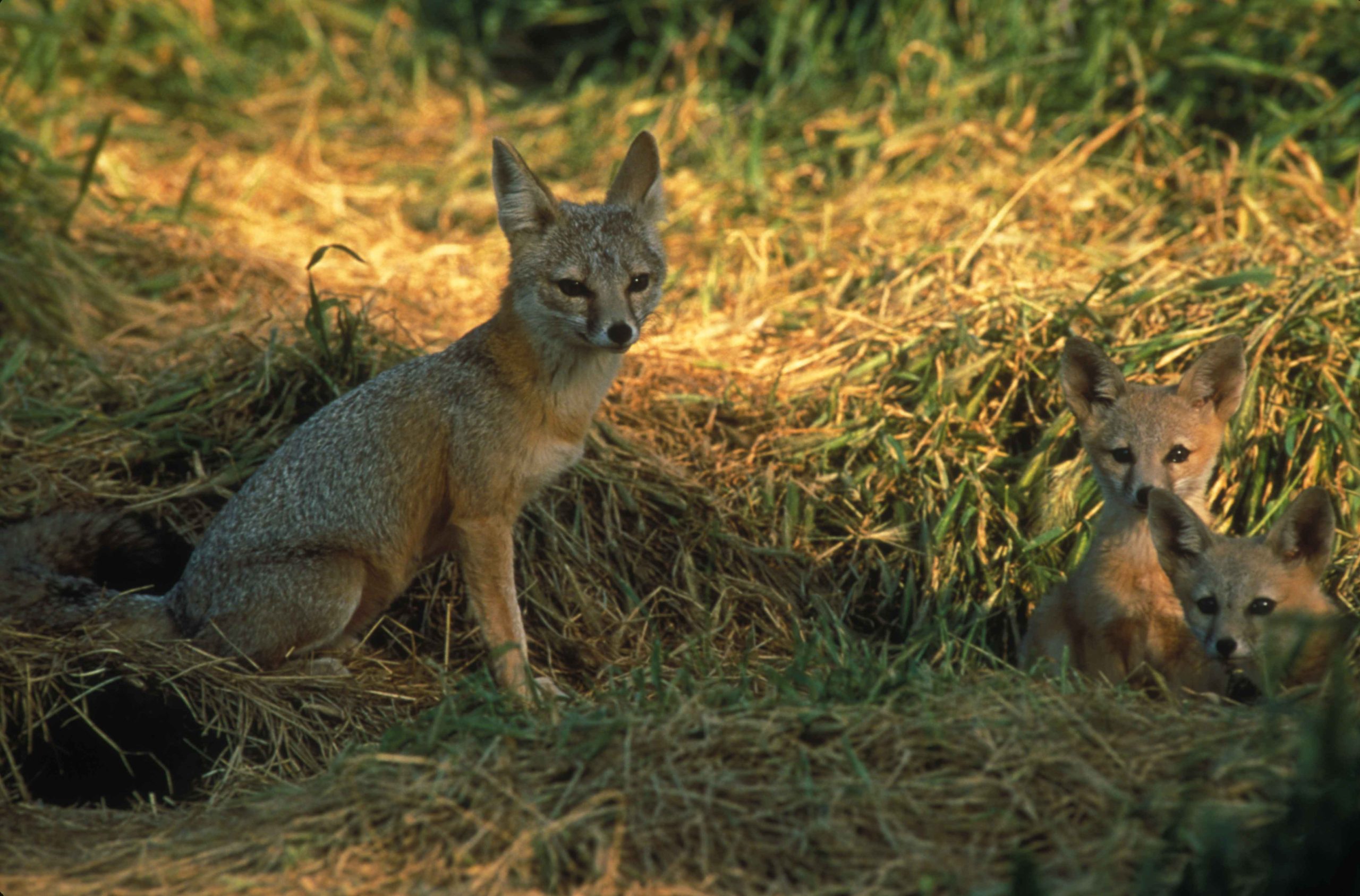
The kit fox is adapted to arid environments across the southwestern United States, especially desert scrub and dry grasslands. Adults commonly weigh around 3–6 pounds and have notably large ears that help release body heat and detect faint sounds. Their pale, sandy coats provide camouflage against dry soil, while underground burrows offer shelter from daytime temperatures and predators. Kit foxes primarily eat kangaroo rats, other rodents, rabbits, and insects. They are often active during cooler nighttime hours. Urban development, agricultural expansion, and habitat fragmentation threaten some populations, although their conservation status varies geographically.
6. Island Fox (Urocyon littoralis)
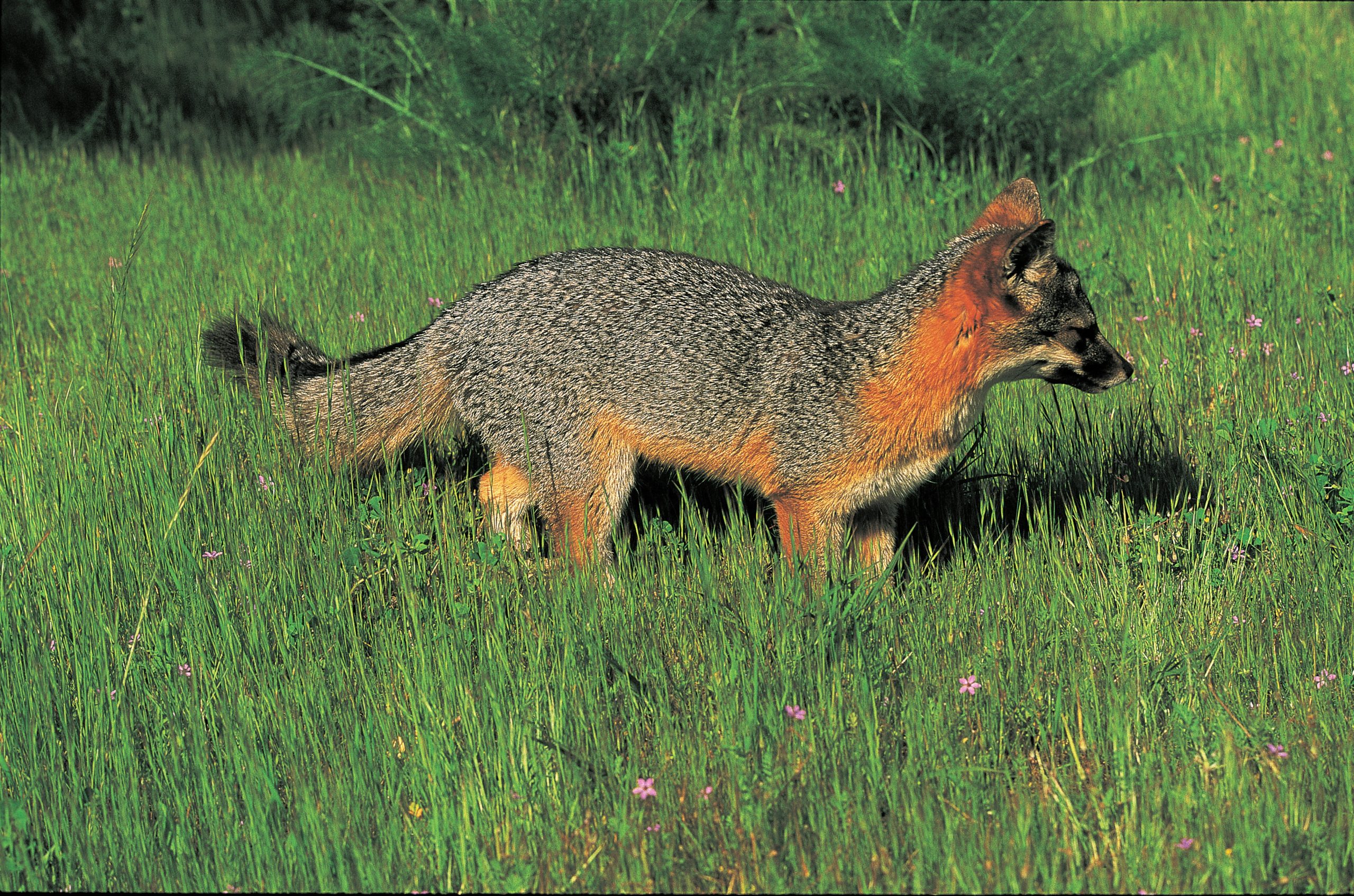
The island fox occurs on six of California’s Channel Islands and is considerably smaller than its mainland relative, the gray fox. Adults generally weigh about 4–6 pounds. Their small size reflects adaptation to isolated island environments, where food availability and ecological pressures differ from those on the mainland. Island foxes consume insects, mice, birds, eggs, and fruit, depending on local conditions. Their restricted distribution makes them vulnerable to introduced predators, disease, and sudden ecological changes. Conservation programs helped several populations recover after severe declines during the 1990s, making the island fox a notable wildlife recovery story.
7. Cross Fox: A Color Variation of the Red Fox
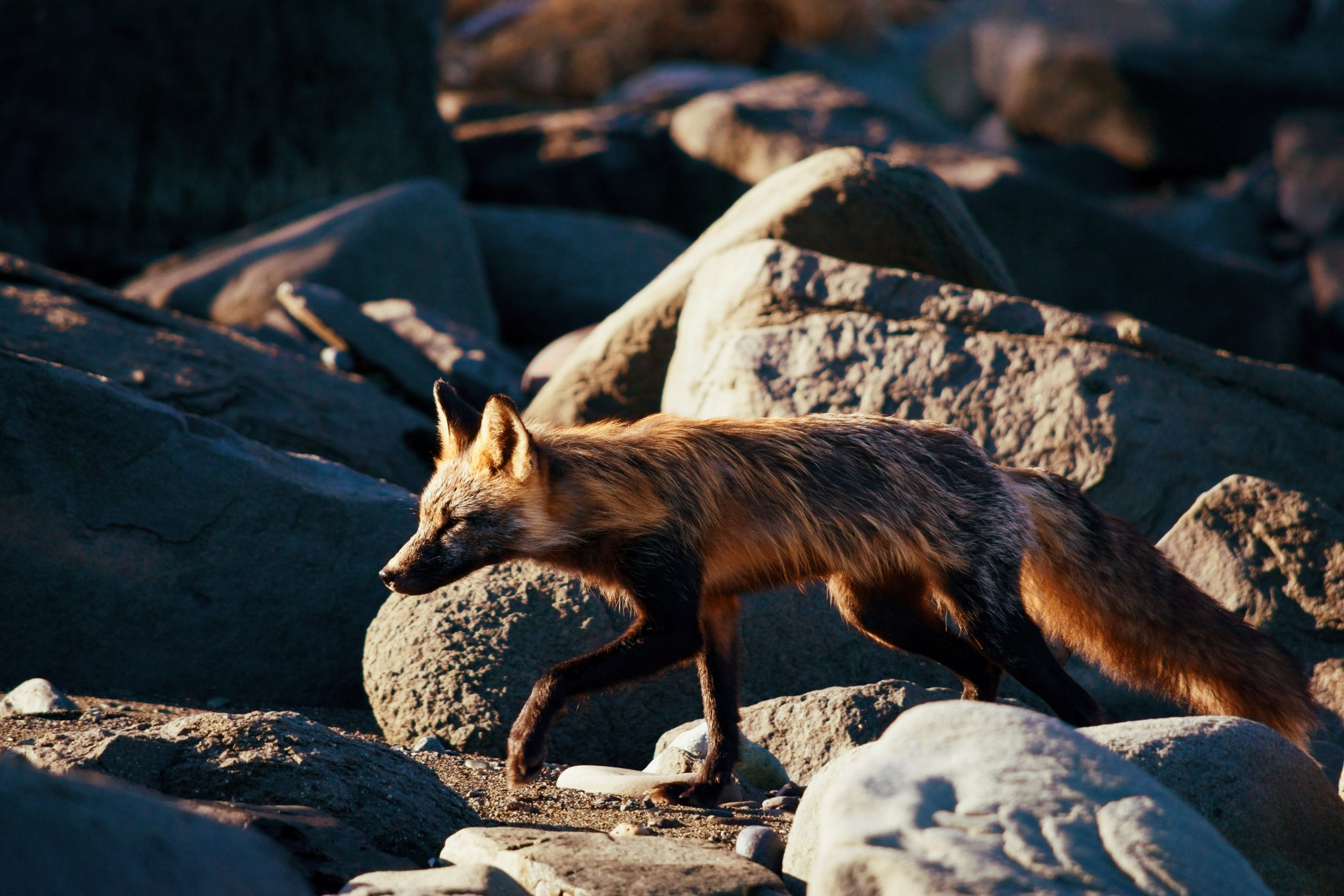
The cross fox is not a separate species but a darker color variation of the red fox, named for the dark markings that form a cross-like pattern across its shoulders and back. It occurs in parts of North America, particularly northern regions where red fox color variations are familiar. Its body size and general behavior resemble those of other red foxes, with adults commonly weighing around 7–15 pounds. The coat may combine reddish, black, and gray tones. Recognizing this variation helps prevent misidentification: coat color alone does not establish a separate species.