In the final stretch of World War I, the U.S. military flirted with a remarkable shortcut to greater firepower. The Pedersen Device, a compact conversion for the M1903 Springfield, promised to turn a standard bolt-action rifle into something far faster and more flexible. Its story is part engineering marvel, part missed opportunity, and it still fascinates firearms historians today.
A rifle conversion instead of a brand-new weapon
The Pedersen Device was brilliant because it did not ask the Army to start from scratch. Instead of replacing the M1903 Springfield, it slipped into a specially modified rifle and changed the gun’s basic behavior in minutes. That made it feel less like a radical reinvention and more like a clever wartime upgrade.
For commanders thinking about logistics, that was the real hook. Existing rifles, familiar handling, and established training all stayed largely intact. In an era when mass production was everything, a conversion system offered a tempting shortcut to giving ordinary infantrymen a much higher volume of fire.
It turned a bolt-action Springfield into a semi-automatic firearm
The feature that made jaws drop was simple to describe and revolutionary in practice: with the device installed, the Springfield no longer had to be manually cycled after every shot. Pull the trigger, and the mechanism handled the loading and firing sequence on its own using a pistol-caliber cartridge.
That change mattered enormously in trench warfare, where seconds counted and exposure could be deadly. A soldier who did not have to lift and work the bolt between shots could stay on target longer and fire much faster. For 1918, that bordered on futuristic, especially from a platform troops already knew well.
The design used a special ejection port cut into the receiver
To make the system work, the Springfield had to be altered in a very visible way. Specially prepared Mark I rifles included an opening in the receiver so the Pedersen Device could eject spent cartridges. It is one of the easiest ways collectors and historians identify the rifles built for the program.
This feature also shows how serious the Army was about the concept. These were not rough field experiments with improvised parts. The service invested in purpose-built rifles for the device, signaling that the project had moved well beyond the sketchbook stage and into genuine military planning.
It fired a small, low-recoil cartridge for close combat
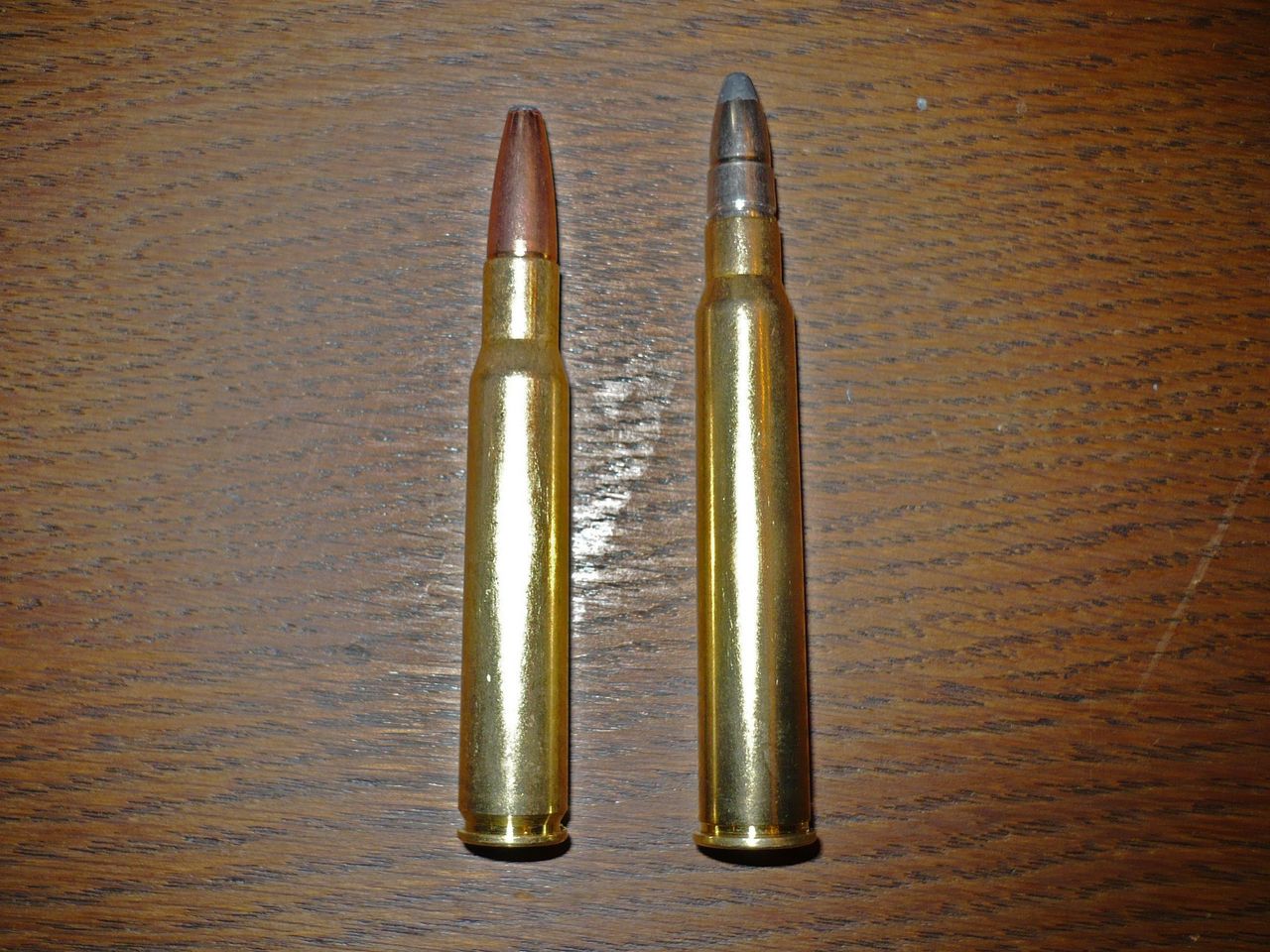
The Pedersen Device did not use the standard .30-06 rifle round. Instead, it fired a shorter pistol-like cartridge designed for controllable rapid fire at relatively short ranges. That meant less recoil, quicker follow-up shots, and a weapon better suited to the sudden, chaotic distances common in trench assaults.
There was a trade-off, of course. The smaller cartridge lacked the range and power of the Springfield’s normal ammunition, so this was never a total replacement for the rifle’s original role. But as a specialized battlefield tool for storming enemy positions, it offered exactly the kind of firepower planners thought modern infantry needed.
A detachable magazine gave soldiers a rapid burst of shots
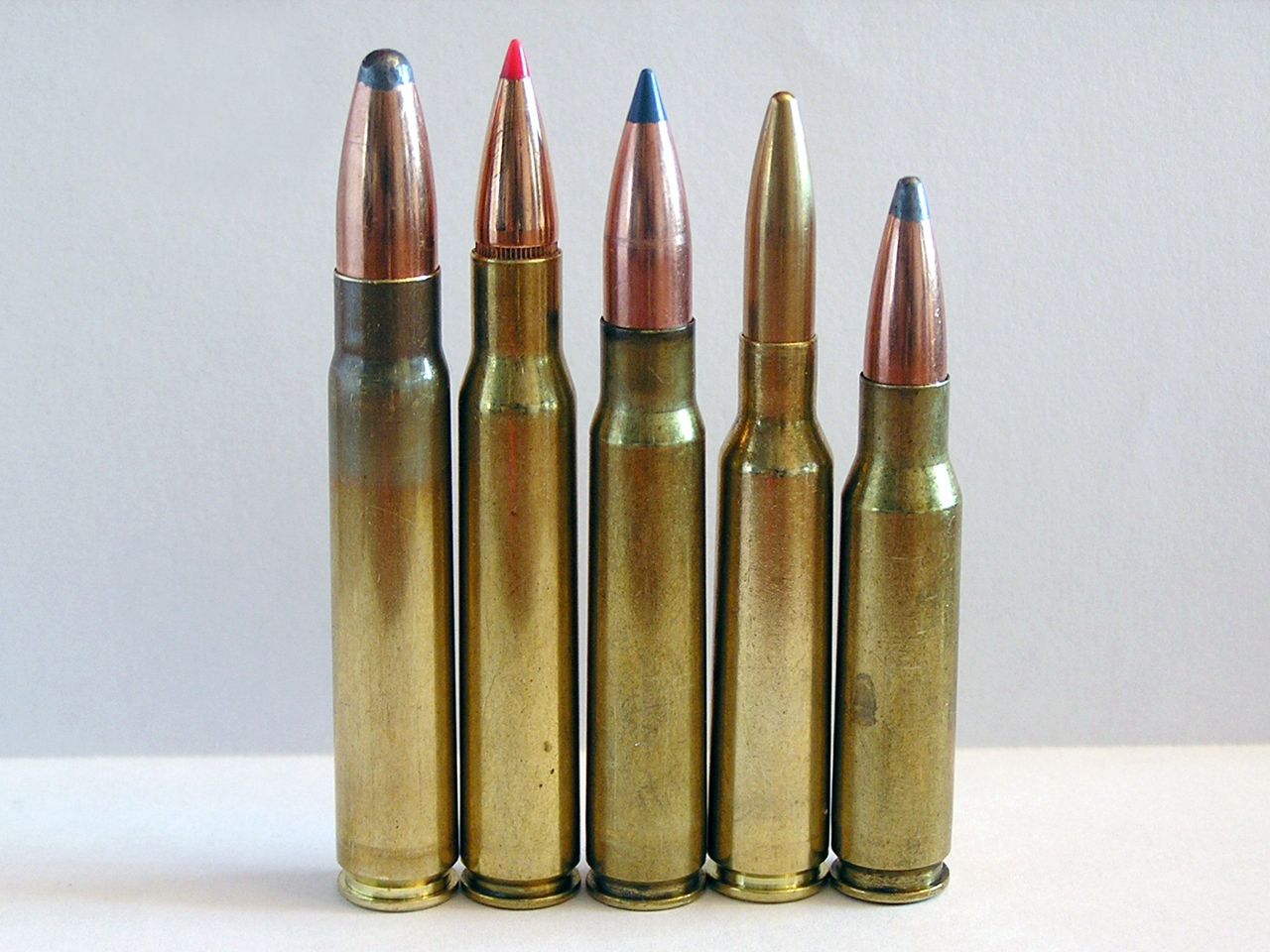
Feeding the device was a detachable magazine that held 40 rounds, a striking capacity for the period. Insert the magazine, chamber the special cartridge, and the Springfield suddenly behaved much more like a compact self-loading weapon than the five-shot bolt-action rifle soldiers had trained with.
That magazine capacity was central to the device’s appeal. In a trench raid or an advance through broken ground, the ability to fire dozens of rounds without constant reloading could dramatically change a squad’s momentum. It hinted at the future of infantry combat, where sustained individual firepower would increasingly matter as much as marksmanship.
Installation was designed to be fast in the field
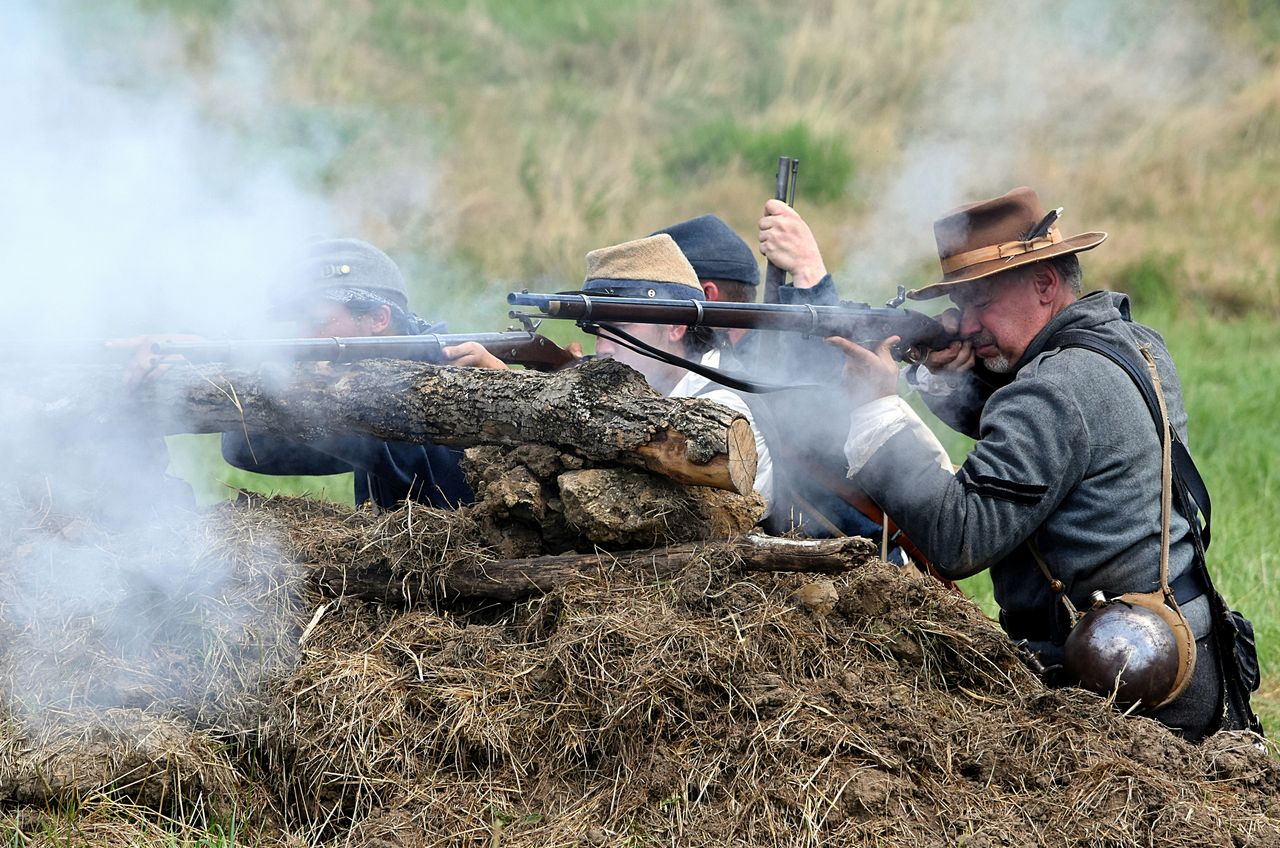
One of the smartest elements of the Pedersen Device was how quickly it could be fitted. A soldier removed the standard bolt from the Mark I Springfield and inserted the device in its place. The rifle’s regular magazine was blocked off, and the weapon was ready to use with the special ammunition and magazine.
That speed opened up intriguing tactical possibilities. Troops could carry the device for a planned assault, then revert to standard bolt-action configuration when longer-range fighting returned. In theory, one rifle could cover two different battlefield roles without issuing every infantryman an entirely separate weapon.
Thousands were made, but changing warfare made them obsolete
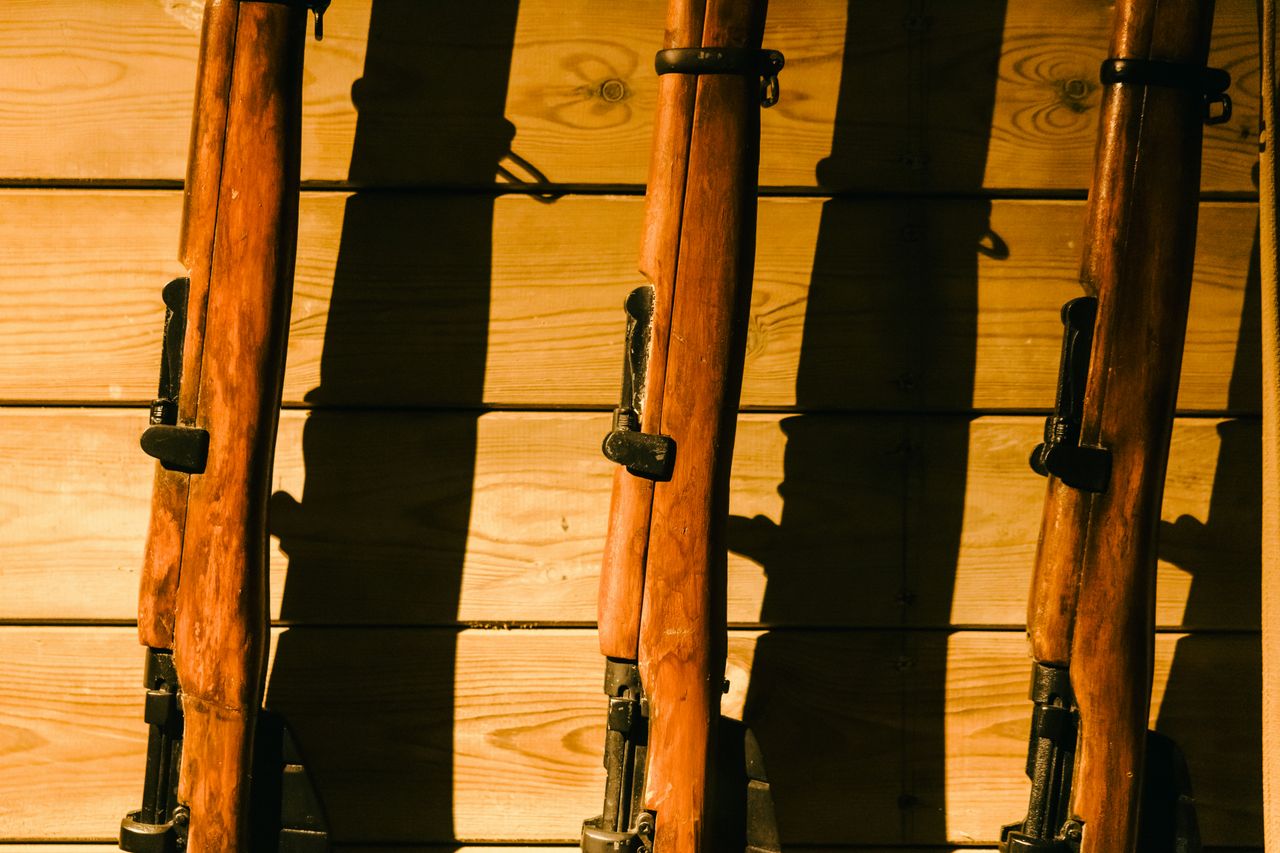
This was not a one-off prototype that never left the drawing board. Tens of thousands of Pedersen Devices were produced, along with vast quantities of ammunition and the specially altered Mark I rifles meant to use them. By any measure, the Army had committed serious industrial energy to the concept.
Yet history moved faster than the program. The Armistice ended the immediate need, and interwar thinking shifted toward full-power semi-automatic rifles rather than conversion gadgets using special cartridges. What once looked like a practical bridge to the future suddenly seemed like a detour, and many devices were ultimately destroyed rather than retained.