
The U.S. ammunition industry is facing a supply problem that goes deeper than empty powder shelves. Smokeless propellants depend on an industrial chain involving nitrocellulose, chemicals, specialized manufacturing equipment, and limited production capacity. Congress has already flagged domestic nitrocellulose as a potential vulnerability, while the Army is investigating alternative cellulose sources. At the same time, military demand has put additional pressure on the broader energetics supply chain. However, it is important to separate confirmed production interruptions from the broader shortage: not every ammunition plant is shutting down.
1. Nitrocellulose Is One of the Biggest Bottlenecks

Nitrocellulose sits near the heart of the modern smokeless-propellant supply chain, making its availability important to both military and commercial ammunition. The U.S. Army says traditional sources such as wood and cotton have faced unstable supply, slow growth, and quality variation. That vulnerability has become serious enough for Army researchers to investigate engineered bacterial cellulose as a possible alternative. Congress has separately warned that shortages of nitrocellulose, nitroglycerin and related acids could restrict ammunition production across large and small calibers. The key figure is 1 major domestic nitrocellulose producer identified in recent industry analysis, illustrating how concentrated this part of the supply chain has become.
2. Military Demand Is Competing With the Civilian Market

The shortage cannot be explained simply by American shooters buying more ammunition. Military consumption has placed enormous demands on the same broad industrial ecosystem, especially as the United States replenishes stocks used to support overseas commitments. CSIS identifies wartime consumption as a major driver of current U.S. munitions pressure, while other structural weaknesses compound the problem. This creates competition for materials, chemicals, machinery and production capacity. Commercial ammunition makers can therefore face shortages even when their own factories remain operational. One revealing number is the Army’s reported 36,000 155mm rounds per month in March 2026, well below its earlier 100,000-round monthly goal, demonstrating the scale of wider production constraints.
3. A Powder Shortage Does Not Mean Every Factory Is Closed
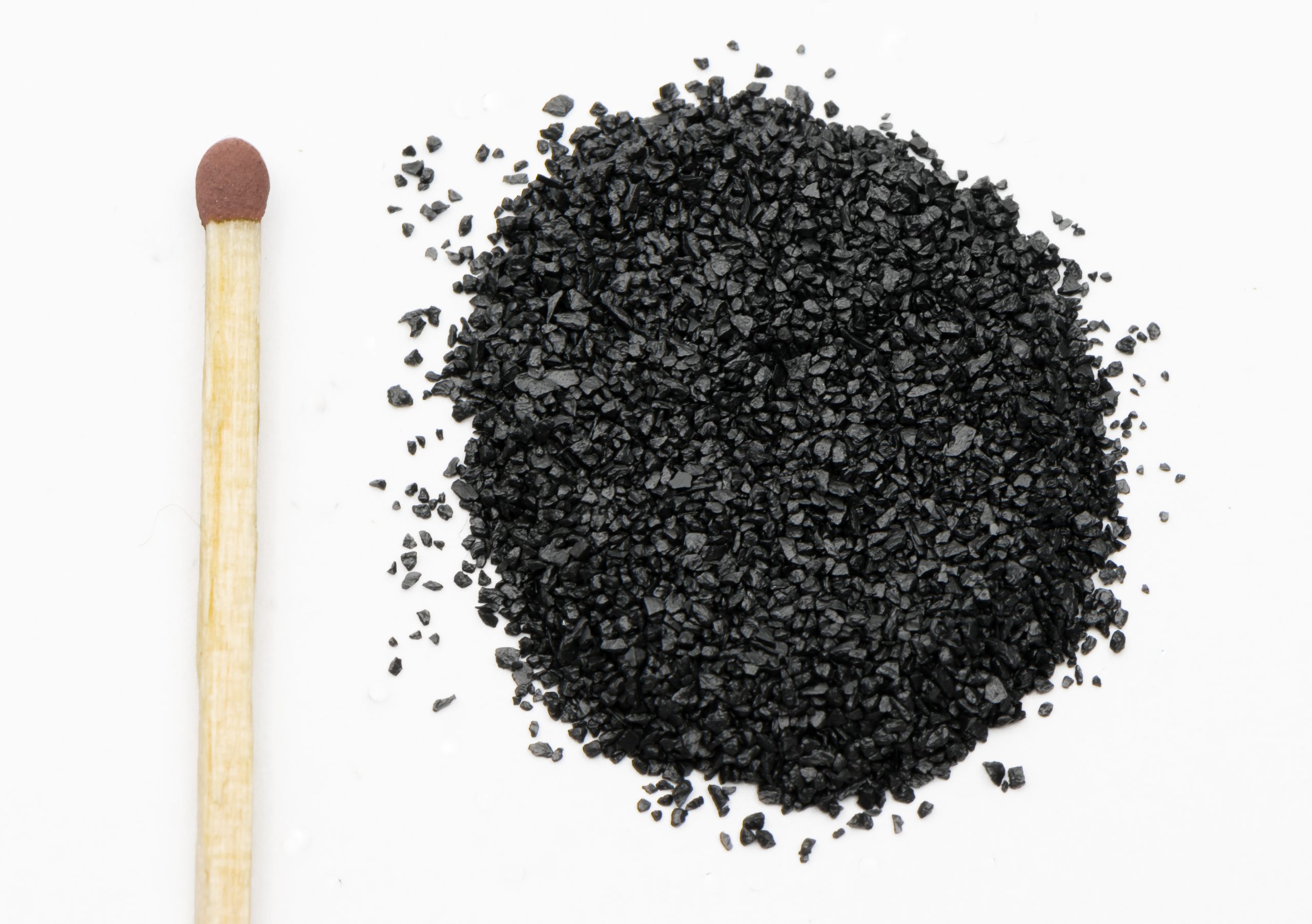
Headlines about ammunition plants “shutting down” can make the situation sound more universal than it is. Current reporting indicates that some commercial manufacturers have experienced temporary production interruptions because of powder availability, while other facilities continue producing ammunition. One industry assessment specifically identified AAC’s temporary production closure as being associated with a powder shortage. That is very different from saying the entire American ammunition industry has stopped. Production can also be reduced, delayed or shifted toward contracts with higher priority. The important number here is 1 documented commercial example, not dozens of nationwide closures. The shortage is better understood as an uneven supply squeeze affecting particular companies and product lines rather than a complete industrial shutdown.
4. The Problem Has Been Building for Years
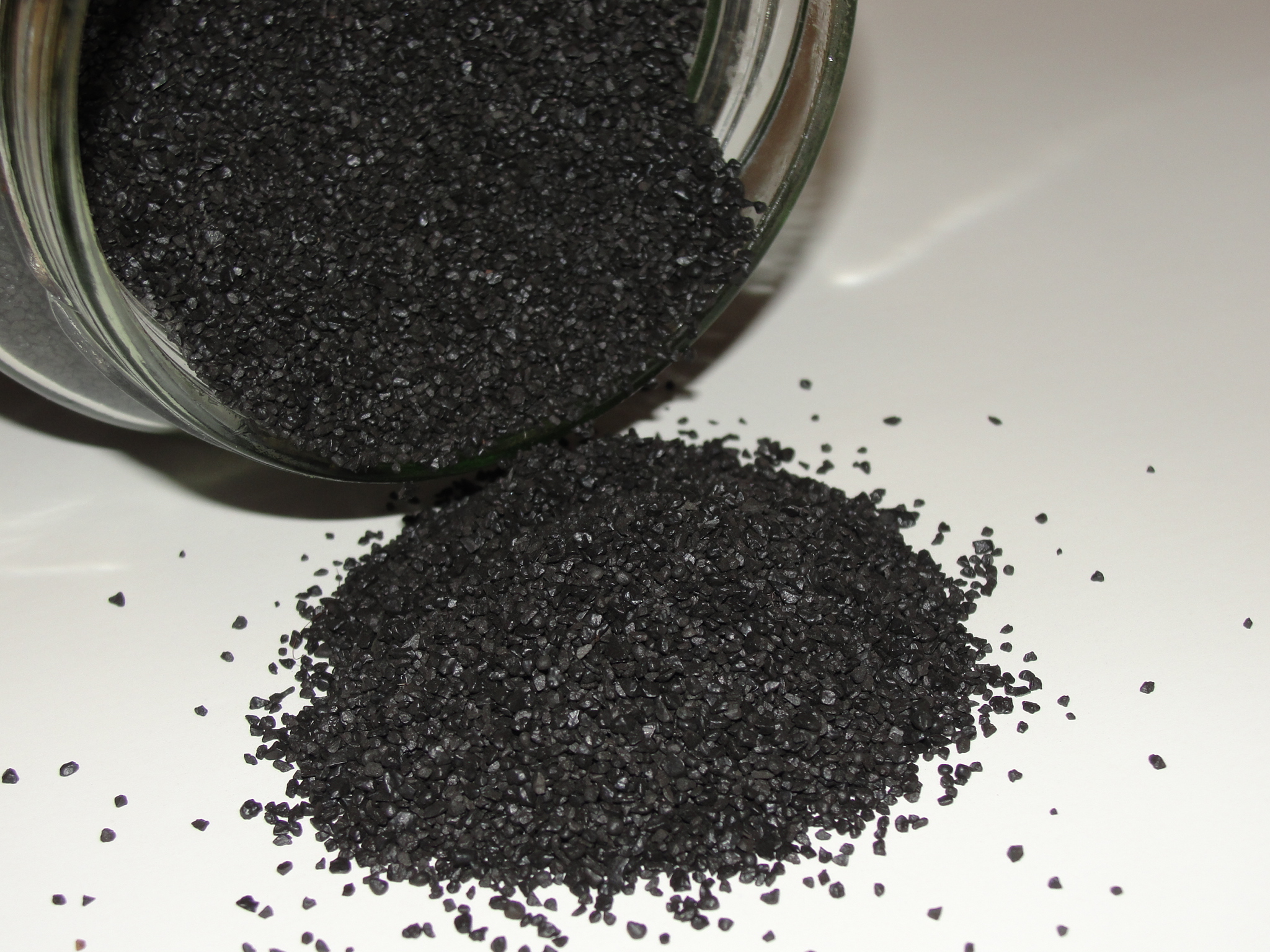
Today’s shortage did not suddenly appear in 2026. Congressional documents from 2024 already warned that inadequate domestic nitrocellulose production could restrict ammunition manufacturing and create risks for both commercial customers and military users. Lawmakers called for examination of additional production locations and stronger protection against single points of failure. That history matters because chemical plants cannot be expanded overnight. New facilities require specialized equipment, trained personnel, environmental approvals, and substantial investment before they can produce material at scale. The warning from Congress therefore preceded the present pressure by roughly 2 years, showing that the underlying vulnerability was recognized well before current shortages became headline news.
5. Rebuilding Capacity Is Much Harder Than Buying New Machinery
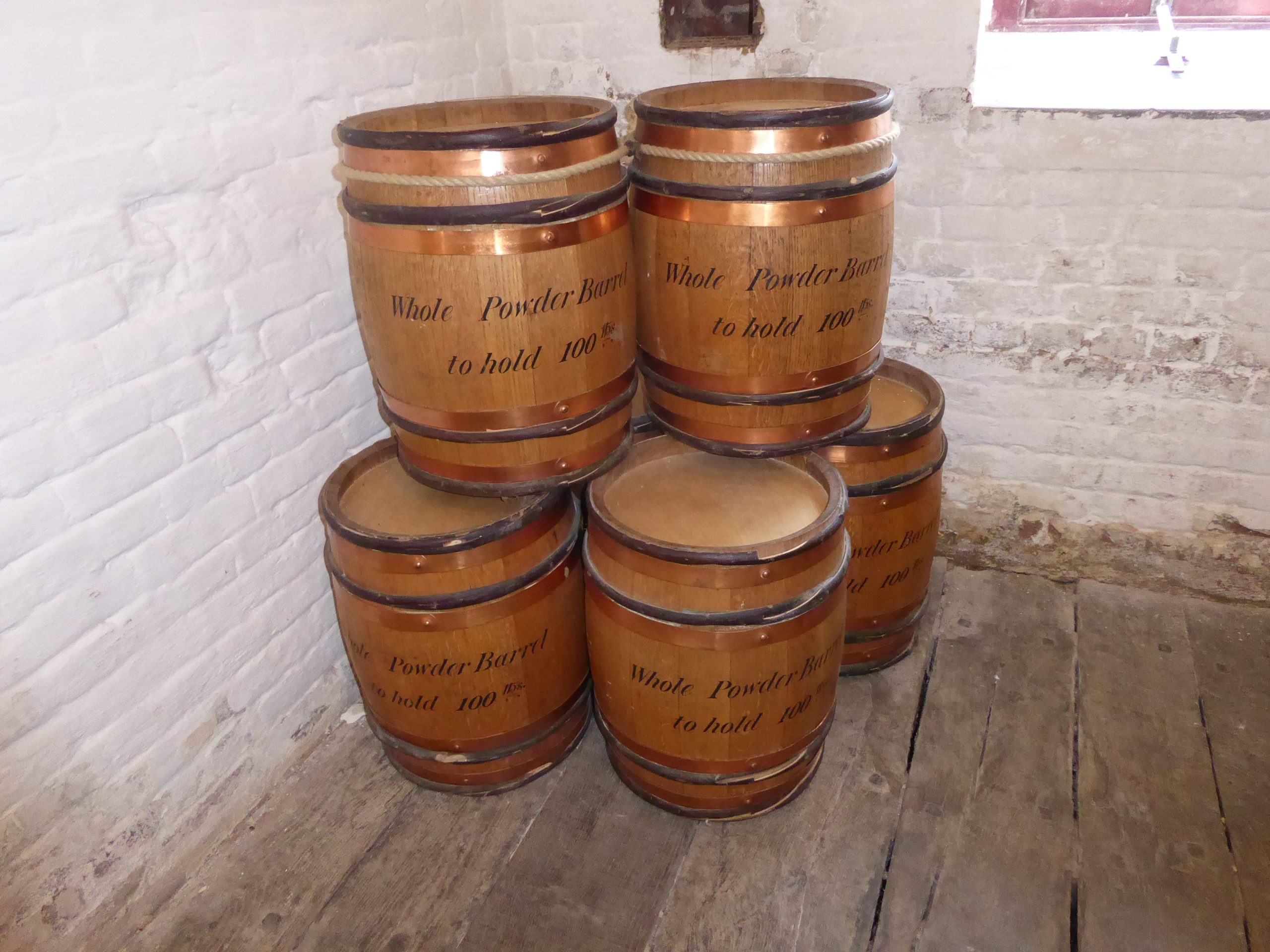
Ammunition production depends on specialized industrial processes that cannot simply be expanded by installing another assembly line. Energetics facilities require suitable chemical infrastructure, safety systems, experienced workers and carefully controlled production environments. Recent reporting highlights the age of important American facilities: Radford Army Ammunition Plant, described as the country’s only domestic producer of nitrocellulose in one recent industry assessment, dates back to 1941. Modernization has therefore become a major issue. The government is investing in production expansion, but new capacity takes time to qualify and stabilize. The 85-year age of Radford in 2026 illustrates why replacing or modernizing strategic infrastructure is a long-term industrial project rather than a quick response to empty inventories.
6. Imports Can Help, but They Also Create Vulnerabilities

A global supply chain can provide flexibility when domestic production is insufficient, but dependence on overseas suppliers introduces another set of risks. International demand, trade restrictions, transportation problems, and geopolitical tensions can all affect the availability of chemicals and propellants. Recent reporting has linked ammunition-material pressures to disruptions involving major overseas sources, while tariff changes have added further cost pressure for some manufacturers. One ammunition producer told The Trace that its ammunition prices had risen approximately 8% to 15% compared with early 2024. That increase does not prove that powder alone caused every price change, but it demonstrates how raw-material disruptions can eventually reach the consumer through higher manufacturing costs.
7. The U.S. Is Looking for New Ways to Break the Bottleneck
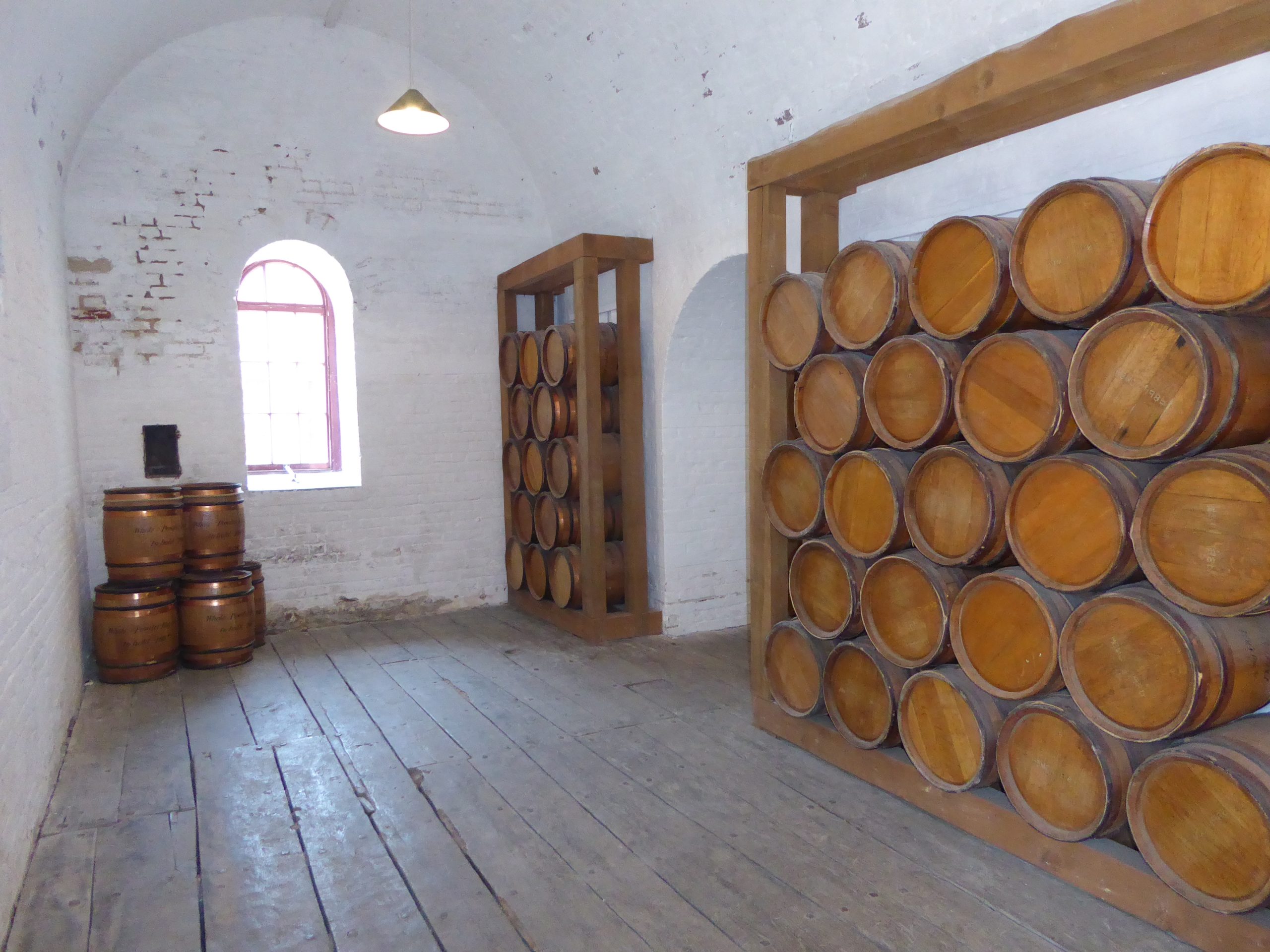
The response is moving beyond simply ordering more conventional materials. Army researchers are investigating whether specially engineered bacteria could produce cellulose suitable for conversion into nitrocellulose, potentially reducing dependence on traditional wood and cotton sources. Congress has also pushed for more resilient sourcing and additional production locations. These efforts recognize that resilience requires multiple suppliers rather than relying heavily on a single vulnerable node. The Army’s research was publicly highlighted in August 2026, showing that alternative feedstocks are now being investigated as part of the response. The immediate shortage will not disappear because of one experiment, but diversification could eventually reduce the risk that a single raw-material disruption affects ammunition production across several markets.