Competitive pistol design often advances faster than the rulebook. A handgun created to dominate practical shooting can become too specialized for a particular division once organizers tighten limits on optics, compensators, dimensions, capacity, or modifications. That does not always mean the pistol is banned from the sport itself; more often, it becomes ineligible for the class it was intended to exploit. The seven examples below show how race-gun ideas can collide with changing regulations. The key figures include dimensions, power factors, magazine limits, and rule changes that explain why a once-competitive setup can suddenly be left outside the box.
1. Glock 18: Too Much Firepower for Handgun Competition
The Glock 18 is a select-fire 9×19 mm pistol with a cyclic rate commonly cited around 1,100 rounds per minute. That feature makes it an engineering outlier, but it also puts the pistol outside ordinary practical-shooting rules. Current USPSA rules prohibit handguns capable of burst or fully automatic fire. The important distinction is that the Glock 18 is not a “banned gun” everywhere; it is prohibited as a competition handgun where the rules require individual, controlled shots. Its headline figure is the roughly 1,100-rpm rate, which explains why a pistol built for maximum firepower does not fit the normal race-gun format.
2. CZ 75 TS: Czechmate Race Features Meet Division Limits
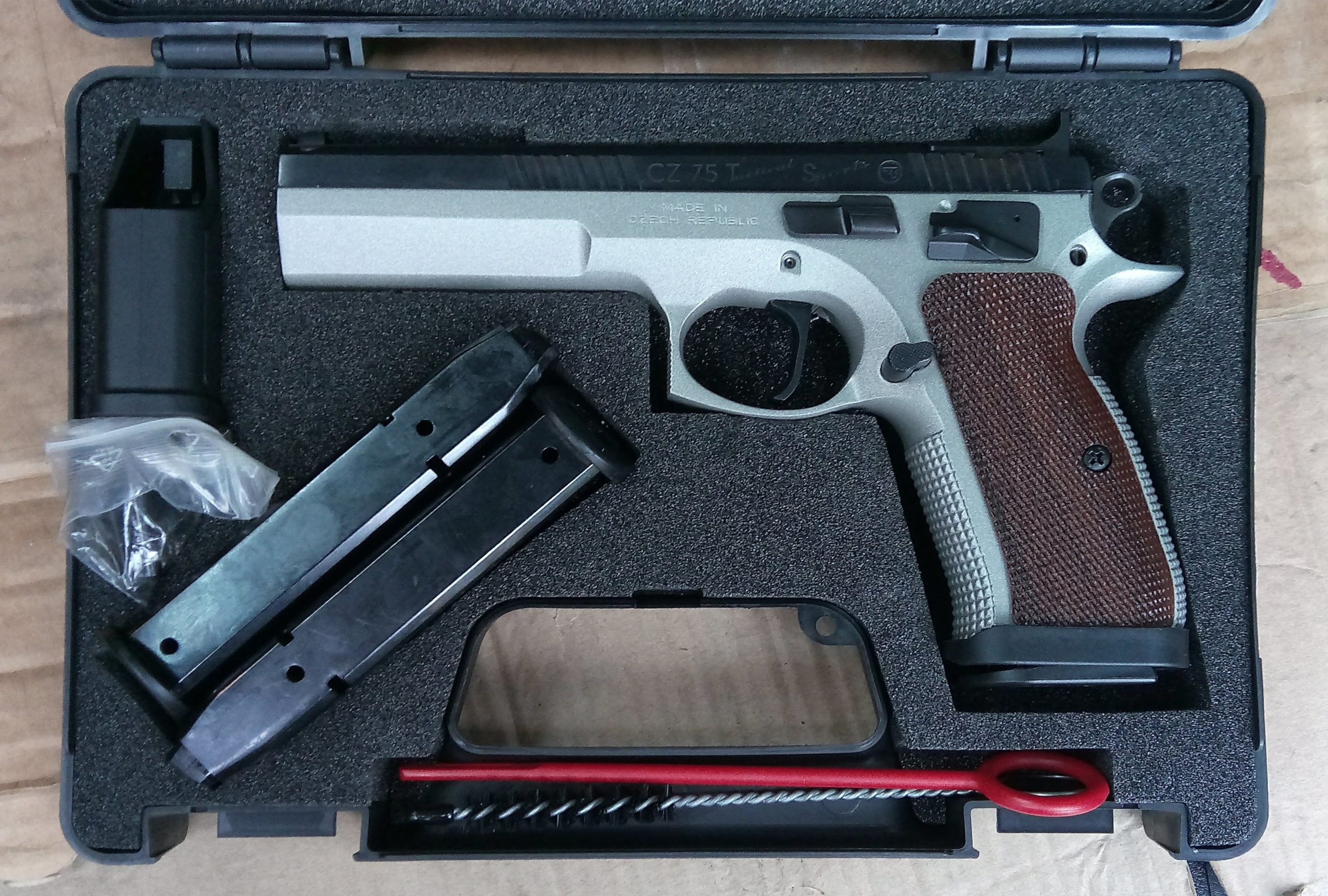
The CZ 75 TS Czechmate was designed around IPSC-style competition, combining a 9 mm platform with configurations that can use an optic and compensator. The problem appears when it enters restrictive divisions. Current IPSC Production rules prohibit optical sights and compensators, require an approved handgun, and limit the barrel to 127 mm. Open Division is different: optics and compensators are permitted. So the same competition pistol can be legal in Open but unsuitable for Production. Those figures show how a race pistol can become ineligible simply because its features cross a division’s limits.
3. Tanfoglio Stock II: A Competition Pistol Outgrowing Production
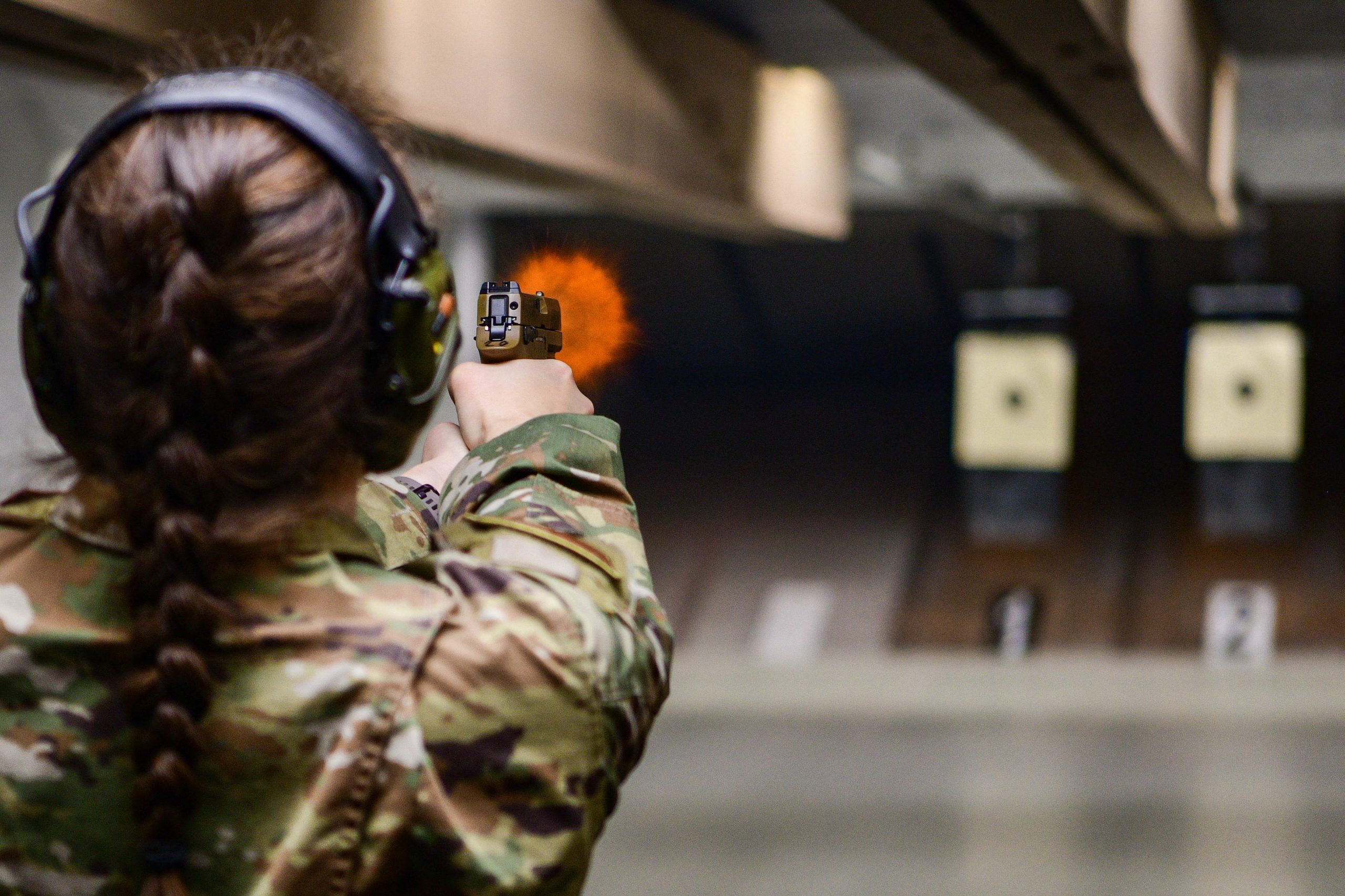
The Tanfoglio Stock II became popular with practical shooters because of its steel frame, traditional sights, and competition-focused double-action layout. Yet Production divisions are deliberately restrictive, and IPSC rules permit only approved handguns with controlled modifications. Production also bars optical sights and compensators, sets a 127 mm maximum barrel length, and requires a 5-pound first-shot trigger pull or 3 pounds for every shot. A Stock II configured outside those boundaries can lose Production eligibility while remaining competition-legal elsewhere. Competition purpose does not make every setup legal.
4. STI 2011 Race Guns: Open Hardware With Strict Division Limits
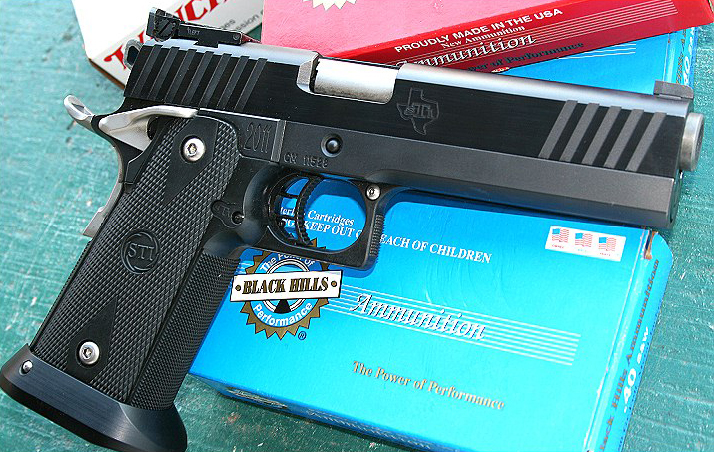
STI’s 2011-style pistols became closely associated with practical-shooting Open guns, especially setups using optics, compensators, and high-capacity magazines. Those features are why they cannot simply move into restrictive divisions. IPSC Open permits optical sights and compensators, with magazines up to 170 mm. Standard forbids electronic sights and compensators and requires the unloaded handgun to fit a 225 × 150 × 45 mm box. A 2011 race pistol can therefore be legal in Open yet fail Standard equipment checks. It has not been banned from competition; its configuration has crossed a division boundary.
5. SIG Sauer P320 X5: Competition Model Versus Production Rules
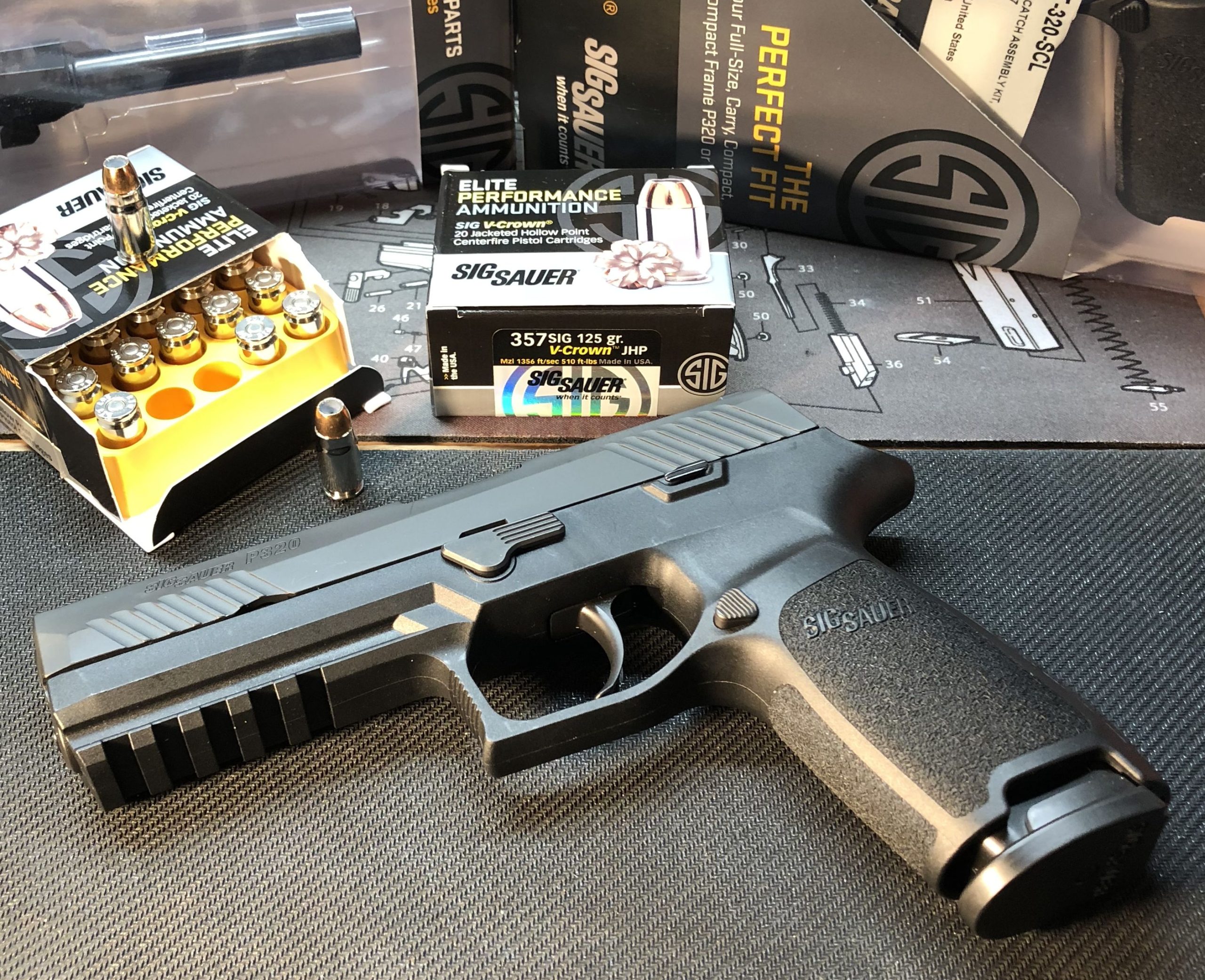
The SIG Sauer P320 X5 family was built with competitive shooting in mind, offering a longer slide and barrel and optics-ready configurations. Eligibility depends on the division. IPSC Production requires approved handguns, limits the barrel to 127 mm, bans compensators, and restricts modifications that facilitate faster handling or reloading. Production Optics permits one electronic sight, but compensators remain prohibited and magazines accessible during a course of fire may hold no more than 15 rounds at the start. That is why a competition model can be legal in one class while a modified version fails inspection in another.
6. Beretta 92X: Performance When Competition Upgrades Hit a Rule Wall
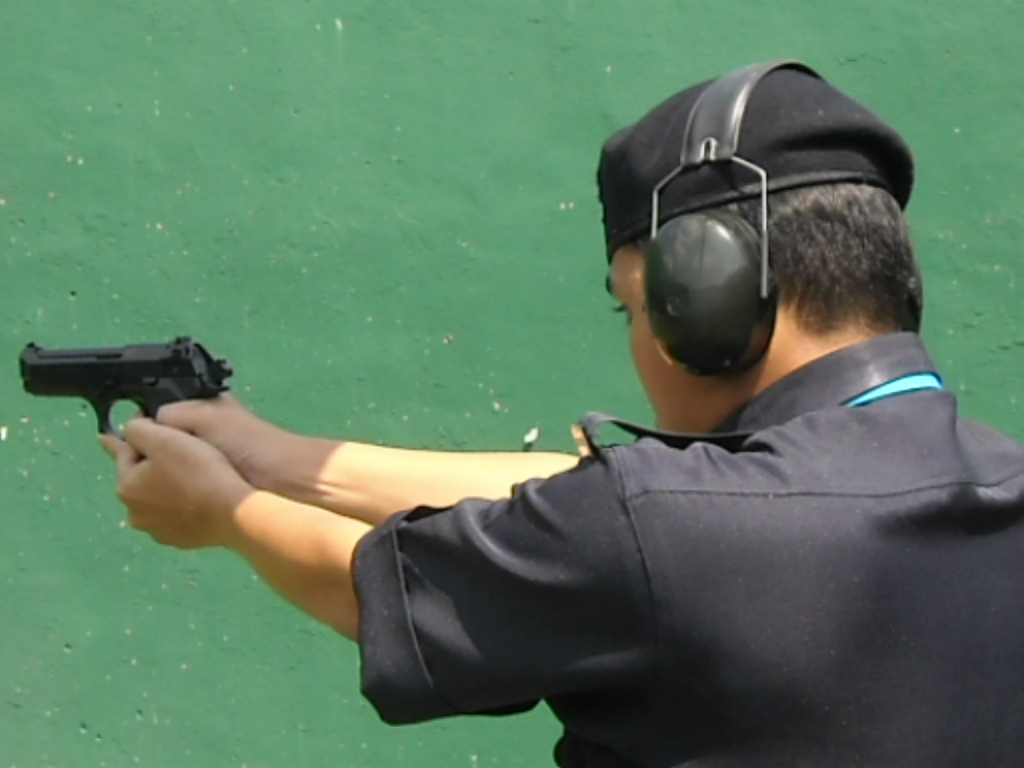
The Beretta 92X Performance was engineered for practical competition, using a heavier steel frame and competition-oriented controls instead of adapting a service pistol. It shows why “competition-ready” does not mean “legal in every division.” IPSC Production allows only approved models and tightly limits external changes, while compensators and optical sights are excluded there. Production also specifies a 127 mm maximum barrel length and a 15-round magazine limit at the start signal. A 92X Performance outside those boundaries is not universally banned; it simply moves to another division or becomes ineligible there. The rules determine where it belongs.
7. Grand Power X-Calibur: A Specialized Pistol That Can Lose Its Slot
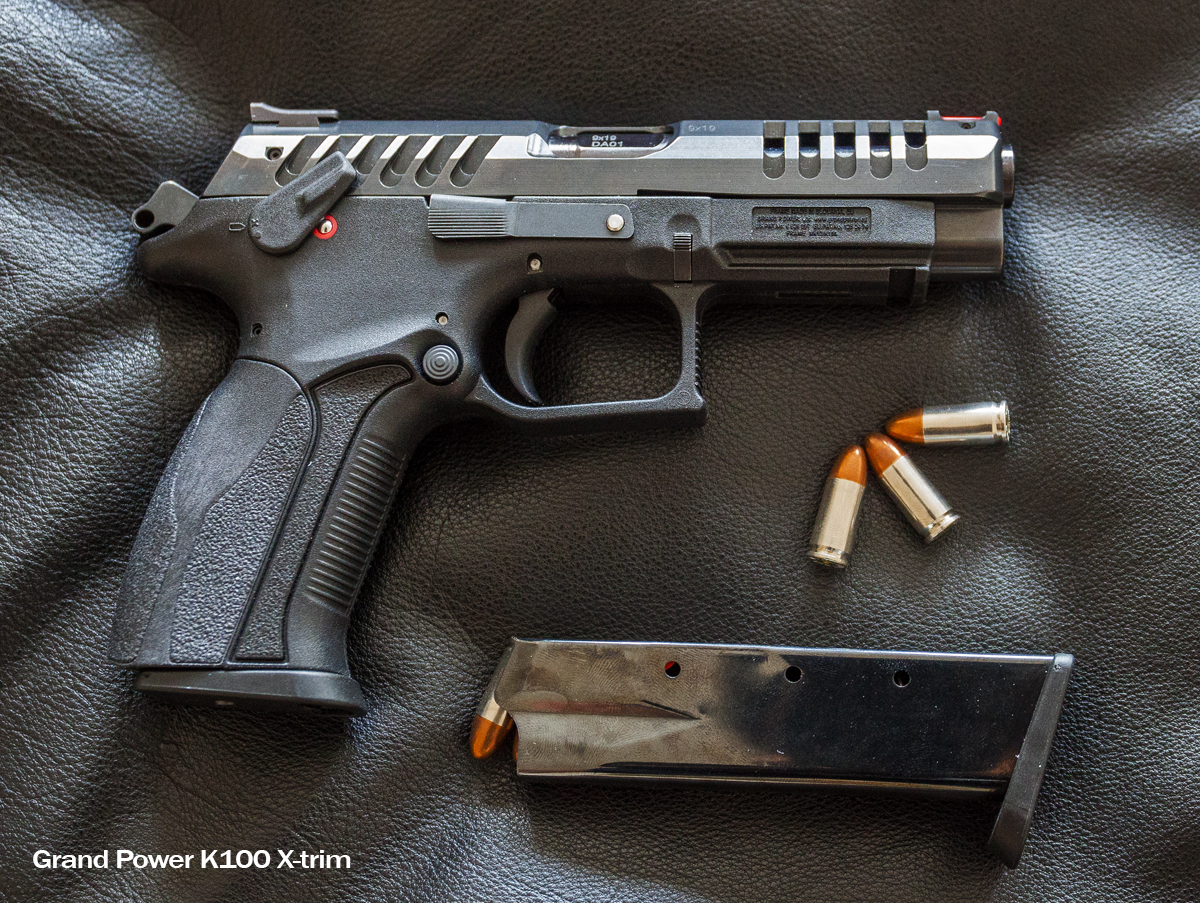
The Grand Power X-Calibur was marketed toward competitive shooters, with a rotating-barrel action aimed at practical stages. Eligibility depends on the division and approved model. IPSC Production requires the handgun to appear on its approved list and limits changes beyond specified factory or minor detailing. The division excludes optical sights and compensators, while Production Optics allows one electronic sight but still prohibits compensators. Both divisions use a 127 mm barrel limit. A competition pistol can therefore become non-compliant when its features move beyond a division’s definition.