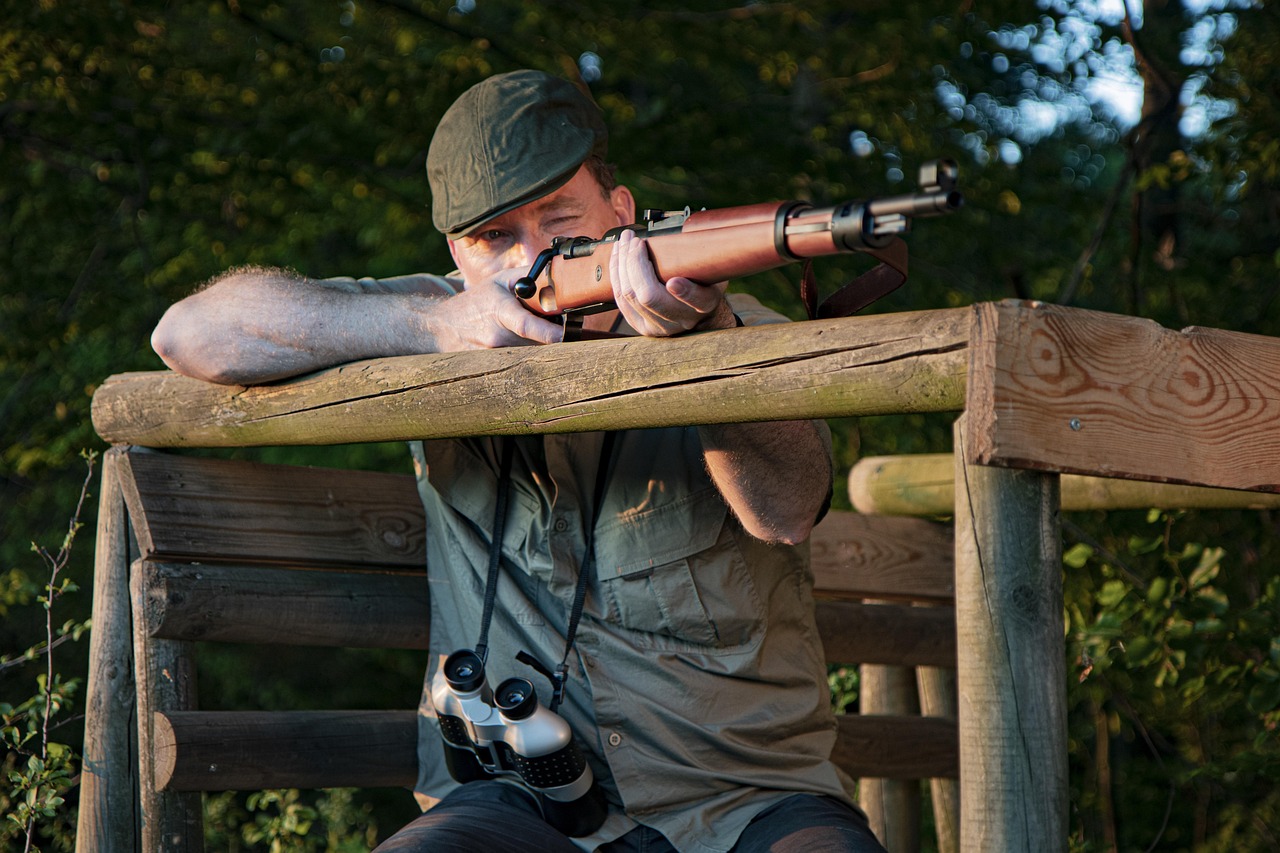
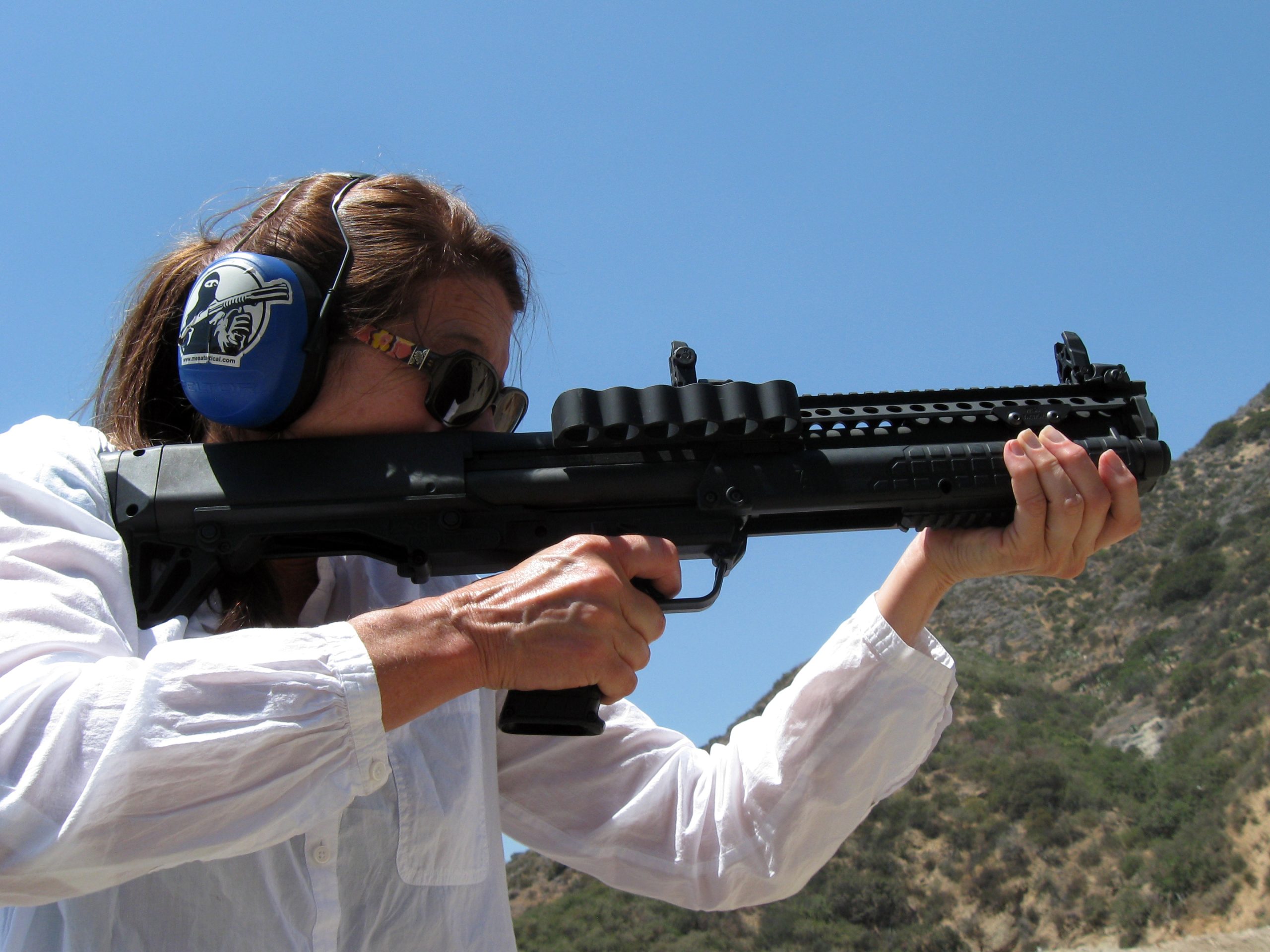
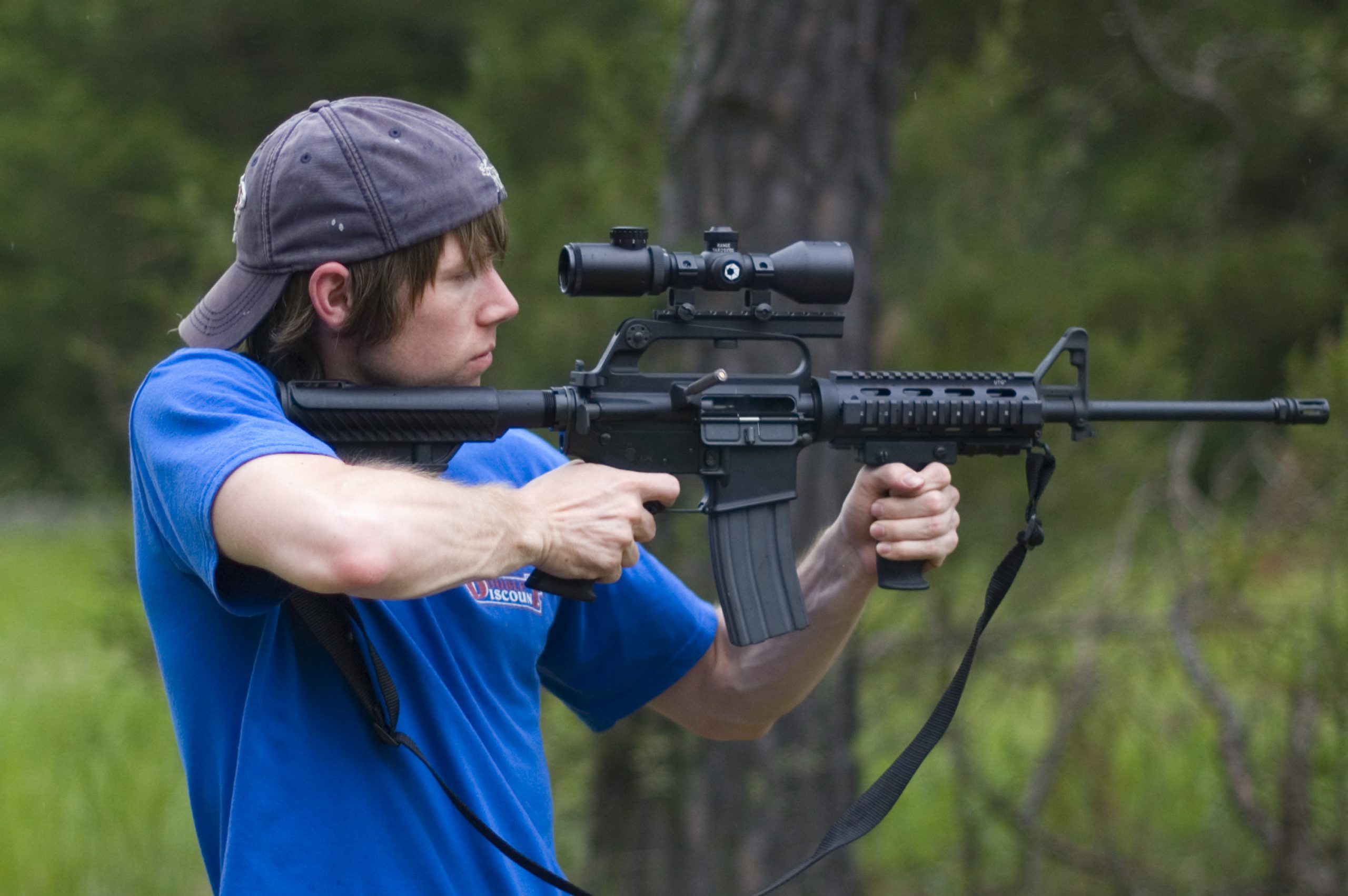
Turkey hunting has a way of turning tiny mistakes into empty tags. The good news is that a Beretta A300 can be tuned into a seriously effective gobbler gun with the right mix of choke, optic, load, and fit. These seven setups focus on real-world confidence, whether you hunt tight timber, open fields, or anything in between.
Red Dot and Tight Choke for Timber Shots

If your birds like to appear at 20 to 35 yards with almost no warning, this is the setup that keeps things simple. A compact red dot on the Beretta A300 gives you a fast, unmistakable aiming point when a gobbler steps through brush and refuses to stand still.
Pair it with an extra-full turkey choke and a proven lead load to keep the pattern dense without overcomplicating the gun. In dark timber, that clean sight picture matters more than many hunters realize.
This kind of build favors instinctive shooting, but it still rewards discipline. Pattern it carefully, confirm point of impact, and you get a rig that feels quick, calm, and hard to miss with when the woods suddenly come alive.
Low Power Optic for Field Edge Birds
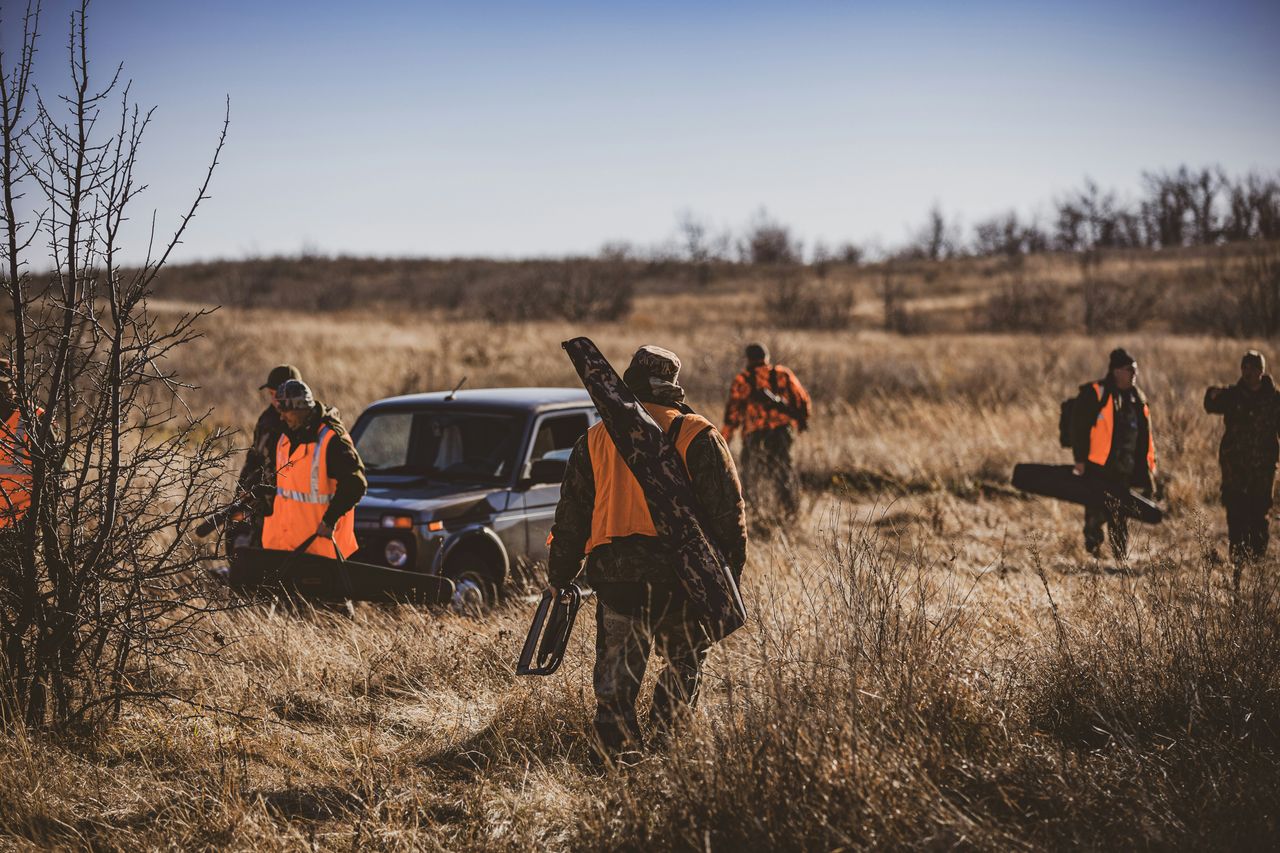
Some turkey hunts turn into staring contests across green fields, logging roads, and wide powerline cuts. In those situations, a Beretta A300 fitted with a low power optic gives you a bit more precision without making the gun feel clunky or overly specialized.
A 1x prism or similar sight can help sharpen your hold on a bird that hangs at 40 yards and dares you to rush. Match that optic with a choke your gun actually likes, not just the tightest one on the shelf.
This setup shines for patient hunters who often call birds into open lanes. It is less about speed and more about shot accountability, especially when a longbeard is fully committed but still just far enough away to expose sloppy aiming.
Lightweight Run-and-Gun Woods Build
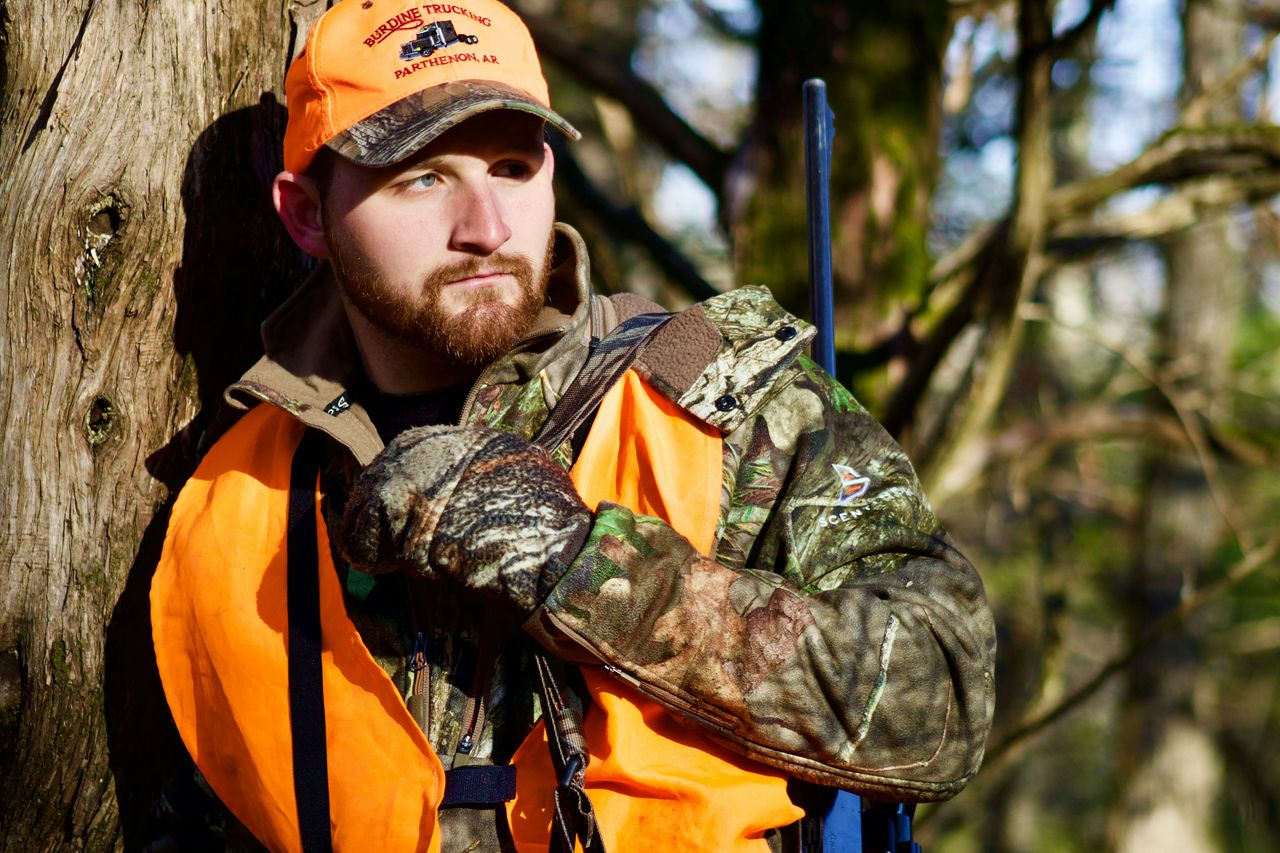
Not every turkey hunter wants to sit against one tree all morning. If you cover ridges, creeks, and logging trails until a bird answers, the best Beretta A300 setup may be the one that trims bulk and keeps the gun easy to carry all day.
That means a simple sling, minimal accessories, and a dependable bead or micro sight instead of anything oversized. You want the shotgun to come up naturally after a fast move, not fight you when the moment finally comes.
The beauty of this build is how practical it feels by noon, not just at daylight. Less weight means less fatigue, and less fatigue usually means better shooting when a gobbler slips in after miles of walking and several setup changes.
Soft-Shooting Setup for Better Follow-Through
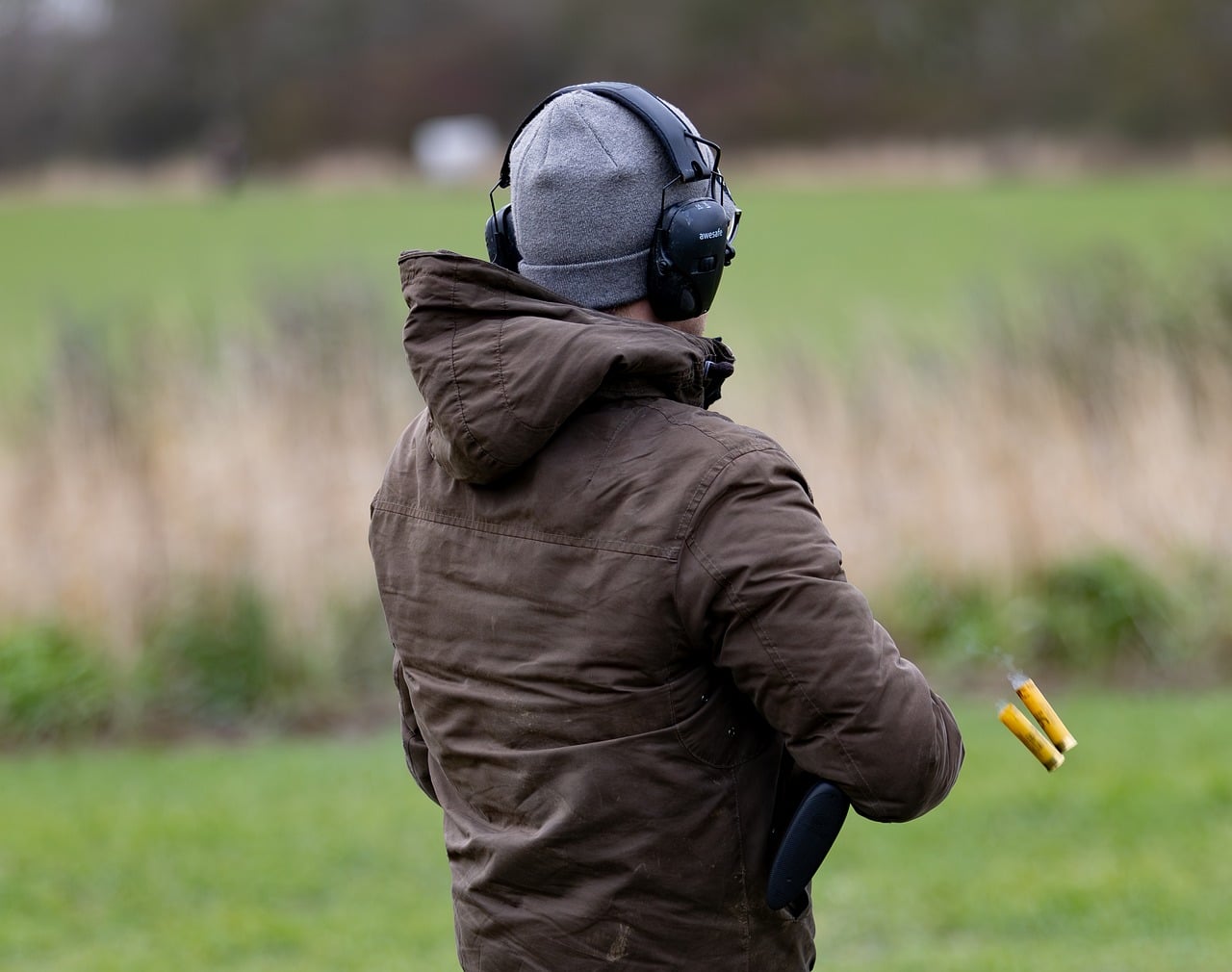
Missing turkey shots is not always about bad aim. Sometimes the problem starts with a hunter who dreads recoil, lifts their head, or snatches the trigger because the gun feels sharper than expected. The Beretta A300 already has a reputation for manageable shooting, and this setup leans into that strength.
Use a comfortable recoil pad, a stock fit that keeps your eye aligned, and a load you can practice with often. A slightly more forgiving combination can produce far better field results than the hottest shell on the store shelf.
Confidence changes mechanics in a hurry. When the gun feels predictable, follow-through improves, your cheek stays planted, and the shot breaks cleaner. For many hunters, that is the difference between a clean harvest and replaying a miss all week.
Heavyweight TSS Pattern Specialist
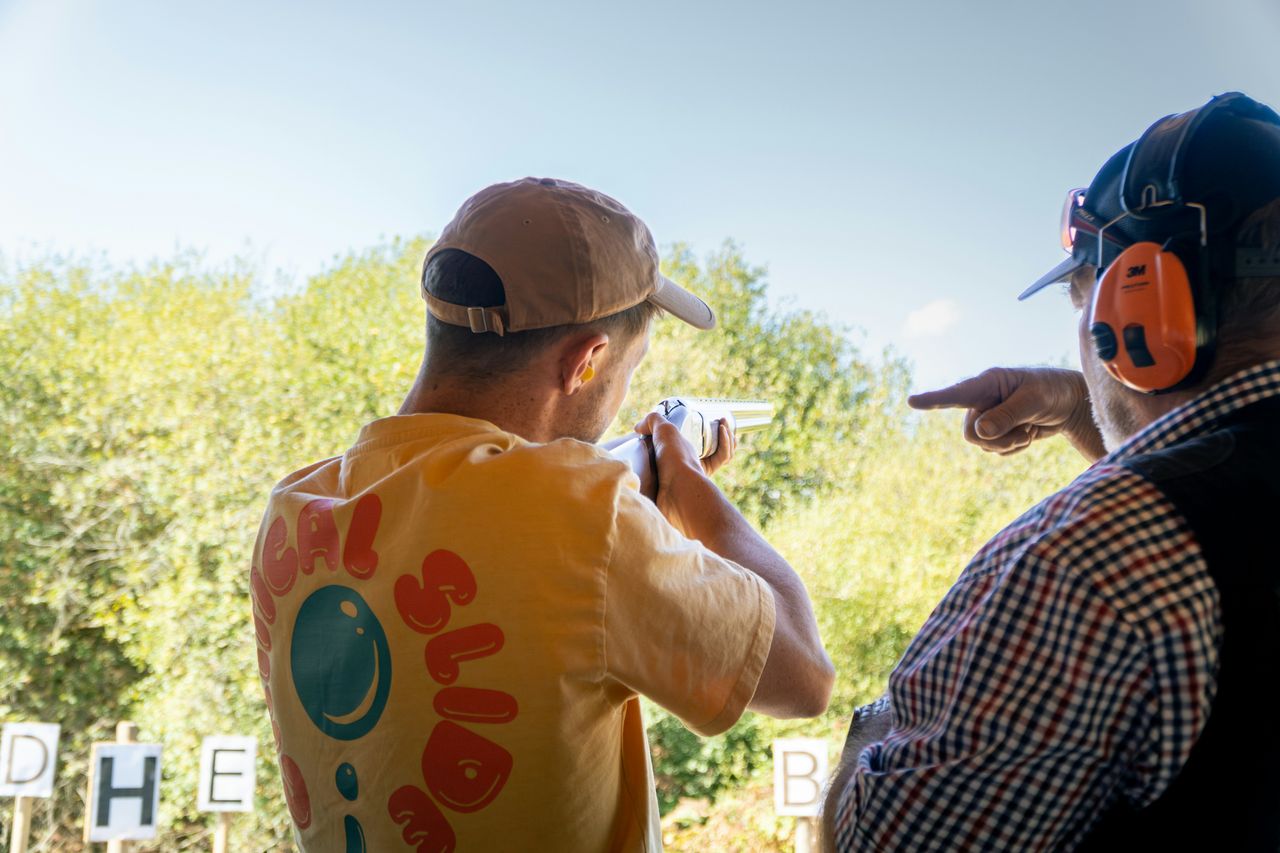
For hunters who demand maximum pattern density, a Beretta A300 paired with a TSS load and a carefully chosen choke can become a serious precision tool. This setup is built for the shooter who is willing to test multiple combinations and document what the gun does on paper.
TSS has changed expectations, but it also punishes guesswork. A load that performs brilliantly in one barrel can disappoint in another, so the real secret is disciplined patterning at realistic distances.
Once dialed in, this setup offers a level of confidence that feels almost unfair when a bird hangs up. It is not magic, though. It still requires exact aiming, especially with very tight patterns that leave little room for wandering point of impact.
Compact Blind Setup for Seated Shots

Turkey hunting from a blind changes the way a shotgun needs to move. A Beretta A300 set up for seated shooting should be compact, snag-free, and easy to mount without bumping window frames, chairs, or the pile of gear that somehow grows around every blind.
A shorter overall feel, a simple optic, and a shell holder placed where it will not interfere can make a big difference. Inside tight quarters, smooth handling matters just as much as raw pattern performance.
This setup is especially useful for youth hunters, new hunters, or anyone introducing a friend to spring gobbler season. When the gun is easier to manage in a blind, people tend to stay calmer, move less, and shoot much better when the bird finally enters the decoys.
Balanced Do-It-All Setup for New Turkey Hunters
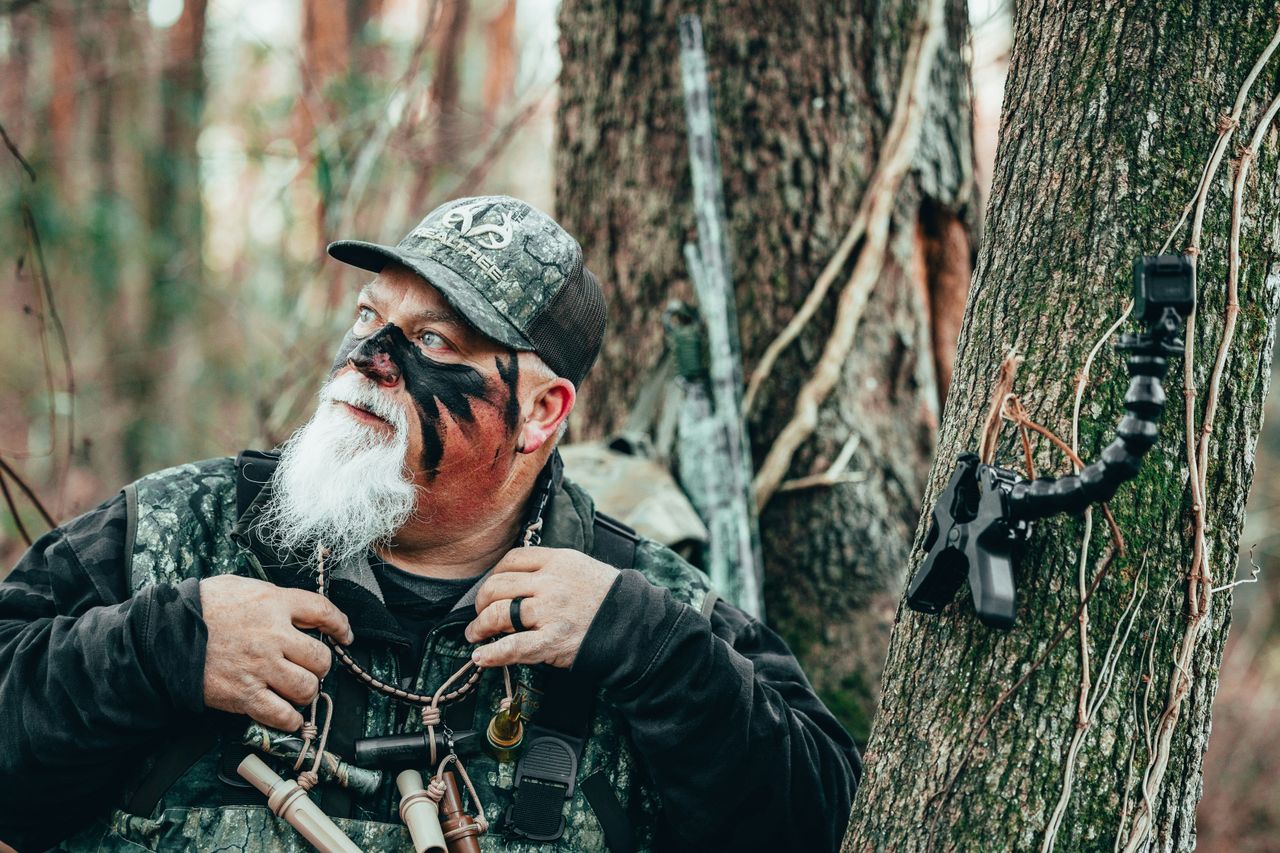
Not everyone needs a hyper-specialized turkey gun right away. For many hunters, the smartest Beretta A300 setup is a balanced one with a dependable choke, an easy-to-see sight, and a load that patterns well without chasing every trend in the turkey aisle.
This approach keeps the learning curve manageable while still giving you serious capability. You can hunt woods, field edges, and blinds with the same shotgun and spend your energy learning bird behavior instead of endlessly changing parts.
That versatility is exactly what makes this build so appealing. It removes excuses, builds trust, and helps newer hunters focus on the fundamentals that actually prevent misses: good setup selection, calm aiming, and knowing exactly what the shotgun will do before opening morning.