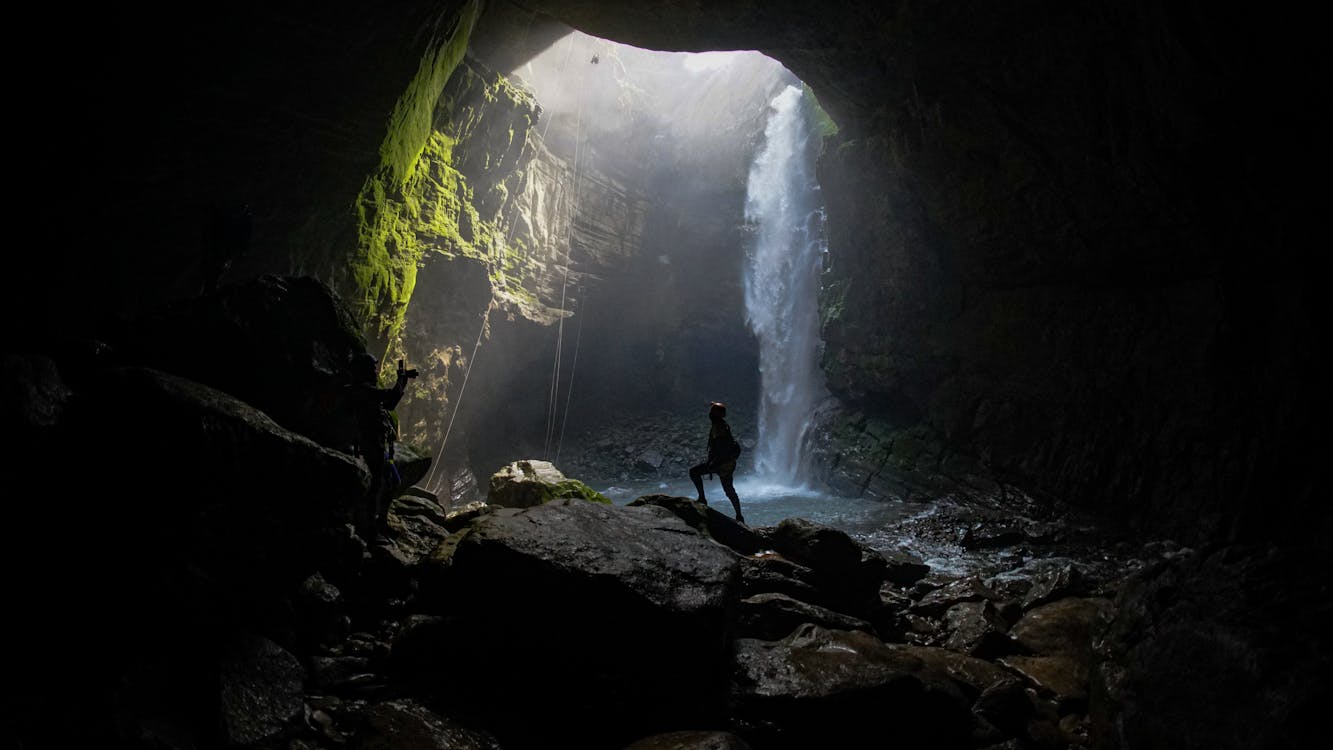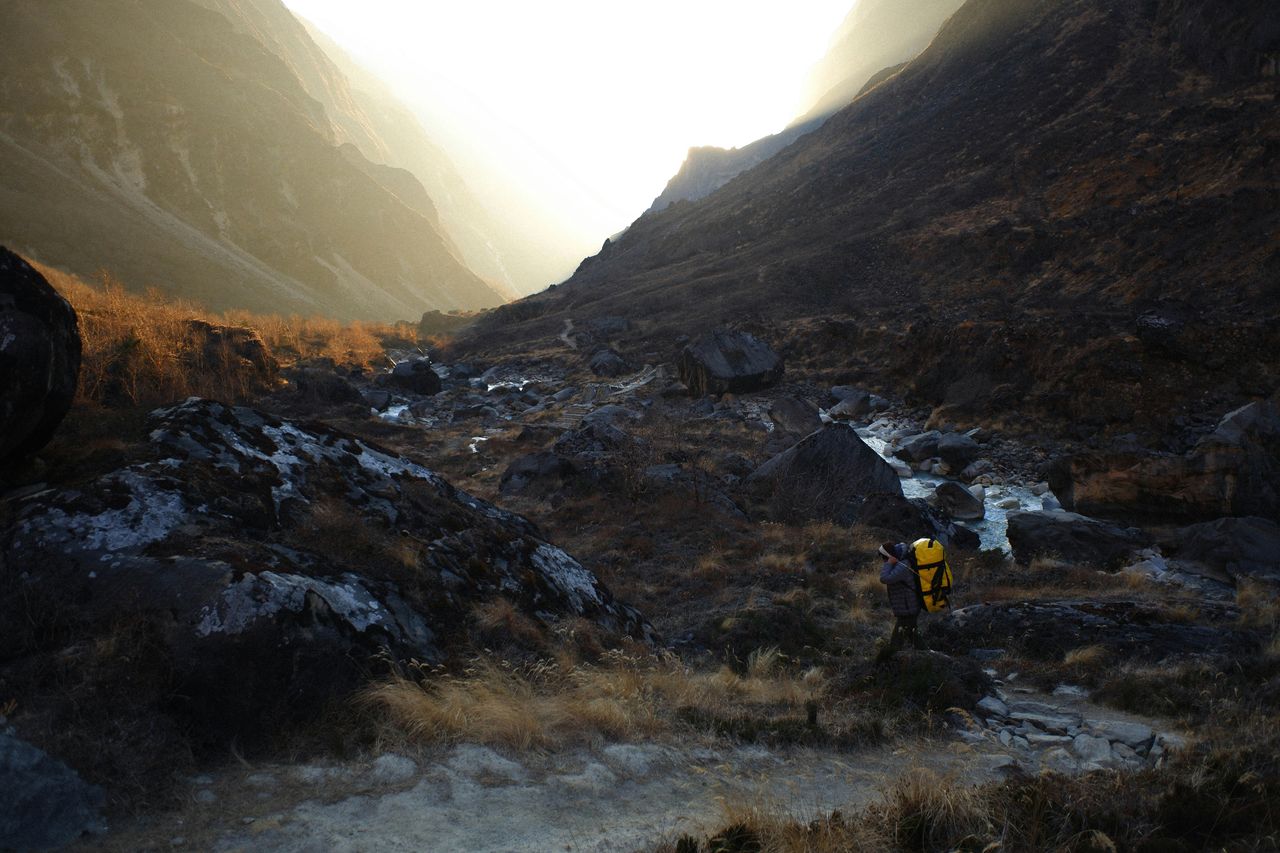
A broken water filter in the backcountry can turn a routine outing into a serious problem fast. The good news is that knowing where to look—and how to make water safer once you find it, can buy you time and protect your health. This gallery walks through smart, realistic options for finding drinking water when you are far from help and forced to rely on your surroundings.
Look for Moving Water First

When your filter fails, a flowing source is usually your best starting point. Small creeks, spring runs, and stream sections with steady movement are often preferable to stagnant ponds because moving water is less likely to concentrate sediment, algae, and surface contamination in one place.
That does not make it automatically safe, of course. Wildlife, upstream camps, and runoff can still introduce harmful organisms. Collect from the clearest, fastest section you can reach, ideally above trails or campsites, and avoid water near dead animals, heavy silt, or obvious discoloration.
If you have any backup treatment method at all, use it after collection. The goal here is not just to find water, but to start with the cleanest source available so every next step works better.
Head for Natural Springs and Seep Areas

Springs can be one of the most reliable places to find cleaner water in remote country. Water emerging directly from the ground has often passed through layers of soil and rock, which may reduce visible debris and leave you with a clearer source than open surface water.
You will usually have better luck where a hillside stays green longer than the surrounding terrain, where moss is thick, or where damp ground feeds a tiny trickle. In dry country, a shaded seep can be easy to miss unless you slow down and really study the landscape.
Collect as close to the emergence point as possible rather than from a muddy pool below it. Even spring water should still be treated, but starting at the source can make a big difference.
Use Rainwater Whenever You Can Catch It

Rain is one of the easiest emergency water sources to overlook, especially when you are focused on the trail ahead. If a storm rolls in, use every clean surface you have—pots, bottles, tarps, a rain fly, even a carefully positioned jacket—to catch and funnel water before it hits the ground.
Fresh rainwater is often cleaner than stream or pond water because it has not picked up as much local contamination yet. Still, if it has run across dirty gear, leaves, bird droppings, or a dusty shelter, it may need treatment before drinking.
A tarp angled into a bottle can collect far more than people expect during a steady shower. In a real pinch, turning weather into a water source is a smart survival move.
Collect Morning Dew and Condensation

Dew will not fill a large bottle quickly, but it can matter when every sip counts. In grassy meadows, along broad leaves, or on smooth surfaces left out overnight, moisture can be wiped up with a clean bandana or shirt and then wrung into a container.
Condensation can help too. A cool metal bottle, a pot lid, or plastic sheeting set to collect overnight moisture may yield small amounts by morning, particularly in humid areas or near water. It is slow, but survival often depends on stacking small advantages.
This method works best as a supplement rather than your main source. Think of it as a way to stretch your reserves while you keep moving toward a more dependable supply.
Dig in Dry Riverbeds With Care

A dry wash or riverbed can still hide water below the surface, especially in desert country or after recent rain upstream. Look for bends, low pockets, dark damp sand, or places where green vegetation clusters unusually thick along the channel.
Dig a hole a short distance from the lowest point and wait for it to seep in rather than scooping muddy slurry right away. The first water is often cloudy, but letting sediment settle can improve what you collect and make later treatment more effective.
This is not a guaranteed trick, and it is not ideal in contaminated areas or flash-flood conditions. But in truly remote terrain, subsurface water can be the difference between pressing on and turning back safely.
Watch the Landscape, Wildlife, and Plants

Nature often advertises water before you see it outright. Dense stands of cottonwood, willow, cattails, reeds, and other moisture-loving plants can point you toward shallow groundwater, streambanks, or hidden seeps that are not visible from a distance.
Animal behavior can offer clues too, though it should never be your only guide. Game trails may lead toward watering spots, birds often circle or travel at dawn and dusk between roosts and water, and insect activity can increase near damp ground.
Use these signs as indicators, not proof of safety. Animals drink from places humans should avoid, so once you find water, inspect it carefully and use your best backup purification method before taking a long drink.