Elk season rewards preparation more than optimism. Long before opening morning, hunters need a clear read on regulations, terrain, gear, animal behavior, and the physical demands of the pursuit. This gallery breaks down six smart things to know now, so you can head into the next season more confident, safer, and better prepared for a real opportunity.
Regulations Change More Than You Think
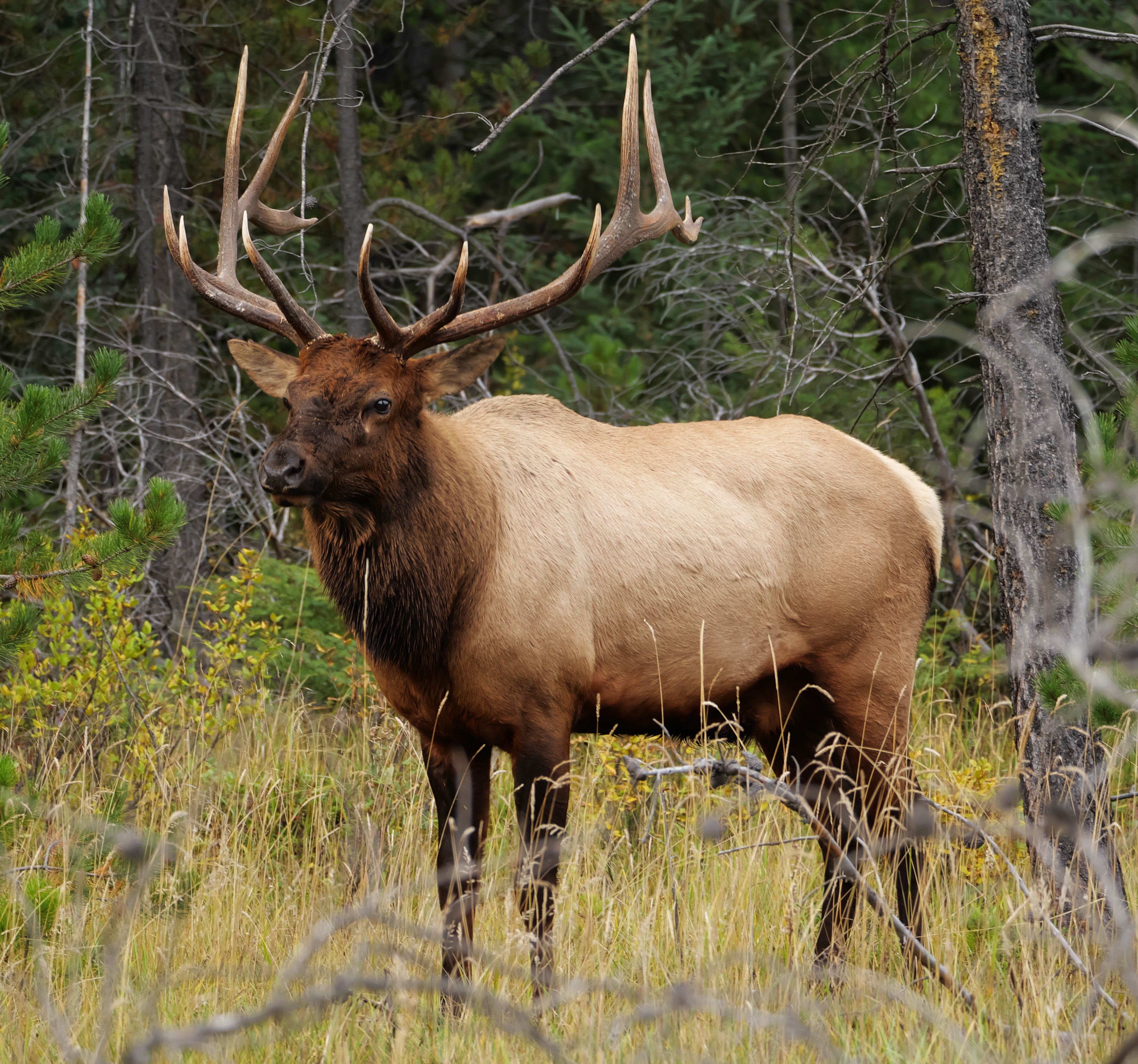
Even experienced hunters can get tripped up by assuming this year looks like last year. Unit boundaries, tag types, season dates, legal weapon rules, and access restrictions can all shift between seasons, sometimes in ways that affect where and how you hunt.
Before making any plans, study the current state regulations and the specific rules for your unit. Pay close attention to draw deadlines, carcass tagging, evidence of sex requirements, and transport rules. A little preseason homework can save you from a costly mistake when the hunt finally arrives.
It is also smart to check wildfire closures and emergency land orders close to opening day. Conditions on the ground can change fast, and legal access is never something to guess about.
Physical Fitness Is Part of Your Gear

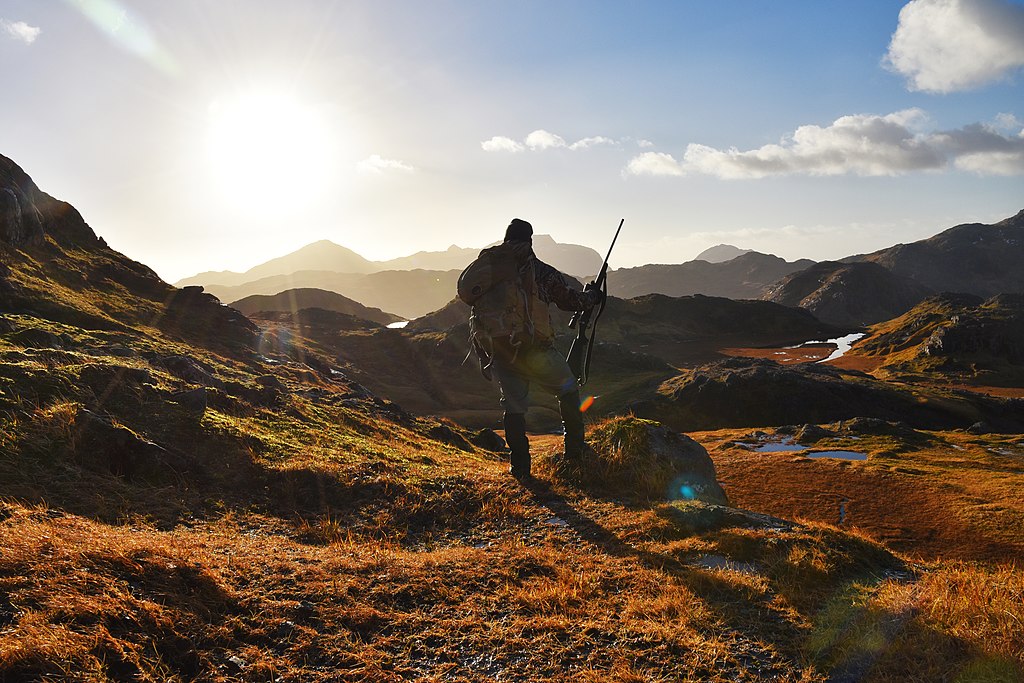
Elk hunting is often sold as a calling and shooting game, but the real challenge starts with climbing, sidehilling, and carrying weight in steep country. If your legs and lungs are not ready, your odds drop fast, especially after several hard days at elevation.
The best preseason training is simple and specific. Hike with a loaded pack, build leg strength, and spend time on uneven ground whenever you can. Cardio matters, but so do balance, recovery, and the ability to keep moving when you are tired.
Remember that success does not end at the shot. Packing out meat can be the hardest part of the entire hunt, and planning for that effort is just as important as planning your first morning setup.
Scouting Beats Guessing

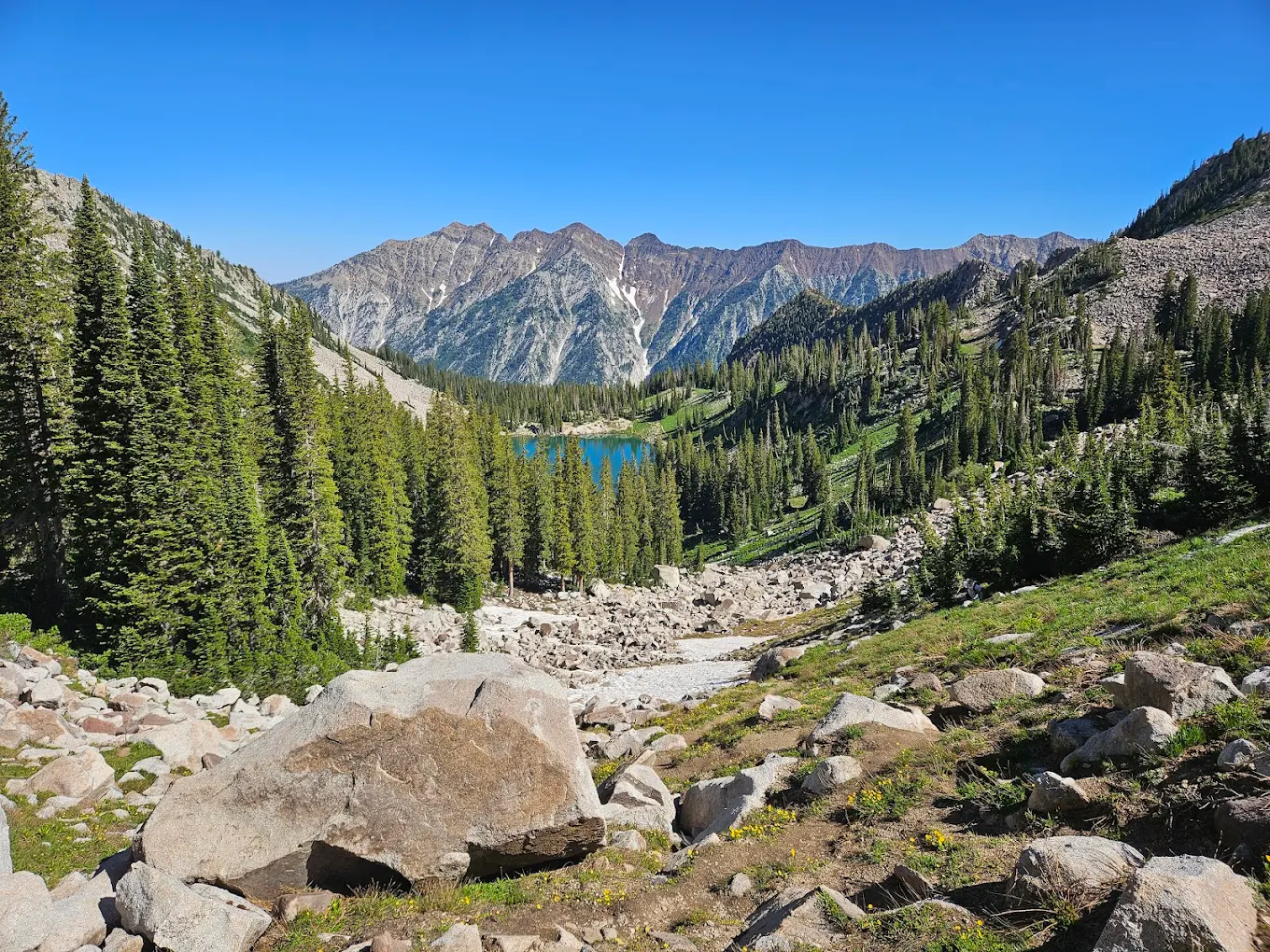
A good elk area on a map is not the same as a good elk area in real life. Water sources dry up, pressure shifts animal movement, and a beautiful basin can turn out to be full of campers or too open for a workable approach.
Preseason scouting helps you understand how a place actually hunts. Look for feed, cover, bedding security, travel corridors, and sign that tells you elk are using the area now, not just at some point in the past. Tracks, droppings, rubs, and fresh wallows reveal much more than scenery.
If you cannot scout in person, digital homework still matters. Satellite imagery, topographic maps, and access research can help you build backup plans before other hunters force quick decisions in the field.
Gear Should Be Reliable, Not Just Expensive

It is easy to get distracted by premium gear lists, but elk season punishes equipment that is unfamiliar, noisy, or untested. The right setup is the one you trust after miles of hiking, changing weather, and long hours in rough country.
Before the season opens, check boots for fit, break in clothing layers, and make sure your pack carries weight comfortably. Rangefinders, optics, headlamps, water filtration, and rain gear matter because they solve real field problems, not because they look good in camp.
Most important, confirm your weapon setup under realistic conditions. A bow, rifle, or muzzleloader should be sighted, practiced, and ready from awkward positions, not just from a flat bench on a calm afternoon.
Shot Placement and Recovery Demand Discipline

Elk are big, tough animals, and a rushed shot can create a hard, emotional recovery. Knowing your personal range limit, waiting for a clean angle, and staying calm under pressure are some of the most important preseason lessons any hunter can carry into the woods.
That means practicing with intention instead of just burning ammunition or arrows. Work on first-shot accuracy, shooting from kneeling or sitting positions, and making decisions quickly without forcing low-percentage chances.
After the shot, patience matters almost as much as precision. Mark the exact location, watch the elk as long as possible, and begin the track methodically. A disciplined recovery protects meat, respects the animal, and often determines whether the hunt truly ends in success.
A Backup Plan Can Save the Season

Every elk hunter imagines the ideal script, but real seasons are built around adaptation. Weather swings, hunting pressure, road closures, and silent elk can wreck a plan that seemed perfect weeks earlier.
The hunters who stay effective usually have options. They know a second trailhead, a lower elevation area for warm conditions, a quieter pocket for heavy pressure, and a plan for changing tactics when vocal bulls stop talking. Flexibility keeps frustration from turning into wasted days.
It also helps to think beyond the kill. Have a meat care strategy, know your extraction route, and tell someone where you will be. A smart backup plan is not pessimistic. It is one of the most practical tools you can carry into elk season.