Some firearms become famous for raw power, but others earn their place through subtlety. The Hi-Standard HDM is one of those rare designs, remembered less for spectacle and more for how effectively it served quiet, specialized missions. This gallery explores the practical features that made it such a respected choice for discreet operations.
Built for low-noise performance
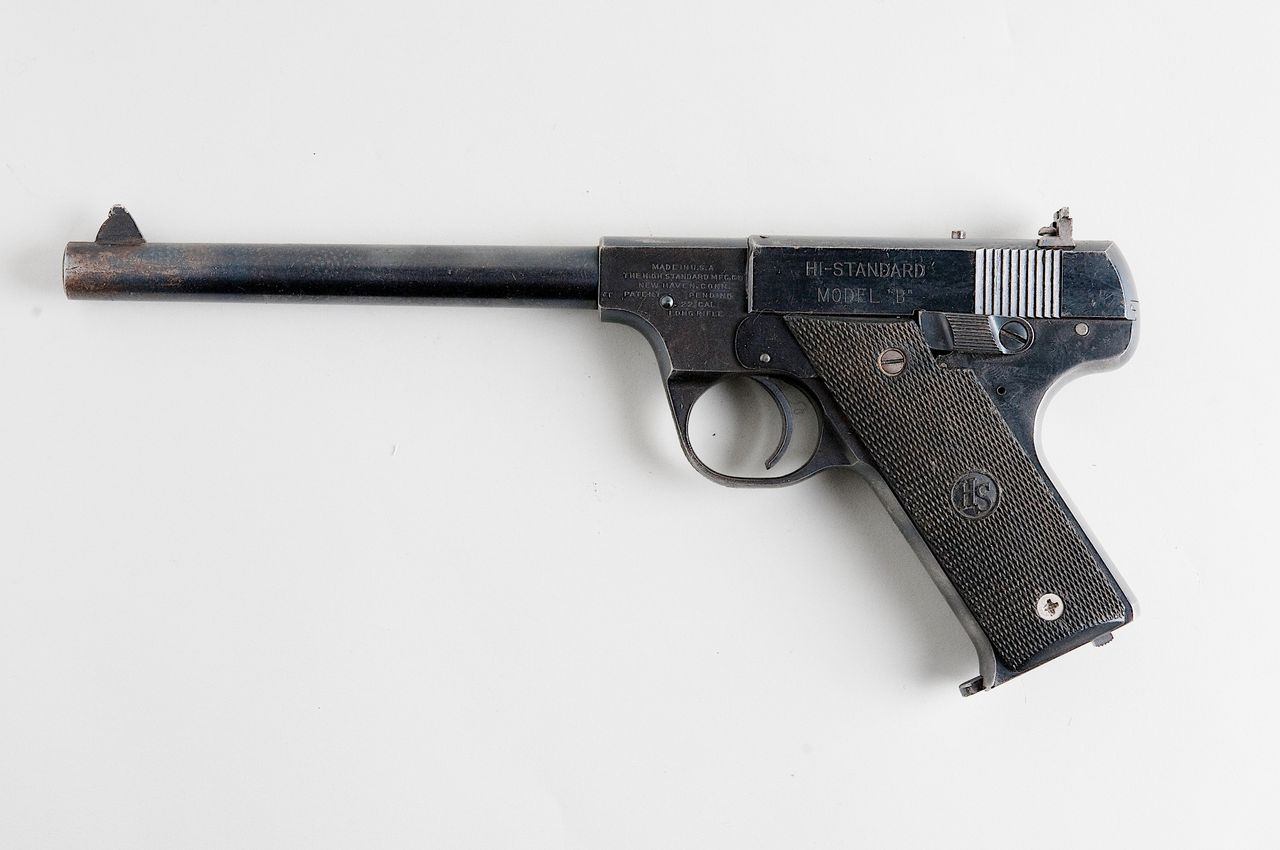
The Hi-Standard HDM became closely associated with quiet operations because it was purpose-built to reduce report, not simply adapted as an afterthought. Its integrally suppressed design helped create a more controlled and consistent sound signature than many improvised alternatives of its era.
That mattered in real-world use, where discretion could be more valuable than firepower. For personnel working in surveillance, sentry removal, or other covert settings, a sidearm that stayed comparatively subdued offered a practical advantage that was hard to ignore.
Its reputation grew because it delivered on the promise implied by its design. In a field where reliability and silence both counted, the HDM stood apart.
The .22 caliber chambering worked in its favor
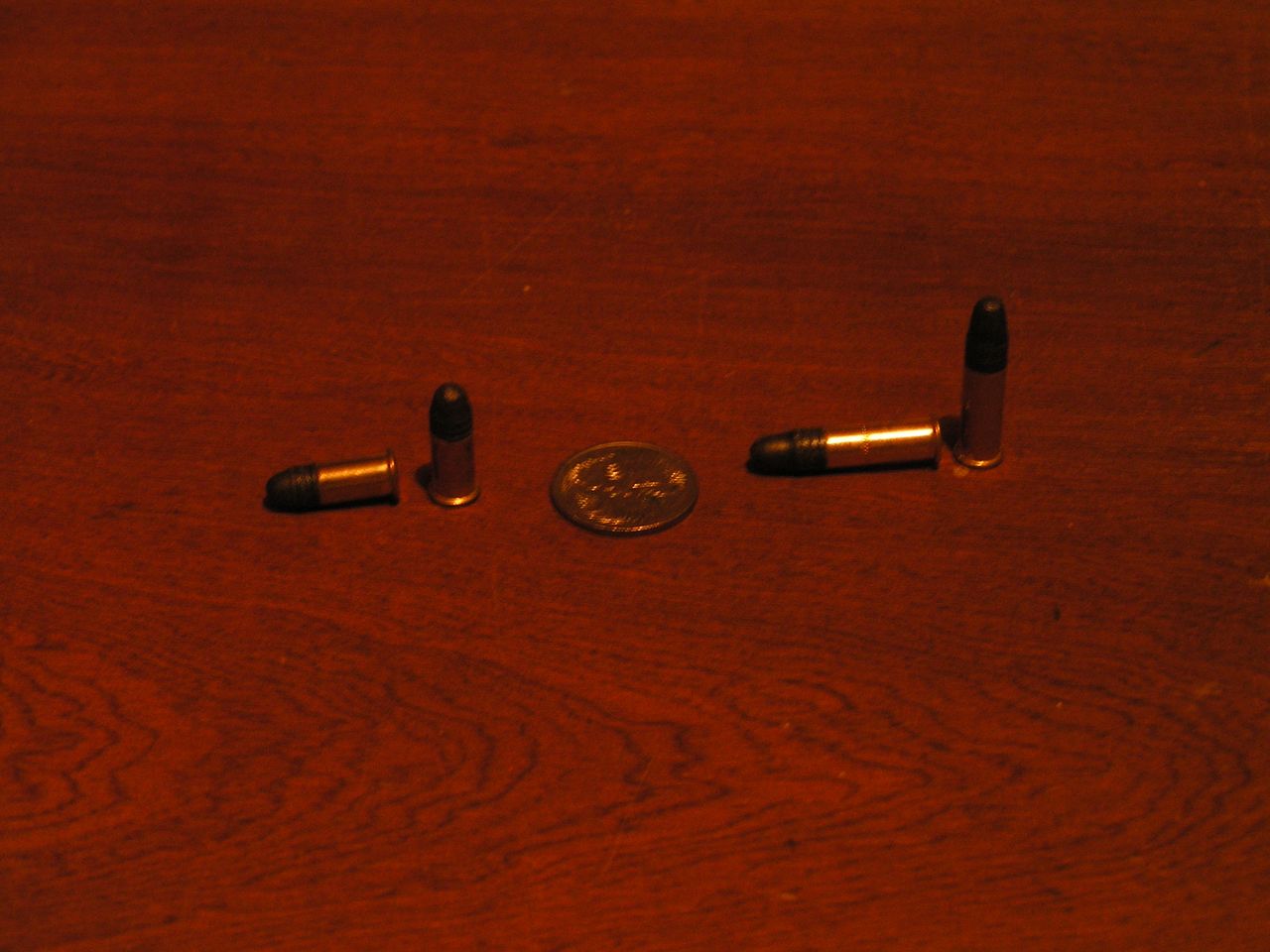
At first glance, .22 LR may not sound like the obvious choice for military or intelligence work. Yet in the context of the HDM, that smaller cartridge helped support the pistol’s defining strength: reduced noise and manageable recoil.
Because the round was relatively modest, it paired well with suppression technology available at the time. The result was a firearm that could be fired with less disruption, making it useful in situations where alerting others nearby would have undermined the mission.
It also made the pistol easier to control for quick, precise shots. In close-range, specialized roles, that balance of quiet function and shootability gave the HDM a very specific appeal.
It offered excellent practical accuracy
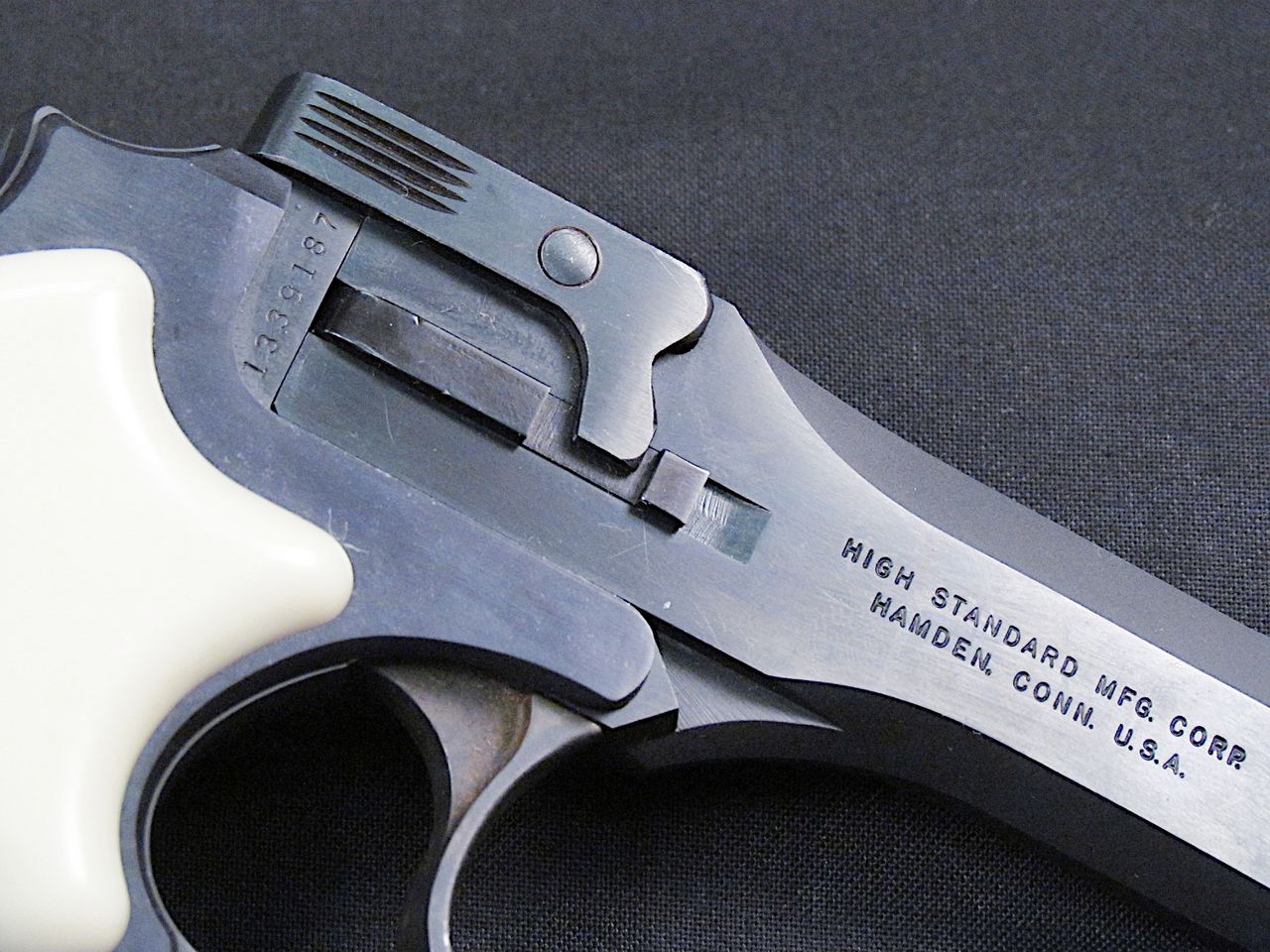
Quiet operation would have meant little if the pistol had been difficult to place on target. One reason the HDM became so well regarded was its reputation for practical accuracy at the short distances where covert users were most likely to rely on it.
The platform benefited from a design that many shooters found naturally controllable. Light recoil and a stable feel helped users stay on target, an important trait when the goal was efficiency rather than extended engagement.
For specialized personnel, confidence in shot placement was everything. The HDM’s accuracy helped turn it from a technical curiosity into a trusted tool with a clearly defined mission.
Its simple controls made it user-friendly
Complicated equipment can become a liability, especially under pressure. The Hi-Standard HDM appealed to many users because it was relatively straightforward to operate, which is exactly what a specialized sidearm needed to be.
A clean, familiar manual of arms reduced the learning curve for people who might not have had endless time to master a niche weapon. In covert work, simplicity was not a luxury. It was part of what made a tool dependable when every second mattered.
That ease of use also contributed to the pistol’s longevity in memory and in service discussions. People tend to remember gear that does its job without demanding unnecessary attention.
The design was compact and easy to carry
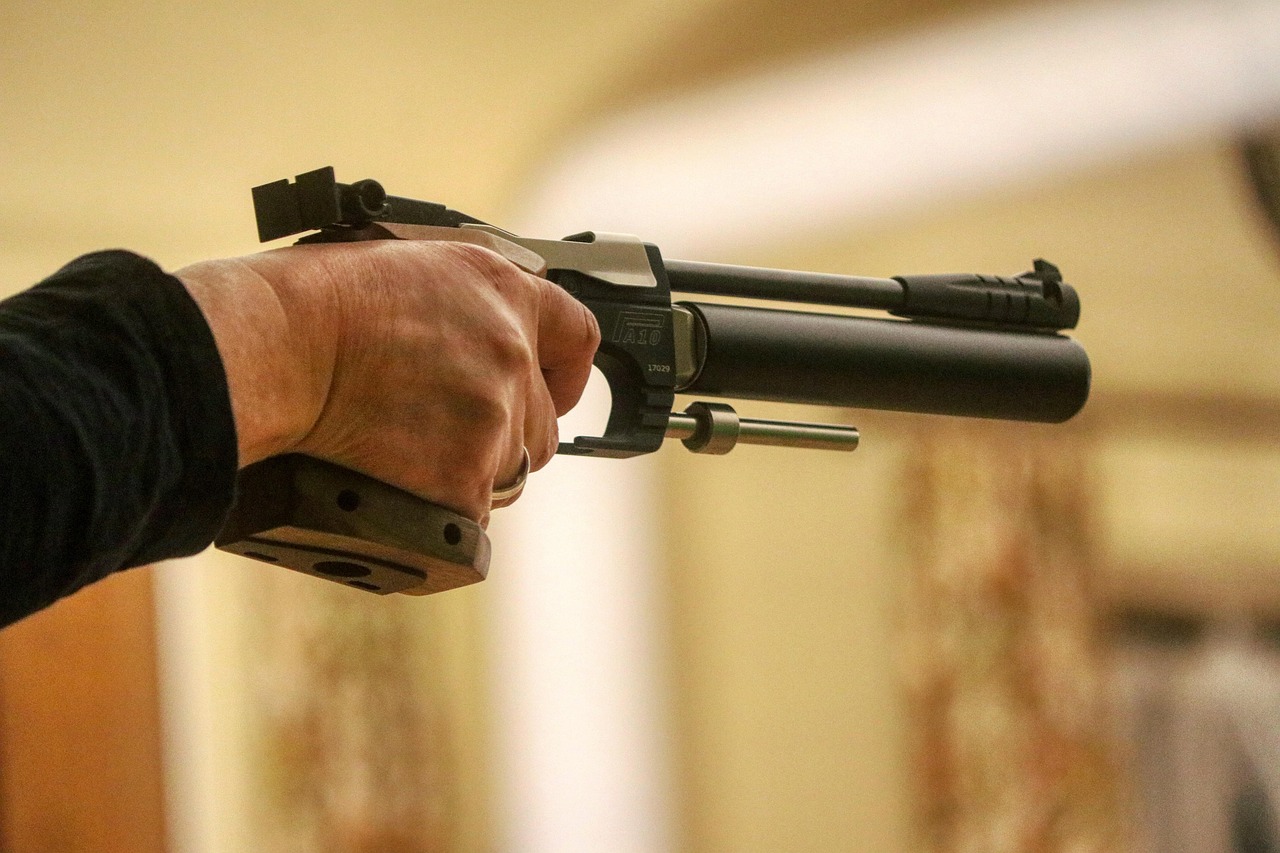
Another reason the HDM earned favor was its manageable size. Compared with larger weapons intended for louder, broader combat roles, this pistol was easier to conceal, transport, and keep close at hand for highly specific assignments.
That portability fit the realities of clandestine work. Operatives often needed equipment that would not dominate their loadout or draw attention before it was needed. A compact suppressed sidearm filled that niche in a way few alternatives could.
Its proportions reinforced the idea that the HDM was a specialist’s tool. It was not trying to be everything at once, and that focused identity helped define its reputation.
It proved dependable in specialized roles
A firearm used for discreet missions could not rely on novelty alone. The HDM’s standing grew because users and historians alike have often described it as a dependable choice within the narrow role it was built to fill.
That distinction matters. Specialized gear does not need to excel at every task, but it must inspire trust in the environment for which it was designed. The HDM gained that trust by offering a combination of suppression, controllability, and consistent function that matched its intended purpose.
Over time, dependable performance shaped its legacy. Rather than fading as a wartime experiment, it became one of the better remembered examples of a truly mission-driven sidearm.