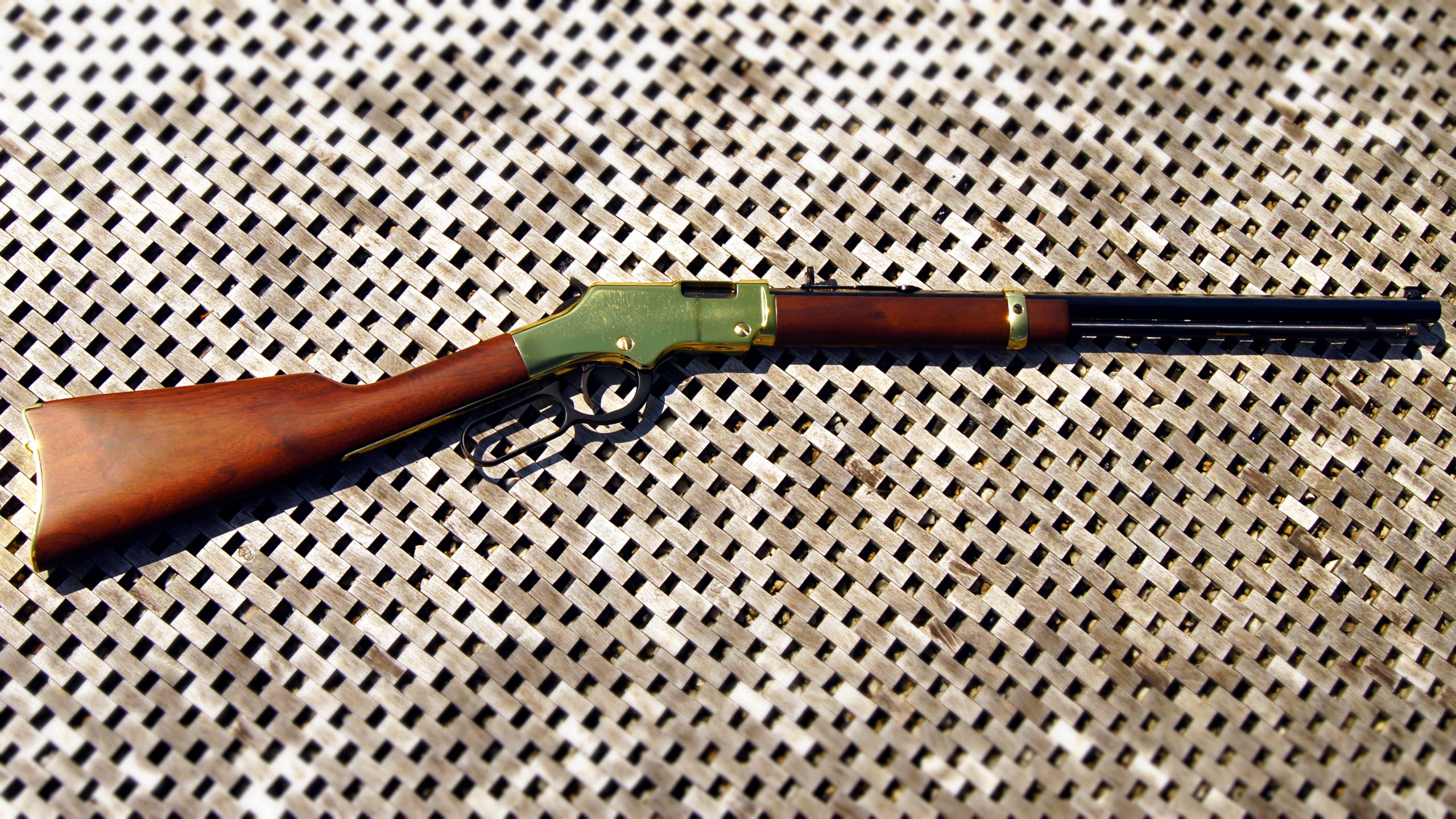
Lever-action rifles remain popular because they are compact, fast-handling, and well-suited to many hunting situations. However, their traditional design also creates compromises that become more noticeable when compared with modern bolt-action rifles. These differences are not necessarily deal-breakers, and newer lever guns have addressed several old limitations. Still, hunters should understand where the platform can fall behind, particularly when precision, ammunition choice, optics, or shooting position become important.
1. Less Long-Range Precision
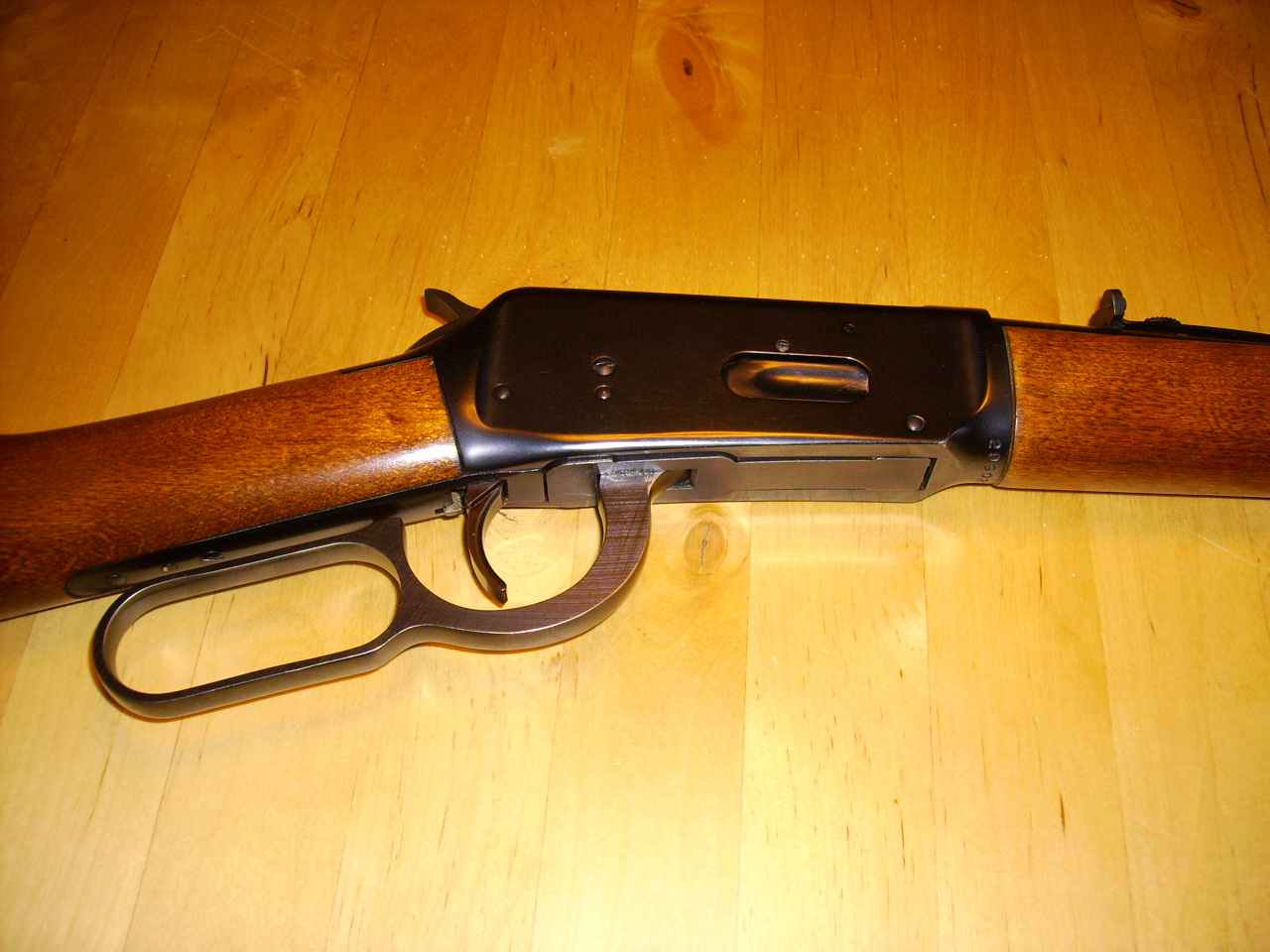
Lever guns can be accurate enough for hunting, but their traditional design gives modern bolt rifles an edge when small groups and longer shots matter. Many lever actions use rear-locking systems, two-piece stocks, and a barrel linked to a magazine tube or fore-end. Those parts can influence barrel movement and consistency. Traditional open sights also make precise aiming harder as distance increases. Modern lever rifles have improved, and some shoot very well, but a rigid bolt action with a free-floating barrel and a quality optic usually offers more room for precision work. That difference matters most beyond ordinary hunting ranges today.
2. More Limited Cartridge Choices
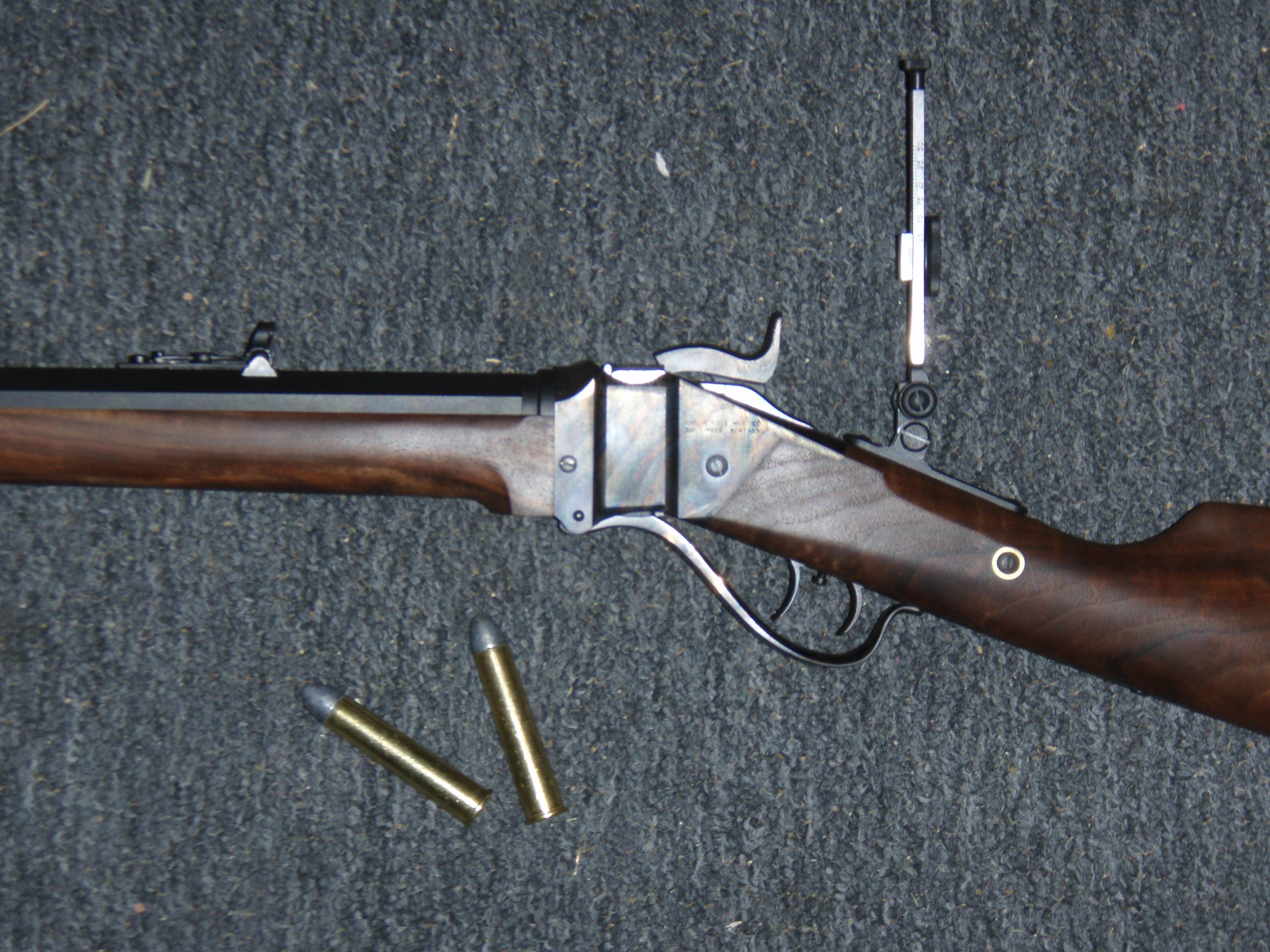
A lever action does not offer the same broad cartridge selection found across modern bolt-action rifles. Traditional tubular magazines and action strength can restrict cartridge design, bullet shape, and operating pressure. Common lever cartridges such as .30-30 Winchester remain useful for deer and similar game, but hunters looking for a wide range of modern short-action, magnum, or long-range cartridges will find far more choices in bolt rifles. Some newer lever designs, including box-magazine models, remove several of these limits. Even so, the overall market remains much broader for bolt actions, especially when specialized hunting and precision ammunition are considered.
3. Tubular Magazines Limit Bullet Design
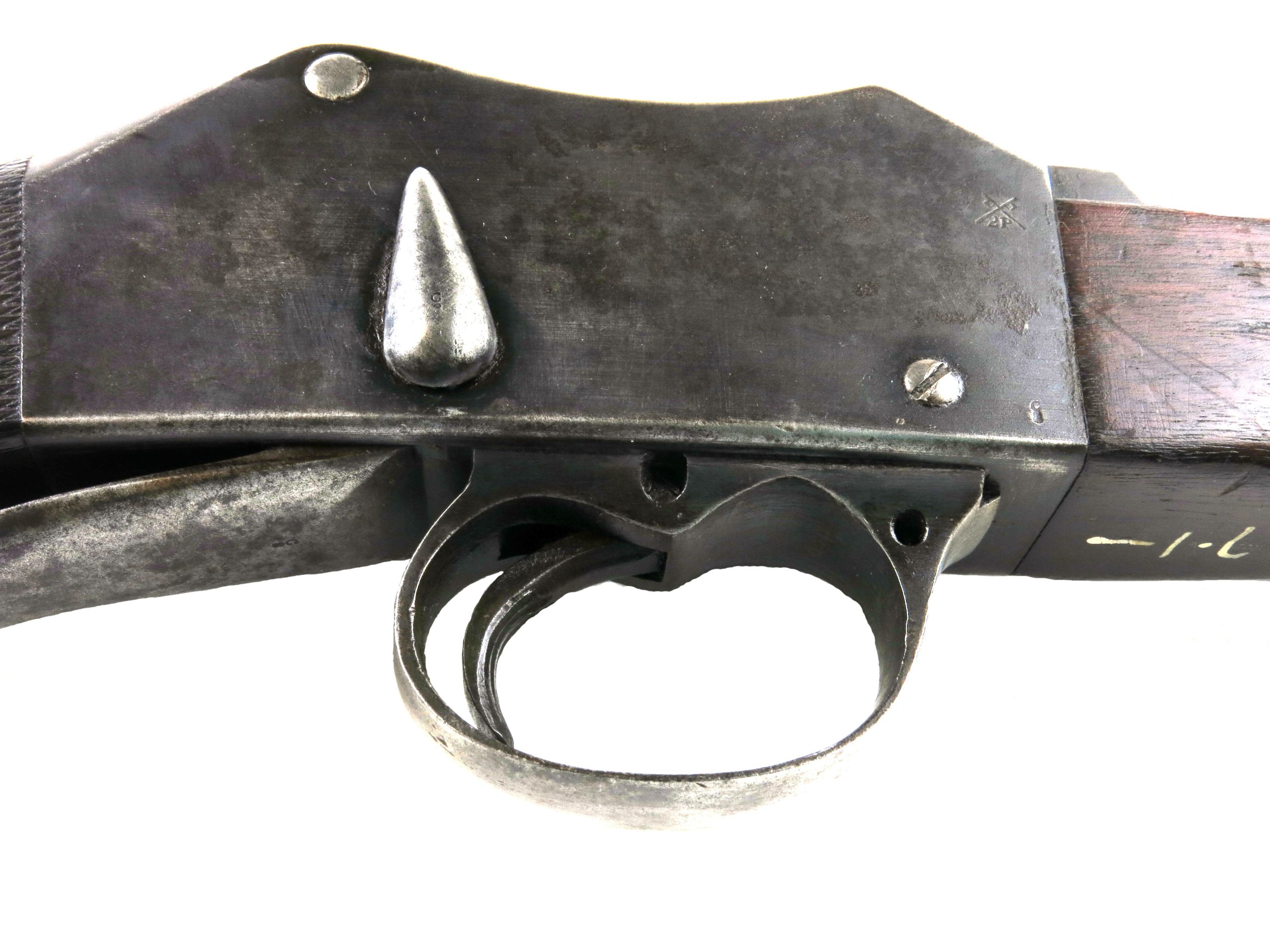
The classic tubular magazine is one of the biggest compromises found on traditional lever guns. Cartridges sit nose-to-primer in a line beneath the barrel, so conventional pointed bullets can create a safety concern in many designs under recoil. That is why traditional ammunition often uses flat or round noses. Modern polymer-tipped ammunition has reduced this limitation for compatible rifles, while some lever actions use detachable or box magazines. Even with those improvements, a bolt rifle normally gives the shooter a much wider choice of streamlined bullets and high-ballistic-coefficient loads. That can matter when wind, trajectory, and retained velocity become important.
4. Optics Can Be More Complicated
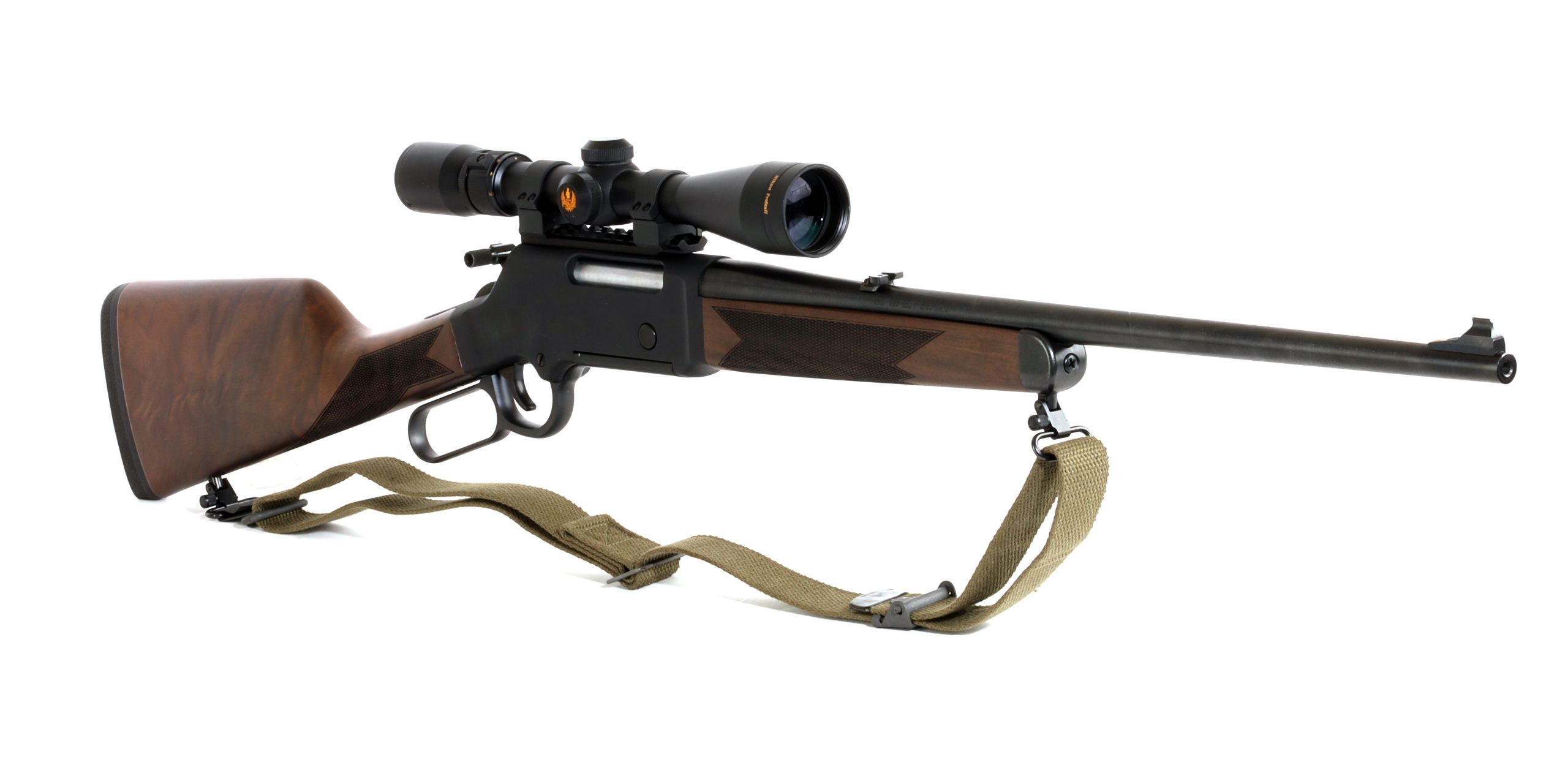
Mounting an optic on a lever rifle can be less straightforward than mounting one on a modern bolt action. Traditional top-ejecting designs may interfere with conventional scope placement, although side-ejecting models and newer receivers have made the problem much smaller. A lever gun also has to preserve its quick handling and comfortable stock position after an optic is added. Modern bolt rifles commonly arrive drilled, tapped, or equipped with a rail system designed around scopes. The difference becomes noticeable when hunters want magnification, repeatable eye position, and a stable setup for shots at greater distances. Modern lever designs can still support excellent optics.
5. Reloading an Empty Magazine Takes Time
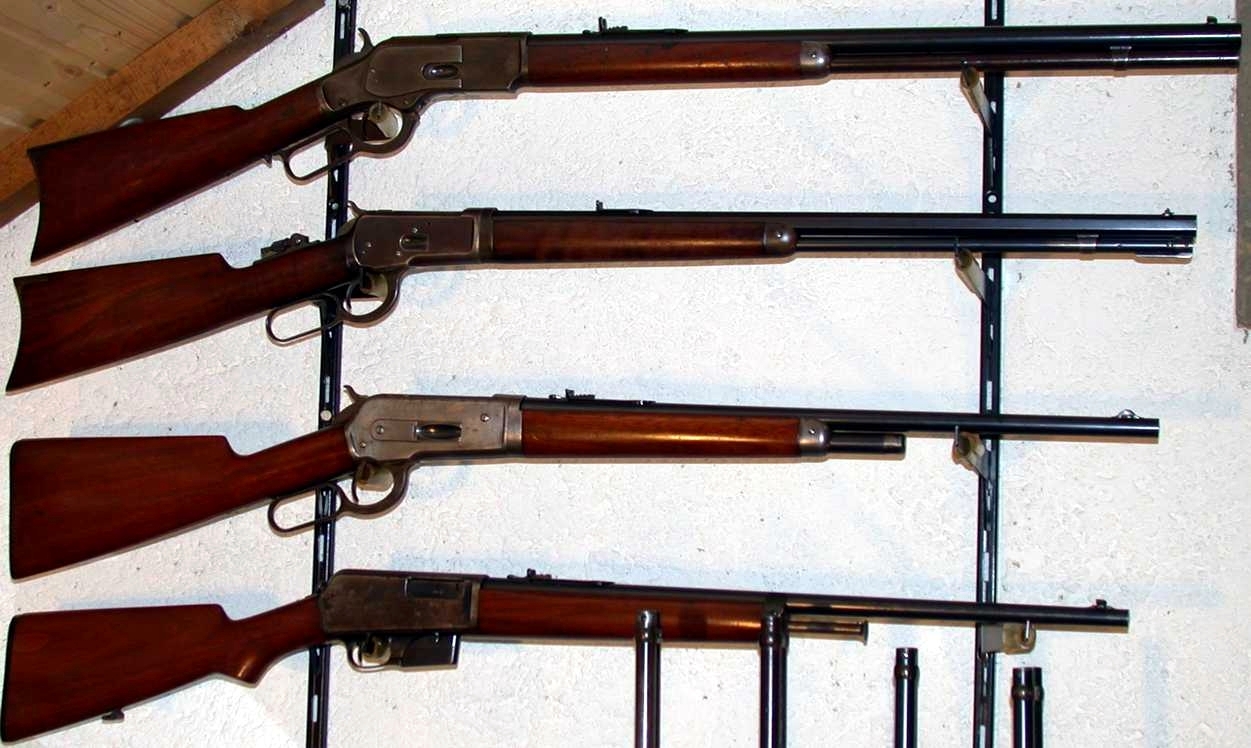
Lever guns can produce fast follow-up shots because cycling the action is a natural movement, but that does not mean they are always quick to refill. Many traditional models use tubular magazines that are loaded one cartridge at a time through a loading gate or magazine opening. Starting with an empty rifle can therefore take longer than inserting a loaded detachable magazine on a modern bolt rifle. Capacity also varies with cartridge and barrel length, so there is no single standard figure. Hunters who normally fire only a few carefully placed shots may never notice the difference, but the slower full reload is a genuine design limitation.
6. Prone Shooting Is Less Convenient
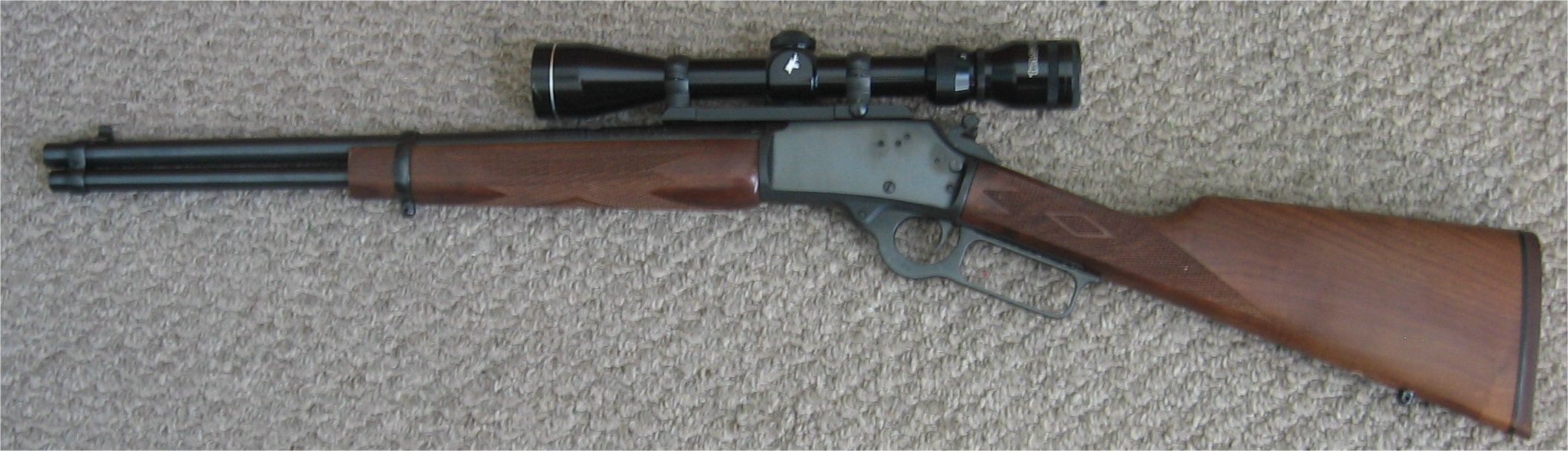
A lever rifle can be wonderfully handy while standing, sitting, or moving through dense cover, but the same lever that makes cycling fast can become awkward from a prone position. The operating loop needs room to travel beneath the receiver, and the ground can restrict that movement. A bolt-action rifle generally gives the shooter more freedom to cycle the action while maintaining a low shooting position. This difference is especially relevant for hunters or target shooters who use bipods, packs, or other supports. It does not make a lever gun unusable from prone, but it can make the position less natural and efficient in some field situations.