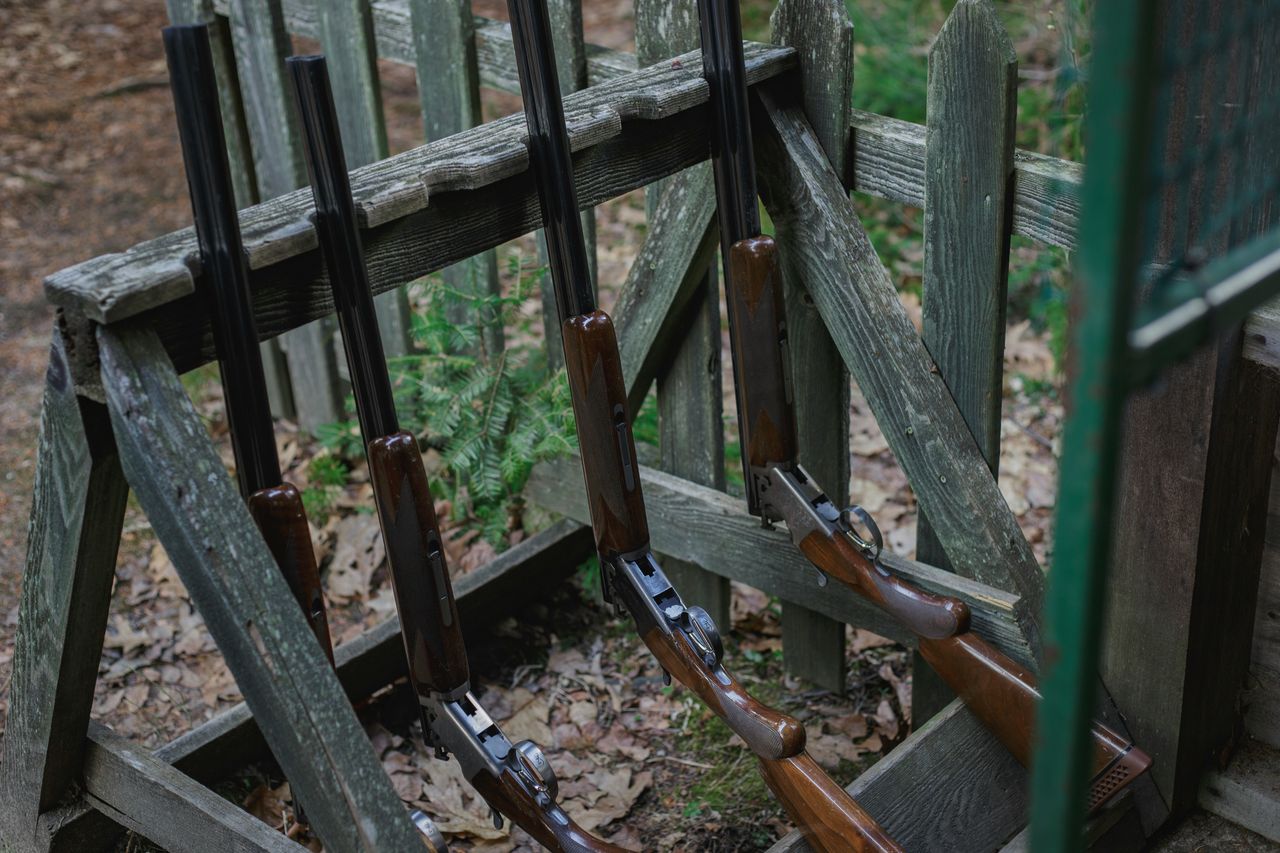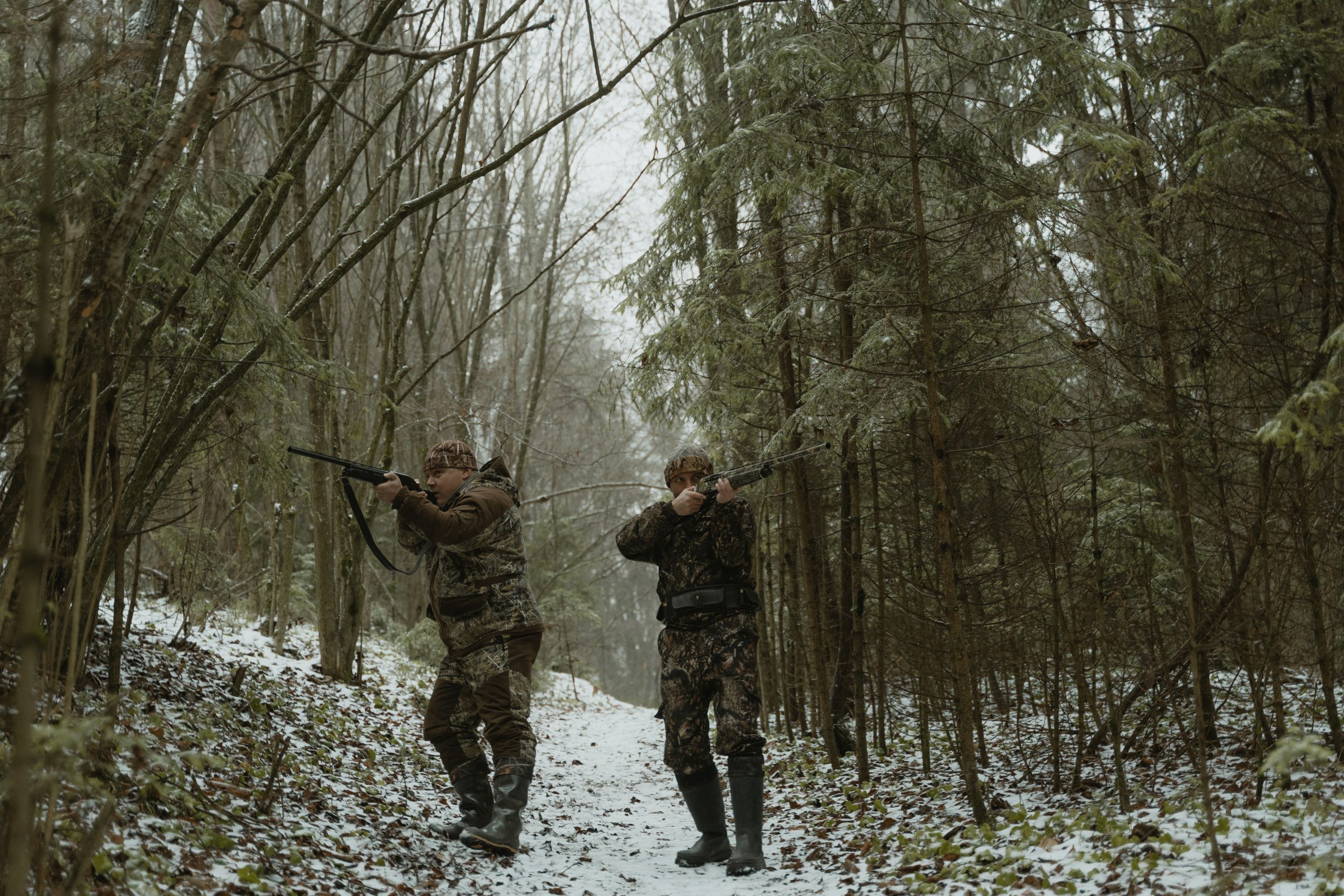
Millions of acres of federal land are already available for hunting, but legal access, regulations, habitat conditions, and confusing information can determine whether hunters can actually use them. Several targeted changes could expand practical access without treating every federal acre the same. The biggest opportunities involve improving routes to isolated parcels, simplifying outdated rules, combining habitat work with access projects, updating land-use plans, and making public information easier to navigate.
1. Expand Funding for Access to Isolated Parcels
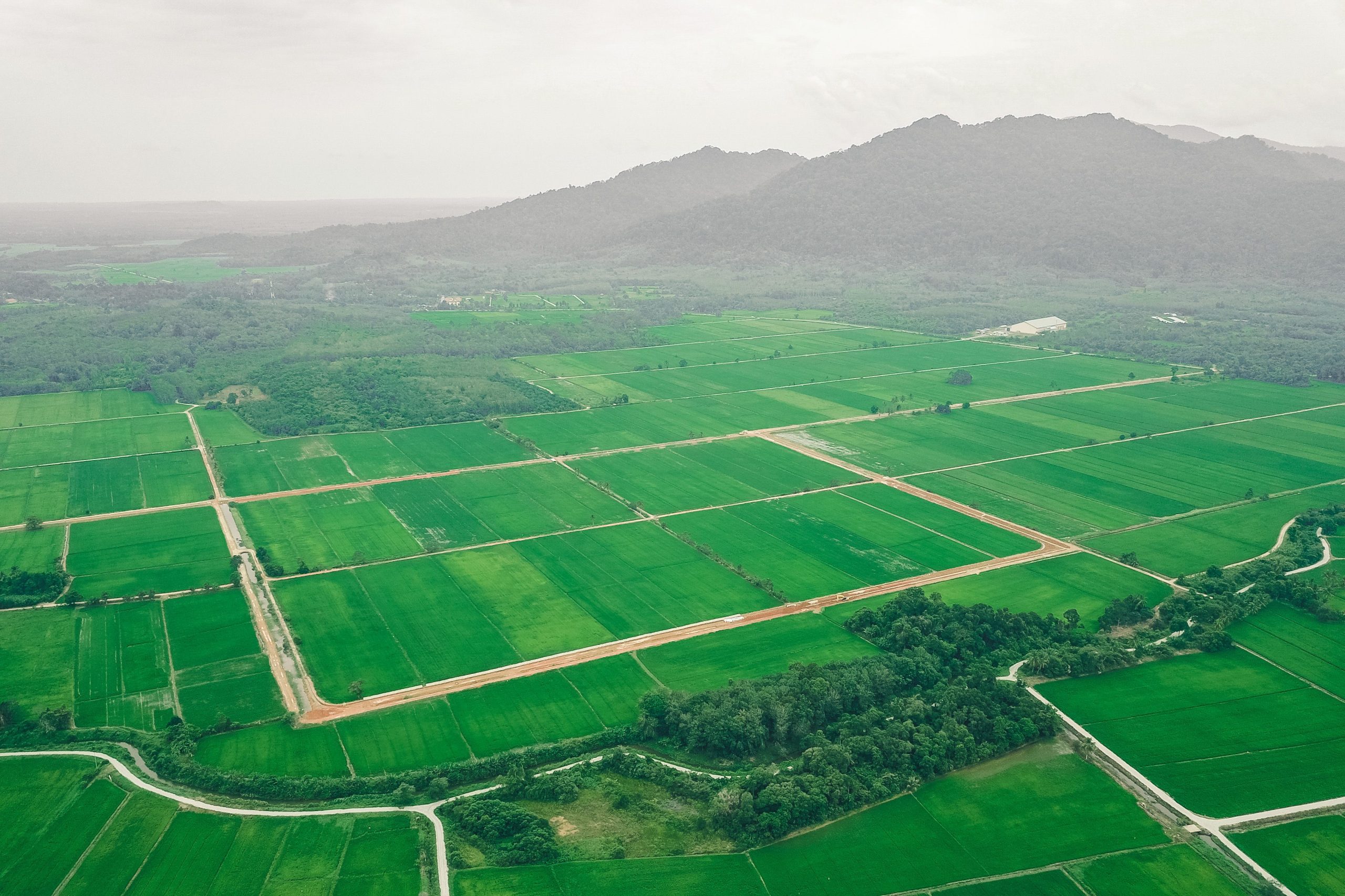
Some federal parcels are technically public but hard to reach because roads stop at private boundaries or access depends on narrow easements. The Dingell Act already directs BLM to identify priority parcels of at least 640 acres with little or no legal access. Expanding funding for easements, rights-of-way, and willing-seller purchases could turn more of those isolated acres into usable hunting ground. BLM manages about 245 million acres, so even a small access improvement can matter. Priority should go to parcels already public but effectively blocked.
2. Remove Outdated Federal Hunting Restrictions
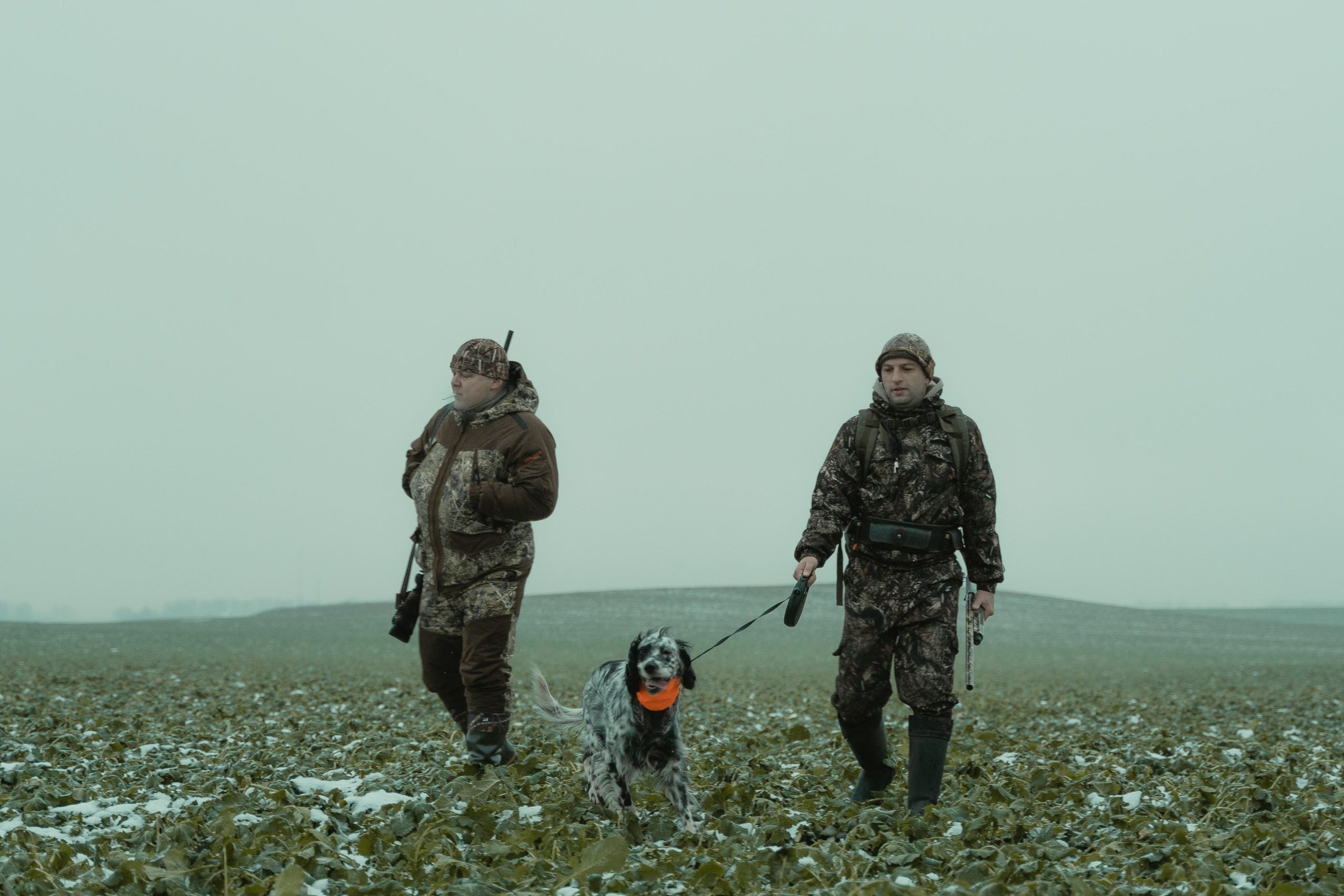
Federal hunting rules can be difficult to follow when refuge-specific rules overlap with state seasons, licenses, and methods. A second change would be to remove outdated federal restrictions where law, safety, and conservation allow, while clearly publishing the remaining rules. In 2026, the Fish and Wildlife Service finalized 1,488 new hunting and sport-fishing opportunities across 32 states. Similar rule reviews could make existing public acreage easier to understand and use without simply opening every parcel. The goal would be consistency, not a blanket repeal of safeguards.
3. Tie Habitat Projects to Hunter Access
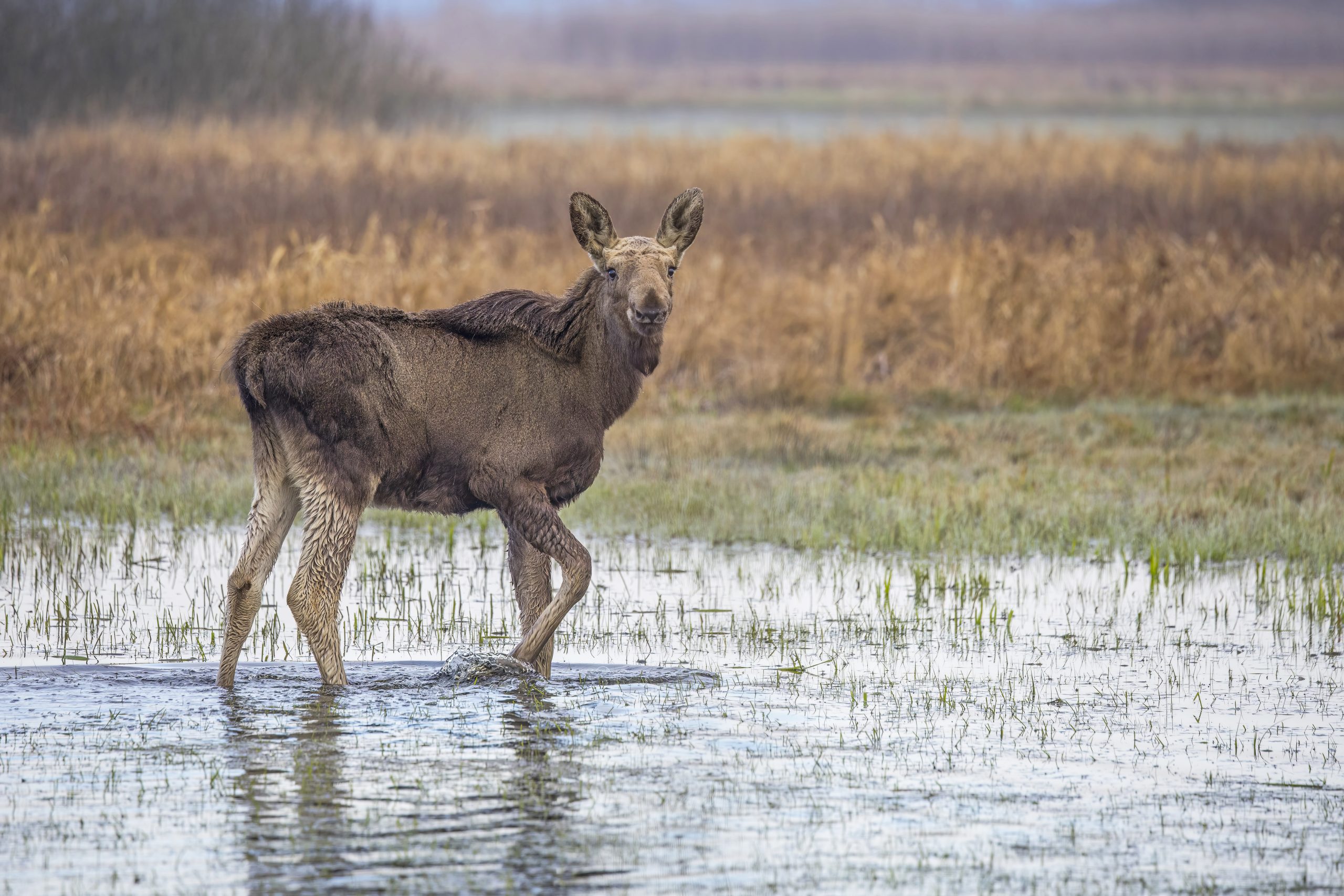
More hunting access depends on wildlife habitat, not just a gate or road. Federal agencies could direct more restoration toward projects that improve forage, cover, and water while maintaining access for hunters. BLM manages 245 million acres under a multiple-use mission, while national wildlife refuges are managed for conservation purposes. A practical approach could pair habitat work with measurable access goals, such as improving 10 roads, trails, or access points in a project area and tracking the acres and species affected. Habitat work can support wildlife and hunting quality.
4. Update Land-Use Plans Around Hunting Access
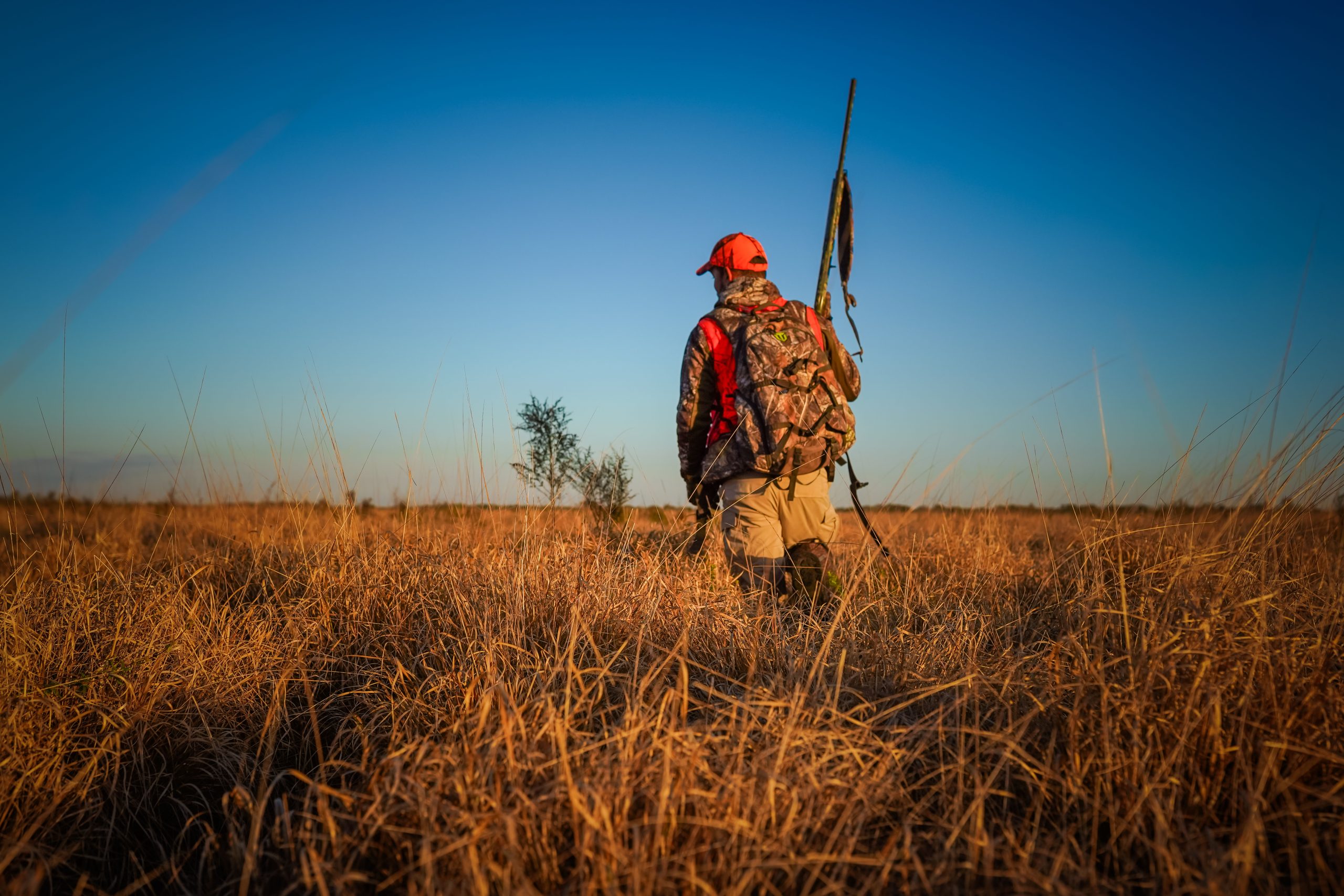
Land-use plans determine where recreation occurs and what restrictions apply, so updating them can create opportunities without changing the entire federal estate. BLM uses Resource Management Plans as long-term blueprints for its public lands. Future revisions could map hunting access, seasonal closures, roads, and wildlife habitat together instead of treating them as separate issues. A plan that identifies 5 priority access routes, for example, could focus funding and maintenance where hunters can reach larger blocks of public habitat. This would make access a clear planning objective.
5. Build Better Maps and Access Information
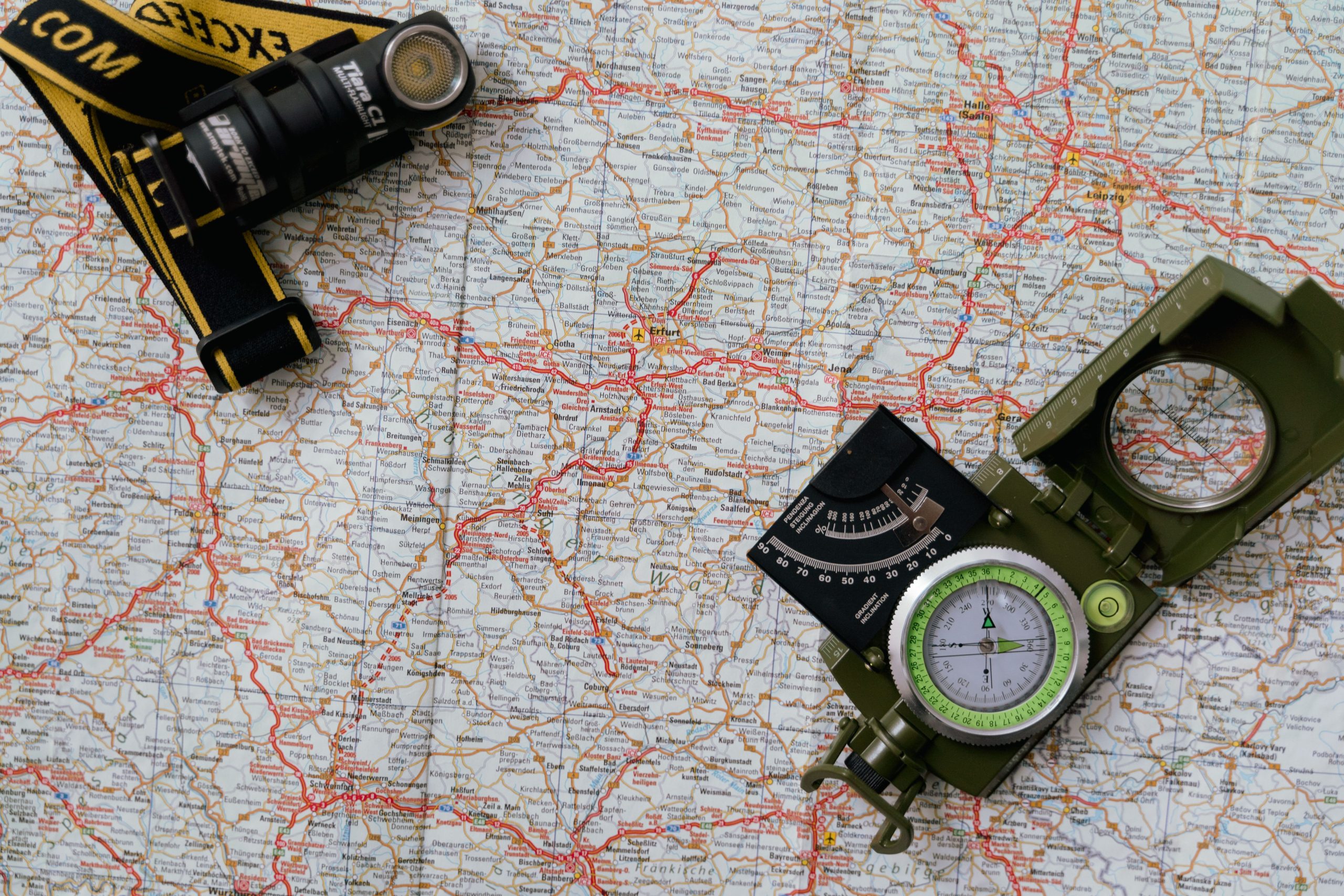
Federal agencies could also make access information faster and easier to use. Hunters often need to combine maps, land ownership records, season dates, road status, and local restrictions before planning a trip. BLM said in 2026 that it wants to make it easier for the public to understand where it can go and what areas are open. A single, regularly updated map showing 4 basics — legal access, boundaries, closures, and current routes — would reduce confusion and help turn nominal public access into practical access. Clear data would also help hunters verify changes before traveling long distances.