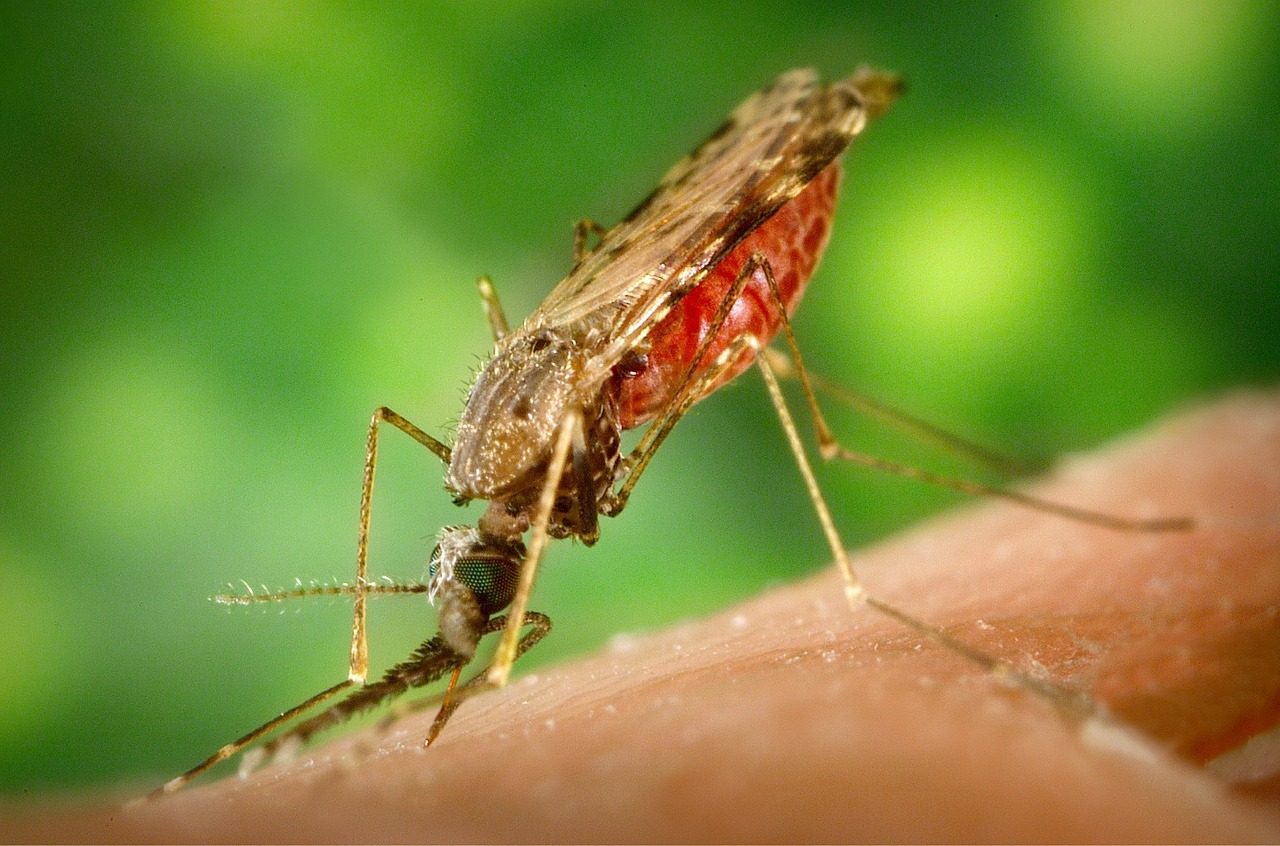
When it comes to the animal kingdom, some creatures are armed with defense mechanisms that can leave you reeling in agony. Whether through venom, toxins, or sheer force, their bites and stings are designed for survival but can be brutal for anyone unlucky enough to experience them. From the depths of the ocean to your own backyard, these are some of the most excruciating encounters with animals that you never want to endure firsthand.
Bullet Ant
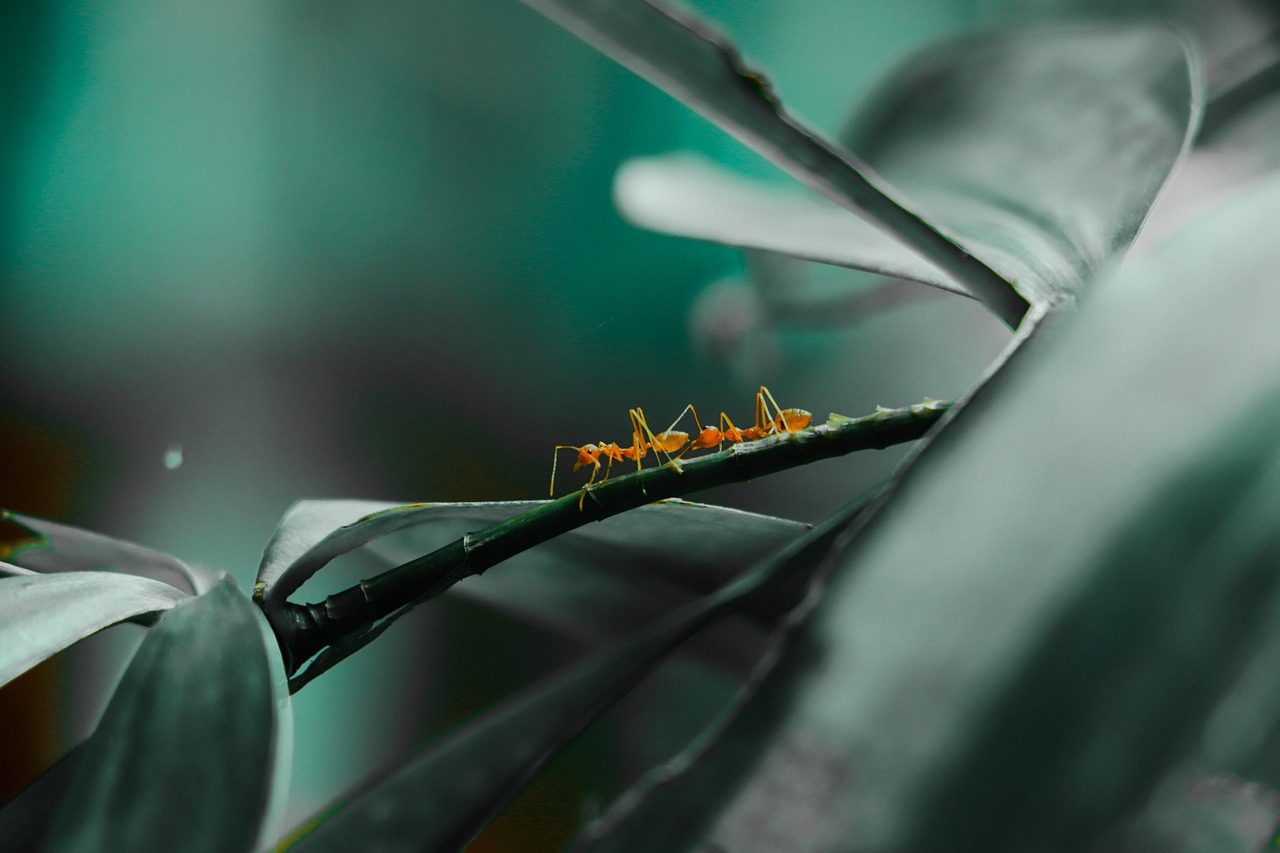
Known as the insect with the most painful sting in the world, the bullet ant lives up to its name. Victims often describe the pain as equal to being shot. Found in Central and South America, these ants deliver venom that causes burning agony lasting up to 24 hours, making them infamous among entomologists and adventurers alike.
Box Jellyfish
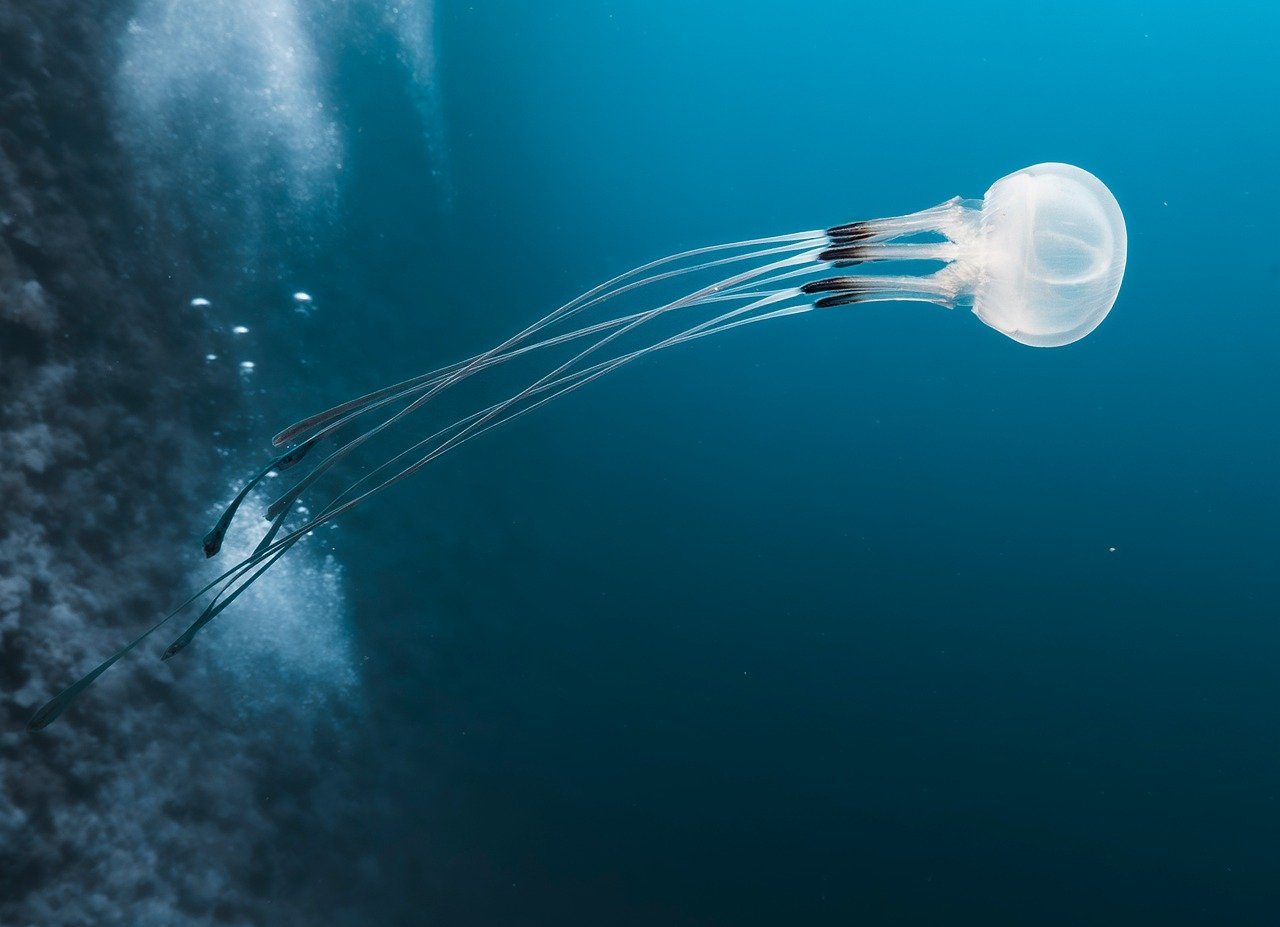
This translucent predator hides in the waters of the Pacific and Indian Oceans, but its sting is unforgettable. Box jellyfish tentacles are lined with venomous cells that attack the nervous system, skin, and heart. The sting can cause blinding pain, paralysis, or even death if not treated quickly, making it one of the ocean’s most dangerous creatures.
Tarantula Hawk Wasp
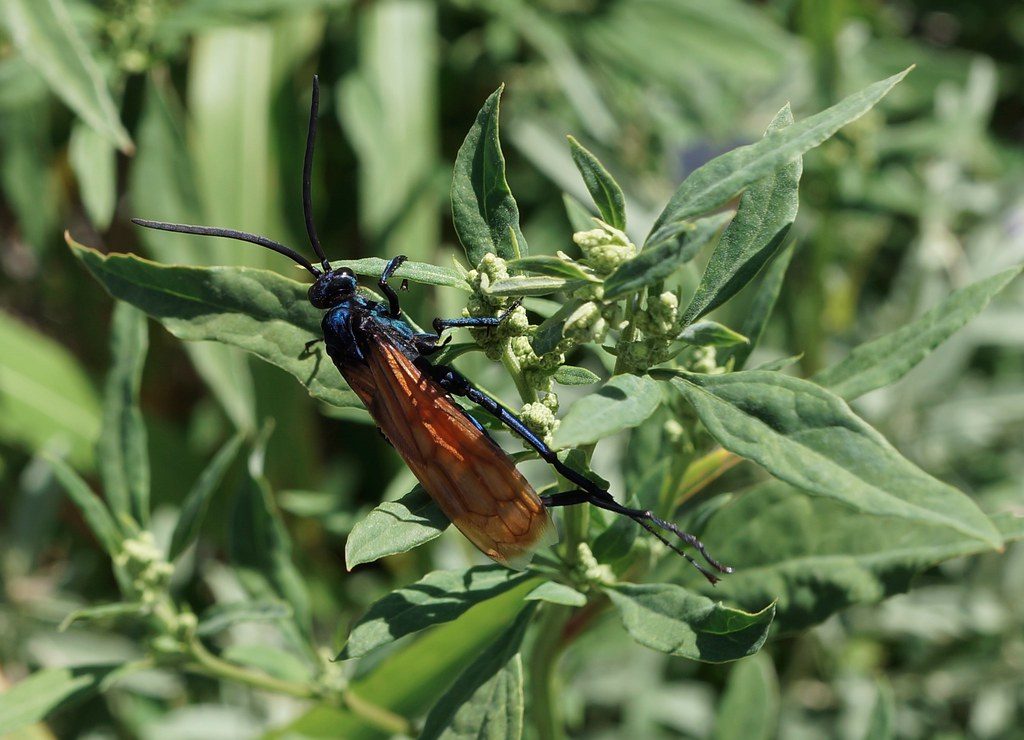
The tarantula hawk wasp may be beautiful with its bright wings, but its sting is ranked among the most painful on Earth. Found in deserts of the Americas, the sting delivers intense, electric pain that can incapacitate you for minutes. The wasp uses it to paralyze tarantulas, but humans unlucky enough to be stung never forget the experience.
Stonefish
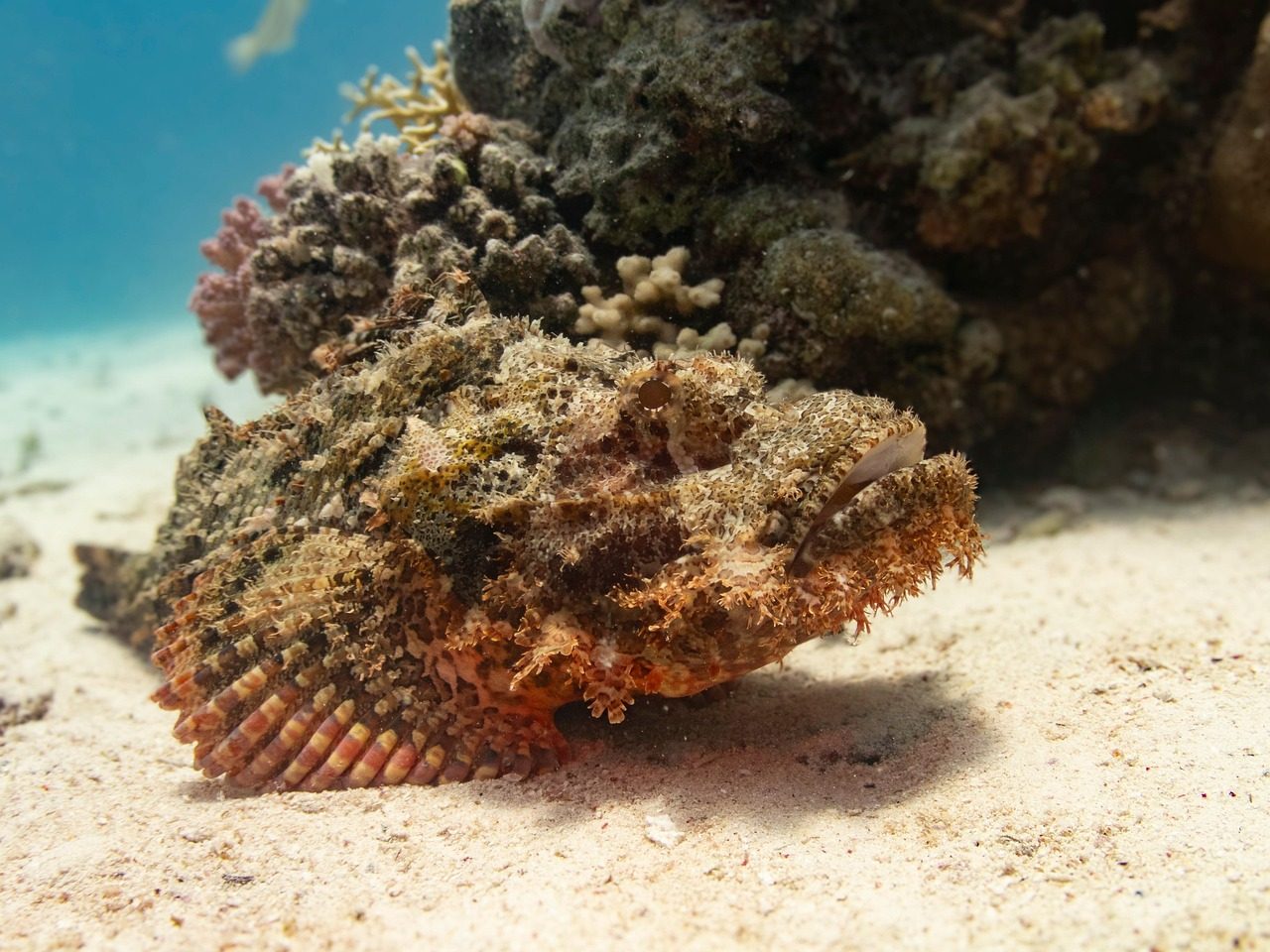
Stonefish are masters of camouflage, blending in perfectly with rocky sea floors. Step on one, and you’ll feel immediate, searing pain from venomous spines along its back. The pain is so extreme that it has been described as unbearable, and in some cases, it can lead to shock or even be fatal without antivenom.
Giant Desert Centipede
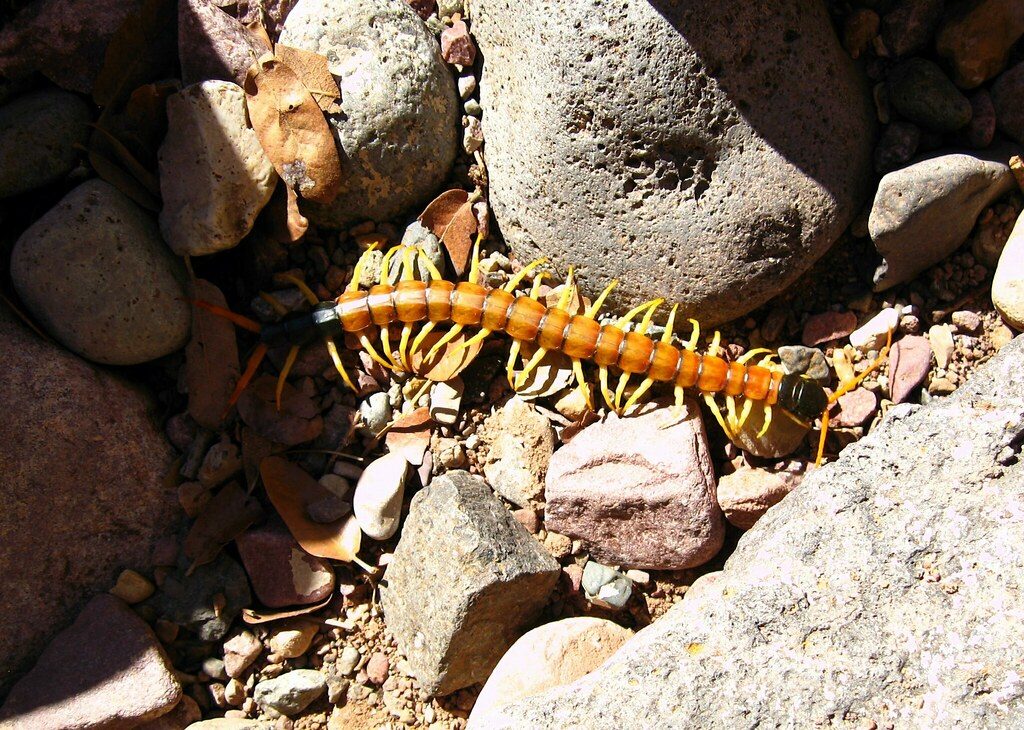
This fearsome creature, stretching up to eight inches, delivers a bite packed with venom. The giant desert centipede is found across the southern United States and Mexico. Its bite causes sharp pain, swelling, and sometimes nausea, leaving victims with hours of misery and a newfound respect for these nocturnal predators.
Stingray
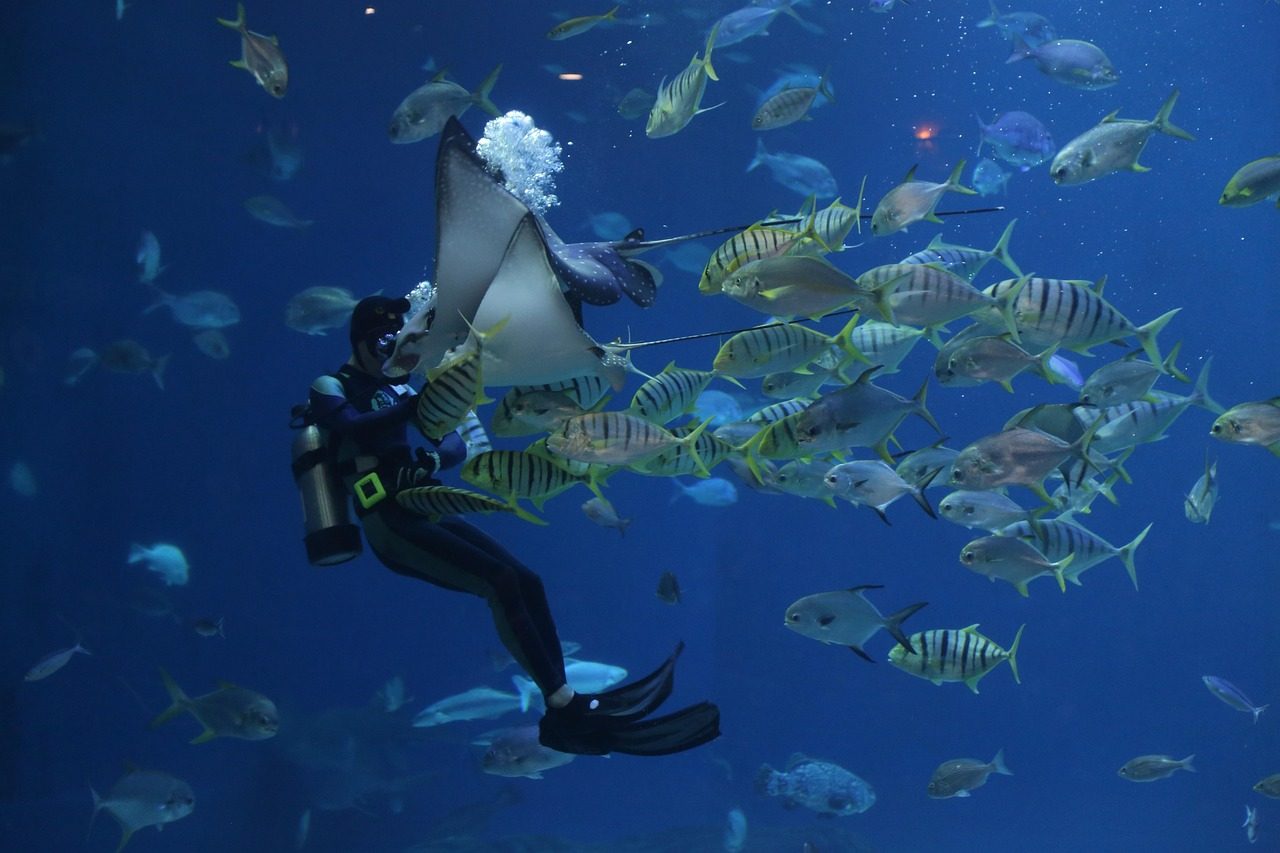
While often docile, stingrays can unleash serious pain if stepped on. Their barbed tails carry venom that delivers immediate burning agony. The puncture wound is bad enough, but the venom intensifies the pain, often leaving beachgoers and divers doubled over until medical care is received.
Puss Caterpillar
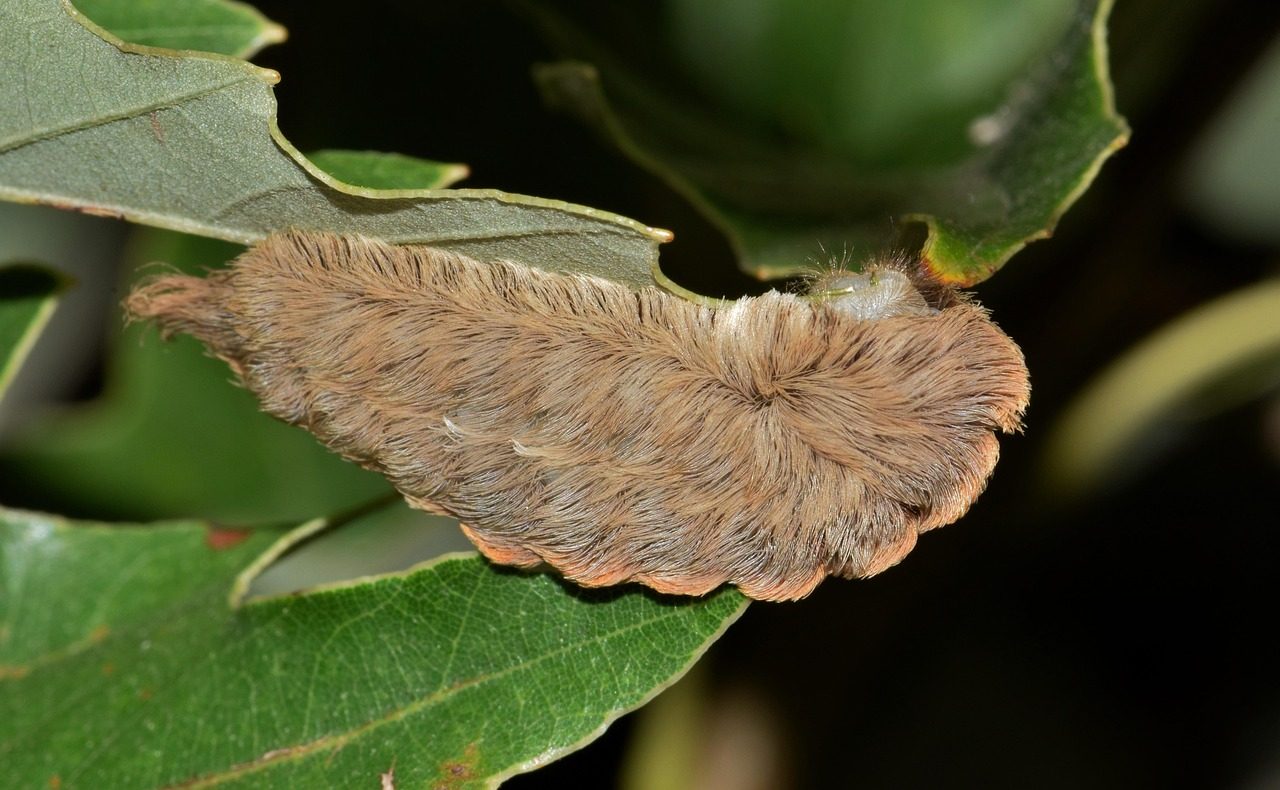
This fuzzy caterpillar may look soft and harmless, but it’s actually quite dangerous. Its venomous spines can deliver one of the most painful stings in the insect world. Found in the southern United States, its sting can cause intense burning, nausea, and even difficulty breathing. This makes the caterpillar far more dangerous than it appears.
Gila Monster
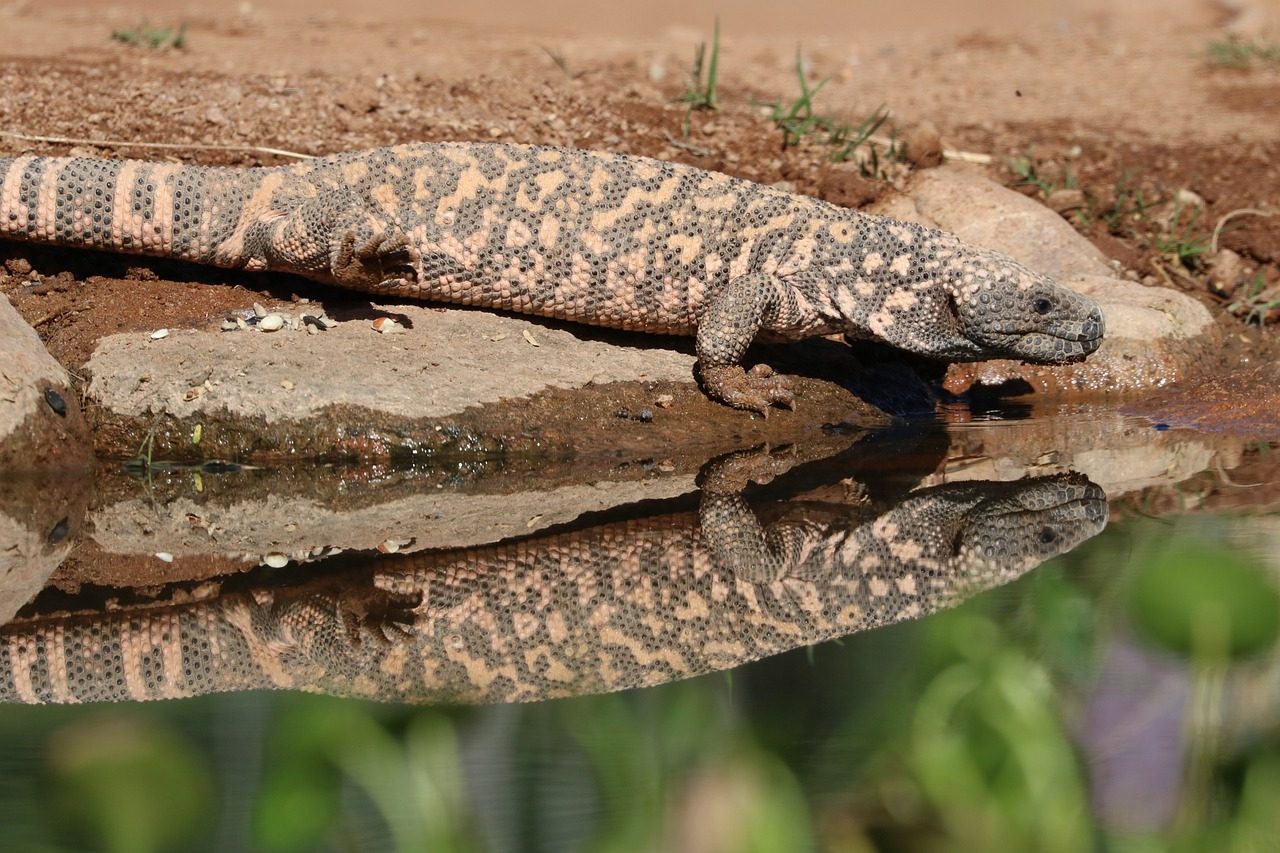
The Gila monster is one of the only venomous lizards in North America. Its bite delivers venom through grooves in its teeth, causing searing pain and swelling. While not typically fatal, the bite is designed to make predators think twice before attacking again, leaving humans in misery for hours.
Irukandji Jellyfish
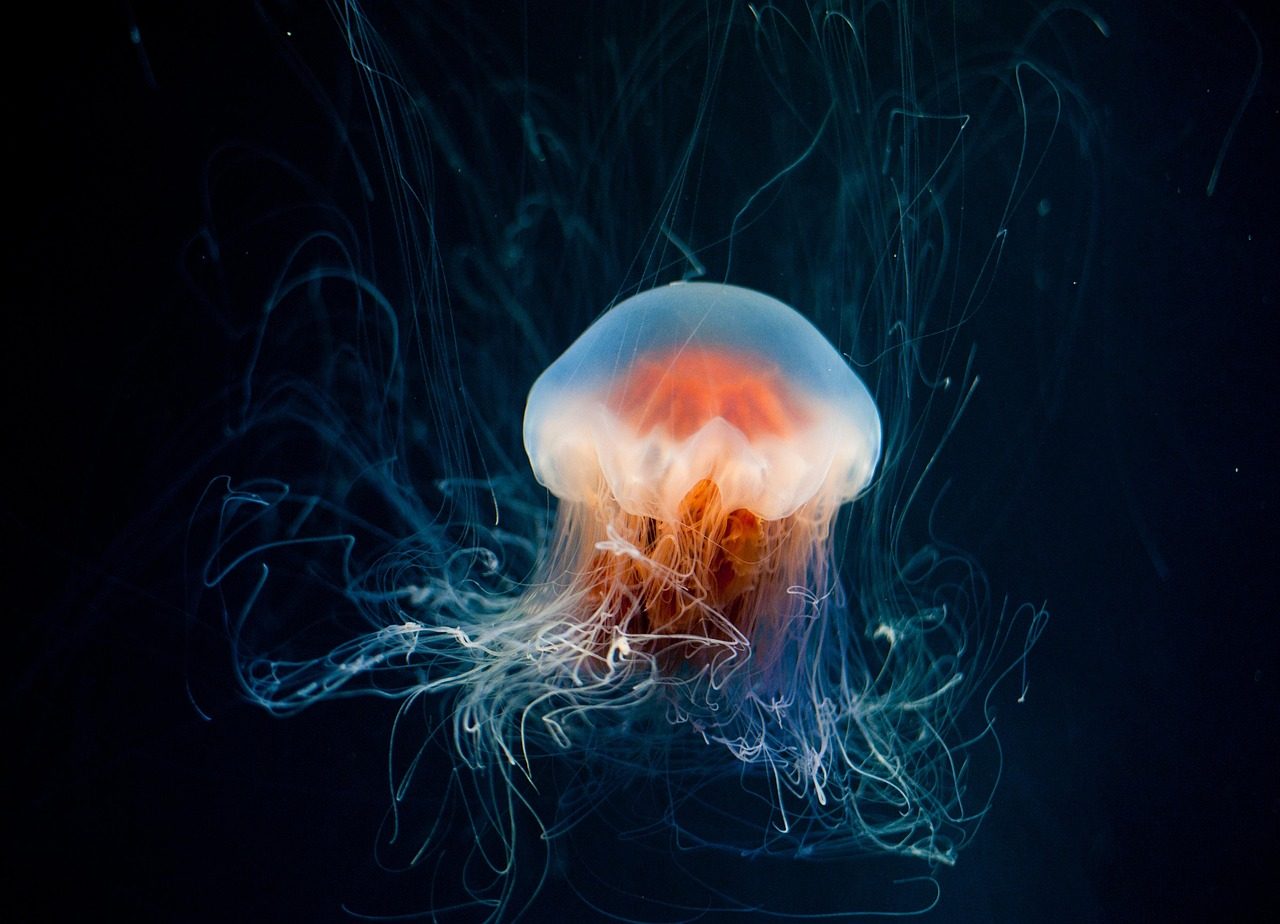
This tiny jellyfish, smaller than a fingertip, packs a terrifying sting. Found in Australian waters, its venom causes extreme pain, along with symptoms like nausea, cramps, and anxiety known as Irukandji syndrome. Despite its size, the sting can be life-threatening if not treated promptly.
Lionfish
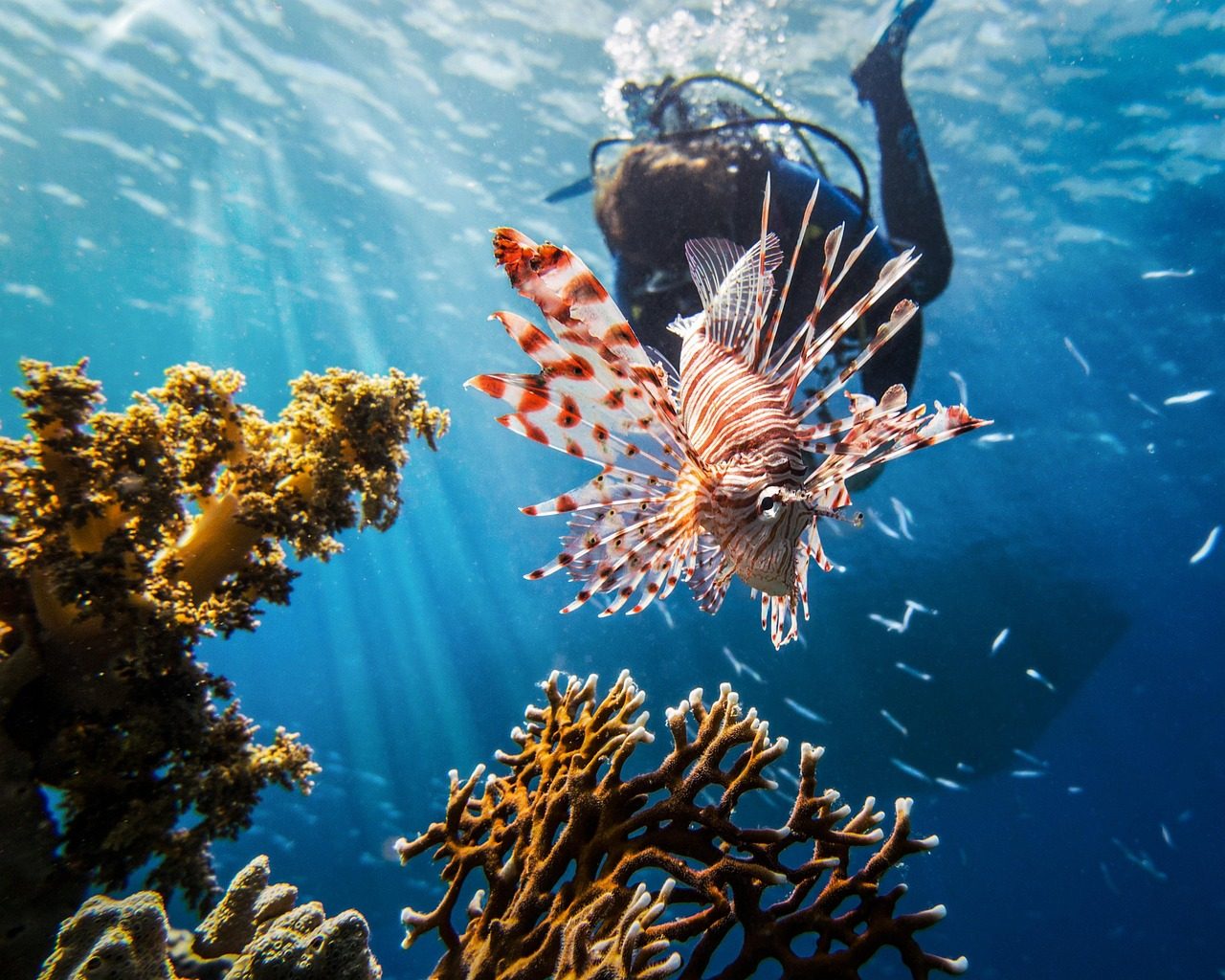
Strikingly beautiful but dangerously venomous, the lionfish uses its spines to ward off predators. The sting causes sharp, throbbing pain, often accompanied by swelling and difficulty breathing. Found in warm ocean waters, it’s a painful reminder that beauty in nature can often be deceiving.
Fire Ant
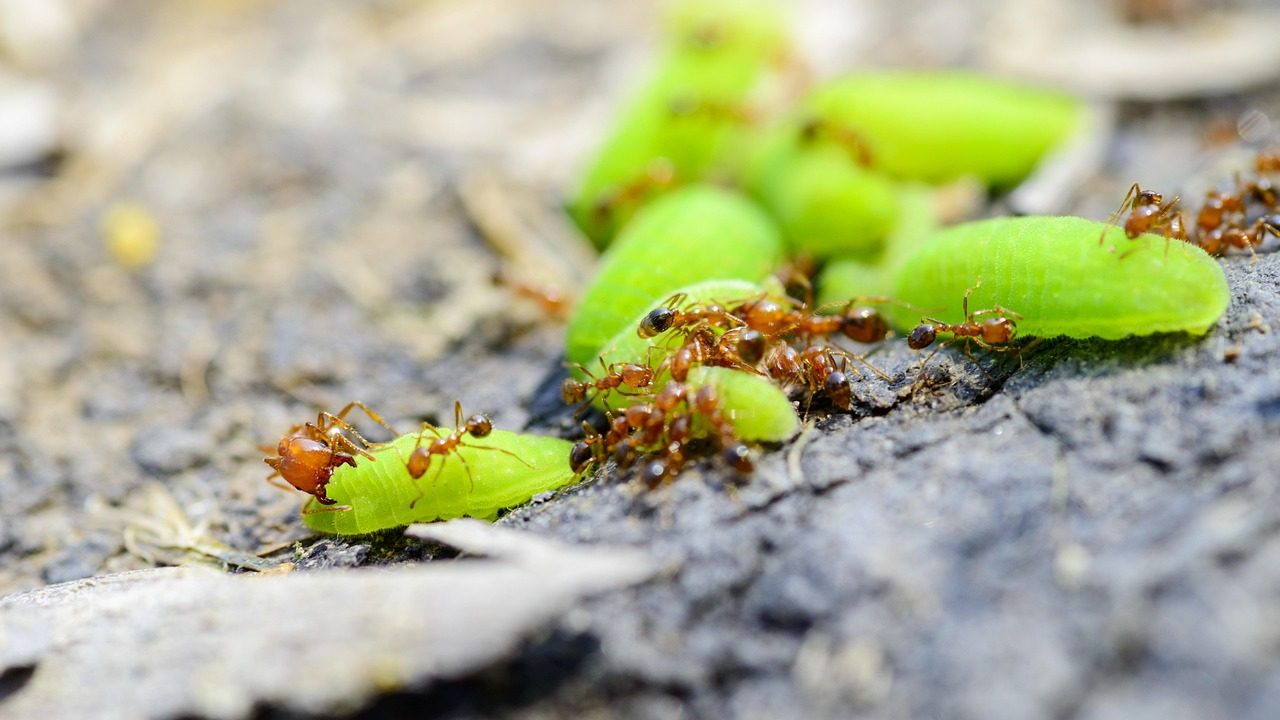
These aggressive ants swarm when disturbed, delivering multiple stings at once. Their venom causes burning pain and itchy blisters that can last for days. Fire ants are common across the southern United States, and their painful sting makes them a notorious nuisance for anyone outdoors.
Blue-Ringed Octopus
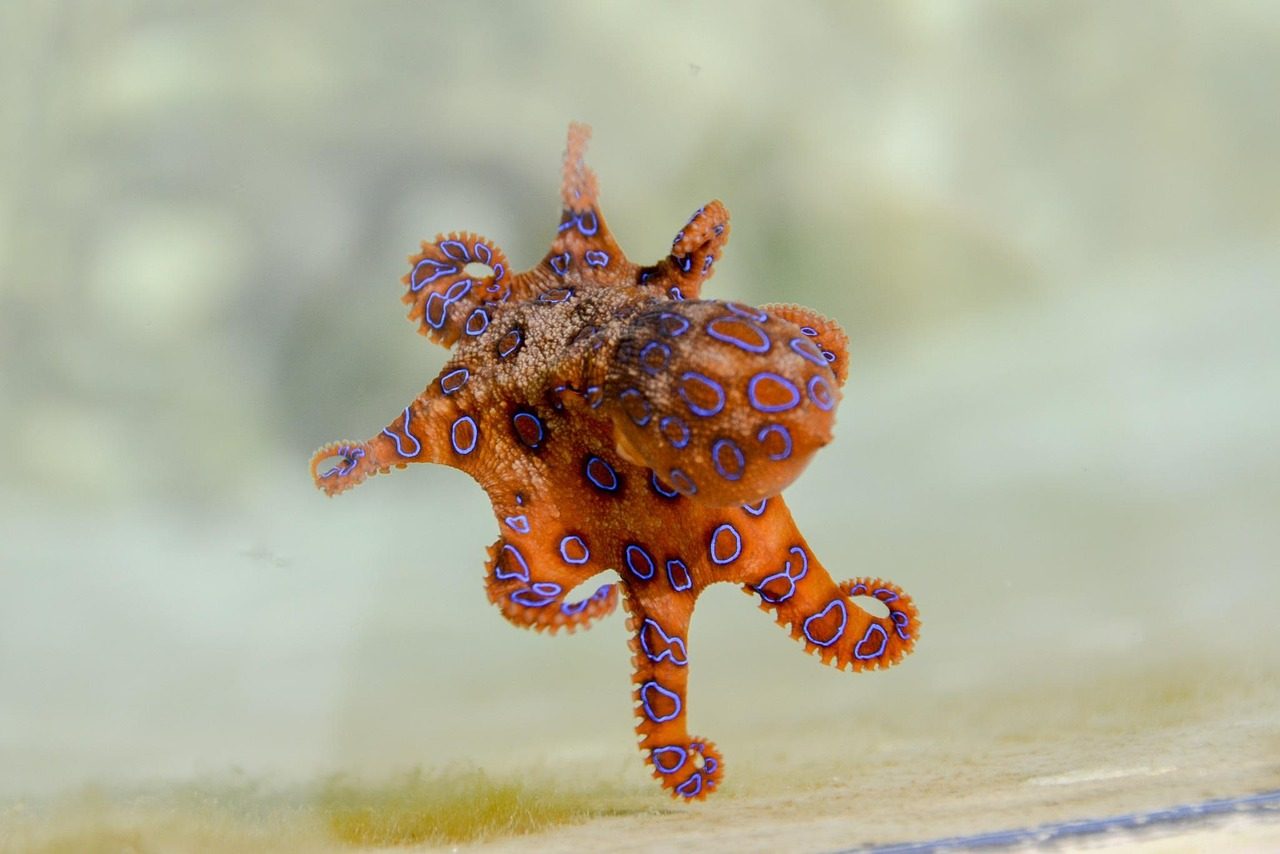
Despite its small size, the blue-ringed octopus delivers a bite that is both painful and deadly. Found in the Pacific and Indian Oceans, its venom can cause paralysis and respiratory failure within minutes. The pain is accompanied by numbness, making this creature as dangerous as it is mesmerizing.
Hornet
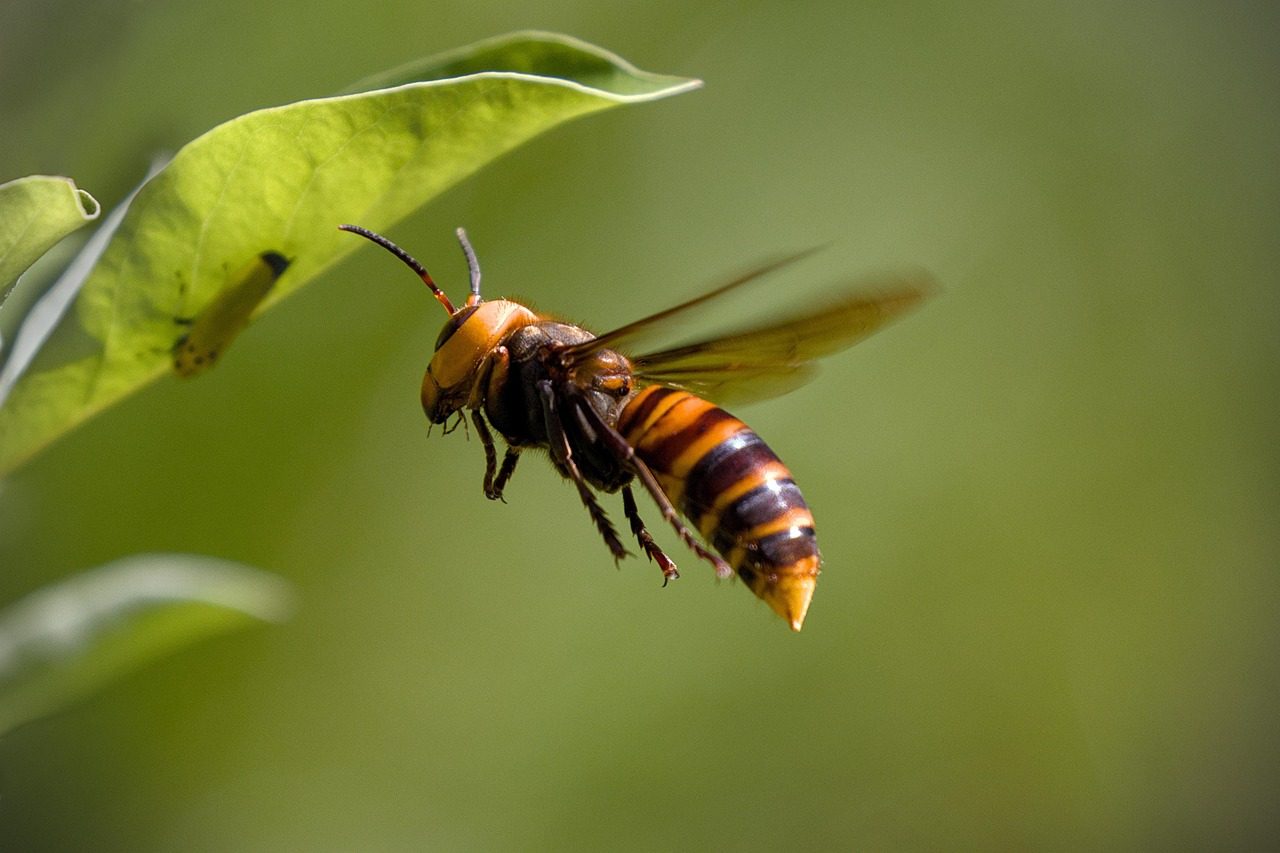
Hornet stings are infamous for their sharp, radiating pain. Larger than most wasps, hornets inject a potent venom that can cause swelling, redness, and severe discomfort. Multiple stings can be dangerous, especially for those with allergies, but even a single sting is remembered for its intensity.
Sea Snail
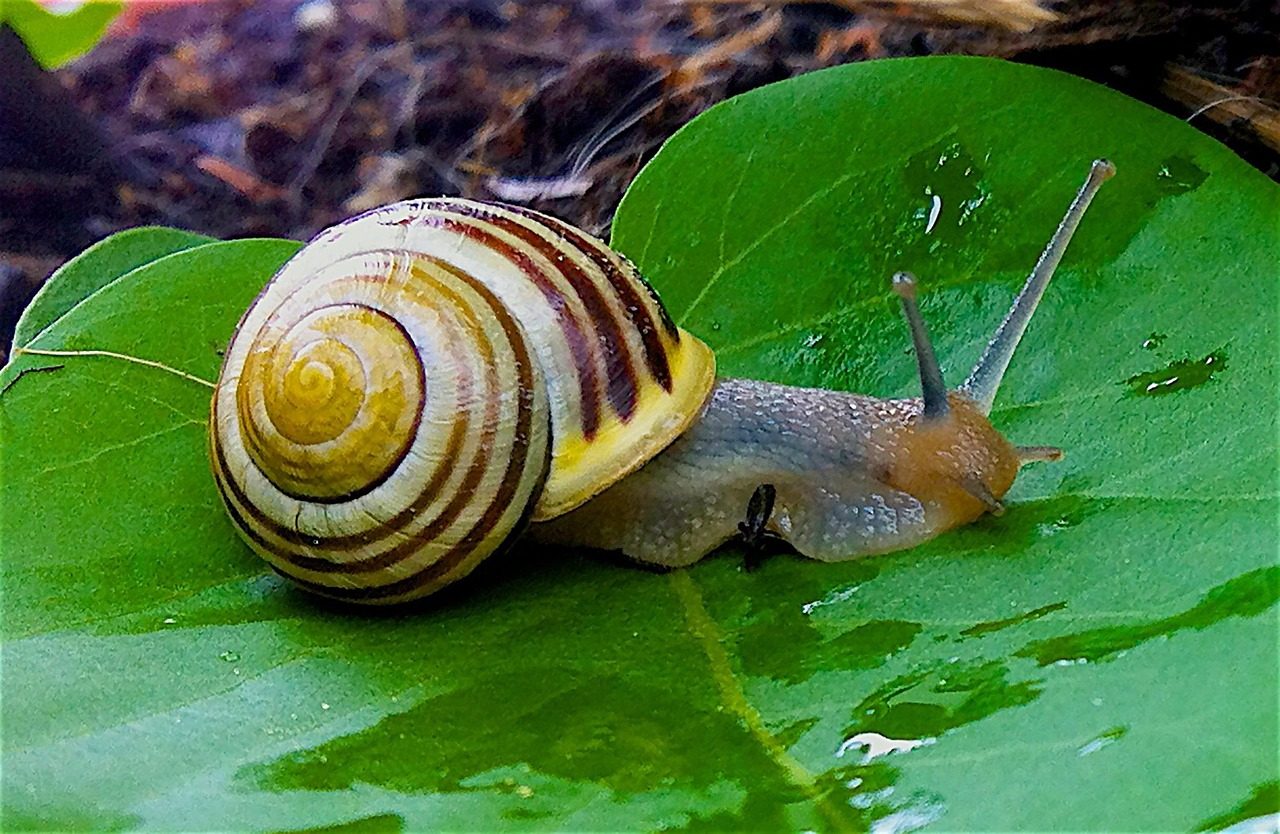
This unassuming sea snail hides a harpoon-like tooth that injects venom capable of causing extreme pain. Some species are even deadly to humans. Found in tropical waters, cone snails remind divers and snorkelers to look but not touch when exploring coral reefs.
Scorpion
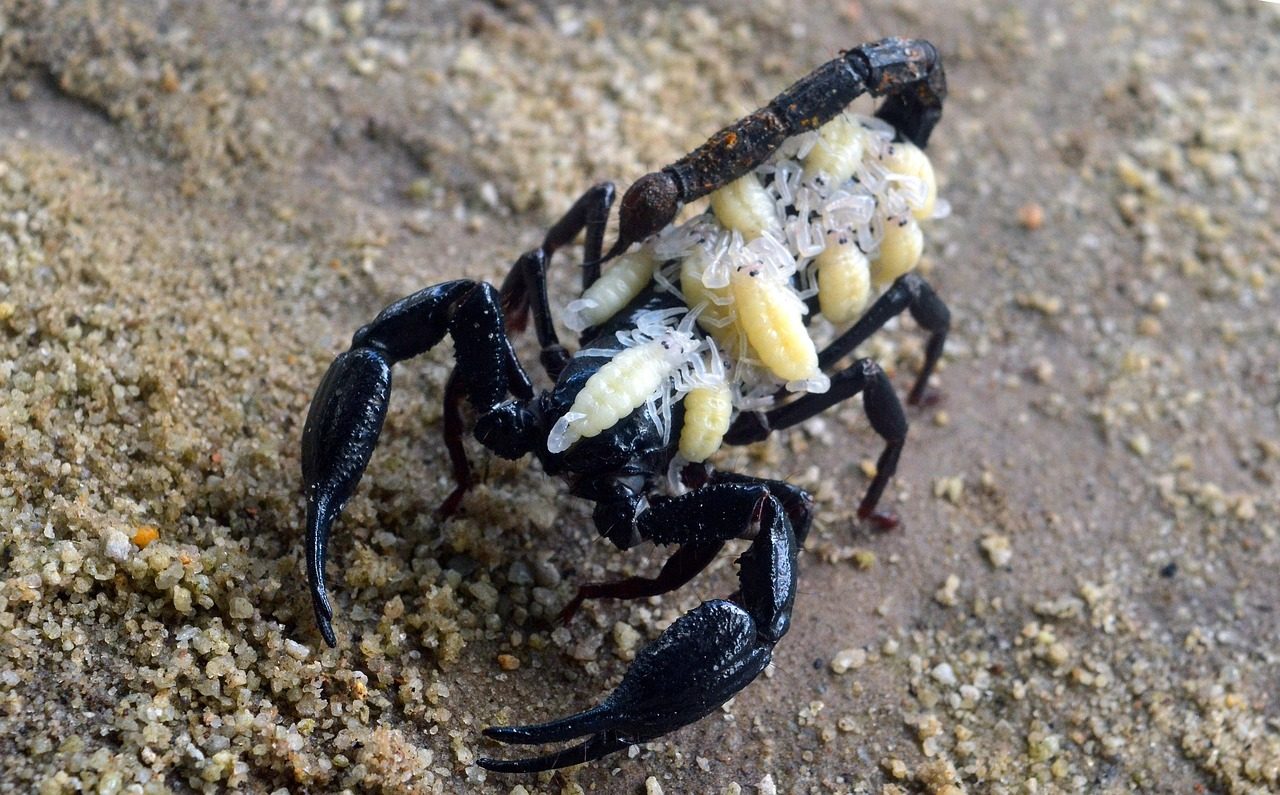
Scorpion stings are a mix of burning pain and venom that can cause muscle spasms and sweating. While many species aren’t deadly, some in North Africa and the Middle East deliver stings that require urgent medical care. Even the less dangerous varieties create unforgettable pain.
Black Widow Spider
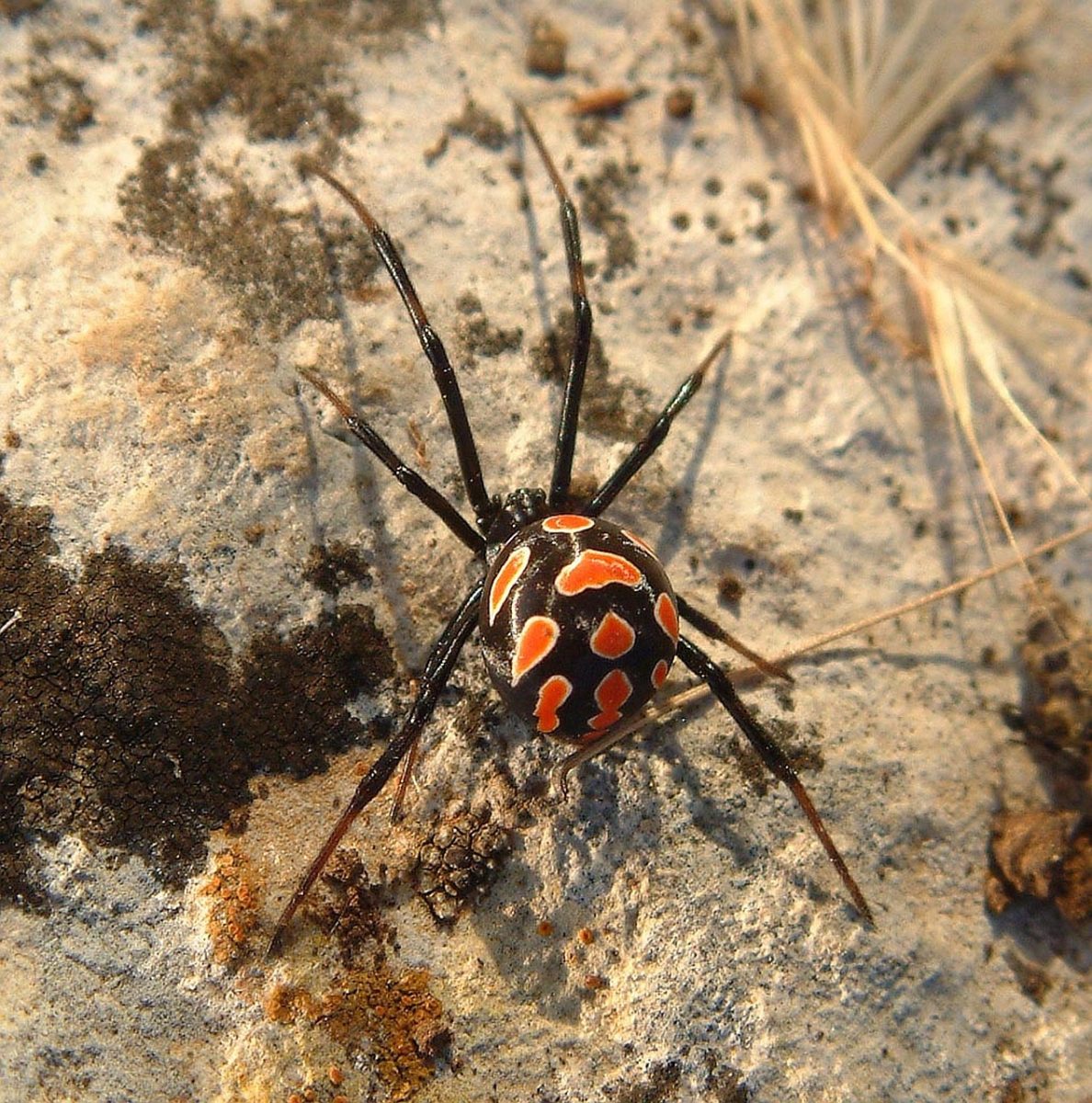
The black widow spider’s bite causes sharp pain that quickly spreads through the body. Muscle cramps, sweating, and nausea often follow, making it one of the most feared spiders in North America. While rarely fatal, the bite can make you feel as though your entire body is under attack.
Portuguese Man O’ War
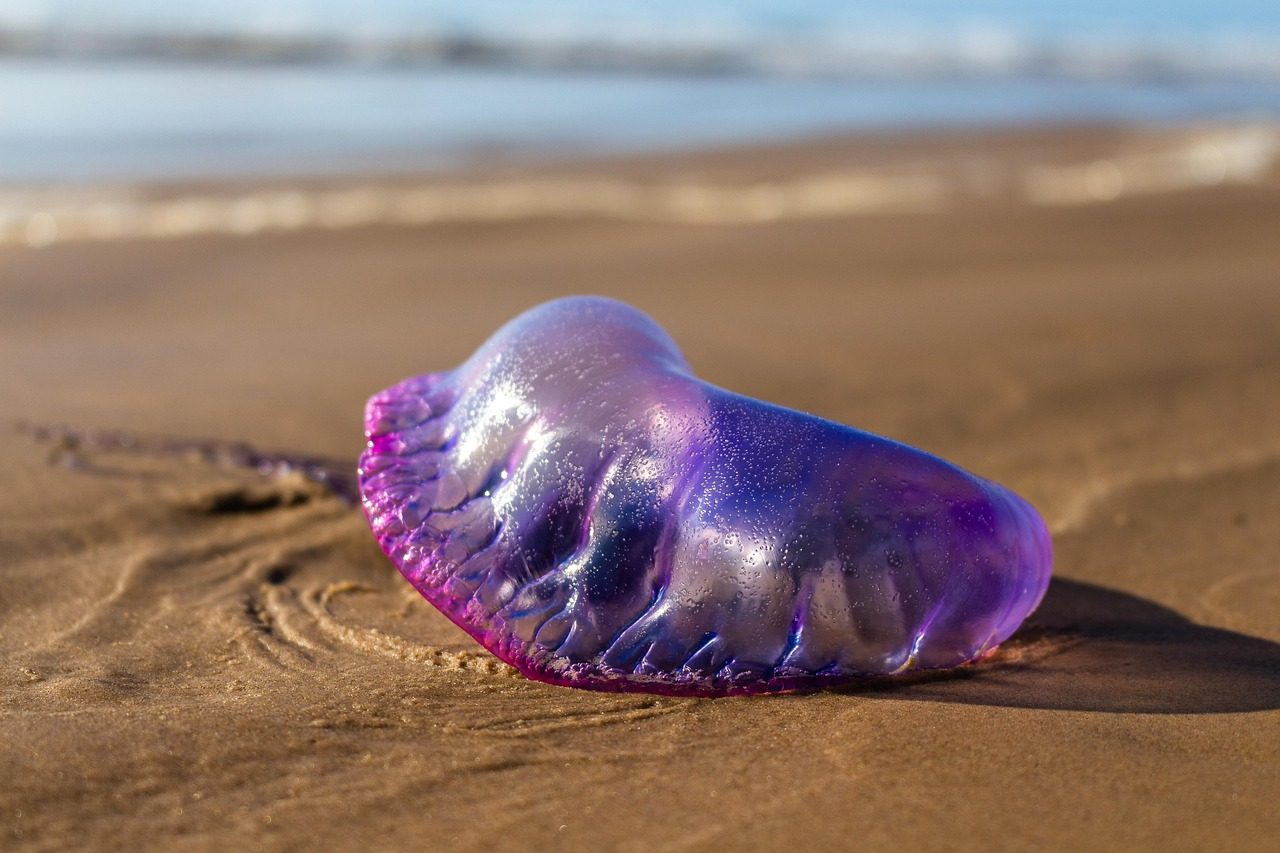
Often mistaken for a jellyfish, this floating colony has tentacles that deliver excruciating stings. Contact causes burning pain, welts, and sometimes shock. Found in warm ocean waters, the Portuguese man o’ war is both beautiful and dangerous, best admired from a safe distance.
Bulletproof Beetle Larva (Assassin Caterpillar)
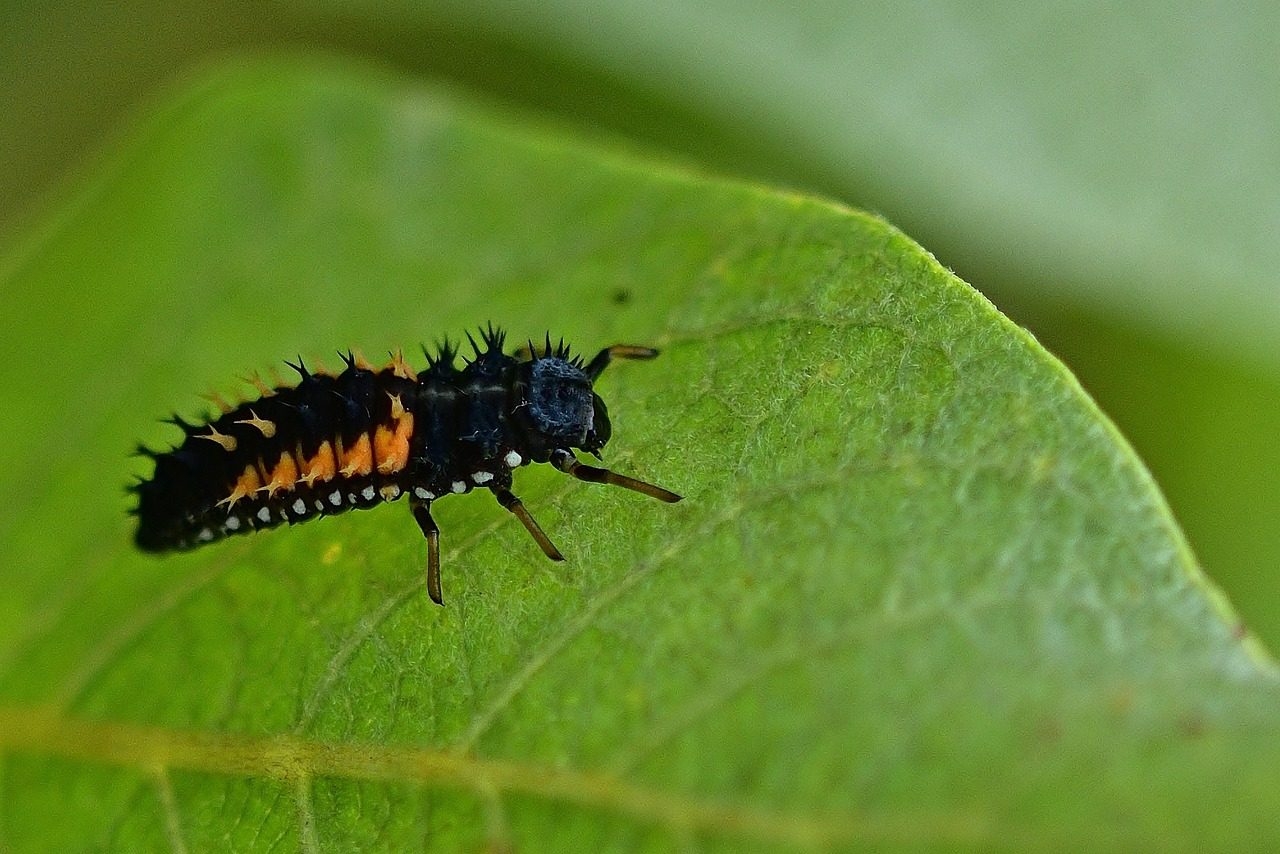
In South America, this caterpillar species has venomous spines that inflict intense pain. Known as the assassin caterpillar, it can cause headaches, fever, and even blood-clotting issues. The sting’s severity has made it responsible for human fatalities, proving that even small creatures can be surprisingly lethal.
Tsetse Fly
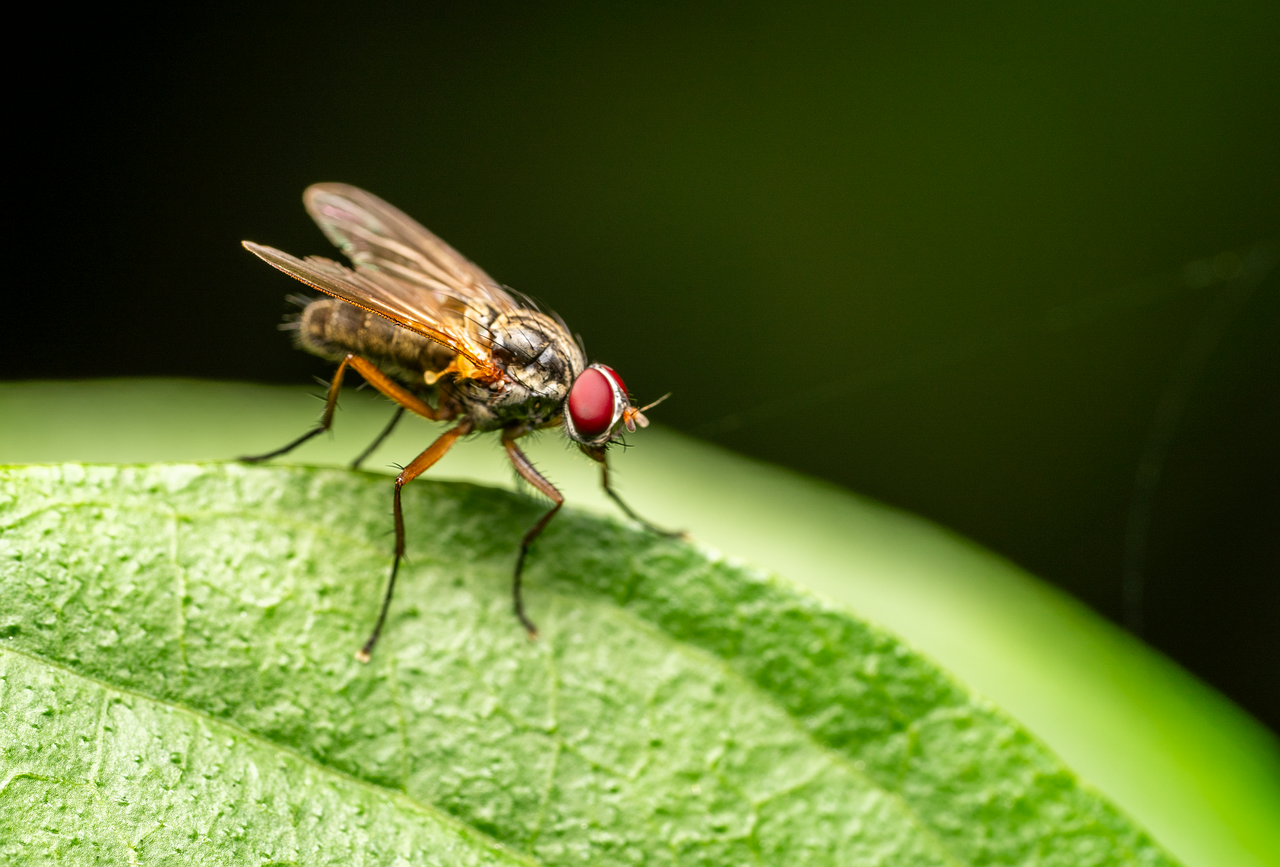
The tsetse fly may look like a harmless housefly, but its bite is piercing and painful. Found in sub-Saharan Africa, it also transmits sleeping sickness, adding a dangerous dimension to the discomfort. The pain is sharp and immediate, making encounters with this fly especially dreaded.
Wasps
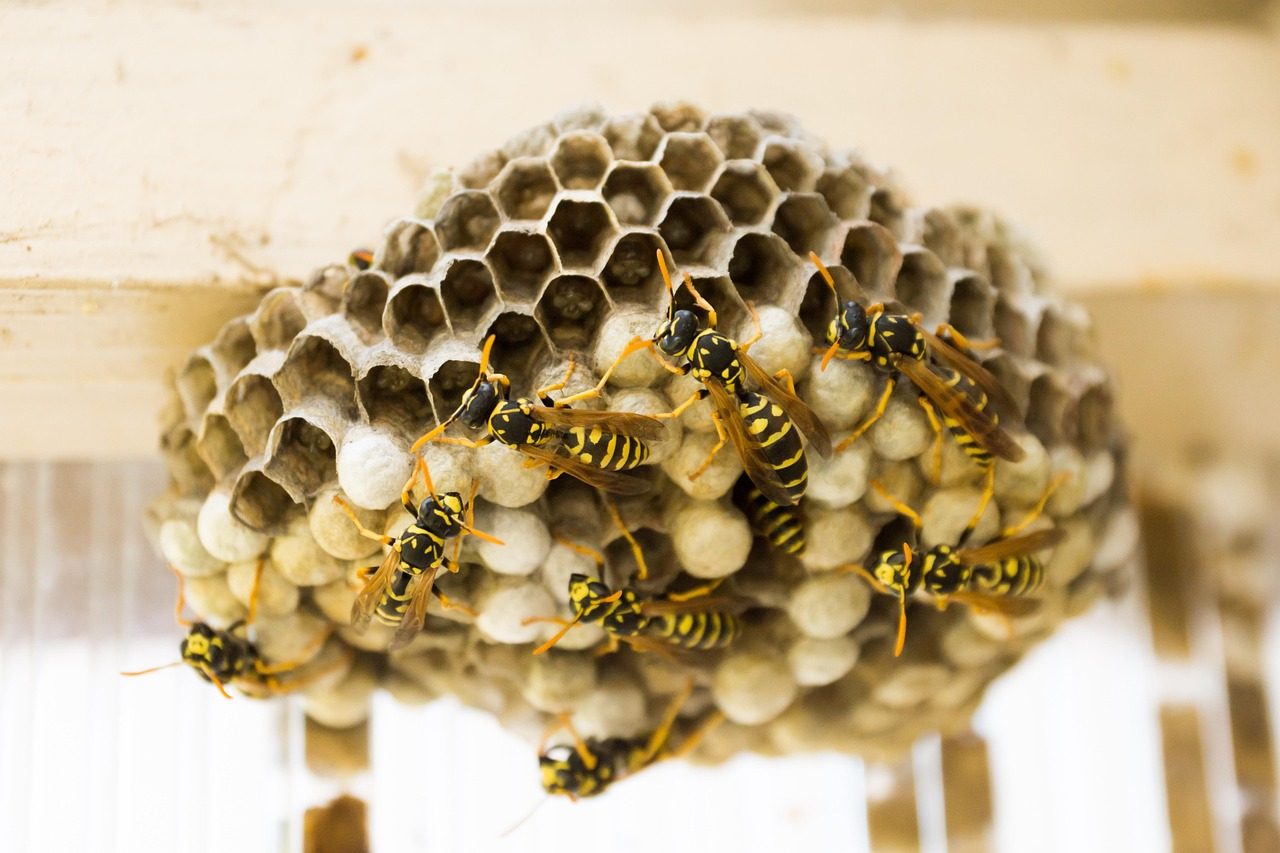
Wasps are aggressive defenders of their nests, delivering stings that feel sharp and hot. Unlike bees, they can sting multiple times, compounding the pain. The venom causes swelling and irritation, and when several wasps attack at once, the pain can be overwhelming and long-lasting.