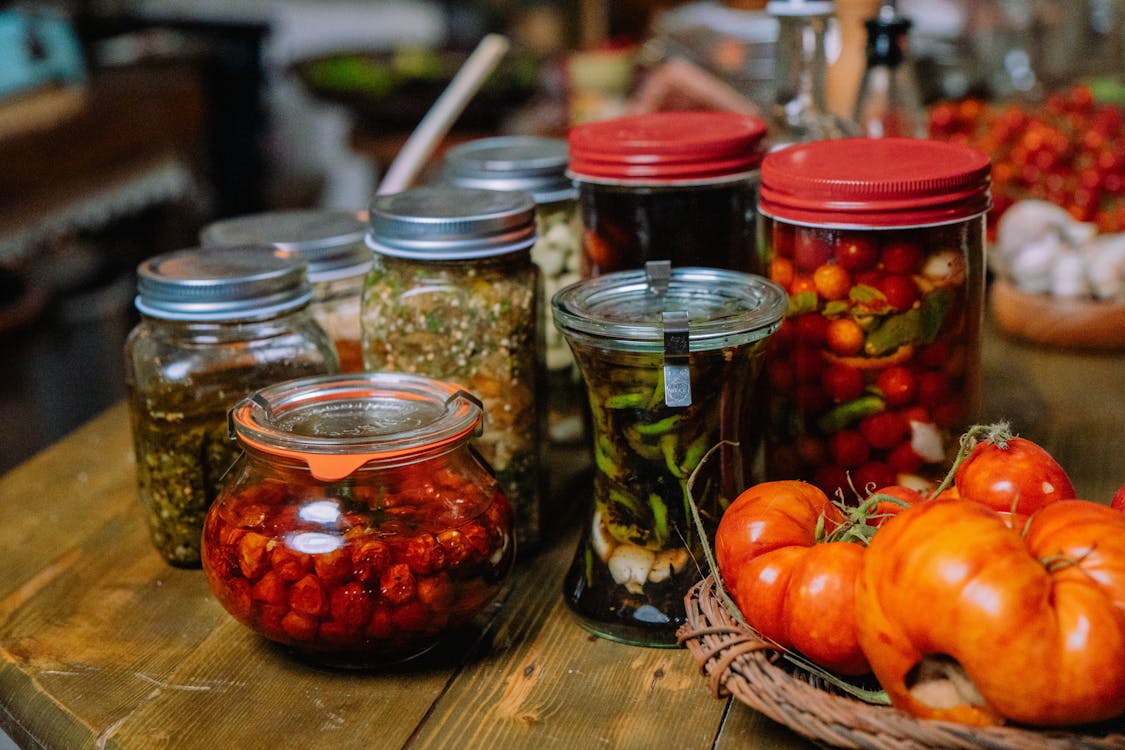
When the power goes out, keeping food fresh becomes a real challenge. Without refrigeration, it’s important to know practical ways to preserve food safely and prevent waste. Many traditional methods work just as well today as they did generations ago. From salting and drying to fermenting and sealing, these simple techniques help extend shelf life and make ingredients last even when modern appliances stop working.
Use Salt Curing
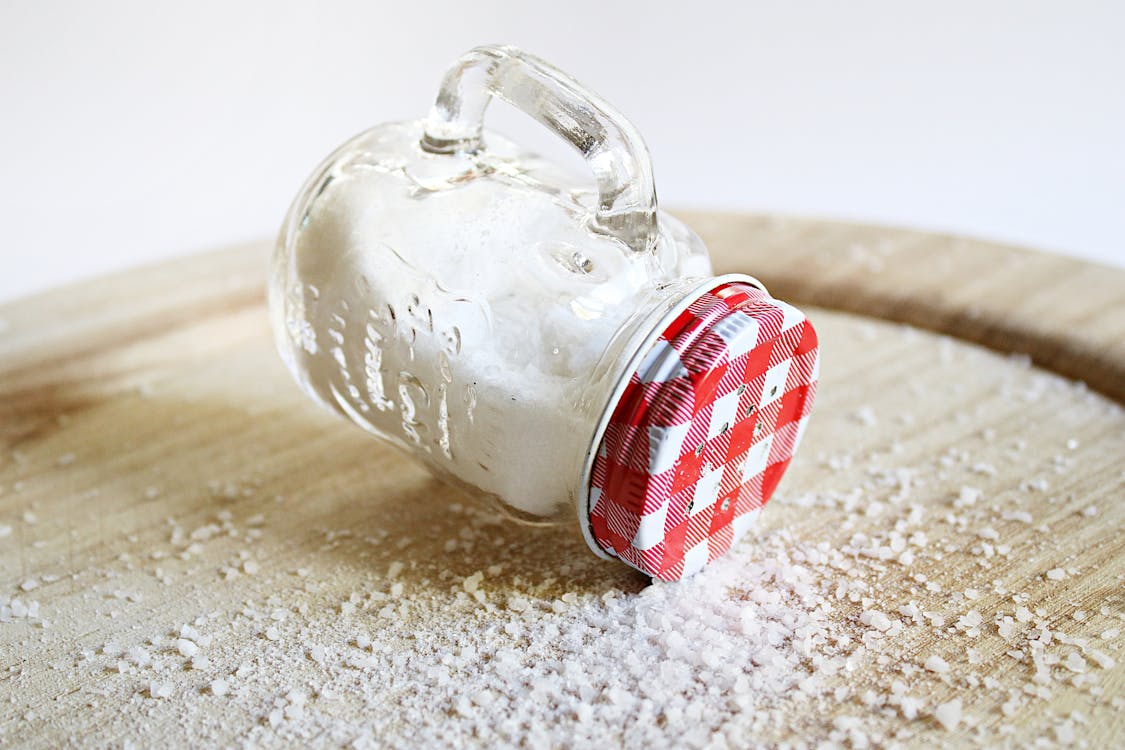
Salt draws out moisture from food, slowing bacterial growth and preventing spoilage. It works especially well for meats and fish, creating a dry surface that keeps food safe longer. To cure properly, coat the food evenly with salt and store it in a cool, dry place. Once cured, the food can be stored for weeks or even months without refrigeration.
Try Sun Drying

Drying removes moisture naturally and keeps fruits, vegetables, and herbs fresh for extended periods. Slicing food thinly and placing it in direct sunlight helps it dehydrate evenly. Turning pieces occasionally ensures a consistent texture. Once dry, storing the food in airtight containers keeps it usable for soups, stews, and snacks long after fresh produce would spoil.
Smoke Your Food

Smoking combines heat and smoke to preserve and flavor meats or fish. The process keeps bacteria from thriving while infusing a distinctive taste. Building a small smoker or using an open fire can achieve great results with patience and low heat. Properly smoked food, when stored in a cool space, can last for several weeks or even longer.
Use Vinegar Pickling
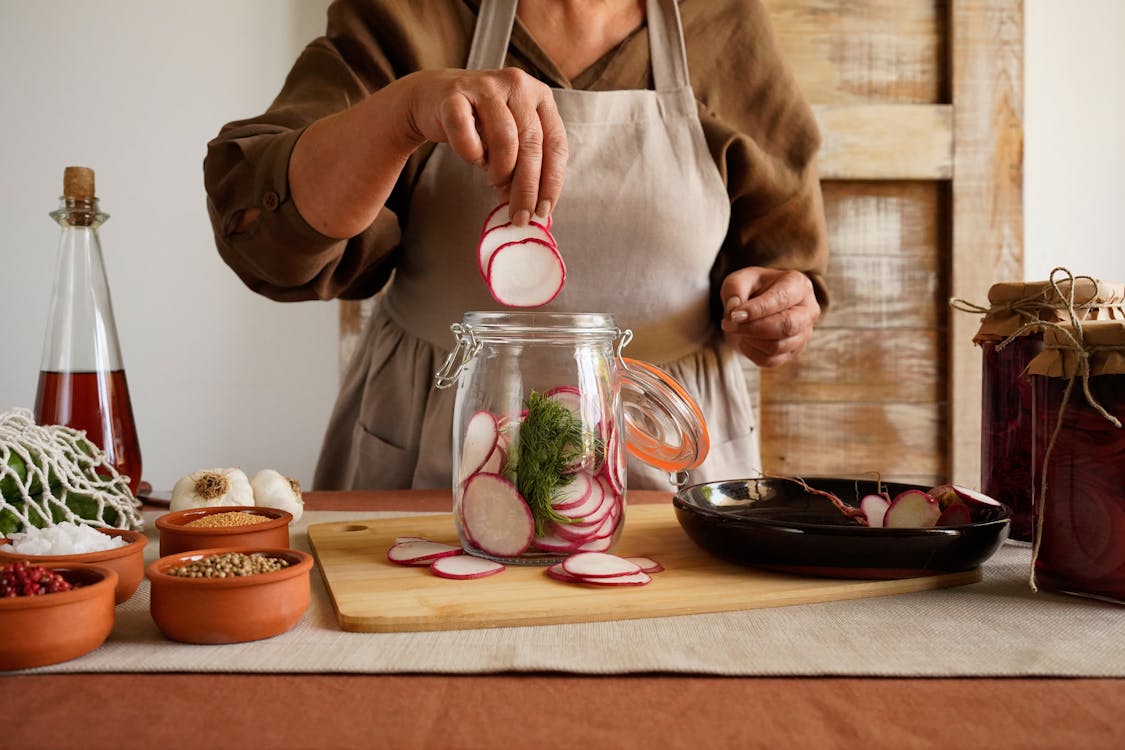
Pickling with vinegar preserves vegetables and adds tangy flavor. The acidity of vinegar prevents bacteria from growing, making it one of the most reliable preservation methods. Submerging produce in vinegar with salt and spices locks in freshness. Pickled foods can be stored in sealed jars at room temperature for months without spoiling.
Make Fermented Foods
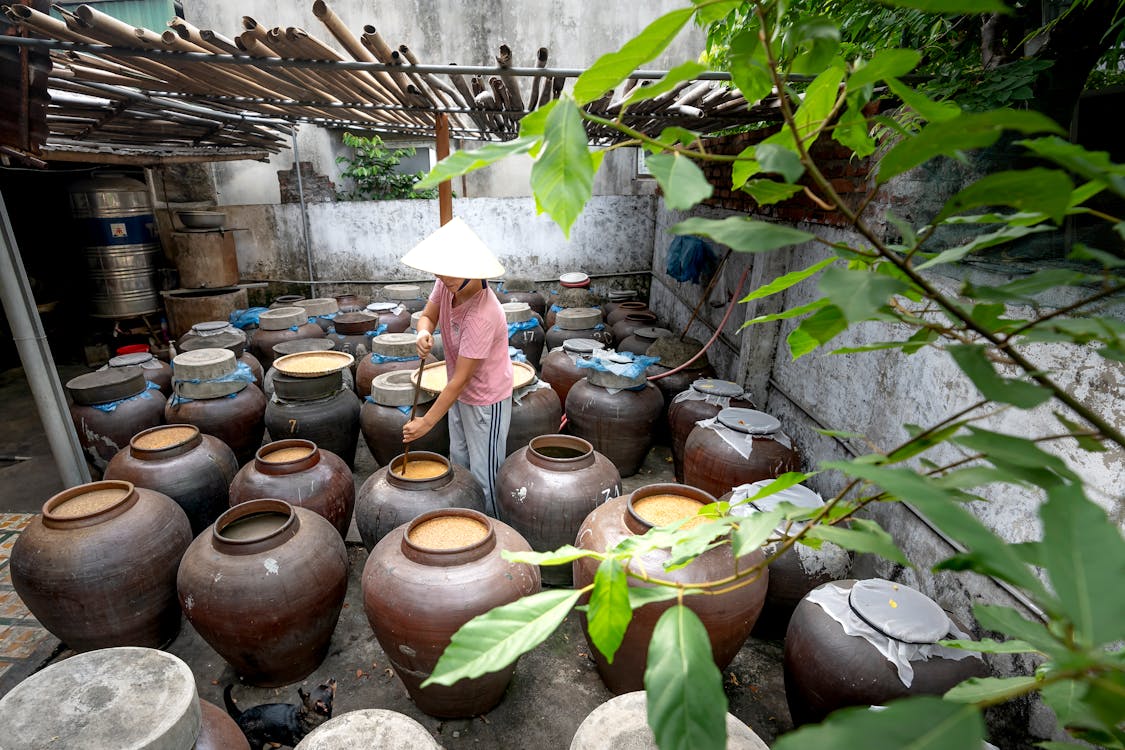
Fermentation relies on natural bacteria to preserve food and create rich flavors. Vegetables like cabbage, cucumbers, and carrots ferment well in saltwater brine. The process produces lactic acid, which keeps harmful bacteria away. Once the food reaches the desired taste, sealing and storing it in a cool spot maintains it safely for long periods.
Store in Root Cellars

A root cellar uses naturally cool underground temperatures to preserve fruits and vegetables. Items like potatoes, carrots, and apples stay fresh for months in a dark, well-ventilated space. Moisture control and air circulation are key to preventing mold. This method remains one of the most efficient and low-cost ways to keep produce crisp without power.
Create Jerky
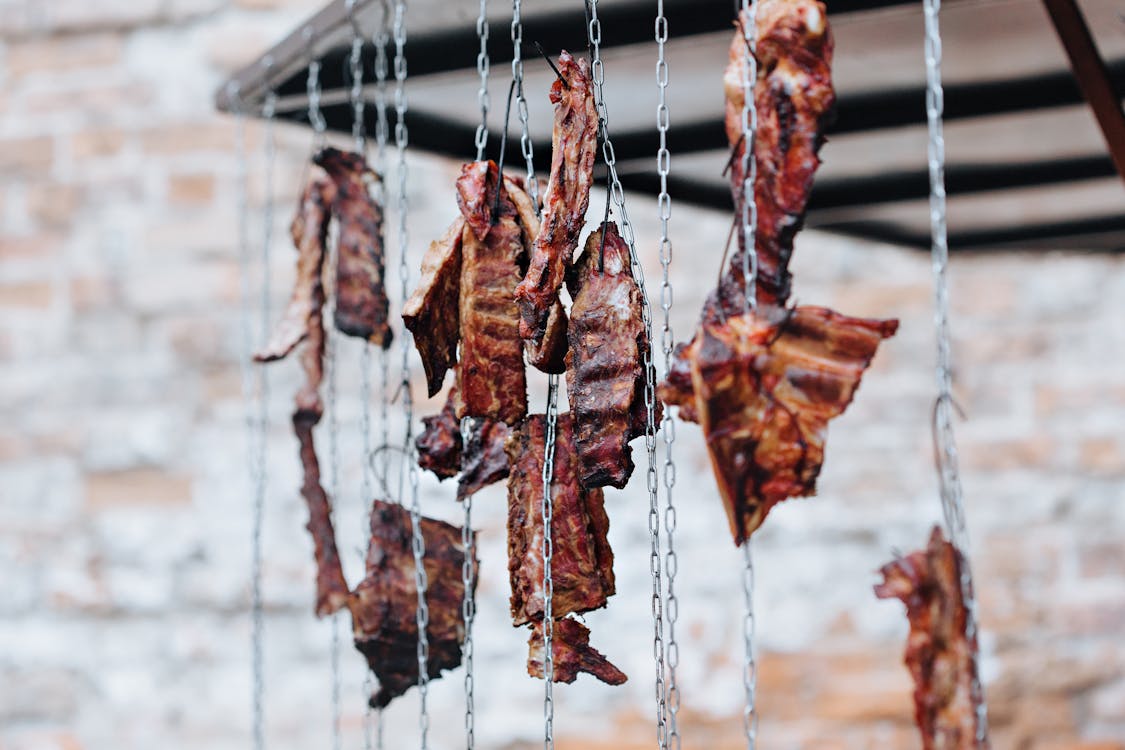
Jerky is made by drying thin slices of meat until all moisture is removed. Whether done over a fire or in the sun, this method prevents bacteria from growing. Adding salt or marinade enhances flavor and extends shelf life. Properly dried jerky, stored in airtight containers, can last for weeks while remaining nutritious and portable.
Use Sugar Preservation
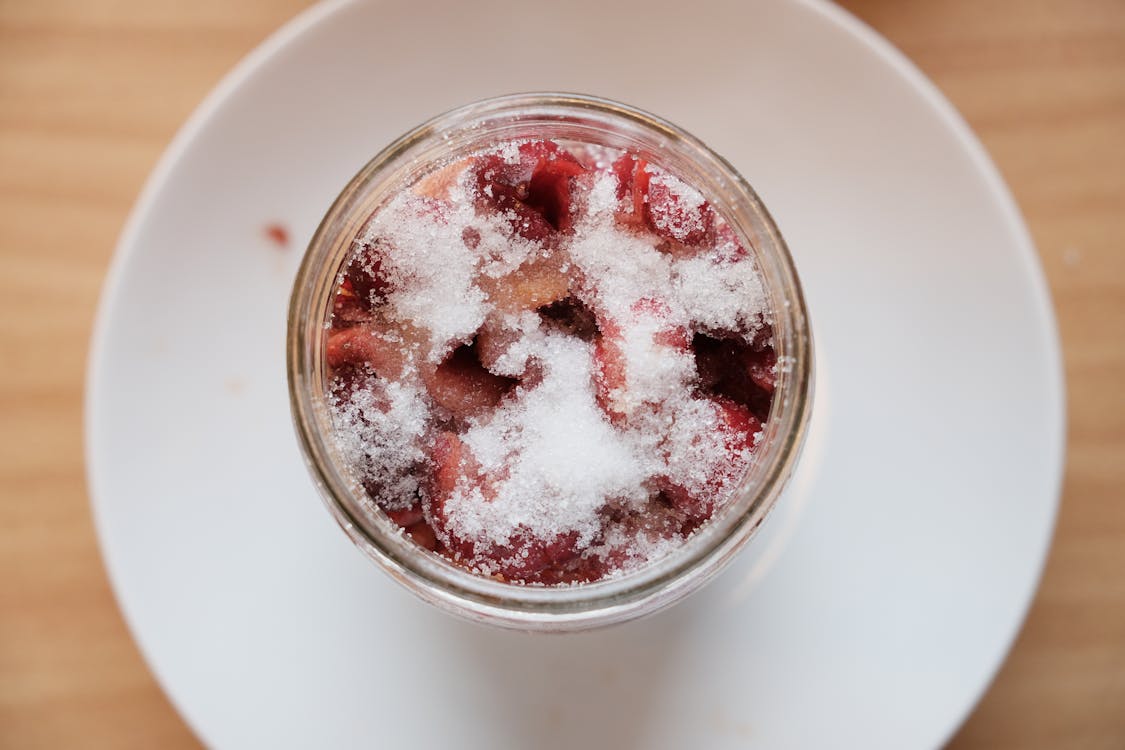
Just like salt, sugar draws moisture out of food, preventing spoilage. It works particularly well for fruits, creating jams, jellies, and candied treats. Boiling fruit with sugar and sealing it in sterilized jars keeps it safe for months. This method not only preserves but also enhances flavor, making it a sweet way to reduce waste.
Bury in Sand or Ash

Certain vegetables, such as carrots, beets, and onions, can stay fresh when buried in sand or ash. The material keeps moisture out and maintains a steady temperature. Storing them in wooden boxes filled with dry sand helps prevent rot. This simple approach is effective for anyone without access to refrigeration or a root cellar.
Use Clay Pots

Clay pots or “zeer pots” use natural evaporation to keep food cool. Placing one pot inside another and filling the space between with wet sand creates a mini fridge effect. As the water evaporates, it lowers the temperature inside. This traditional method works well for fruits, vegetables, and dairy in hot climates.
Make Hard Cheese
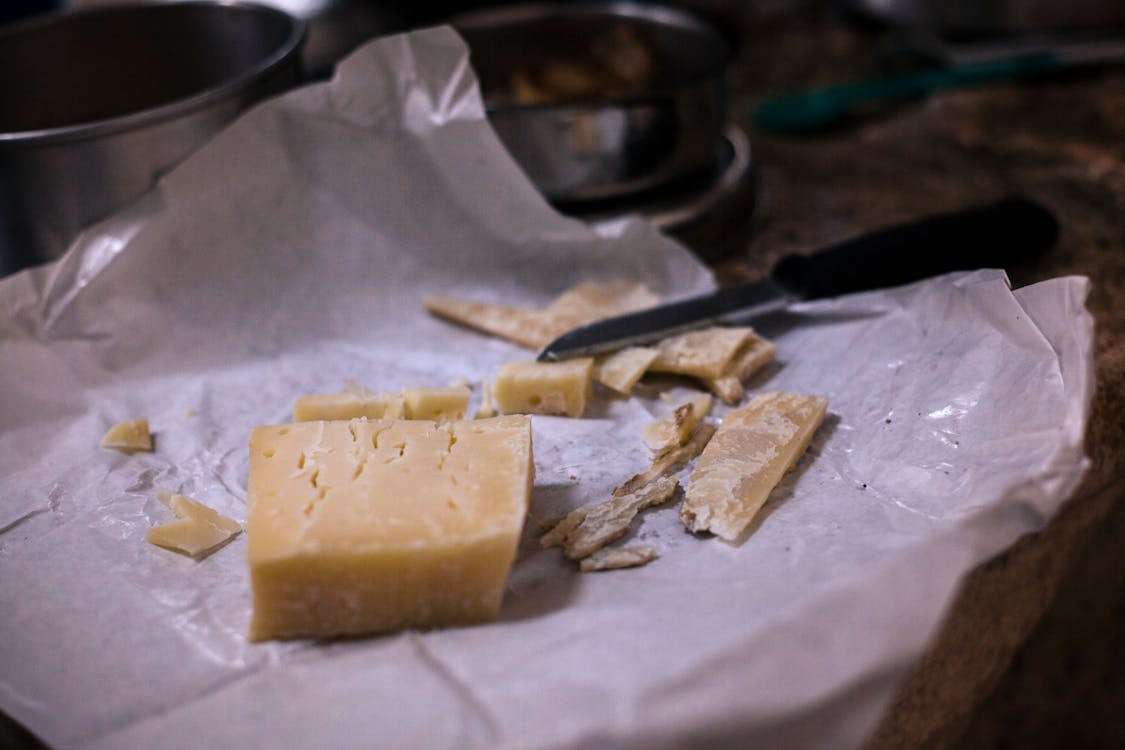
Hard cheeses last much longer without refrigeration than soft varieties. The key is pressing out moisture and allowing the cheese to age in a cool, dark space. Covering it with wax or oil adds protection from mold. Properly stored, hard cheese remains edible and flavorful for months.
Preserve with Fat
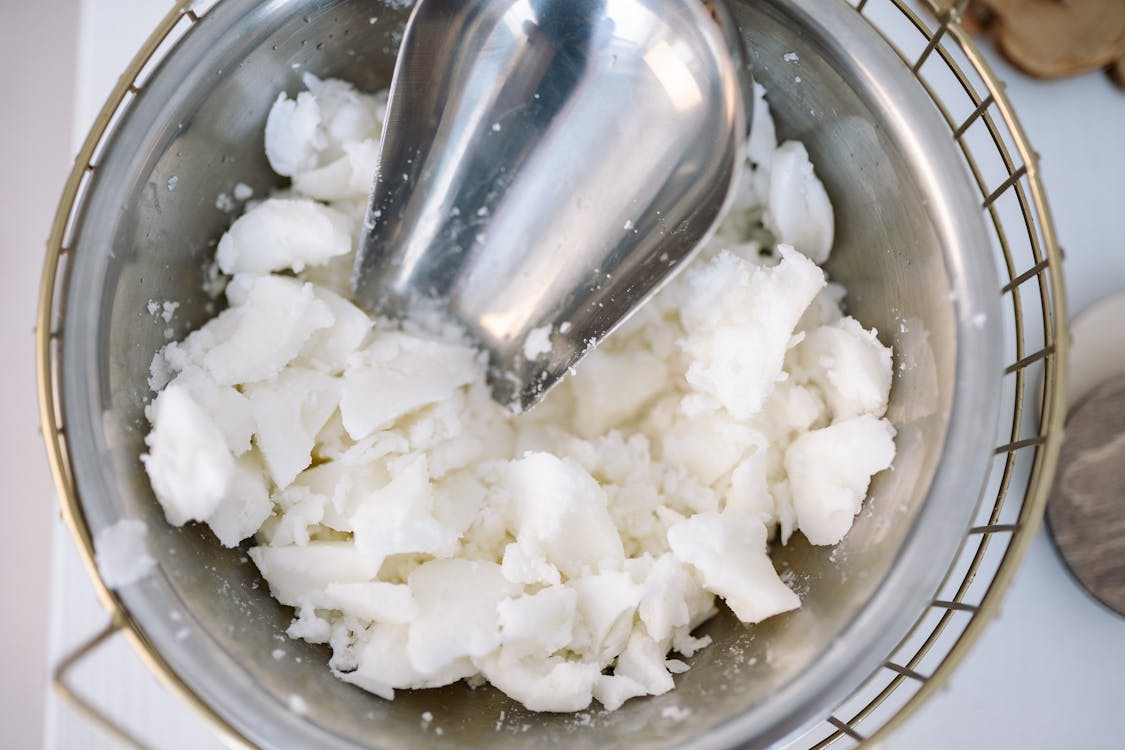
Covering cooked meats with a layer of fat, known as confit, seals out air and bacteria. Once cooled, the fat hardens and keeps the meat preserved. Storing it in a cool place ensures safety for weeks. This traditional method adds rich flavor while extending shelf life naturally.
Can Foods Safely
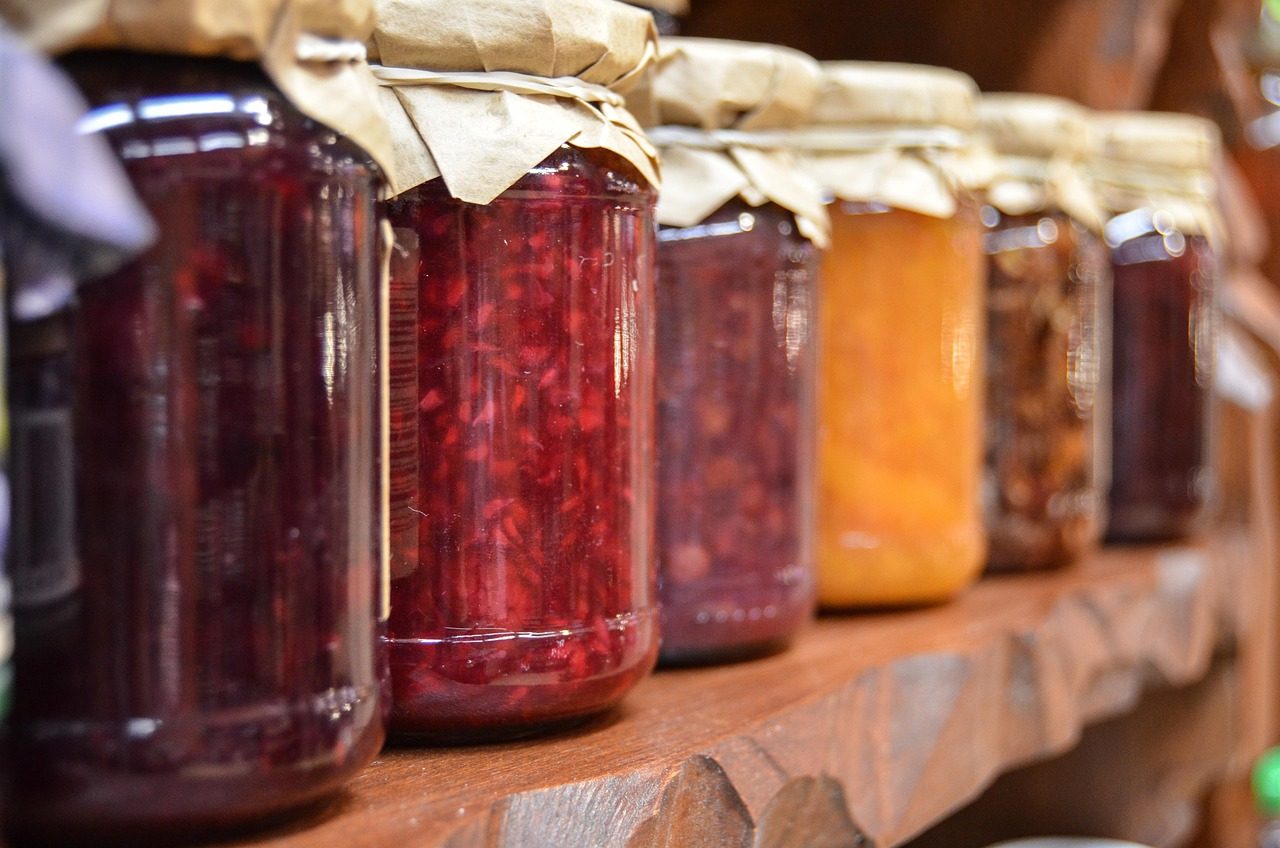
Canning uses heat to seal food in airtight jars, keeping bacteria out. Fruits, vegetables, and sauces can all be preserved this way. Boiling jars to create a vacuum seal ensures long-term safety. When done correctly, canned foods can last for years and retain most of their nutrients.
Store in Honey
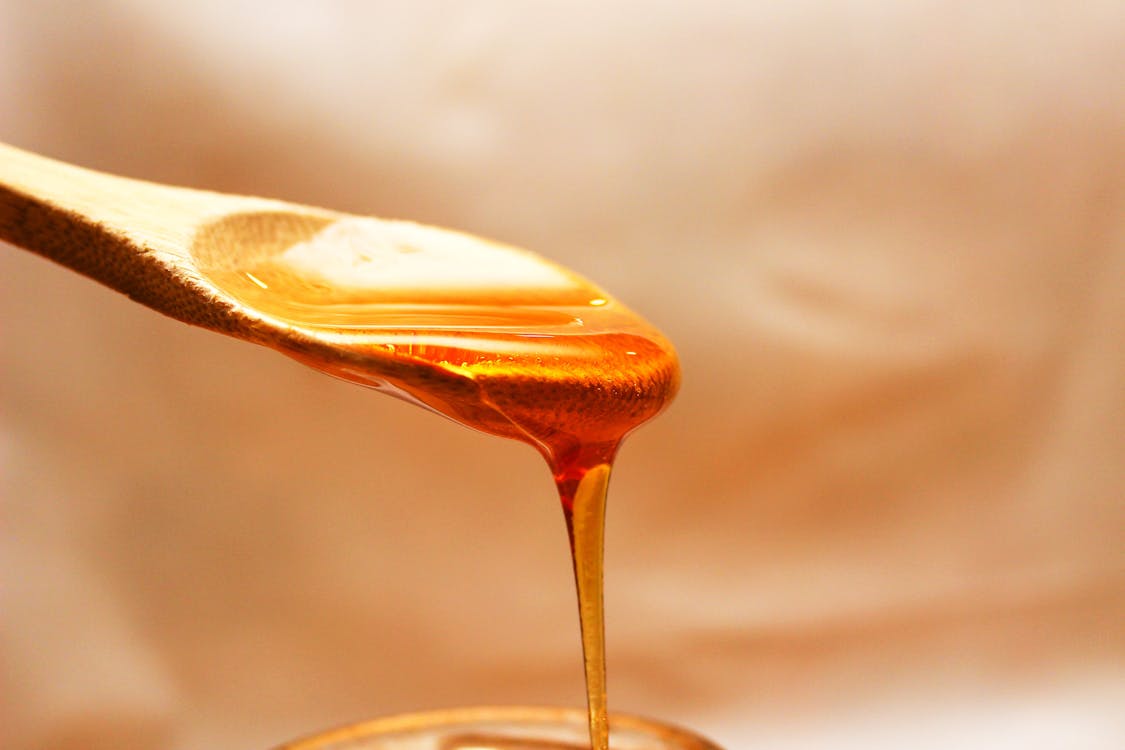
Honey’s natural antibacterial properties make it an excellent preservative. Submerging fruits, nuts, or herbs in honey keeps them fresh while infusing flavor. The high sugar content prevents microbial growth. Foods preserved this way can last for months, offering both sweetness and longevity.
Cool in Streams or Snow
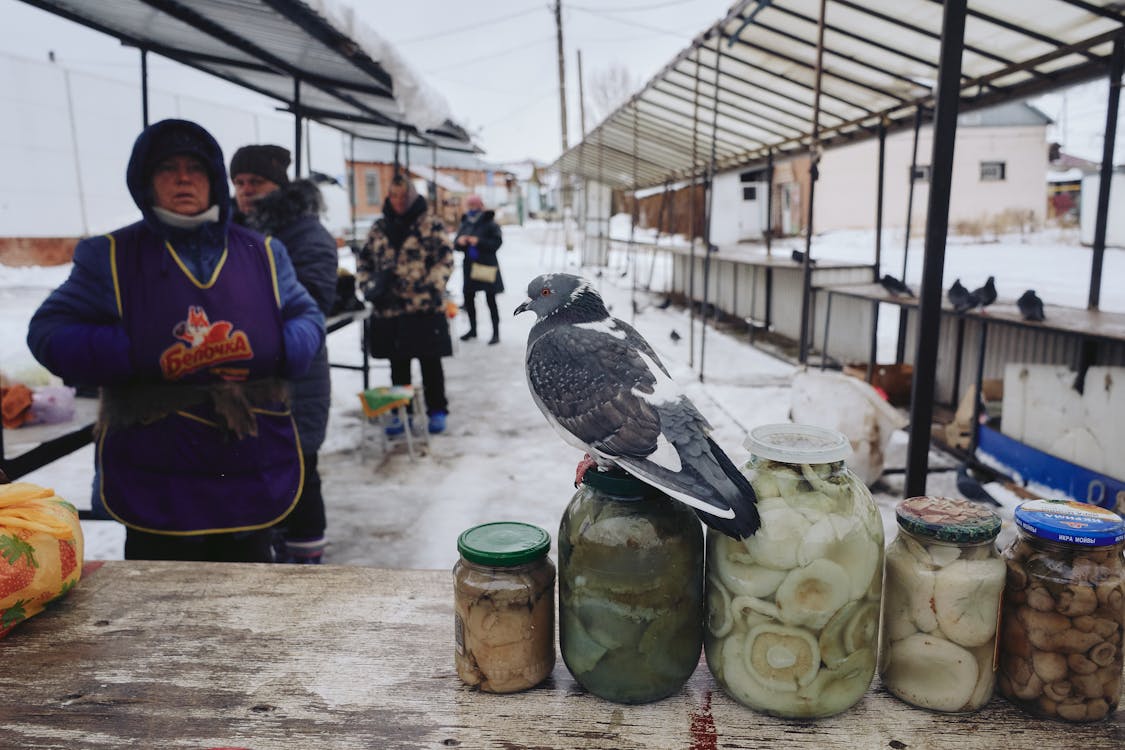
If access to natural cold sources exists, running water or snow can temporarily preserve perishables. Placing sealed containers in a cold stream or burying them in packed snow keeps temperatures low. While not a long-term fix, it buys valuable time during outages. This method works best for dairy, beverages, or pre-cooked foods.