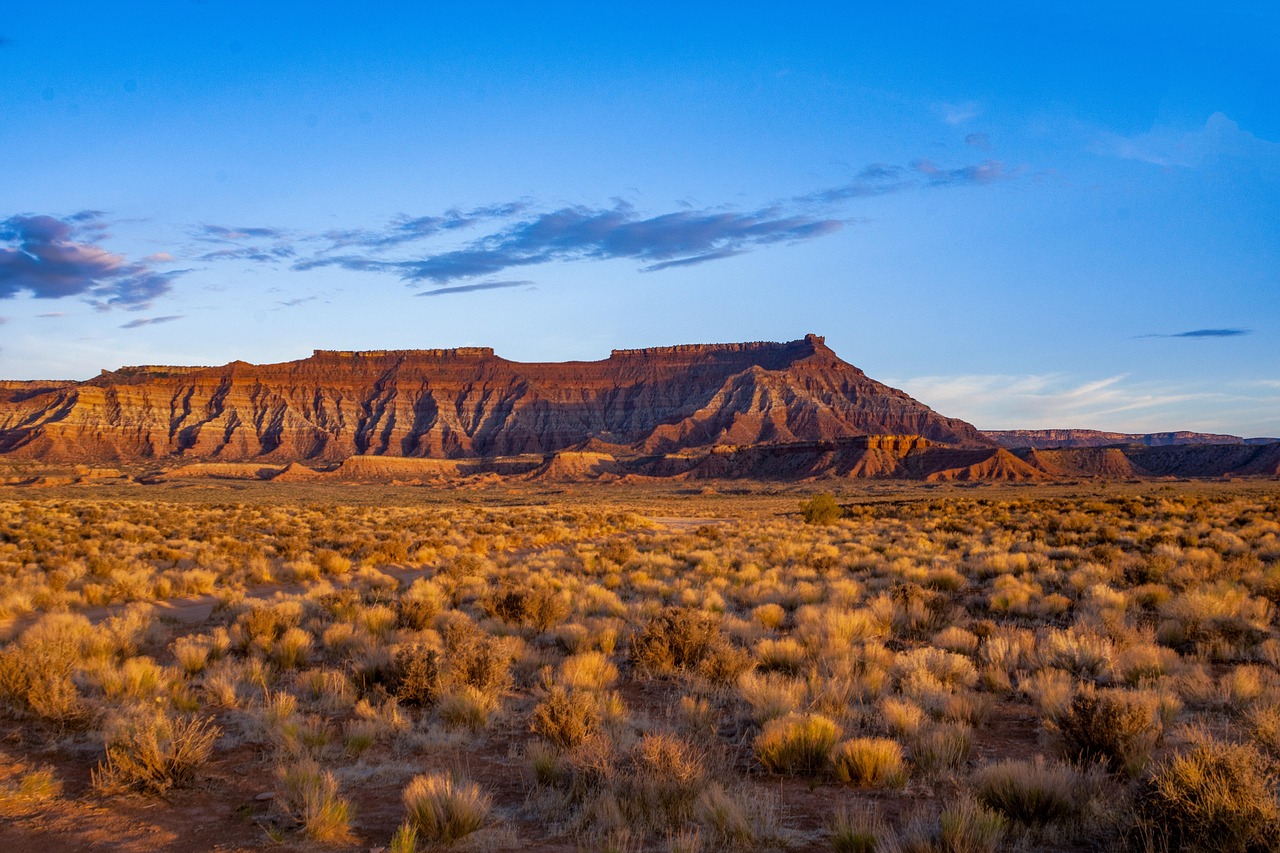
The deserts of the American Southwest may appear barren at first glance, but a closer look reveals an astonishing variety of plant life. These resilient species have adapted to blistering heat, scarce rainfall, and rugged terrain, thriving where few others can. For hikers, spotting these plants is part of the adventure, as each species tells a story of survival and beauty. From towering cacti to colorful blooms, here are 15 plants you’re likely to encounter while exploring the desert trails.
1. Saguaro Cactus
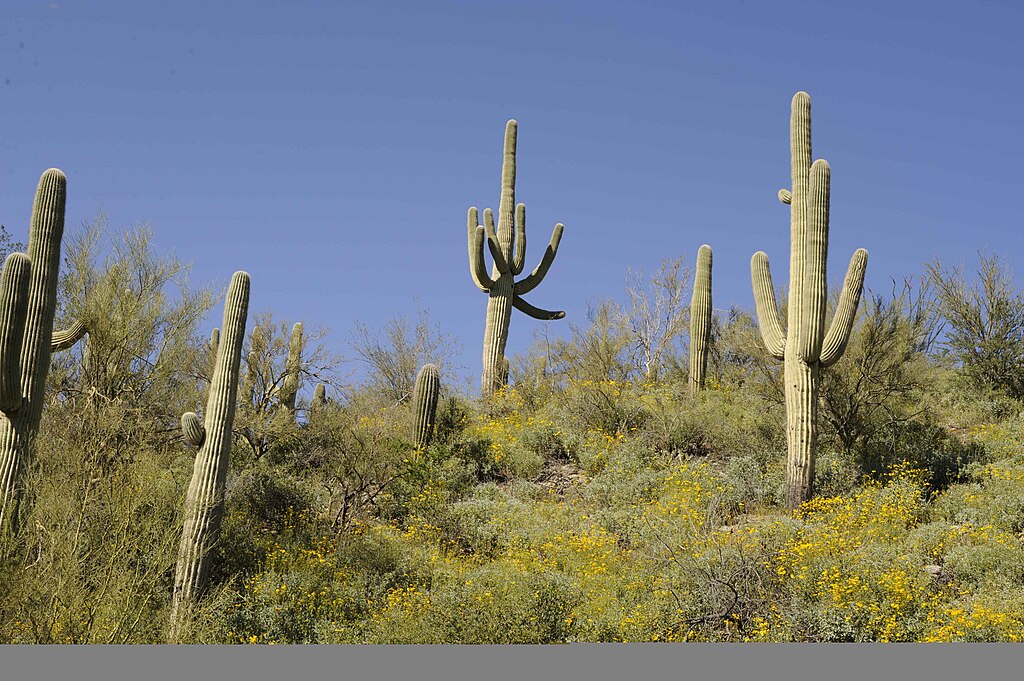
The towering saguaro cactus, found mainly in Arizona, is the desert’s most iconic plant. Growing up to 40 feet tall and living for over a century, saguaros develop their famous arms only after decades. Their white flowers bloom in late spring, attracting bats, birds, and insects. Birds such as woodpeckers carve nests into their sturdy trunks, creating entire ecosystems within. Seeing one instantly reminds hikers they are deep in the Sonoran Desert.
2. Prickly Pear Cactus
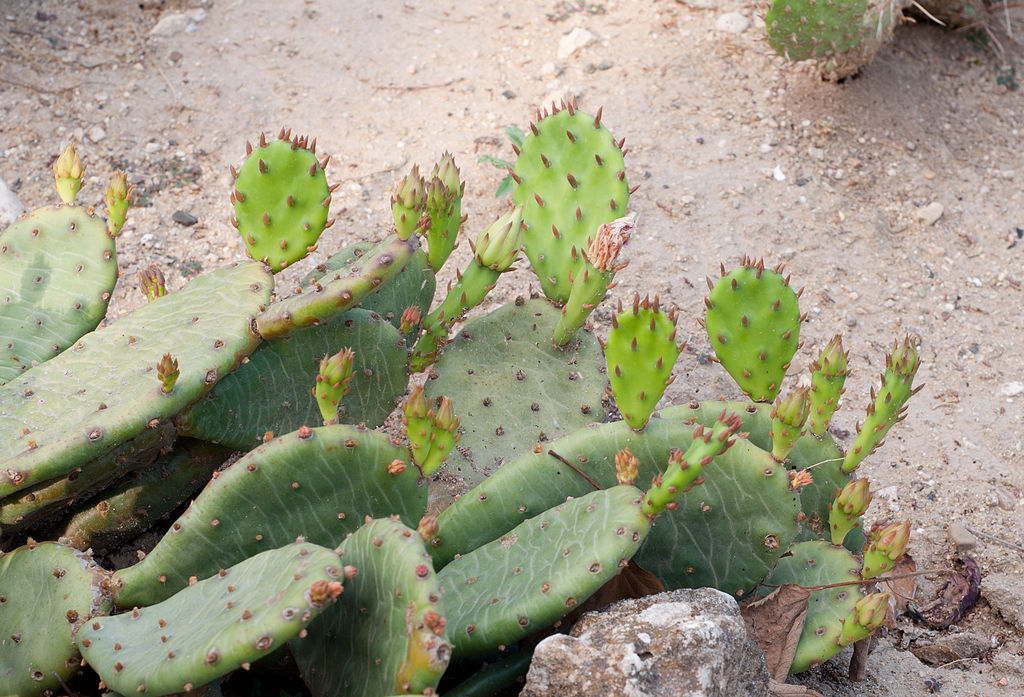
Recognizable for its flat, paddle-shaped pads, the prickly pear cactus is both eye-catching and useful. In spring, its bright blossoms add splashes of yellow, orange, or pink to the desert landscape. By summer, its colorful fruits, known as tunas, ripen into edible treats. The pads themselves, or nopales, are also consumed in Southwestern cooking. Resilient and widespread, this cactus shows how beauty and utility coexist in harsh conditions.
3. Ocotillo
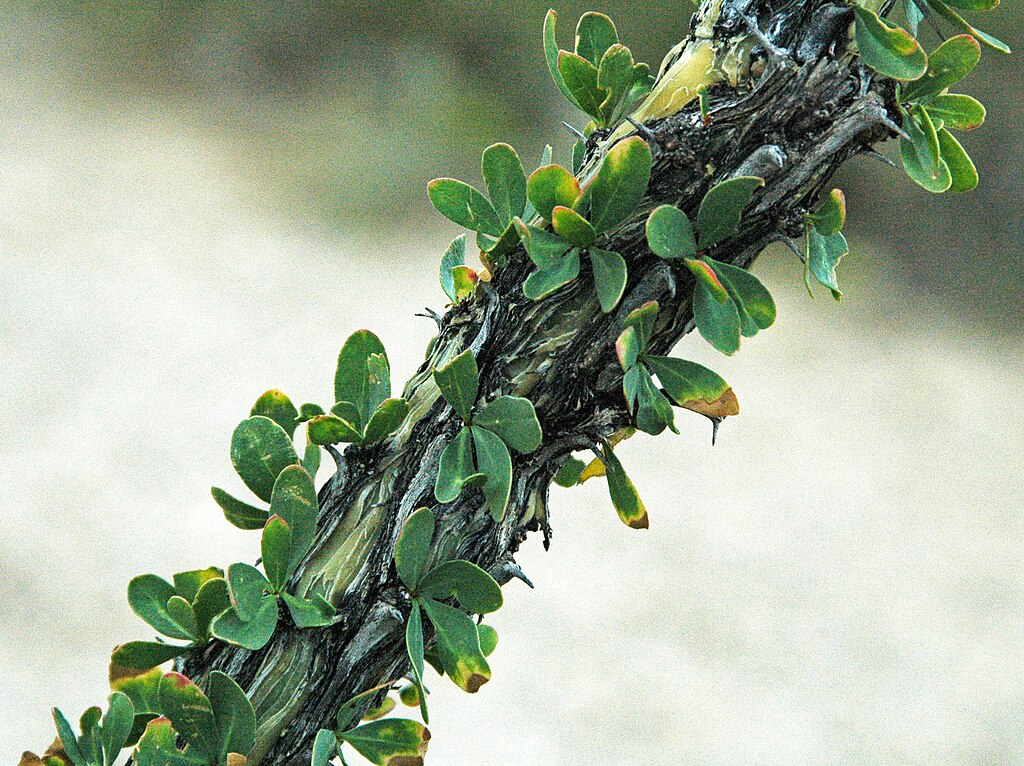
At first glance, the ocotillo looks like little more than a bundle of tall, thorny sticks. Yet after rainfall, it transforms dramatically, sprouting small green leaves along its canes. In spring, its red tubular flowers bloom at the tips, attracting hummingbirds in search of nectar. Ocotillo’s ability to appear lifeless and then burst into color is a striking example of desert adaptation, and hikers often pause to admire its sudden vibrancy.
4. Creosote Bush
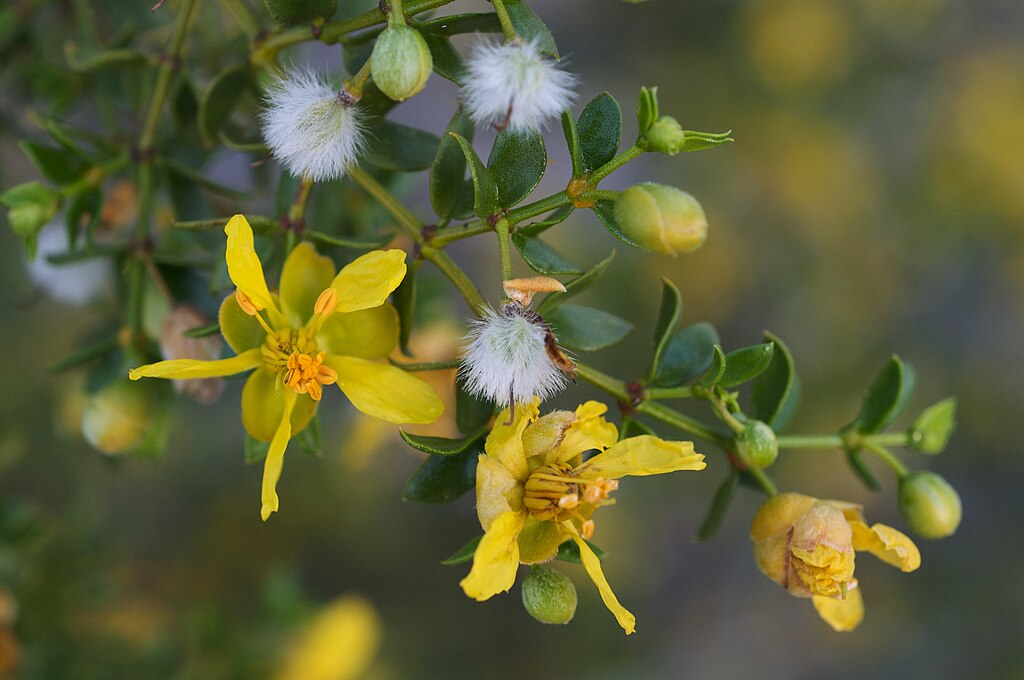
Covering vast stretches of the Southwestern deserts, the creosote bush is instantly recognizable for its strong scent after rain, often described as the smell of the desert itself. Its small, waxy leaves and yellow flowers are designed to conserve water and withstand extreme heat. This plant is also incredibly long-lived, with some colonies surviving for thousands of years. For hikers, its presence often signals resilience and permanence in an otherwise shifting landscape.
5. Barrel Cactus
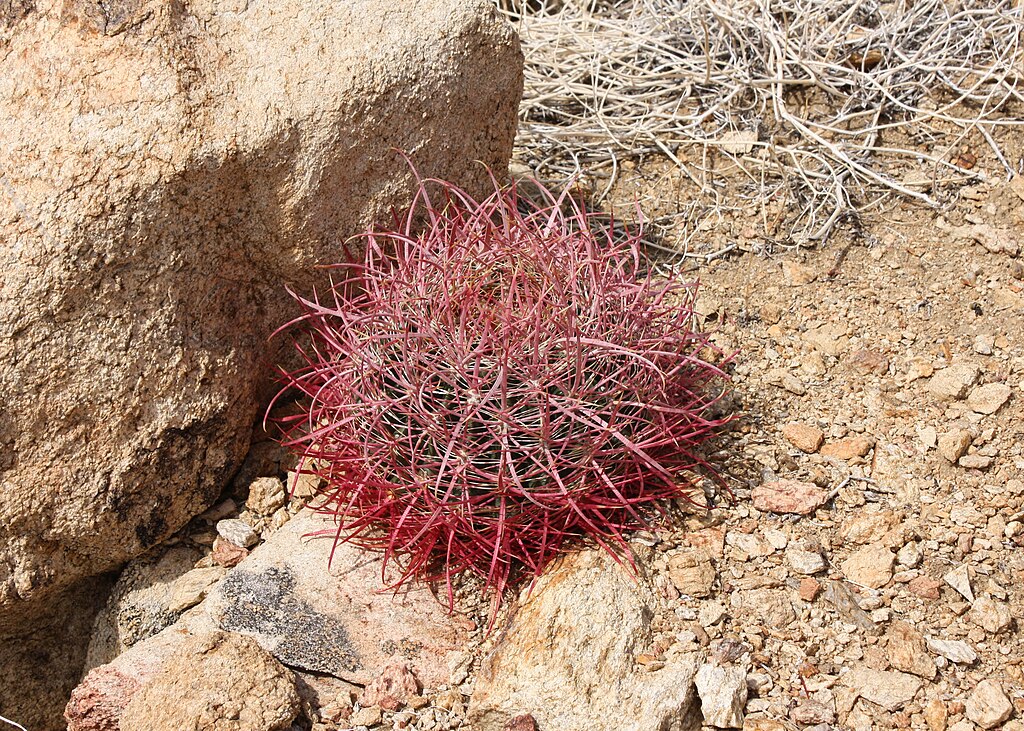
Shaped like a spiny, rounded drum, the barrel cactus leans slightly toward the southwest, earning its nickname “compass cactus.” In summer, it produces vivid flowers in shades of orange or yellow, adding color to rocky terrain. Although survival myths suggest it contains drinkable water, its pulp is actually acidic and unsafe. Still, the barrel cactus is fascinating to observe and remains one of the desert’s most photogenic plants.
6. Cholla Cactus
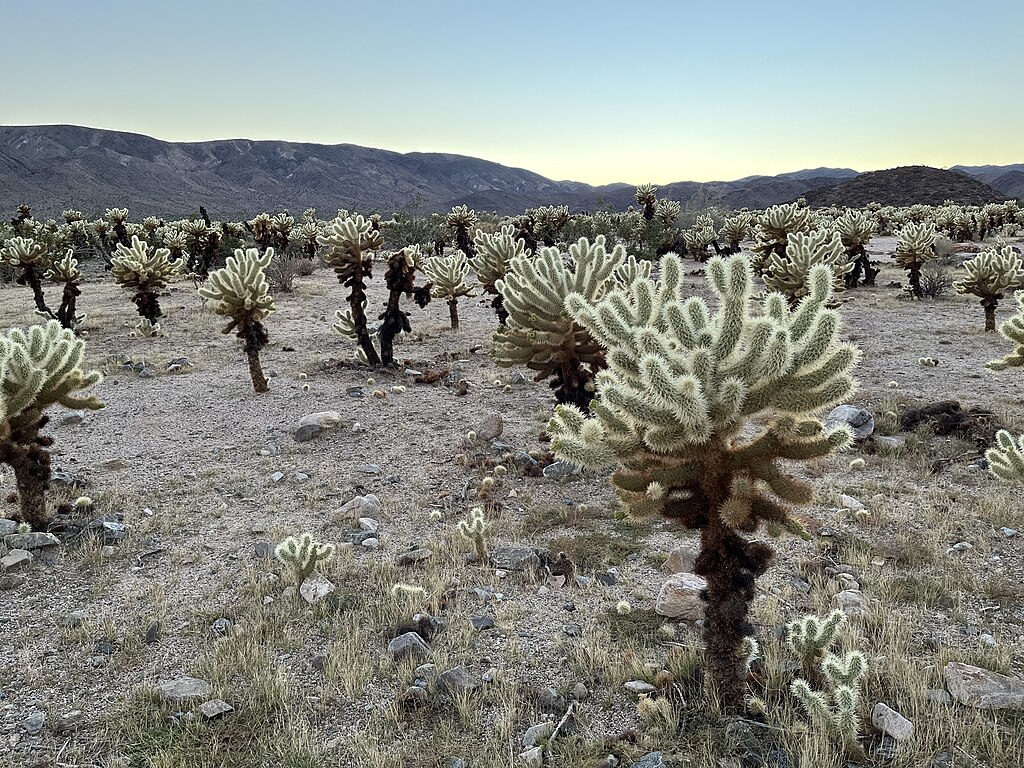
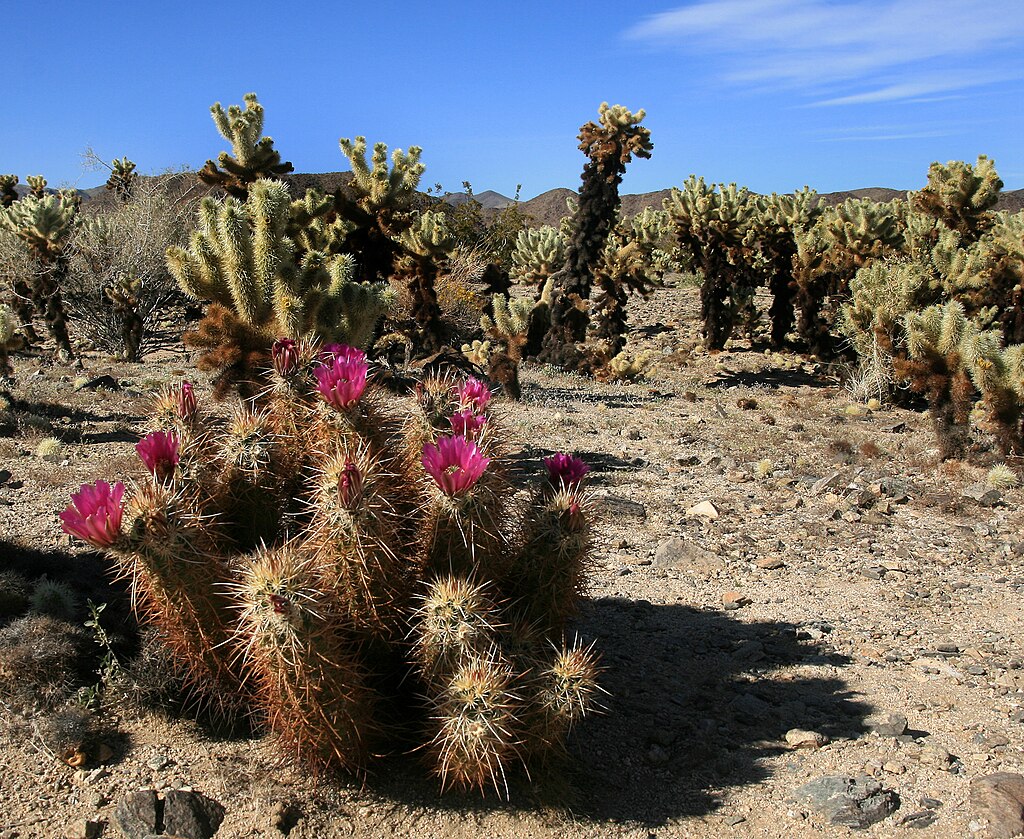
The cholla cactus, with its segmented stems and barbed spines, is notorious for clinging to anything that brushes against it. Often called the “jumping cholla,” its spines detach so easily that they appear to leap onto hikers or animals. Despite its reputation, the cholla produces beautiful blossoms and edible fruits. Vast cholla gardens can look both intimidating and mesmerizing, turning desert hikes into unforgettable experiences.
7. Yucca
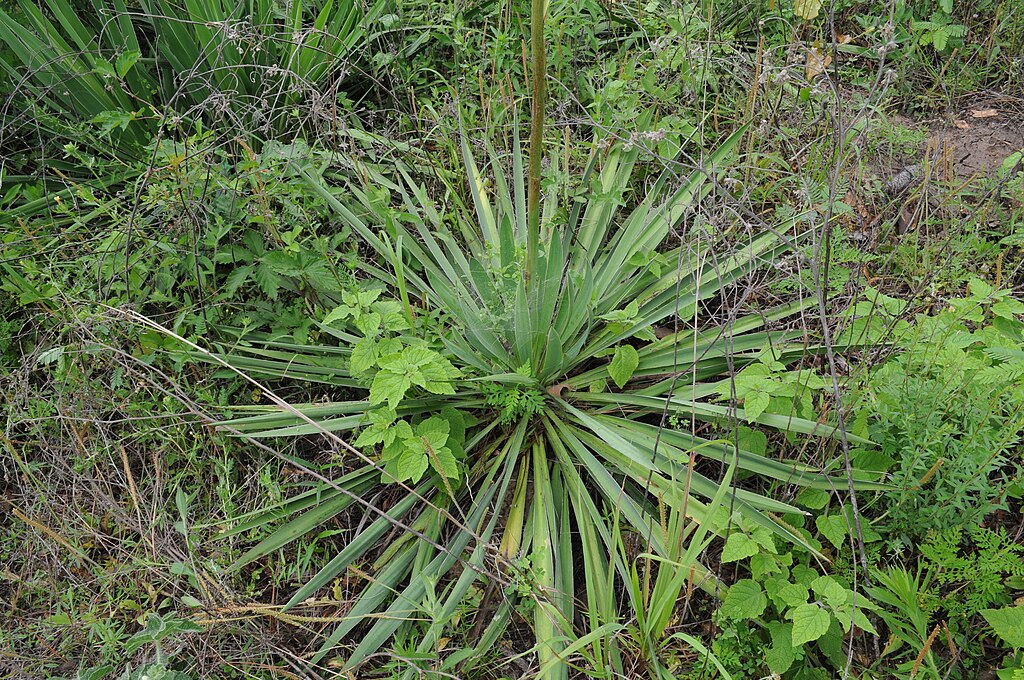
Sharp, sword-like leaves and tall stalks define the yucca, a plant deeply rooted in Southwestern culture. Its large clusters of white flowers bloom dramatically, often lighting up desert nights. Traditionally, Indigenous peoples used yucca for food, soap, and fiber, making it an essential survival resource. For hikers today, yucca plants are striking landmarks, often growing in clusters on rocky slopes or sandy flats across the desert.
8. Agave
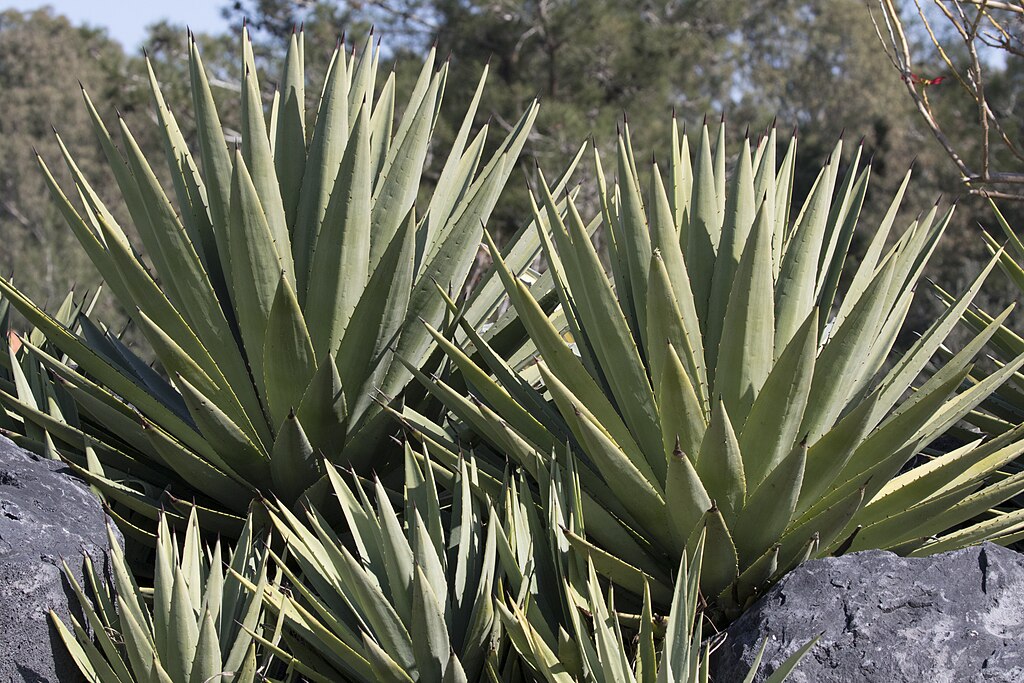
Agaves grow in dramatic rosettes, their thick leaves armed with sharp tips. Some species live for decades before producing a towering flower stalk, after which the plant dies. Known historically for their role in food, fiber, and drink, agaves remain culturally significant today as the source of tequila. Their symmetry and sheer size make them unforgettable sights on desert hikes, symbolizing patience and endurance in arid environments.
9. Desert Marigold
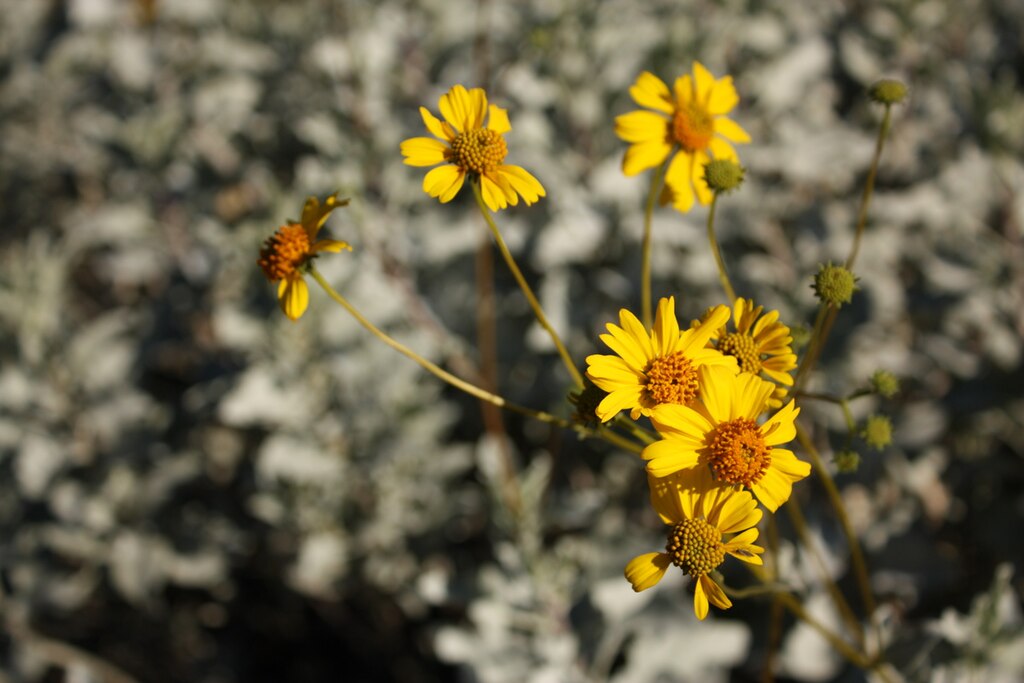
Cheerful and bright, the desert marigold brings golden hues to otherwise muted desert landscapes. Blooming from spring through fall, its daisy-like flowers attract pollinators such as bees and butterflies. These resilient plants thrive in sandy and rocky soils, proving how wildflowers adapt to harsh conditions. For hikers, stumbling upon patches of desert marigold offers a refreshing reminder of color and vitality amidst rugged terrain.
10. Mesquite Tree
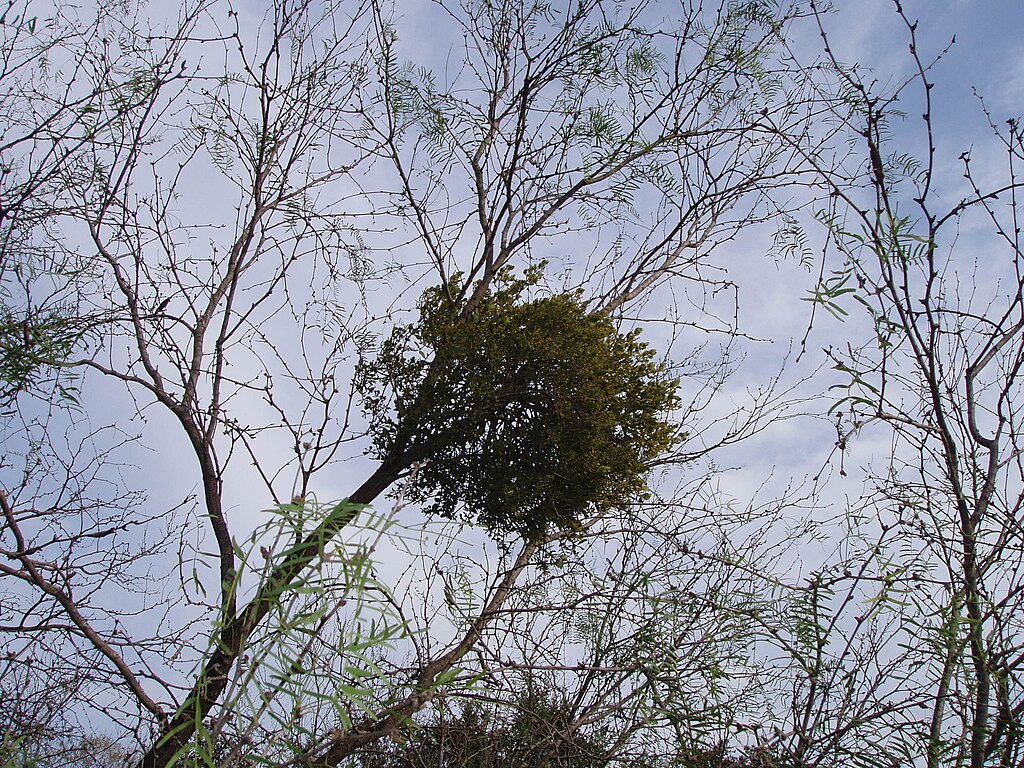
Though often gnarled and twisted, mesquite trees are vital to desert ecosystems. Their deep roots tap into groundwater, allowing them to survive where few trees can. Mesquite pods provide sweet, edible seeds once ground into flour, while the wood is prized for cooking. Their shade offers relief to hikers and animals alike, making them one of the desert’s most valuable and generous plants.
11. Palo Verde
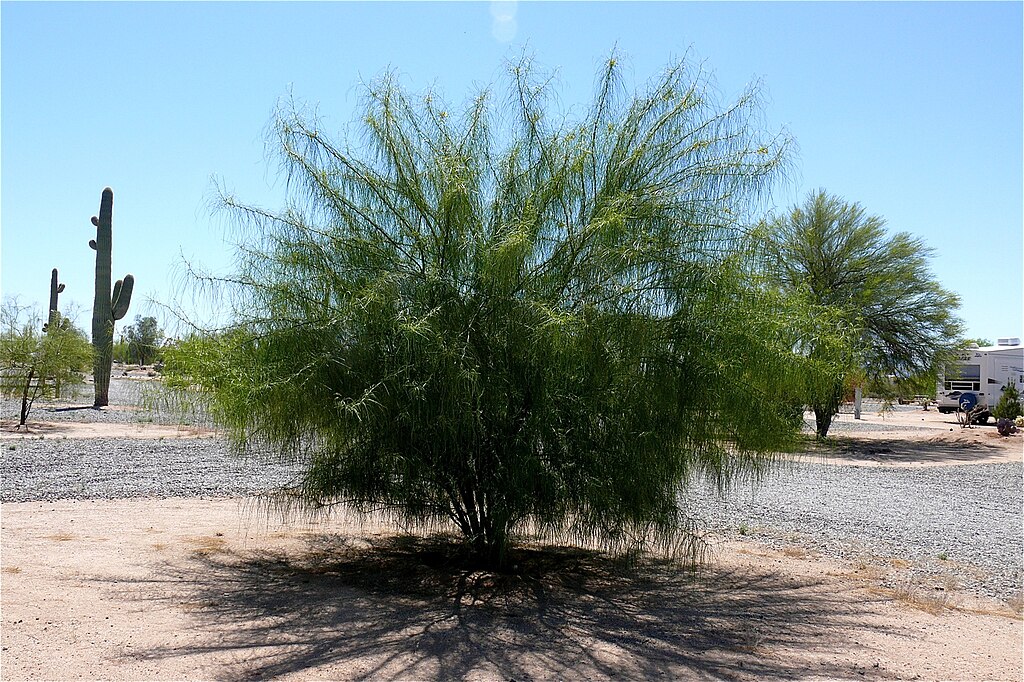
Known as the “green stick” tree, the palo verde performs photosynthesis not only in its leaves but also through its green bark. In spring, it erupts with countless yellow blossoms that blanket the desert floor in gold. Beyond its beauty, palo verde provides shade and habitat for wildlife, making it an essential desert tree. For hikers, its golden bloom is one of the most dazzling seasonal displays.
12. Brittlebush
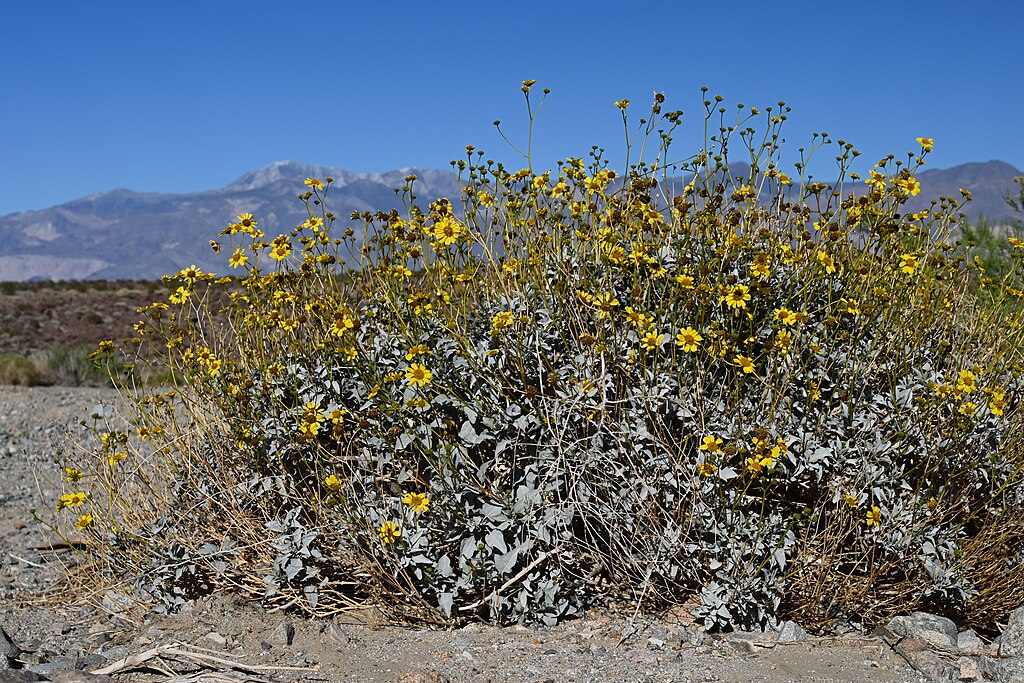
The brittlebush is a small shrub with silvery gray leaves that shimmer under the desert sun. In spring, it produces clusters of yellow flowers, offering bursts of color to rocky slopes and washes. Historically, its resin was used as incense and medicine. Today, it remains a familiar sight for hikers, standing resilient and colorful despite the intense heat and drought that define its environment.
13. Desert Willow
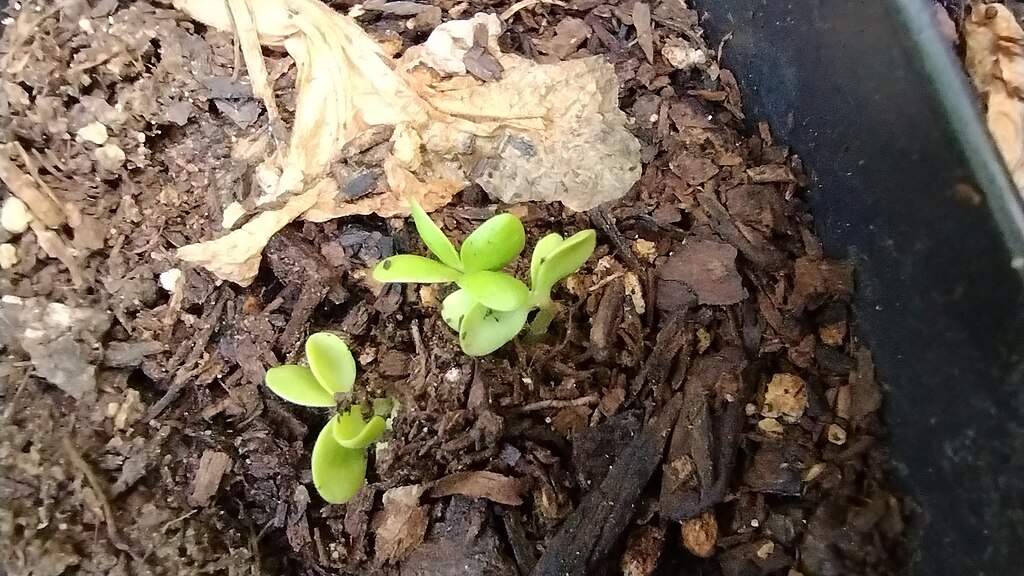
Graceful and colorful, the desert willow is a small tree with long, narrow leaves and showy trumpet-shaped flowers in shades of pink, lavender, or white. Its blooms attract hummingbirds, bees, and butterflies, creating lively oases in dry landscapes. Despite its delicate appearance, the desert willow is hardy and drought-tolerant, thriving along washes and arroyos. For hikers, its beauty provides a welcome contrast to spiny desert plants.
14. Mormon Tea
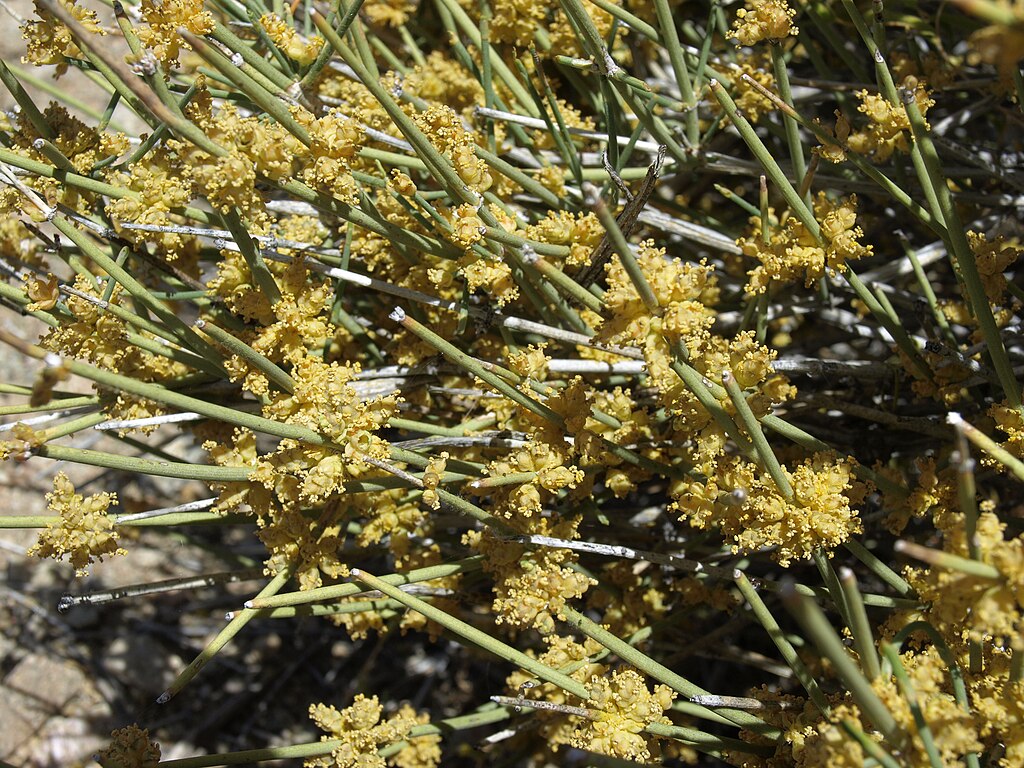
Mormon tea, or ephedra, grows in clusters of thin, jointed green stems. Though it appears twig-like, it has been used for centuries by Indigenous peoples to brew medicinal teas. Adapted to dry, rocky soils, it often goes unnoticed until one stops to examine its unusual form. This modest plant reminds hikers that survival in the desert often comes from subtle, overlooked adaptations rather than dramatic displays.
15. Joshua Tree
One of the most iconic desert plants, the Joshua tree grows in surreal, twisting forms across the Mojave Desert. A member of the yucca family, it can live for centuries, providing habitat for birds, mammals, and insects. Its unique silhouette has made it a symbol of desert wilderness and resilience. Hiking among Joshua tree forests feels like stepping into an alien landscape, both haunting and inspiring.