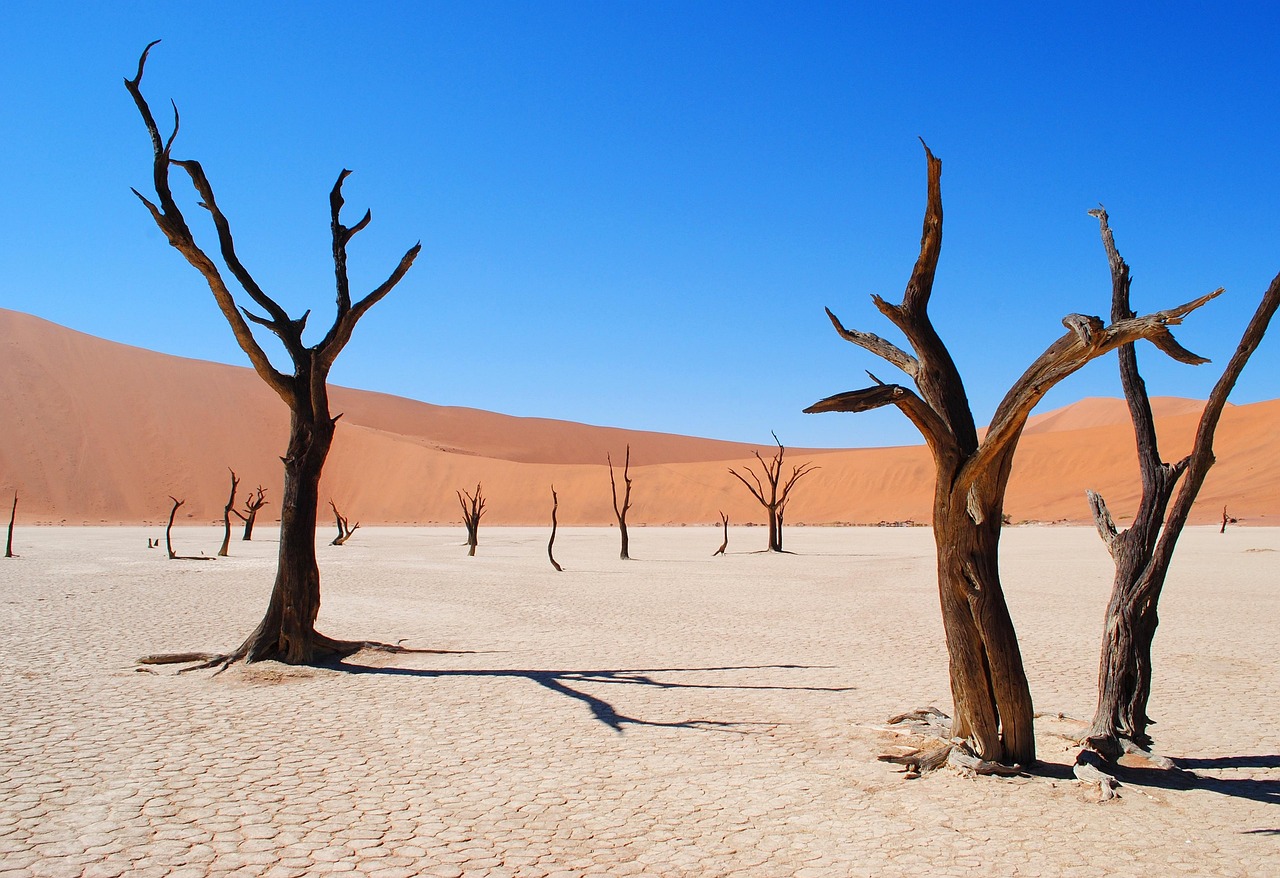
When most people think about desert survival, they imagine endless sand dunes, blistering heat, and desperate measures straight out of a Hollywood movie. Unfortunately, many of the “tips” people believe are based on myths that can actually make things worse. In reality, surviving in the desert requires smart planning, careful water management, and an understanding of the unique environment. Knowing the difference between fact and fiction is critical. Here are 14 common desert survival myths you should never fall for.
1. Drinking Cactus Water Keeps You Alive
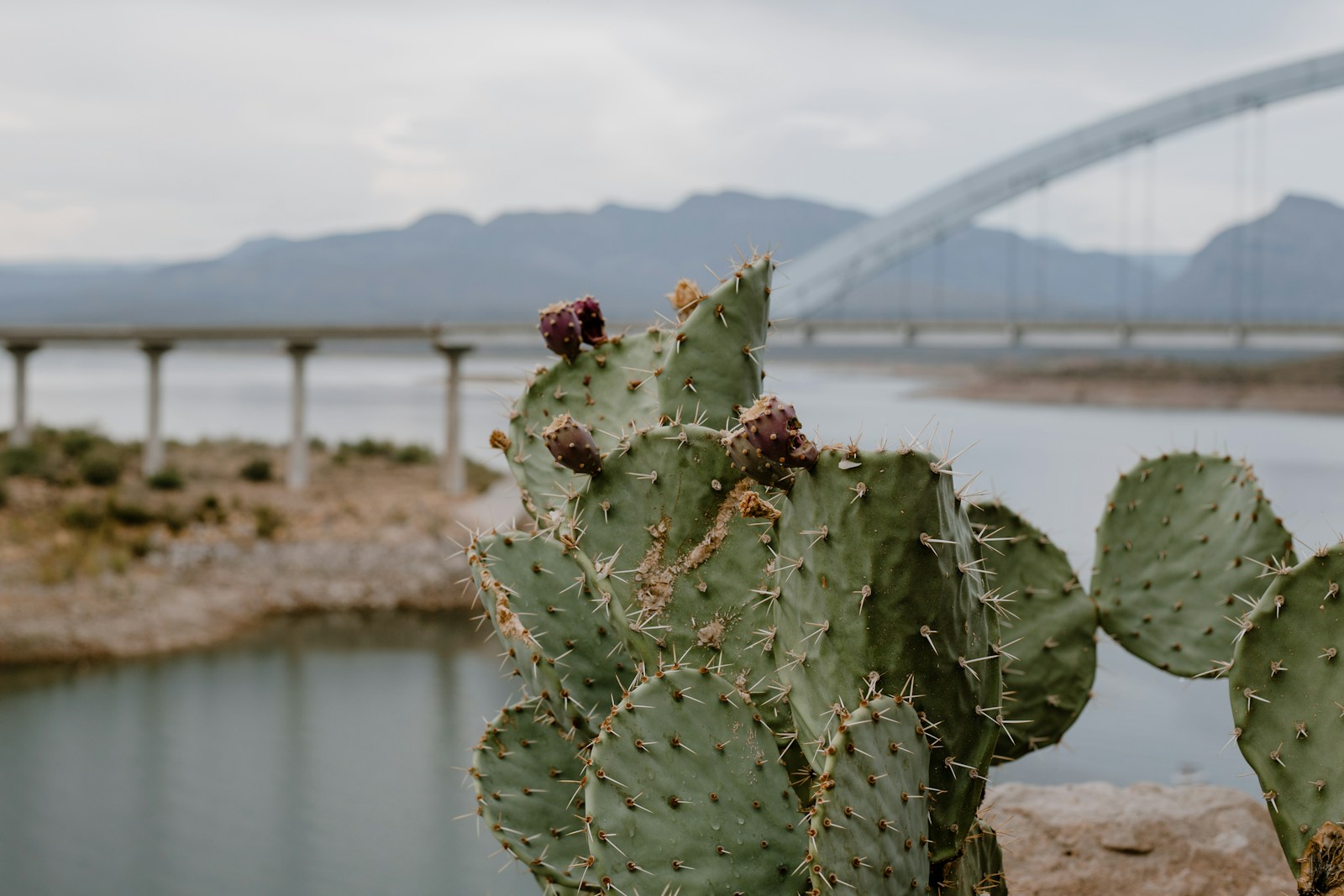
The idea that you can chop into any cactus and drink its liquid is misleading. Many cacti contain alkaloids and chemicals that cause stomach cramps, vomiting, or even poisoning. Only certain species, like prickly pear fruit, are safe in moderation. The thick pulp inside most cacti isn’t clean water; it’s more like bitter fluid. Depending on the cactus water is far riskier than conserving what you already carry and seeking real hydration sources.
2. Rationing Water in Tiny Sips Is Best
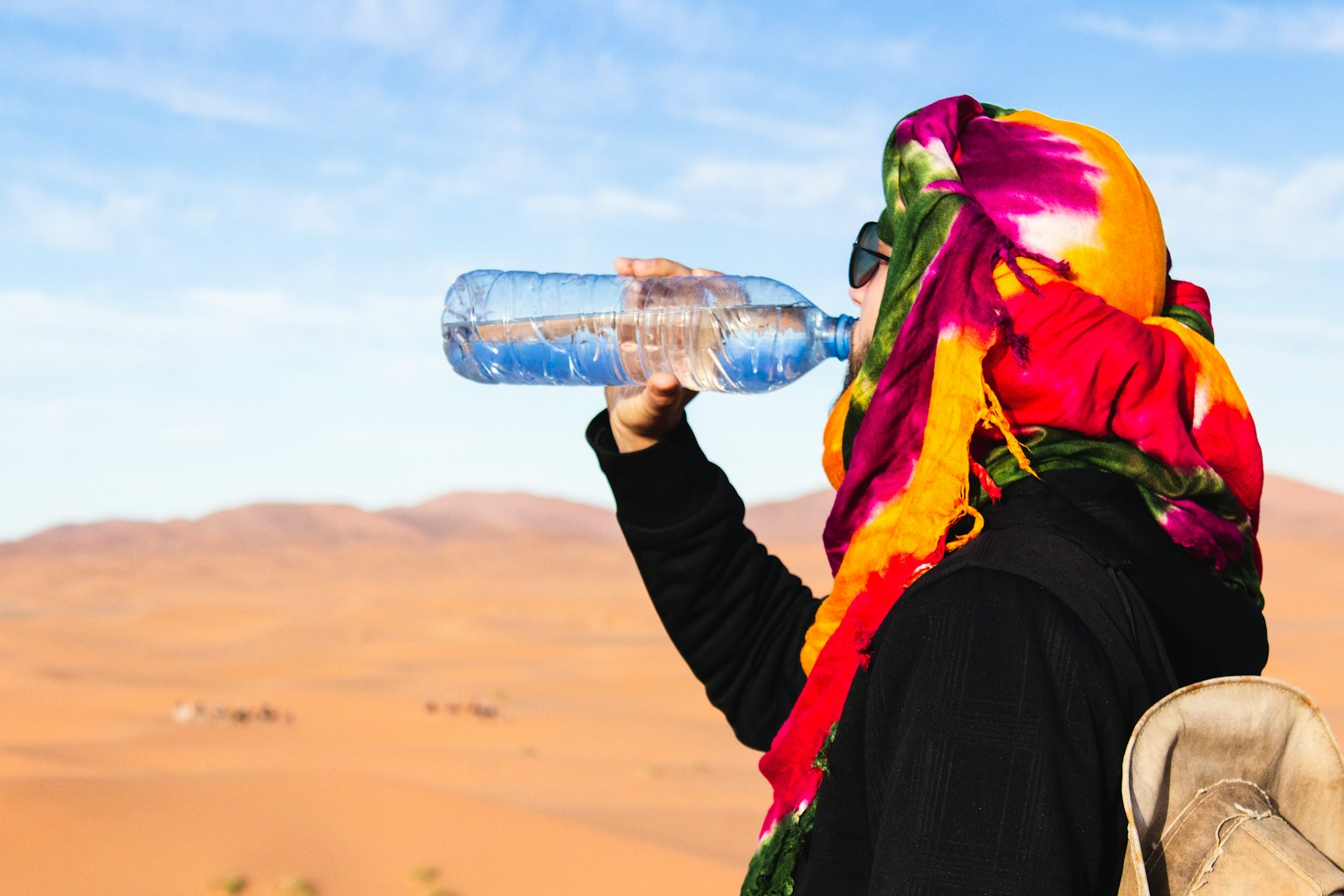
It may feel logical to sip slowly, but drinking too little makes dehydration worse. Your body needs enough water to regulate temperature, think clearly, and move effectively. Taking in just drops of water may leave you weak and confused. Instead, drink enough to stay functional, then carefully pace your supply. Combining smart hydration with rest in shade helps stretch water much longer than extreme rationing.
3. Walking During the Day Saves Time
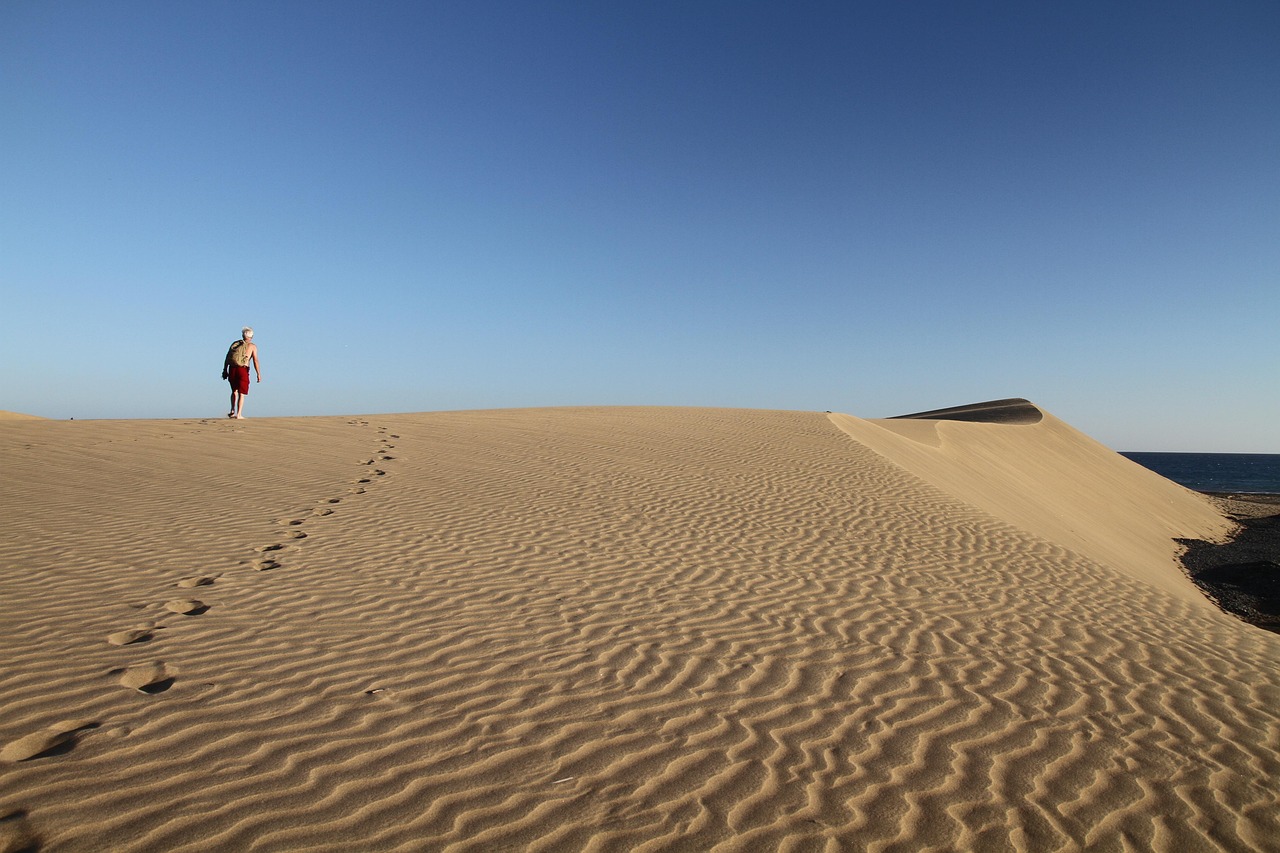
The blazing sun makes daytime travel dangerous. Moving in peak heat causes heavy sweating, exhaustion, and heatstroke, which drains precious water from your body. The best approach is to stay sheltered during midday and travel at dawn, dusk, or even at night. Cooler hours mean less sweat, slower dehydration, and a safer pace. Sacrificing speed for smart timing gives you a better chance to endure.
4. Eating Helps You Survive Longer
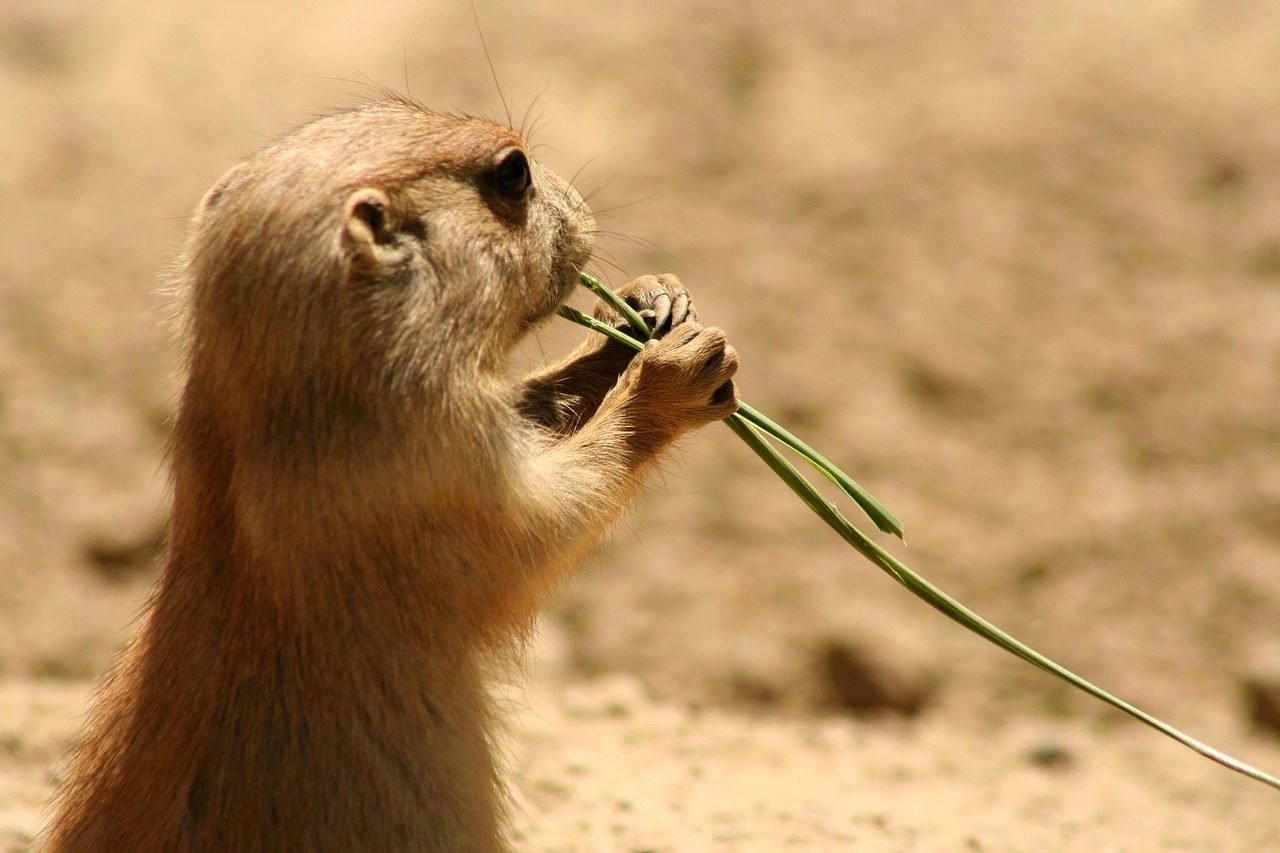
Many people assume food gives strength, but in a desert emergency, water is the top priority. Digesting food consumes energy and requires fluids, which speeds up dehydration when supplies are scarce. It’s often safer to go without food for a short time than to eat without enough water. Energy reserves in the body last longer than hydration, so skipping meals may actually preserve strength.
5. You Can Suck Moisture from Rocks or Soil
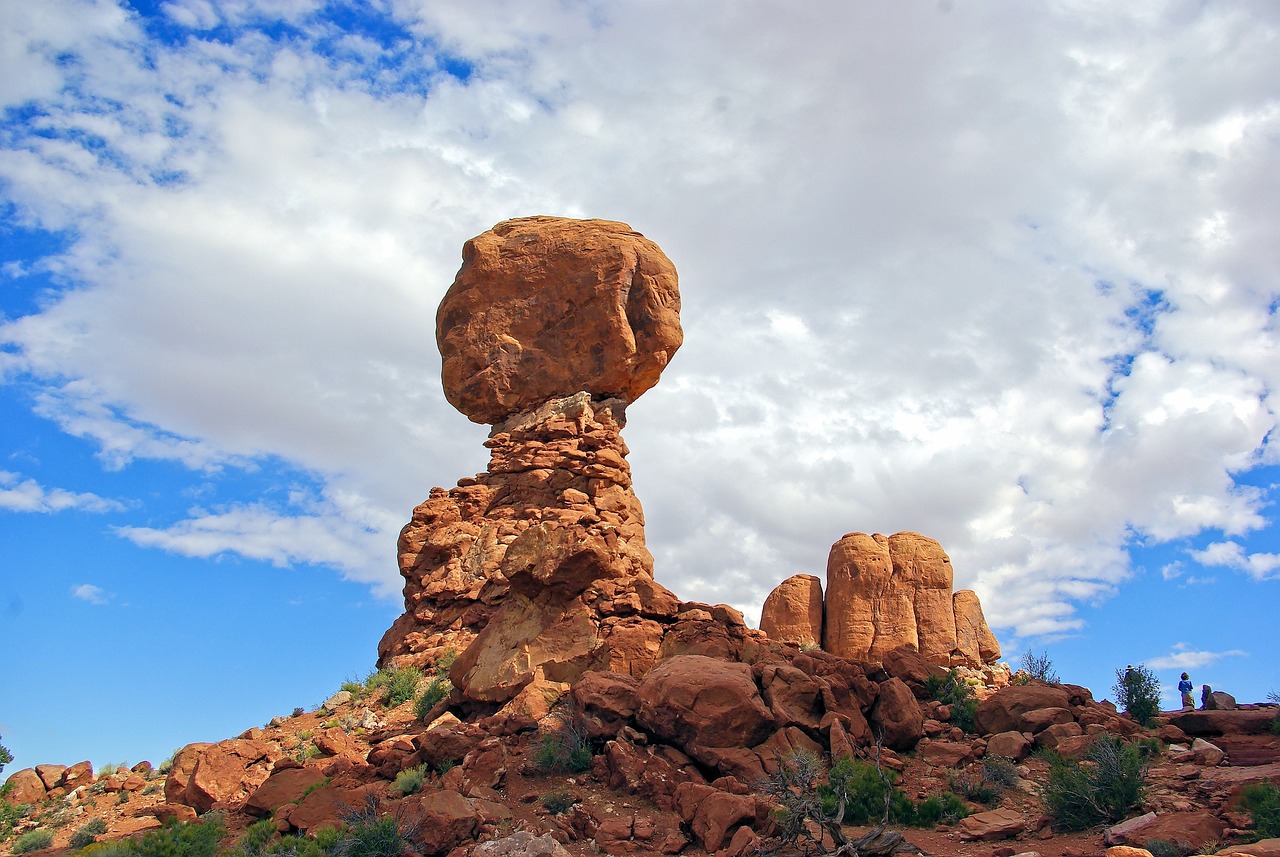
Popular survival stories suggest sucking water from the ground, but this is unrealistic. The desert floor holds little to no moisture, and any dampness could carry harmful bacteria or chemicals. The effort of digging and licking soil wastes energy while providing almost nothing in return. Instead of chasing false hopes, look for dry streambeds, shaded rock crevices, or manmade items that might hold usable water.
6. Snakes Are the Biggest Danger
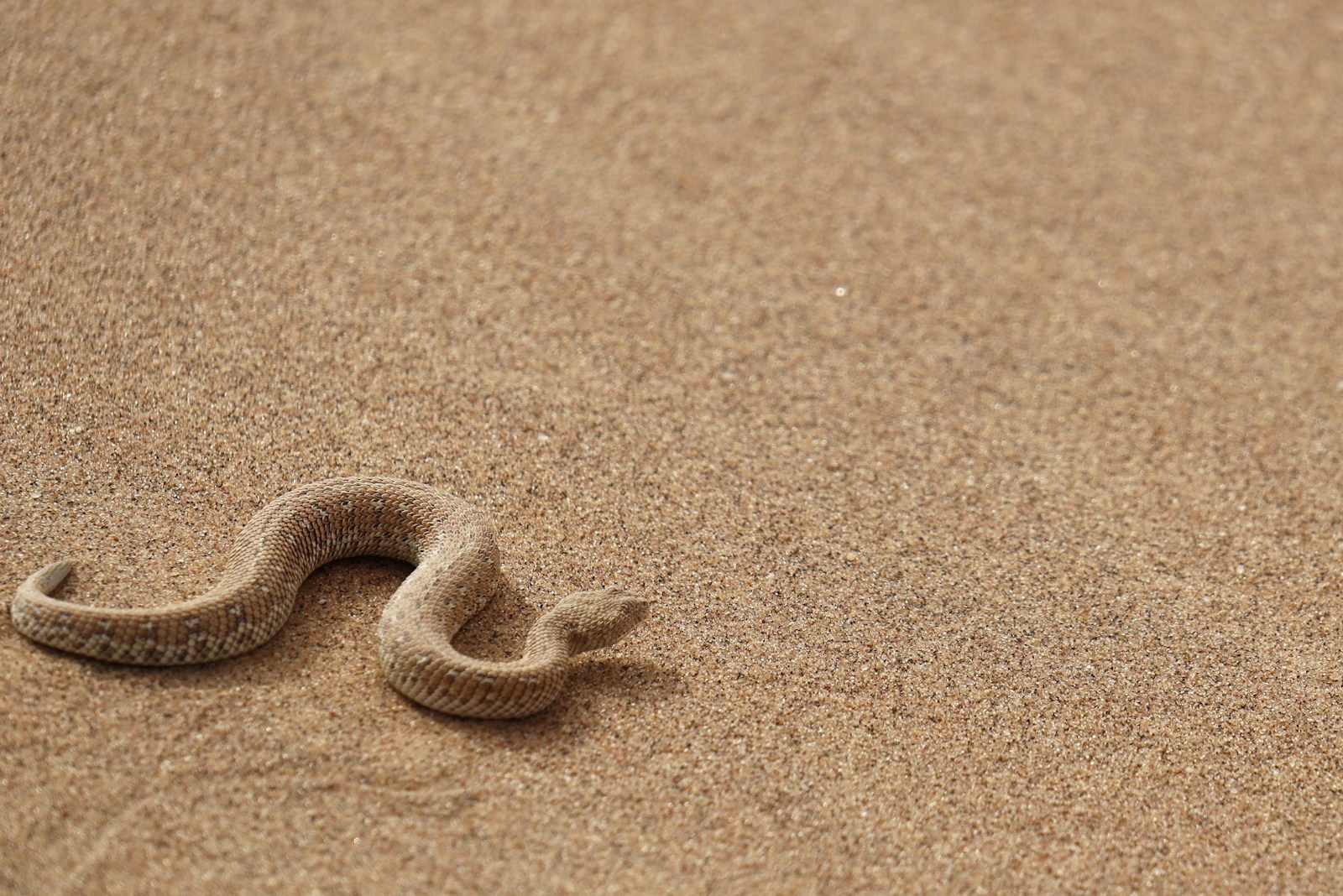
Although rattlesnakes and other venomous species live in deserts, they aren’t the top threat. Snakebites are rare compared to dehydration or heatstroke. Most snakes avoid humans and strike only when provoked. Paying attention to where you step or place your hands reduces the risk even more. Heat, lack of water, and poor decisions are far more dangerous than fearing every snake you see.
7. Drinking Urine Is a Safe Backup
Movies often show stranded characters drinking their urine, but it’s unsafe. Urine contains waste, salts, and toxins that strain the kidneys and worsen dehydration. Instead of helping, it forces your body to work harder and lose more fluids. Experts strongly advise against it. Conserving water, staying cool, and minimizing sweat are far smarter strategies than drinking what your body is already discarding.
8. Navigating by the Sun Works Fine
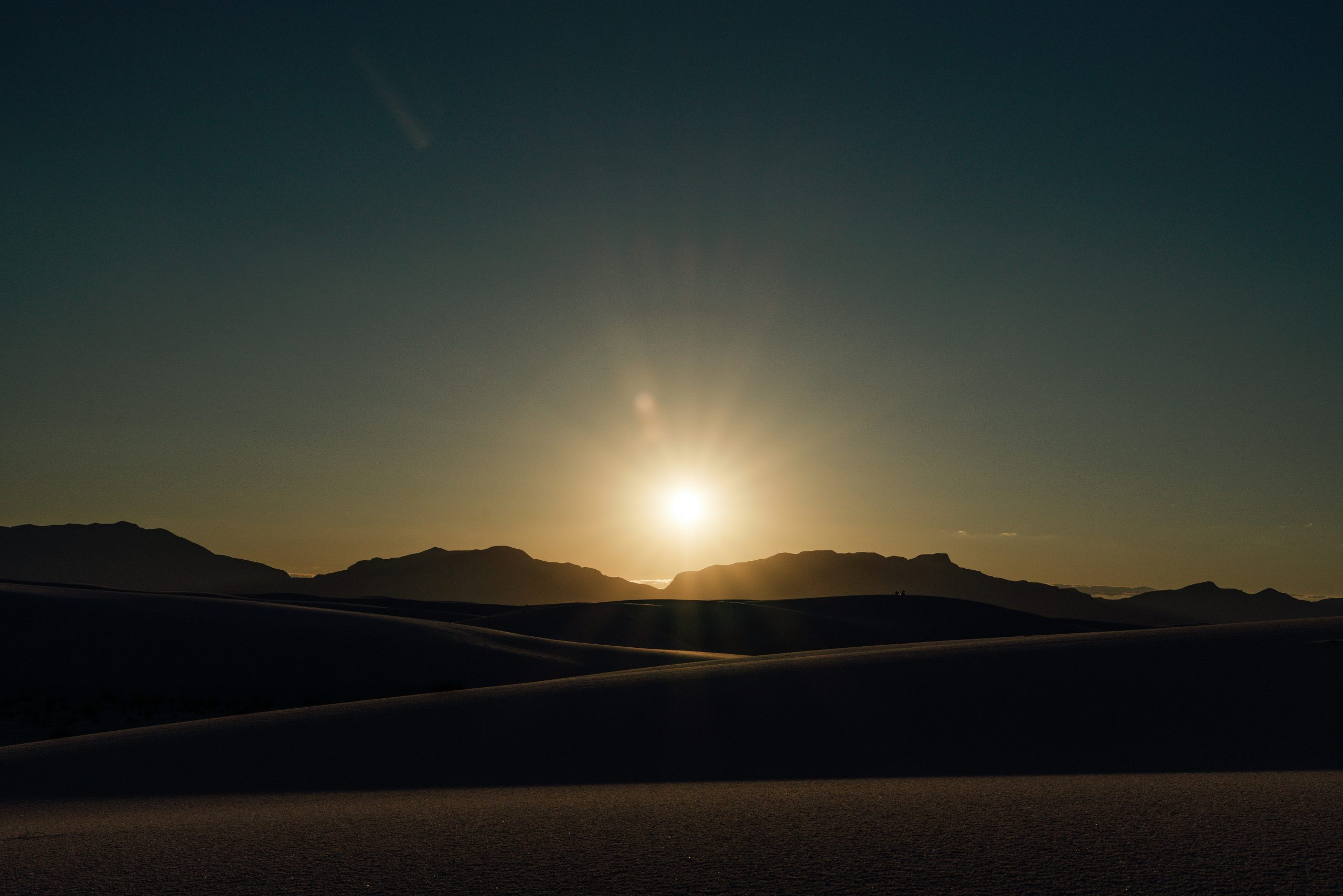
The desert sun rises in the east and sets in the west, but using it alone is misleading. With no landmarks, dunes and flat plains create illusions, making it easy to walk in circles. Without a compass or GPS, depending on the sun drains energy without guaranteeing progress. In many cases, staying put and signaling for rescue is safer than wandering aimlessly under harsh sunlight.
9. Wearing Less Clothing Keeps You Cooler

It may seem logical to strip down in the heat, but exposed skin loses water faster and risks severe sunburn. Loose, light colored clothing actually protects the body, trapping cooler air and slowing dehydration. Covering the head and neck is essential since they’re vulnerable to direct sunlight. In deserts, clothing isn’t about comfort; it’s a survival tool that shields you from the environment’s worst effects.
10. All Deserts Are Always Hot
People often picture deserts as eternally scorching, but temperatures can drop dramatically. Many deserts, like the Gobi or Great Basin, freeze at night. Believing deserts are only hot leaves, travelers are unprepared for cold stress, hypothermia, or sleepless nights. Packing layers or insulating materials is as important as sun protection. Desert survival means preparing for both extremes, not just daytime heat.
11. Digging Deep Guarantees Finding Water
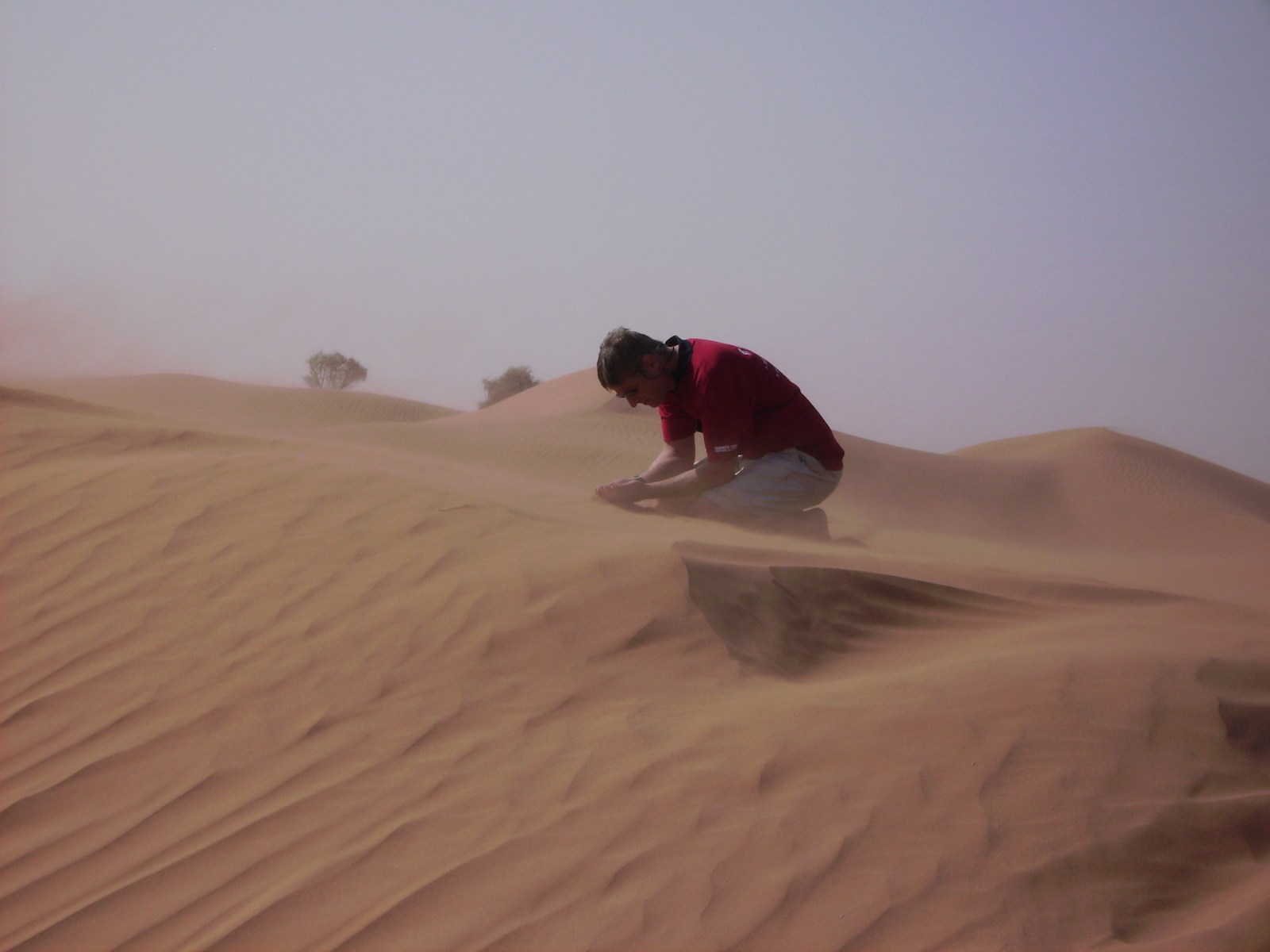
Some believe digging anywhere in the desert leads to hidden water. In truth, unless you’re in a dry riverbed or near vegetation, it’s mostly wasted effort. Digging consumes huge amounts of energy and moisture, making dehydration worse. While certain features increase your chances, randomly digging holes rarely works. Observing the environment carefully is smarter than blindly exhausting yourself with false hope.
12. Saltwater Can Hydrate You in a Pinch
If you’re near the ocean, drinking saltwater may feel like a last resort, but it’s deadly. Saltwater forces your kidneys to use more water to flush out excess salt, worsening dehydration quickly. Even small amounts can make you sicker. Unless you can distill it with solar stills or improvised tools, it’s not drinkable. Saltwater is never a safe survival option, no matter the situation.
13. Camels Are Easy to Ride Across Deserts
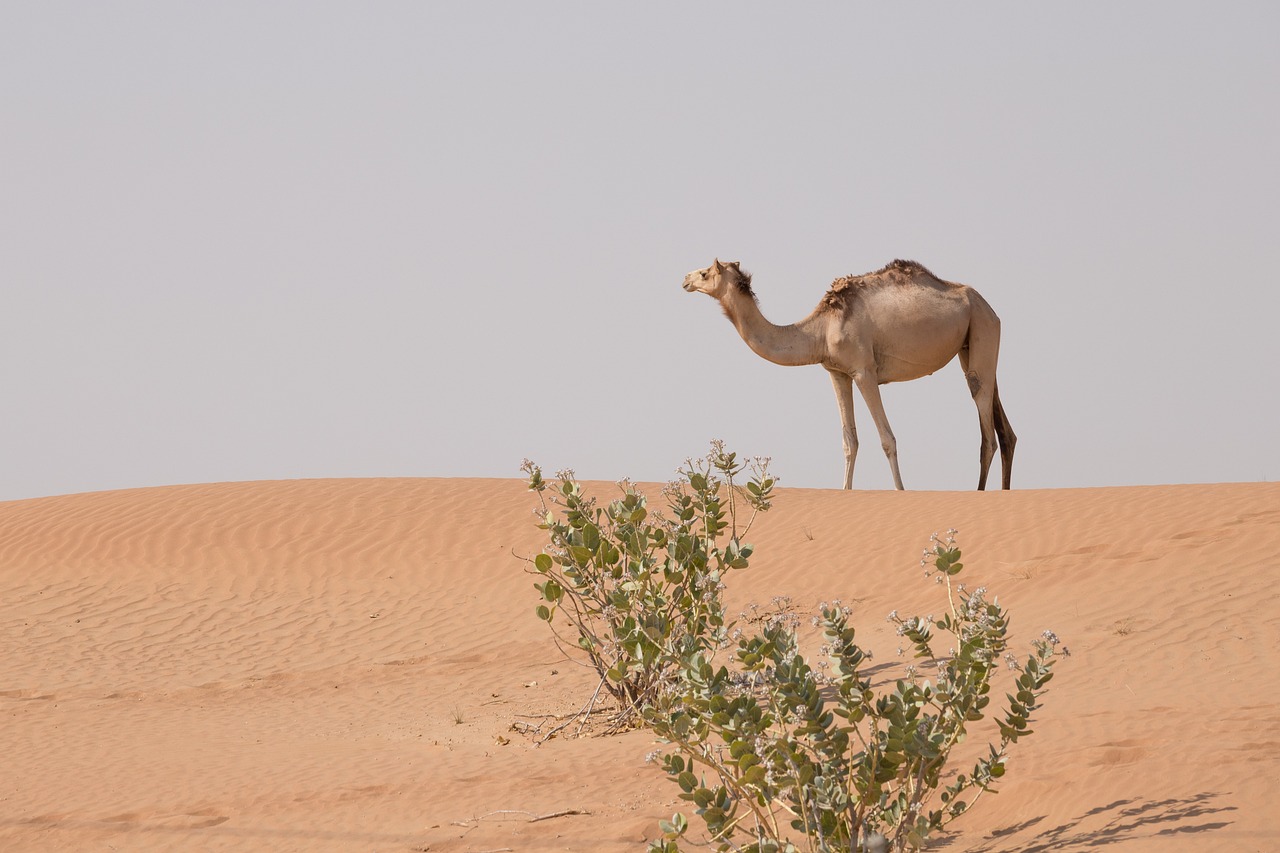
The image of hopping on a camel and riding across the dunes is romantic but unrealistic. Camels require training, supplies, and skilled handling. They’re not wild taxis waiting for stranded travelers. Even locals use them with proper equipment and knowledge. Depending on finding or riding a camel in survival scenarios is a fantasy. Focus on hydration, shade, and signaling instead of relying on unlikely animal rescue.
14. Staying Put Always Guarantees Rescue
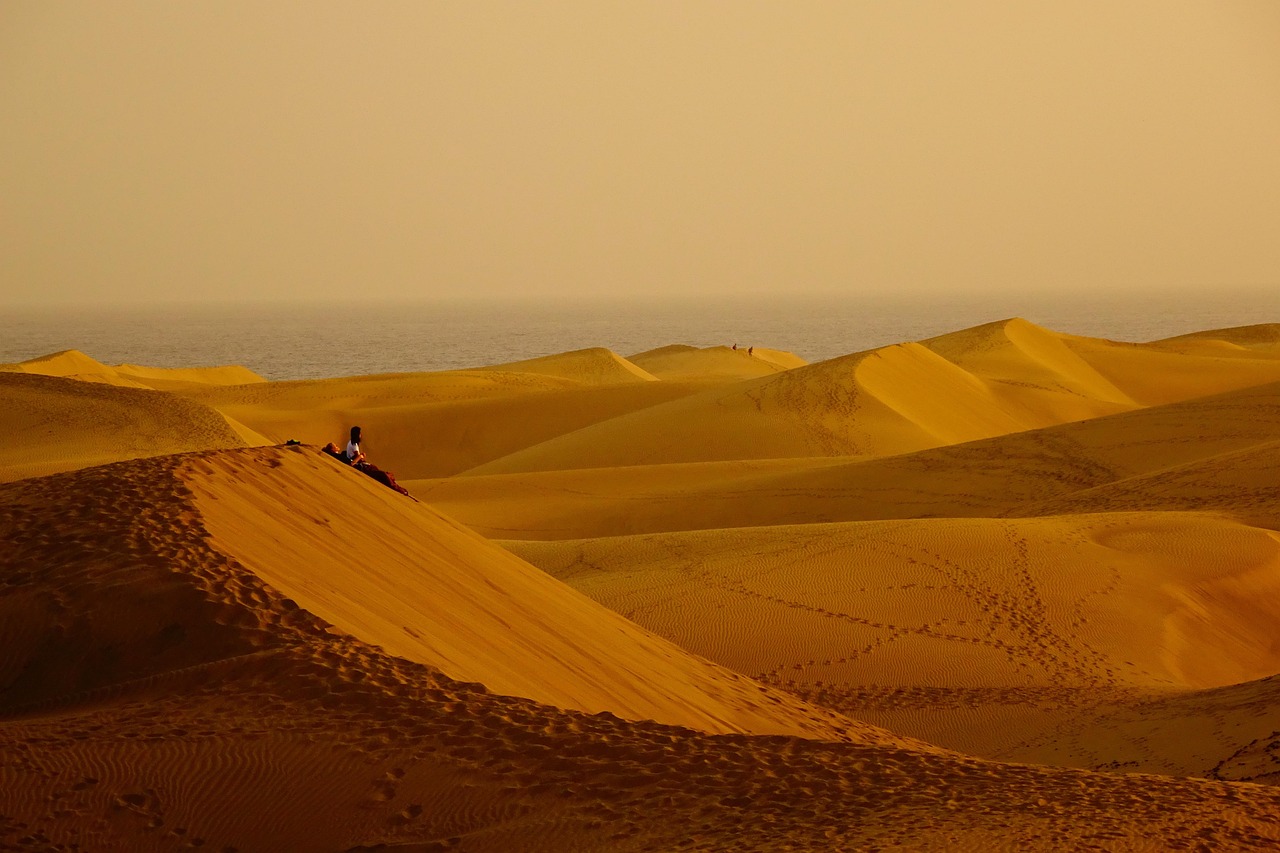
Advice often says to “stay where you are,” but it’s not always the right call. If you’re near a road, a building, or clear signs of water, moving strategically may increase your chances. Staying put makes sense when rescue is likely, but blind obedience to the rule can be harmful. Weighing your surroundings and making careful decisions is the smarter survival approach.