Some of the most familiar freshwater fish are far tougher than they look. Beneath calm lakes and rivers, many species have evolved surprising defense techniques to escape predators and even outsmart anglers. From sudden bursts of power to razor-sharp spines and bizarre behavior, these fish prove that a catch is never guaranteed. Below are 14 common species that turn every fight into a lesson in nature’s unexpected survival instincts.
1. Largemouth Bass
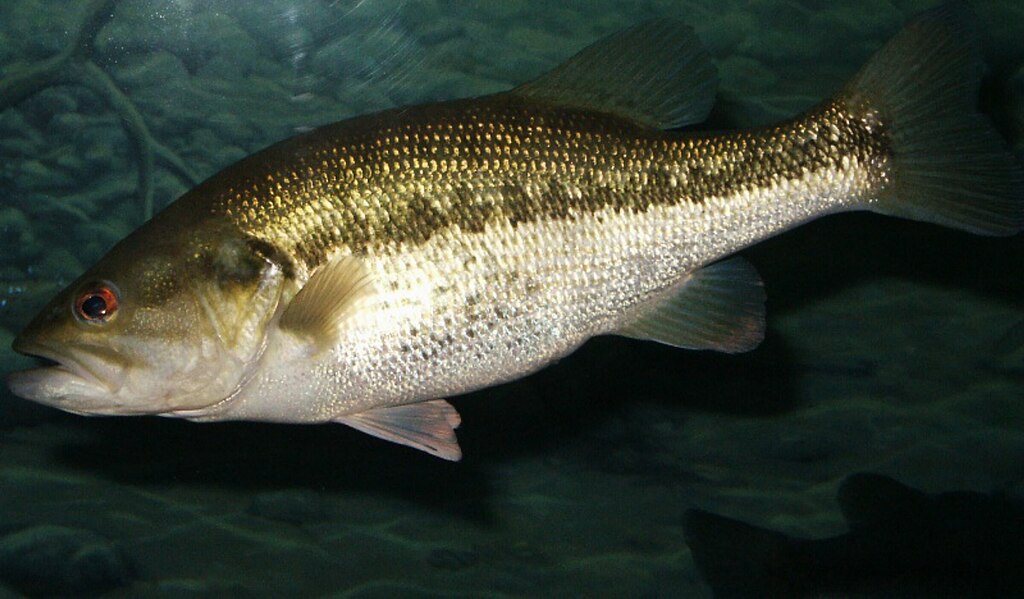
The largemouth bass may look like a straightforward catch, but it’s a master of last-second escapes. Right when an angler thinks victory is certain, bass dive deep into weed beds, wrap around submerged logs, or explode into fast head-shaking jumps at the surface. Their wide mouth allows them to inhale bait suddenly, but they spit hooks just as fast with violent thrashing. Combined with their unpredictable sprinting bursts, largemouth bass keep anglers alert and constantly adjusting strategy.
2. Northern Pike
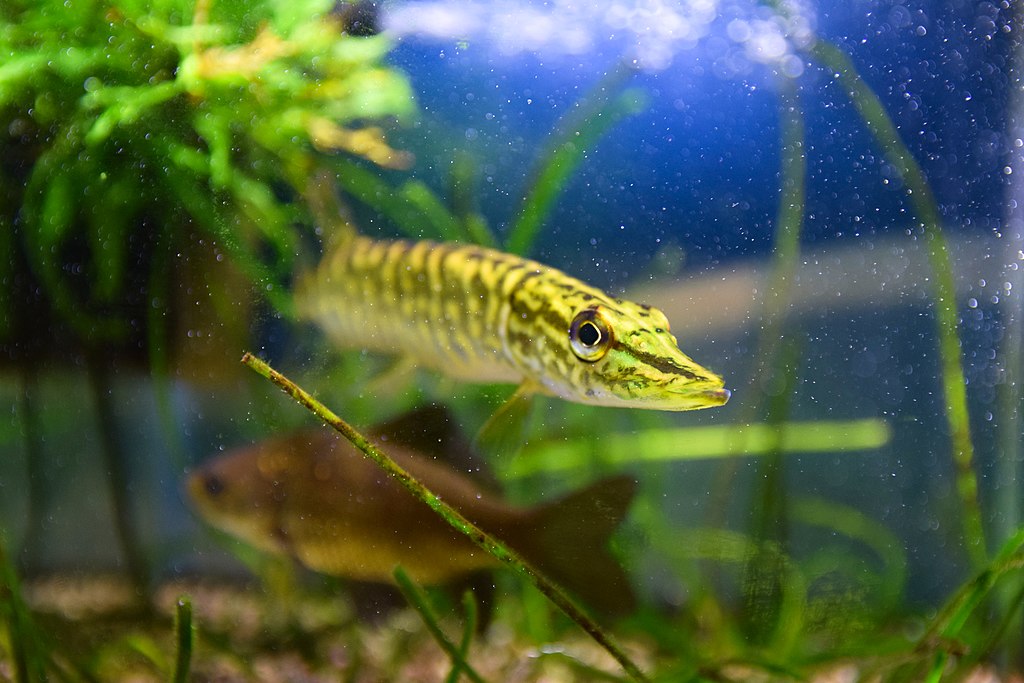
Armed with rows of needle-sharp teeth, northern pikes don’t go down quietly. They often strike so aggressively that the tackle can snap if the angler isn’t ready. Once hooked, they twist wildly while using sudden torpedo-like bursts that rip line across the water. Their ability to hide motionless in vegetation allows ambush tactics that catch both prey and anglers off guard. Tough skin and a powerful body let them battle all the way to the net.
3. Bluegill
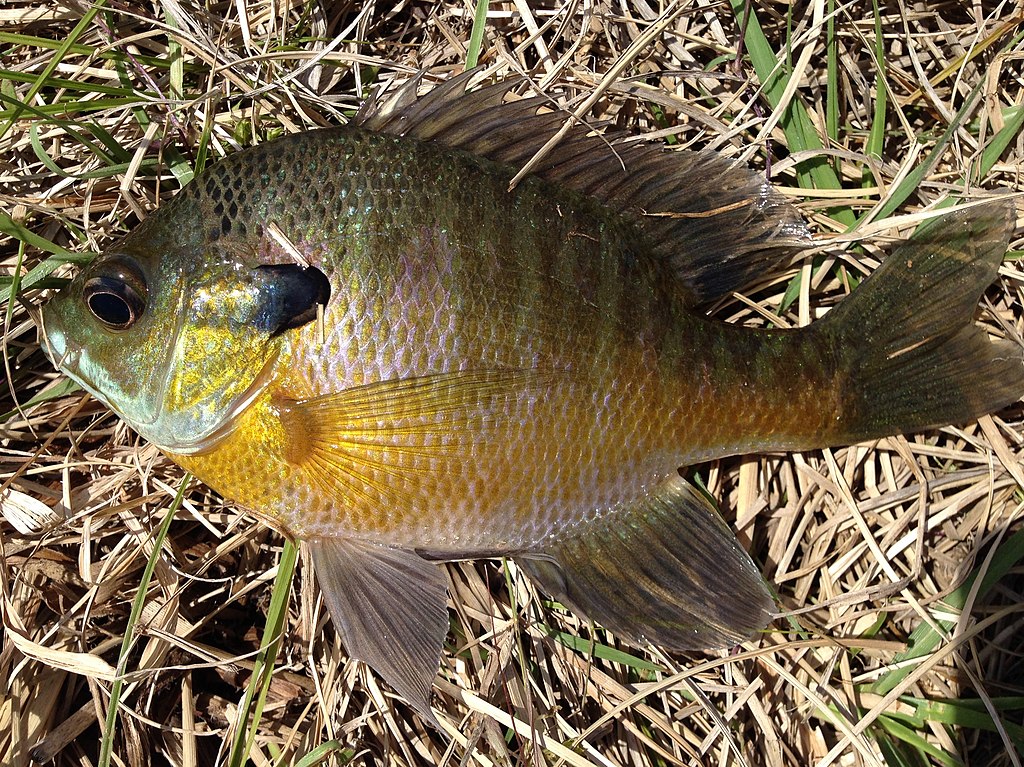
Bluegills may be small, but they defend themselves with stubborn determination. When hooked, they flare their sharp dorsal spines to avoid being swallowed by predators, and that also makes them tricky to remove from the line safely. They zigzag in frantic patterns and use quick circular runs to tangle the line around weeds. Their tight schooling behavior can confuse anglers into thinking one nibble means an easy catch, but they are surprisingly good at stealing bait and escaping the hook at the last moment.
4. Channel Catfish
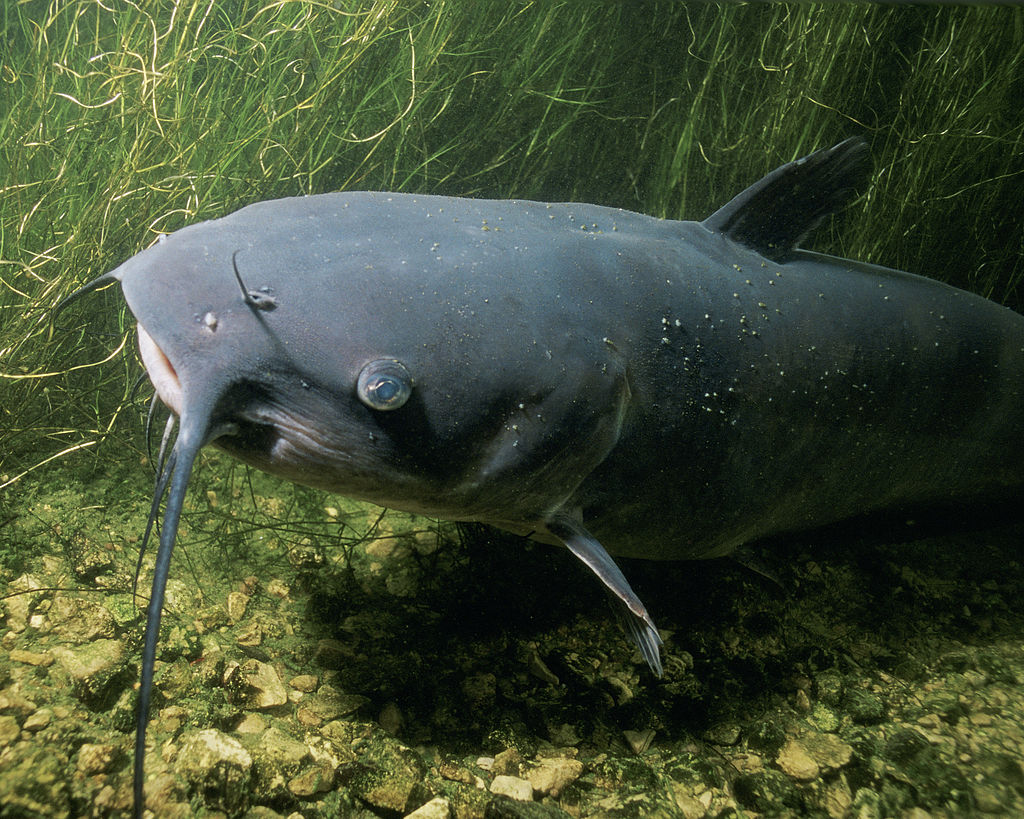
Channel catfish fight with sheer power from the moment they’re hooked. Using strong pectoral spines and a muscular body, they pull stubbornly toward the river bottom, creating a tug of war that can tire inexperienced anglers. Their whisker-like barbels help them navigate murky water, giving them an advantage in low-visibility battles. Many catfish also roll violently during retrieval, twisting leaders and testing knots until the very end of the fight.
5. Smallmouth Bass
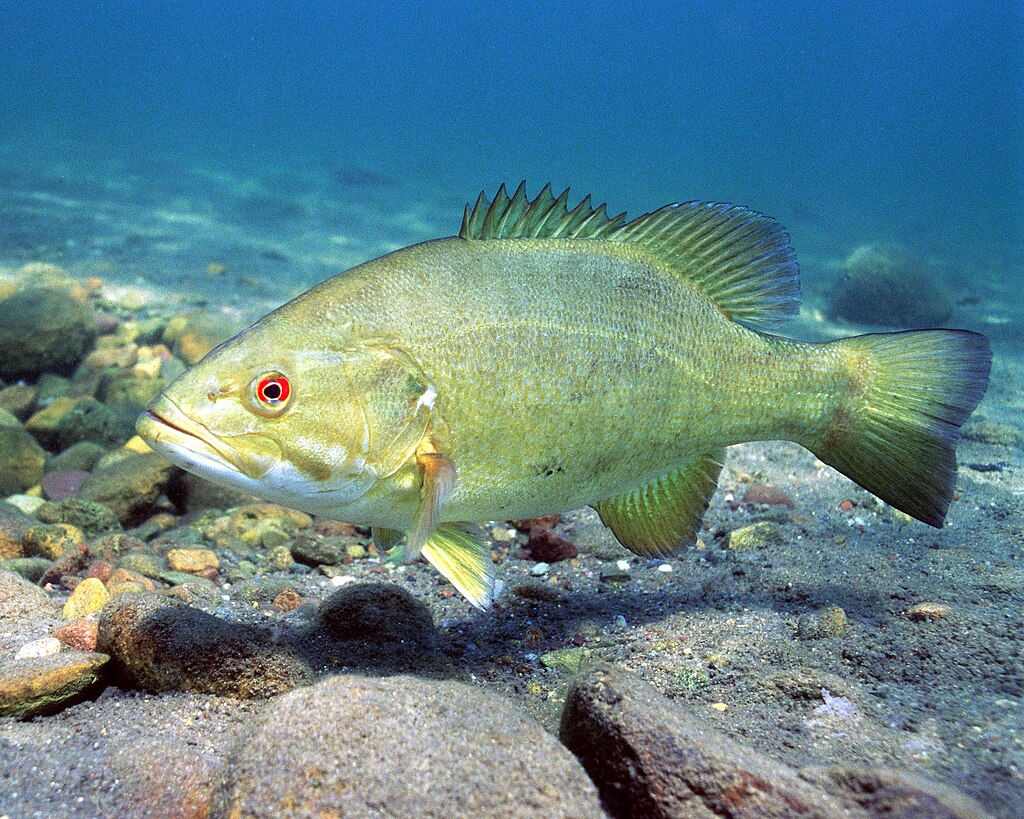
Known for explosive strength, smallmouth bass are famous for their dramatic aerial acrobatics. They leap, thrash, and shake their heads to eject the hook, often succeeding right beside the boat. Their compact bodies generate intense bursts of stamina, especially in fast-moving rivers where they use the current to their advantage. They’re smart hunters, too quickly reacting to angler pressure by darting into rock structures or deep pools that make landing them a true challenge.
6. Carp
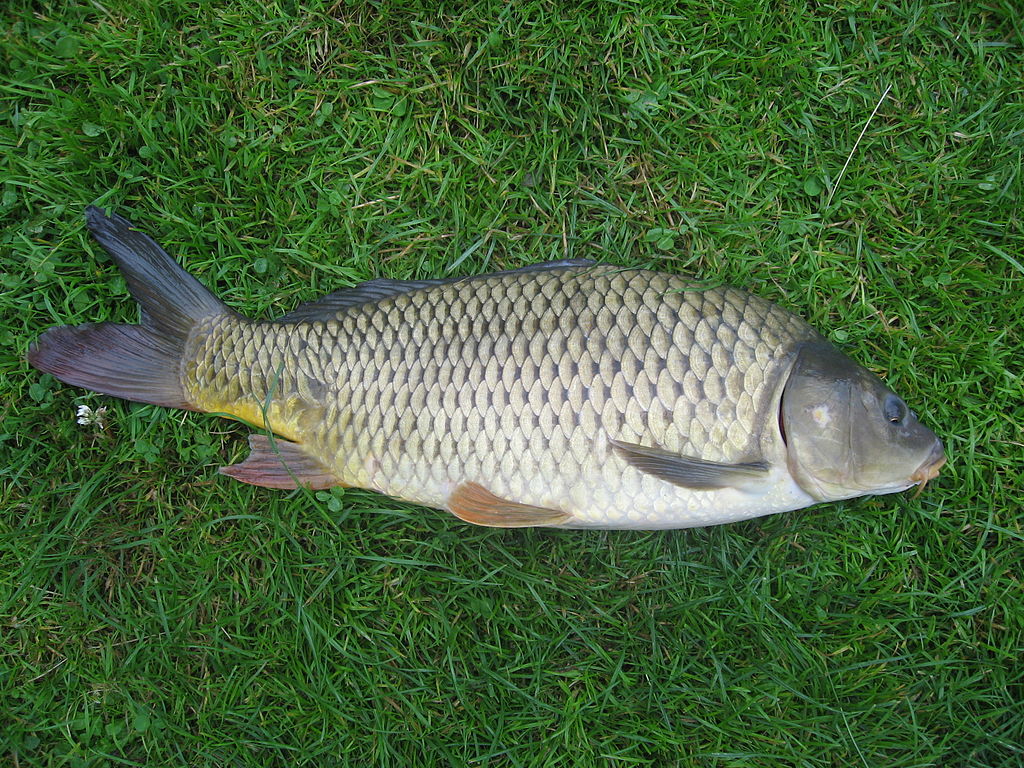
Carp are notoriously wary and powerful defenders. The moment they sense a hook, they surge away with unstoppable force, stripping line while diving deep into cover. Their heavyweight bodies let them use leverage against the rod, absorbing pressure and testing gear durability. Carp also feed cautiously, often sucking in bait and spitting it out repeatedly, making hook sets tricky. Their unpredictable runs and stubborn stamina shock many first-time anglers.
7. Walleye
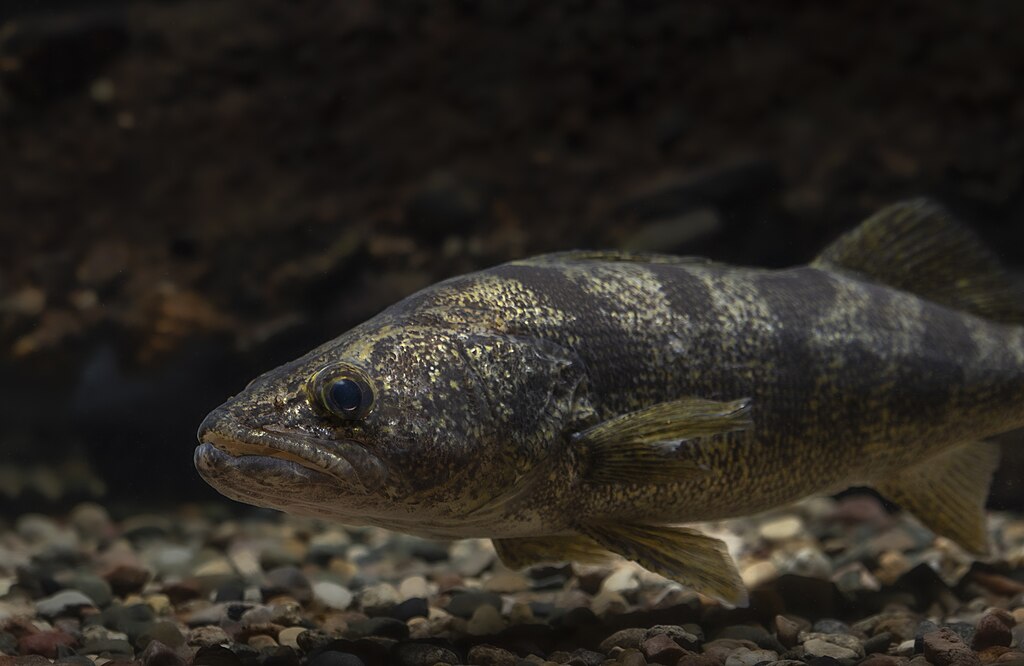
Walleye behave deceptively smoothly on the line until it’s time to surface. Then, they suddenly thrash with sharp, twisting movements meant to shake free. Their large, glassy eyes give them superior vision in low light conditions, allowing them to spot threats quickly and react before the angler does. Walleye also slip into deeper, colder waters during a fight, where they regain energy and prolong the battle with quiet determination.
8. Crappie
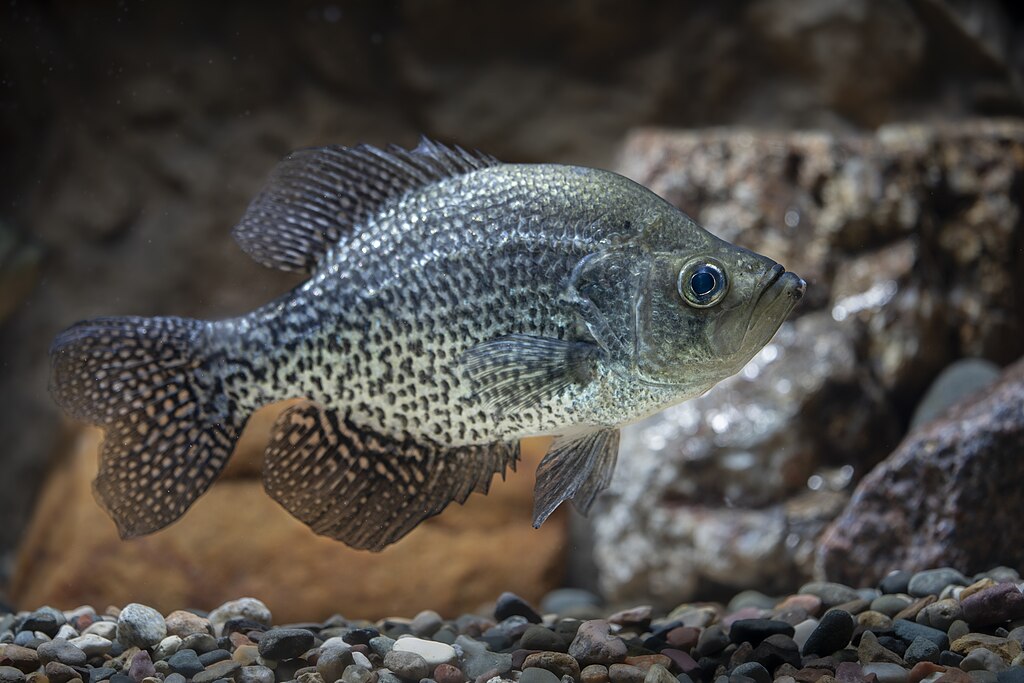
Crappies seem gentle until they unleash unexpected defense tactics. Their soft, paper-thin mouths tear easily, so they escape when anglers apply too much pressure. Once hooked, they turn sideways, using their flat bodies to create heavy resistance in the water. They also dart upward suddenly, causing a slack line that risks losing the fish. Their precise, quick movements force anglers to maintain just the right tension at all times.
9. Sockeye Salmon
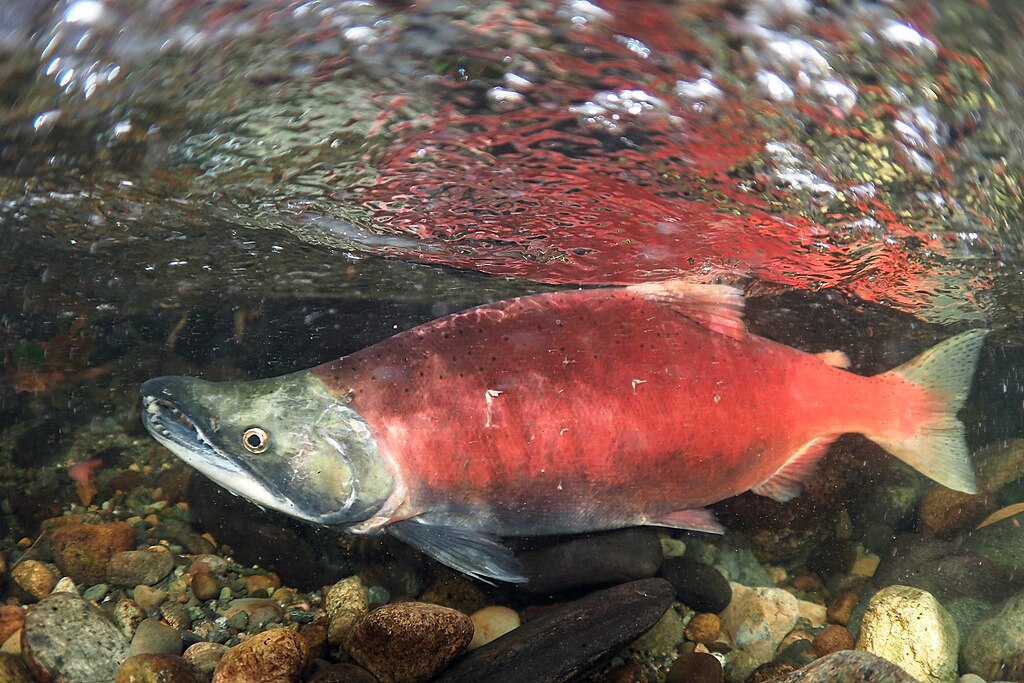
Sockeye salmon are built for long migrations, and that endurance becomes a fierce defense tool. When hooked, they charge upstream in relentless bursts, refusing to yield ground. Their powerful tails let them leap over obstacles, and they often use that same skill to jump and twist free from lures. During spawning season, their energy level spikes even higher, turning every tug into an exhausting fight for anyone on the other end of the rod.
10. Bowfin
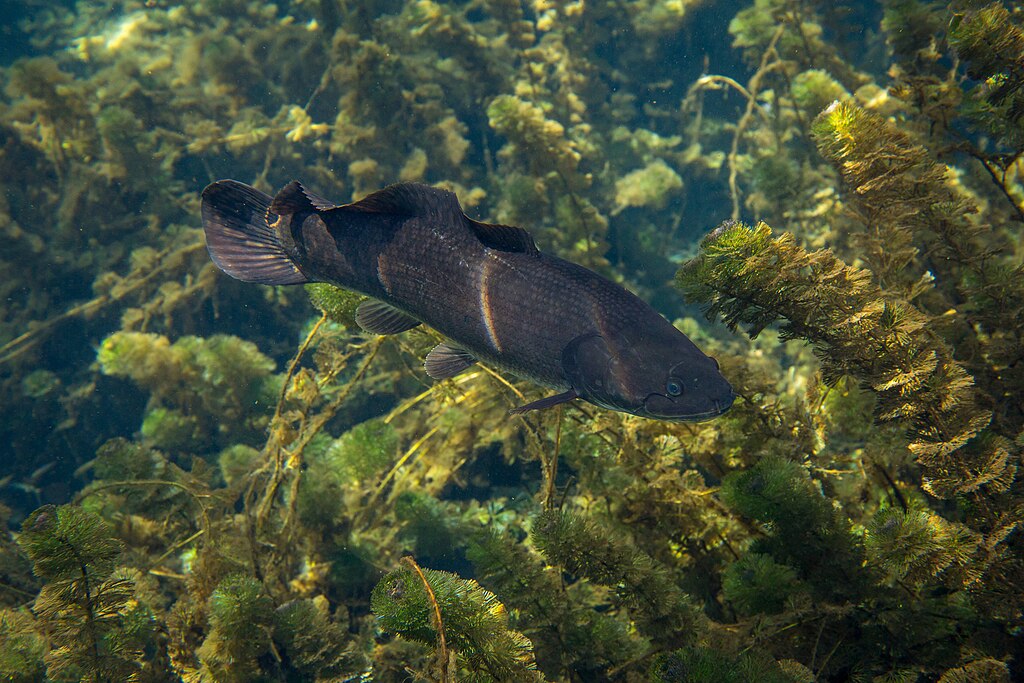
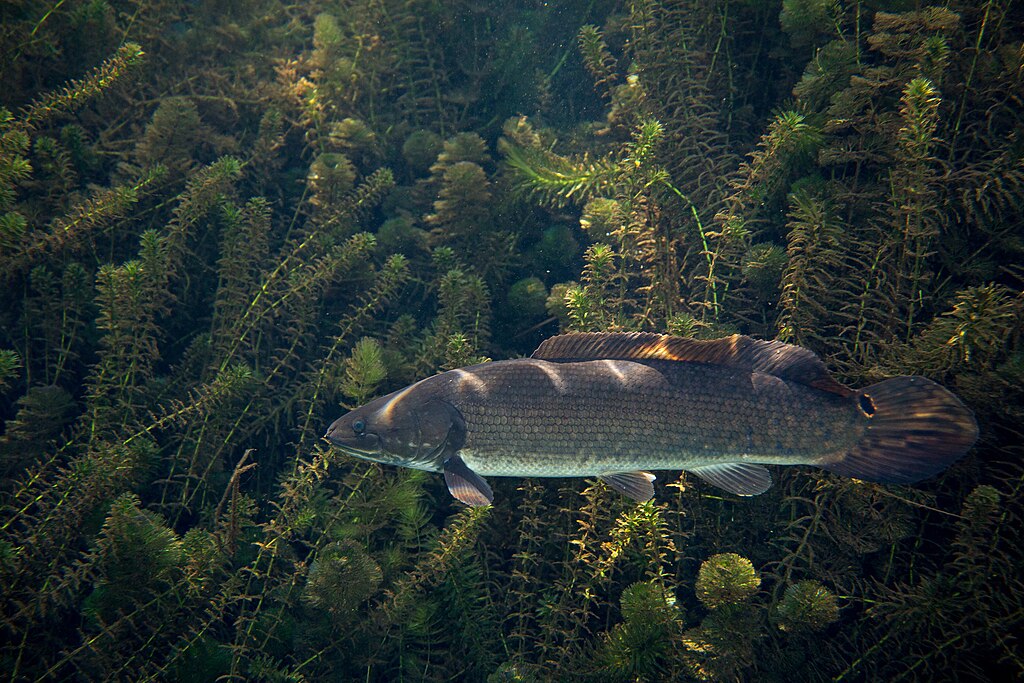
Bowfin are prehistoric survivors with an attitude. They clamp down hard on bait, and once hooked, they roll their entire bodies like a crocodile to shred leaders and break free. Their thick skull and armored jaw make penetration difficult for weak hooks. Bowfin can also gulp air, giving them stamina that doesn’t fade even in low-oxygen waters. Many anglers underestimate them until they feel that unstoppable surge of raw power.
11. Yellow Perch
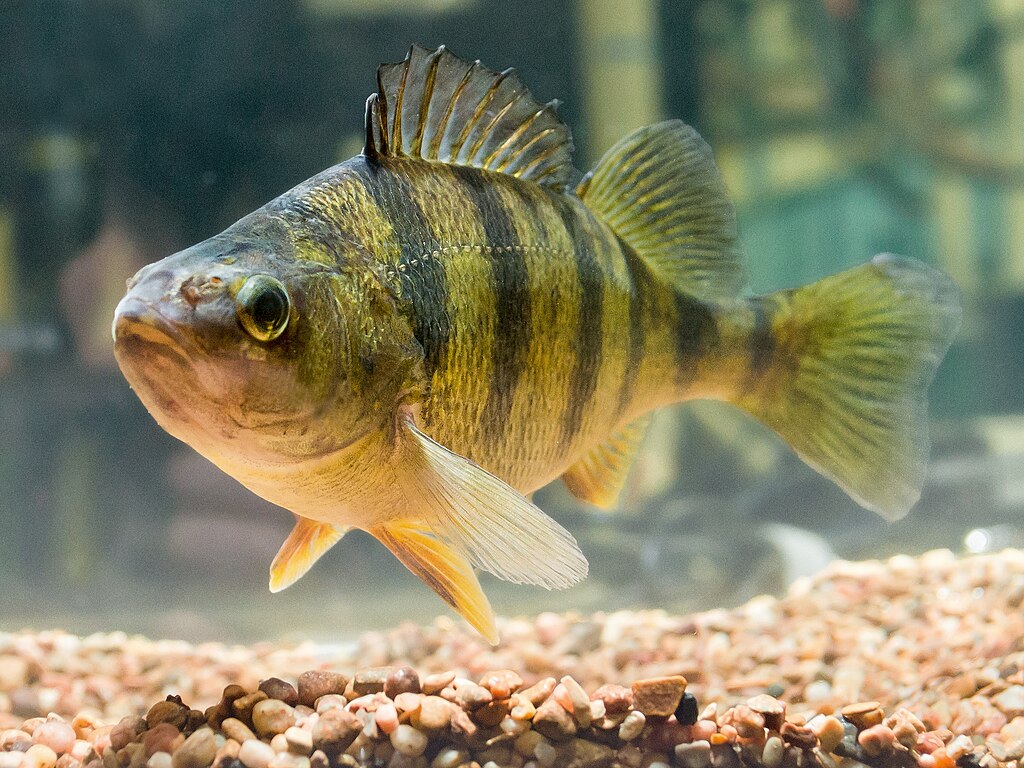
Despite their size, yellow perch defend themselves with surprising toughness. Their sharp dorsal spines flare when handled, and in the water, they use tight, jittery movements to slip off hooks. Perch often travel in schools, and when one is hooked, the panic can fuel sudden escape bursts. Their quick, darting runs are tricky to predict, keeping the rod tip constantly bouncing while the angler tries to secure the catch.
12. Red Drum (Redfish)
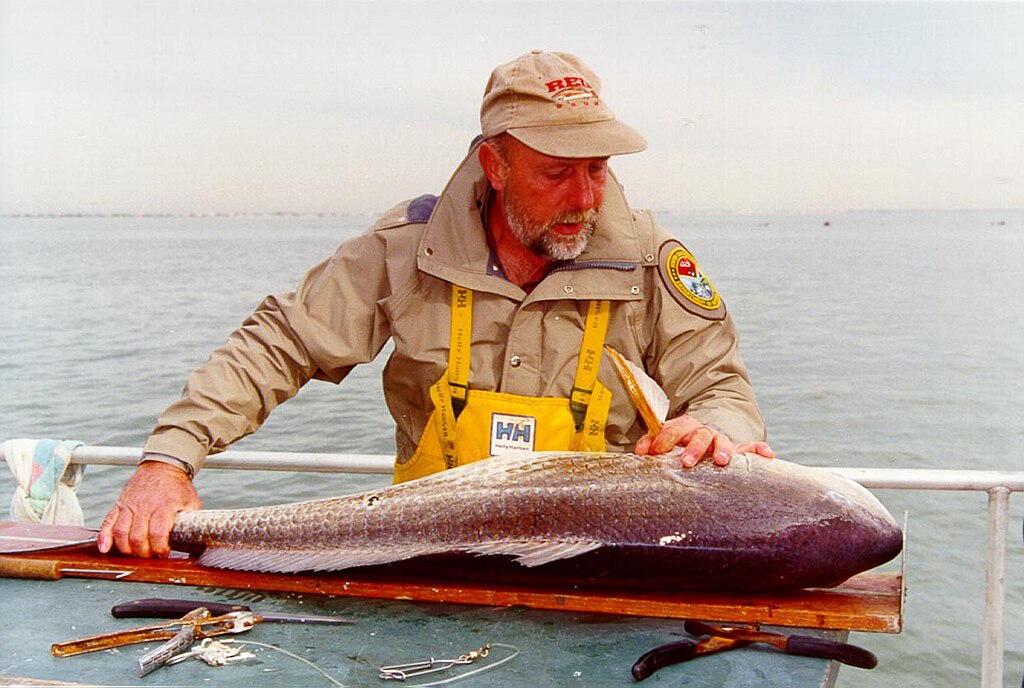
Red drum channel their weight into brute strength. When hooked, they bulldoze toward deeper water or structure, forcing anglers to fight for every inch of line. Their powerful tails create long, sustained runs that test equipment. The large black spot near their tail is believed to confuse predators by drawing attacks away from their head, giving them more time to escape. Even near shore, they fight like giants of the ocean.
13. Rock Bass
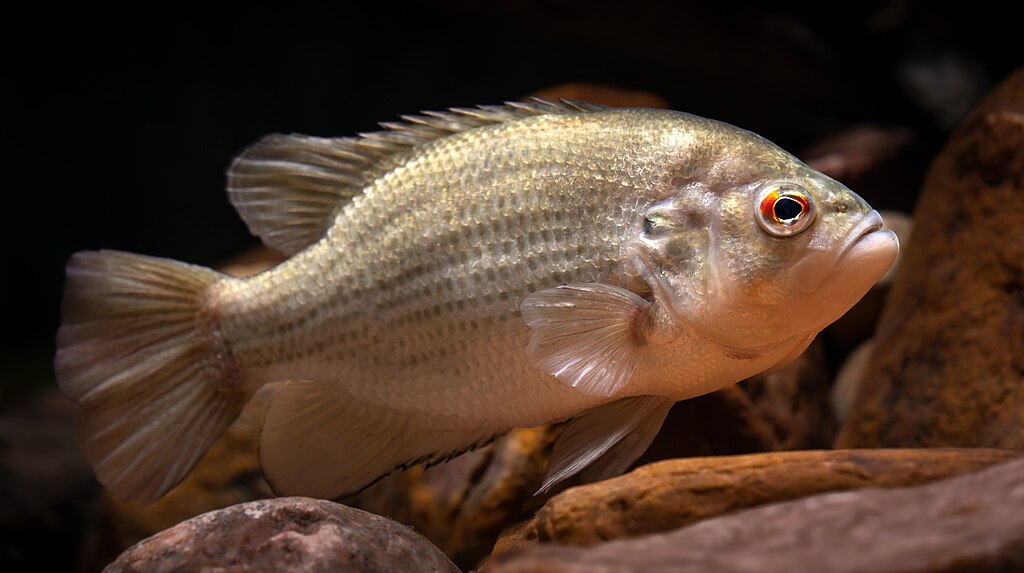
Rock bass use rocky hideouts as their greatest defense. As soon as pressure hits the line, they dive straight back into crevices where the hook can snag and break. Their strong, compact bodies let them wedge tightly in place, demanding patient maneuvering. They also flare stiff spines and shake rapidly to throw hooks. Many anglers are surprised by how such a small fish can create such a stubborn, nerve-wracking struggle.
14. Striped bass
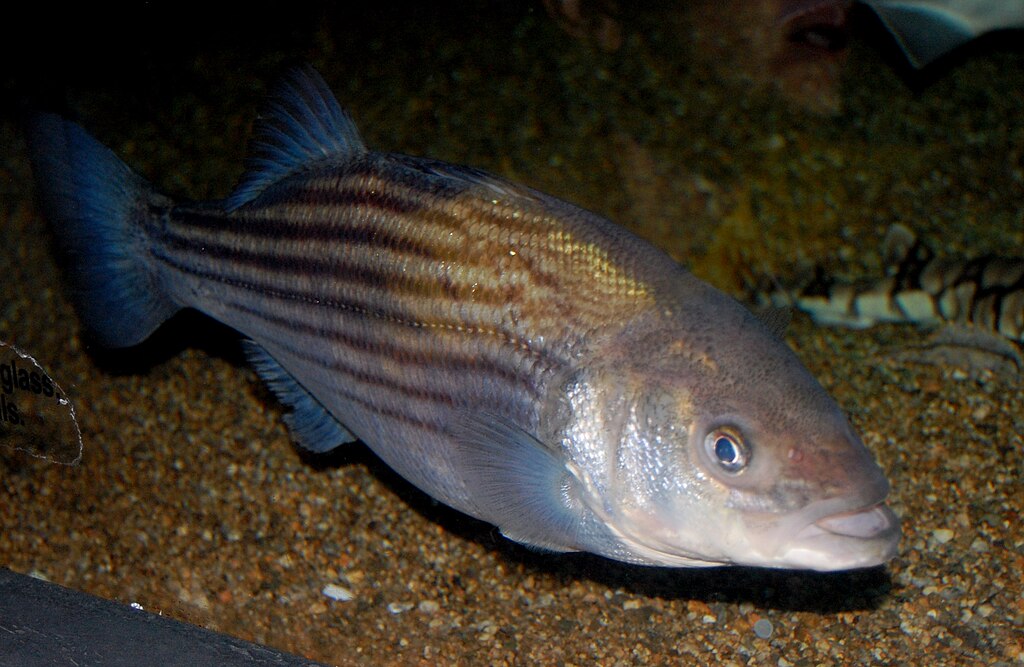
Striped bass bring relentless energy into every fight. When hooked, they surge in sudden, powerful runs that peel lines fast and force anglers to react quickly. Their strong bodies allow them to use the current to their advantage, zigzagging unpredictably while staying just out of reach. Stripers are also known for fierce surface thrashing, often creating enough turbulence to shake loose a poorly set hook. As they near the boat, they dive again with renewed force, turning what felt like a victory into a suspenseful final showdown.