Setting up an RV might look simple at first, but small errors can quickly turn into big frustrations once you are parked for the night. New travelers often learn these lessons the hard way, while seasoned campers know that preparation and patience save time and stress. From forgetting basic checks to overlooking important details, mistakes during setup can affect comfort, safety, and even the longevity of your RV. Knowing what to avoid helps ensure every trip starts smoothly and ends with great memories instead of headaches.
Parking on Uneven Ground

One of the most common mistakes is choosing a spot without checking the ground. Parking on uneven terrain can make it hard to level the RV, which affects appliances, comfort, and stability. Taking a few extra minutes to find a flat space or use leveling blocks saves a lot of trouble later.
Skipping a Site Walk-Through

Rushing to park without walking the site first often leads to problems with clearance, hookups, or obstacles. A quick walk around helps spot tree branches, rocks, or uneven ground that could damage the RV. This simple step prevents accidents and makes setup much easier.
Forgetting to Chock the Wheels

Many travelers get caught up in leveling and hookups and forget to chock their wheels. Without chocks, even a slight slope can cause the RV to roll. Securing the wheels first ensures safety before making any other adjustments.
Not Checking Power Before Plugging In

Plugging into campground power without testing the outlet can damage your RV’s electrical system. A surge protector or outlet tester confirms that voltage levels are safe. This precaution avoids costly repairs and keeps your electronics protected.
Overlooking the Water Hookup
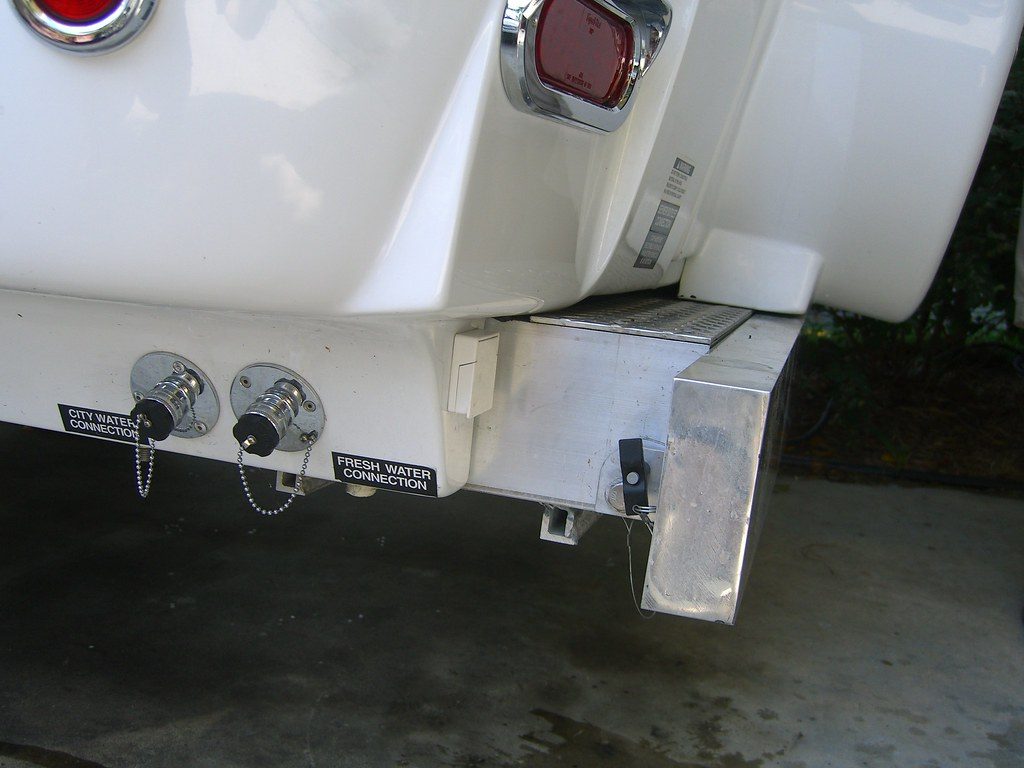
Hooking up to water without checking connections or using a pressure regulator often leads to leaks or damage. High water pressure can harm the plumbing system, and loose hoses waste water. Proper connections and a regulator ensure a safe and steady flow.
Mismanaging the Sewer Connection
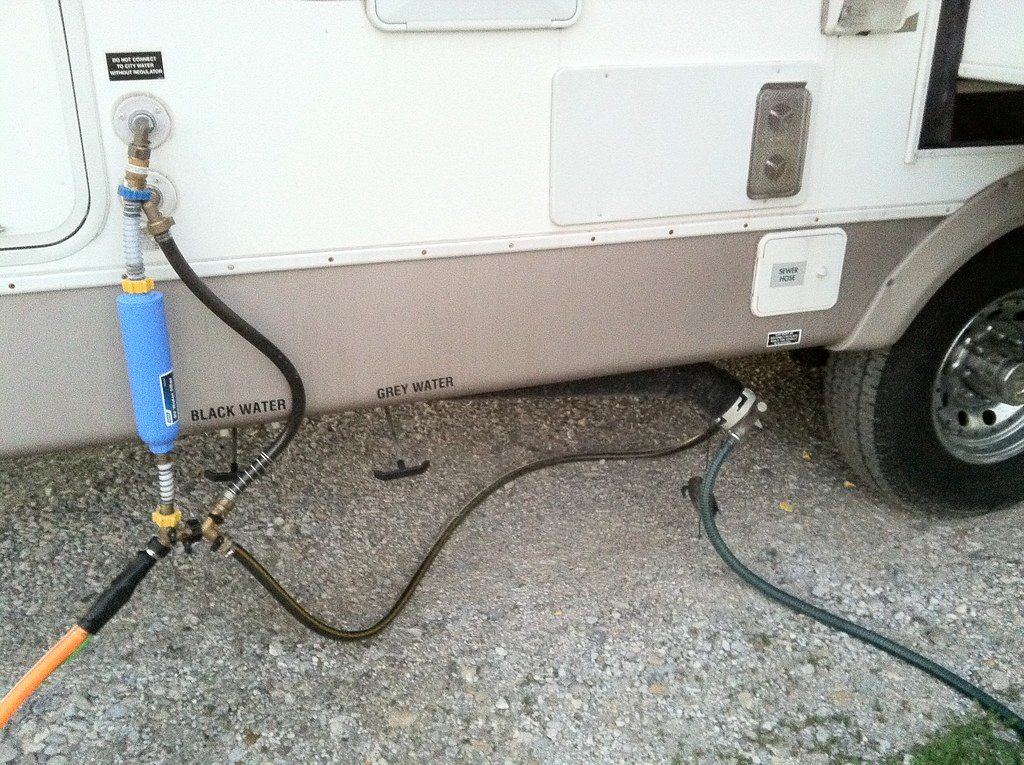
Improperly attaching the sewer hose or opening valves at the wrong time can create a messy situation. Ensuring the hose is securely connected and using the proper dumping sequence keeps things sanitary. Taking time here prevents one of the most unpleasant RV experiences.
Forgetting to Raise the Antenna or Satellite Dish

Some RVers park without lowering antennas or satellite dishes, which can break during travel or setup. Double-checking these items before moving and after parking prevents damage. A quick look at the roof during setup avoids costly replacements.
Ignoring Slide-Out Clearance

Extending slide-outs without checking for obstacles can cause damage to the RV or nearby structures. Trees, posts, or picnic tables are easy to overlook when rushing. Taking a careful look around ensures slides open fully without problems.
Not Leveling Properly

Improper leveling can affect more than comfort; it can disrupt refrigerators and strain doors and windows. Using leveling tools or blocks keeps everything balanced. A properly leveled RV makes life easier both inside and out.
Overlooking Safety Gear

Some travelers forget to check smoke detectors, carbon monoxide alarms, and fire extinguishers during setup. Safety gear may not seem urgent until it is too late. Making these quick checks a habit adds peace of mind to every trip.
Blocking Access to Hookups

Parking too close to a post or backing in the wrong way can block access to water, power, or sewer hookups. Taking a moment to align the RV correctly saves time and prevents the hassle of repositioning. A well-parked RV makes setup seamless.
Forgetting Outdoor Essentials
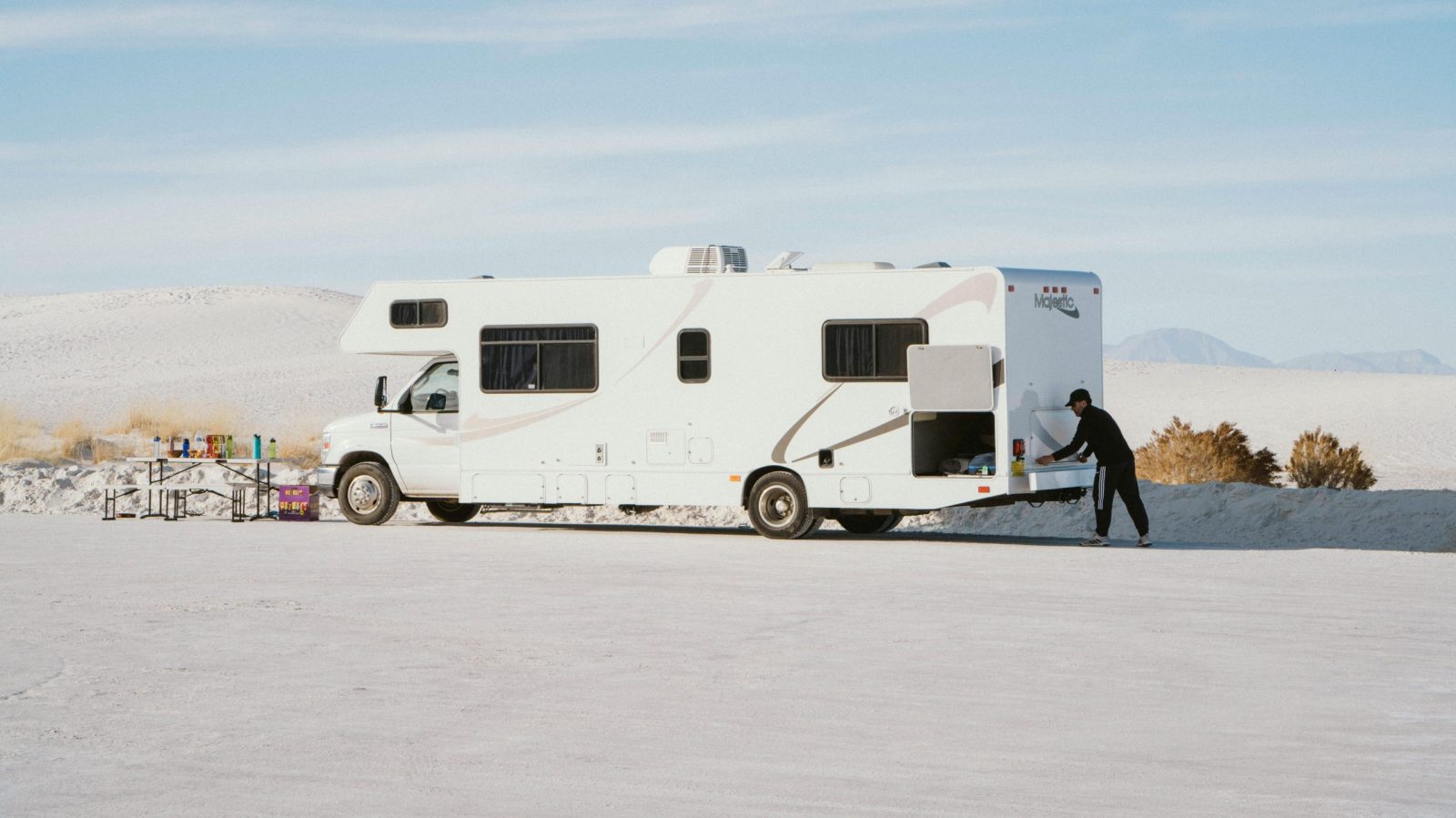
It is easy to focus on the inside setup and overlook outdoor items like mats, awnings, or chairs. These small details create a more comfortable campsite and keep dirt from tracking inside. Setting them up early makes the site feel more inviting.
Rushing the Entire Process

The biggest mistake is rushing through the setup without a checklist. Skipping steps often leads to safety hazards, damage, or wasted time fixing avoidable issues. A slow and steady approach ensures that every detail is handled correctly the first time.