Bushcraft is no longer framed as a boys-only proving ground, and that shift is changing the culture of the outdoors. More women are learning core wilderness skills with patience, precision, and a confidence that favors competence over bravado. The result is a new generation of outdoors people who are redefining what expertise actually looks like in the wild.
Fire Starting Without Matches

Starting a reliable fire without a lighter used to be treated like a party trick. Now it is one of the first serious skills many women are learning, and they are approaching it with method instead of ego.
They study tinder quality, moisture levels, airflow, and spark angle, then practice until the process becomes repeatable. That attention to detail matters more than raw force.
Whether using ferro rods, char cloth, or friction methods, the goal is the same: consistency under pressure. In workshops and online communities, women are proving that a calm, practiced hand can beat showmanship every time.
Shelter Building From Natural Materials
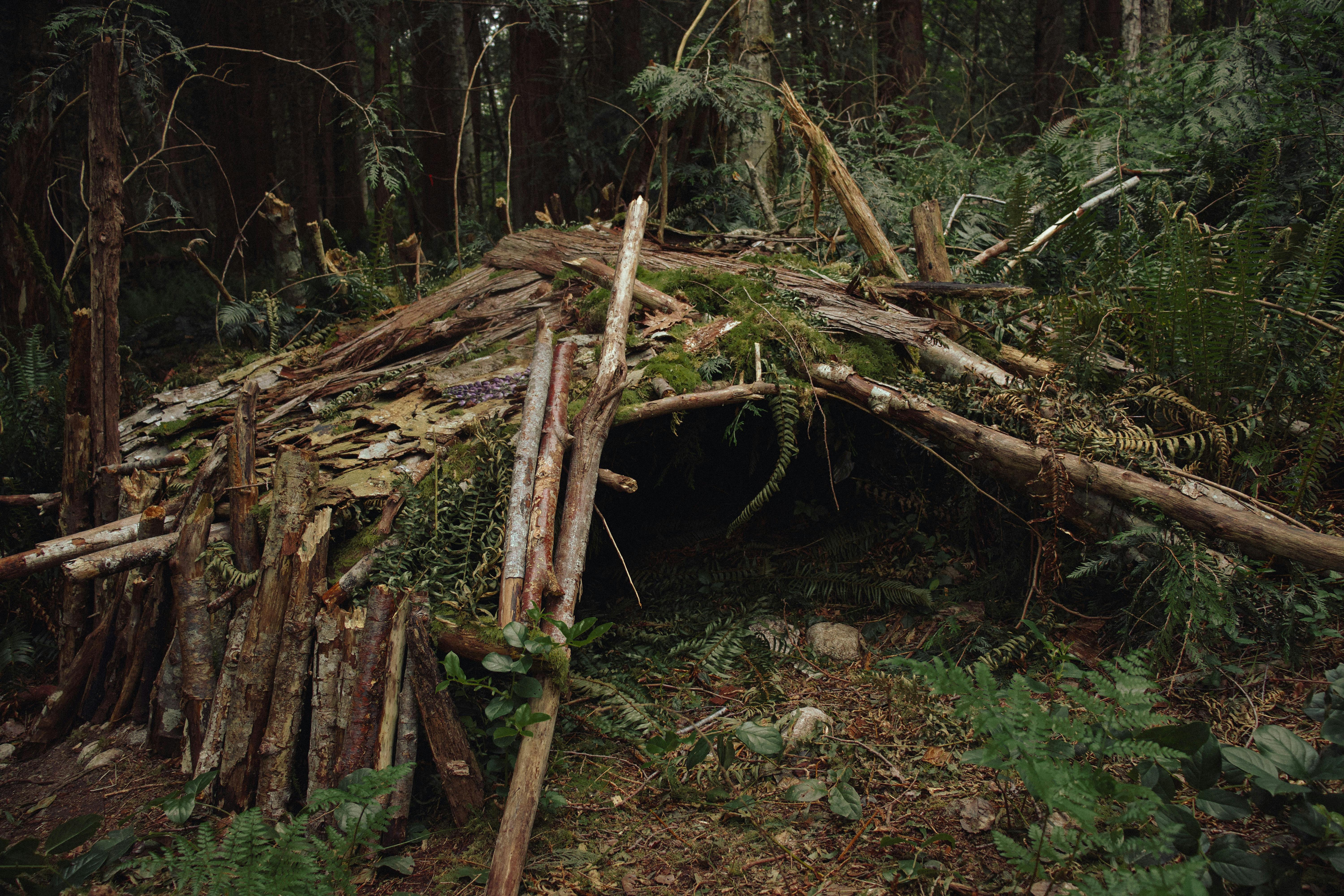
A good shelter is not about making something that looks dramatic in a photo. It is about staying dry, blocking wind, and keeping body heat where it belongs when conditions turn ugly.
Many women learning bushcraft focus on site selection first, which is exactly where smart shelter building begins. Ground slope, overhead hazards, and prevailing wind often matter more than the style of the structure itself.
From debris huts to lean-tos, they are learning how to use what the landscape offers without wasting time or energy. The result is shelter work that feels thoughtful, efficient, and built for real comfort instead of bragging rights.
Knife Skills for Everyday Camp Use
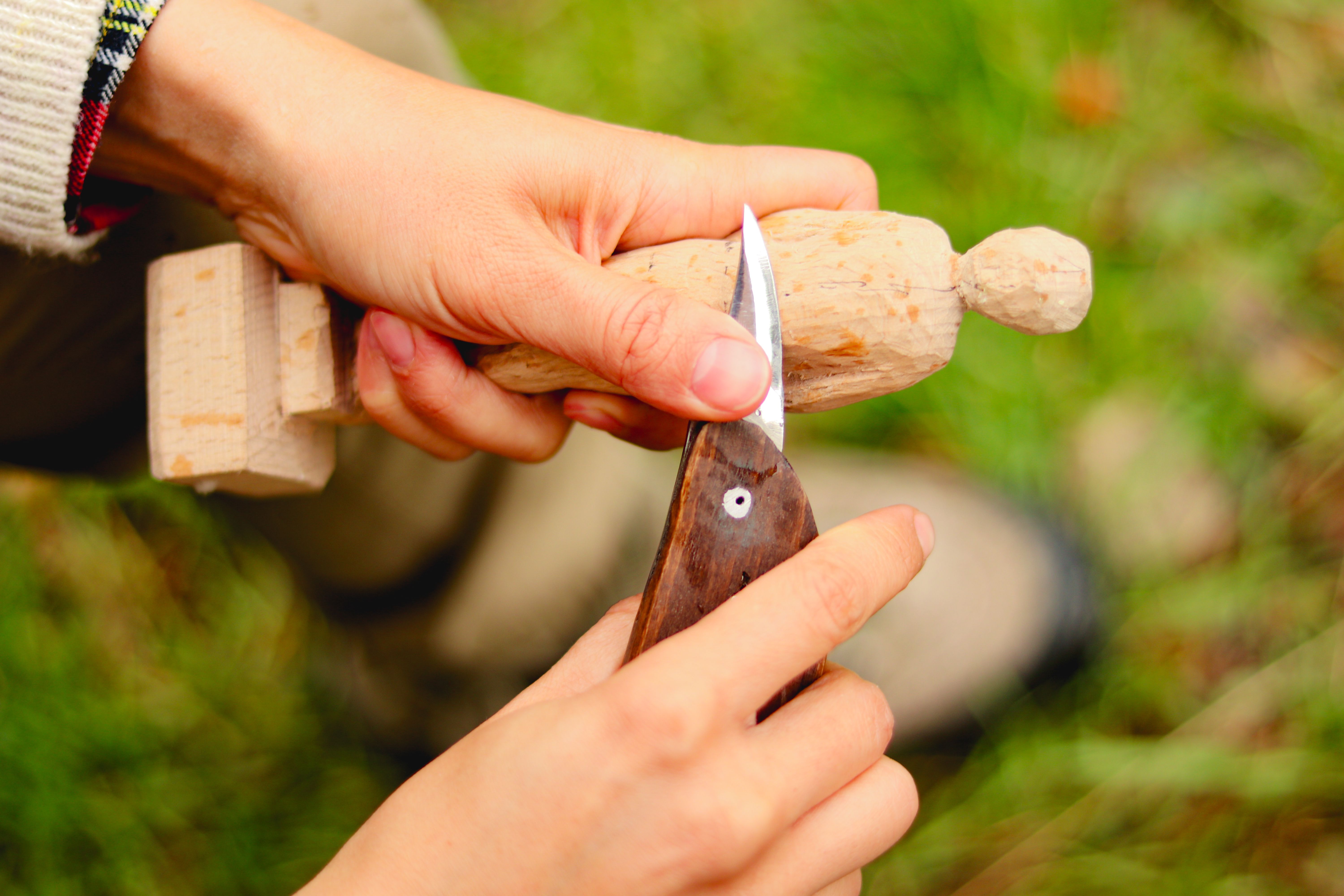
Bushcraft knife work is not about looking intimidating. It is about control, safety, and getting dozens of small jobs done well, from feather sticks to food prep to carving tent pegs.
Women entering the space are often quick to prioritize grip, body position, and blade maintenance. That practical approach reduces accidents and makes the knife feel like a tool, not a symbol.
As confidence grows, so does versatility. Fine carving, notching, splitting kindling, and preparing cordage all become easier when technique leads the way. In many camps, careful knife handling is becoming a mark of expertise, and women are helping set that standard.
Foraging With Care and Accuracy
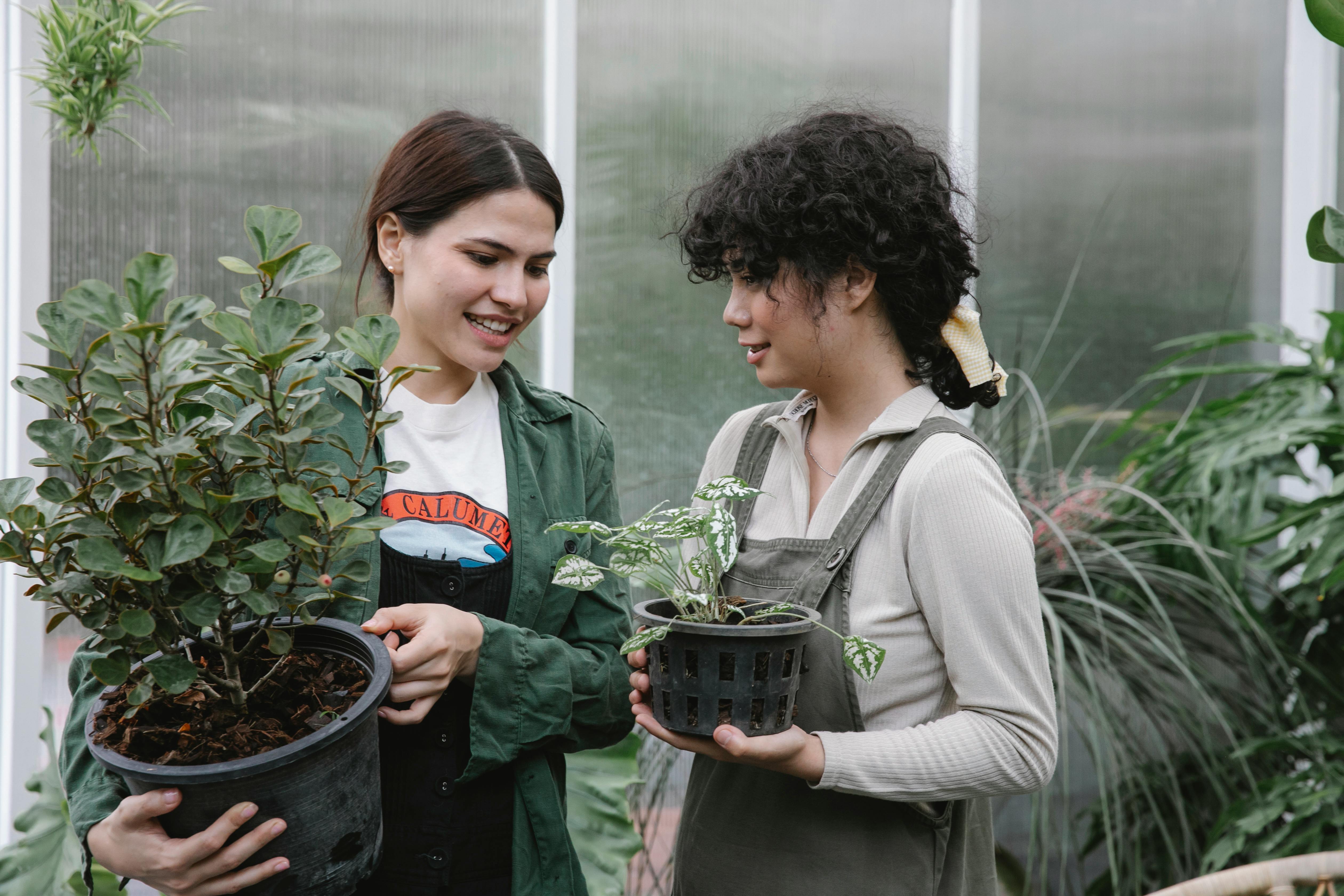
Foraging has exploded in popularity, but the most skilled practitioners know that curiosity must be matched by caution. Women learning bushcraft are bringing a research-heavy mindset to wild food, and that is paying off.
Instead of relying on guesswork, they learn plant families, seasonal timing, habitat clues, and toxic look-alikes. That discipline turns a trendy hobby into a serious field skill.
They are also emphasizing ethical harvesting, taking only what is abundant and leaving fragile environments intact. In that sense, foraging becomes more than finding something edible. It becomes a lesson in observation, restraint, and respect for the landscape.
Navigation Beyond Phone Signals

Phone maps are convenient until batteries die or service disappears. That is why map-and-compass navigation is making a comeback, and many women are embracing it with impressive seriousness.
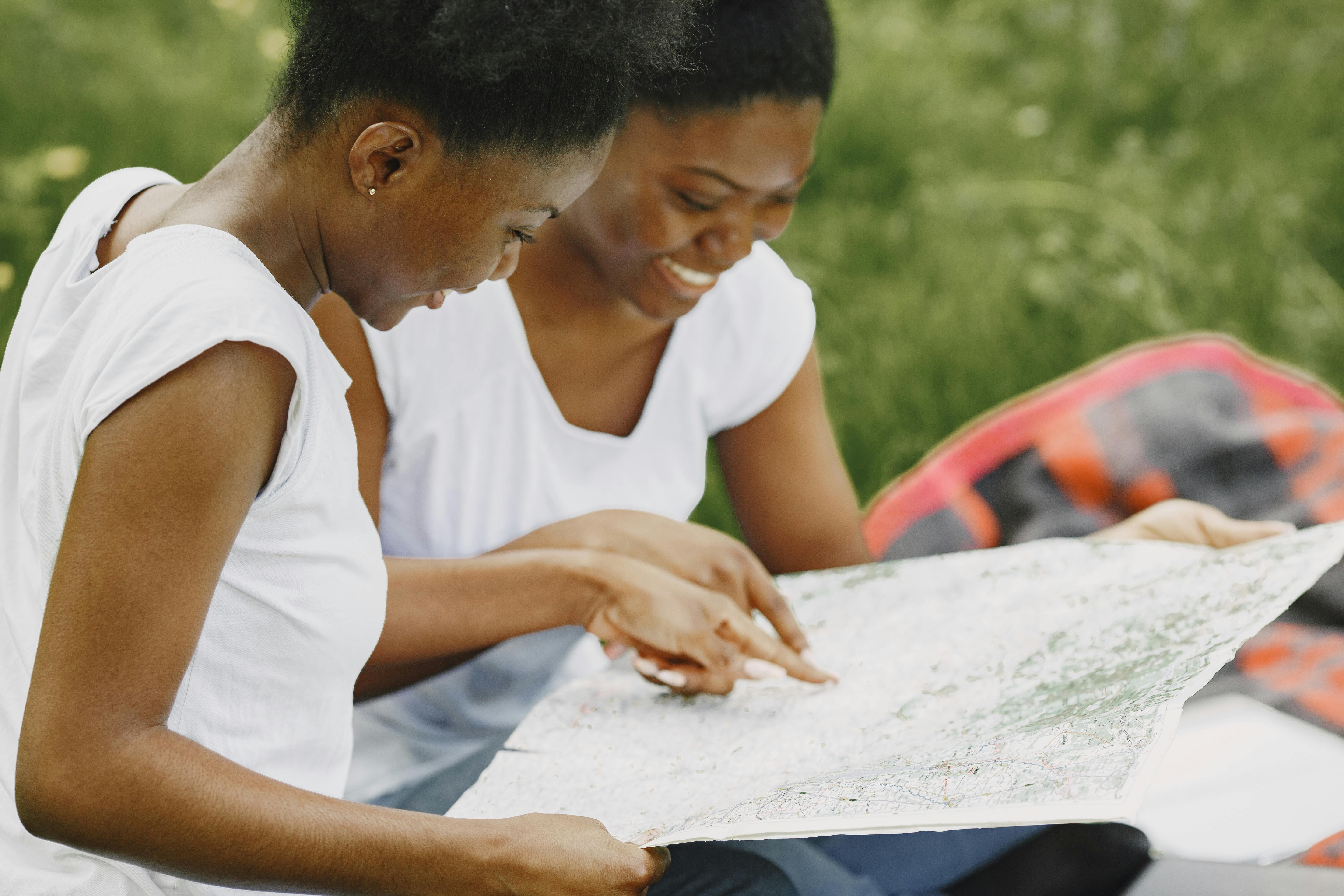
They are learning contour lines, bearings, pacing, and terrain association, not just memorizing symbols. It is a slower skill to develop, but one that builds confidence mile by mile.
There is also a deeper shift happening here. Navigation rewards patience, spatial awareness, and decision-making under uncertainty. Women practicing regularly are showing that backcountry competence is less about swagger and more about reading the land with care.
Water Sourcing and Purification

Finding water is one challenge. Making it safe is another. Women training in bushcraft are treating both parts of the problem seriously, which is exactly what survival instructors encourage.
They are learning how to read a landscape for likely water sources, from drainage patterns to low points to vegetation clues. Then they pair that knowledge with filtration, boiling, and chemical treatment methods.
What stands out is the emphasis on redundancy. One method is good, but a backup plan is smarter. In real outdoor situations, that kind of layered thinking often matters more than speed, and it is helping many women build strong wilderness judgment.
Cooking Over Open Flame

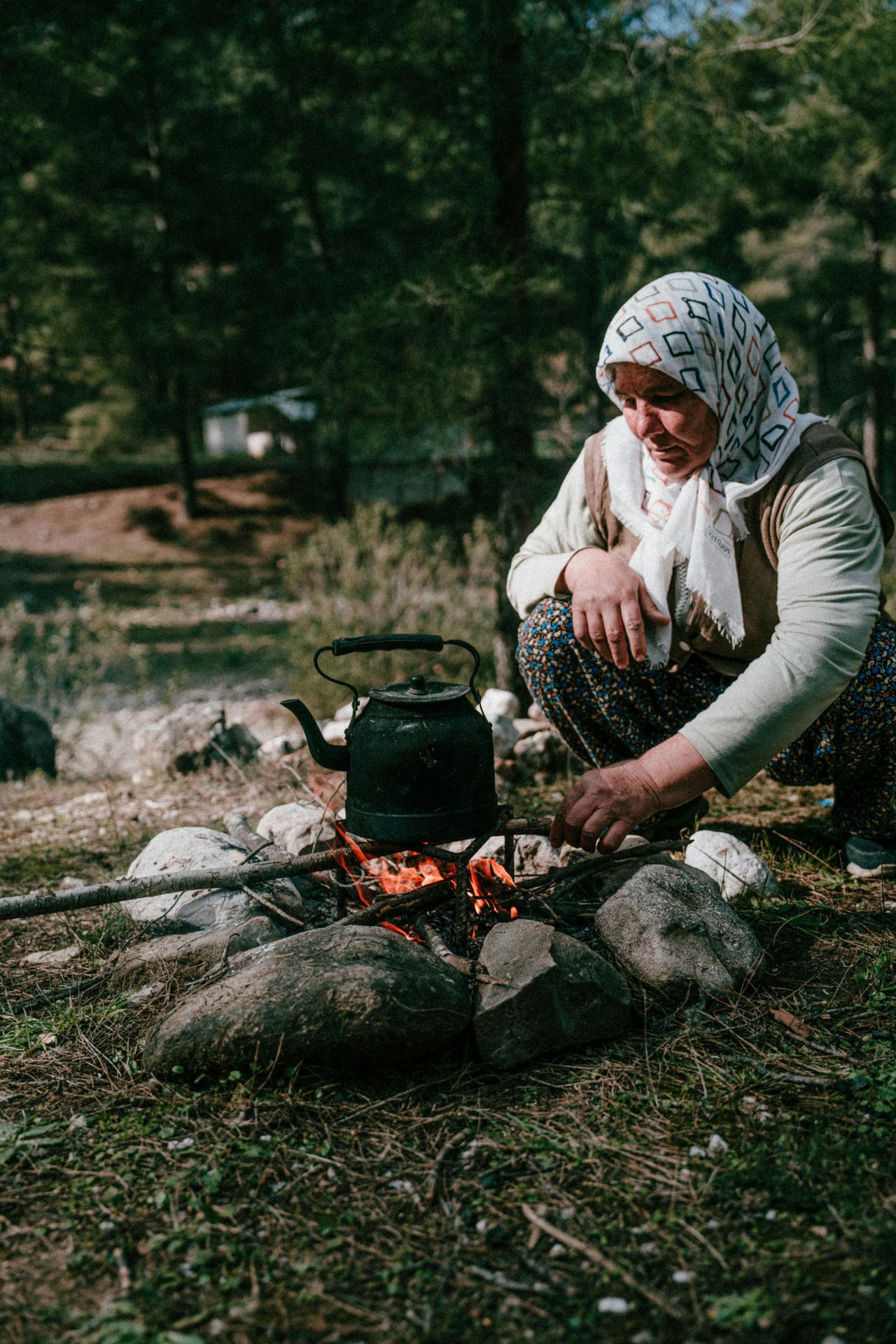
Camp cooking is often dismissed as a rough, improvised chore, yet it demands timing, heat control, and planning. Women learning bushcraft are turning it into a skill set that is both practical and quietly impressive.
They are mastering coal management, pot placement, and simple meals that deliver real energy in the field. A stable cooking fire can be just as important as a warm one.
There is also creativity involved. With limited gear and ingredients, good camp cooks learn to adapt fast and waste little. That combination of resourcefulness and discipline is making open-fire cooking one of bushcraft’s most satisfying areas of growth.
Cordage and Knot Work
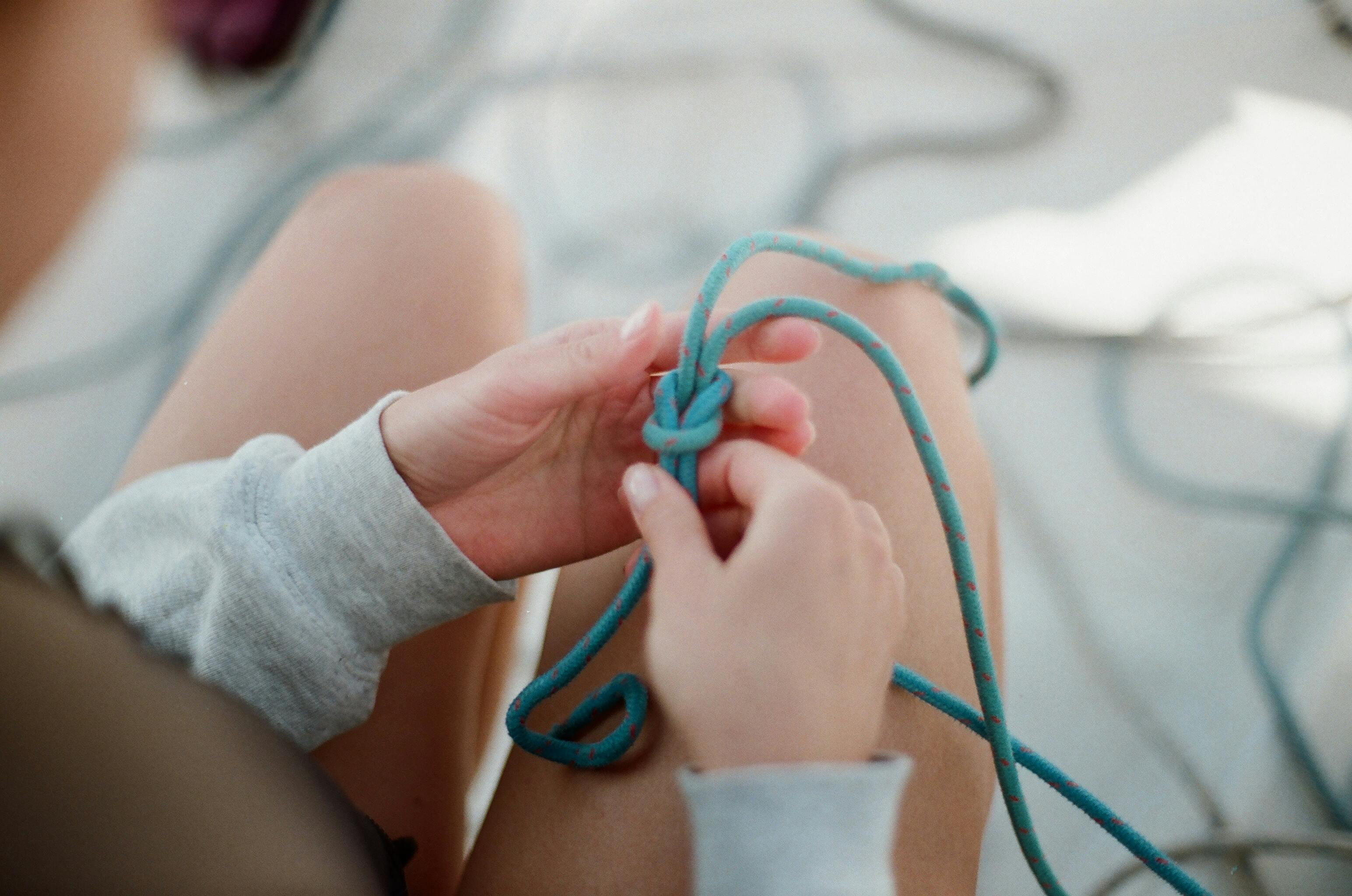
Cordage is the unsung hero of bushcraft. It secures shelters, repairs gear, hangs food, and makes dozens of camp systems work better with less effort.
Many women are digging deep into knot work because it offers immediate, practical payoff. Taut-line hitches, trucker’s hitches, and bowlines are not flashy, but they solve real problems fast.
Some are also learning to make cordage from natural fibers, which adds another layer of self-reliance. There is something powerful about understanding both the manufactured and natural side of the skill. It turns rope from an accessory into a genuine tool of survival and efficiency.
Wood Processing for Camp Tasks
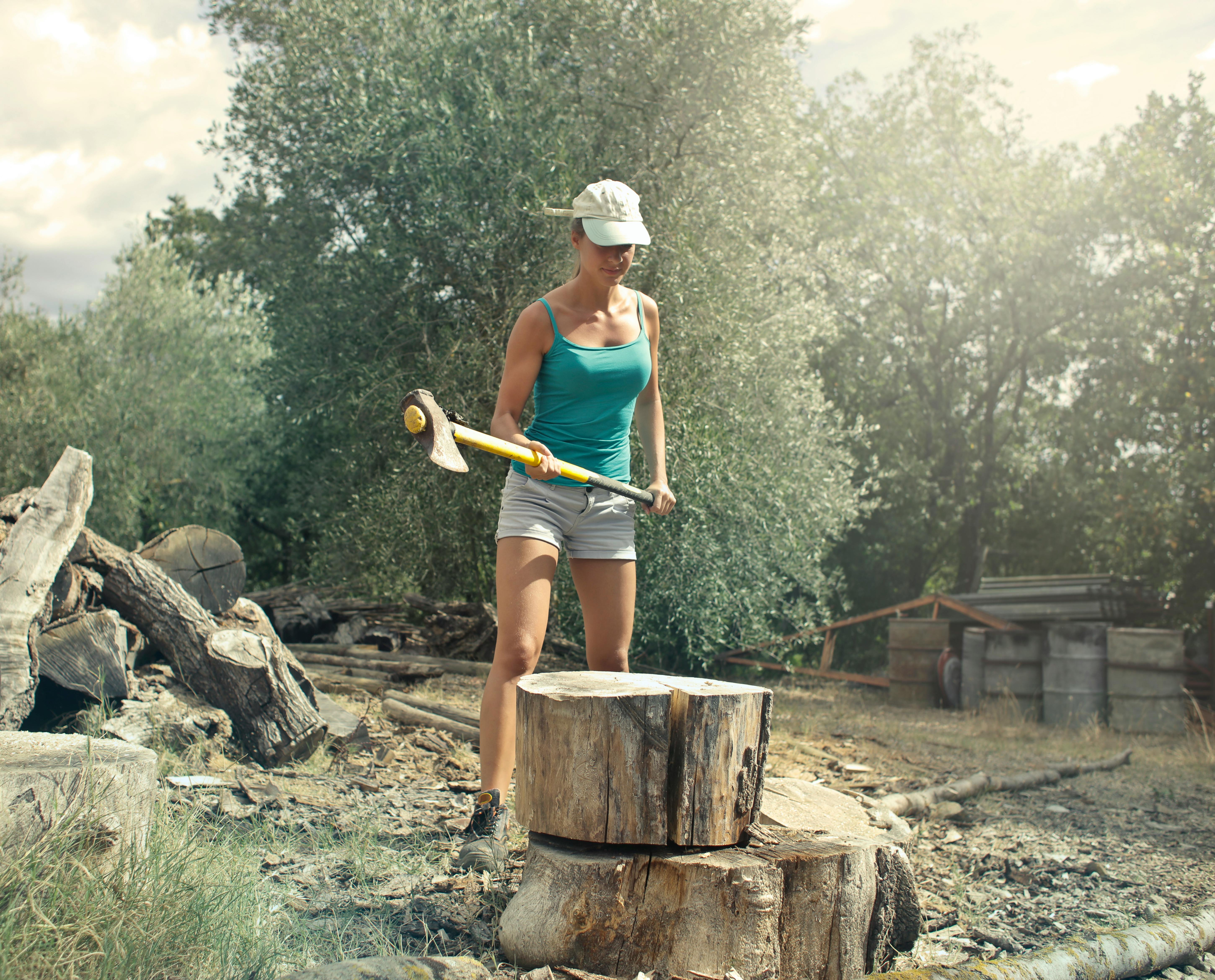
Processing wood is about more than swinging an axe hard. It includes selecting the right species, understanding grain, and breaking material down safely for fire, tools, and shelter work.
Women learning this skill are often praised for their attention to mechanics. Good stance, smart tool choice, and knowing when to baton versus split can save energy and prevent injury.
This is one area where technique quickly separates confidence from competence. A person who can reduce a log into usable tinder, kindling, and fuel efficiently is doing much more than chopping wood. They are building the foundation of camp comfort and resilience.
Tracking and Reading Animal Sign
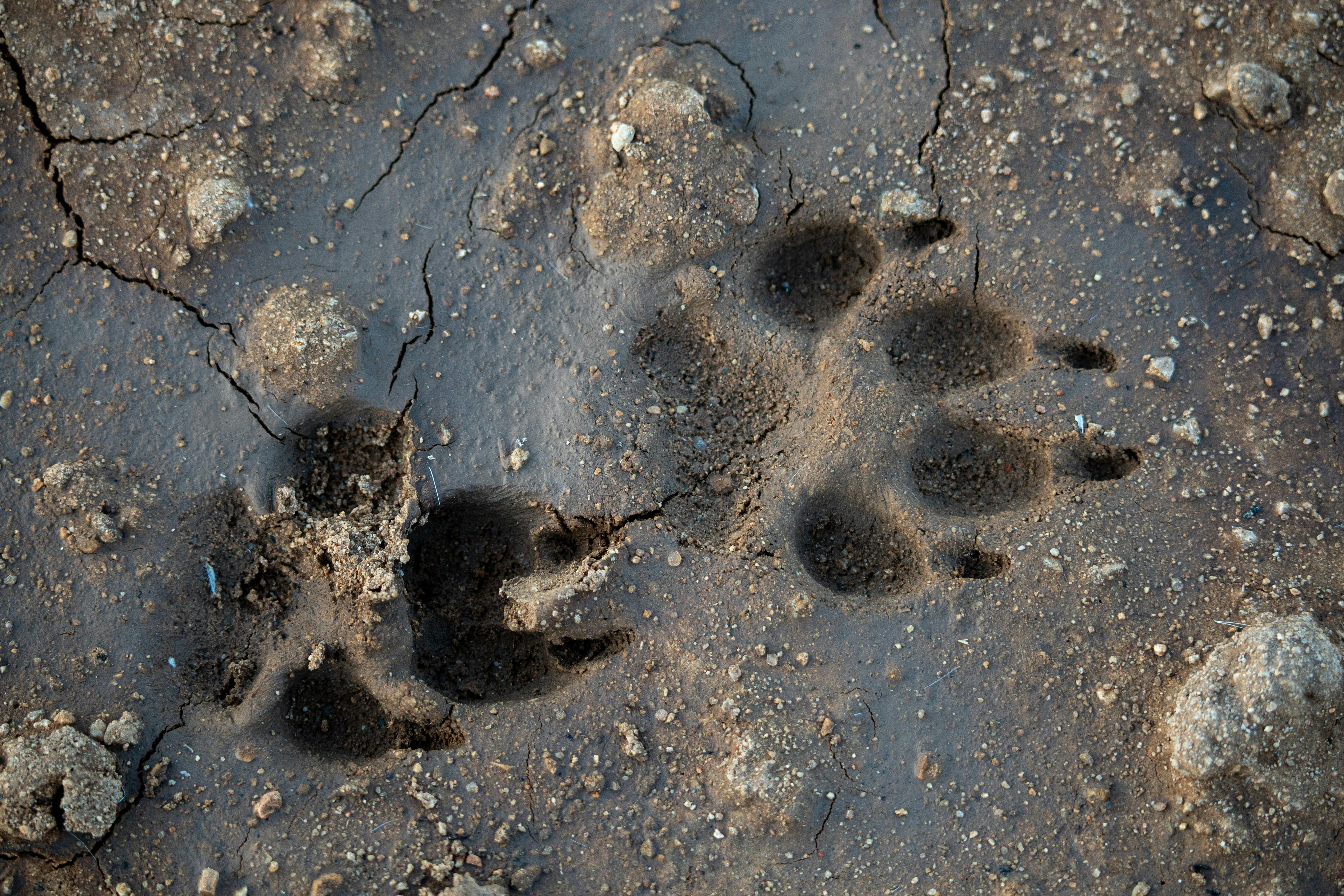
Tracking teaches people to slow down and notice what the ground is saying. Prints, scat, browse lines, feathers, and broken stems all tell a story if someone knows how to read them.
Women entering bushcraft are often drawn to this observational side of the craft. It rewards patience and pattern recognition, and those strengths translate well in the field.
Beyond curiosity, tracking has practical value. It can help identify game movement, avoid problem animals, and reveal how healthy an ecosystem really is. In many ways, it is one of the purest bushcraft skills because it depends on attention rather than equipment.
First Aid in Remote Settings

Bushcraft gets romanticized, but the smartest outdoors people know that prevention and response matter just as much as primitive skills. Remote first aid is one area where women are increasingly taking the lead.
They are learning how to treat cuts, burns, sprains, dehydration, and hypothermia with the gear they actually carry. That practical training has immediate value on any trip.
What makes this skill stand out is its mindset. First aid demands calm assessment, clear communication, and the ability to act without panic. In the outdoors, those qualities can steady an entire group, and they often matter more than any single survival trick.
Tool Maintenance and Repair
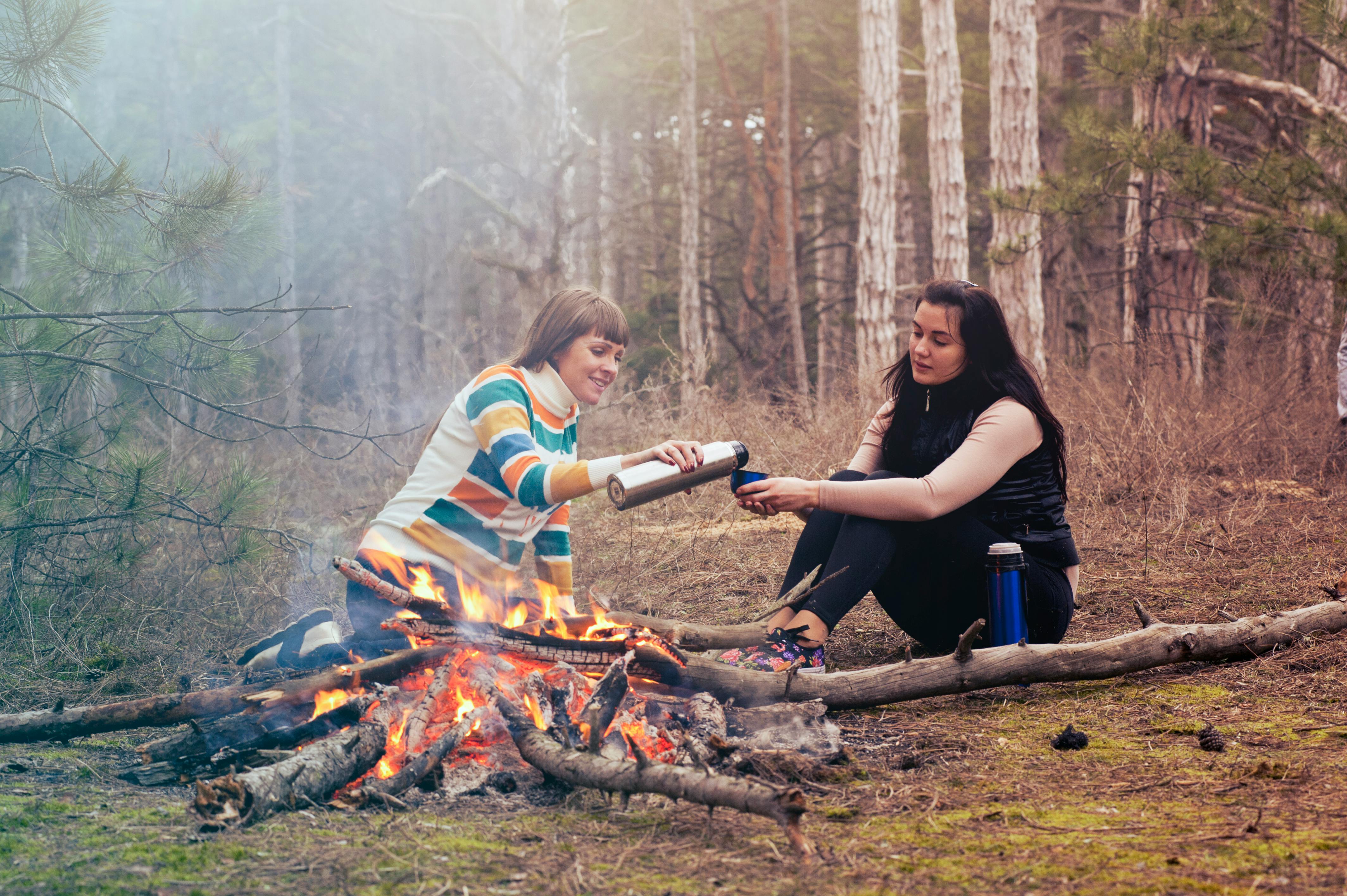
A sharp knife, a sound axe handle, and dry gear can make camp life dramatically easier. Women learning bushcraft are increasingly focused on maintenance, which is often the difference between a smooth outing and a frustrating one.
They are sharpening blades correctly, oiling tools, patching torn fabric, and checking gear before problems turn serious. It is not glamorous, but it is deeply competent.
This kind of preparedness also reflects a broader shift in outdoor culture. Instead of treating gear as disposable, many women are learning to extend its life and trust it more. That practical stewardship is becoming a hallmark of experienced bushcraft habits.
Weather Reading in the Field
Weather apps help, but they cannot replace direct observation when clouds start building over a ridgeline. Women learning bushcraft are paying close attention to field weather signs, and it is making them more adaptable outdoors.
They study wind shifts, cloud types, humidity changes, temperature drops, and how local terrain affects incoming systems. That knowledge can influence everything from route choices to shelter timing.
There is a confidence that comes from recognizing patterns before conditions turn uncomfortable or dangerous. It is a subtle skill, but a valuable one. In bushcraft, reading the sky well can be every bit as important as reading a map.