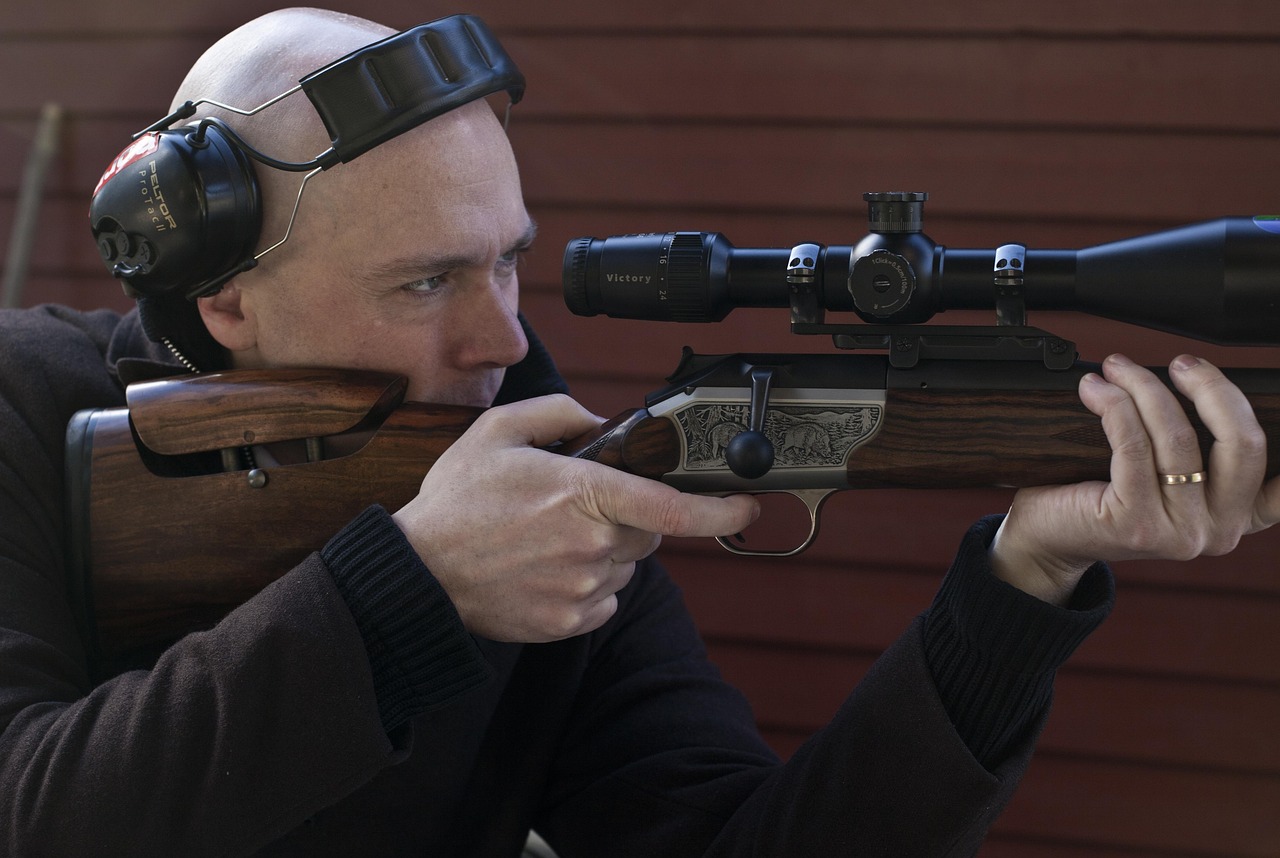
Not long ago, many shooters saw modern Henry lever actions as charming throwbacks with more nostalgia than staying power. That perception changed as the company kept refining its rifles, expanding its lineup, and proving that old-school handling could coexist with real-world reliability. Today, Henry lever guns are trusted in deer camps, on ranches, at the range, and in gun safes across the country for reasons that go well beyond their classic looks.
Classic design that still feels relevant

Part of Henry’s rise comes from the simple fact that lever actions never really stopped being appealing. The profile is iconic, the handling is lively, and the manual action feels intuitive even to people who did not grow up with one.
What changed is that Henry managed to present that tradition as useful, not just nostalgic. Buyers started seeing these rifles as practical tools that happened to look timeless, instead of novelty guns trying to trade only on cowboy imagery.
That balance matters in America, where plenty of gun owners appreciate heritage but still expect a firearm to earn its place in the field or the safe.
Build quality helped change first impressions

A lot of trust is built the old-fashioned way, by putting a rifle in someone’s hands and letting it speak for itself. Henry benefited when shooters noticed solid fit, smooth machining, attractive wood, and an overall sense that the company took pride in what left the factory.
That first tactile impression can be powerful. A rifle that feels well made is more likely to be taken seriously, especially by buyers who may have initially dismissed lever guns as range toys or decorative pieces.
Over time, that reputation spread through gun counters, hunting camps, and word of mouth, which remains one of the strongest forces in the firearms world.
Smooth actions made them easy to trust

Lever guns live or die by how they cycle, and Henry built a reputation for actions that feel reassuringly smooth. That matters for experienced shooters who want speed, but it also matters for newer owners who can tell immediately when a rifle feels cooperative instead of stubborn.
A smooth action encourages practice because it makes shooting enjoyable. The rifle becomes something you want to bring to the range, and familiarity naturally builds confidence.
That confidence turns into trust when the gun operates consistently across repeated use. In a category where feel is part of performance, Henry’s user-friendly cycling gave the brand a major advantage.
American manufacturing carries real weight

For many buyers, Henry’s American identity is more than a marketing line. The company leaned into domestic manufacturing at a time when a lot of consumers were paying closer attention to where their products came from and what that said about quality, labor, and accountability.
In the firearms space, that connection can be especially meaningful. People often prefer guns made by companies they feel understand the traditions, expectations, and practical needs of American shooters.
That does not guarantee trust on its own, but it creates goodwill. When the rifles also perform, the made-in-America story becomes part of why owners stay loyal and recommend them to others.
The lineup grew beyond a single niche

Henry stopped being easy to pigeonhole once the catalog became broad enough to meet very different needs. Rimfires, pistol-caliber carbines, big-game models, side-gate options, brass receivers, steel receivers, and hunting-ready variants gave customers a lot more than one romanticized idea of a lever gun.
That variety brought more people into the fold. A plinker, a collector, a deer hunter, and a ranch owner could all find a Henry that made sense for how they actually shoot.
When a brand serves multiple roles well, it stops looking like a novelty act. It starts looking like a serious maker with staying power, and that changes public perception fast.
Rimfire models introduced new shooters to the brand

One of the smartest parts of Henry’s growth was how approachable its rimfire rifles proved to be. A .22 lever action is low recoiling, relatively affordable to shoot, and easy to enjoy, which makes it a natural entry point for families, beginners, and casual range users.
That first good experience matters. Someone who learns on a dependable Henry rimfire is much more likely to trust the brand later when shopping for a centerfire hunting rifle or a more specialized model.
In that way, the humble .22 did a lot of heavy lifting. It introduced the manual of arms, the feel of the action, and the overall brand promise in a friendly package.
Hunters discovered they were more than pretty rifles

A rifle earns respect in the hunting world when it proves itself where weather, distance, nerves, and timing all matter. Henry’s centerfire lever guns gained credibility as hunters used them for deer, hogs, and thick-cover scenarios where fast handling and quick follow-up shots are valued.
Their appeal is not about pretending a lever gun replaces every bolt action. It is about recognizing that in the right conditions, a handy lever rifle can be an excellent hunting companion.
Once enough successful seasons pile up, the conversation changes. The rifle is no longer admired only for its looks. It becomes remembered for meat in the freezer and moments that counted.
Cowboy appeal brought people in, but utility kept them
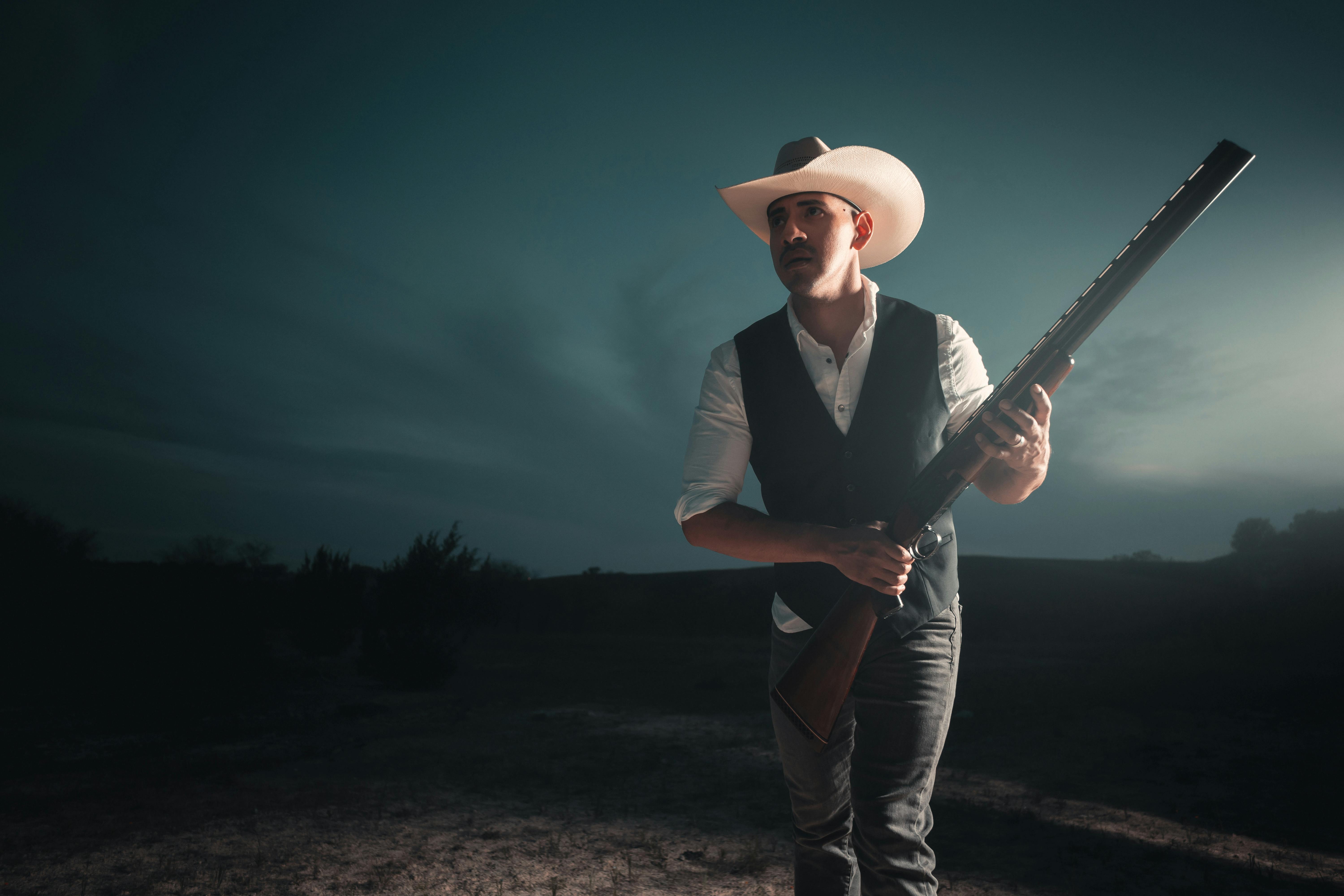
There is no denying that the romance of the American West helped Henry attract attention. Lever actions stir up images of frontier history, saddle scabbards, and old film heroics, and that emotional pull is a real part of the brand’s popularity.
But nostalgia alone rarely sustains trust. People may buy a rifle for the vibe, yet they keep it and recommend it because it shoots well, handles naturally, and works when asked.
Henry benefited from that exact progression. The style opened the door, then everyday usefulness did the convincing. That is how a firearm moves from impulse purchase territory into the realm of dependable ownership.
User-friendly features widened the audience

Modern buyers often want traditional aesthetics without giving up convenience, and Henry gradually responded to that expectation. Features like side loading gates on certain models, good sights, drilled-and-tapped receivers on some variants, and practical stock dimensions made the rifles easier to live with.
That matters because trust is not built only on function under pressure. It is also built in small moments, during loading, carrying, mounting the rifle, and setting it up for the way a person actually shoots.
When a gun feels considerate instead of finicky, it becomes easier to recommend. Henry’s willingness to evolve helped the brand reach people who liked lever actions but wanted modern usability too.
Strong customer service reinforced confidence
A firearm company’s reputation does not rest only on the product itself. It also depends on what happens when owners have questions, need repairs, or want reassurance that the company will stand behind what it sells.
Henry’s customer service reputation has played a meaningful role in turning buyers into repeat customers. Knowing that a manufacturer is responsive can remove a lot of hesitation, especially for people making a significant purchase or trying a new platform.
That support has an outsized impact in the gun community, where stories travel quickly. Positive service experiences often become part of the brand narrative, and that kind of trust is difficult for competitors to manufacture overnight.
Word of mouth in gun culture is powerful

In the firearms world, recommendations from friends, relatives, hunting partners, and gun shop employees often matter more than polished advertising. Henry benefited as more owners reported that their rifles were accurate enough, reliable enough, and enjoyable enough to justify the praise.
That kind of endorsement carries extra weight because it usually comes with lived experience. Someone is not just repeating a slogan. They are talking about a rifle they carried in the woods, shot on weekends, or passed around at the range.
As those stories accumulated, Henry’s image shifted. The brand started sounding less like a curiosity and more like a safe, proven choice for all kinds of shooters.
They occupy a sweet spot between tradition and practicality
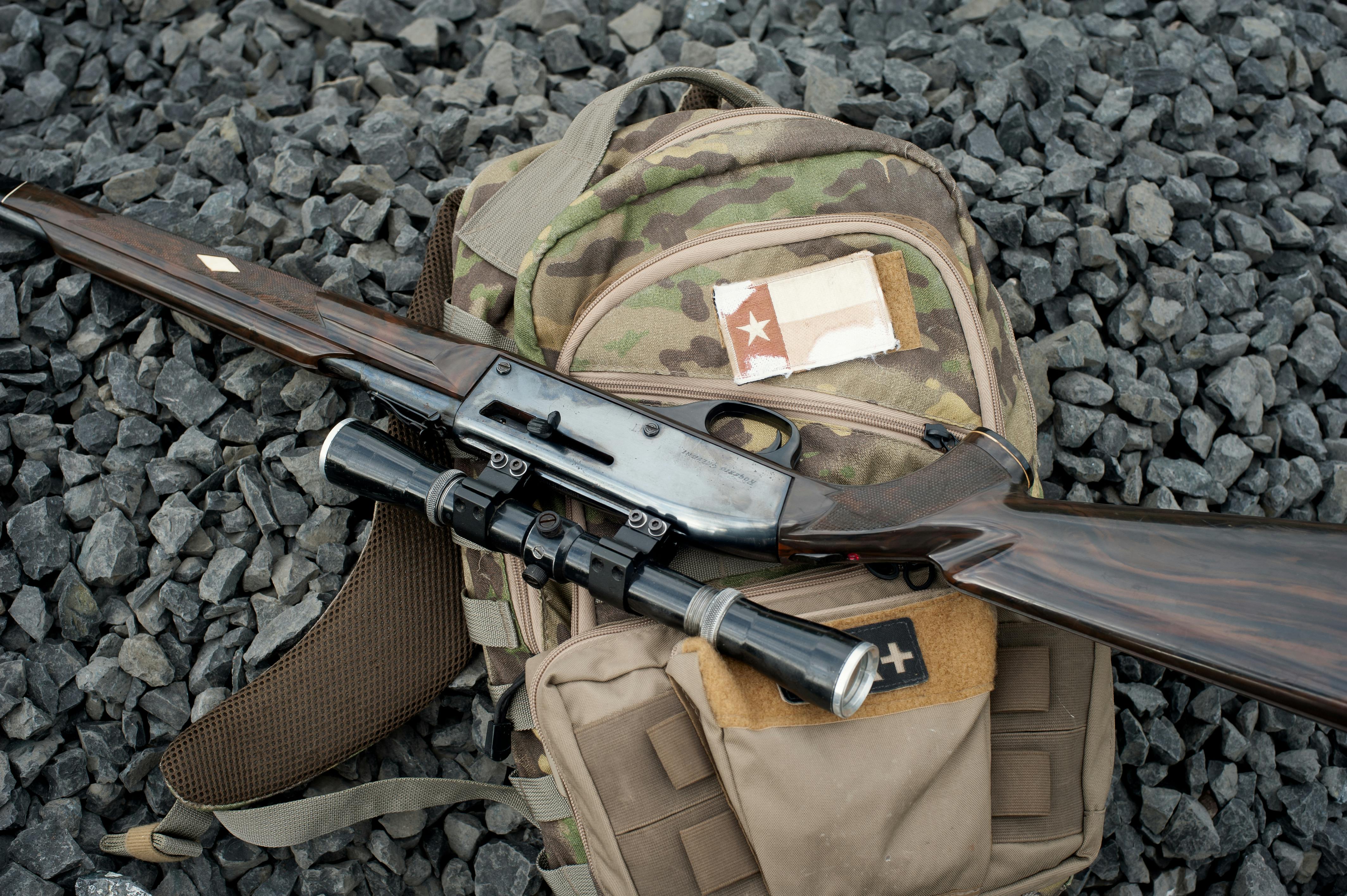
What makes Henry especially trusted today is that the rifles occupy a rare middle ground. They feel rooted in American firearms history, yet many models are practical enough for real hunting, ranch use, recreational shooting, and collecting without requiring owners to treat them like fragile artifacts.
That versatility gives the brand unusual resilience. A Henry can be a first rifle, a camp rifle, a sentimental heirloom, or simply a fun range companion that still performs with seriousness when needed.
In the end, trust came from repeated proof. Henry lever actions did not become respected because they were different. They became respected because they consistently gave people good reasons to keep reaching for them.