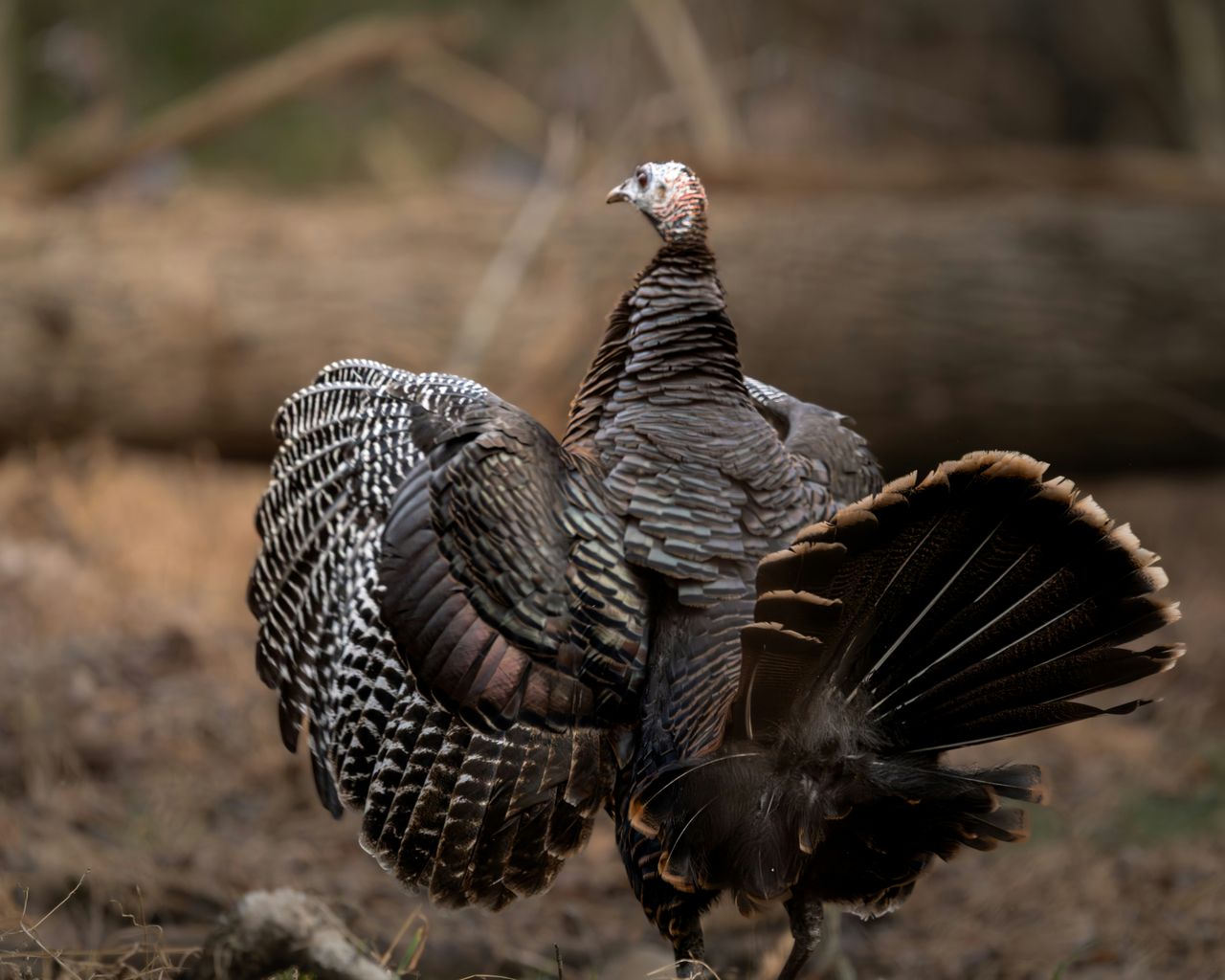
Most hunters learn a basic yelp early, but the calls that consistently fool pressured gobblers are often the ones that take the longest to truly control. This gallery looks at 11 turkey sounds that veteran hunters respect for their nuance, timing, and realism. Master them, and you are not just making noise; you are speaking the language of the spring woods with far more confidence.
Tree Yelp
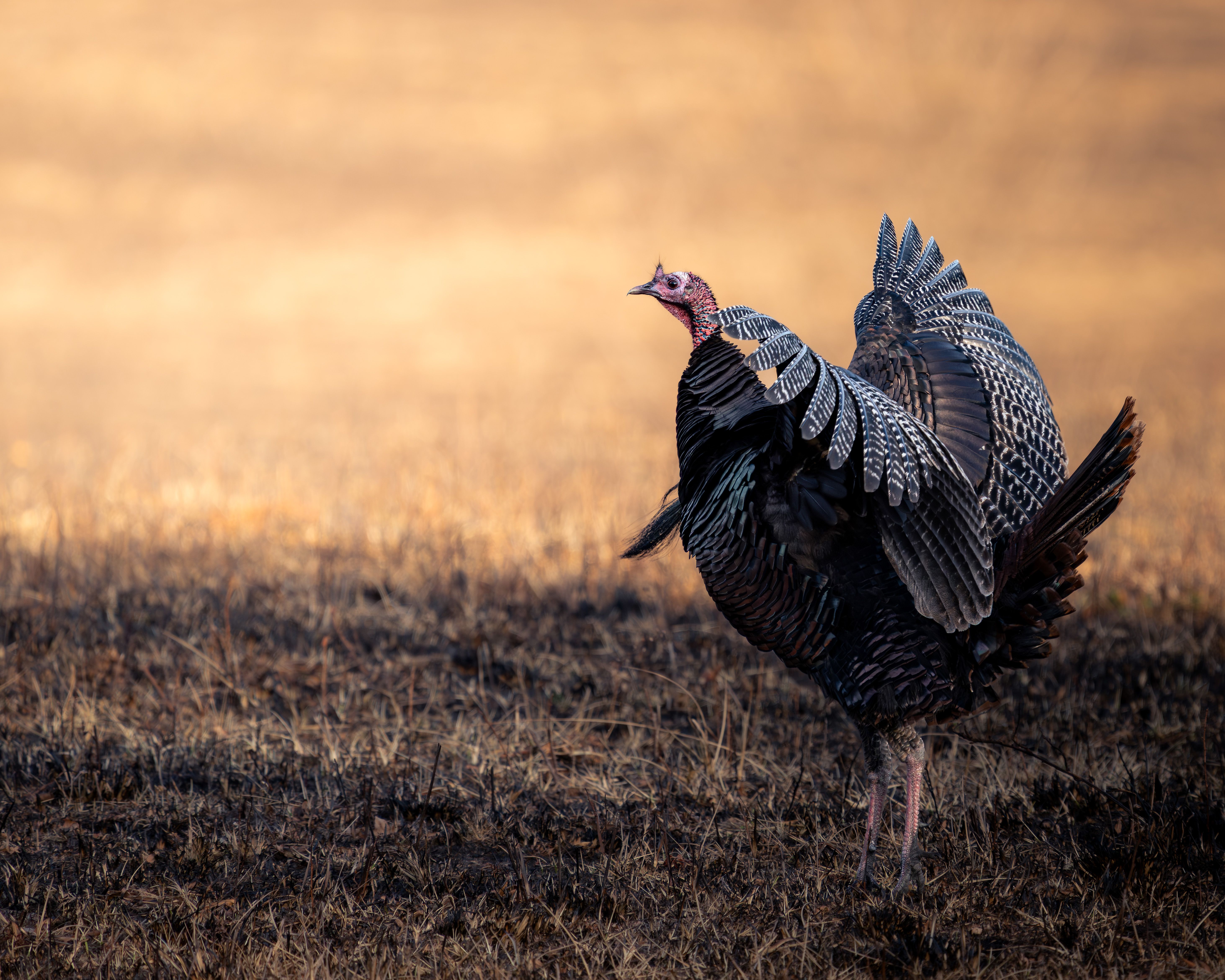
The tree yelp sounds simple until you try to make it feel truly natural. It is soft, sleepy, and unhurried, the kind of sound a hen gives before fly-down, and experienced hunters know that too much volume or speed ruins the illusion immediately.
What makes it hard is restraint. You have to keep the notes light and spaced just right, especially in still morning air when every sound carries. When done well, the tree yelp can calm a suspicious gobbler and convince him there is a real bird above him, not a hunter trying too hard before sunrise.
Fly-Down Cackle
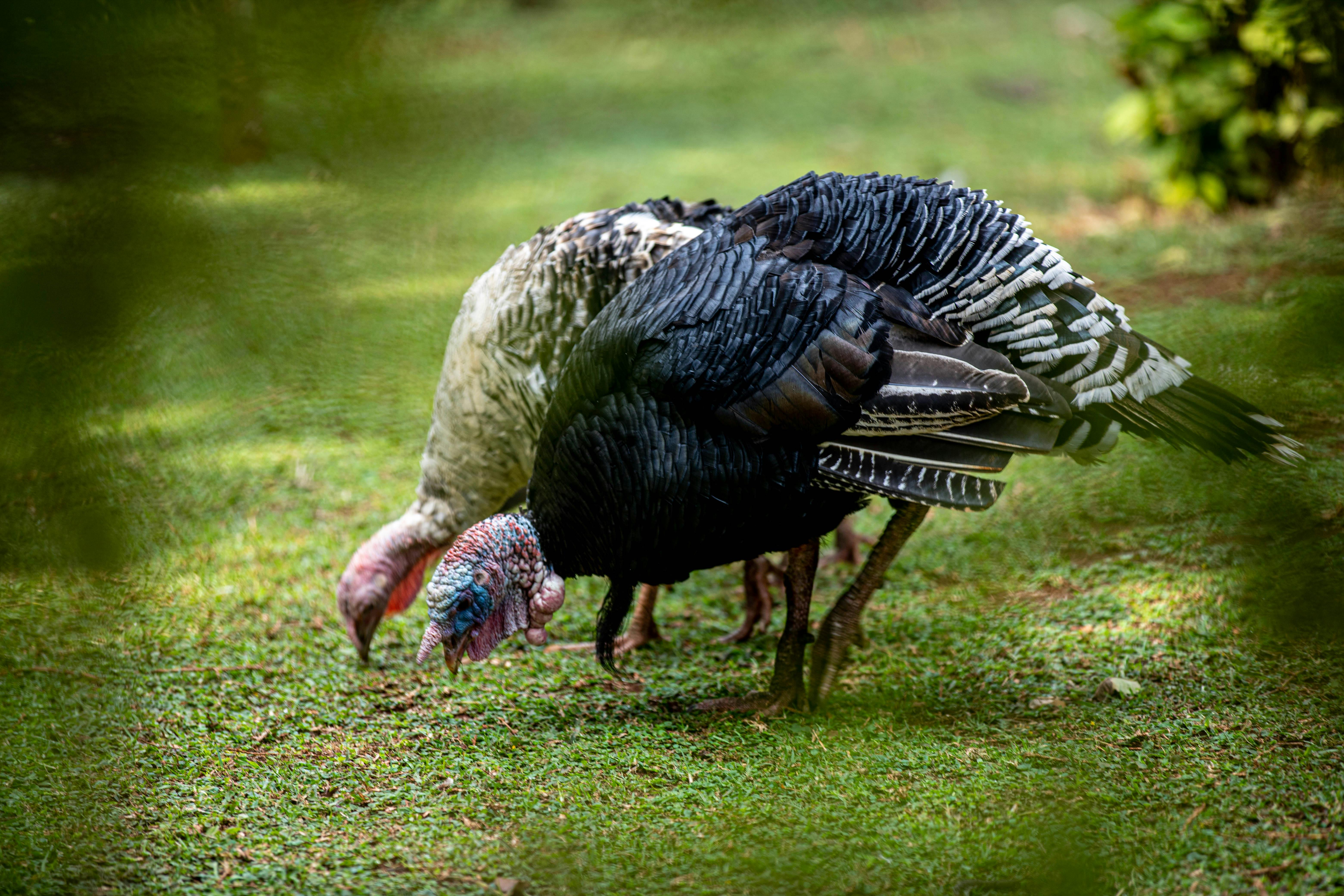
The fly-down cackle is one of those calls that separates imitation from storytelling. It is not just a burst of notes. It has rhythm, excitement, and usually a natural transition into wing beats, scratching, or a few follow-up yelps that make the whole scene believable.
Many hunters overdo it, turning a quick, lively sequence into a frantic performance. Veterans spend years learning where to start, how long to carry it, and when to stop. A convincing fly-down cackle can paint the exact morning picture a gobbler expects to hear, and that realism can pull him into range fast.
Plain Yelp

The plain yelp is the backbone of turkey calling, which is exactly why mastering it takes so long. Everyone can make a yelp, but making one that has a clean front-end note, proper break, and believable cadence across changing moods is another matter entirely.
Experienced hunters treat the yelp like a language with accents. A few notes can sound relaxed, lonely, bossy, or interested depending on pitch and spacing. That flexibility changes everything in the field. When your yelp stops sounding generic and starts sounding like a specific hen in a specific moment, gobblers respond with far more commitment.
Cutting

Cutting is loud, sharp, and emotionally charged, but that does not mean it should be chaotic. The best callers give it urgency without losing structure, creating a sound that feels like a fired-up hen rather than a person hammering away on a call.
This one takes time because rhythm matters as much as volume. You need to know when to stack aggressive notes, when to break into yelps, and when to let silence do the work. Used correctly, cutting can trigger a gobbler’s competitive instinct and make him close distance in a hurry when softer talk is getting ignored.
Purr

The purr is quiet, subtle, and notoriously hard to make sound authentic. On many calls, it becomes too coarse, too mechanical, or too even. In the woods, though, a true turkey purr has texture and mood, and often works best when barely audible.
That is why seasoned hunters value it so highly around close birds. A soft purr can reassure a gobbler that all is calm, especially when paired with light feeding sounds. The challenge is confidence. You have to trust a low-volume call and deliver it with finesse, knowing that tiny imperfections matter more here than they do in louder vocalizations.
Cluck and Purr Combination

The cluck and purr combination is where advanced realism starts to show. A single cluck can say plenty, but blending it naturally into a purr creates the conversational, contented sound of a relaxed hen that nearby birds hear all the time.
It takes years because the transition has to feel fluid, not stitched together. Callers must control pressure, pace, and timing so one sound melts into the next. When mastered, this combination shines in close-range situations where gobblers are looking for reasons to trust what they are hearing. It is less dramatic than a cackle or cutting sequence, but often far deadlier.
Kee-Kee Run

Many hunters associate the kee-kee run with fall birds, but experienced callers know it can still be a powerful proof of skill and ear control. It asks for clean, high whistles that roll naturally into yelps, and that pitch change is where many people struggle.
It is a demanding call because the notes have to stay crisp without sounding forced. On some call setups, especially mouth calls, that takes real muscle memory and breath discipline. Hunters who can produce a convincing kee-kee run gain another way to sound like an actual turkey, not just a standard spring caller cycling through the usual repertoire.
Assembly Yelp

The assembly yelp is bigger, longer, and more searching than the average yelp, and that scale is exactly why it is difficult to do well. It needs energy and reach without crossing into unnatural repetition or overcalling.
Seasoned hunters use it carefully when they want to gather attention or sound like a hen trying to regroup birds. The trick is maintaining realism over a longer sequence. Good callers know how to let emotion build, then taper away before it feels staged. When you finally learn that balance, the assembly yelp can wake up distant birds and change the tone of a slow hunt.
Excited Yelp

The excited yelp lives in that narrow band between persuasive and excessive. It carries more speed and emotion than a plain yelp, often with a stronger cadence, but it still has to sound like a turkey whose mood has changed, not a caller who lost discipline.
That emotional control is what takes time. Veteran hunters learn how to inject urgency without abandoning note quality, and how to read whether a gobbler wants more heat or less. When it clicks, the excited yelp becomes a powerful middle gear, enough to spark a response or pull a hung-up bird without blowing apart the setup.
Fighting Purr
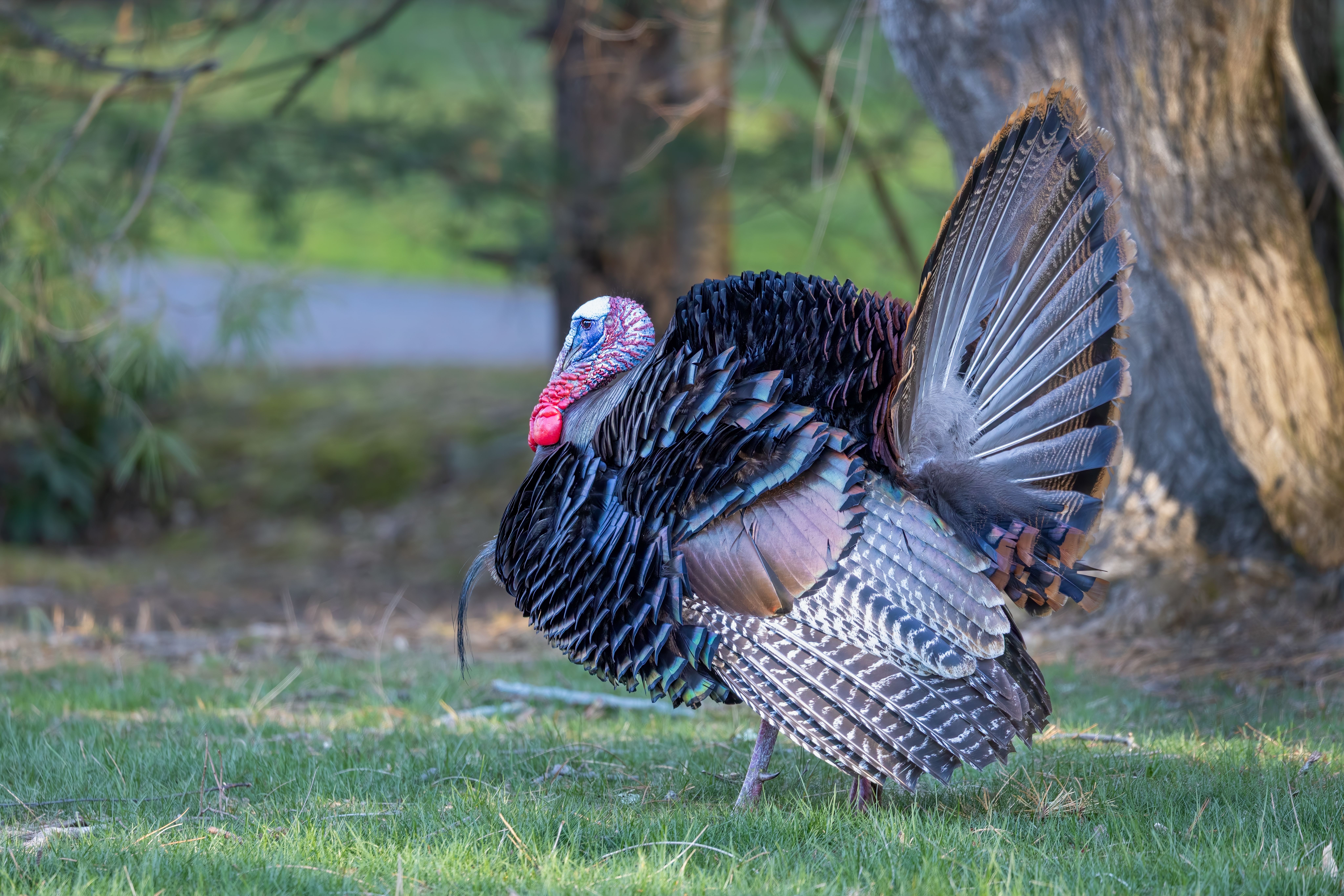
The fighting purr is one of the most dramatic sounds in turkey hunting, and one of the easiest to fake badly. It should feel rough, intense, and physical, often mixed with wing noise or leaf scratching, not like a steady purr simply played louder.
What makes it special is the reaction it can trigger. In the right situation, a gobbler hears conflict and comes to investigate or dominate the scene. But it is a high-risk call that demands context and confidence. Hunters spend years learning when aggression sounds authentic and when it just sounds out of place in otherwise quiet spring woods.
Whine
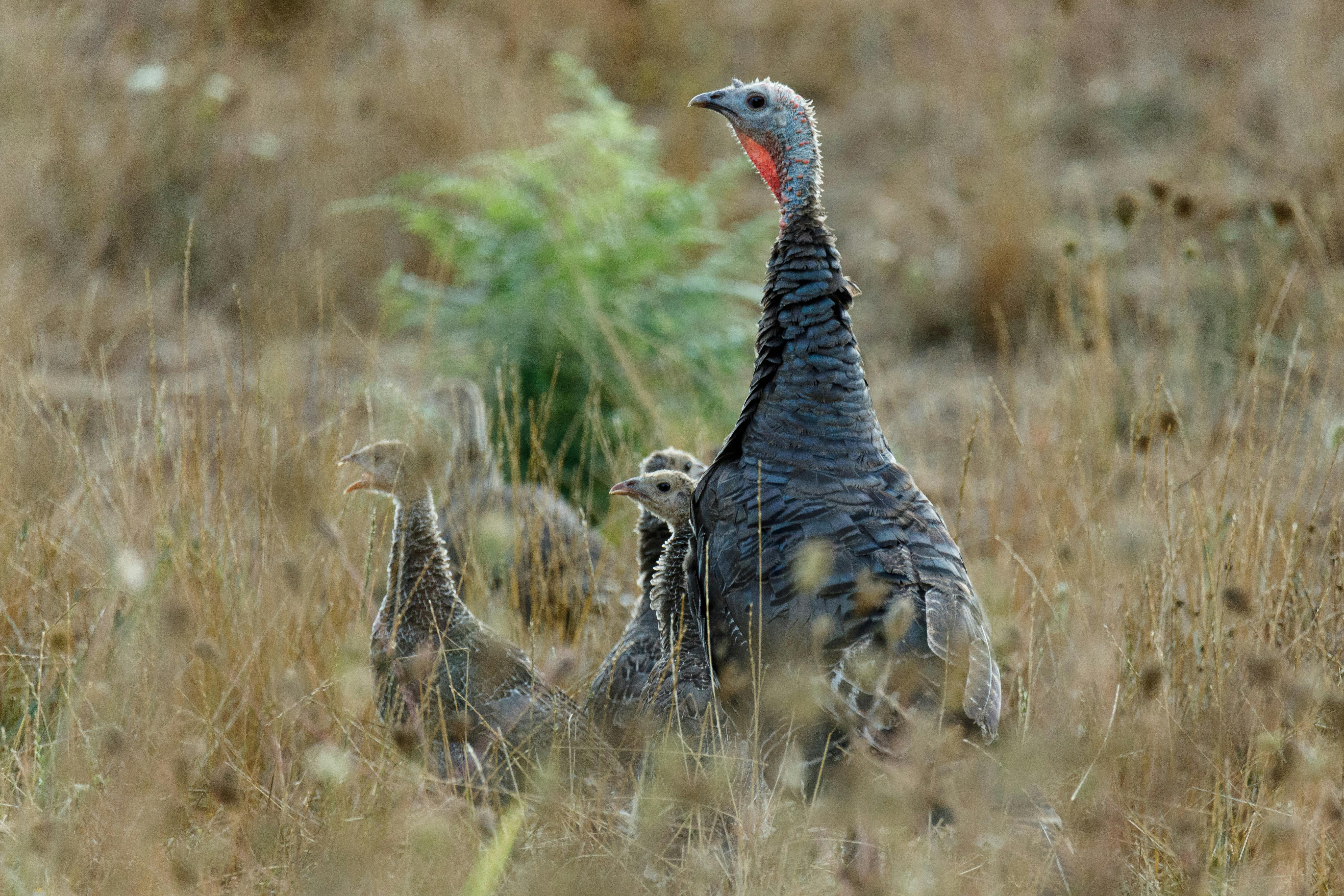
The whine is subtle enough that many casual hunters never bother with it, yet seasoned turkey callers talk about it with real respect. It is a pleading, nasal, slightly drawn-out sound that can add realism between more recognizable calls and make a setup feel less rehearsed.
It takes time because it relies on nuance rather than volume. The tone has to be right, and the timing has to be natural, almost as if the sound slipped out rather than being performed. Mastering the whine gives hunters another fine brushstroke, and often those small details are what convince pressured birds that the scene is genuine.