Most Canik TP9 reviews focus on the first range trip, the trigger, and the price tag. What they usually miss is what ownership feels like after months of carry, cleaning, training, and parts hunting. This gallery looks at the small truths that only show up with time, and they are often the details that shape whether owners stay loyal or move on.
The trigger sets expectations unrealistically high
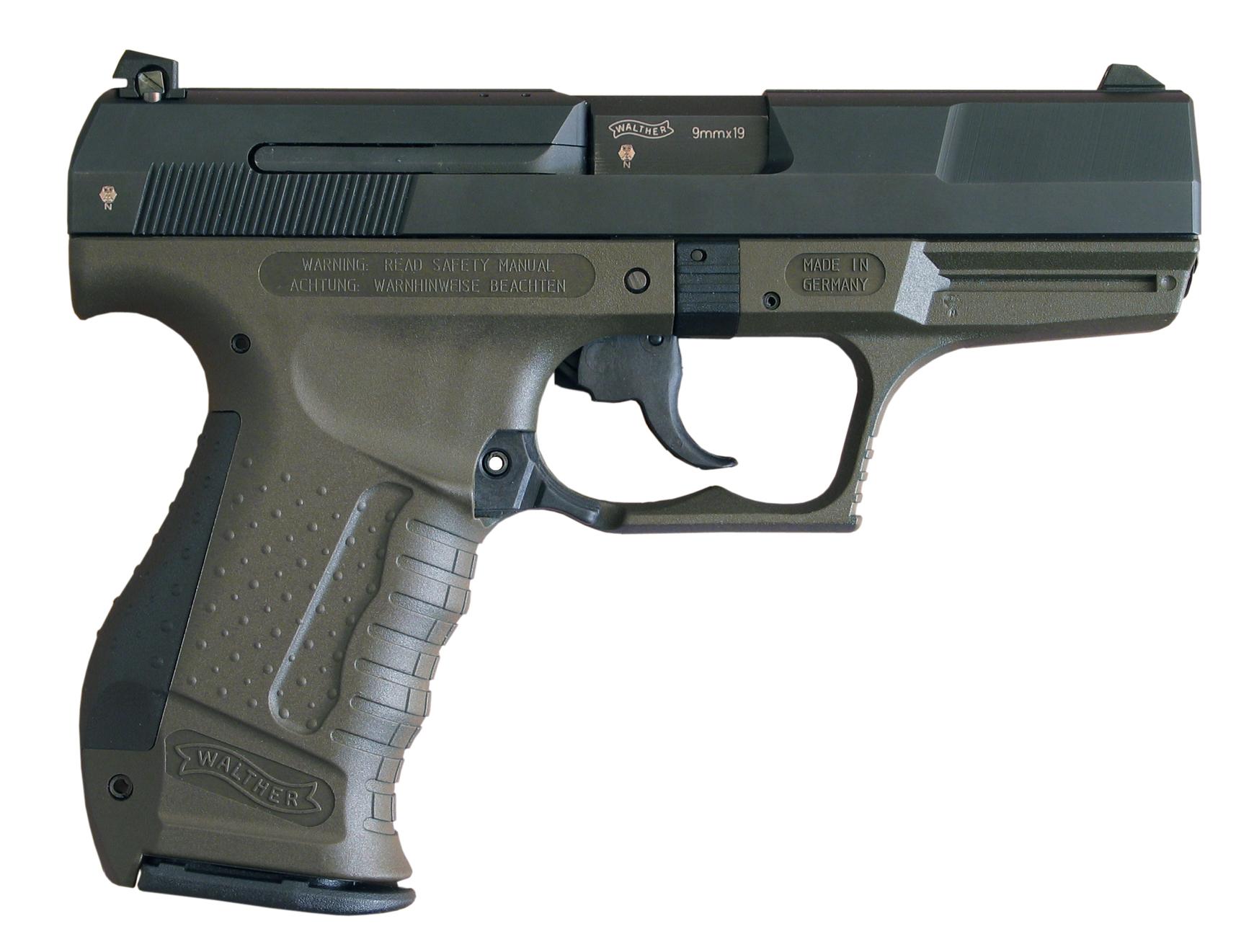
The first-year surprise is that the TP9’s trigger does not just impress new owners, it changes what they expect from everything else. After enough range sessions, many people find themselves comparing every rental gun, carry gun, and backup pistol to the Canik’s clean break and short reset.
That can be a good problem and a mildly expensive one. Suddenly, perfectly decent triggers feel mushy, vague, or slow. Reviews often praise the trigger in isolation, but they rarely mention how it quietly recalibrates your standards and makes future handgun shopping much pickier than before.
Holster shopping gets more annoying than expected

A year in, many TP9 owners discover that buying the gun was easier than finding the exact holster they actually want. Basic options exist, but once someone wants a specific light, optic cut, retention style, ride height, or concealment setup, the search can become a lot less straightforward.
This is one of those ownership details that barely shows up in glowing reviews. The pistol itself may be a value star, but accessory compatibility can feel uneven depending on the model variant. Owners often end up testing multiple holsters before finding one that balances comfort, draw speed, and reliable fit without compromise.
The magazines are great until you need more of them
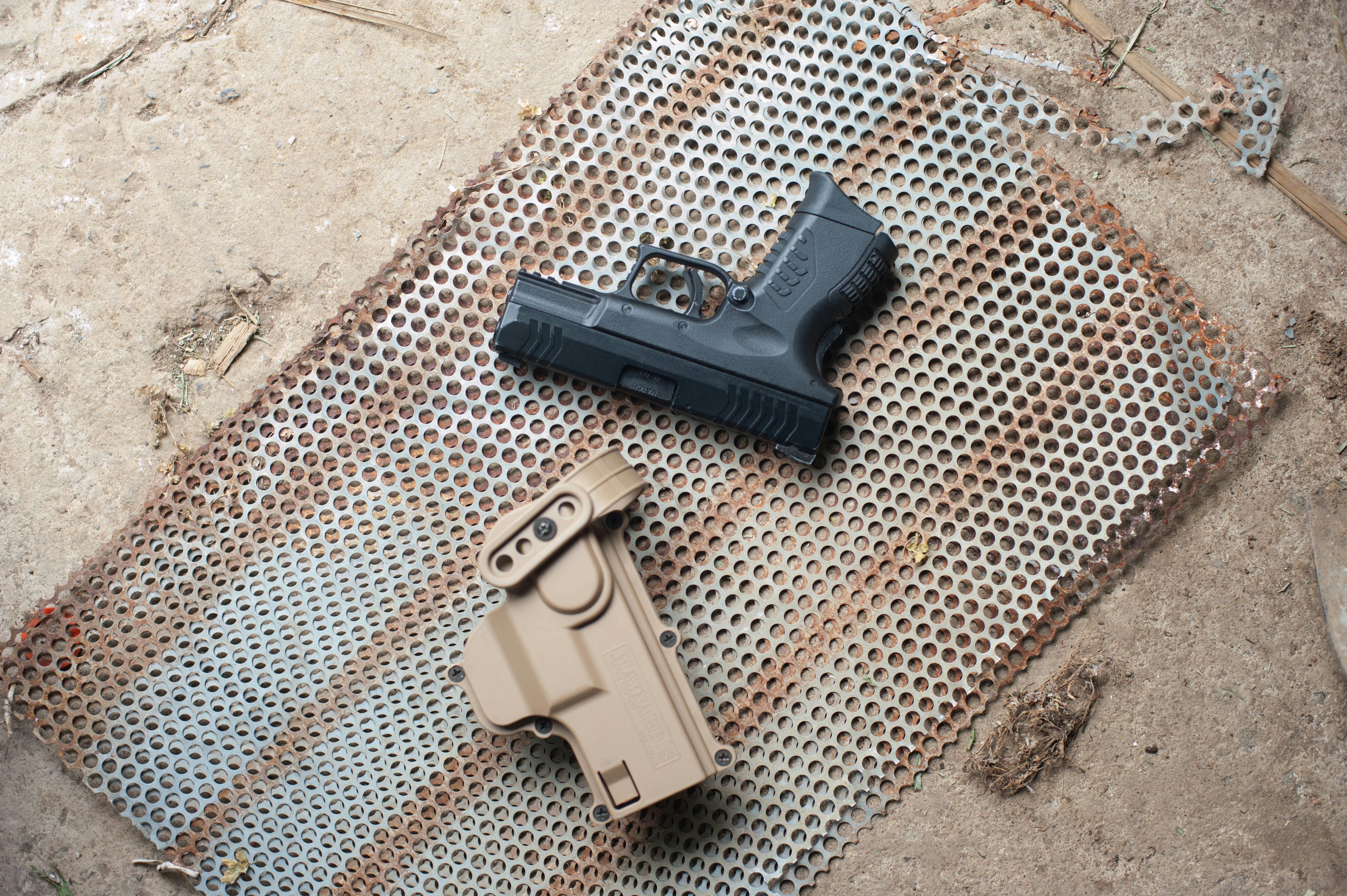
During the first year, owners usually learn that factory magazines run well and inspire confidence. The catch is that confidence quickly turns into a desire for more mags for classes, range days, home setup, and rotation, and that is where convenience can start to wobble.
Availability, pricing, and model-specific compatibility become much more noticeable once the honeymoon period ends. A review may mention capacity and reliability, but living with the platform means budgeting for a small pile of magazines. That is when owners realize the true cost of ownership is not just the pistol, but feeding the routine that comes with it.
Cleaning is easy but grime shows up in familiar places

After months of use, TP9 owners start noticing the same dirt patterns over and over. Carbon buildup, lint, and residue tend to collect in predictable spots, and owners get a feel for what is normal versus what deserves a closer look during maintenance.
This is less dramatic than a review’s first field-strip segment, but more useful in real life. The pistol is generally straightforward to clean, yet long-term ownership teaches small habits that matter more than any flashy teardown. People learn which areas foul fastest, how often they really need to service it, and what their individual shooting schedule does to the gun.
The finish tells the truth about your habits

One year is enough time for honest wear to start speaking up. Holster contact points, slide edges, controls, and magazine baseplates often reveal exactly how the gun is carried, stored, and used. Owners who expected the finish to remain showroom-perfect usually adjust their expectations pretty quickly.
For many people, that wear becomes part of the relationship rather than a flaw. It shows whether the pistol is a safe queen or a working tool. Reviews tend to mention fit and finish on day one, but not how the gun looks after heat, sweat, repeated draws, and hundreds of reloads across an ordinary year.
The grip texture is either a blessing or a negotiation
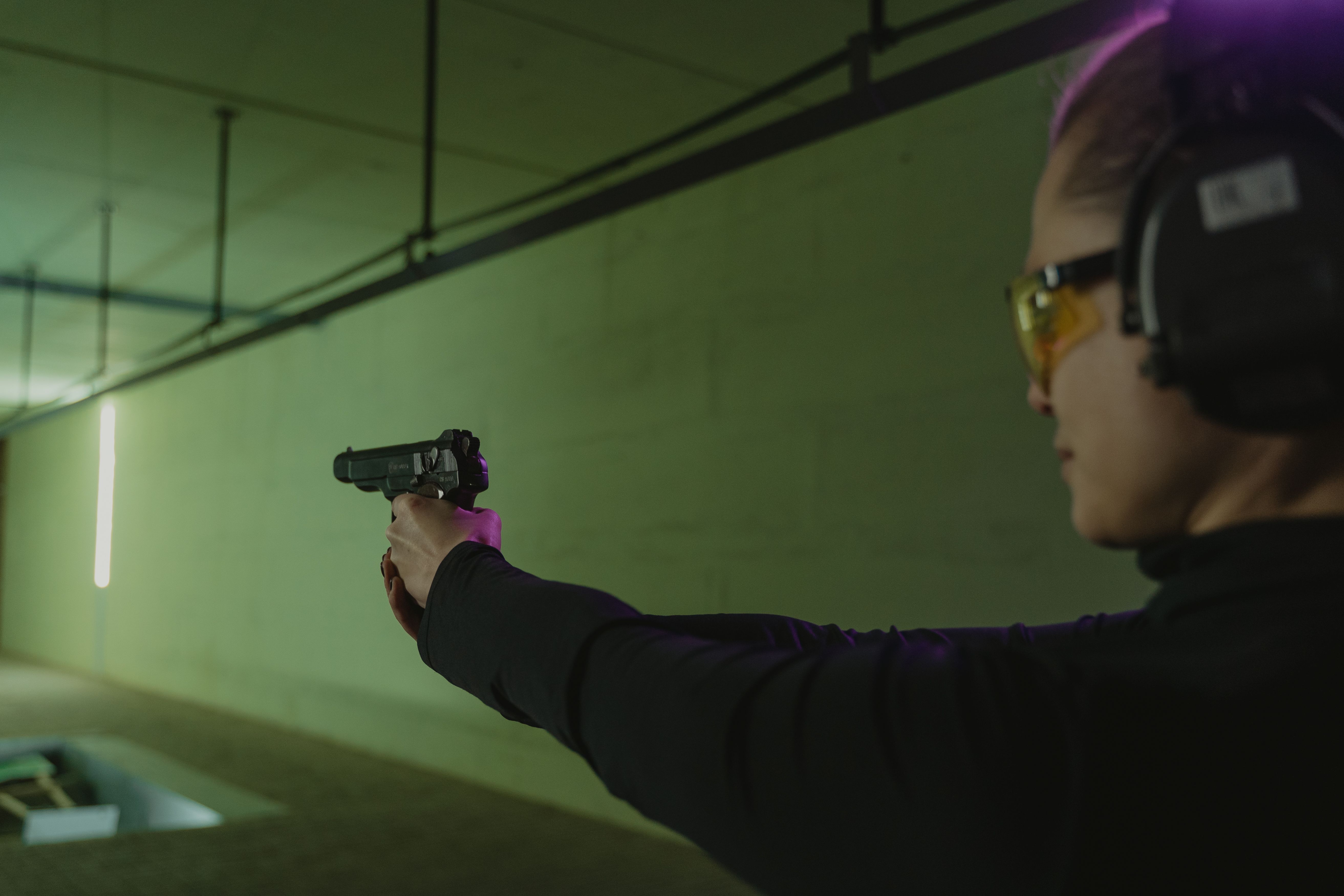
Early impressions of grip texture usually happen during a short range trip. A year later, owners have a much better answer. They know whether the texture locks the hand in place during fast strings or rubs against skin, shirts, seat belts, and cover garments often enough to become a daily irritation.
That is where practical ownership gets personal. Some people grow to love the secure feel, while others start experimenting with sleeves, tape, stippling choices, or holster adjustments. Reviews may call the grip aggressive or comfortable, but only long-term use reveals whether it fits your life as well as it fits your hand.
You start noticing which ammo it truly prefers
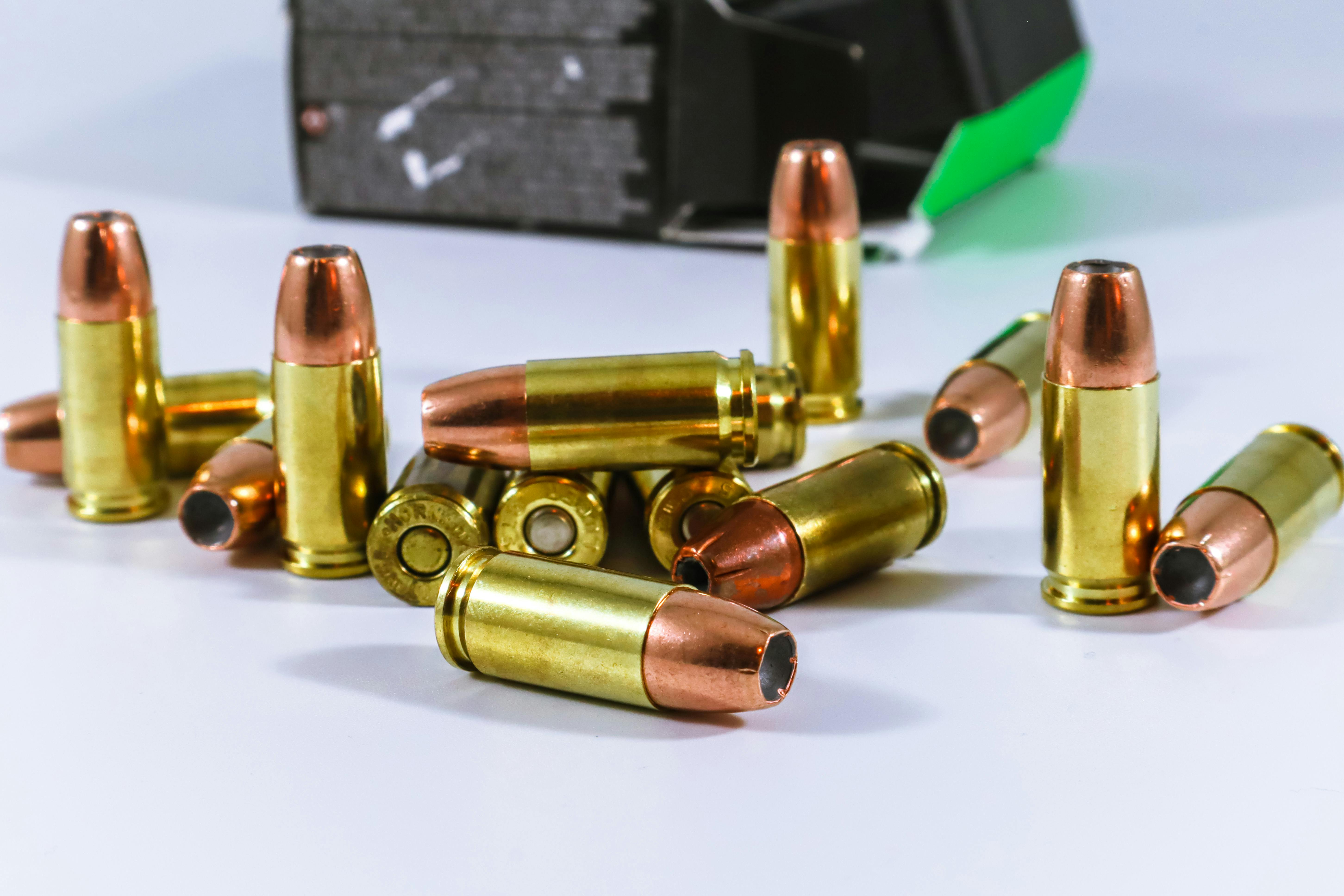
A year with the TP9 usually teaches owners that reliability is not just about whether the gun runs, but how it runs with specific loads. Different practice ammo, defensive rounds, and even bargain bulk packs can change recoil feel, ejection pattern, and overall shooting rhythm in ways that become obvious over time.
This is where casual ownership turns into informed ownership. Instead of saying the pistol eats everything, people begin paying attention to what feels softest, shoots cleanest, and groups best. Reviews often celebrate broad reliability, but real familiarity comes from seeing patterns after many range trips and lots of different boxes.
Aftermarket temptation becomes part of the hobby

At first, many owners buy the TP9 because it already feels feature-rich for the price. Then the first year happens. An optic, upgraded sights, a different backstrap, magwell, trigger shoe, baseplates, or a light suddenly seem less like extras and more like inevitable next steps.
That shift is rarely discussed in standard reviews because it happens slowly. The pistol invites tinkering without necessarily needing it, and that can turn a budget-friendly buy into an ongoing project. For some owners, that is part of the fun. For others, it becomes the moment they realize no handgun stays truly finished for long.
The included gear matters more than you thought

Many first reviews mention the box contents almost like a bonus round, then move on. A year later, owners often realize that the included extras shaped their early experience more than expected. Spare backstraps, mags, optic plates, tools, or a starter holster can smooth out the first months of ownership in practical ways.
That matters because ownership is not just about the gun in isolation. It is about how quickly someone can train, configure, and carry it without spending more money immediately. Over time, people appreciate that a thoughtful package can reduce friction, especially for newer shooters building out their setup piece by piece.
Range conversations turn into unexpected brand loyalty

One under-the-radar first-year discovery is how often the TP9 becomes a conversation starter. Other shooters ask to try it, notice the trigger, comment on the value, or compare it to more expensive pistols. That repeated social feedback slowly reinforces the owner’s confidence in the platform.
Over time, simple satisfaction can become genuine brand loyalty. Not because of advertising, but because the gun keeps holding its own in real-world range chatter. Reviews focus on individual impressions, while long-term ownership adds a social layer. People remember the raised eyebrows after a good group or the surprised reaction after a few dry-fire presses.
The size feels different once daily life gets involved

A pistol can feel perfectly balanced in a reviewer’s hands and still reveal new truths after a year of actual ownership. Carrying it, storing it, driving with it nearby, and fitting it into safes, bags, and bedside setups all make size feel more real than it does during a 15-minute review.
That is when owners decide whether the TP9’s dimensions are ideal, manageable, or just a little more gun than they want every day. The difference between range comfort and life comfort is huge. Long-term use exposes it clearly, especially for people who thought one pistol could handle every role without tradeoffs.